This lesson provides an in-depth guide to horizontal road markings, which are vital for interpreting lane discipline and safety rules on Turkish roads. Building on our study of traffic signs, you will learn how these surface markings dictate your legal path and help you make safe driving decisions. This knowledge is essential for passing the Category B theory exam and applying correct lane control in real-world traffic.
Lesson content overview
In the study of road safety, horizontal road markings (yer işaretlemeleri) serve as the immediate, continuous guide for vehicle positioning. Painted directly onto the asphalt, these visual cues are just as legally binding as vertical traffic signs. They define lane boundaries, control overtaking maneuvers, structure intersections, and designate safe zones for vulnerable road users.
For candidates preparing for the Turkish Category B driving license theory exam (MTSK e-sınav), mastering these markings is essential. This lesson provides a comprehensive, textbook-grade analysis of horizontal road markings, detailing their legal definitions, safe application, and the real-world driving behaviors required under the Turkish Highway Traffic Law (Karayolları Trafik Kanunu).
Horizontal markings do not exist in isolation; they form an integrated system with vertical signage and traffic lights. While a vertical sign might alert a driver to an upcoming hazard or change in priority, the horizontal markings on the asphalt dictate exactly where a vehicle must stop, merge, or maintain its lane.
These markings achieve several vital objectives:
Longitudinal markings run parallel to the direction of traffic flow. They are the primary tools used to separate lanes of traffic moving in the same direction or to divide opposing traffic streams.
A solid white line is an uninterrupted longitudinal stripe painted on the pavement. Under Turkish traffic regulations, a solid line acts as an invisible wall.
A continuous white line indicating that changing lanes, crossing the line, or overtaking across it is strictly prohibited. It is used to separate traffic lanes moving in the same direction where lane changes pose a high risk.
A broken white line consists of a series of evenly spaced, dashed white segments.
Composed of two parallel continuous white lines painted closely together, this marking represents the highest level of lane restriction.
Under standard road design, yellow lines are used to mark boundaries or highlight specific traffic dynamics. A solid yellow line is typically painted along the edge of the road (the shoulder line) or is used to separate opposing traffic flows on single-carriageway roads.
In Turkish traffic law, driving on the emergency shoulder separated by a solid yellow line is heavily penalized. The shoulder must remain completely clear for emergency vehicles, police, and broken-down cars.
This marking consists of a series of dashed yellow segments.
Two parallel solid yellow lines running down the center of the road.
Lane dividers are shorter, closely spaced dashed lines. Their purpose is to delineate separate driving lanes in complex driving environments.
Transverse markings run across the road surface. They indicate where drivers must slow down, yield, or come to a complete stop.
The stopping line is a thick, solid white line painted across the lane, preceding an intersection, traffic light, or stop sign.
Often referred to as "shark's teeth," this marking consists of a row of small white triangles painted across the lane, pointing toward approaching traffic. It is almost always paired with the vertical "Yield" (Yol Ver) sign.
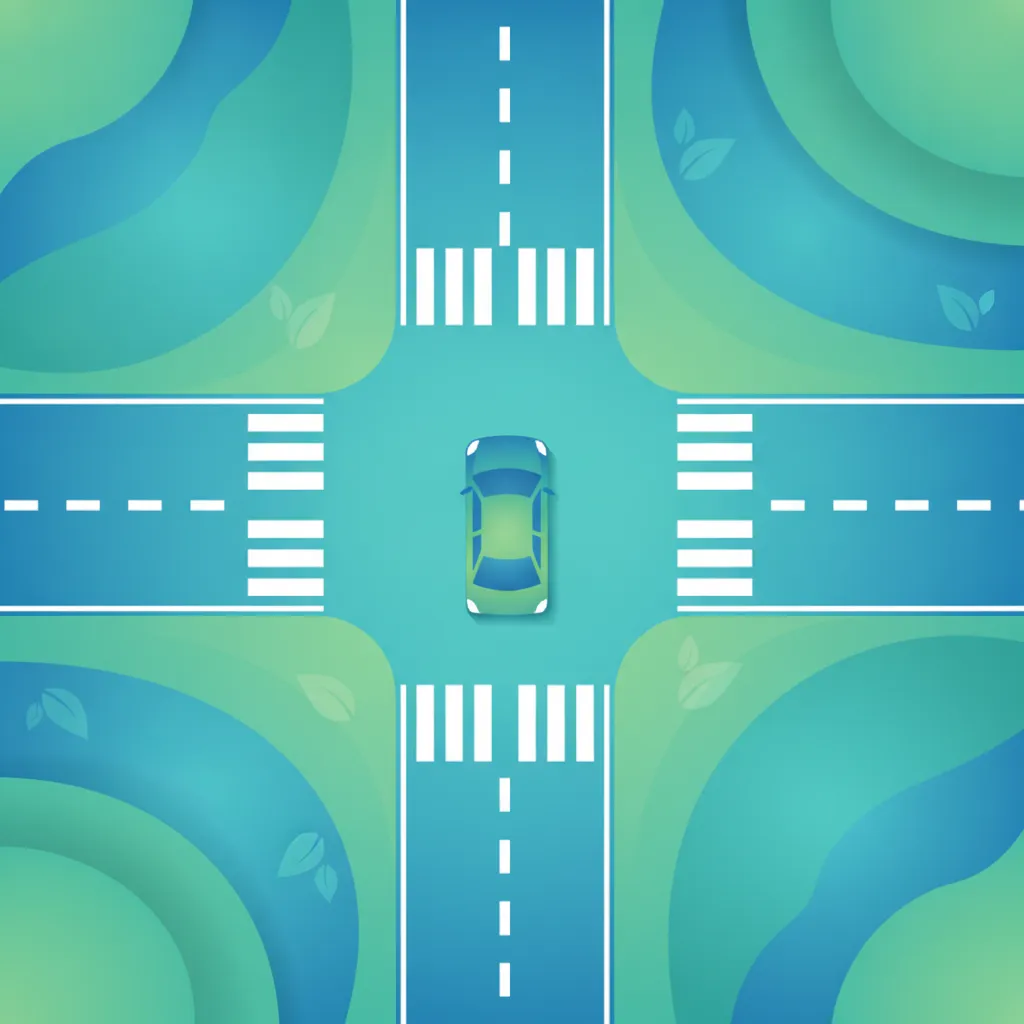
Pedestrian crosswalks, commonly known as zebra crossings, are marked by thick, parallel white stripes running along the direction of the road.
To maximize space and minimize driver distraction, regulatory messages and symbols are often painted directly onto the lane surfaces.
Turn arrows are white directional arrows painted in the center of specific lanes. They instruct drivers on the allowed maneuvers from that lane.
Anticipate the Turn: Watch for the upcoming overhead signs or surface arrows at least 100 to 150 meters before the intersection.
Select the Correct Lane: Align your vehicle with the arrow that matches your intended direction (e.g., left-turn arrow, straight-only arrow, or right-turn arrow).
Commit to the Maneuver: Once you enter a lane marked with a directional arrow, you are legally committed to that direction. Abruptly changing your mind or attempting to go straight from a dedicated turning lane is highly dangerous and illegal.
Certain lanes are reserved for specific classes of vehicles, such as public buses (Otobüs Yolu), emergency vehicles, or bicycles. These lanes are marked with large painted letters (e.g., "BUS" or "İETT" in Istanbul) and distinct symbols.
The legal and physical interpretation of road markings must change dynamically based on the surrounding environment, weather conditions, and vehicle states.
Water, mud, and snow can severely degrade the visibility of painted lines.
In urban centers, drivers must pay special attention to markings near schools, residential areas, and bicycle lanes. Bicycle lanes are often painted in solid blue or green with white bicycle stencils. Category B drivers must never encroach upon these lanes or use them as temporary parking zones.
If you are operating a Category B vehicle towing a trailer, your stopping distance is significantly increased. When approaching stopping lines or yield markings, you must begin braking much earlier than you would in a standard passenger car.
Violating horizontal road markings is one of the leading causes of traffic accidents and driving test failures in Turkey. The Turkish Highway Traffic Law enforces strict penalties for these infractions.
The most common infractions include:
| Marking Type | Definition & Visual | Legal Rule | Common Driving Scenario |
|---|---|---|---|
| Solid White Line | Continuous white stripe. | Strictly no crossing or lane changing. | Approaching a high-risk intersection or tunnel. |
| Broken White Line | Dashed white segments. | Crossing permitted for overtaking/merging if safe. | Multi-lane highway cruising. |
| Double Solid White Line | Two parallel solid white lines. | Absolute prohibition of crossing from both sides. | High-speed divided highway segment. |
| Solid Yellow Line | Continuous yellow line. | Marks road edge/shoulder or temporary work zone. | Driving on rural roads or highways. |
| Double Solid Yellow Line | Two parallel solid yellow lines. | Prohibits overtaking/crossing for both directions. | Sharp, blind curves on two-lane roads. |
| Stopping Line | Solid thick white line across the lane. | Complete stop required behind the line. | Red traffic light or "STOP" sign. |
| Yield (Give Way) Line | Row of white triangles ("shark's teeth"). | Yield right-of-way to intersecting traffic. | Roundabout entrance. |
| Pedestrian Crosswalk | Thick parallel white bars (zebra). | Pedestrians have absolute right-of-way. | Urban shopping streets and school zones. |
Explore all units and lessons included in this driving theory course.
Lesson content overview
Explore all units and lessons included in this driving theory course.
Explore search topics learners often look for when studying Horizontal Road Markings. These topics reflect common questions about road rules, driving situations, safety guidance, and lesson level theory preparation for learners in Turkey.
Browse additional driving theory lessons that cover connected traffic rules, road signs, and common driving situations related to this topic. Improve your understanding of how different rules interact across everyday traffic scenarios.
Understand the legal framework for right of way at controlled and uncontrolled intersections. This guide explains how horizontal markings, traffic signals, and priority signs dictate vehicle movement and ensure safety when navigating junctions, roundabouts, and merging traffic in accordance with Turkish highway traffic law.
This lesson provides an overview of the general priority principles that dictate right-of-way on Turkish roads. Topics include the hierarchy of road users, such as pedestrians, cyclists, and emergency vehicles, and how these hierarchies apply at various intersections. Learners will understand the fundamental concepts of yielding, stopping, and proceeding, as well as the importance of clear decision-making.
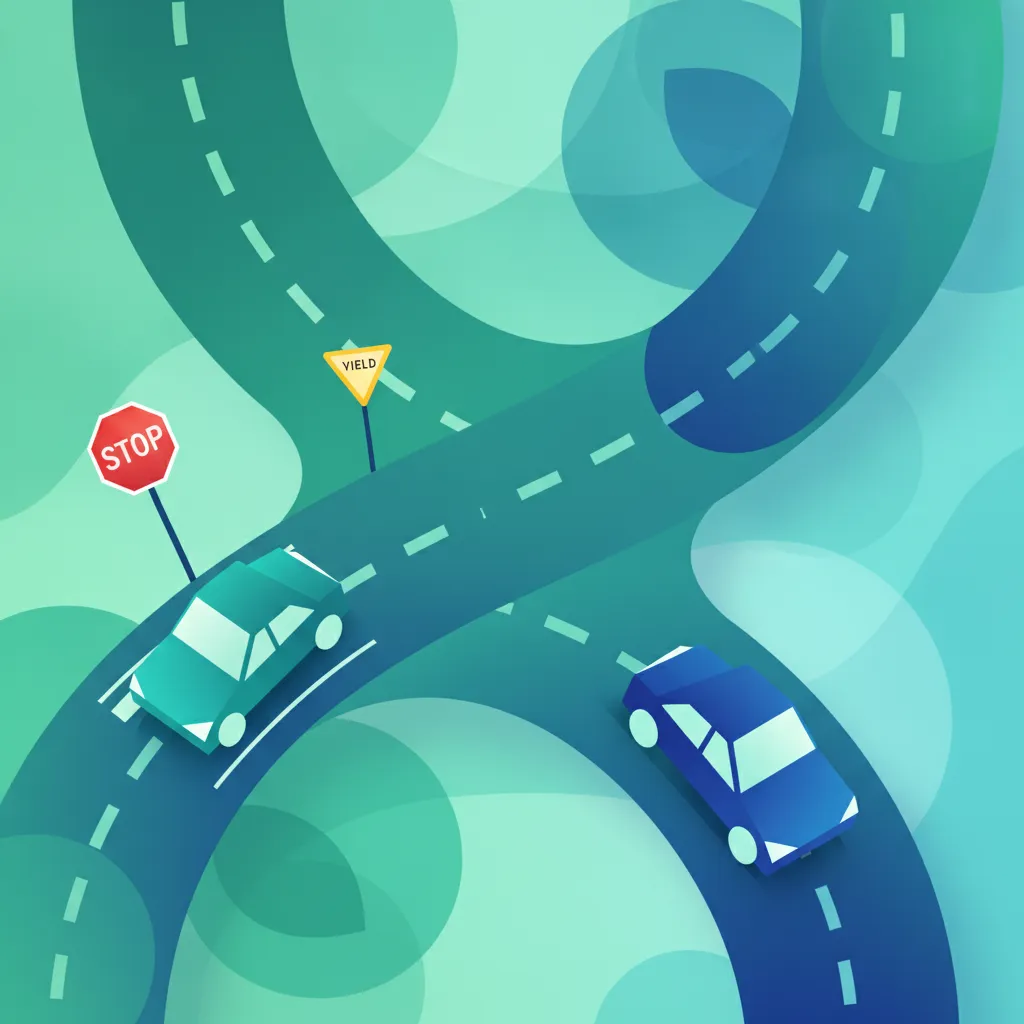
This lesson focuses on priority rules at controlled intersections equipped with traffic signals, stop signs, or yield signs. Learners will understand how to interpret traffic light phases, comply with stop and yield indications, and assess right-of-way at these intersections. The lesson also covers pedestrian and cyclist considerations, as well as emergency vehicle priority.
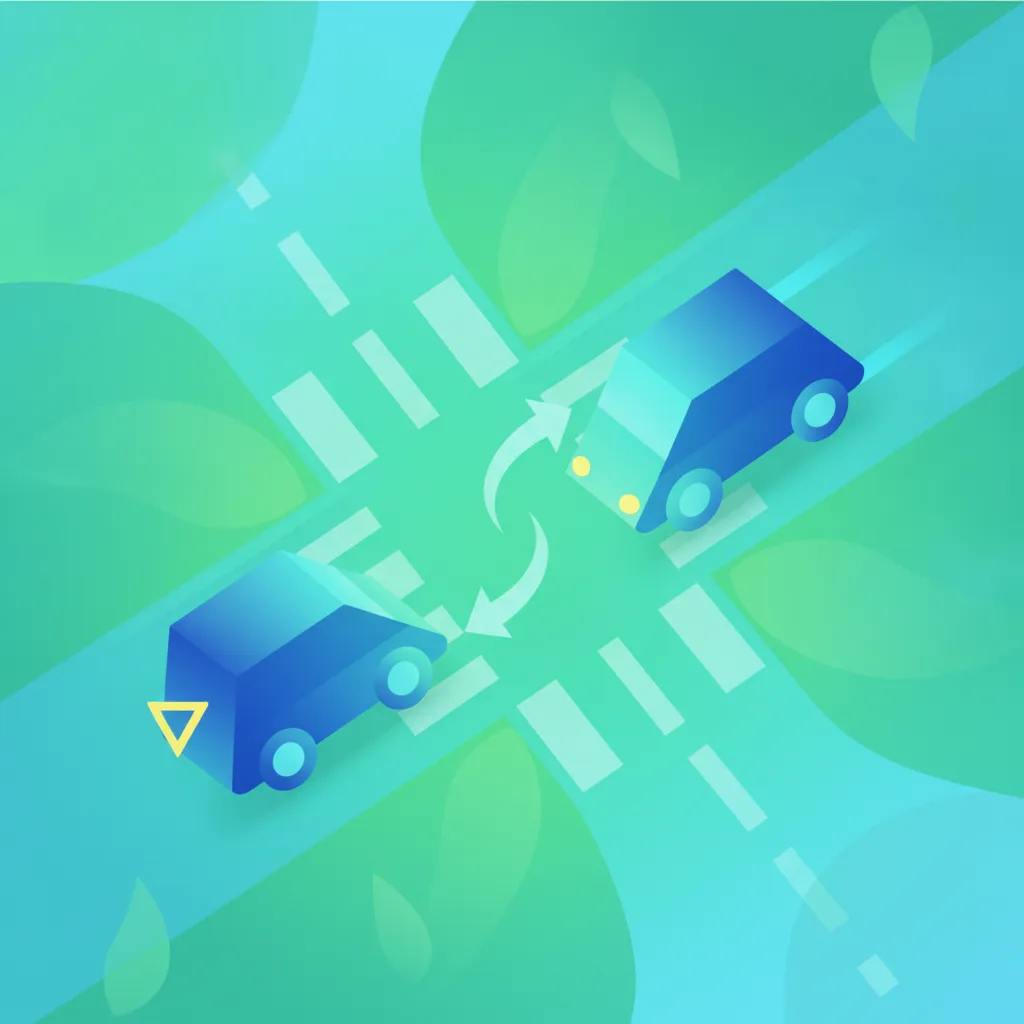
In this lesson, learners explore priority rules specific to uncontrolled intersections, where traffic signals or signs are absent. Topics include determining right-of-way based on vehicle classification, approach angle, and arrival sequence. The lesson emphasizes the importance of stopping, yielding, and assessing potential hazards before proceeding.
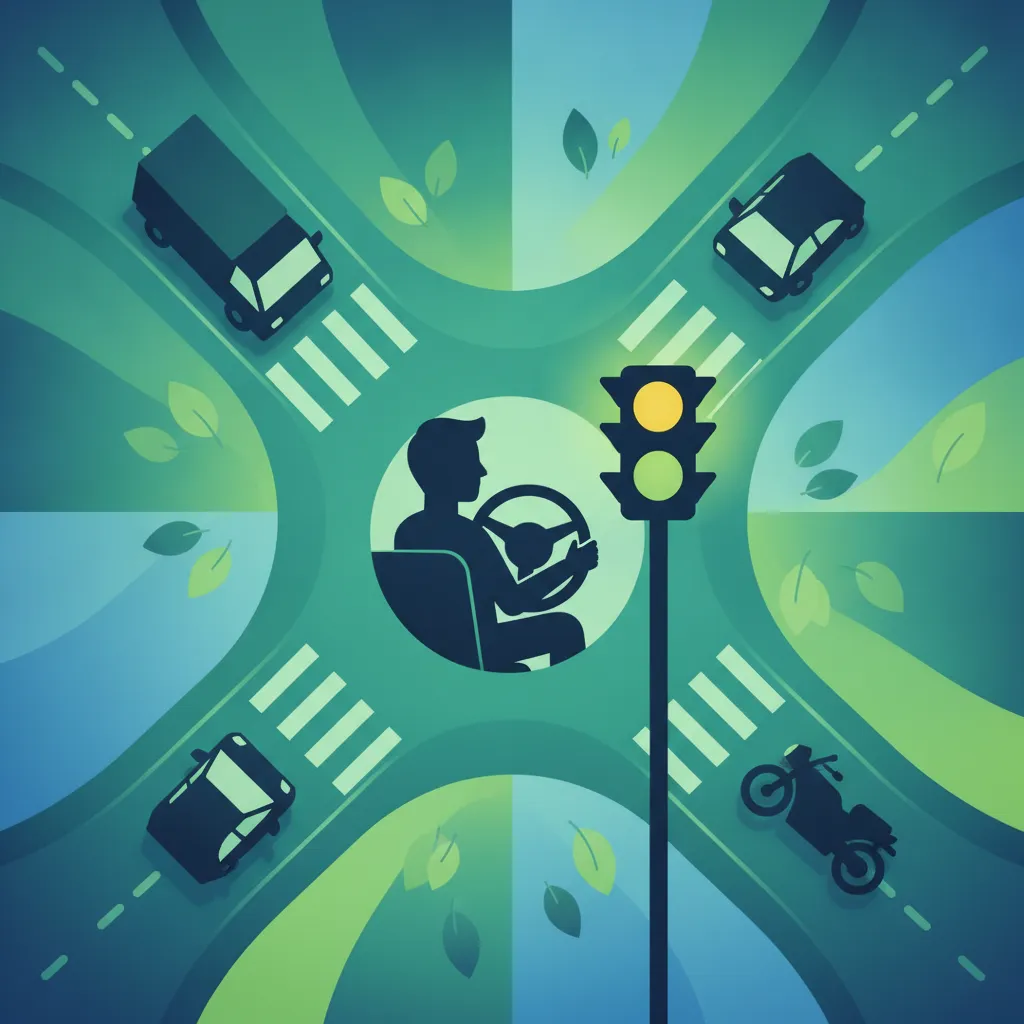
Correctly interpreting traffic signal sequences and priority rules is crucial for preventing devastating right-angle collisions at intersections. This lesson breaks down the phase progression of standard lights, the meanings of flashing amber or red indicators, and the hierarchy of traffic control when a police officer is directing vehicles. You will also master the basic legal default rules of right-of-way, such as yielding to vehicles coming from the right at uncontrolled junctions.
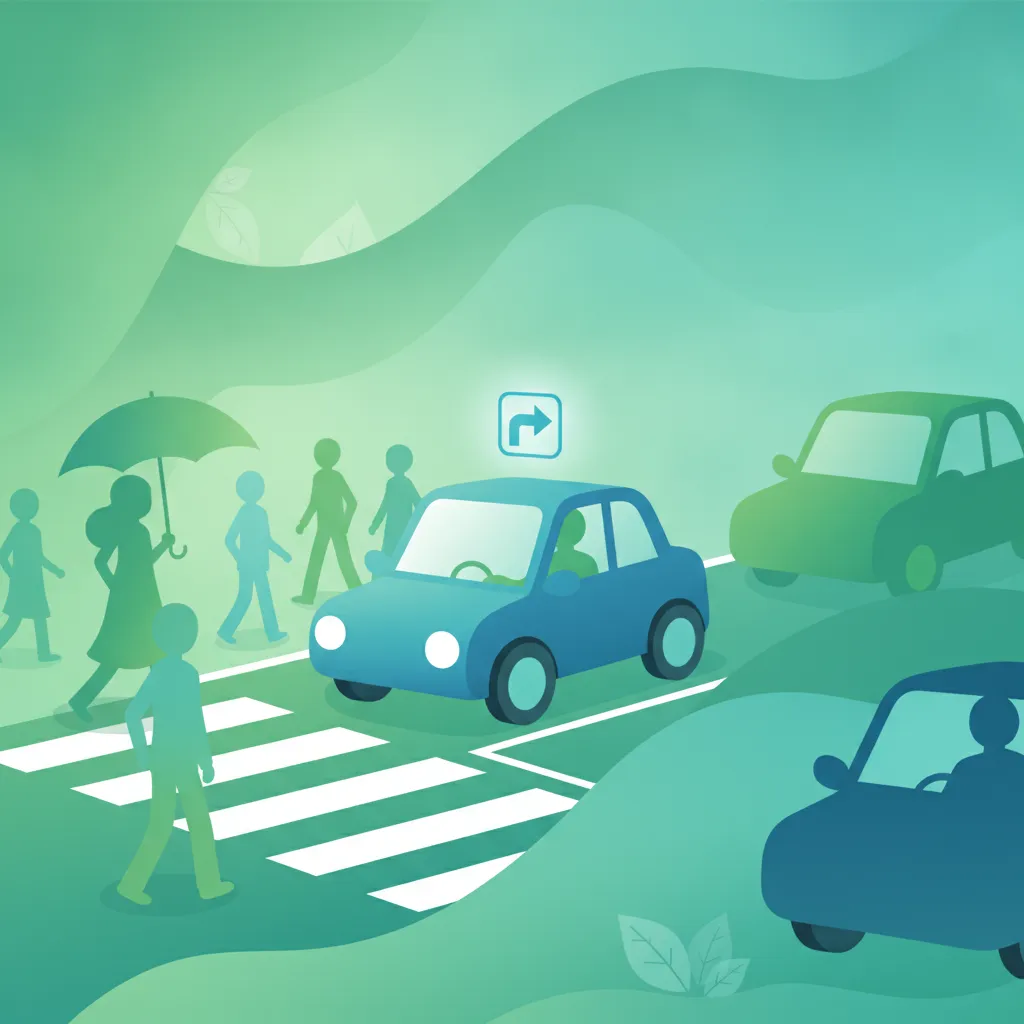
This lesson focuses on the safe interaction with other traffic participants at bus stops and traffic intersections. Learners will explore right-of-way rules, signal compliance, and techniques for maintaining safe distances while stopping and departing. Understanding these interactions is vital for preventing accidents in complex traffic environments.
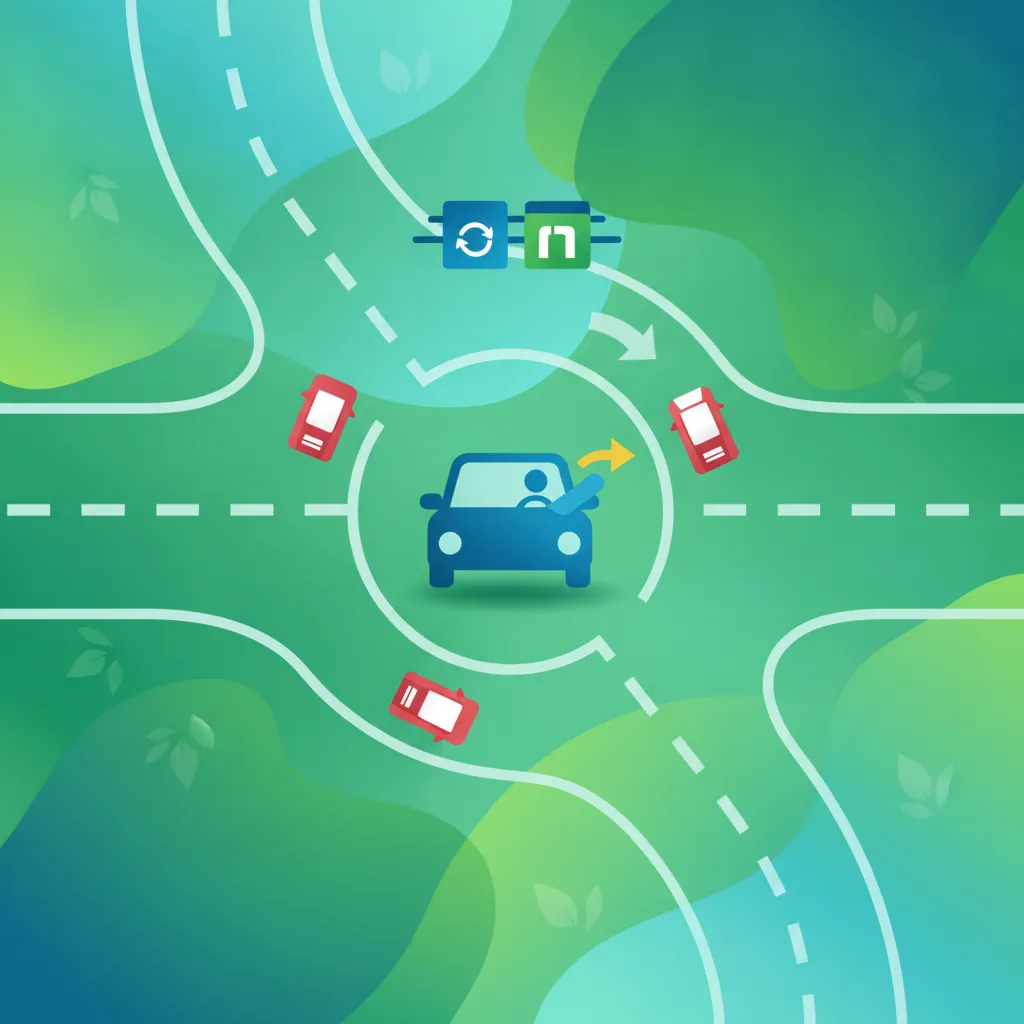
In this lesson, learners explore the specific priority rules and navigation techniques for roundabouts. Topics include yielding to traffic already in the roundabout, proper lane selection upon entry, and safe exit strategies. The lesson also addresses interactions with pedestrians and cyclists near roundabouts and the importance of maintaining appropriate speed.
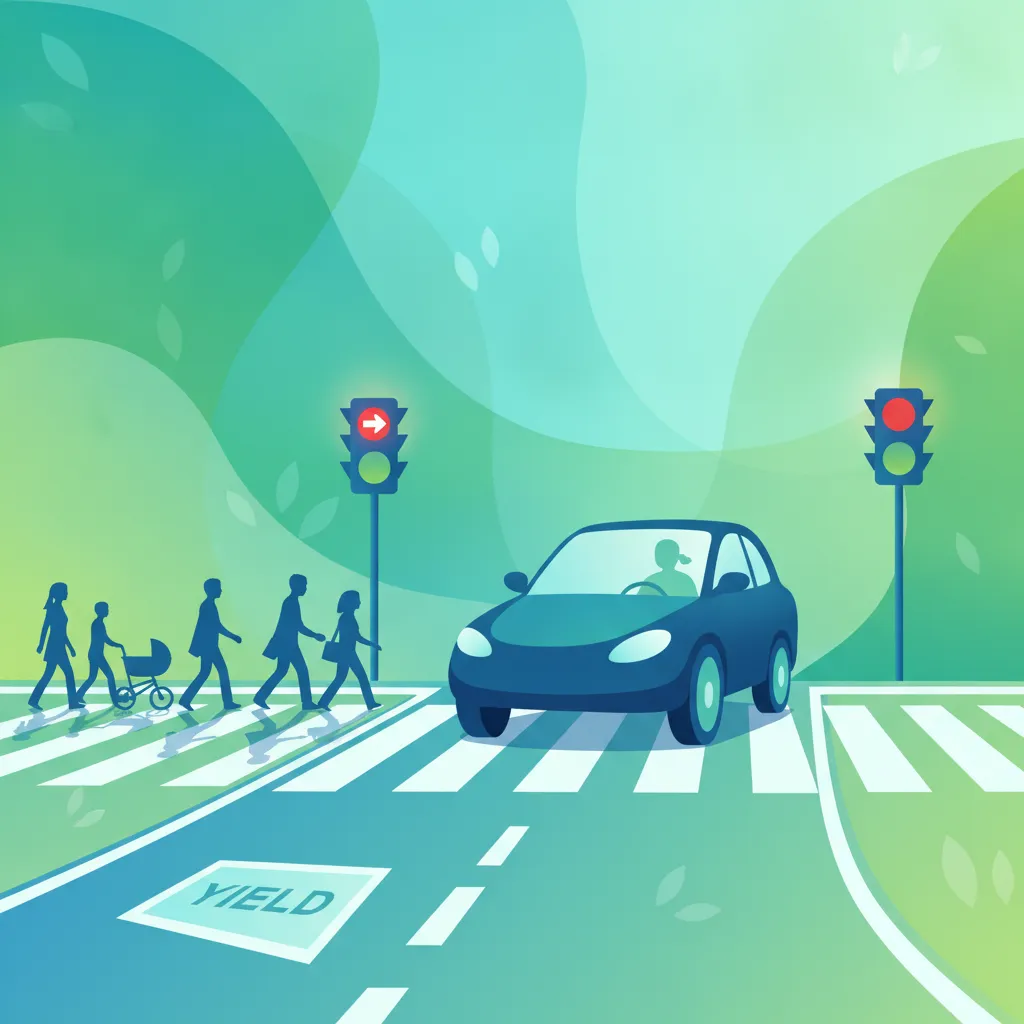
In this lesson, learners will master the skills required to safely navigate various types of intersections encountered in Turkish urban settings. The content covers interpreting traffic signals, understanding right-of-way rules, and executing proper lane positioning. Practical strategies for managing blind spots and ensuring visibility to other road users are emphasized. By the end of this session, participants will be equipped with safe crossing techniques.
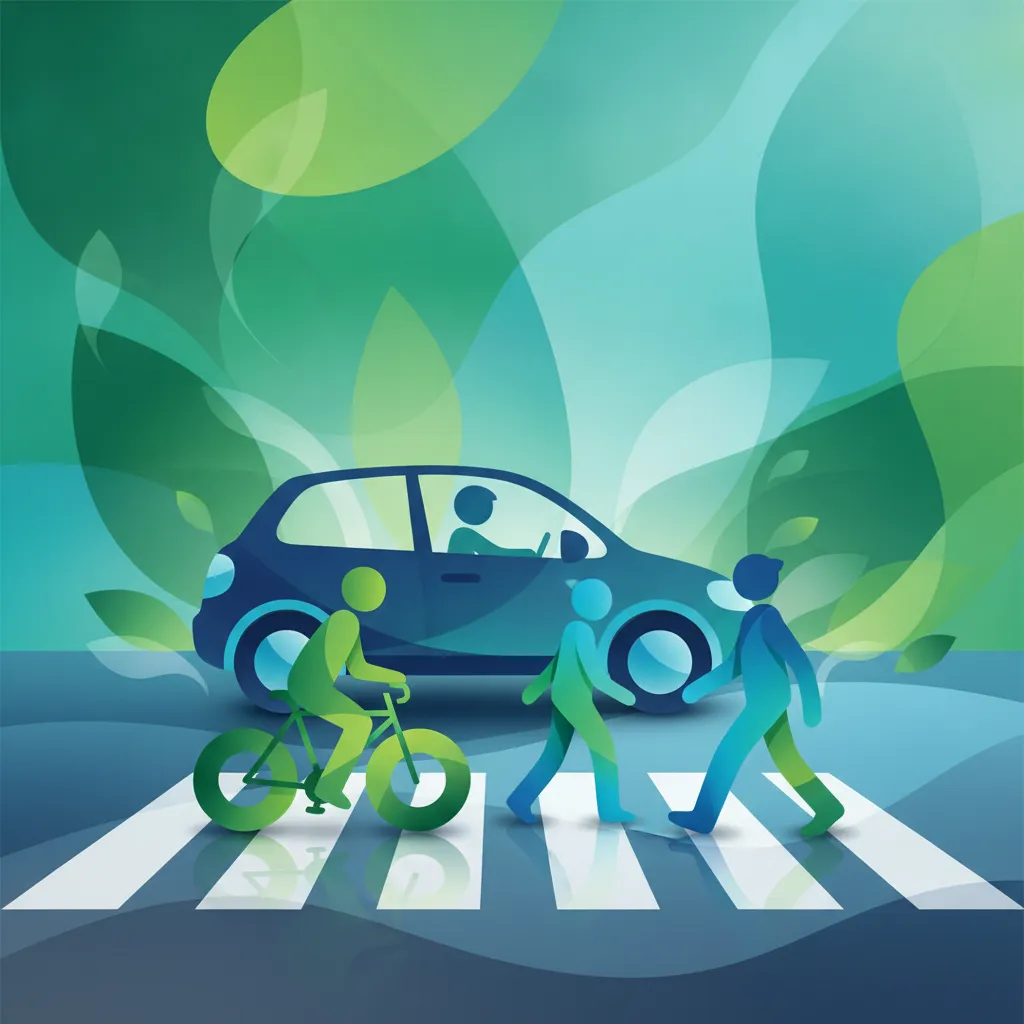
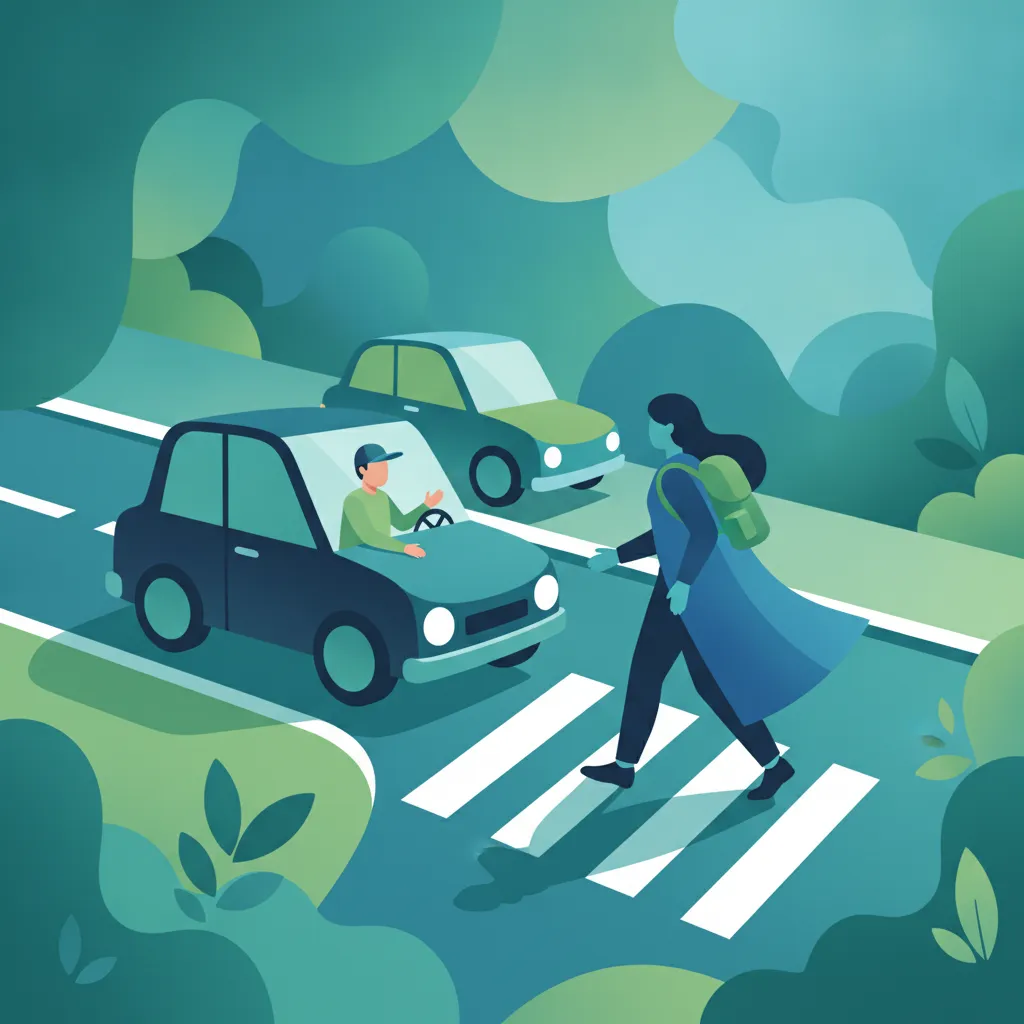
This lesson emphasizes the importance of yielding to pedestrians and cyclists at intersections, crosswalks, and designated lanes. Learners will understand the legal obligations to provide safe passage to vulnerable road users and the correct procedures for stopping and allowing them to cross. Real-world examples illustrate scenarios where failing to yield can lead to accidents.
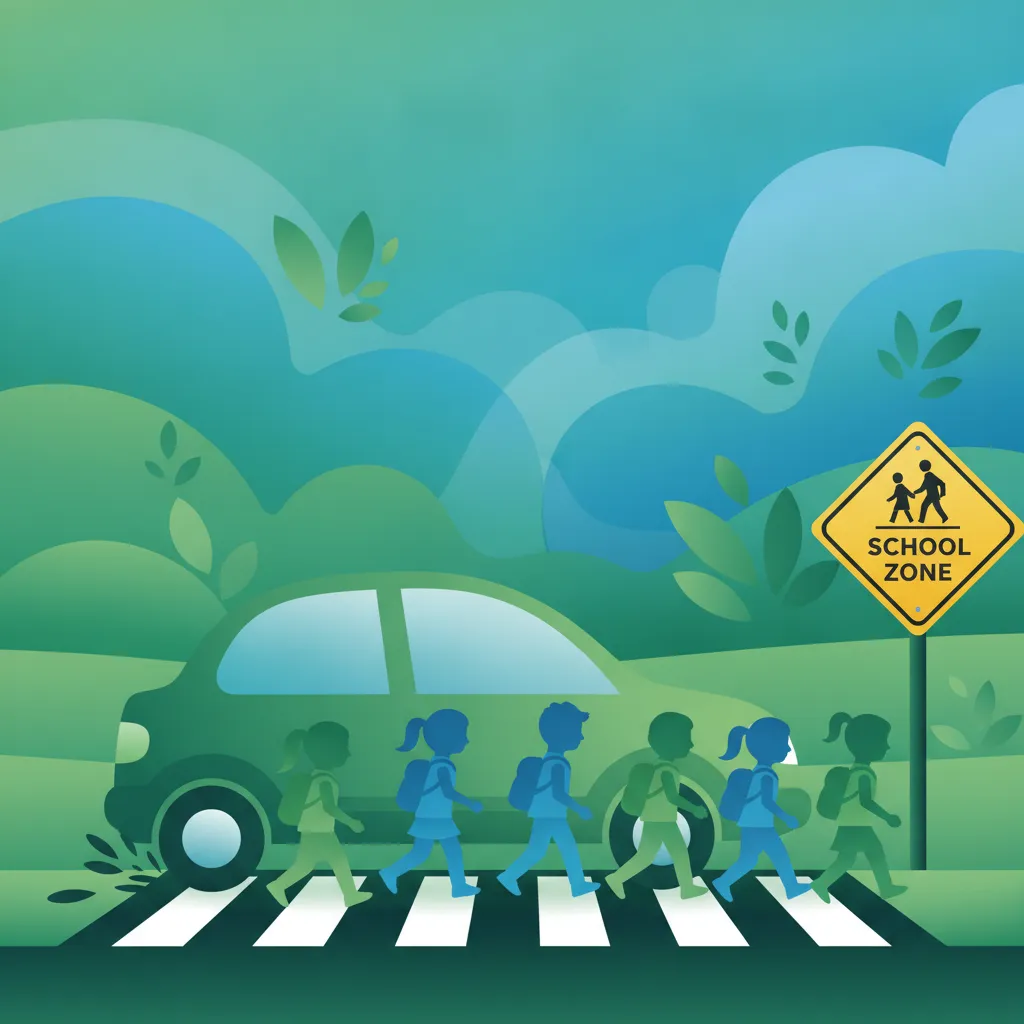
Protecting vulnerable road users is a core legal and ethical responsibility for all motorized vehicle operators in Turkey. This lesson covers the absolute requirement to yield to pedestrians at marked crosswalks, zebra crossings, and designated school zones. You will learn how to identify these zones early, reduce your speed proactively, and maintain heightened situational awareness for children or distracted pedestrians who may step onto the road unexpectedly.

This lesson focuses on pedestrian rights and safety measures to ensure their protection on Turkish roads. Topics include proper use of crosswalks, pedestrian signals, and yielding to pedestrians at intersections. The lesson also addresses specific considerations for vulnerable pedestrians such as children, the elderly, and the visually impaired. Real-world scenarios illustrate safe crossing practices.
Learn to interpret road surface cues and environmental factors that affect driving safety. This lesson covers how to anticipate hazards on rural roads, highway work zones, and adverse weather conditions by identifying critical road markings and understanding the limitations of vehicle control in changing traffic environments.
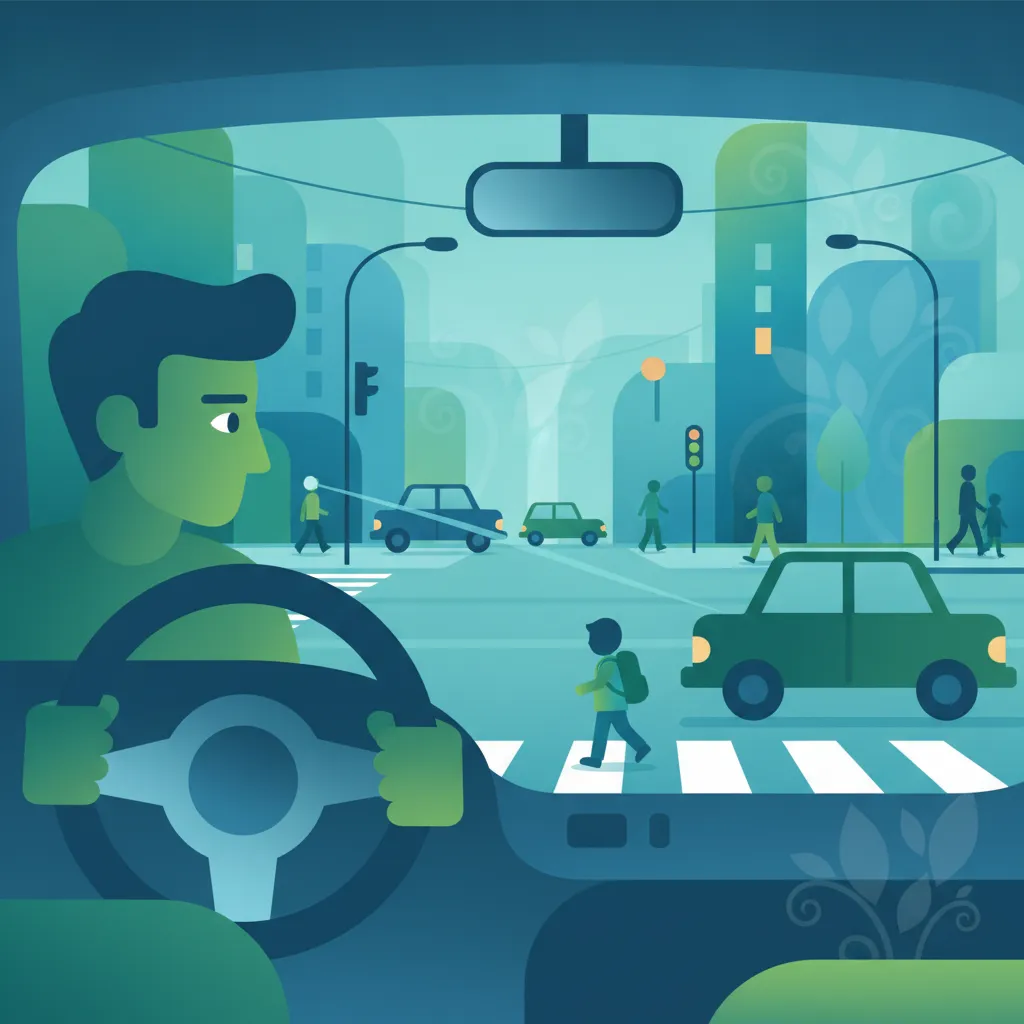
This lesson explores the critical skill of hazard identification and anticipation while driving. Topics include recognizing potential risks in traffic, road conditions, and environmental factors. Learners will develop skills in anticipatory driving to proactively address hazards before they become dangerous. Real-world examples illustrate how to maintain vigilance.

Learners will identify the different categories of vulnerable road users and understand the heightened risks they face. The lesson emphasizes the importance of recognizing these users, anticipating their actions, and taking proactive measures to ensure their safety while operating passenger vehicles. Strategies for mitigating danger and fostering a protective driving environment are explored.

This lesson details defensive driving techniques for adverse weather conditions such as rain, snow, black ice, dense fog, and strong winds. It explains the physics of aquaplaning and how to regain vehicle control when losing traction on slippery surfaces. Drivers will learn how to adjust speed and increase safety gaps to prevent weather crashes.
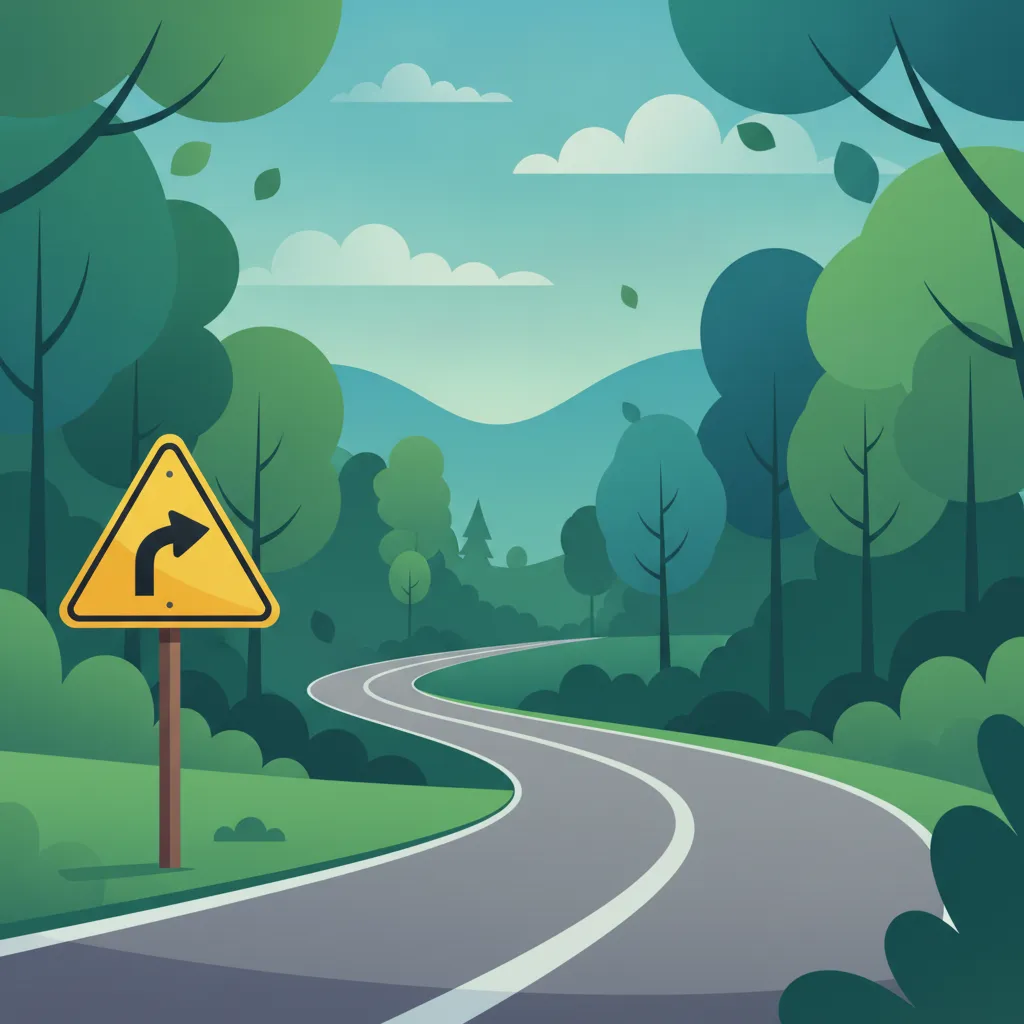
In this lesson, learners explore warning traffic signs designed to alert drivers to potential hazards ahead. Topics include signs indicating curves, steep descents, slippery surfaces, pedestrian crossings, and school zones. The lesson emphasizes the importance of interpreting these signs correctly to adjust speed and driving behaviour, thereby preventing accidents.

Road markings painted directly onto the asphalt provide continuous guidance and carry the same legal weight as vertical traffic signs. This lesson explains the differences between solid and broken longitudinal lines, channelizing arrows, and restricted zones like dedicated bus or bicycle paths. You will discover how to properly align your moped within your lane, execute lawful line changes, and respect painted buffer zones to prevent dangerous side-swipe accidents in dense traffic.
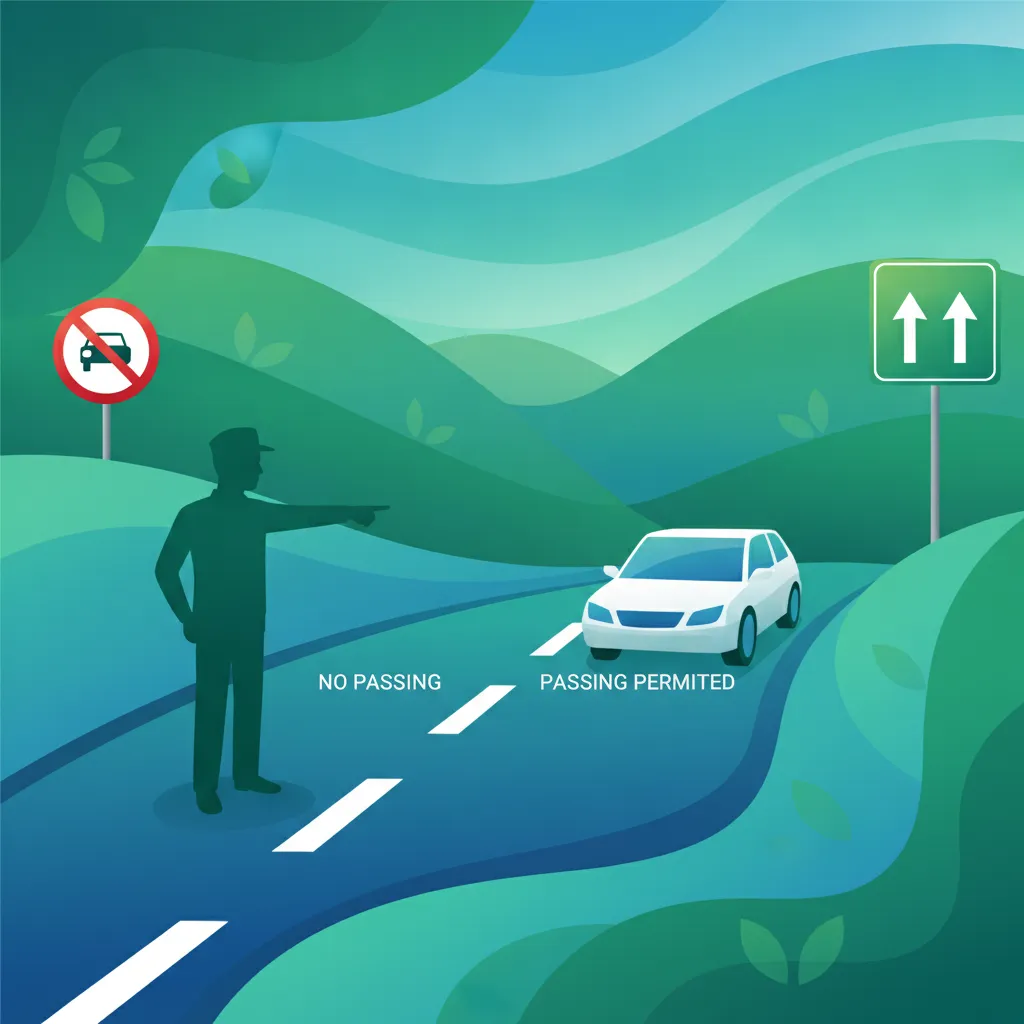
This lesson covers the various road surface markings that motorcyclists must be aware of, such as lane lines, turn arrows, and dedicated bike lanes. It explains how to interpret solid and broken lines, the meaning of specific arrows for turning or lane changes, and the significance of pedestrian crossing markings. Understanding these visual cues is essential for maintaining lane discipline and performing safe road maneuvers.
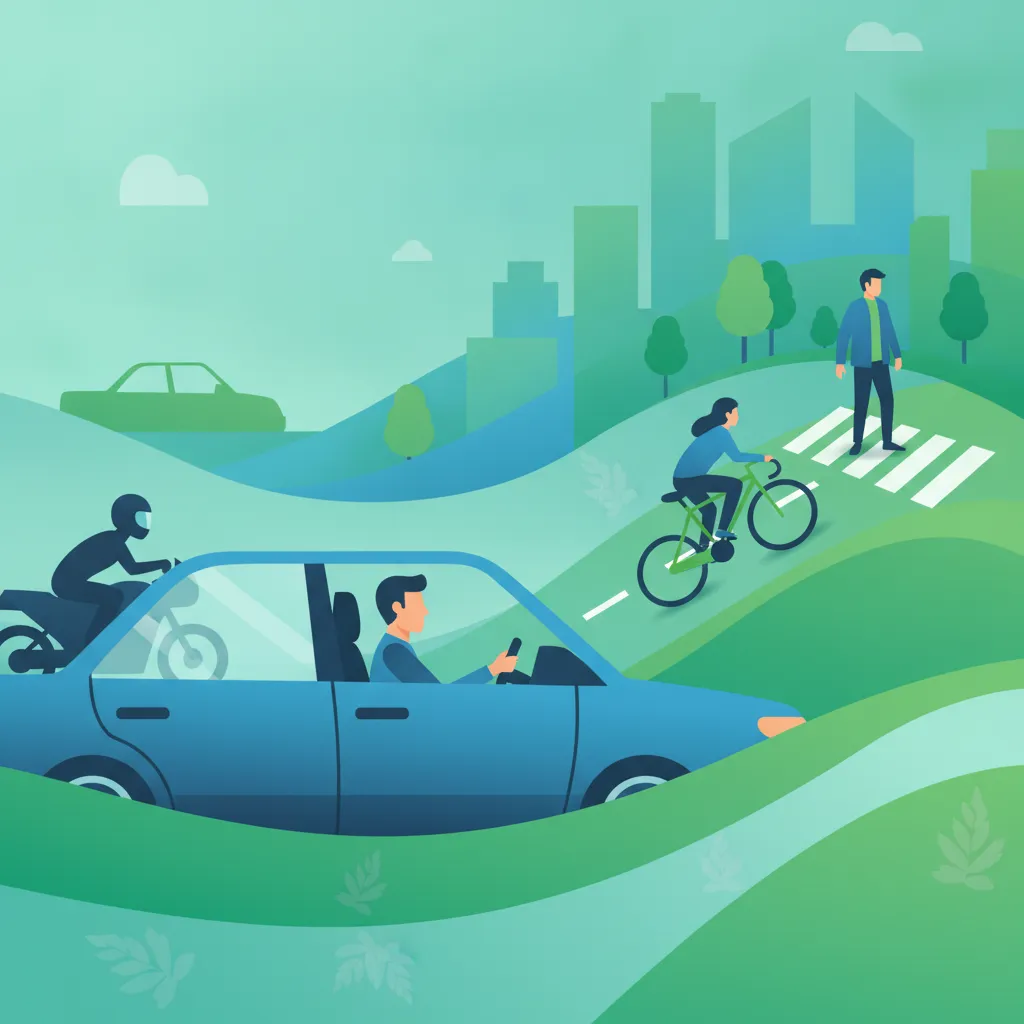
Learners will examine the complexities of operating in environments where various road users, including pedestrians, cyclists, and motorcyclists, coexist. The lesson emphasizes the need for heightened situational awareness, defensive driving techniques, and proactive hazard anticipation. Strategies for navigating mixed traffic safely, especially in congested urban areas, are highlighted.

This lesson explores the hazards characteristic of rural roads, including narrow paths, lack of lighting, slow agricultural vehicles, and sharp curves. It teaches drivers how to anticipate blind corners, adjust speed, and pass slow-moving tractors safely. Motorists will learn to remain highly alert for unexpected roadway obstructions.
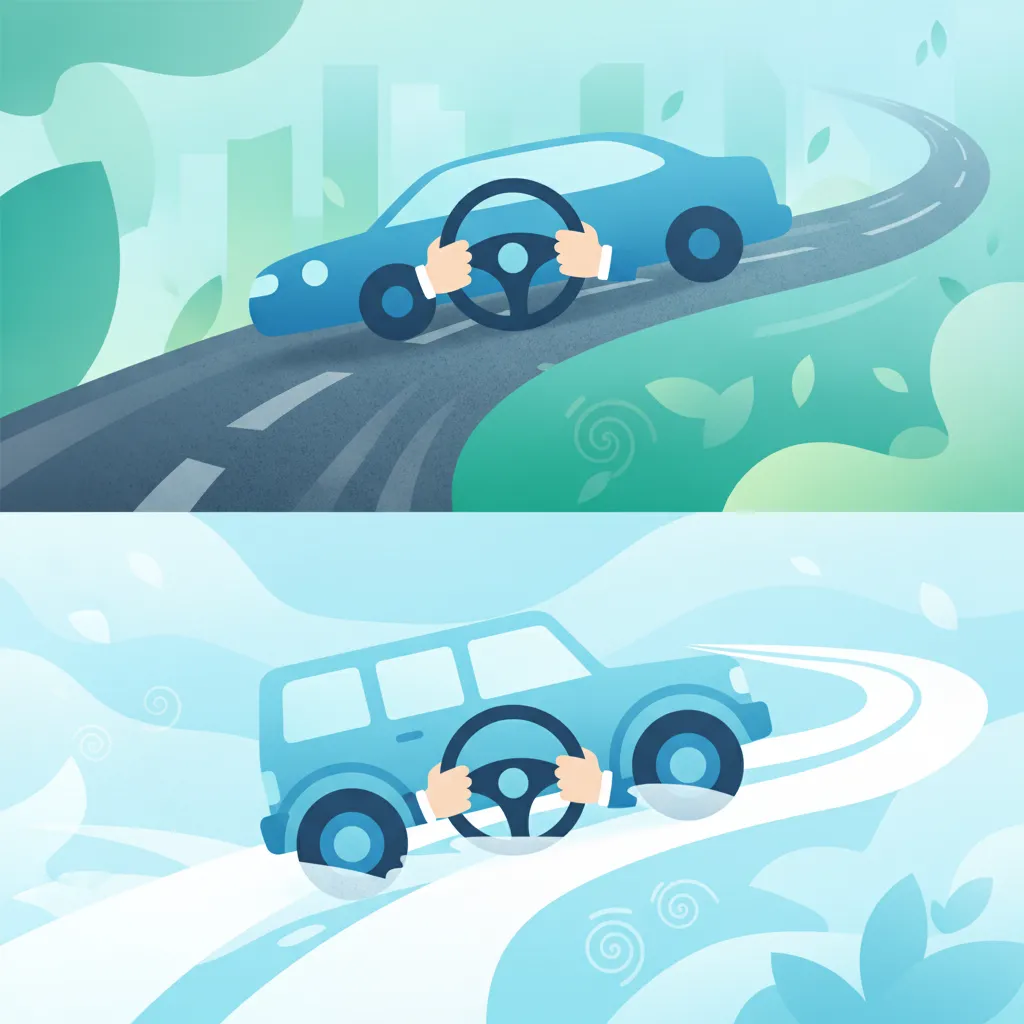
Learners will explore techniques for adjusting driving styles based on different road surface conditions, such as gravel, potholes, and wet pavement. The lesson emphasizes the importance of adapting speed, braking, and steering inputs to maintain vehicle control and passenger comfort. Strategies for detecting and responding to road hazards are discussed to ensure safety across diverse driving environments.
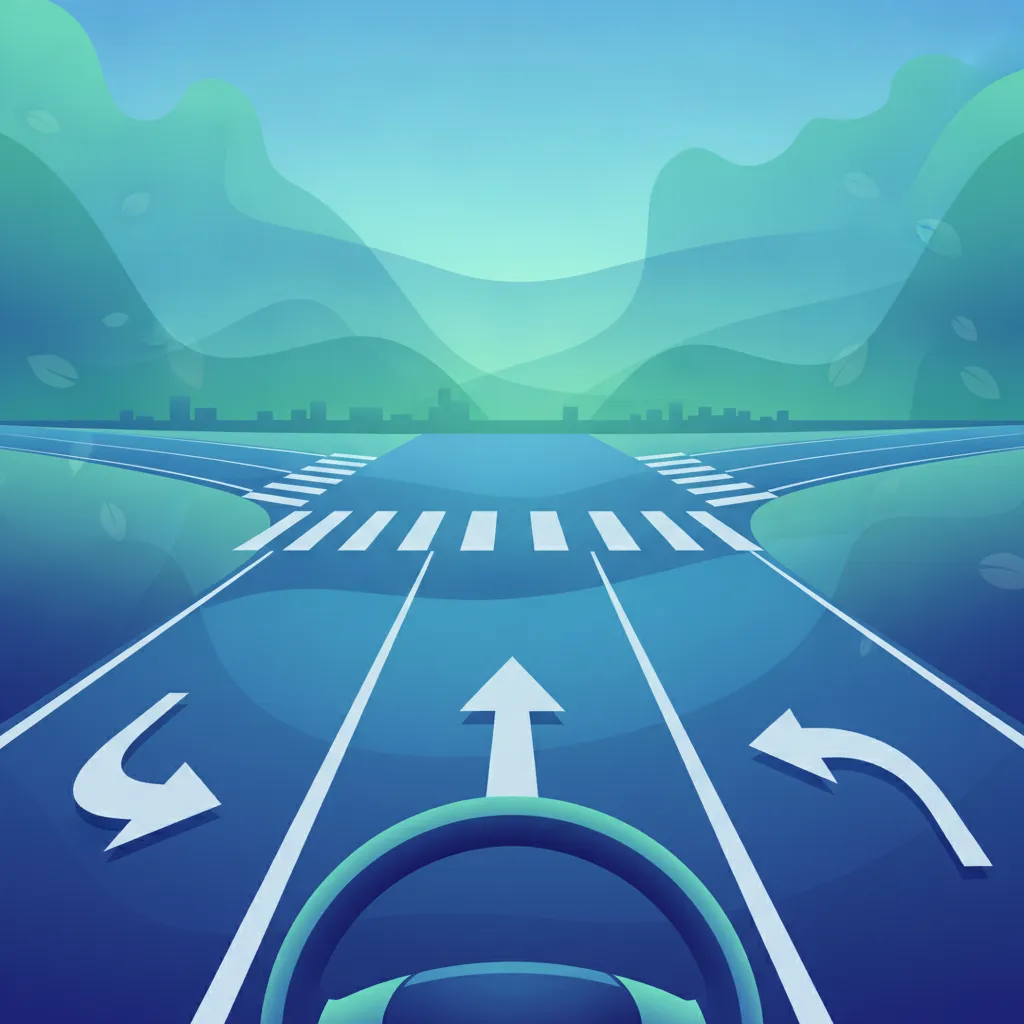
This lesson focuses on the role of directional arrows and guidance markings in indicating lane assignments and intended vehicle movements. Learners will learn to interpret turn arrows, lane-specific directions, and lane assignment at intersections and roadways. Real-world examples demonstrate how these markings aid drivers in navigating complex road networks, especially at junctions and roundabouts.
Find clear answers to common questions learners have about Horizontal Road Markings. Learn how the lesson is structured, which driving theory objectives it supports, and how it fits into the overall learning path of units and curriculum progression in Turkey. These explanations help you understand key concepts, lesson flow, and exam focused study goals.
No, you must never cross or drive on a solid white line. It is legally prohibited as it signifies that overtaking is dangerous or that lane changes are restricted in that specific area.
A broken line indicates that you are permitted to change lanes or overtake if the traffic situation is safe. A solid line prohibits crossing, and a double solid line strictly forbids crossing from both directions.
Pedestrian crossings are marked by wide, parallel white stripes often referred to as 'zebra' crossings. You must always be prepared to yield to pedestrians waiting at or using these markings.
Generally, traffic signals and signs take precedence. However, horizontal markings are meant to reinforce these rules and provide clear guidance on lane usage; you should respect both to ensure full compliance.
Use our comprehensive practice search to find exactly the Turkish driving theory questions you need to master. Whether reviewing specific road signs, traffic rules, or first aid scenarios, select your perfect practice set and boost your confidence for the official ehliyet sınavı.