
This lesson details the critical administrative requirements for professional goods vehicle drivers operating in Turkey under C1, C, C1E, and CE categories. You will learn about mandatory documentation and the essential role of tachographs in managing safety and legal compliance. Understanding these regulations is vital for both your professional exam success and your day-to-day operations.

Lesson content overview
Operating a heavy commercial vehicle on public roads carries immense social and legal responsibility. Under the Turkish Highway Traffic Law (Law No. 2918) and the Turkish Highway Traffic Regulation (Karayolları Trafik Yönetmeliği), driving a professional goods vehicle requires systematic administration of credentials, permits, and records.
Proper documentation ensures legal compliance, protects the driver from liability, and serves as an official record of vehicle fitness and operational safety. This lesson outlines the administrative requirements, documents, and record-keeping systems mandatory for professional goods vehicle operation in Turkey.
In commercial transport, documentation serves as a verifiable paper and digital trail. This accountability system guarantees that only certified drivers operate safe, roadworthy vehicles loaded within legal parameters.
In Turkey, administrative compliance is regularly verified by traffic police (Trafik Polisi), gendarmerie traffic teams (Jandarma Trafik), and inspectors from the Ministry of Transport and Infrastructure (Ulaştırma ve Altyapı Bakanlığı). Operating without the necessary credentials leads to immediate financial penalties, vehicle impoundment, suspension of operations, and potential criminal liability in the event of an accident.
Immediate Operational Halt: If a driver is stopped during a roadside inspection and cannot produce mandatory legal documentation—such as a valid professional licence, registration, or active insurance—the vehicle will be legally detained and towed to a secure lot. This causes severe disruptions, late delivery penalties, and high retrieval fees.
Beyond simple compliance, rigorous record-keeping protects the professional driver. If an accident occurs, logs from digital tachographs, maintenance certificates, and compliant cargo waybills act as vital evidence that the driver adhered to speed limits, rest requirements, and loading protocols.
A standard passenger car licence (Class B) is legally insufficient for operating goods vehicles with a Maximum Authorized Mass (MAM) exceeding 3,500 kg. Drivers must possess the correct commercial licence category, which must remain valid, unexpired, and free of active suspensions.
The maximum weight of a vehicle or trailer when loaded to its absolute legal limit, as specified by the manufacturer and recorded on the vehicle registration document.
The Turkish licensing system categorizes goods vehicles based on weight limits and trailer configurations:
Holding a Class C or CE licence alone is not sufficient to operate commercially in Turkey. Professional drivers must also obtain and carry the following:
Every commercial vehicle on Turkish roads must carry its official identification and safety credentials.
Commonly referred to as the vehicle's registry or ruhsat, this official document contains the vehicle identification number (VIN), technical dimensions, engine specifications, ownership details, and Maximum Authorized Mass. It must always be kept inside the vehicle cabin.
During any roadside inspection, presenting a photocopy of the registration certificate instead of the original document is illegal and will result in a penalty.
To ensure that high-mileage heavy vehicles remain safe, commercial vehicles are subject to strict inspection schedules.
Unlike private cars, which require inspection every two years, commercial goods vehicles in Turkey must undergo a mandatory technical inspection every single year at an authorized TÜVTÜRK station.
Operating a commercial vehicle with an expired technical inspection is a serious safety violation. It results in a monetary fine, penalty points on the driver’s record, and a temporary ban from the road until the vehicle passes inspection.
Fatigue is a leading cause of heavy vehicle accidents. To combat this, Turkish traffic regulations rely on the tachograph (takograf) to monitor and enforce legal driving and rest hours.
An on-board electronic device that automatically records a vehicle's speed, distance traveled, and the driver's exact activities (driving, active work, availability, and rest).
While older vehicles may still use paper analog disc tachographs, modern trucks registered in Turkey are equipped with digital tachographs. The digital system utilizes a personalized Digital Driver Card (Sayısal Takograf Sürücü Kartı) issued to the individual driver.
Professional driver hours are strictly regulated to prevent fatigue-related crashes:
Transporting goods requires specific cargo paperwork to verify the legality, weight, and safety requirements of the payload.
Commercial cargo transport requires two primary documents:
Transporting flammable, explosive, toxic, or radioactive substances requires specialized training and documentation under international and national ADR regulations:
+-------------------------------------------------------------------------+
|                  HAZARDOUS GOODS EMERGENCY CHECKLIST                    |
+-------------------------------------------------------------------------+
| [ ] SRC 5 Certificate is valid and in the driver's possession.          |
| [ ] Dangerous Goods Declaration (ADR) matches the physical cargo.        |
| [ ] Written Instructions (Yazılı Talimatlar) are accessible in cabin.   |
| [ ] Vehicle orange placards and hazard class labels are clearly visible. |
| [ ] Personal Protective Equipment (PPE) and fire extinguishers on board. |
+-------------------------------------------------------------------------+
Every motor vehicle operating on Turkish public roads must be covered by Compulsory Third-Party Liability Traffic Insurance (Zorunlu Mali Sorumluluk Sigortası), commonly referred to as Zorunlu Trafik Sigortası.
Before starting any journey, professional drivers must perform an administrative pre-drive inspection. Failing to verify that all documentation is present, up-to-date, and matches the vehicle setup can lead to severe operational issues.
Disregarding documentation rules leads to severe legal penalties. Below are common violation scenarios and their real-world consequences:
A driver holding a Class C1 licence is stopped while operating a heavy 15,000 kg three-axle dump truck (which requires a Class C licence).
A driver uses a second digital tachograph card belonging to a retired colleague to bypass daily driving limits, driving 14 hours in a single day to meet a tight shipping deadline.
A driver is stopped transporting liquid ammonia without carrying the written emergency instructions (Yazılı Talimatlar) and lacking an active SRC 5 certificate.
A truck experiences catastrophic brake failure on a steep descent, resulting in an accident. During the subsequent investigation, the transport company cannot produce periodic technical safety check reports or maintenance logs for the vehicle's brake system.
Explore all units and lessons included in this driving theory course.
Lesson content overview
Explore all units and lessons included in this driving theory course.
Explore search topics learners often look for when studying Documentation and Administrative Requirements. These topics reflect common questions about road rules, driving situations, safety guidance, and lesson level theory preparation for learners in Turkey.
Browse additional driving theory lessons that cover connected traffic rules, road signs, and common driving situations related to this topic. Improve your understanding of how different rules interact across everyday traffic scenarios.
Understand the legal framework for driver work and rest hours using tachograph records. This guide covers mandatory break requirements, daily driving limits, and the legal consequences of fatigue-related violations in professional goods transport within the Turkish traffic regulations.

This lesson focuses on the extreme dangers of driver fatigue, micro-sleep episodes, and the signs of physical exhaustion. It details how sleep deprivation compromises driving safety in a manner comparable to moderate alcohol intoxication. Drivers will learn proactive fatigue management strategies, including scheduling regular rest stops.

This lesson focuses on recognizing the signs of driver fatigue and implementing effective strategies to manage it while operating a goods vehicle. Learners will understand the health risks associated with prolonged driving periods, the importance of regular rest breaks, and techniques to maintain alertness. Emphasis is placed on fatigue mitigation measures to ensure safe driving and prevent accidents.

Learners will explore the risks associated with driver fatigue, distraction, and stress, particularly during long trips with passengers. The lesson provides strategies for recognizing fatigue, scheduling appropriate rest breaks, and employing techniques to maintain focus and reduce stress. Emphasis is placed on the impact of these factors on safety and passenger comfort.
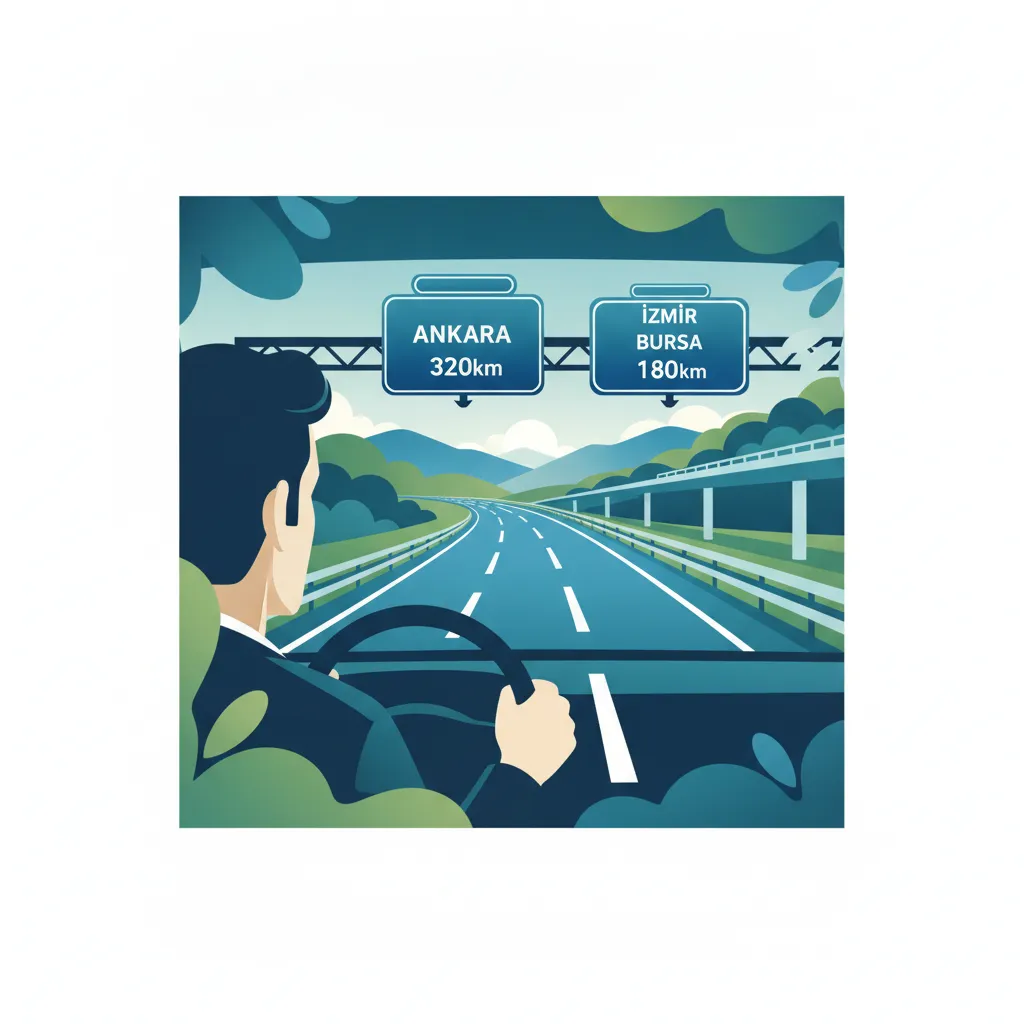
Learners will examine strategies for planning and executing long-distance and intercity routes with passenger vehicles. The lesson covers effective route planning, managing driver fatigue, scheduling rest stops, and addressing passenger comfort and informational needs during extended journeys. Understanding these aspects ensures safe, efficient, and passenger-friendly long-distance service.

This lesson covers the unique challenges of nighttime driving, focusing on reduced visual perception, headlight glare, and driver fatigue. It explains how to adjust speed to remain within the headlight beam range and react to poorly illuminated road hazards. Motorists will learn techniques to maintain maximum focus and safety after sunset.

Learners will understand the importance of ergonomic adjustments for both driver and passenger welfare, covering seat positioning, steering wheel adjustments, mirror settings, and control accessibility. The lesson emphasizes how proper ergonomics can reduce driver fatigue, improve reaction times, and enhance overall safety. Drivers will learn to customize their vehicle setup to suit their own needs and those of their passengers.
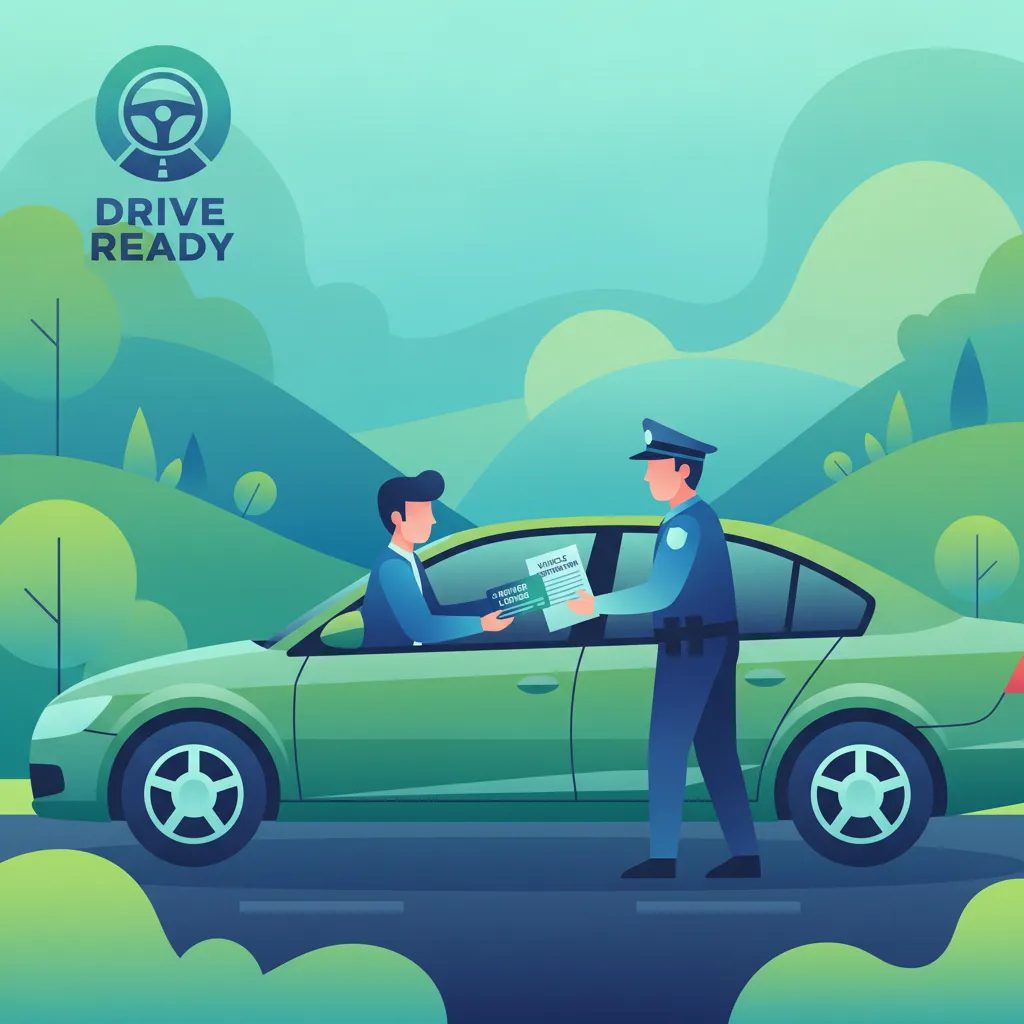
This lesson details the statutory duties imposed on motor vehicle drivers by Turkish traffic legislation to maintain order on public roads. It emphasizes mandatory seat belt usage, mobile phone bans, vehicle inspection rules, and general compliance with police directions. Understanding these duties ensures drivers avoid heavy penalties and maintain road safety.

Learners will explore the specific challenges presented by adverse weather conditions, such as rain, fog, and nighttime driving. The lesson emphasizes the importance of adjusting speed, increasing following distances, and using appropriate lighting to maintain safety. Strategies for handling reduced road surface grip and visibility issues are discussed, ensuring drivers can adapt to changing weather while protecting passengers and other road users.
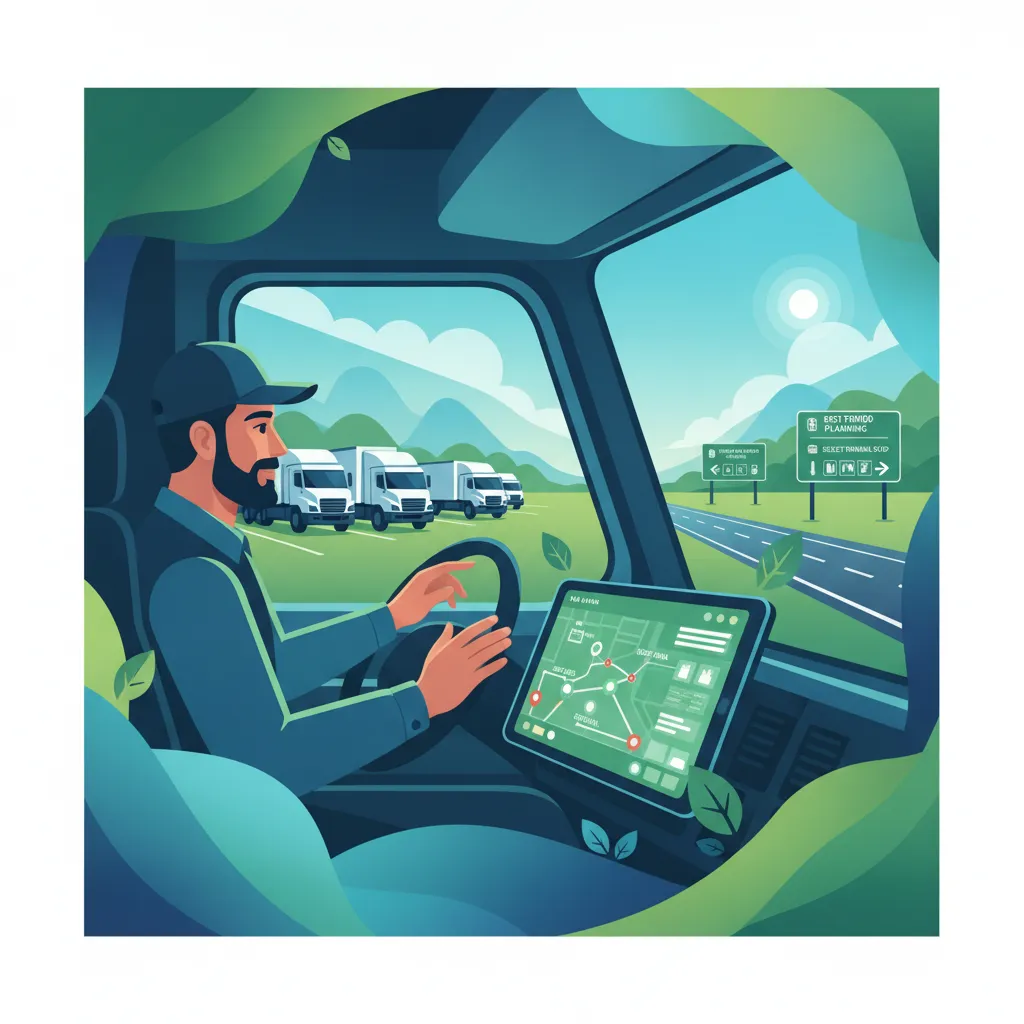
This lesson details the processes involved in terminal operations and the planning of rest stops for passenger vehicles. Learners will learn about safe and efficient procedures for passenger boarding and alighting at terminals, coordinating schedules, and performing safety checks. The importance of selecting appropriate rest areas and managing breaks for both drivers and passengers is emphasized.

This lesson focuses on the principles governing safe following distances between vehicles. Topics include understanding time and distance gaps, reaction times, and braking distances. Learners will explore guidelines for maintaining proper following distances based on speed and road conditions. Real-world examples demonstrate the importance of safe following practices in preventing rear-end collisions.
Explore the administrative requirements for transporting commercial goods safely on Turkish roads. Learn about mandatory waybills, transport orders, and the specialized documentation needed for hazardous materials transport under ADR regulations to maintain legal compliance during roadside inspections.

This lesson emphasizes the critical importance of maintaining accurate documentation and records for goods vehicle operation. Learners will explore the legal requirements for logbooks, permits, and other essential paperwork, and understand how proper documentation supports compliance and safety. The lesson also highlights the potential consequences of inaccurate or missing records on the road.

This lesson provides an overview of the regulations governing the transport of hazardous materials and dangerous goods in Turkey. Learners will become familiar with international (ADR) and national requirements for labeling, placarding, load securing, and documentation. The lesson also covers specific route restrictions and safety procedures that must be followed during transit.

This lesson provides a detailed overview of cargo securing techniques and the legal requirements for securing loads on goods vehicles. It covers the proper use of straps, chains, tarpaulins, and other securing methods to prevent cargo shift during transit. Learners will learn how to assess the need for additional restraints based on cargo type, weight, and dynamic transport conditions.
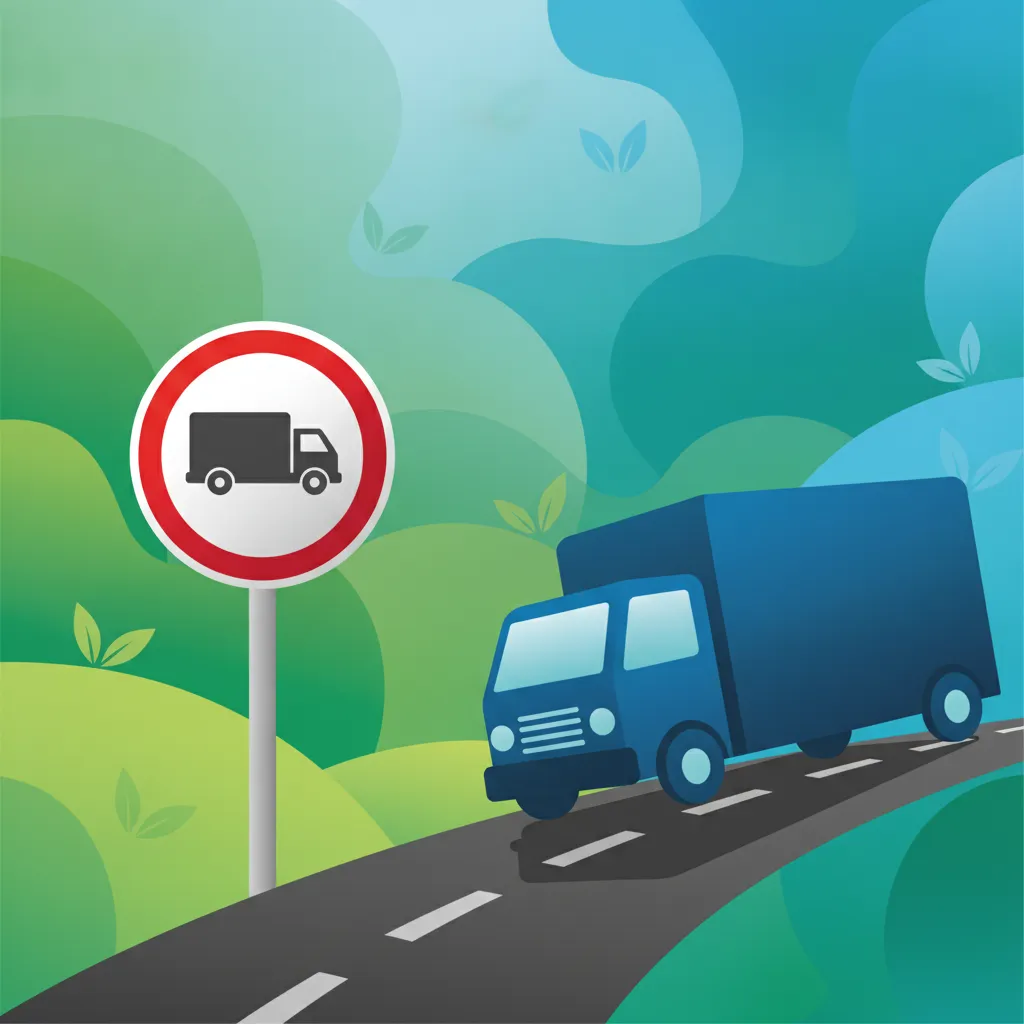
This lesson focuses on traffic signs and road markings that are specifically relevant to goods vehicles in Turkey. Learners will become familiar with signs indicating prohibited routes, weight limits, height restrictions, hazardous material transport, and lane usage regulations. The lesson emphasizes the importance of accurately interpreting these signs to ensure compliance with traffic laws.

This lesson outlines the essential components of a comprehensive pre-trip vehicle inspection for goods vehicles. It covers the visual and functional checks required for tyres, brakes, lights, mirrors, coupling mechanisms, fluid levels, and vital documentation. The lesson emphasizes the importance of conducting thorough inspections before each trip to identify safety hazards and prevent accidents.
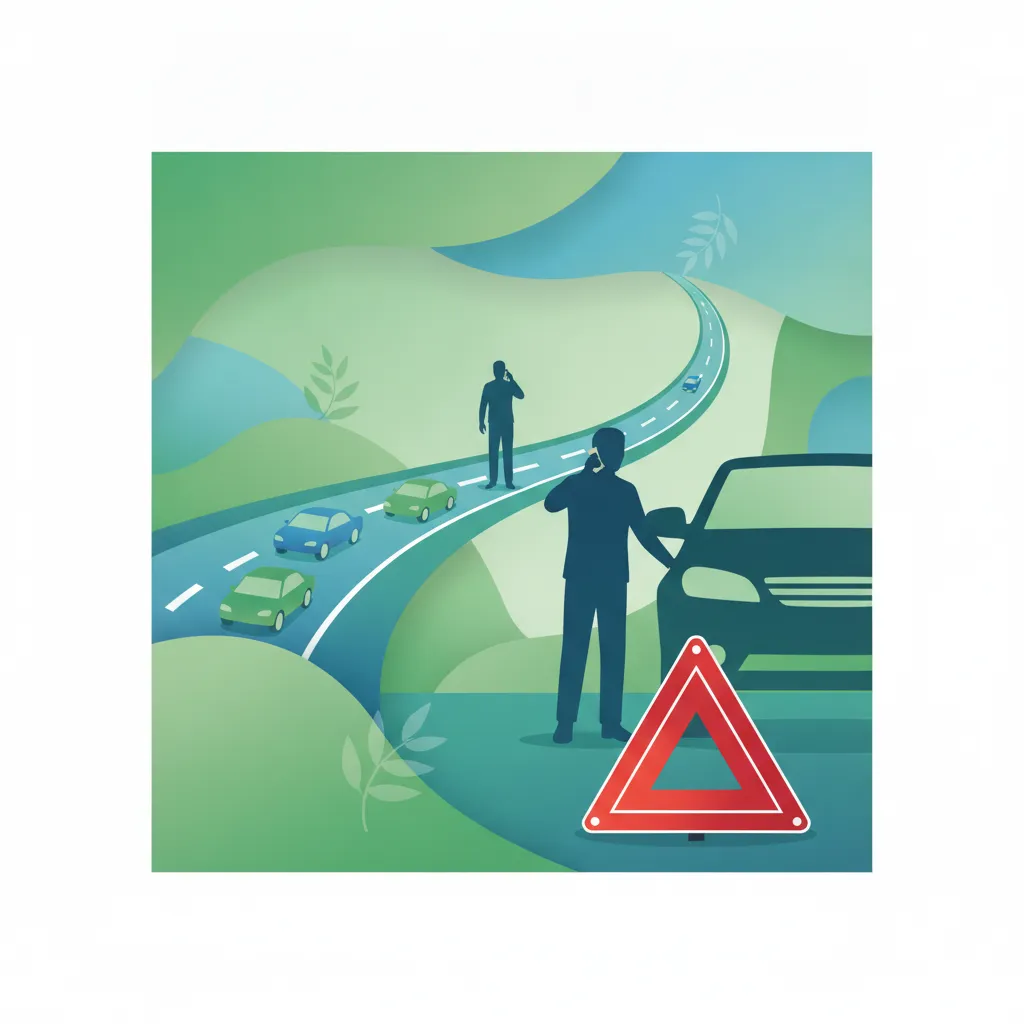
This lesson provides guidance on appropriate actions to take in the event of an accident or emergency while operating a goods vehicle. Learners will understand how to secure the scene, call Turkish emergency services (112), provide basic first aid, and complete necessary documentation. Emphasis is placed on ensuring personal safety, preventing further incidents, and facilitating rescue teams.
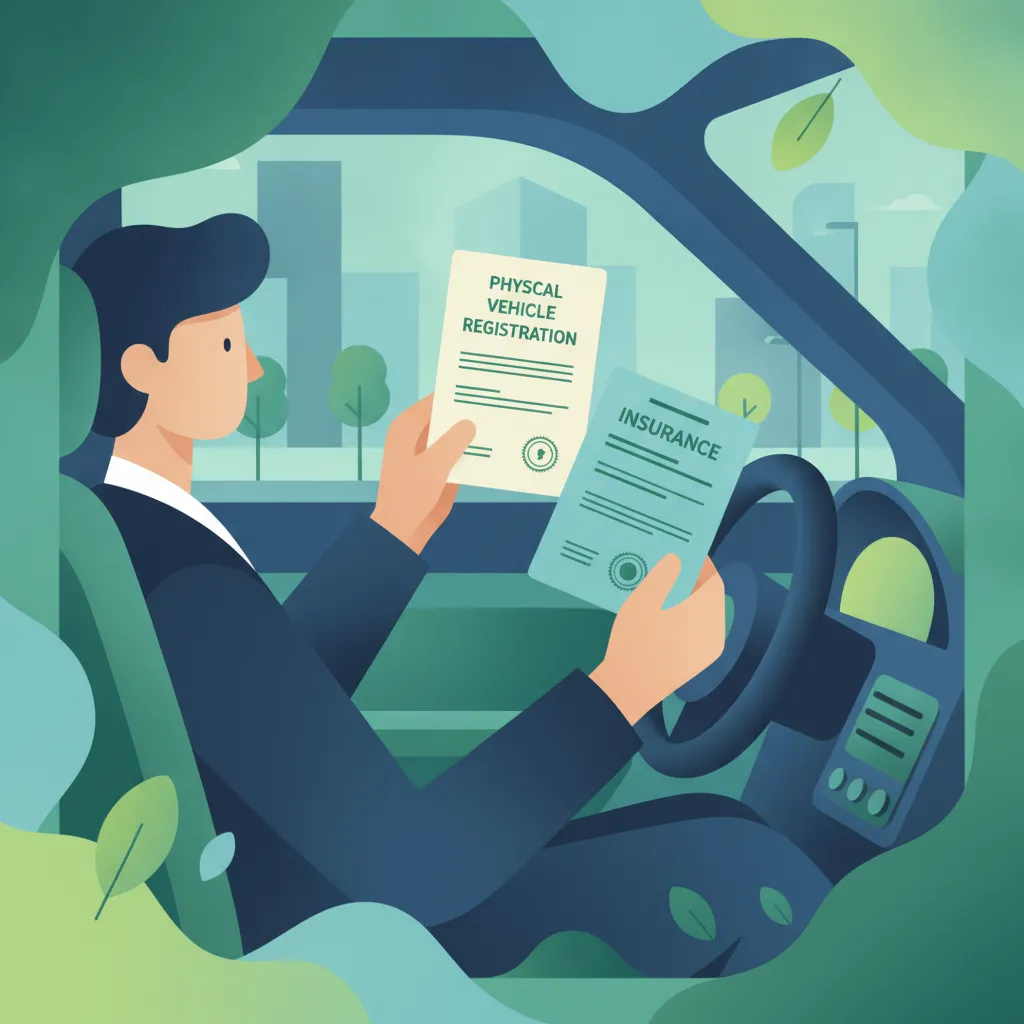
Learners will gain insight into the essential documentation and registration processes for passenger vehicles, covering the requirements for legal operation and fleet management. The lesson details the necessary paperwork, periodic inspections, and permits required to maintain compliance with Turkish transport regulations. Mastery of these administrative aspects ensures that drivers are prepared to meet all legal obligations for vehicle operation.

This lesson focuses on the importance of maintaining safe following distances for goods vehicles, taking into account longer braking distances and increased load. Learners will learn how to calculate appropriate gaps based on speed, road conditions, and vehicle dynamics. The lesson emphasizes safe following practices to prevent rear-end collisions and improve overall traffic safety in Turkey.

This lesson focuses on the critical safety checks for tyres, brakes, lights, and mirrors on goods vehicles. Learners will learn how to assess tyre pressure, tread depth, and overall condition, ensuring optimal road grip and handling. The lesson also covers brake inspection techniques to identify wear or malfunction, ensuring effective stopping power and proper functionality of signalling systems.

This lesson provides a detailed overview of the classification system for goods vehicles in Turkey, focusing on the specific dimensional limits for each category. Learners will become familiar with the maximum allowable length, width, and height for these vehicles, as defined by Turkish law. Understanding these limits is crucial for ensuring compliance with road regulations and avoiding serious violations.
Find clear answers to common questions learners have about Documentation and Administrative Requirements. Learn how the lesson is structured, which driving theory objectives it supports, and how it fits into the overall learning path of units and curriculum progression in Turkey. These explanations help you understand key concepts, lesson flow, and exam focused study goals.
Professional drivers must always carry their valid driving licence (appropriate for the category), vehicle registration certificate, valid inspection report, mandatory traffic insurance, and the relevant transport documentation or cargo permits.
A tachograph is used to record the vehicle's speed, distance travelled, and the driver's periods of work and rest. It is a critical tool for enforcing safety and legal working time regulations.
Yes, while domestic transport follows Turkish national regulations, international transport often requires adherence to additional agreements like the AETR, which dictate specific record-keeping standards for international road haulage.
Failure to produce mandatory cargo permits can lead to significant administrative fines, the immediate prohibition of the vehicle from proceeding until rectified, and points being added to the driver's record.
Use our comprehensive practice search to find exactly the Turkish driving theory questions you need to master. Whether reviewing specific road signs, traffic rules, or first aid scenarios, select your perfect practice set and boost your confidence for the official ehliyet sınavı.