
This lesson guides professional drivers on navigating road closures and detours while operating heavy goods vehicles. You will learn how to adapt your route effectively to remain compliant with Turkish transport regulations and maintain delivery efficiency.
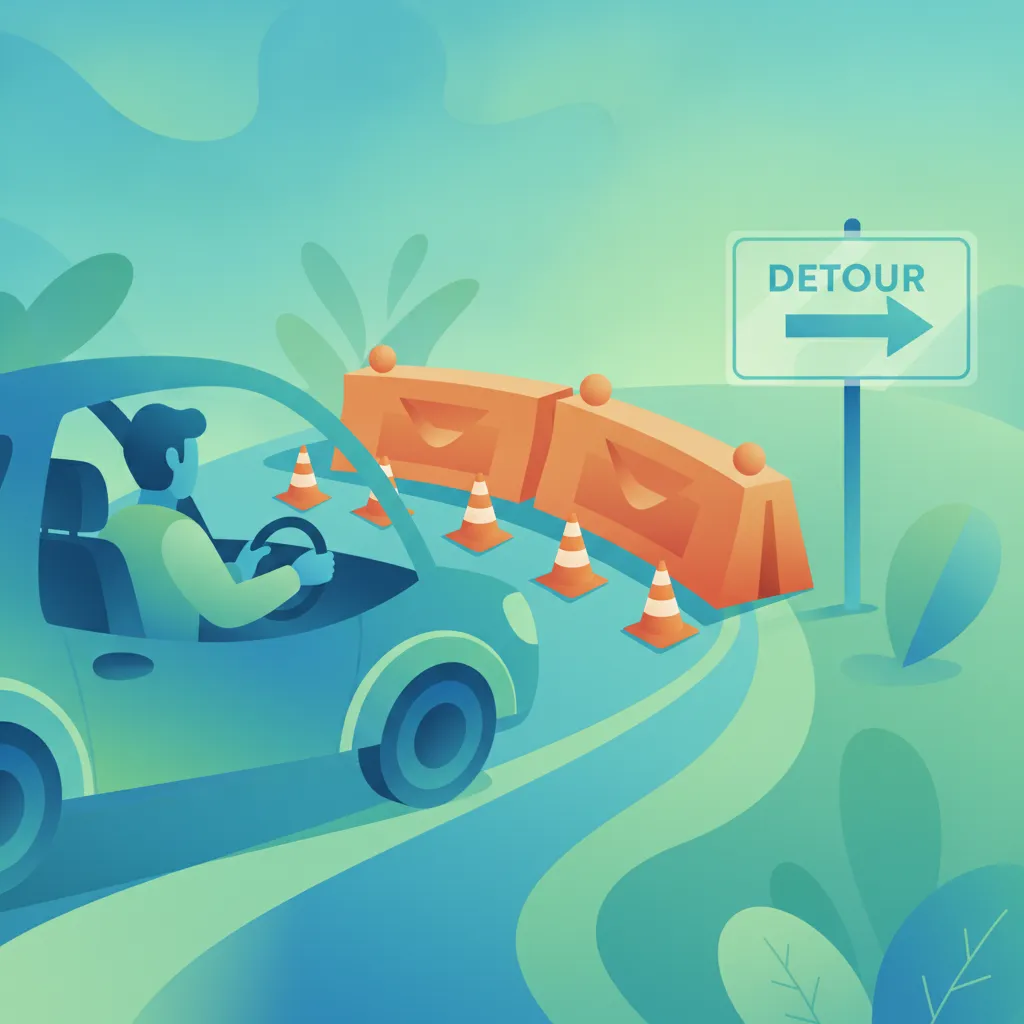
Lesson content overview
Operating a heavy goods vehicle (HGV) under a C1, C, C1E, or CE professional driving license in Turkey requires far more than basic steering skills. It demands advanced situational awareness, precise trip planning, and the ability to adapt to sudden changes on the road network. Among the most common and disruptive events a professional driver will encounter are road closures (yol kapamaları) and detours (sapaklar).
Unlike passenger car drivers, professional truck drivers cannot simply make a quick U-turn or divert down any residential side street. Vehicle length, height, axle weight, and hazardous cargo classifications dictate where a goods vehicle can legally and safely travel. This lesson provides an in-depth exploration of how to manage road closures and detour routes safely, legally, and efficiently within the framework of the Turkish Highway Traffic Regulation (Karayolları Trafik Yönetmeliği).
A road closure is a temporary or permanent halt of traffic flow on a specific segment of a roadway. These closures are typically initiated by official bodies such as the General Directorate of Highways (Karayolları Genel Müdürlüğü - KGM), local municipalities, or emergency services.
A detour is an officially designated alternate route designed to guide traffic around a closed or restricted area. While detours are planned to keep traffic moving, they are not always designed with heavy goods vehicles in mind. As a professional driver, you must never assume that an indicated detour is safe or legal for your specific vehicle configuration.
When faced with an unexpected road closure, you must follow a structured, safety-first protocol. Relying on instinct or passenger-car GPS systems can lead to structural damage, traffic blockages, and severe administrative fines under Turkish traffic law.
Safely Bring the Vehicle to a Halt or Reduce Speed: Do not make sudden braking maneuvers. Activate your indicators or hazard warning lights if traffic is slowing abruptly.
Assess and Identify Temporary Traffic Signs: Look for official orange-backed construction or detour signs (Geçici Trafik İşaretleri) that outline the diversion.
Verify Vehicle Dimension and Weight Suitability: Before entering the detour, verify that your height, width, total length, and axle weight are compatible with the temporary route.
Communicate with Your Dispatch Center: Inform your operations or logistics department of the delay and the proposed alternate route.
Execute the Detour with Heightened Caution: Reduce speed, increase following distances, and monitor the road for physical hazards like low-hanging branches or tight turning radiuses.
Under the Turkish Highway Traffic Regulation, temporary signs used in road construction, maintenance, or emergency zones feature highly visible yellow or orange backgrounds. These temporary signs override permanent signs and must be obeyed strictly.
The Danger of 'Detour Fatigue'
On long-haul trips across Turkey, you may encounter multiple roadworks and detours. Do not allow fatigue to make you complacent. Every detour presents a unique set of hazards that requires a fresh risk assessment.
When a detour is not explicitly signed for heavy goods vehicles, or when the signed detour is unsuitable for your load, you must plan an alternate route. This process requires a balance of legal compliance, vehicle safety, and operational efficiency.
Before departure and during rest breaks, check reliable real-time traffic platforms. The General Directorate of Highways (KGM) provides live road status updates, lane closures, and construction maps on their official portal. Combining this with professional, truck-specific GPS navigation systems helps prevent the critical mistake of approaching an impassable barrier.
This is the most critical step in alternate route planning. If you are driving a high-volume semi-trailer (such as a CE configuration), you must actively check for:
Detour routes often divert heavy vehicles from multi-lane, well-engineered highways onto secondary roads, rural roads, or narrow urban streets. These environments introduce dynamic risks that require immediate adjustments to your driving style.
[Highway Closure]
       │
       ▼
[Secondary Detour Road] ────► Increased Risks:
                                ├─ Tighter turns (requires wide-swinging maneuvers)
                                ├─ Soft shoulders (risk of tipping/stucking)
                                ├─ Lower bridge clearances
                                └─ Increased vulnerable road users (pedestrians, cyclists)
Secondary detour roads frequently feature sharp curves and narrow lanes. When driving an articulated vehicle or a truck pulling a trailer (CE or C1E license categories):
If a detour takes you through steep, winding terrain (such as parts of the Taurus or Pontic mountains), you must manage your speed and braking systems aggressively:
In professional logistics, the driver and the dispatch center function as a cohesive unit. Any significant diversion or road closure must be communicated immediately following standard operating protocols.
Safe Parking: Secure your vehicle in a safe parking area, layby, or shoulder before making contact. Never attempt to use hand-held communication devices while steering a heavy vehicle.
Clear Problem Description: State your exact location, the nature of the road closure, and the estimated duration if known.
Proposed Alternative: Present the detour route suggested by your heavy-vehicle GPS or physical maps, highlighting any potential bottlenecks (e.g., tight urban areas).
Confirmation and Update: Confirm dispatch approval, update your Estimated Time of Arrival (ETA) for the customer, and document the route change in your digital tachograph or trip log.
Proper documentation of detours is essential. It protects you from penalties associated with unauthorized route deviations (especially when transporting hazardous materials or high-value bonded cargo) and provides evidence to justify delivery delays to clients.
Ignoring road closure signs or poorly planning a detour is not just inefficient—it can be highly illegal. The Turkish Highway Traffic Law (Karayolları Trafik Kanunu) enforces strict penalties for violations related to road management and temporary restrictions.
Entering a closed road segment marked with temporary barriers or signs is a direct violation of traffic law. This behavior endangers construction workers, emergency responders, and yourself. It results in immediate administrative fines and penalty points on your professional driver's license.
If you bypass warning signs and take an overweight or over-height vehicle onto a restricted detour road, you face severe consequences:
Your strategy for navigating closures and detours must adapt dynamically to changes in environmental conditions and vehicle states.
In heavy rain, fog, or snow (common in Turkish winter crossings), temporary detour signs can quickly become obscured by mud or ice.
Detour routes are often poorly lit compared to major intercity highways.
The weight and distribution of your load alter how your vehicle responds to detour conditions:
Explore all units and lessons included in this driving theory course.
Lesson content overview
Explore all units and lessons included in this driving theory course.
Explore search topics learners often look for when studying Dealing with Road Closures and Detours. These topics reflect common questions about road rules, driving situations, safety guidance, and lesson level theory preparation for learners in Turkey.
Browse additional driving theory lessons that cover connected traffic rules, road signs, and common driving situations related to this topic. Improve your understanding of how different rules interact across everyday traffic scenarios.
Understand the legal and practical requirements for planning safe routes as a professional HGV driver in Turkey. Learn how to identify weight and height restrictions, navigate urban access limitations, and ensure compliance with Turkish traffic regulations while transporting goods across the country.
This lesson explores the legal and practical aspects of route planning for goods vehicles, emphasizing the importance of selecting suitable routes that adhere to road restrictions. Learners will learn how to identify roads with weight limits, height clearance, and prohibited zones for heavy vehicles. They will also discover how to use navigation systems and truck-specific GPS effectively.
This lesson focuses on the various access restrictions imposed on heavy goods vehicles within Turkish road networks. Learners will understand the reasons for restrictions such as low bridge clearances, tunnel usage, construction zones, and urban delivery area limitations. The lesson also covers how to recognize and comply with legal notices and signage indicating restricted commercial zones.
This lesson focuses on traffic signs and road markings that are specifically relevant to goods vehicles in Turkey. Learners will become familiar with signs indicating prohibited routes, weight limits, height restrictions, hazardous material transport, and lane usage regulations. The lesson emphasizes the importance of accurately interpreting these signs to ensure compliance with traffic laws.
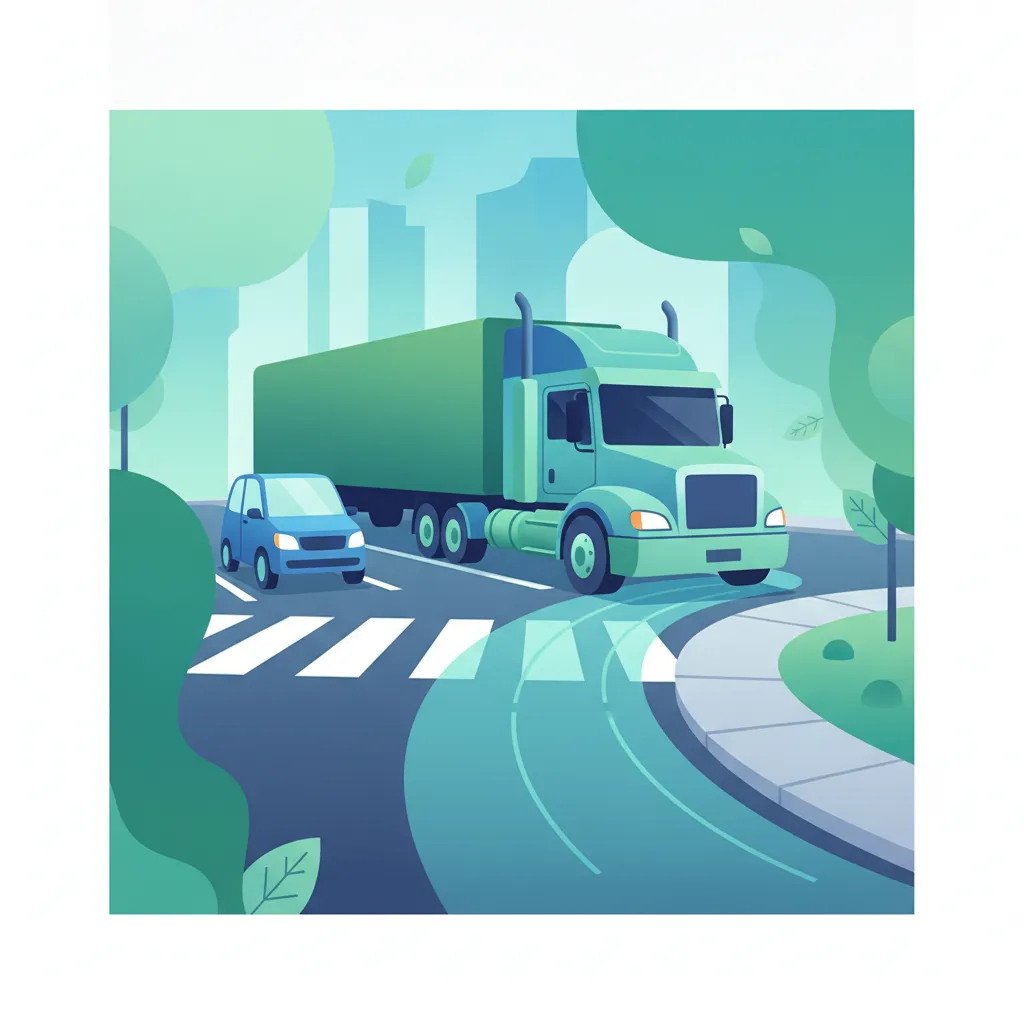
This lesson examines the specific road space requirements necessary for large goods vehicles to operate safely and efficiently. Topics include the need for adequate lane width, lateral clearance, and turning lanes to accommodate wider and longer vehicles. Learners will explore the proper use of shoulders, overtaking procedures, and the impact of large vehicles on overall road capacity in traffic.
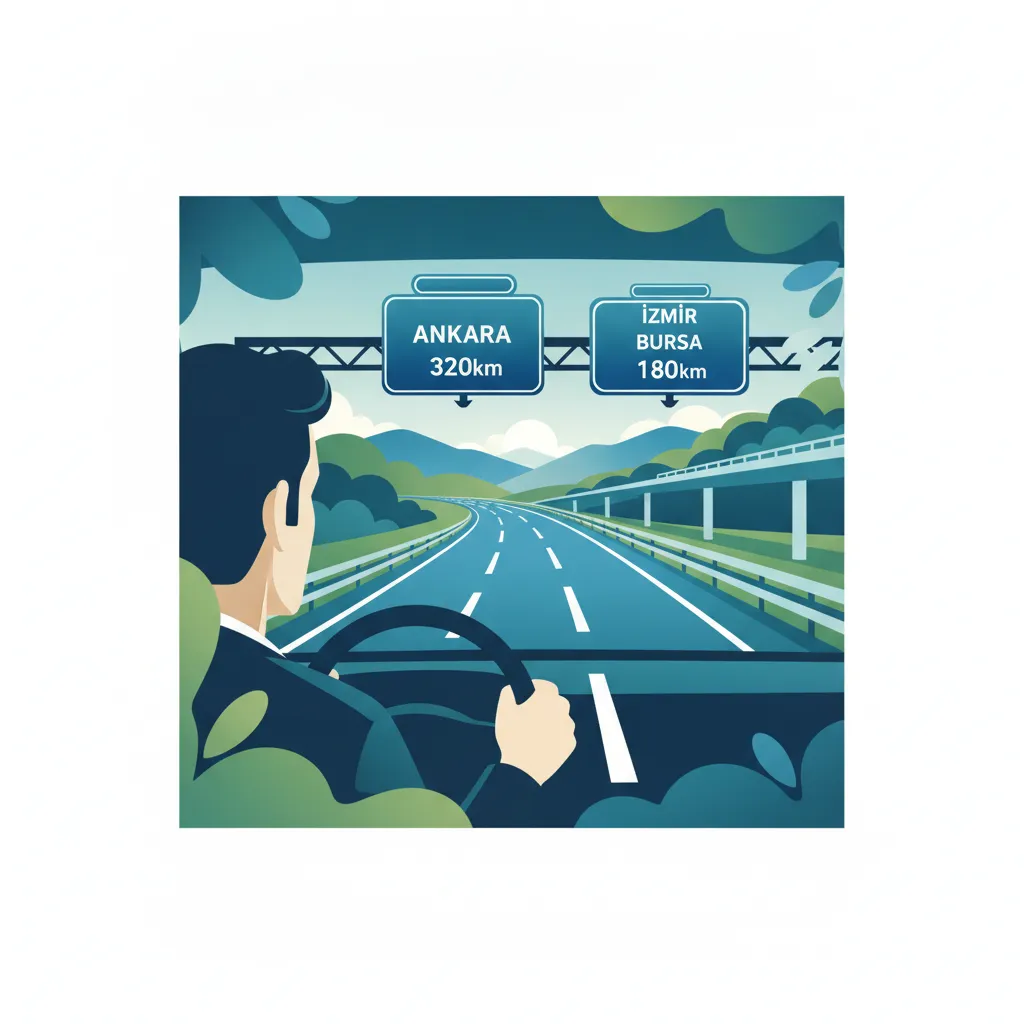
Learners will examine strategies for planning and executing long-distance and intercity routes with passenger vehicles. The lesson covers effective route planning, managing driver fatigue, scheduling rest stops, and addressing passenger comfort and informational needs during extended journeys. Understanding these aspects ensures safe, efficient, and passenger-friendly long-distance service.
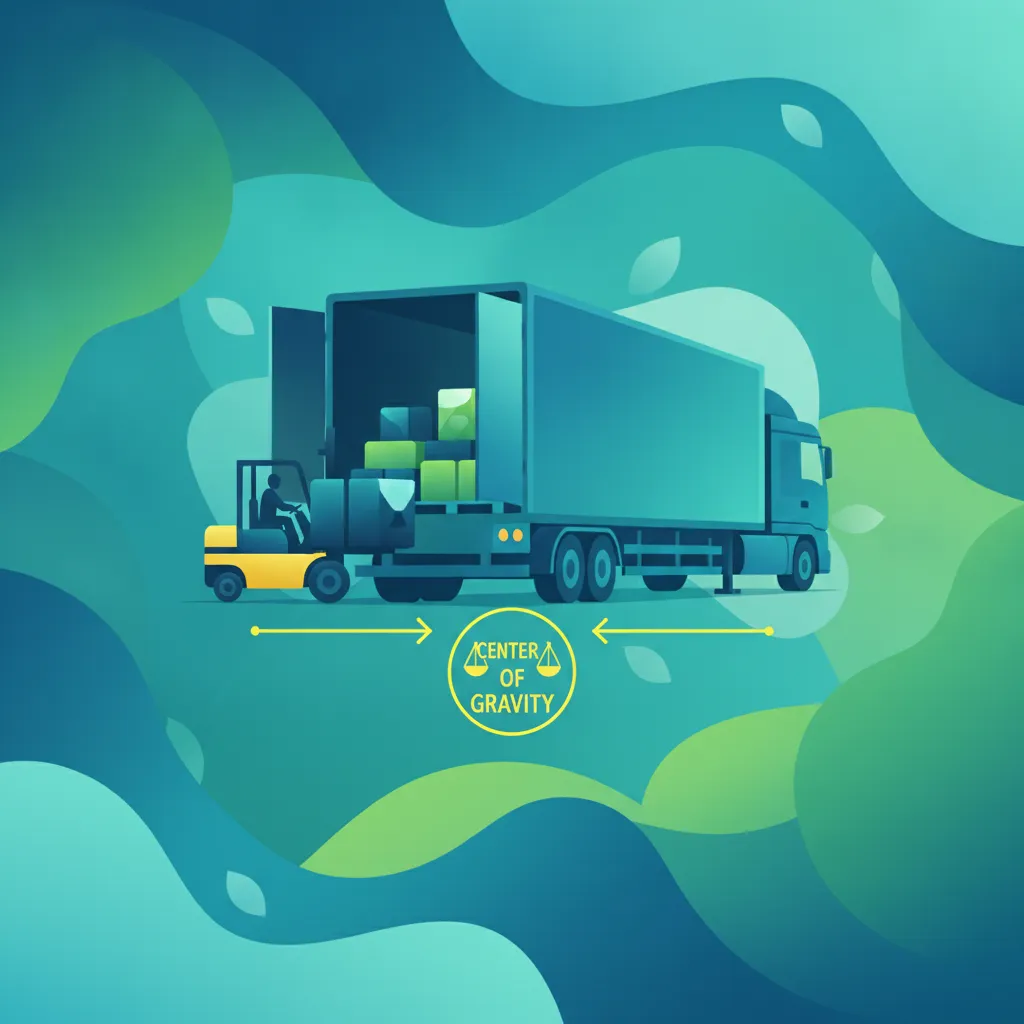
This lesson focuses on the essential principles of load planning and weight distribution for goods vehicles. Learners will understand how to assess cargo weight, determine optimal placement, and maintain a low centre of gravity to ensure vehicle stability. The lesson emphasizes legal load limits, the dangers of overloading, and the impact of uneven load distribution on handling and braking.
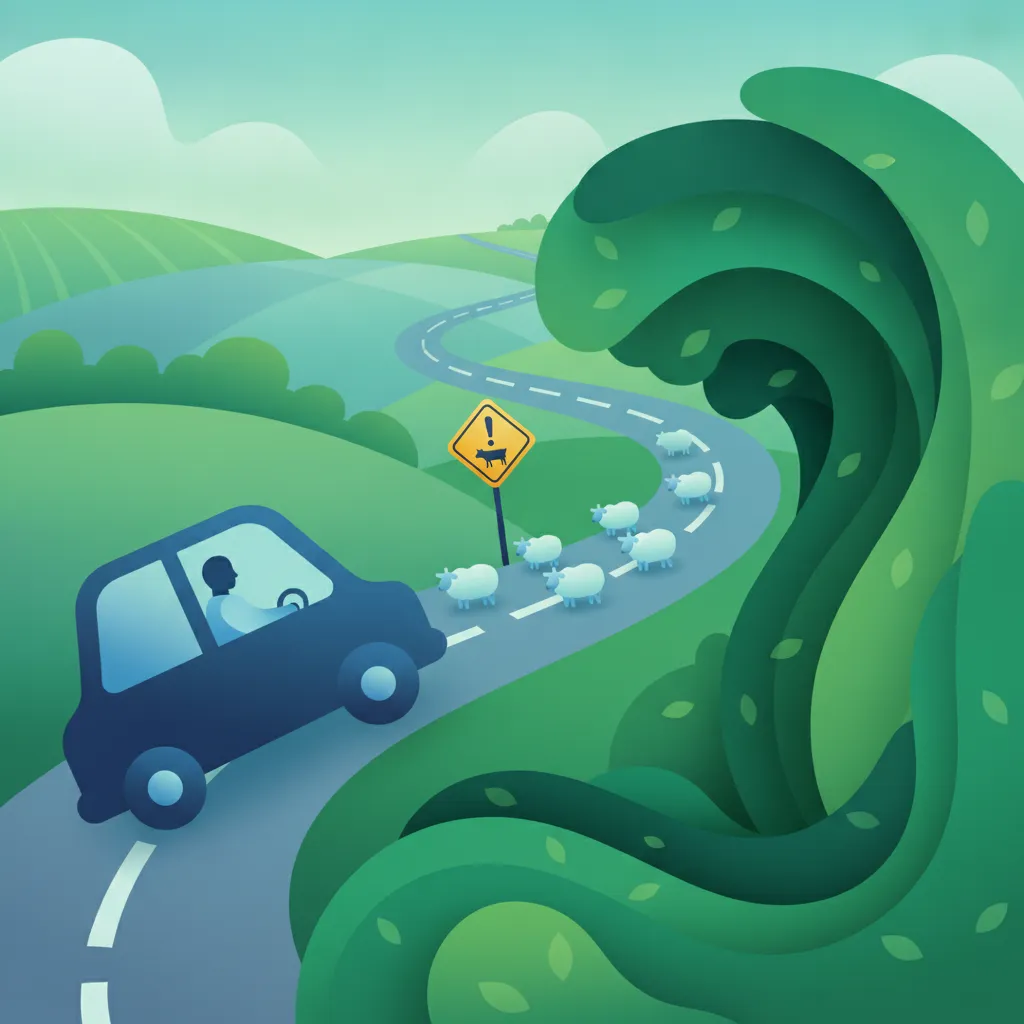
This lesson explores the unique challenges encountered when driving goods vehicles on rural roads, including narrow widths, sharp curves, animal crossings, and varying road surface conditions. Learners will understand the importance of adjusting speed, maintaining vigilance, and respecting road markings. Emphasis is placed on safe navigation practices to mitigate risks associated with rural areas.
This lesson focuses on the critical importance of lane discipline and proper lane usage for large goods vehicles. Learners will understand the challenges posed by wider vehicle dimensions, the necessity of maintaining adequate lane occupancy, and the need for precise lane keeping. Emphasis is placed on selecting appropriate lanes, adhering to traffic flow, and ensuring general highway safety.
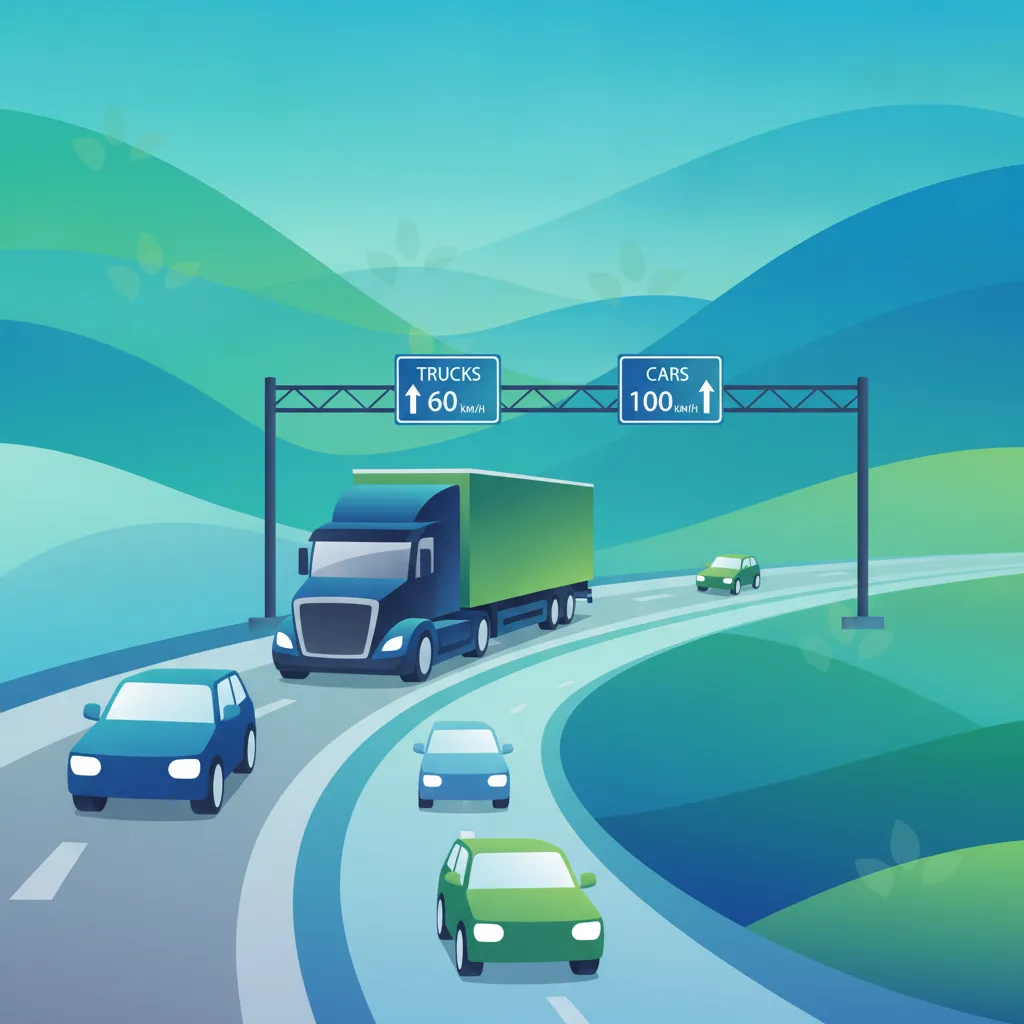
This lesson focuses on speed regulation for goods vehicles, highlighting how vehicle weight, load, and road conditions influence safe operating speeds. Learners will understand legal speed limits for various road types and the necessity of adapting speed to traffic flow and environmental conditions. The lesson also emphasizes the importance of maintaining appropriate speed to ensure vehicle control.
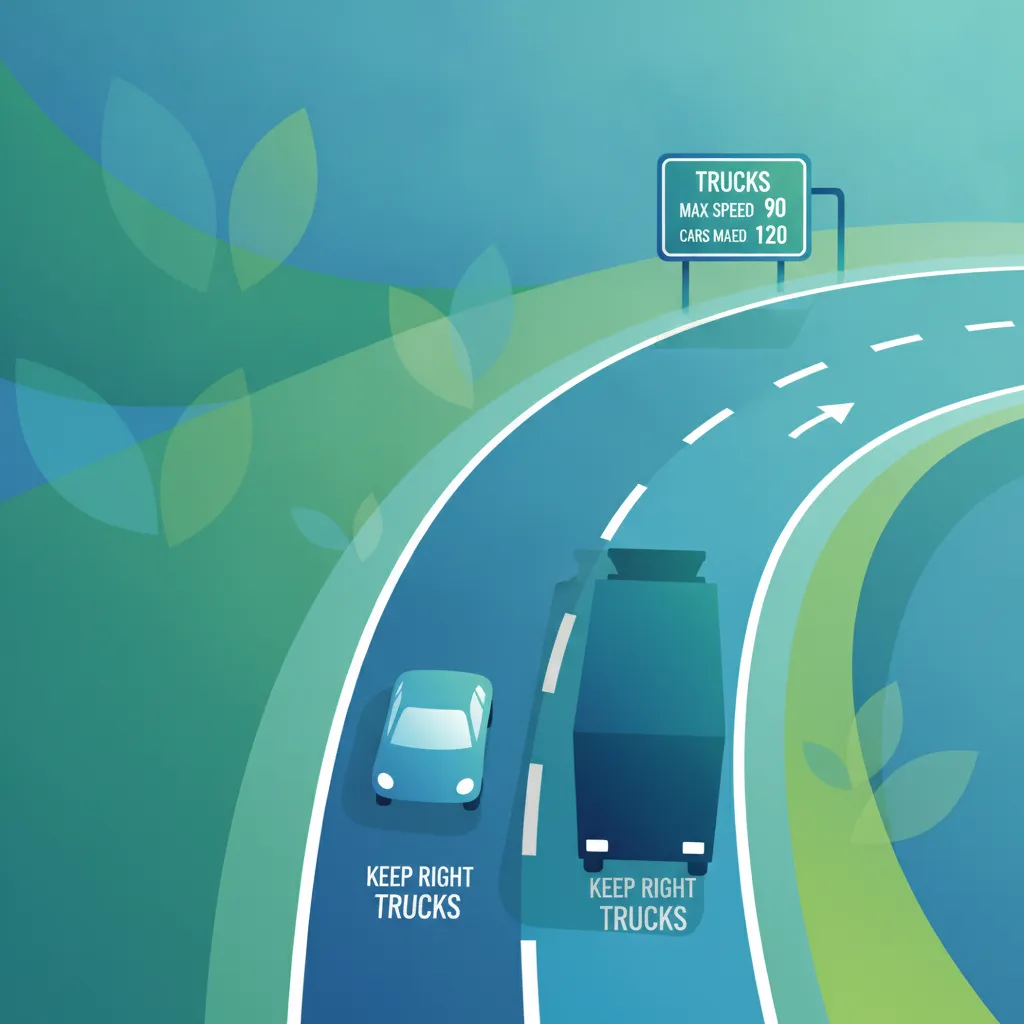
This lesson addresses the specific considerations for goods vehicle operation on highways and expressways, covering speed limits, lane discipline, safe merging, and overtaking. Learners will learn how to adapt to traffic flow, manage heavy vehicle dynamics at higher speeds, and ensure safe operation. The lesson emphasizes the importance of vigilance and proper lane usage to prevent accidents.
Explore the specific risks involved in urban driving for C-category vehicle operators. This guide covers how to manage blind spots, navigate narrow intersections, and protect pedestrians and cyclists while performing deliveries in busy Turkish city centers according to professional safety standards.
This lesson focuses on protecting vulnerable road users, such as pedestrians, cyclists, and motorcyclists, in mixed traffic environments. Learners will examine specific strategies for increased vigilance, anticipatory driving, and properly yielding to these users. The lesson also covers high-risk zones, such as school areas and public transport stops, emphasizing the need for heightened safety.

This lesson examines the critical interactions between goods vehicles and vulnerable road users such as pedestrians, cyclists, and motorcyclists, particularly in urban environments. Learners will explore right-of-way rules, maintaining safe distances, and strategies for anticipating the actions of these road users. The lesson emphasizes the importance of clear communication and protective driving.

Learners will identify the different categories of vulnerable road users and understand the heightened risks they face. The lesson emphasizes the importance of recognizing these users, anticipating their actions, and taking proactive measures to ensure their safety while operating passenger vehicles. Strategies for mitigating danger and fostering a protective driving environment are explored.
Learners will examine the complexities of operating in environments where various road users, including pedestrians, cyclists, and motorcyclists, coexist. The lesson emphasizes the need for heightened situational awareness, defensive driving techniques, and proactive hazard anticipation. Strategies for navigating mixed traffic safely, especially in congested urban areas, are highlighted.
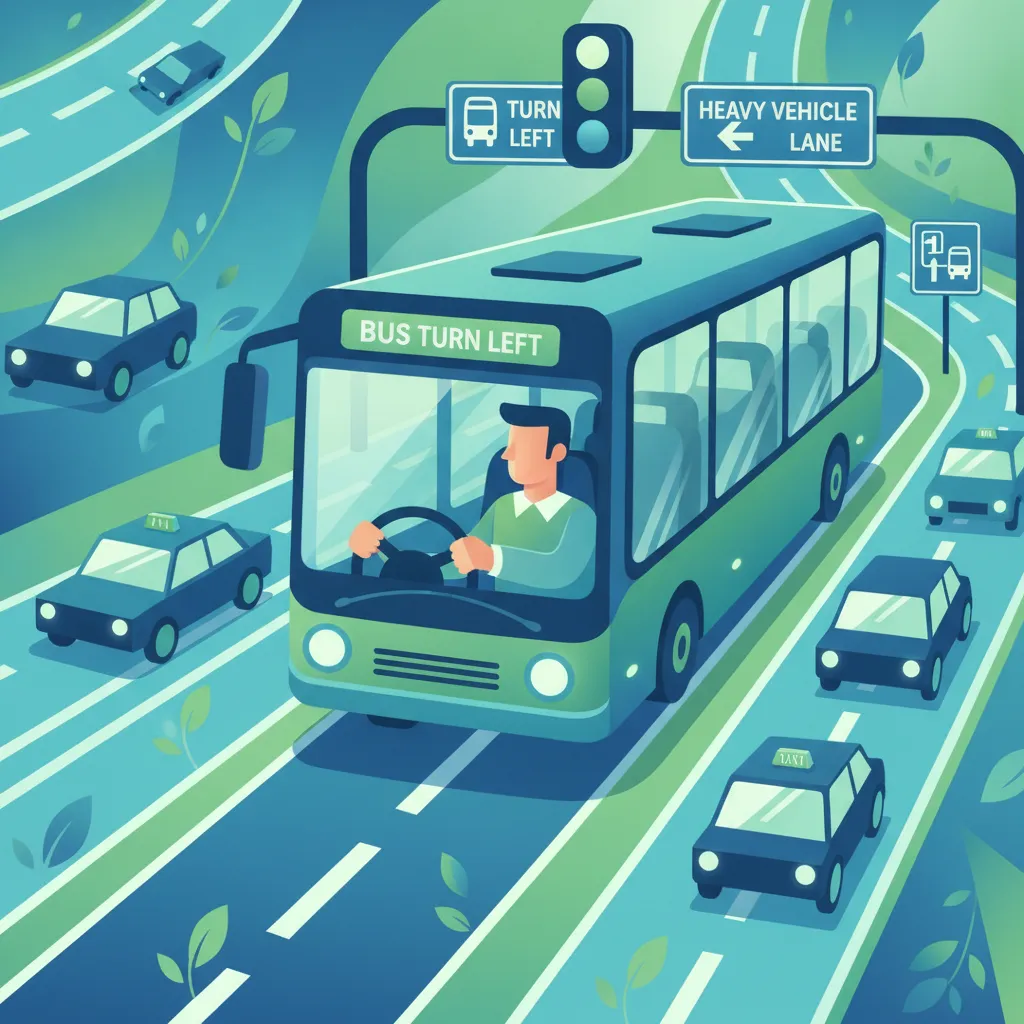
Learners will explore strategies for navigating congested urban traffic environments while operating large passenger vehicles. The lesson covers lane selection, adherence to traffic signals, and the use of bus lanes where applicable. Understanding how to maintain smooth traffic flow while ensuring passenger safety is crucial for efficient urban transportation.
This lesson explores the unique challenges faced during urban deliveries, such as navigating restricted loading zones, traffic congestion, and narrow streets. Learners will learn strategies for safe maneuvering, efficient loading and unloading, and maintaining situational awareness in high-pedestrian traffic areas. Emphasis is placed on complying with local regulations and optimizing time management.
This lesson delves into specific manoeuvring strategies required when navigating both tight urban environments and open rural roads with large passenger vehicles. Learners will explore techniques for handling narrow streets, tight turns, and intersections, while maintaining safety and efficiency. The content emphasizes planning and execution of manoeuvres based on road conditions and vehicle dimensions.
Find clear answers to common questions learners have about Dealing with Road Closures and Detours. Learn how the lesson is structured, which driving theory objectives it supports, and how it fits into the overall learning path of units and curriculum progression in Turkey. These explanations help you understand key concepts, lesson flow, and exam focused study goals.
You must not follow a detour that carries a weight restriction below your vehicle's current gross weight. Always verify the signage on the detour route and contact your dispatch office to request an approved alternative path that accommodates your vehicle's specific size and weight.
No, professional drivers are not exempt from local access restrictions, such as weight or height limits, unless specifically directed by authorized traffic police. Always follow the official temporary signage provided by traffic management authorities.
The exam often includes situational questions regarding route planning and how to interpret temporary signage compared to permanent traffic restrictions. This lesson helps you apply logical reasoning to these scenarios to ensure your vehicle remains legal.
Communication ensures that the transport office is aware of your delay and can provide updated, verified routing information. This helps prevent you from entering routes that are unsuitable for heavy vehicles and keeps your schedule organized.
Use our comprehensive practice search to find exactly the Turkish driving theory questions you need to master. Whether reviewing specific road signs, traffic rules, or first aid scenarios, select your perfect practice set and boost your confidence for the official ehliyet sınavı.