This lesson focuses on the critical interactions between heavy goods vehicles and vulnerable road users in busy urban environments. Understanding these dynamics is essential for your professional C, C1, C1E, or CE license and for ensuring safety on Turkish roads.

Lesson content overview
Operating a large goods vehicle—whether a rigid C1 or C category truck, or an articulated C1E or CE combination—carries an immense safety responsibility. In busy urban environments across Turkey, professional drivers must safely share restricted road spaces with vulnerable road users (VRUs). VRUs include pedestrians, cyclists, motorcyclists, e-scooter riders, and individuals with reduced mobility. Due to their lack of protective structural shielding, these road users are at a disproportionately high risk of severe injury or fatality if a collision occurs.
To ensure safety and remain fully compliant with the Turkish Highway Traffic Regulation (Karayolları Trafik Yönetmeliği), professional drivers must master the principles of proactive anticipation, safe passing distances, and blind spot management. This lesson provides the deep technical knowledge and defensive driving strategies necessary to safely navigate mixed-traffic environments.
As a professional driver, you must operate under the Principle of Vulnerable Road User Protection. This is both a legal and ethical imperative that prioritizes the safety of those with the least physical protection. Large commercial vehicles possess a huge mass differential compared to two-wheelers and pedestrians, meaning even low-speed contact can have catastrophic consequences.
When driving a heavy goods vehicle, you must constantly account for two physical factors that directly threaten VRUs:
Under Turkish traffic law, pedestrians have absolute priority at both marked and unmarked pedestrian crossings. The Turkish Ministry of Interior actively enforces the "Pedestrian First" (Önce Yaya) initiative, which has introduced strict penalties for drivers who fail to yield.
Professional drivers must strictly apply the following operational rules when approaching crosswalks:
Cyclists and motorcyclists present unique challenges due to their narrow profiles, rapid speed variations, and vulnerability to road surface conditions.
When overtaking a cyclist or motorcyclist in Turkey, you are legally required to maintain a minimum safe passing distance.
The Minimum 1-Metre Rule: You must maintain a lateral distance of at least 1.0 metre (increased to 1.5 metres at speeds above 50 km/h) when passing a cyclist or motorcyclist. If the road is too narrow to allow this clearance, you must wait behind the two-wheeler until the road widens or traffic clears.
Assess the Road Ahead: Ensure there are no oncoming vehicles, narrow bottlenecks, or blind curves. Never attempt to overtake a cyclist near a blind turn or intersection.
Signal Early: Activate your left indicator well in advance to alert both the cyclist and the traffic behind you of your intention to change lanes.
Move Fully into the Adjacent Lane: Do not attempt to "squeeze" past within the same lane. Treat the cyclist as a full-sized vehicle and move your truck across the center line or lane markings.
Accelerate Smoothly: Avoid aggressive acceleration while alongside the cyclist, as sudden engine noise and air turbulence can cause them to panic and lose control.
Check Mirrors Before Returning: Do not pull back into the right lane until you can clearly see the cyclist in your main rear-view mirror (Class II). This ensures you do not clip them with the rear of your vehicle or trailer.
To protect cyclists and motorcyclists, professional drivers must anticipate the following behaviors:
Heavy goods vehicles have extensive blind spots—often called the "No-Zone"—where smaller road users can completely disappear from the driver's view. Managing these zones is critical to preventing accidents during turns and lane changes.
Under modern vehicle safety standards, your goods vehicle must be equipped with a comprehensive set of mirrors, which must be correctly adjusted for every journey:
Physical Scanning Protocol: Technology (such as blind-spot sensors and side-view cameras) is an excellent aid, but it does not replace a physical scan. Use the "mirror sweep" technique—checking from the front mirror, to the wide-angle, to the main mirror, and finally taking a quick glance through the side window—before initiating any lateral maneuver.
Making deliveries in bustling Turkish metropolitan areas (like Istanbul, Ankara, or Izmir) forces professional drivers into high-risk interactions with VRUs. Double-parking, narrow historical streets, and active loading zones require disciplined safety practices.
A designated street or public space reserved exclusively for pedestrians, where motor vehicles are generally prohibited except during authorized loading and unloading hours.
To help you apply these principles on the road, let us examine how to handle common, high-risk driving scenarios defensively.
To operate a heavy goods vehicle safely in mixed traffic under the Turkish Highway Traffic Regulation, you must adhere to the following core practices:
Explore all units and lessons included in this driving theory course.
Lesson content overview
Explore all units and lessons included in this driving theory course.
Explore search topics learners often look for when studying Interactions with Pedestrians, Cyclists, and Motorcyclists. These topics reflect common questions about road rules, driving situations, safety guidance, and lesson level theory preparation for learners in Turkey.
Browse additional driving theory lessons that cover connected traffic rules, road signs, and common driving situations related to this topic. Improve your understanding of how different rules interact across everyday traffic scenarios.
Learn the professional techniques for managing lane occupancy and wide-turn radii in urban environments. This guide explains how to position large vehicles correctly at junctions and during maneuvers to avoid common hazards while remaining compliant with Turkish traffic laws and professional driving standards for C license holders.
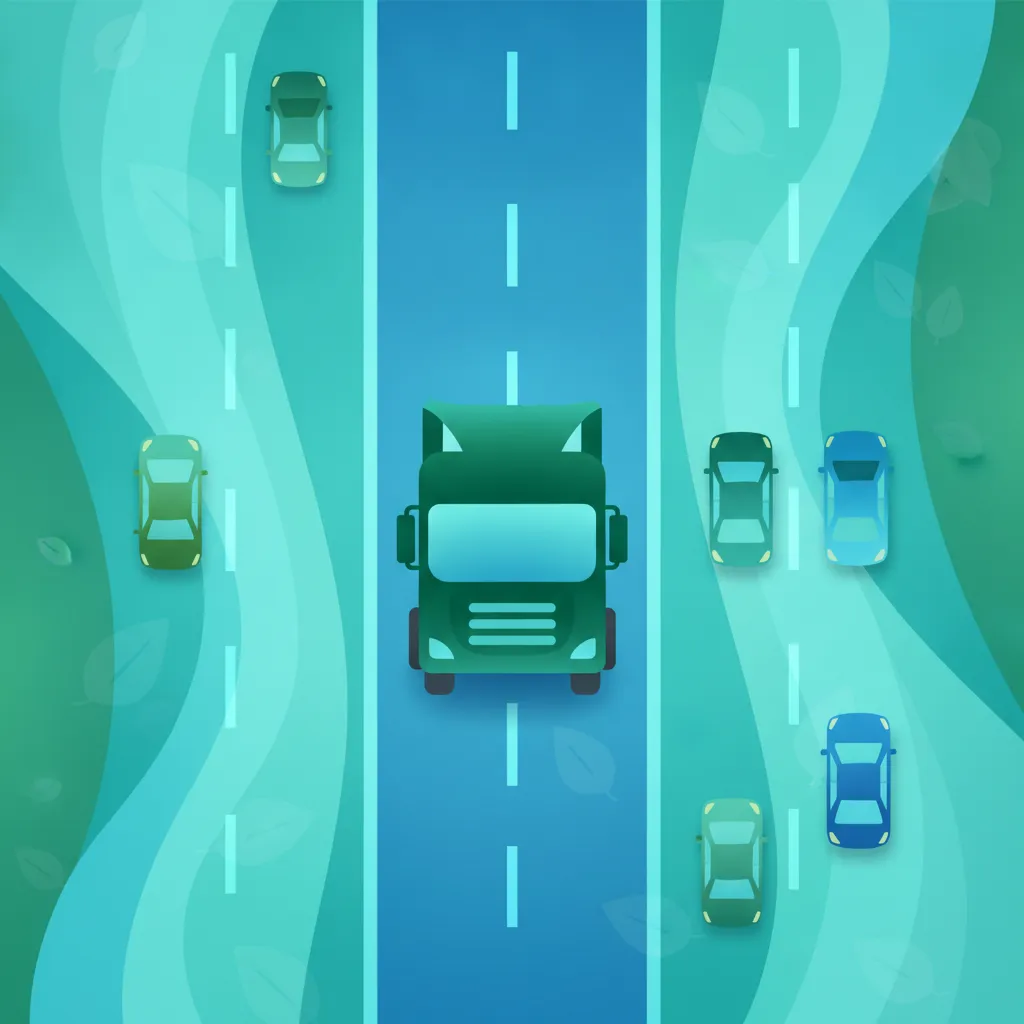
This lesson focuses on the critical importance of lane discipline and proper lane usage for large goods vehicles. Learners will understand the challenges posed by wider vehicle dimensions, the necessity of maintaining adequate lane occupancy, and the need for precise lane keeping. Emphasis is placed on selecting appropriate lanes, adhering to traffic flow, and ensuring general highway safety.
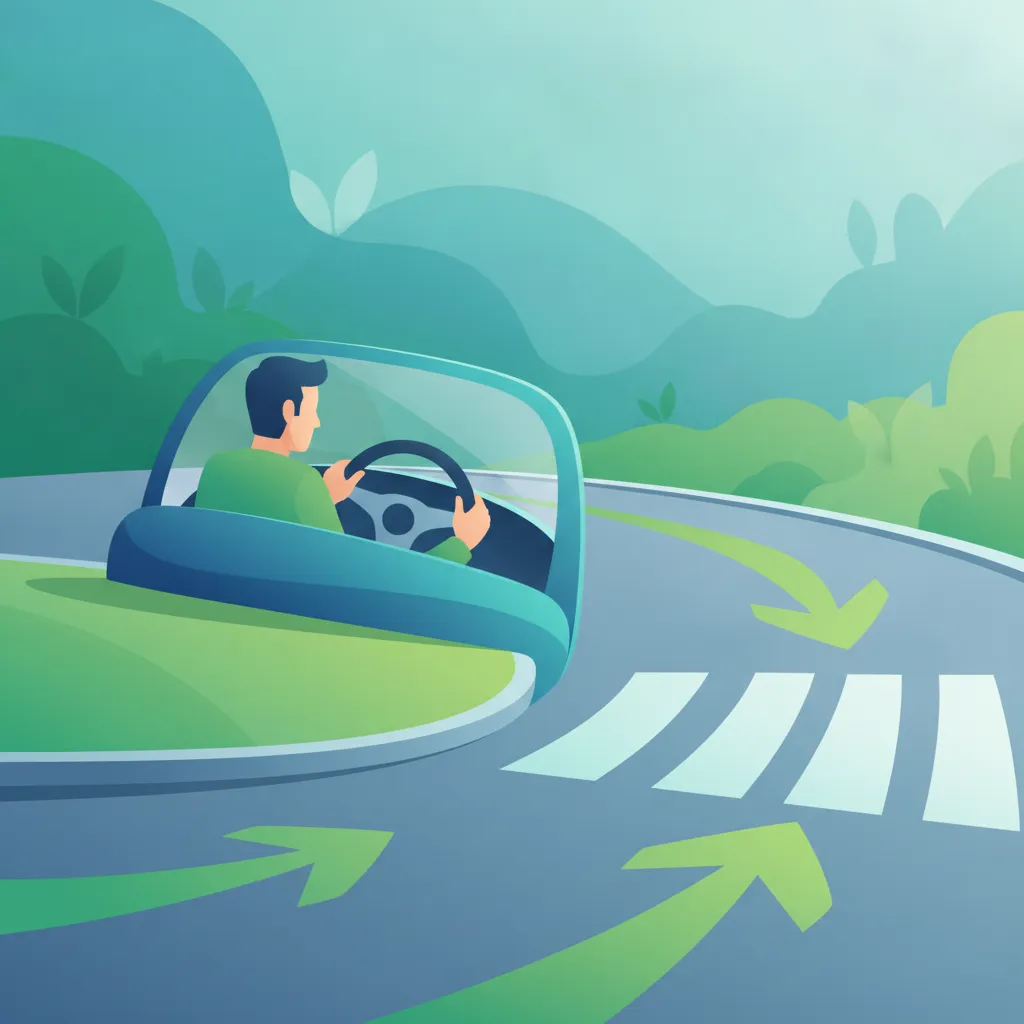
This lesson explores effective turning strategies for goods vehicles, focusing on managing the larger turn radius required due to vehicle size and load. Learners will understand how to approach corners safely, adjust speed, use signals appropriately, and compensate for off-tracking. The lesson also highlights how load distribution impacts turning dynamics and the importance of vehicle control.

Learners will explore the fundamentals of maintaining correct lane discipline, focusing on appropriate lane positioning, understanding lane markings, and executing lane changes safely. Emphasis is placed on the unique considerations for large passenger vehicles within the lane, such as width and maneuverability. The lesson also addresses the impact of proper lane discipline on overall traffic flow and safety.
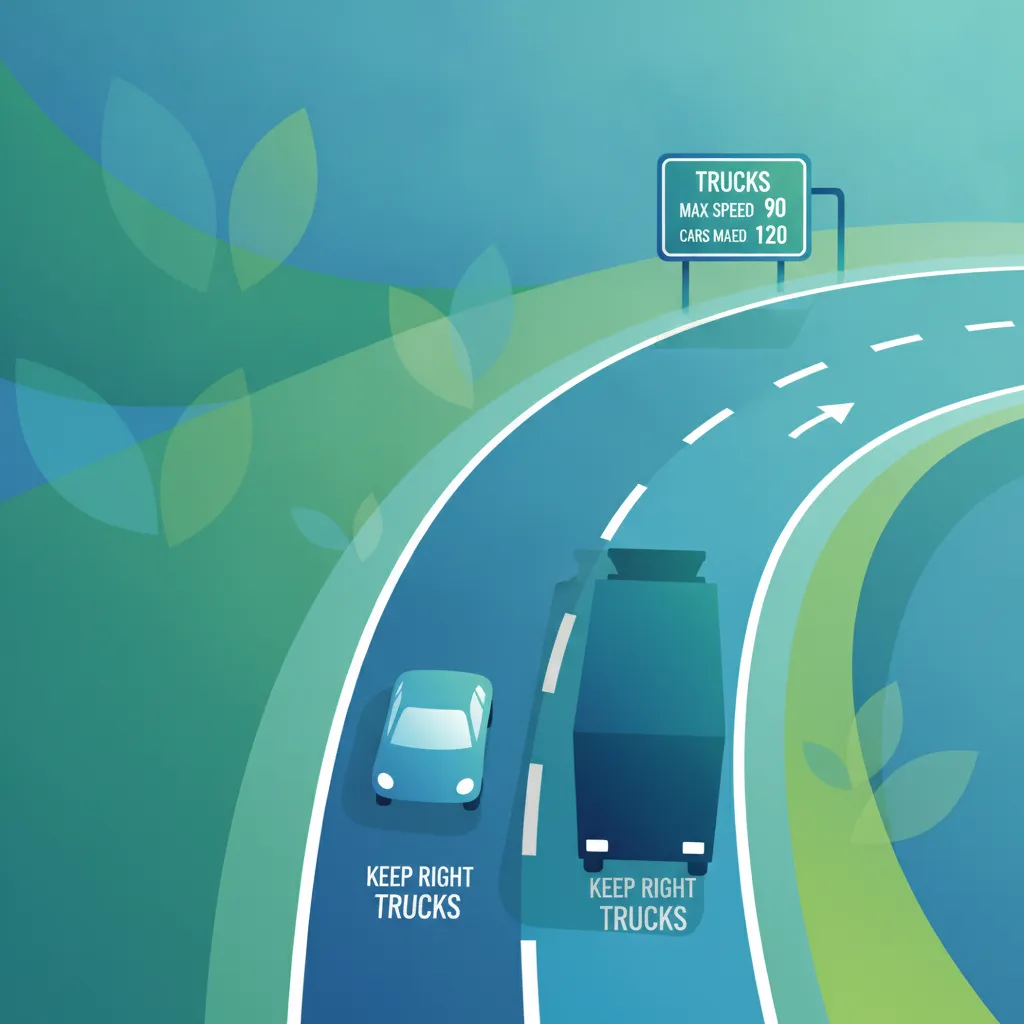
This lesson addresses the specific considerations for goods vehicle operation on highways and expressways, covering speed limits, lane discipline, safe merging, and overtaking. Learners will learn how to adapt to traffic flow, manage heavy vehicle dynamics at higher speeds, and ensure safe operation. The lesson emphasizes the importance of vigilance and proper lane usage to prevent accidents.
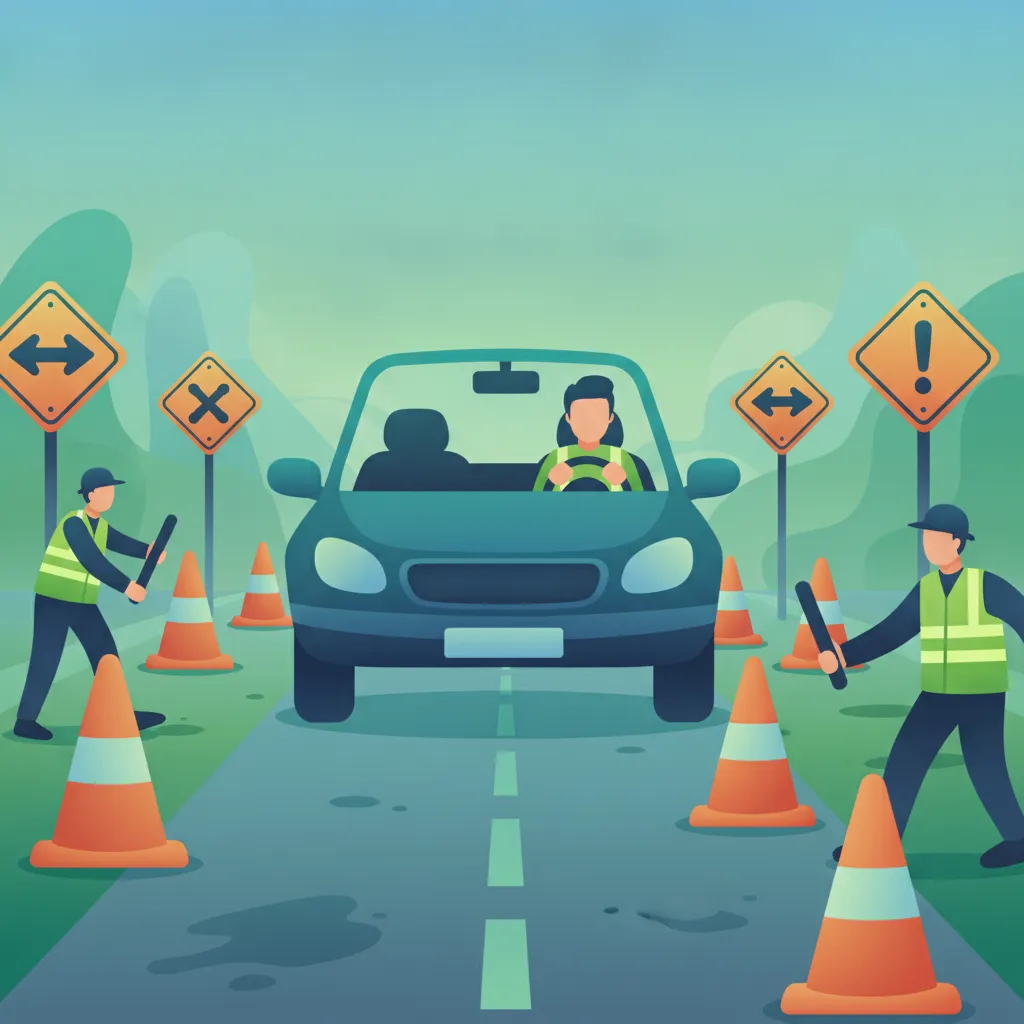
This lesson focuses on the safe navigation of goods vehicles through roadworks and construction zones. Learners will examine the importance of recognizing temporary signs, adhering to reduced speed limits, and maintaining heightened caution around workers and equipment. The lesson emphasizes the need for special attention due to the altered road environment and hazards specific to heavy vehicles.

This lesson focuses on the challenges and techniques required when maneuvering goods vehicles in confined spaces such as loading docks, narrow streets, and urban environments. It addresses the importance of spatial awareness, precision driving, and understanding vehicle dimensions to avoid collisions. Learners will explore strategies for effective parking, reversing, and handling blind spots safely.

This lesson examines lane division and proper lane usage on multi-lane roads and highways. Learners will understand the purpose of lane markings in guiding drivers to maintain appropriate lane discipline. Topics include correct lane selection for different vehicle types, overtaking procedures, and lane-changing techniques. Real-world examples illustrate the importance of respecting lane usage rules.
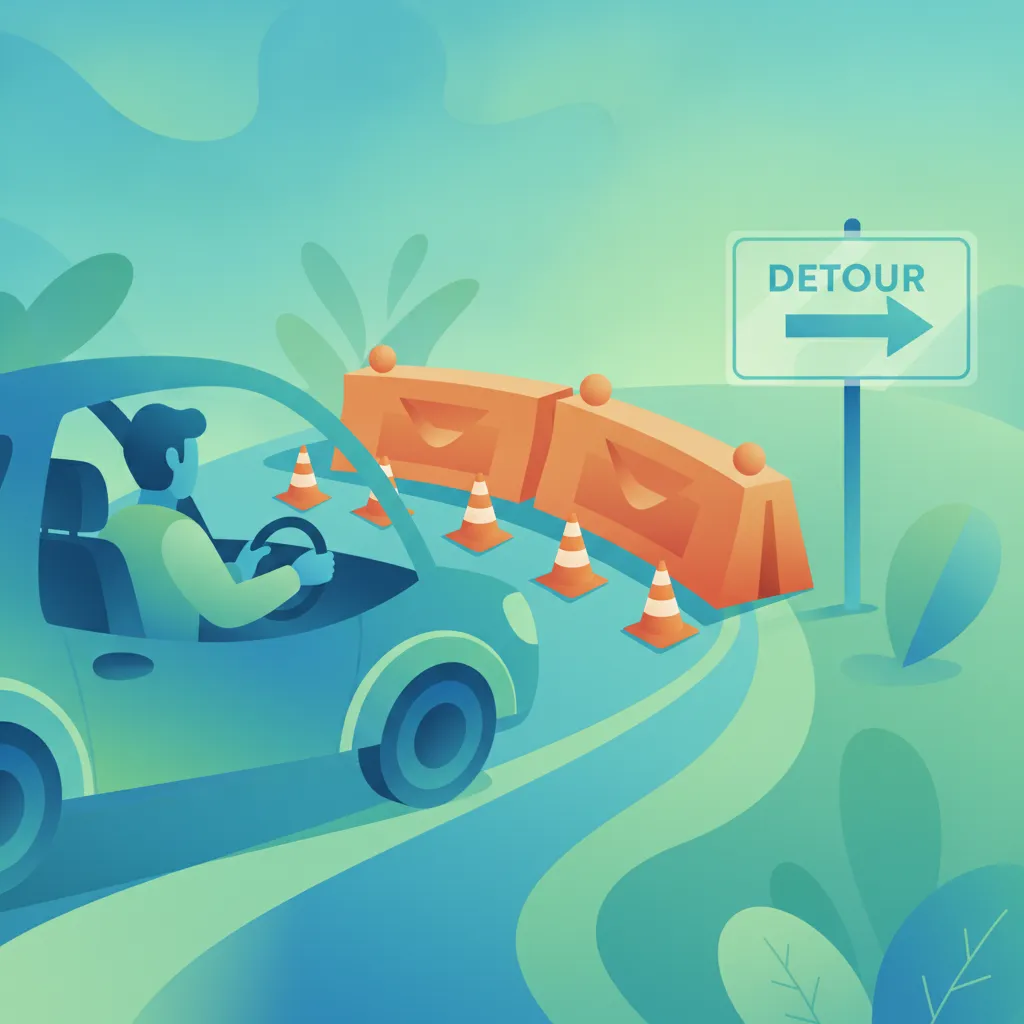
This lesson focuses on effectively managing road closures and detours that affect goods vehicle routes. Learners will explore strategies for obtaining real-time information, updating navigation systems, and planning alternate routes to maintain efficiency and compliance. Emphasis is placed on safety considerations, communication with dispatch centers, and adhering to traffic management.
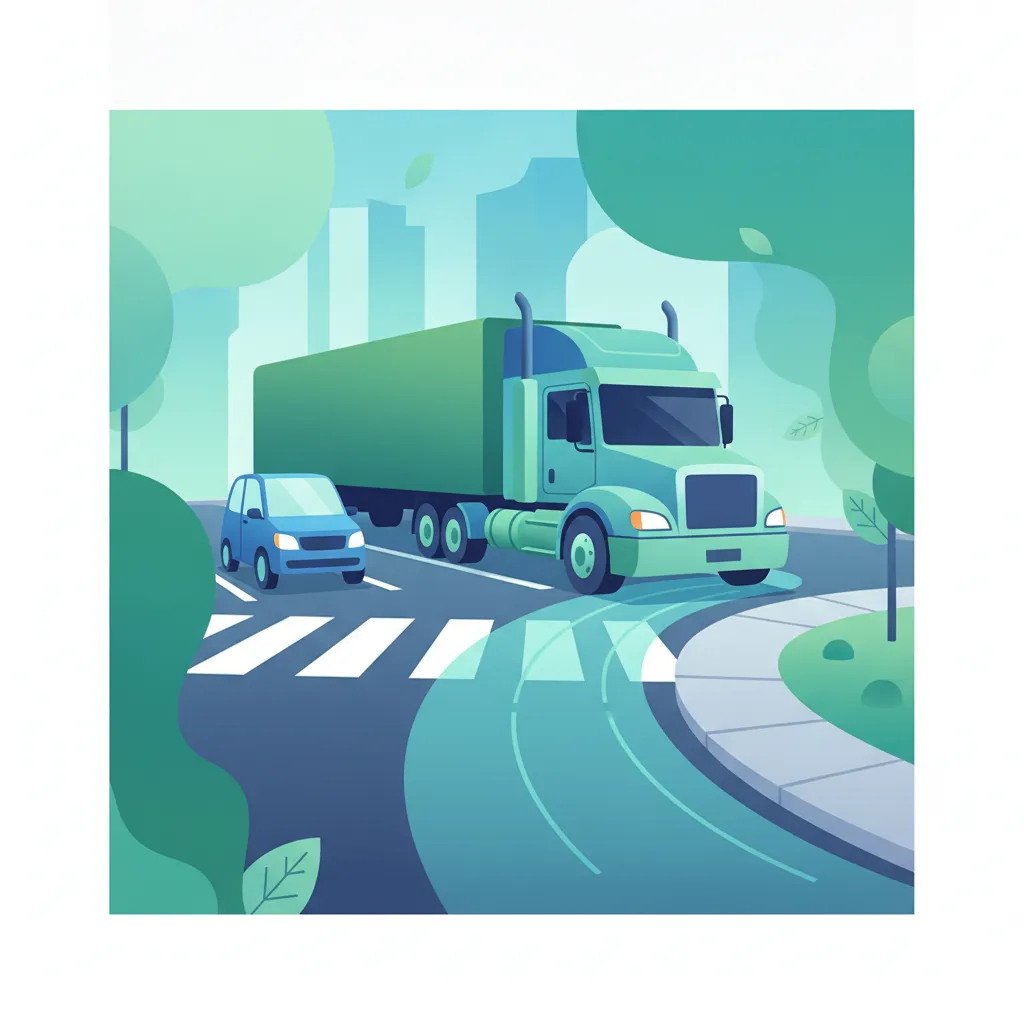
This lesson examines the specific road space requirements necessary for large goods vehicles to operate safely and efficiently. Topics include the need for adequate lane width, lateral clearance, and turning lanes to accommodate wider and longer vehicles. Learners will explore the proper use of shoulders, overtaking procedures, and the impact of large vehicles on overall road capacity in traffic.

This lesson focuses on the importance of maintaining safe following distances for goods vehicles, taking into account longer braking distances and increased load. Learners will learn how to calculate appropriate gaps based on speed, road conditions, and vehicle dynamics. The lesson emphasizes safe following practices to prevent rear-end collisions and improve overall traffic safety in Turkey.
Understand the defensive driving principles required to identify and mitigate risks in congested city centers. This lesson provides a detailed look at managing blind spots, anticipating behavior from other road users, and responding to challenging traffic conditions to ensure safe delivery operations within the Turkish road network.
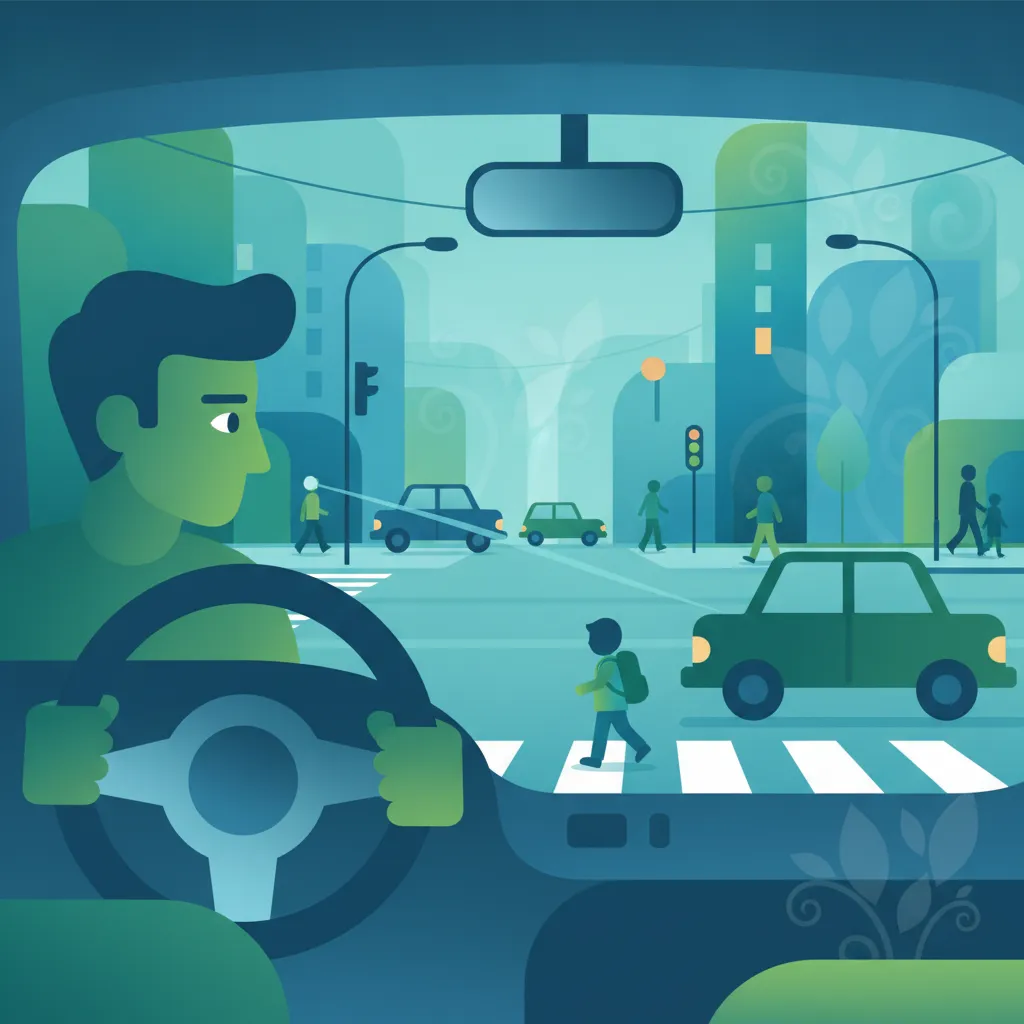
This lesson explores the critical skill of hazard identification and anticipation while driving. Topics include recognizing potential risks in traffic, road conditions, and environmental factors. Learners will develop skills in anticipatory driving to proactively address hazards before they become dangerous. Real-world examples illustrate how to maintain vigilance.

This lesson focuses on protecting vulnerable road users, such as pedestrians, cyclists, and motorcyclists, in mixed traffic environments. Learners will examine specific strategies for increased vigilance, anticipatory driving, and properly yielding to these users. The lesson also covers high-risk zones, such as school areas and public transport stops, emphasizing the need for heightened safety.

Defensive riding is the practice of anticipating potential road conflicts and acting early to prevent accidents before they occur. This lesson teaches you how to systematically scan the road ahead for changing conditions, keep an adequate safety cushion around your moped, and pre-plan exit routes in tight spots. You will learn to assume you are invisible to other drivers and adapt your speed and road position proactively to protect yourself against sudden maneuvers.
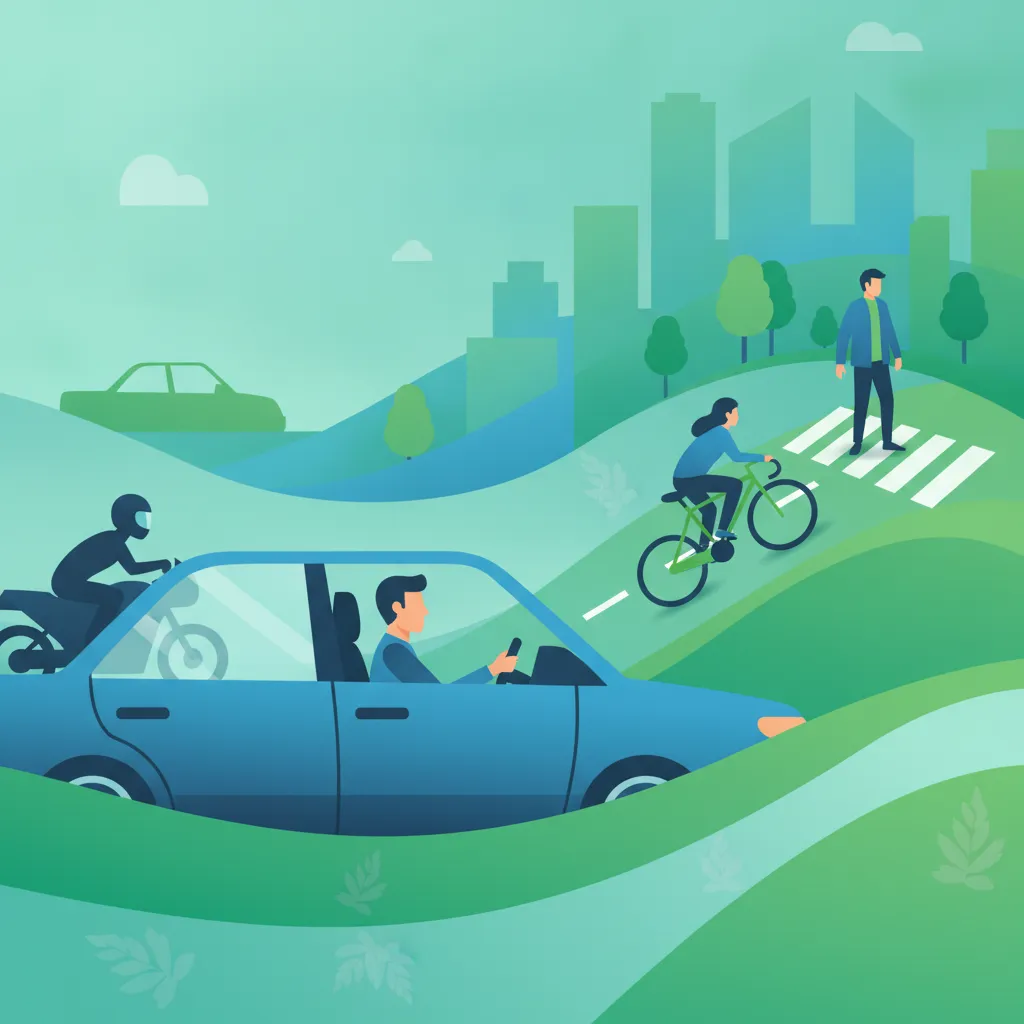
Learners will examine the complexities of operating in environments where various road users, including pedestrians, cyclists, and motorcyclists, coexist. The lesson emphasizes the need for heightened situational awareness, defensive driving techniques, and proactive hazard anticipation. Strategies for navigating mixed traffic safely, especially in congested urban areas, are highlighted.
This lesson focuses on the challenges and techniques required when maneuvering goods vehicles in confined spaces such as loading docks, narrow streets, and urban environments. It addresses the importance of spatial awareness, precision driving, and understanding vehicle dimensions to avoid collisions. Learners will explore strategies for effective parking, reversing, and handling blind spots safely.

This lesson addresses the challenges of safely reversing a goods vehicle, including the identification of blind spots and rear visibility limitations. It covers proper mirror and rearview camera usage, as well as strategies for maintaining awareness of obstacles and the trailer's path. The lesson also emphasizes the importance of reversing alarms and slow, controlled vehicle movements.
Find clear answers to common questions learners have about Interactions with Pedestrians, Cyclists, and Motorcyclists. Learn how the lesson is structured, which driving theory objectives it supports, and how it fits into the overall learning path of units and curriculum progression in Turkey. These explanations help you understand key concepts, lesson flow, and exam focused study goals.
Due to the size of the vehicle and the height of the cab, motorcyclists can easily enter significant blind spots. Always use your auxiliary mirrors and sensors to check these areas before changing lanes or turning.
Yes, drivers must yield to pedestrians at marked crossings. Professional drivers are expected to demonstrate extra vigilance in high-pedestrian areas, even if they have the right of way, to prevent accidents.
The 'swept path' of a large vehicle or trailer can trap cyclists between the vehicle and the curb. Always monitor your left and right sides carefully and never initiate a turn until you are certain the path is clear.
Ensure all mirrors are correctly adjusted before starting your trip. Use cameras and sensors if equipped, and maintain a slow, predictable speed to give yourself time to react if a cyclist or pedestrian appears unexpectedly.
Use our comprehensive practice search to find exactly the Turkish driving theory questions you need to master. Whether reviewing specific road signs, traffic rules, or first aid scenarios, select your perfect practice set and boost your confidence for the official ehliyet sınavı.