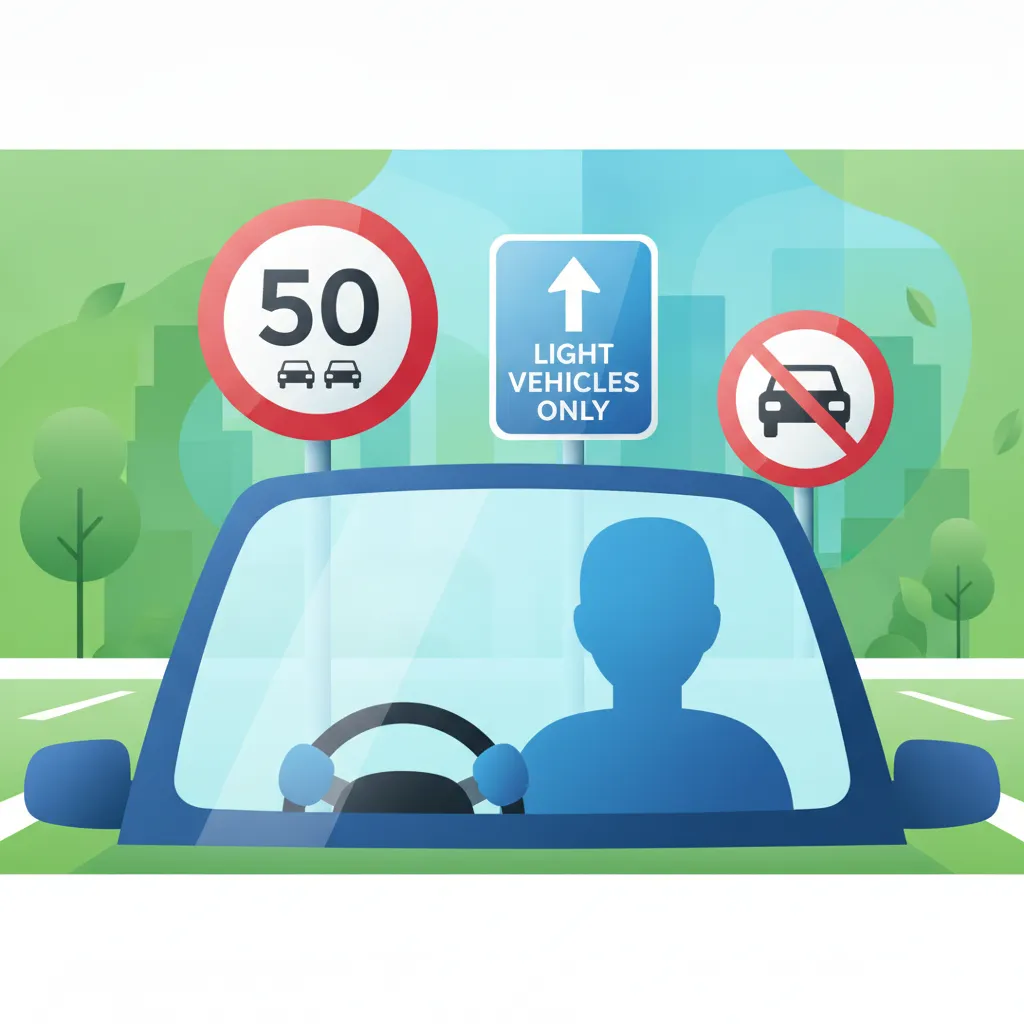
This lesson provides an essential guide to reading and understanding traffic signs, signals, and road markings specific to passenger vehicle operation. By mastering these signs, you will improve your route planning and compliance with local regulations, which are key components of the Turkish Class D licence theory exam.
Lesson content overview
Operating a passenger transport vehicle, such as a bus or medium-sized coach under a Turkish Class D licence (Sınıf D Sürücü Belgesi), carries immense responsibility. Because these vehicles are large, have limited maneuverability, and transport dozens of passengers simultaneously, drivers must interpret traffic signs with a higher level of precision than standard passenger car drivers.
In Turkey, the Highway Traffic Regulation (Karayolları Trafik Yönetmeliği) defines specific road signs, markings, and speed limits designed exclusively to regulate, protect, and prioritize passenger transport. Mastering these signs ensures legal compliance, avoids severe administrative fines, and guarantees passenger safety and comfort.
To improve urban traffic flow and encourage public transit, metropolitan municipalities across Turkey utilize dedicated bus lanes (Özel Otobüs Yolu or Otobüs Şeridi). These lanes are designed to keep public transit vehicles isolated from standard congestion, ensuring that bus timetables are met reliably.
When driving a Class D vehicle within a designated bus lane, you must remain highly alert for private vehicles illegally entering your path, delivery vehicles double-parking near the curb, and pedestrians stepping off the sidewalk prematurely. Always maintain a conservative following distance, even if you technically hold the right-of-way.
Priority routes are designated to maintain a continuous, uninterrupted flow of traffic on major transit corridors. For passenger transport vehicles, knowing when you have the absolute right-of-way—and when you must yield—is vital for keeping a smooth, jerk-free transit experience for your passengers.
The Large Vehicle Weight Fallacy: Many novice bus drivers incorrectly assume that smaller vehicles will naturally yield to them due to their sheer physical size. This is a highly dangerous misconception. Always drive defensively and verify that other drivers have yielded before proceeding through an intersection, even if you are on a priority road.
Speed limits for Class D passenger vehicles in Turkey are strictly lower than those for standard passenger cars (otomobil). These limits are mandated by the Karayolları Trafik Kanunu to account for the heavy weight, extended stopping distance, and high roll-over risk of large passenger vehicles.
Unless lower speeds are posted by local traffic authorities (such as in school zones or high-density pedestrian centers), the statutory speed limits for buses in Turkey are as follows:
| Road Type / Environment | Speed Limit (Buses / Otobüs) |
|---|---|
| Urban Areas (Yerleşim Yeri İçi) | 50 km/h |
| Intercity Double-Lane Roads (Çift Yönlü Karayolları) | 80 km/h |
| Divided Highways (Bölünmüş Yollar) | 90 km/h |
| Motorways / Expressways (Otoyollar) | 100 km/h |
Safe boarding and alighting are critical components of a Class D driver's daily routing. Official passenger boarding zones are strictly regulated by signs and road markings to keep passengers safe from passing traffic.
Under Turkish traffic law, the area surrounding a bus stop is highly protected:
Before merging back into active traffic lanes from a bus stop:
Class D vehicles are constrained by physical dimensions that standard cars do not have to consider. Ignoring structural restriction signs can lead to catastrophic accidents, such as striking low bridges or damaging historical structures.
When pulling up to stops or maneuvering through intersections, a passenger vehicle driver must navigate complex interactions with vulnerable road users and other motorists.
Reduce Speed Early: Begin decelerating smoothly well before reaching the stop. This signals your intentions to vehicles behind you and provides a comfortable deceleration rate for standing passengers.
Scan for Vulnerable Road Users: Look out for cyclists, scooter riders, and pedestrians who may be utilizing the shoulder or sidewalk space near the bus stop.
Align Parallel to the Curb: Pull the bus as close and parallel to the curb as possible. This minimizes the gap passengers must step over, reducing the risk of slips, trips, and falls.
Secure the Vehicle: Once stopped, apply the parking brake or station-brake lock before opening the passenger doors.
Observe Passenger Discharge: Ensure all departing passengers have cleared the immediate vicinity of the doors and steps before initiating the door-closing sequence.
Violations of passenger-specific traffic regulations carry heavy penalties under the Turkish Highway Traffic Law. Additionally, environmental conditions require immediate, defensive adjustments to your driving strategy.
Explore all units and lessons included in this driving theory course.
Lesson content overview
Explore all units and lessons included in this driving theory course.
Explore search topics learners often look for when studying Interpretation of Traffic Signs Specific to Passenger Vehicles. These topics reflect common questions about road rules, driving situations, safety guidance, and lesson level theory preparation for learners in Turkey.
Browse additional driving theory lessons that cover connected traffic rules, road signs, and common driving situations related to this topic. Improve your understanding of how different rules interact across everyday traffic scenarios.
Learn the essential techniques for safe manoeuvring of buses in dense city environments, including managing tight turns, blind spots, and interacting with cyclists or pedestrians. This guide focuses on the specific driving theory requirements for navigating urban streets and terminals under Turkish traffic regulations.
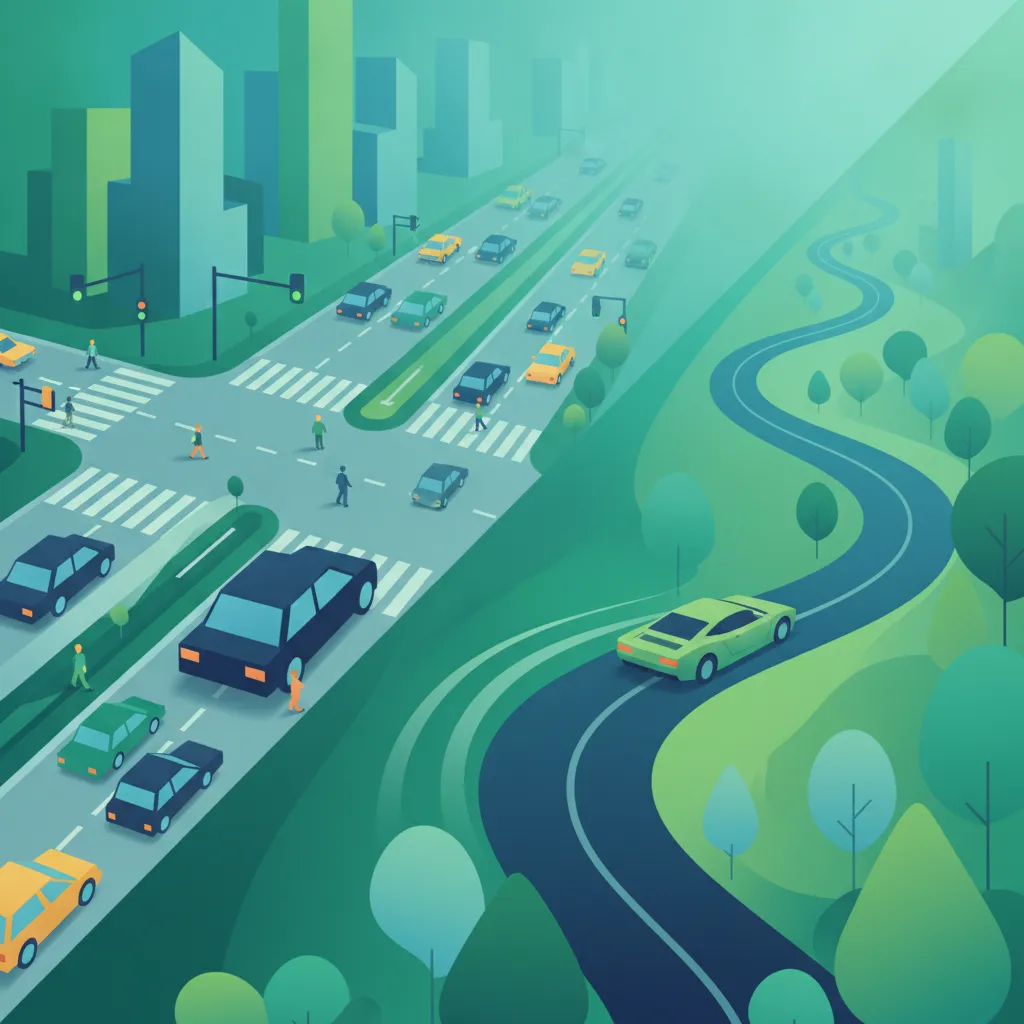
This lesson delves into specific manoeuvring strategies required when navigating both tight urban environments and open rural roads with large passenger vehicles. Learners will explore techniques for handling narrow streets, tight turns, and intersections, while maintaining safety and efficiency. The content emphasizes planning and execution of manoeuvres based on road conditions and vehicle dimensions.
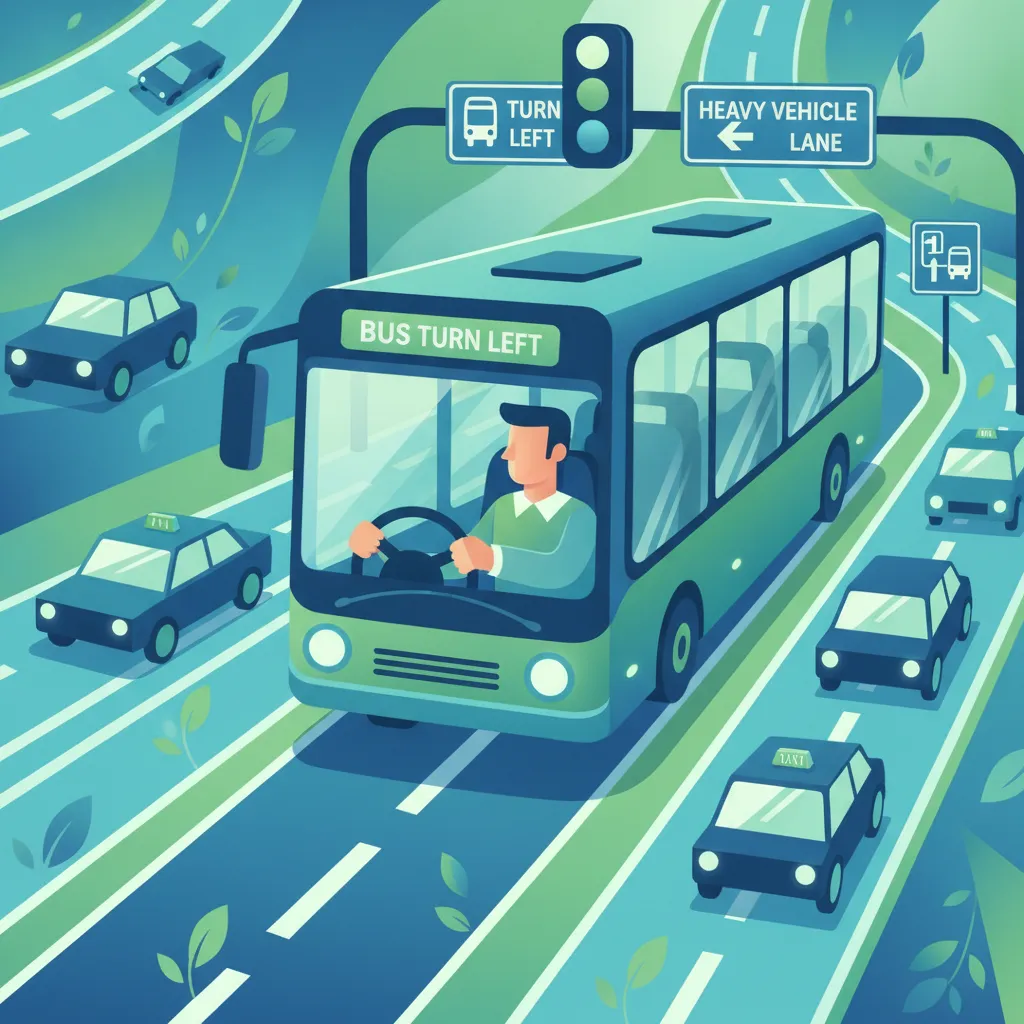
Learners will explore strategies for navigating congested urban traffic environments while operating large passenger vehicles. The lesson covers lane selection, adherence to traffic signals, and the use of bus lanes where applicable. Understanding how to maintain smooth traffic flow while ensuring passenger safety is crucial for efficient urban transportation.

This lesson examines the critical interactions between goods vehicles and vulnerable road users such as pedestrians, cyclists, and motorcyclists, particularly in urban environments. Learners will explore right-of-way rules, maintaining safe distances, and strategies for anticipating the actions of these road users. The lesson emphasizes the importance of clear communication and protective driving.

This lesson focuses on protecting vulnerable road users, such as pedestrians, cyclists, and motorcyclists, in mixed traffic environments. Learners will examine specific strategies for increased vigilance, anticipatory driving, and properly yielding to these users. The lesson also covers high-risk zones, such as school areas and public transport stops, emphasizing the need for heightened safety.

Learners will examine the complexities of operating in environments where various road users, including pedestrians, cyclists, and motorcyclists, coexist. The lesson emphasizes the need for heightened situational awareness, defensive driving techniques, and proactive hazard anticipation. Strategies for navigating mixed traffic safely, especially in congested urban areas, are highlighted.

Learners will identify the different categories of vulnerable road users and understand the heightened risks they face. The lesson emphasizes the importance of recognizing these users, anticipating their actions, and taking proactive measures to ensure their safety while operating passenger vehicles. Strategies for mitigating danger and fostering a protective driving environment are explored.

Learners will learn how to calculate and maintain safe following distances, accounting for the longer braking distances and reaction times inherent to larger passenger vehicles. The lesson emphasizes the importance of a sufficient time gap to allow for safe stopping and to prevent rear-end collisions, particularly in varying traffic conditions.

Proper road positioning is your primary shield against being squeezed, sideswiped, or overlooked by larger motor vehicles in daily traffic. This lesson explains how to ride in the center or slightly off-center of your lane to prevent unsafe overtaking within the same lane. You will study how to identify the massive blind spots of buses and trucks, maintain appropriate following distances, and execute overtaking maneuvers with maximum safety margin and clear signal warning.
Explore the complex application of right-of-way rules and specialized signage for heavy passenger vehicles. Understand how weight limits, height restrictions, and priority route markers dictate legal operations on Turkish roads, ensuring compliance with the Highway Traffic Regulation and safe transit for all passengers.
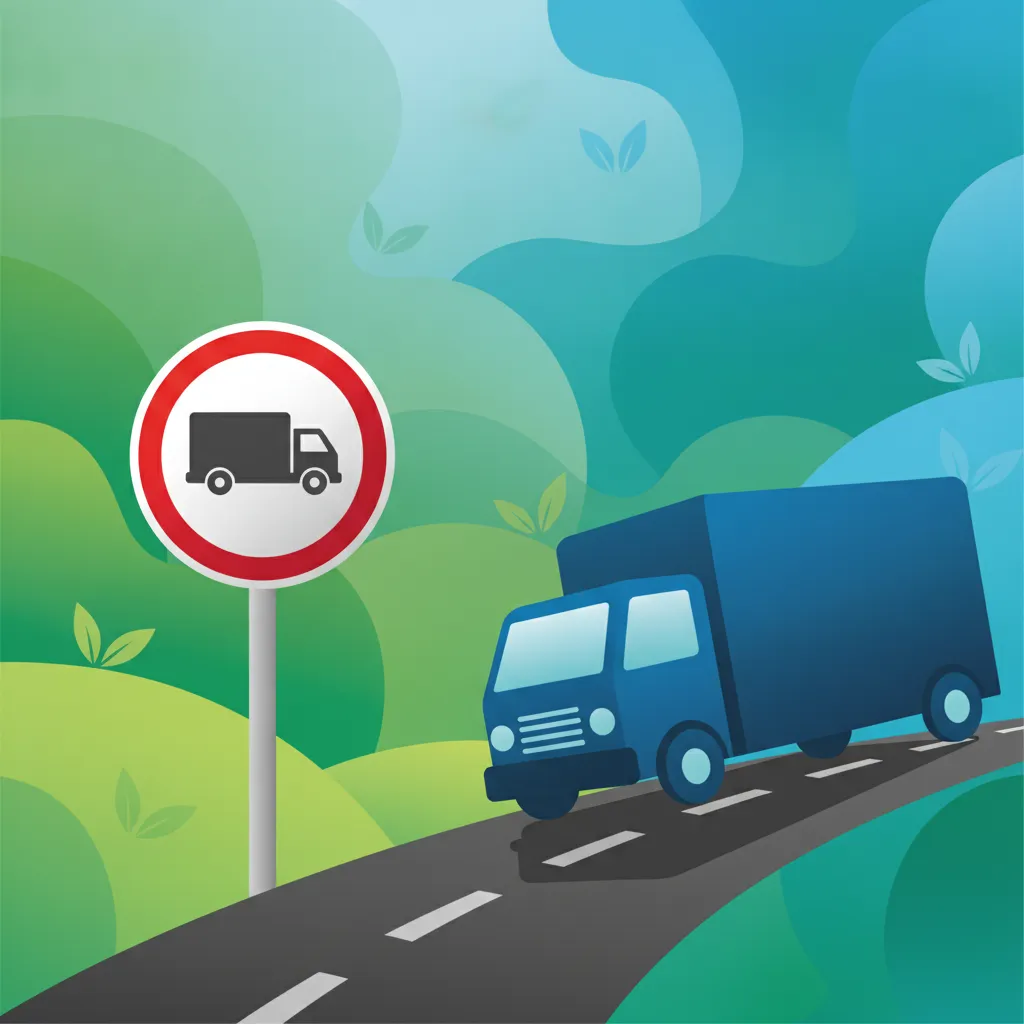
This lesson focuses on traffic signs and road markings that are specifically relevant to goods vehicles in Turkey. Learners will become familiar with signs indicating prohibited routes, weight limits, height restrictions, hazardous material transport, and lane usage regulations. The lesson emphasizes the importance of accurately interpreting these signs to ensure compliance with traffic laws.
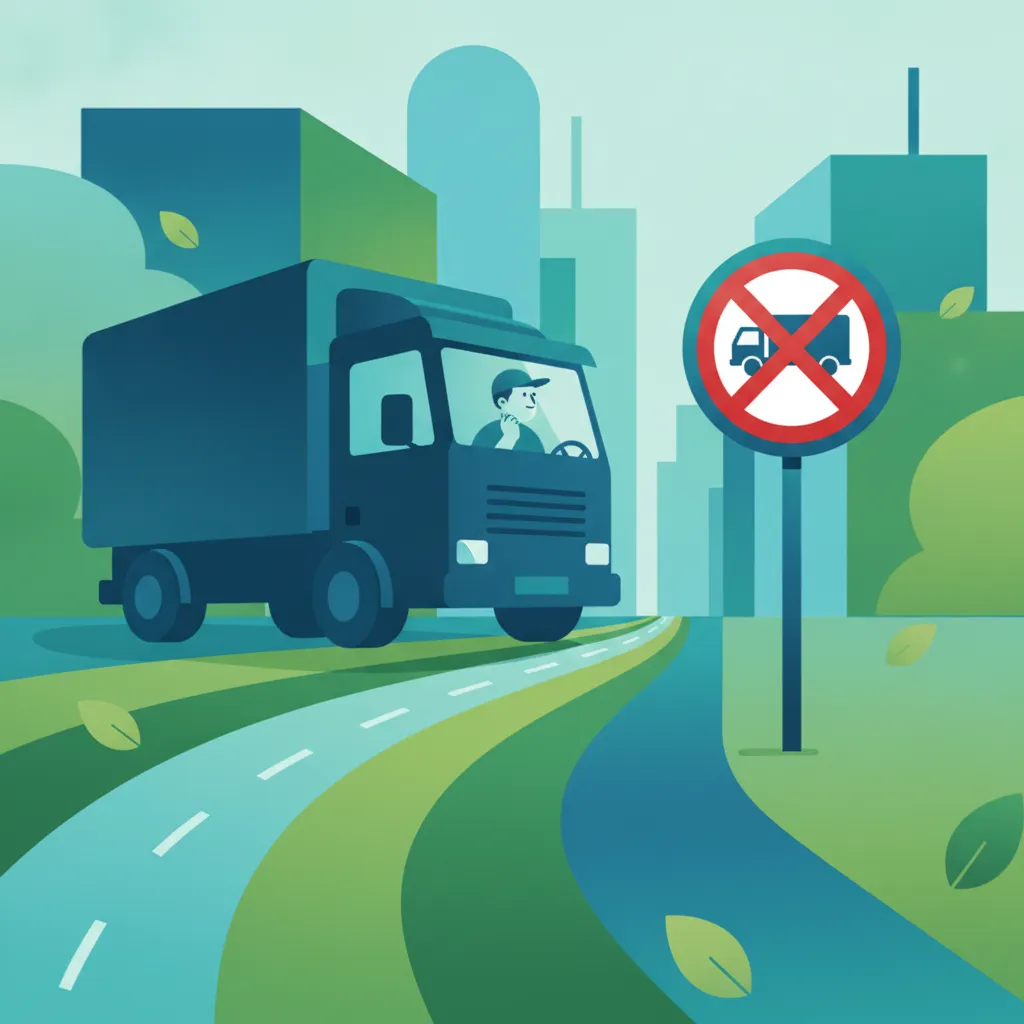
This lesson focuses on the various access restrictions imposed on heavy goods vehicles within Turkish road networks. Learners will understand the reasons for restrictions such as low bridge clearances, tunnel usage, construction zones, and urban delivery area limitations. The lesson also covers how to recognize and comply with legal notices and signage indicating restricted commercial zones.
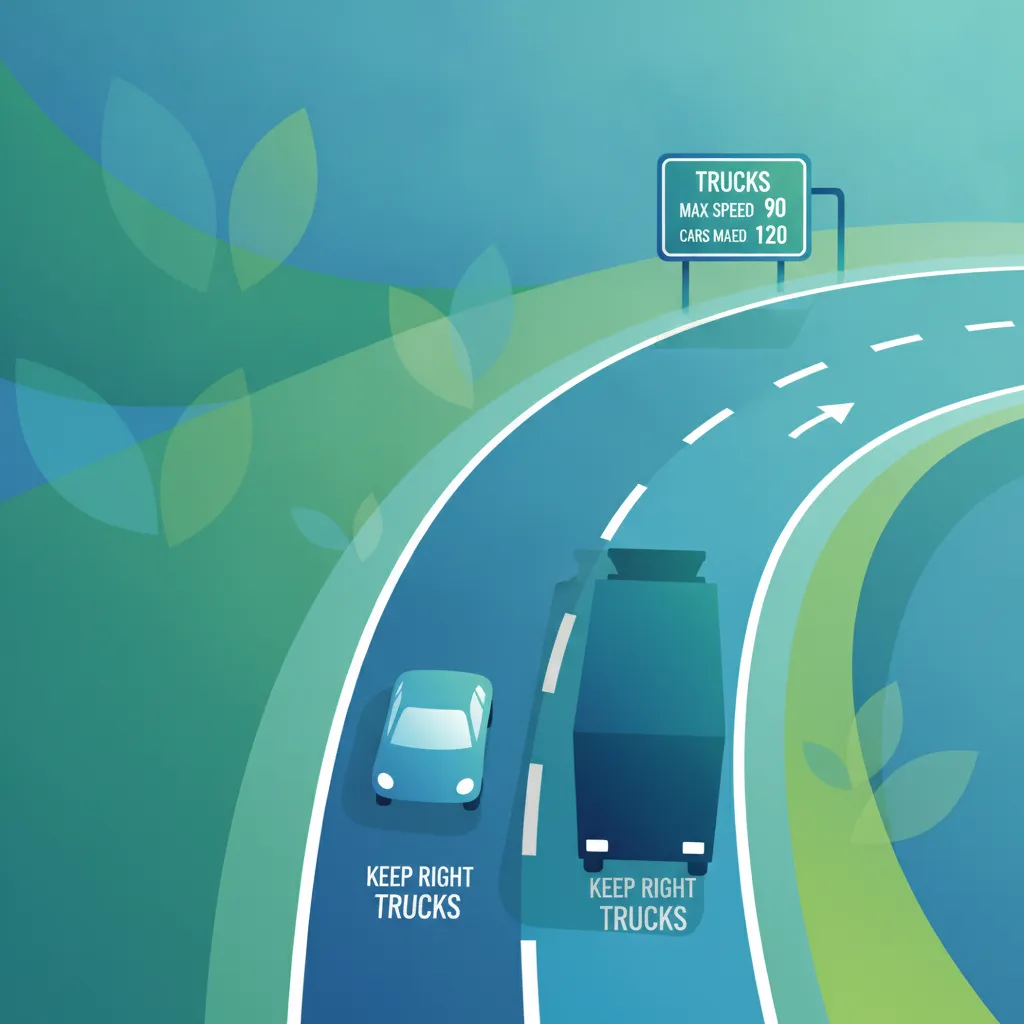
This lesson addresses the specific considerations for goods vehicle operation on highways and expressways, covering speed limits, lane discipline, safe merging, and overtaking. Learners will learn how to adapt to traffic flow, manage heavy vehicle dynamics at higher speeds, and ensure safe operation. The lesson emphasizes the importance of vigilance and proper lane usage to prevent accidents.

Correctly interpreting traffic signal sequences and priority rules is crucial for preventing devastating right-angle collisions at intersections. This lesson breaks down the phase progression of standard lights, the meanings of flashing amber or red indicators, and the hierarchy of traffic control when a police officer is directing vehicles. You will also master the basic legal default rules of right-of-way, such as yielding to vehicles coming from the right at uncontrolled junctions.
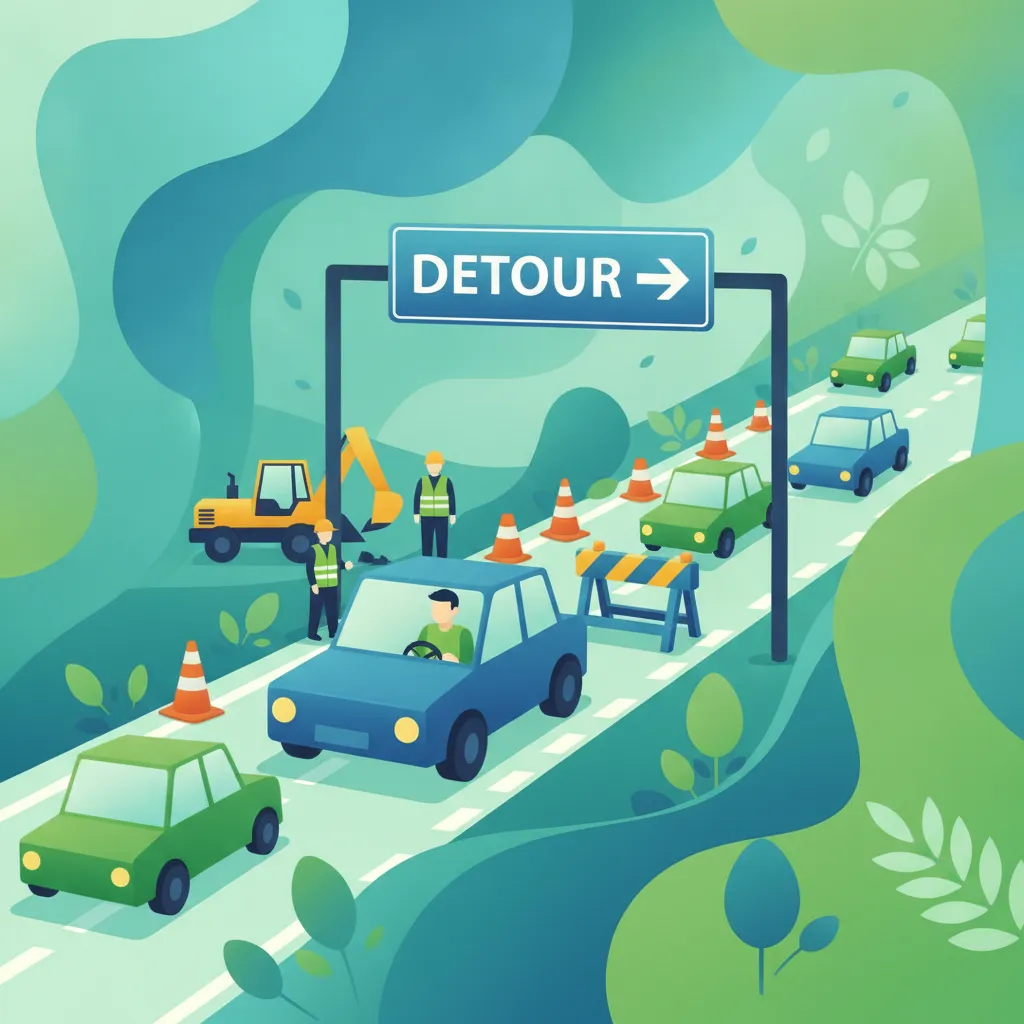
This lesson guides motorists on how to safely navigate active roadwork zones, detours, and temporary lane configurations. It details the meaning of construction signs, temporary speed reductions, and the legal requirement to protect highway workers. Drivers will learn to expect sudden stops and maintain slow, steady speeds through work areas.
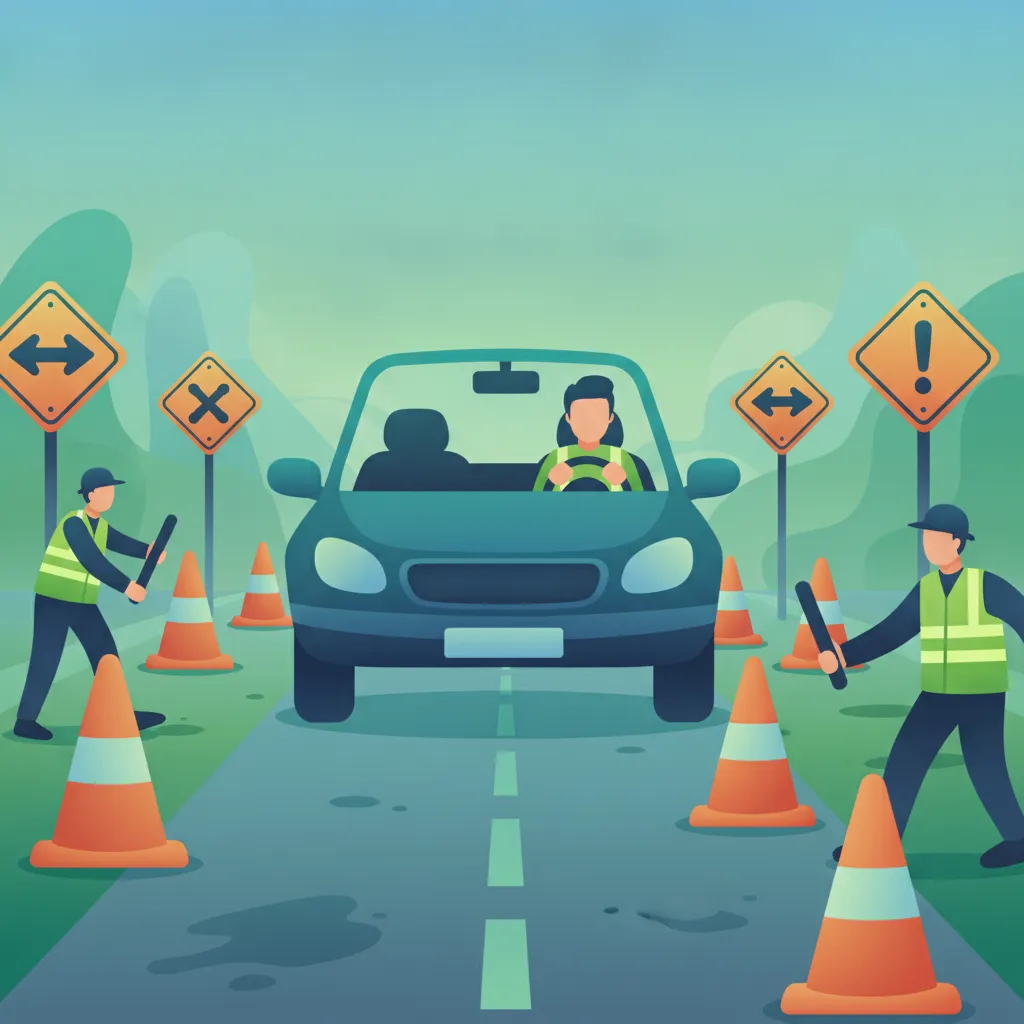
This lesson focuses on the safe navigation of goods vehicles through roadworks and construction zones. Learners will examine the importance of recognizing temporary signs, adhering to reduced speed limits, and maintaining heightened caution around workers and equipment. The lesson emphasizes the need for special attention due to the altered road environment and hazards specific to heavy vehicles.
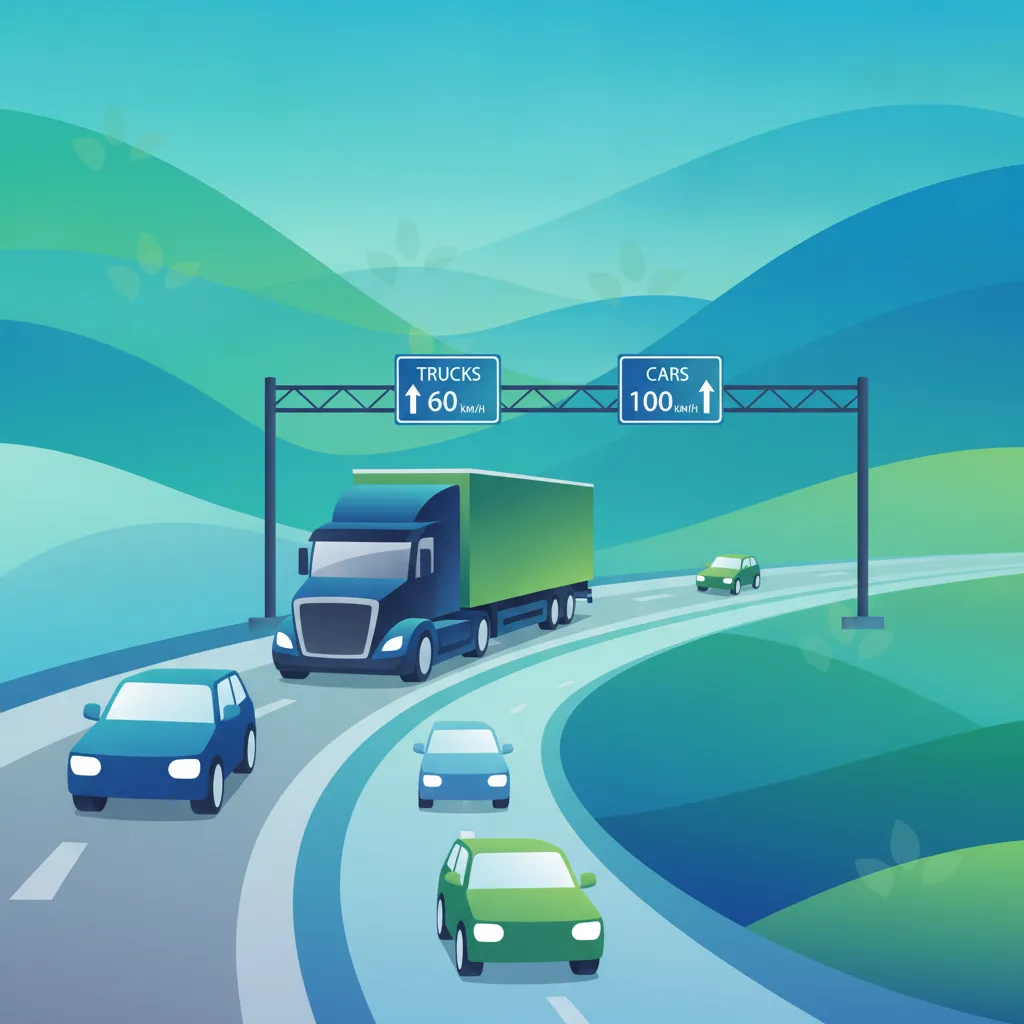
This lesson focuses on speed regulation for goods vehicles, highlighting how vehicle weight, load, and road conditions influence safe operating speeds. Learners will understand legal speed limits for various road types and the necessity of adapting speed to traffic flow and environmental conditions. The lesson also emphasizes the importance of maintaining appropriate speed to ensure vehicle control.
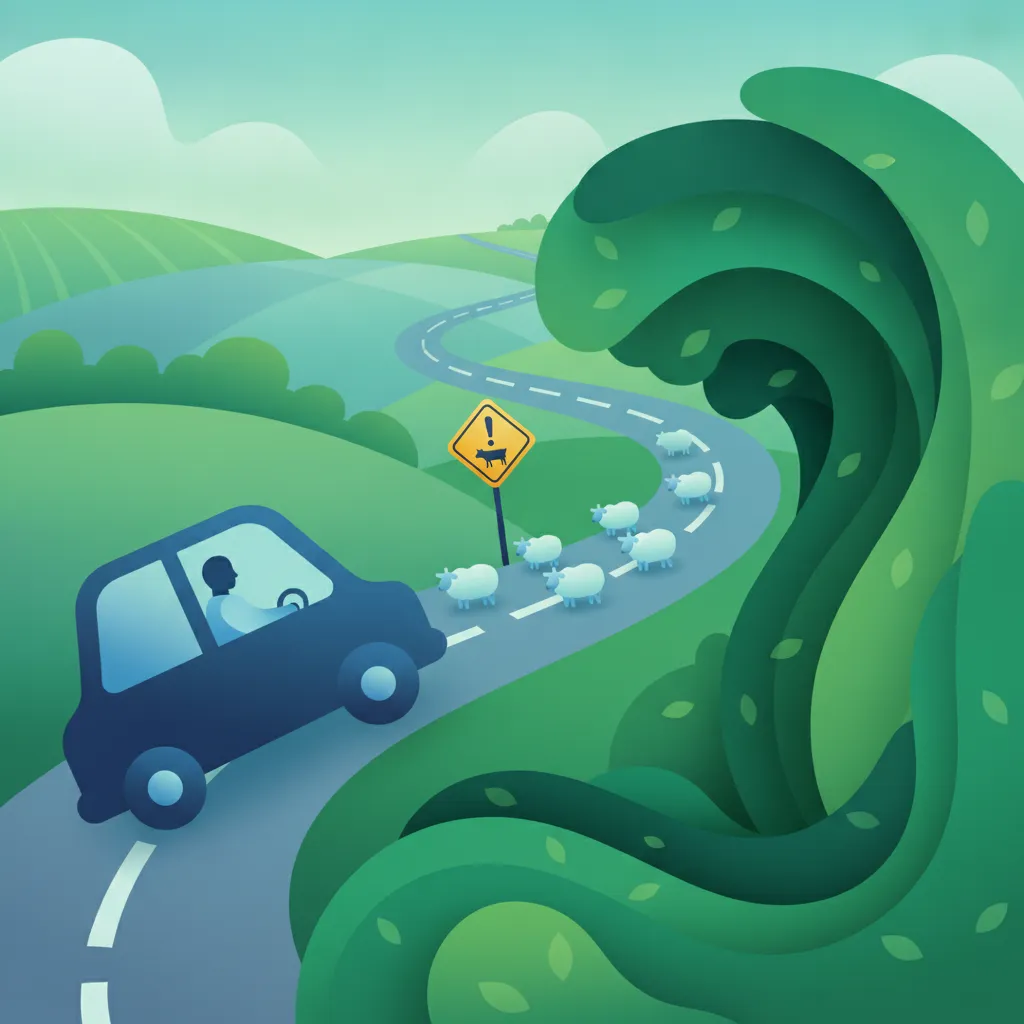
This lesson explores the unique challenges encountered when driving goods vehicles on rural roads, including narrow widths, sharp curves, animal crossings, and varying road surface conditions. Learners will understand the importance of adjusting speed, maintaining vigilance, and respecting road markings. Emphasis is placed on safe navigation practices to mitigate risks associated with rural areas.
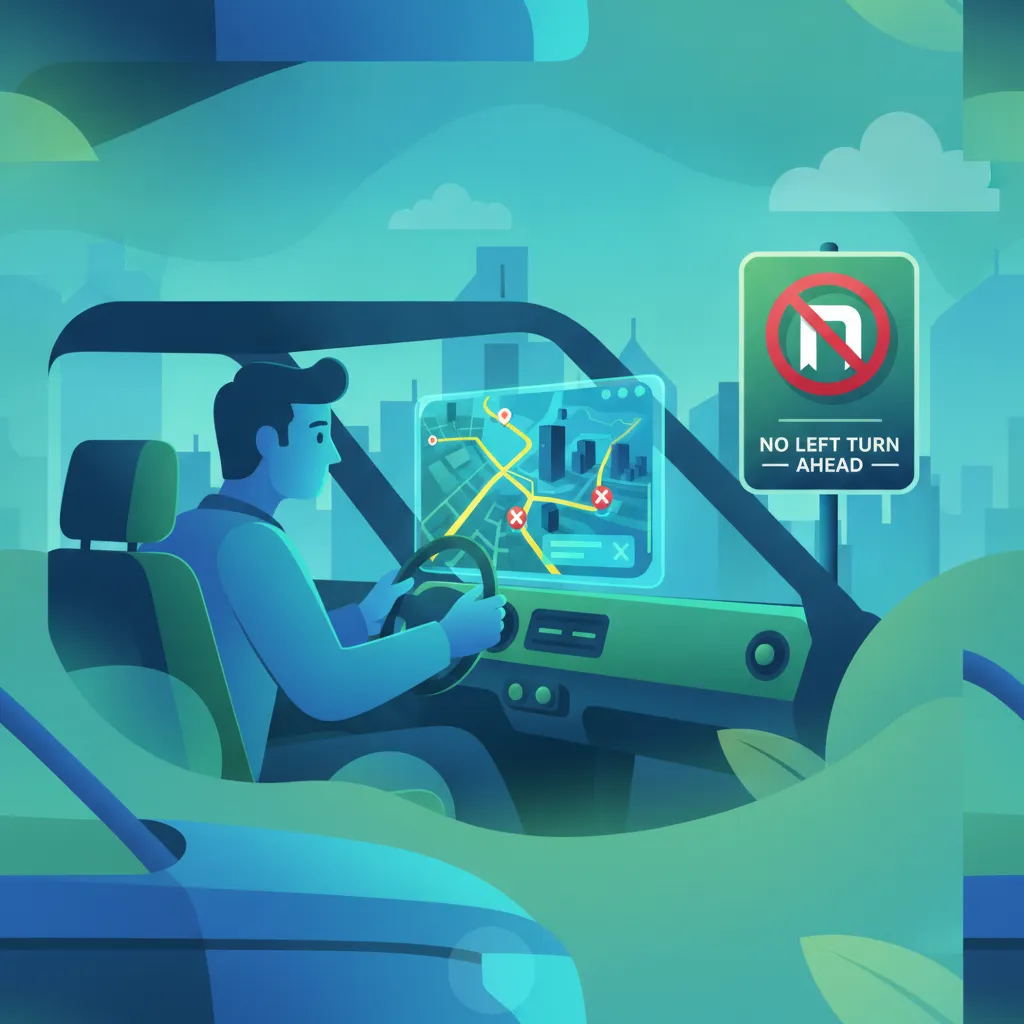
This lesson explores the legal and practical aspects of route planning for goods vehicles, emphasizing the importance of selecting suitable routes that adhere to road restrictions. Learners will learn how to identify roads with weight limits, height clearance, and prohibited zones for heavy vehicles. They will also discover how to use navigation systems and truck-specific GPS effectively.

This lesson focuses on the critical importance of lane discipline and proper lane usage for large goods vehicles. Learners will understand the challenges posed by wider vehicle dimensions, the necessity of maintaining adequate lane occupancy, and the need for precise lane keeping. Emphasis is placed on selecting appropriate lanes, adhering to traffic flow, and ensuring general highway safety.
Find clear answers to common questions learners have about Interpretation of Traffic Signs Specific to Passenger Vehicles. Learn how the lesson is structured, which driving theory objectives it supports, and how it fits into the overall learning path of units and curriculum progression in Turkey. These explanations help you understand key concepts, lesson flow, and exam focused study goals.
Bus lane signs specify which vehicles are permitted to use dedicated lanes. As a Class D driver, you must pay close attention to whether these lanes are reserved exclusively for public transport buses or if your passenger vehicle is permitted to enter them for boarding or turning.
Yes, passenger vehicles often face specific speed restrictions compared to private cars. Always look for supplemental plates beneath standard speed limit signs that indicate weight or vehicle type restrictions, as these are critical for Class D safety and exam accuracy.
Signs indicating height, width, or length restrictions are mandatory. Failing to acknowledge these could lead to serious incidents in narrow urban streets or under bridges, and they appear frequently in theory test scenarios to check your awareness of your vehicle's dimensions.
These signs mark official areas where boarding and alighting must occur. Respecting these ensures you do not obstruct traffic flow and remain in compliance with Turkish traffic laws, which is a core focus of the unit on safe urban operations.
Use our comprehensive practice search to find exactly the Turkish driving theory questions you need to master. Whether reviewing specific road signs, traffic rules, or first aid scenarios, select your perfect practice set and boost your confidence for the official ehliyet sınavı.