
This lesson guides you through the complexities of navigating large passenger vehicles in dense urban environments. You will learn to manage lane selection, follow traffic signals, and safely coordinate with other road users at bus stops. This is a critical skill for your Class D licence exam and daily professional driving performance.
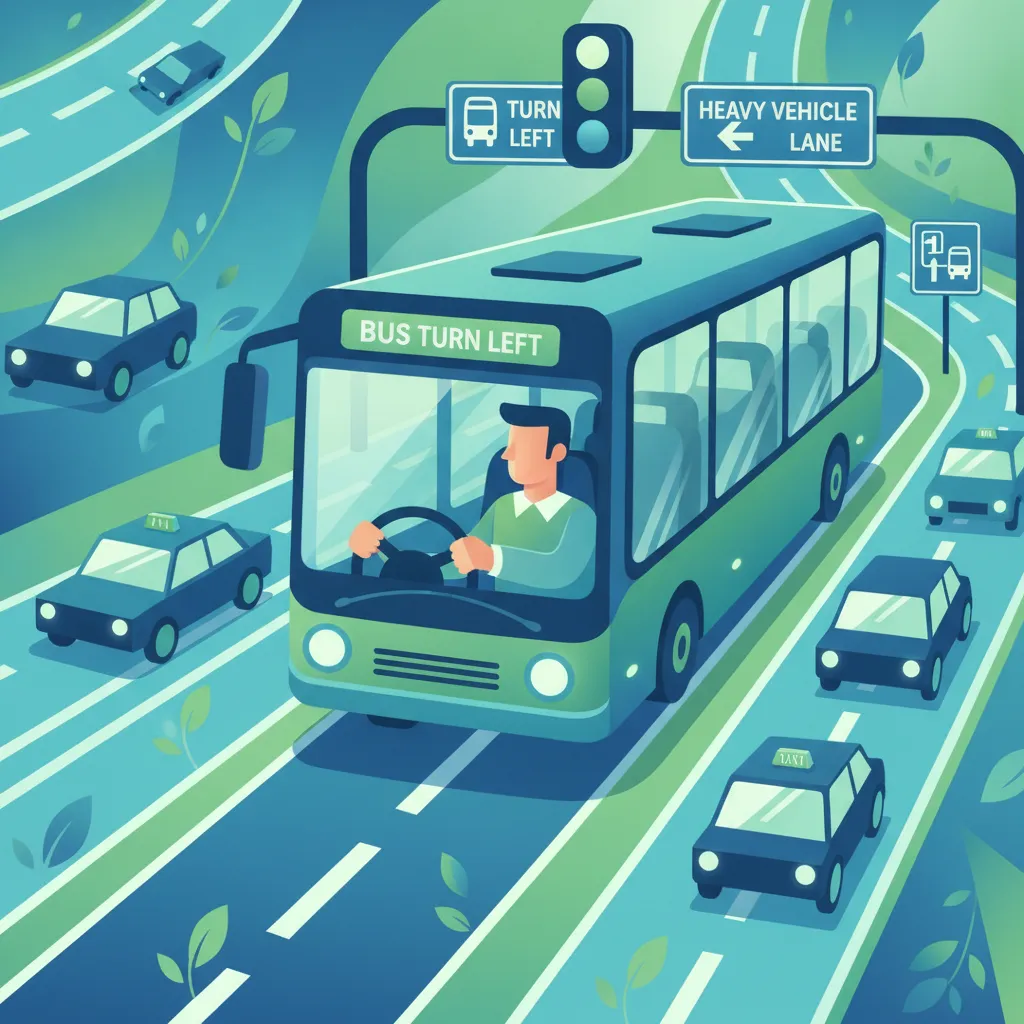
Lesson content overview
Operating a large passenger vehicle within dense urban environments is one of the most demanding tasks a professional driver can undertake. Under the framework of the Turkish Class D Passenger Vehicle Driving Licence (Sürücü Belgesi), drivers must not only master the physical control of heavy, long-chassis vehicles but also navigate complex city layouts, adhere to strict local transport regulations, and safeguard dozens of passengers.
Urban driving involves continuous interactions with private vehicles, public transit networks, municipal regulations, and vulnerable road users. This lesson details the critical competencies, legal frameworks, and defensive driving strategies necessary to safely and efficiently manage a large passenger vehicle in Turkish urban traffic.
Driving a Class D vehicle—such as a city transit bus, private tour coach, or large articulated bus—requires a complete shift in spatial awareness compared to operating standard passenger cars. Their physical dimensions directly influence how they must be driven in tight city environments.
The average urban bus ranges from 12 metres (single-unit) to 18 metres (articulated) in length, with a width of approximately 2.5 metres. This large footprint means that standard traffic lanes, which are often narrower in historic Turkish city centres (such as parts of Istanbul, Bursa, or Izmir), offer very little margin for lateral error. Drivers must maintain precise lane positioning, keeping the vehicle dead-centre to prevent side-swiping parked cars, utility poles, or side-view mirrors of vehicles in adjacent lanes.
Large passenger vehicles use pneumatic (air) brake systems rather than hydraulic brakes. Air brakes exhibit a brief transmission delay—the time it takes for compressed air to travel through the lines to the brake chambers (typically about 0.5 to 1 second).
When combined with the immense kinetic energy of a fully loaded bus (which can weigh over 18 tonnes), the total stopping distance is significantly longer than that of a passenger car.
The short delay between the driver pushing the brake pedal and the air pressure building up sufficiently in the brake chambers to initiate deceleration. In air brake systems, this lag requires drivers to scan further ahead and initiate braking much earlier than they would in a hydraulic-brake vehicle.
Class D vehicles feature massive blind spots, particularly directly behind the vehicle, immediately in front of the cab, and along both sides (extending diagonally backward from the side mirrors).
Selecting the correct lane and maintaining strict lane discipline are fundamental to preventing urban congestion and reducing collision risks.
Under Article 46 of the Turkish Highway Traffic Regulation (Karayolları Trafik Yönetmeliği), heavy vehicles and passenger-carrying commercial vehicles must generally occupy the rightmost lane of a multi-lane highway or urban road.
This keeps the faster-flowing left lanes clear for lighter vehicles and positions the bus correctly for approaching bus stops, passenger terminals, and right-hand turns.
Left-Lane Violations: Unjustified driving in the leftmost lane on a multi-lane urban road by a Class D vehicle is a serious traffic infraction in Turkey. It leads to administrative fines, congestion, and dangerous right-side overtaking maneuvers by impatient motorists.
Every lane change in a 12-metre vehicle introduces significant risk due to the size of the vehicle's blind spots. Drivers must adopt a "plan ahead" philosophy:
To prioritize public transportation and cut transit times, metropolitan municipalities in Turkey (such as Istanbul, Ankara, and Izmir) designate specific corridors as dedicated bus lanes (Otobüs Özel Şeridi).
Bus lanes are governed by municipal transport coordination centers (UKOME - Ulaşım Koordinasyon Merkezi). The rules regarding who can use these lanes are highly specific:
In major cities, bus lanes are heavily monitored by Electronic Inspection Systems (EDS - Elektronik Denetleme Sistemi). Cameras capture the licence plates of unauthorized vehicles entering the bus lane. Class D drivers operating private coaches must strictly avoid entering these lanes during restricted hours to prevent substantial corporate fines and penalty points on their driver's licence.
Intersections are the most common sites for collisions involving large passenger vehicles in city centers. Managing the vehicle’s physical sweep and respecting right-of-way rules is paramount.
Because of the long wheelbase (the distance between the front and rear axles), the rear wheels of a bus do not follow the exact path of the front wheels during a turn. Instead, they cut inward. This phenomenon is known as off-tracking or high-side crop.
Assess the Intersection: Scan for pedestrians waiting near the curb, light poles, traffic signs, and low-hanging tree branches on the corner.
Position the Vehicle: Keep the vehicle slightly left within your lane before initiating the turn, but do not cross completely into the left lane unless absolutely necessary. Keep the rear of the bus close enough to the curb to prevent smaller vehicles (like motorcycles) from attempting to squeeze past on your right side.
Execute the Buttonhook: Drive straight into the intersection until the front wheels are aligned past the curb line of the intersecting street, then swing the steering wheel smoothly to the right. This "buttonhook" maneuver keeps the rear tires from mounting the curb.
Monitor Mirrors: Continuously check the right-side convex mirror to verify that the rear tires clear the sidewalk curb by at least 1 metre.
Articulated buses and vehicles with significant rear overhangs suffer from rear swing-out. When the driver turns the steering wheel sharply in one direction, the rear section of the vehicle swings out in the opposite direction. In tight urban streets, this swing-out can strike parked cars or pedestrians standing on the sidewalk. Drivers must check their opposite side mirrors before initiating any sharp turn.
At intersections without traffic lights or priority signs (uncontrolled intersections), general Turkish road traffic rules apply:
Managing speed and anticipating signal changes ensures both legal compliance and passenger safety.
Because a heavy passenger vehicle requires a longer distance to come to a stop, approaching an intersection as the traffic signal transitions from green to amber poses a major challenge.
According to the Turkish Road Traffic Association rules, unless otherwise posted by local municipal signs, speed limits for passenger buses in built-up urban areas are strictly defined.
| Vehicle Type | Built-up / Urban Area Limit | Non-Urban (Two-way) | Expressway (Bölünmüş Yol) | Motorway (Otoyol) |
|---|---|---|---|---|
| Class D Bus (Otobüs) | 50 km/h | 80 km/h | 90 km/h | 100 km/h |
Drivers must adapt their speed downward from this 50 km/h limit based on current traffic density, weather, road surface conditions, and passenger load.
Turkish cities feature high densities of vulnerable road users. Protecting these individuals is a primary professional responsibility.
Under current Turkish road safety laws, drivers must yield unconditional right-of-way to pedestrians at marked pedestrian crossings (yaya geçidi) and school zones (okul geçidi).
When approaching a crossing:
In congested Turkish cities, delivery motorcycles, bicycles, and electric scooters (e-scooter / martı) frequently filter through heavy traffic, often riding in the blind spots along the right and left sides of buses.
A professional Class D driver's performance is judged not just by arriving at the destination, but by how comfortably the passengers traveled. Sudden kinetic shifts can result in severe onboard injuries.
Standing passengers (ayaktaki yolcular) and those carrying heavy luggage have a high center of gravity and very little stability.
On intercity or regional Class D coaches, luggage must be securely locked within the lower luggage compartments (bagaj). For urban transit buses that allow hand luggage onboard, the driver must monitor that aisles, emergency exits, and wheelchair bays remain completely clear of bags, strollers, and personal belongings. Unsecured items can turn into dangerous projectiles during sudden stops.
Congestion is an unavoidable aspect of urban passenger transport. Professional drivers must manage external stressors while adapting their driving style to changing conditions.
Traffic delays can disrupt operating schedules, creating pressure on drivers to speed or take risks. Under professional driving ethics, safety must always supersede schedule adherence.
To pass the official Turkish theory examination and operate effectively on Turkish roads, candidates must familiarize themselves with the following terms:
To excel in the theoretical exam and ensure public safety, remember these core rules:
Explore all units and lessons included in this driving theory course.
Lesson content overview
Explore all units and lessons included in this driving theory course.
Explore search topics learners often look for when studying Urban Traffic Management for Large Passenger Vehicles. These topics reflect common questions about road rules, driving situations, safety guidance, and lesson level theory preparation for learners in Turkey.
Browse additional driving theory lessons that cover connected traffic rules, road signs, and common driving situations related to this topic. Improve your understanding of how different rules interact across everyday traffic scenarios.
Learn the specific lane positioning requirements and safe turning techniques for Class D vehicles in Turkish traffic. This guide explains how to manage blind spots and off-tracking during urban turns to ensure passenger safety and legal compliance under current Turkish traffic regulations.
Learners will explore the fundamentals of maintaining correct lane discipline, focusing on appropriate lane positioning, understanding lane markings, and executing lane changes safely. Emphasis is placed on the unique considerations for large passenger vehicles within the lane, such as width and maneuverability. The lesson also addresses the impact of proper lane discipline on overall traffic flow and safety.

This lesson focuses on the unique requirements and best practices for operating passenger vehicles on highways and expressways. Topics include maintaining appropriate speed, adhering to lane discipline, executing safe overtaking maneuvers, and managing merges and exits. Emphasis is placed on ensuring a smooth ride for passengers while integrating safely with faster-moving traffic.
This lesson focuses on the critical importance of lane discipline and proper lane usage for large goods vehicles. Learners will understand the challenges posed by wider vehicle dimensions, the necessity of maintaining adequate lane occupancy, and the need for precise lane keeping. Emphasis is placed on selecting appropriate lanes, adhering to traffic flow, and ensuring general highway safety.
This lesson explores effective turning strategies for goods vehicles, focusing on managing the larger turn radius required due to vehicle size and load. Learners will understand how to approach corners safely, adjust speed, use signals appropriately, and compensate for off-tracking. The lesson also highlights how load distribution impacts turning dynamics and the importance of vehicle control.
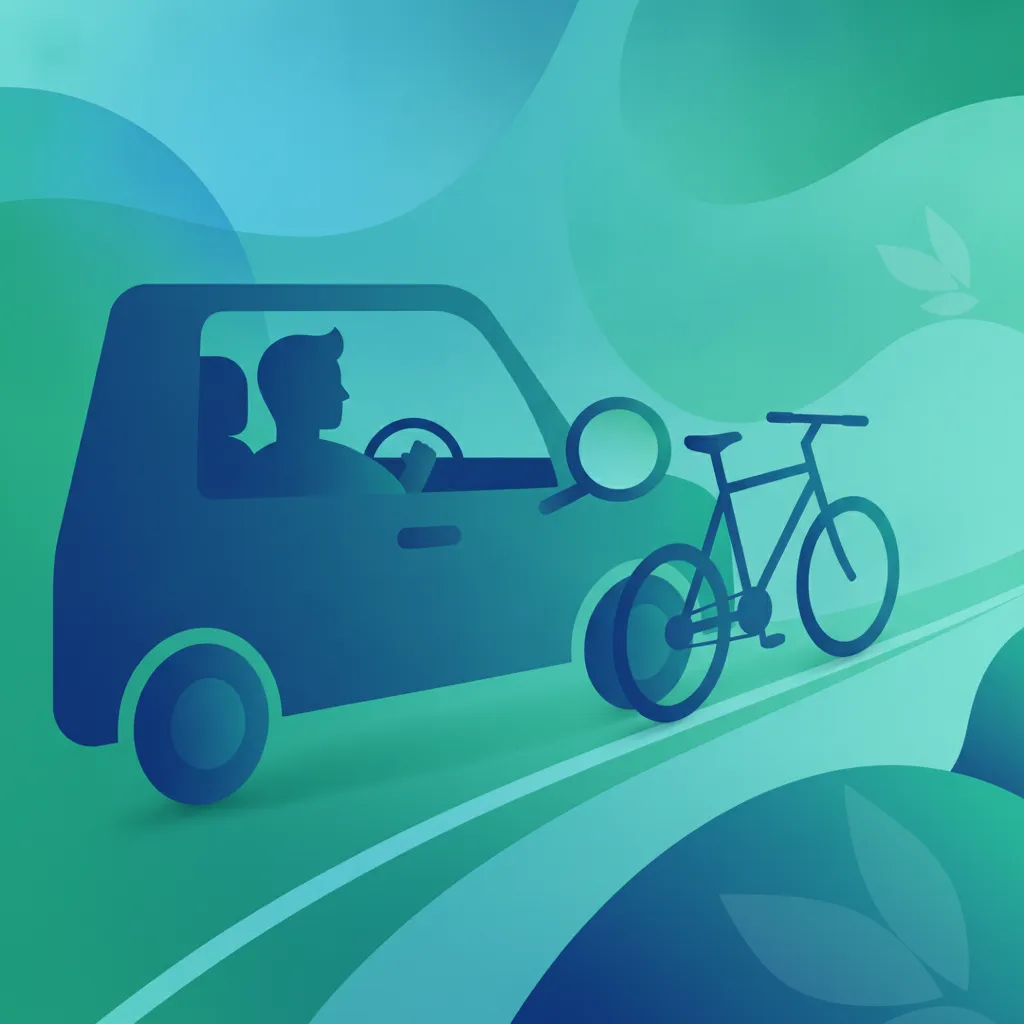
This lesson focuses on the execution of safe right and left turns with large passenger vehicles, emphasizing the identification and management of blind spots. Learners will understand the correct use of turn signals, proper positioning within the turn, and the importance of thorough observation before and during turning. Strategies for minimizing blind spot exposure are also covered.

This lesson examines lane division and proper lane usage on multi-lane roads and highways. Learners will understand the purpose of lane markings in guiding drivers to maintain appropriate lane discipline. Topics include correct lane selection for different vehicle types, overtaking procedures, and lane-changing techniques. Real-world examples illustrate the importance of respecting lane usage rules.
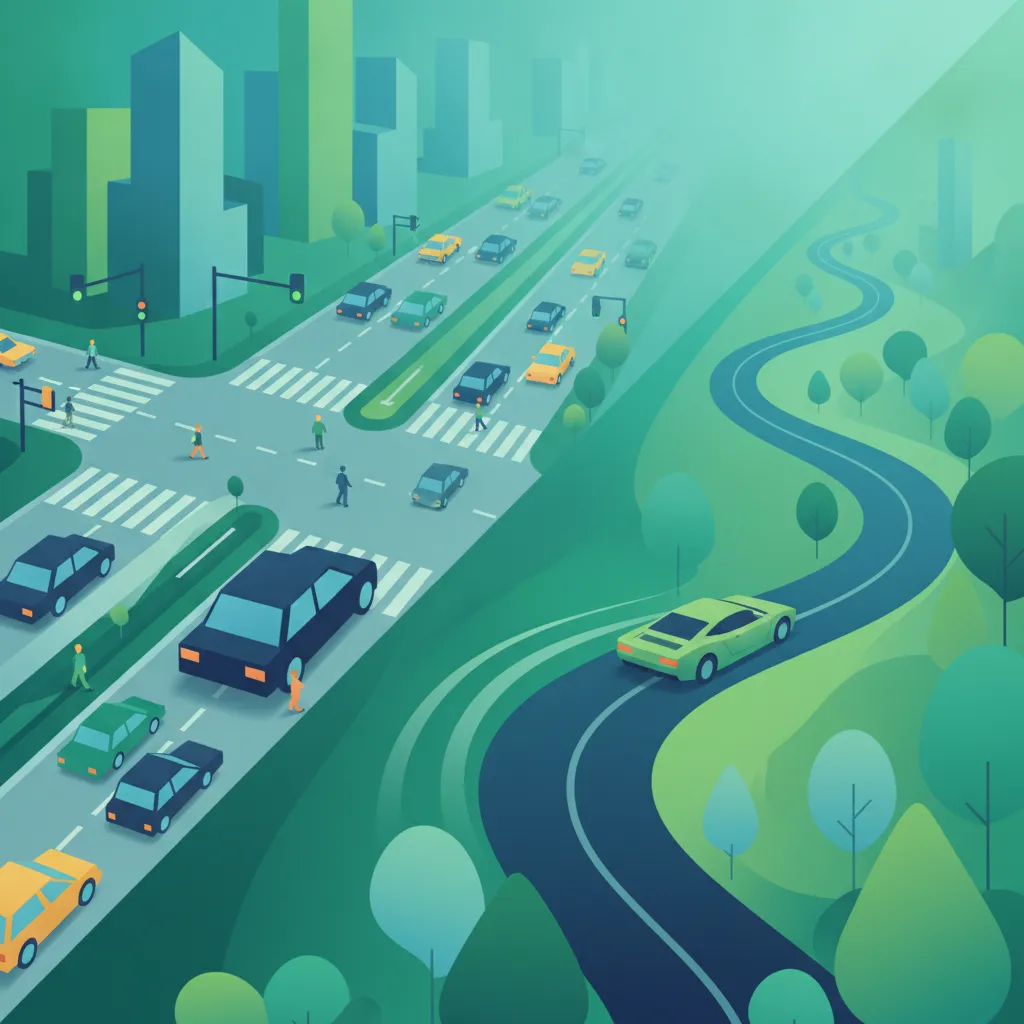
This lesson delves into specific manoeuvring strategies required when navigating both tight urban environments and open rural roads with large passenger vehicles. Learners will explore techniques for handling narrow streets, tight turns, and intersections, while maintaining safety and efficiency. The content emphasizes planning and execution of manoeuvres based on road conditions and vehicle dimensions.
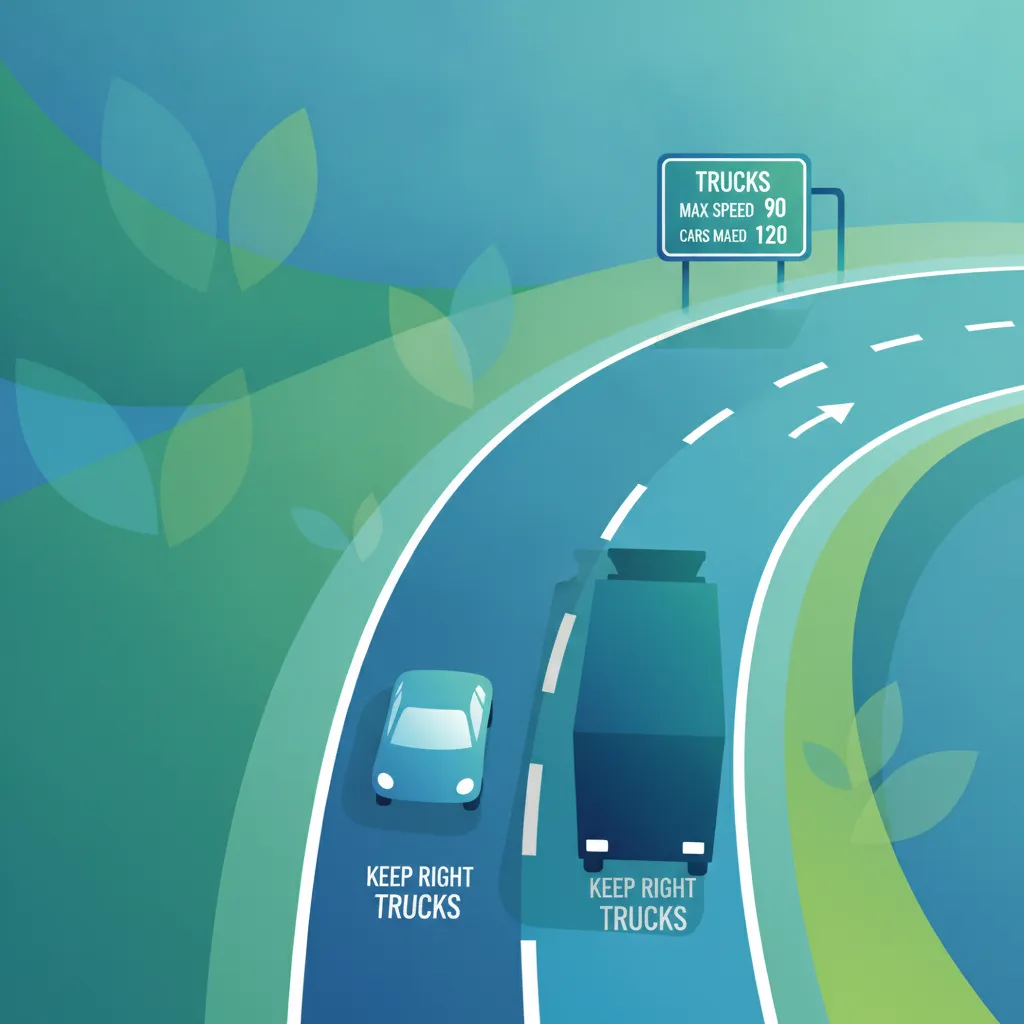
This lesson addresses the specific considerations for goods vehicle operation on highways and expressways, covering speed limits, lane discipline, safe merging, and overtaking. Learners will learn how to adapt to traffic flow, manage heavy vehicle dynamics at higher speeds, and ensure safe operation. The lesson emphasizes the importance of vigilance and proper lane usage to prevent accidents.
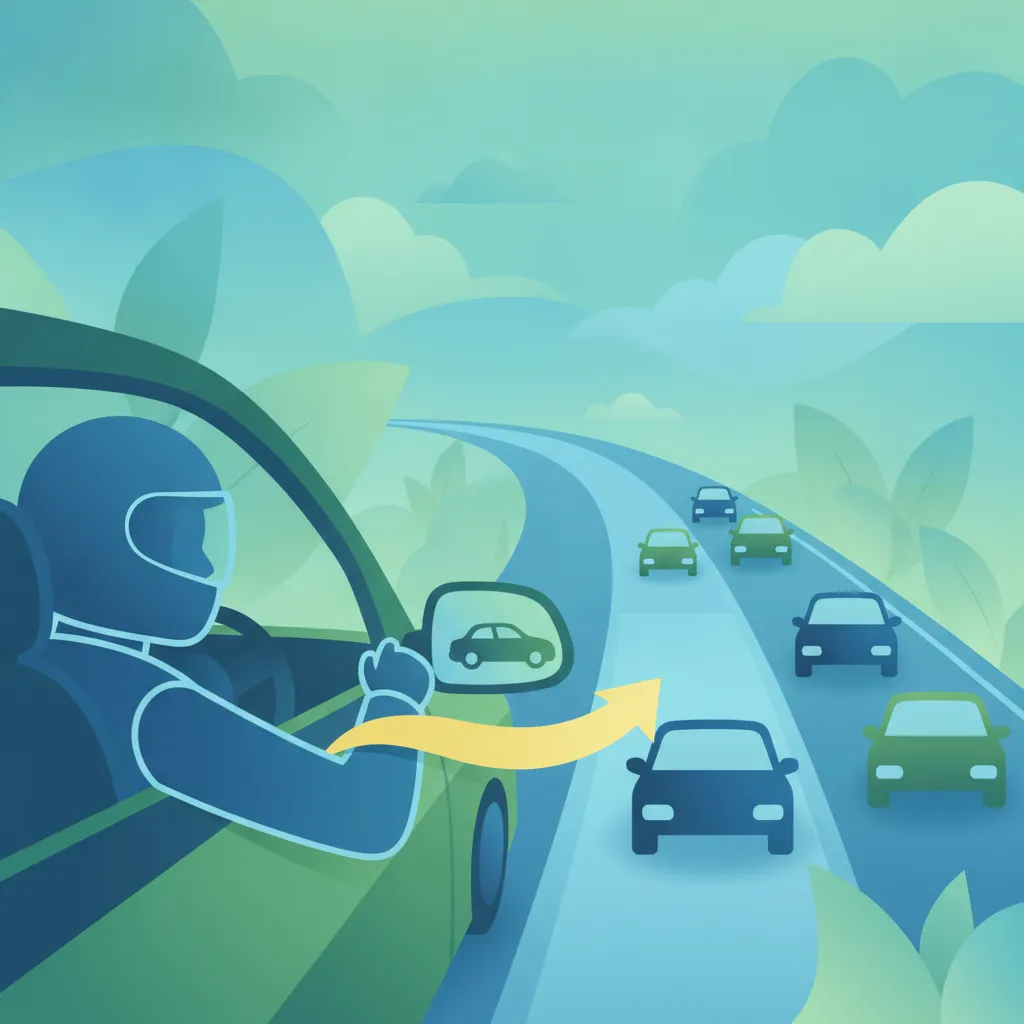
This lesson details the techniques for merging onto busy expressways and executing safe lane changes in urban traffic conditions. It explains how to match the speed of highway traffic in the acceleration lane and select safe gaps for merging. Drivers will learn how to eliminate blind spots and signal early to maintain smooth traffic flow.
This lesson focuses on the challenges and techniques required when maneuvering goods vehicles in confined spaces such as loading docks, narrow streets, and urban environments. It addresses the importance of spatial awareness, precision driving, and understanding vehicle dimensions to avoid collisions. Learners will explore strategies for effective parking, reversing, and handling blind spots safely.
Understand the legal framework for pedestrian right-of-way and interaction with cyclists and motorcyclists in dense city environments. This lesson covers defensive driving strategies and professional conduct necessary to minimize risks to vulnerable road users while operating a commercial passenger vehicle in Türkiye.

Learners will identify the different categories of vulnerable road users and understand the heightened risks they face. The lesson emphasizes the importance of recognizing these users, anticipating their actions, and taking proactive measures to ensure their safety while operating passenger vehicles. Strategies for mitigating danger and fostering a protective driving environment are explored.

This lesson focuses on pedestrian rights and safety measures to ensure their protection on Turkish roads. Topics include proper use of crosswalks, pedestrian signals, and yielding to pedestrians at intersections. The lesson also addresses specific considerations for vulnerable pedestrians such as children, the elderly, and the visually impaired. Real-world scenarios illustrate safe crossing practices.
This lesson focuses on protecting vulnerable road users, such as pedestrians, cyclists, and motorcyclists, in mixed traffic environments. Learners will examine specific strategies for increased vigilance, anticipatory driving, and properly yielding to these users. The lesson also covers high-risk zones, such as school areas and public transport stops, emphasizing the need for heightened safety.

This lesson examines the critical interactions between goods vehicles and vulnerable road users such as pedestrians, cyclists, and motorcyclists, particularly in urban environments. Learners will explore right-of-way rules, maintaining safe distances, and strategies for anticipating the actions of these road users. The lesson emphasizes the importance of clear communication and protective driving.
This lesson focuses on the specific needs and challenges faced by children, elderly, and disabled pedestrians. Topics include recognizing vulnerable road users, understanding their behavior, and providing additional safety measures. The lesson also discusses school zones, pedestrian crossing assistance, and strategies to mitigate risks. Real-world examples demonstrate how drivers can anticipate dangers.
Protecting vulnerable road users is a core legal and ethical responsibility for all motorized vehicle operators in Turkey. This lesson covers the absolute requirement to yield to pedestrians at marked crosswalks, zebra crossings, and designated school zones. You will learn how to identify these zones early, reduce your speed proactively, and maintain heightened situational awareness for children or distracted pedestrians who may step onto the road unexpectedly.
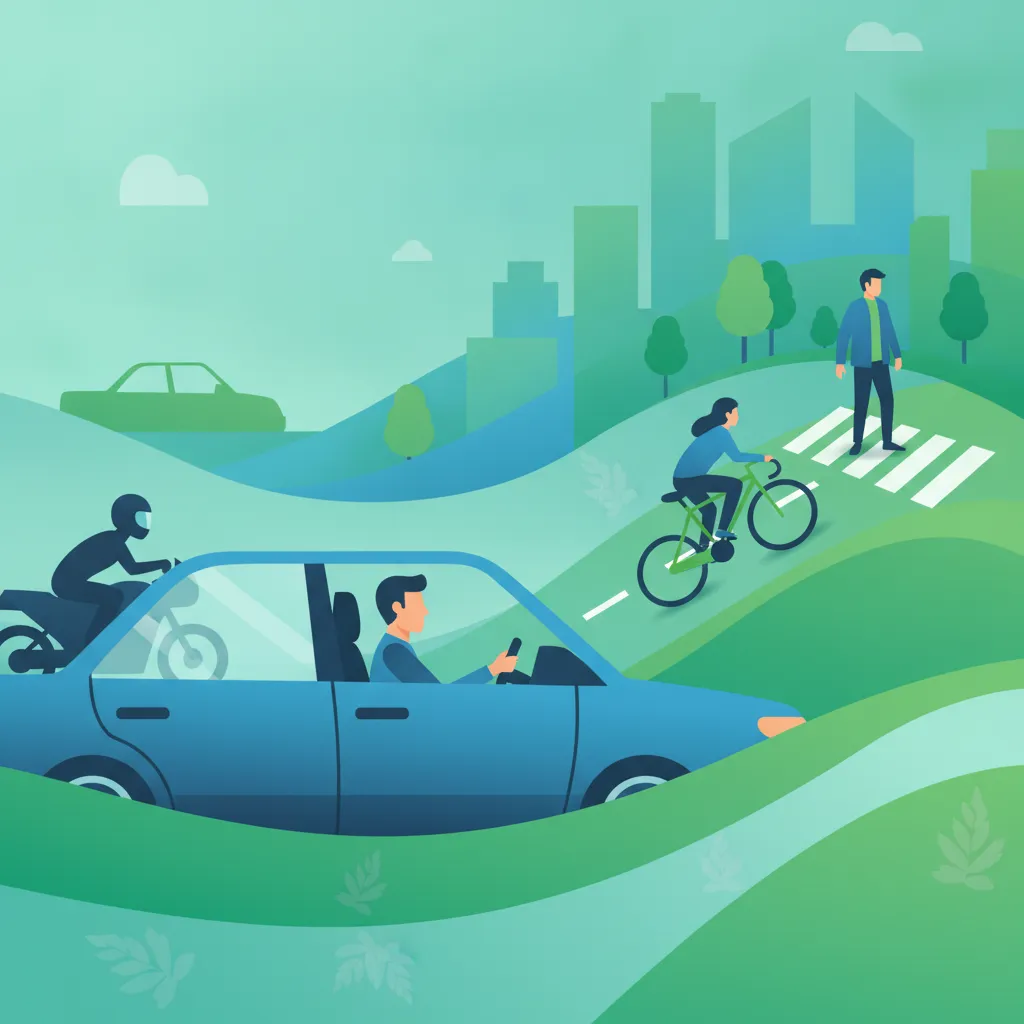
Learners will examine the complexities of operating in environments where various road users, including pedestrians, cyclists, and motorcyclists, coexist. The lesson emphasizes the need for heightened situational awareness, defensive driving techniques, and proactive hazard anticipation. Strategies for navigating mixed traffic safely, especially in congested urban areas, are highlighted.
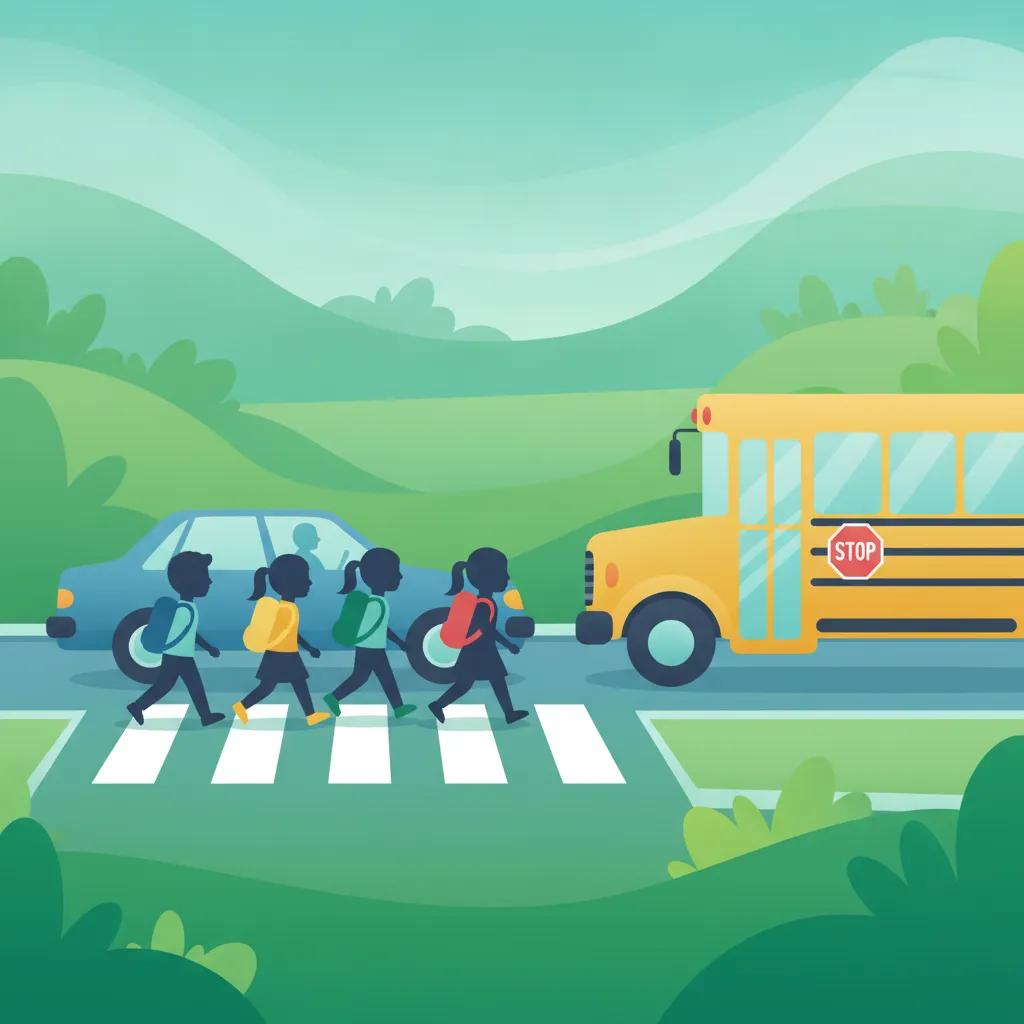
This lesson focuses on the specific considerations for ensuring the safety of pedestrians and schoolchildren around bus stops and terminals. Learners will explore strategies for slowing down, stopping at appropriate distances, and maintaining heightened vigilance. The lesson also covers effective communication with children and the importance of secure boarding and alighting processes to prevent accidents.
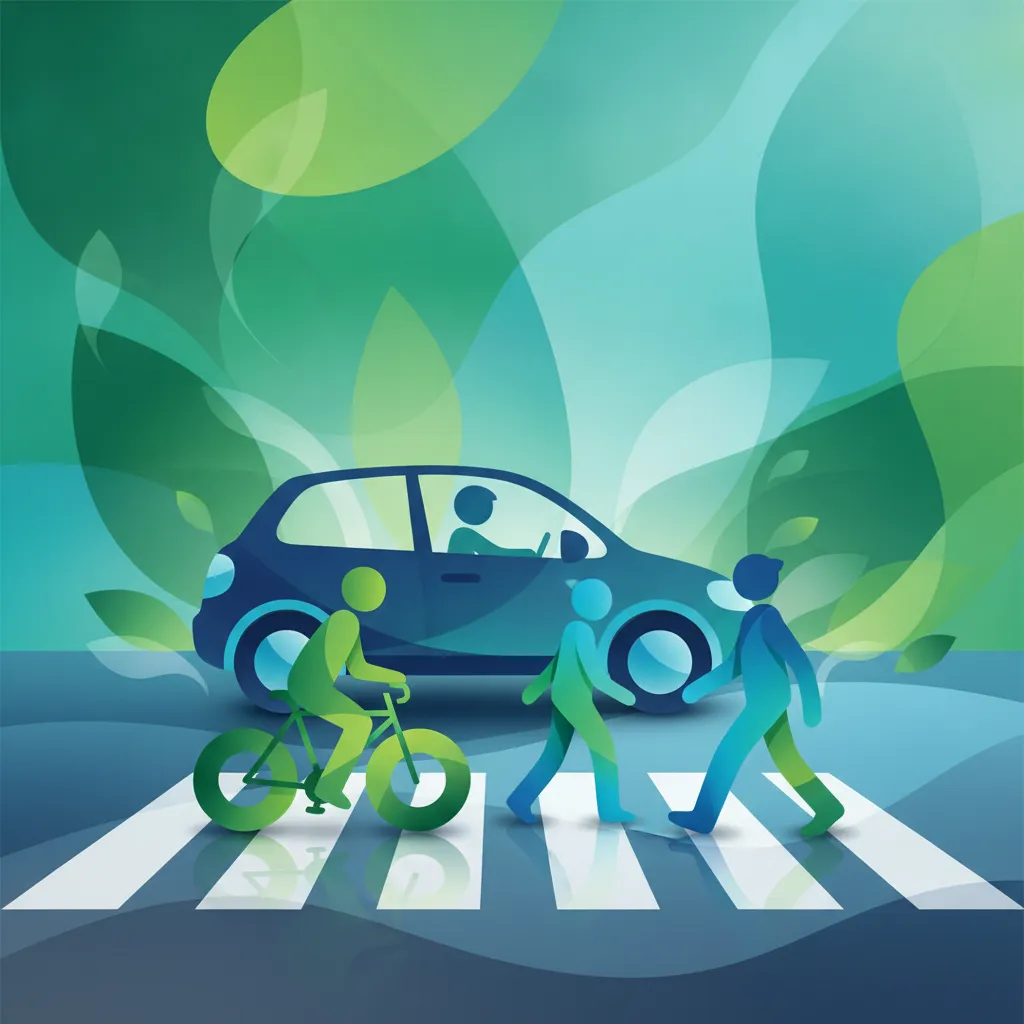
This lesson emphasizes the importance of yielding to pedestrians and cyclists at intersections, crosswalks, and designated lanes. Learners will understand the legal obligations to provide safe passage to vulnerable road users and the correct procedures for stopping and allowing them to cross. Real-world examples illustrate scenarios where failing to yield can lead to accidents.
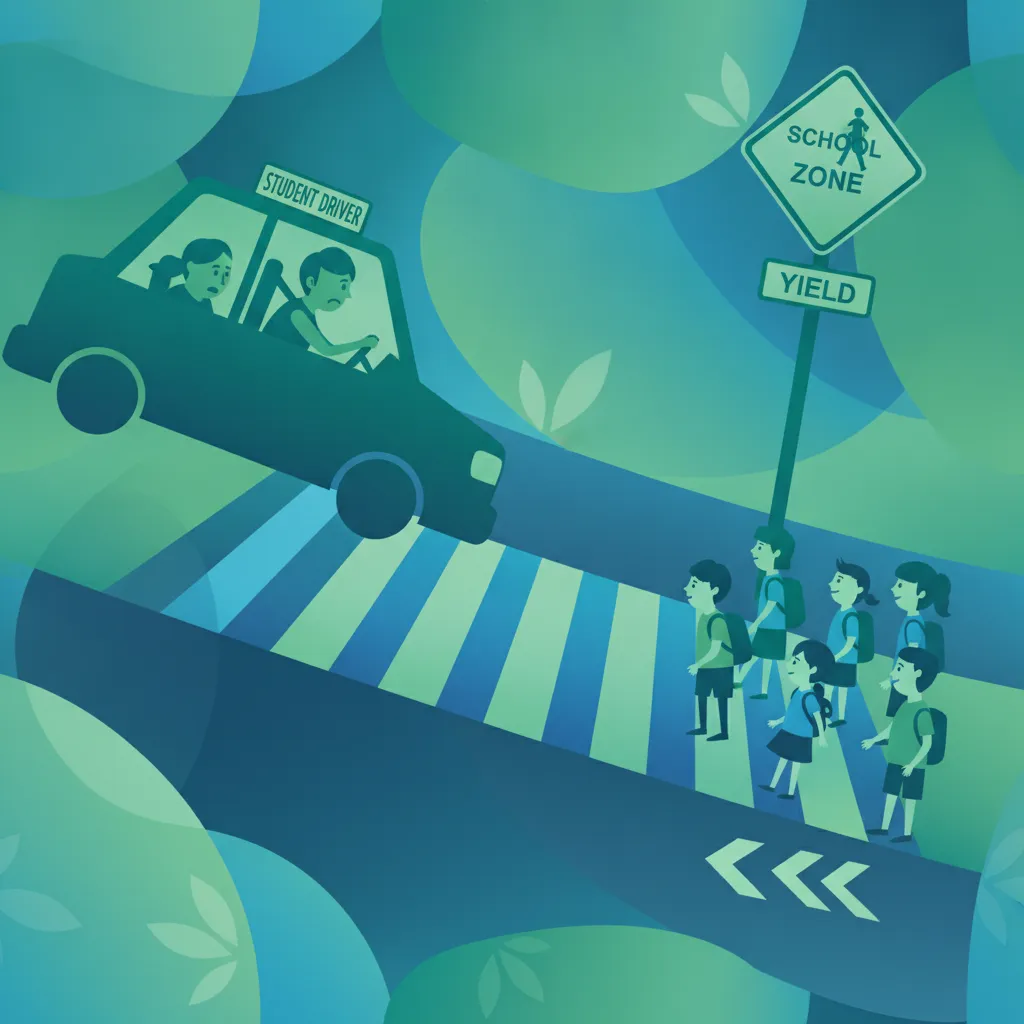
Focusing on pedestrian safety, this lesson addresses the unique considerations motorcyclists must take when approaching zebra crossings, traffic signal-controlled pedestrian crossings, and designated school zones. Learners will understand the legal obligations to yield to pedestrians, especially children, and the importance of reducing speed in these high-risk areas. The lesson also provides practical tips for ensuring visibility.
Find clear answers to common questions learners have about Urban Traffic Management for Large Passenger Vehicles. Learn how the lesson is structured, which driving theory objectives it supports, and how it fits into the overall learning path of units and curriculum progression in Turkey. These explanations help you understand key concepts, lesson flow, and exam focused study goals.
You must check your mirrors and blind spots carefully, signal your intention well in advance, and position the vehicle so that you do not obstruct other traffic unnecessarily while allowing passengers to board and alight safely.
Always prioritize situational awareness and smooth, predictable movements. Avoid entering an intersection if you cannot clear it fully, as this often leads to traffic bottlenecks and potential fines.
Yes, passenger vehicles must strictly adhere to designated bus lanes where marked. You must also remain in the appropriate lanes for turns as indicated by road signs and markings to avoid disrupting the flow of lighter vehicles.
The exam often tests your knowledge of right-of-way and road positioning in urban scenarios. This lesson provides the theoretical background to help you solve those specific situational questions accurately.
Use our comprehensive practice search to find exactly the Turkish driving theory questions you need to master. Whether reviewing specific road signs, traffic rules, or first aid scenarios, select your perfect practice set and boost your confidence for the official ehliyet sınavı.