This lesson explores the essential safety protocols for identifying and protecting vulnerable road users in Turkish traffic. As a Class D passenger vehicle driver, understanding how to anticipate the movements of pedestrians, cyclists, and school children is vital for your exam success and daily professional conduct.

Lesson content overview
Operating a passenger transport vehicle, such as a bus or medium-sized passenger coach, requires a level of traffic awareness that goes far beyond basic passenger vehicle operation. Under a Turkish Class D licence (D Sınıfı Ehliyet), you manage a vehicle with high mass, significant blind spots, and extended braking distances. Consequently, you carry a heightened legal and moral responsibility to protect the most exposed individuals on the road: Vulnerable Road Users (VRUs), known in Turkish traffic terminology as Hassas or Korunmasız Yol Kullanıcıları.
This comprehensive guide details the identification, anticipation, and safe management of VRUs. It aligns with the safety regulations, right-of-way rules, and protective driving protocols established by Turkey’s highway laws (Karayolları Trafik Kanunu).
To guarantee public safety and comfort, Class D drivers must master five foundational safety principles:
To effectively mitigate risks, you must understand the unique physical characteristics, typical behaviors, and vulnerabilities of each category of road user.
Pedestrians include anyone traveling on foot, pushing strollers, or carrying loads.
Bicycles and electric scooters (e-scooterler) have become common fixtures in Turkish urban centres like Istanbul, Ankara, and Izmir.
Motorcycles are highly maneuverable but offer virtually no structural crash protection.
Children represent the most unpredictable demographic in traffic.
Aging populations and individuals with sensory or mobility impairments require extra time and spatial allowances.
As a professional driver, you are legally bound by specific articles of the Turkish Highway Traffic Law (Karayolları Trafik Kanunu). Violations carry severe administrative fines, licence points deduction, and criminal liability.
Under Article 74 of the Turkish Highway Traffic Law, drivers approaching an uncontrolled pedestrian crossing (yaya geçidi) or school crossing (okul geçidi) must slow down, stop if necessary, and yield the right of way to any pedestrian who is crossing or preparing to cross.
School zones feature strictly enforced speed limits—frequently reduced to 30 km/h—to protect young children. Signs indicate school boundaries, and drivers must maintain a hyper-vigilant state, scanning both sides of the roadway.
When overtaking cyclists or motorcyclists, you must treat them with the same safety protocols as full-sized motor vehicles.
Check and Prepare: Activate your left indicator. Check your left-side mirrors and blind spots carefully to ensure the overtaking lane is clear.
Ensure Safe Clearance: Maintain a minimum lateral clearance of 1.5 metres when passing. If the road is too narrow to allow this gap, you must remain behind the cyclist until the road widens.
Complete the Manoeuvre: Do not merge back into the right lane until you can clearly see the cyclist in your central interior mirror. This prevents "cutting off" or destabilising the rider with the wind turbulence of your passenger vehicle.
When operating a school transport bus (okul servisi) or picking up passengers near school zones, you must use your vehicle's hazard warning lights (dörtlü ikaz lambaları).
Critical Safety Rule: When a transport vehicle stops to let children board or alight, following traffic is legally required to stop in many jurisdictions. As the bus driver, you must activate the hazard lights to clearly communicate that children are in the immediate vicinity.
On rural highways, high vehicle speeds make pedestrian crossings exceptionally dangerous. Due to curves and grade changes that limit visibility, rural pedestrian crossings are marked with flashing warning lights and high-visibility advanced warning signs.
To help you convert these rules into safe behind-the-wheel habits, let us examine common scenarios that Class D drivers face on Turkish roads.
You are driving a 12-metre transit bus in a busy district of Izmir. You intend to make a right turn at a green traffic light. A bicycle lane runs parallel to your right side, and a pedestrian crossing is located across the street you are entering.
You are driving a passenger coach on a two-lane rural road near a village in central Anatolia. Ahead, you spot a school bus parked on the right shoulder with its hazard lights and "DUR" (STOP) sign activated.
Understanding where other drivers fail can help you avoid making the same critical errors.
Many drivers underestimate the sheer size of Class D blind spots. The area immediately below the windshield, the areas directly alongside the passenger doors, and the space directly behind the bus are massive hazard zones.
While yielding to pedestrians is mandatory, slamming on the brakes of a heavy bus can cause your passengers to fall or result in a rear-end collision from trailing vehicles.
Many drivers assume that because there is no painted crosswalk, they have no duty of care.
Your defensive driving strategy must change based on weather, light, and vehicle states.
| Term (English) | Term (Turkish) | Definition & Usage |
|---|---|---|
| Vulnerable Road Users (VRUs) | Hassas/Korunmasız Yol Kullanıcıları | Road users with no protective metal shell, including pedestrians, cyclists, and motorcyclists. |
| Pedestrian Crossing | Yaya Geçidi | A marked section of the road designed for pedestrians to cross safely. |
| School Crossing | Okul Geçidi | A designated crossing zone near schools, marked by warning signs and lower speed limits. |
| Blind Spot | Kör Nokta | Areas around the vehicle that cannot be directly observed by the driver using mirrors. |
| Hazard Warning Lights | Dörtlü İkaz Lambaları | Flashing vehicle lights used to warn other road users of a hazard or stationary vehicle. |
| Right of Way | Geçiş Üstünlüğü | The legal right of a vehicle or pedestrian to proceed with priority over others. |
| Lateral Clearance | Yan Geçiş Mesafesi | The safe side-to-side distance maintained when overtaking or passing another road user. |
| Zebra Crossing | Çizgili Yaya Geçidi | Alternating black and white road markings indicating a pedestrian right-of-way zone. |
The practice of actively scanning the roadway environment, anticipating potential hazards, and adjusting your driving path and speed before an emergency occurs. For Class D drivers, this means assuming a pedestrian or cyclist could be hidden in any blind spot or behind any roadside obstacle.
Explore all units and lessons included in this driving theory course.
Lesson content overview
Explore all units and lessons included in this driving theory course.
Explore search topics learners often look for when studying Recognizing and Protecting Vulnerable Road Users. These topics reflect common questions about road rules, driving situations, safety guidance, and lesson level theory preparation for learners in Turkey.
Browse additional driving theory lessons that cover connected traffic rules, road signs, and common driving situations related to this topic. Improve your understanding of how different rules interact across everyday traffic scenarios.
Learn how to manage the significant dimensions and blind spots of Class D vehicles when changing lanes, turning, or navigating urban intersections. This guide explains professional driving techniques for using mirrors and sensors to maintain safety in mixed traffic environments according to Turkish highway laws.
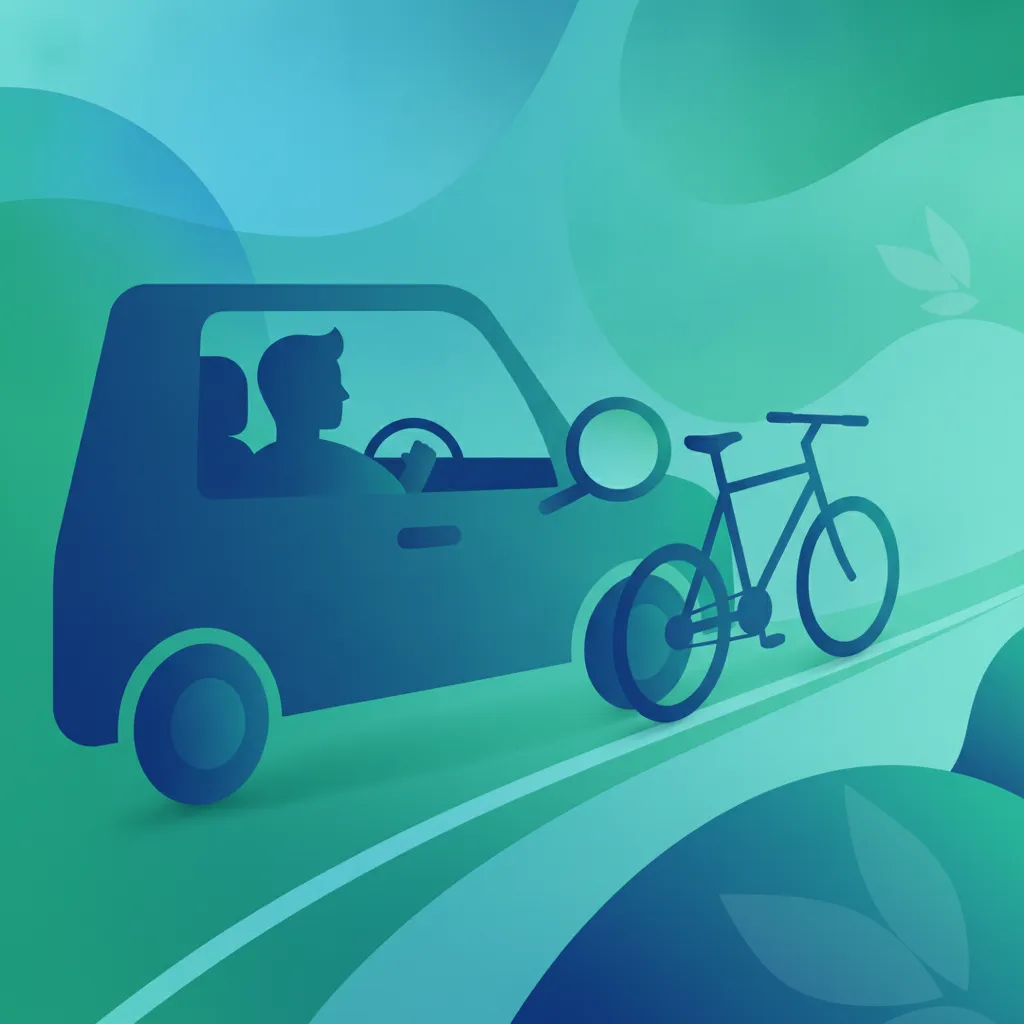
This lesson focuses on the execution of safe right and left turns with large passenger vehicles, emphasizing the identification and management of blind spots. Learners will understand the correct use of turn signals, proper positioning within the turn, and the importance of thorough observation before and during turning. Strategies for minimizing blind spot exposure are also covered.

Learners will explore the fundamentals of maintaining correct lane discipline, focusing on appropriate lane positioning, understanding lane markings, and executing lane changes safely. Emphasis is placed on the unique considerations for large passenger vehicles within the lane, such as width and maneuverability. The lesson also addresses the impact of proper lane discipline on overall traffic flow and safety.

This lesson introduces the proper utilization of mirrors, rearview cameras, and additional sensor systems to enhance situational awareness for goods vehicle drivers. Learners will understand the importance of correctly adjusting mirrors for optimal coverage, interpreting camera feeds, and relying on sensor alerts. The lesson emphasizes integrating modern safety technology into daily driving practices.
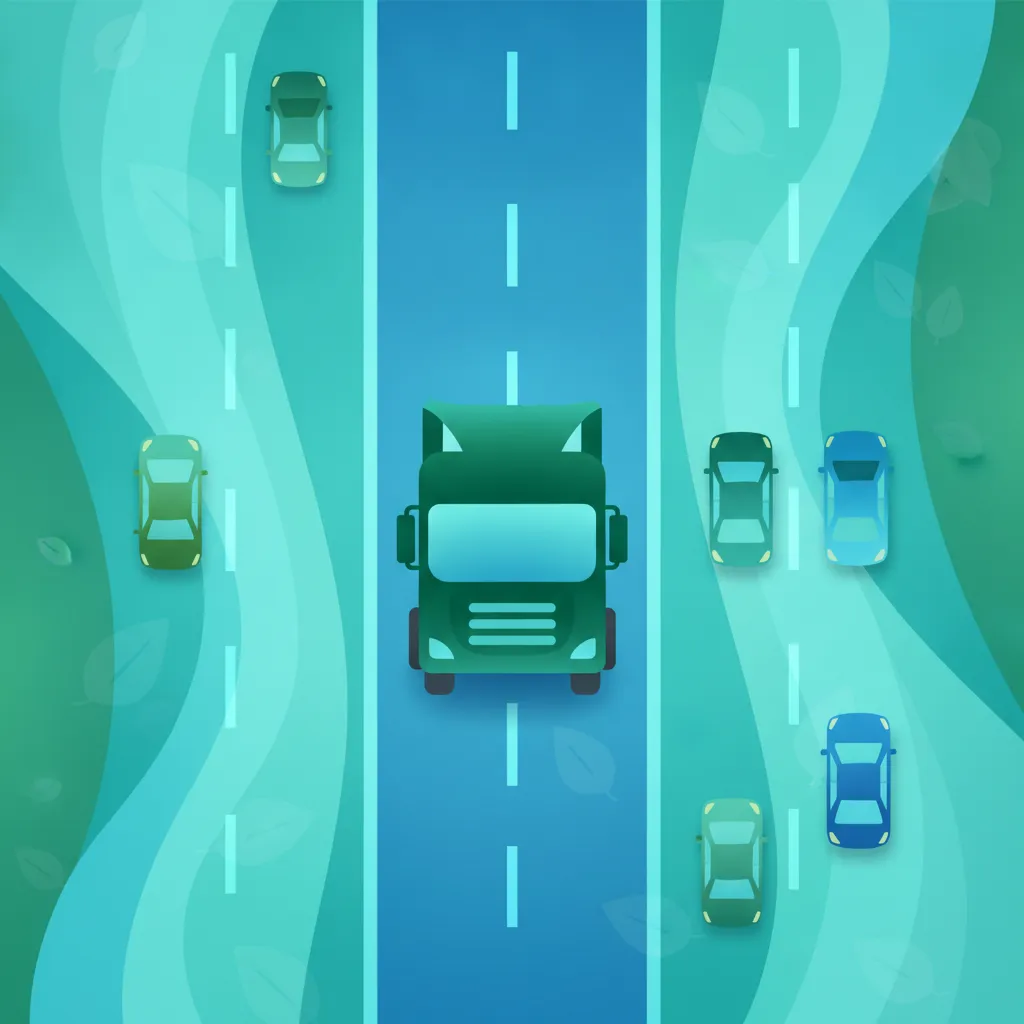
This lesson focuses on the critical importance of lane discipline and proper lane usage for large goods vehicles. Learners will understand the challenges posed by wider vehicle dimensions, the necessity of maintaining adequate lane occupancy, and the need for precise lane keeping. Emphasis is placed on selecting appropriate lanes, adhering to traffic flow, and ensuring general highway safety.

This lesson focuses on identifying and managing blind spots specific to goods vehicles, which are larger and have more extensive blind zones compared to standard cars. Learners will explore techniques for blind spot detection using mirrors, rearview cameras, and sensor systems, ensuring safe lane changes and maneuvering. The lesson emphasizes the importance of continuous observation and modern safety technology.

Learners will explore the proper adjustment and utilization of mirrors, rear-view cameras, and blind spot sensors to maximize visibility while operating a passenger vehicle. The lesson covers the optimal positioning of mirrors for comprehensive coverage, interpreting camera and sensor alerts, and integrating these tools into safe driving practices. Proper use of these technologies reduces blind spots and enhances overall situational awareness.
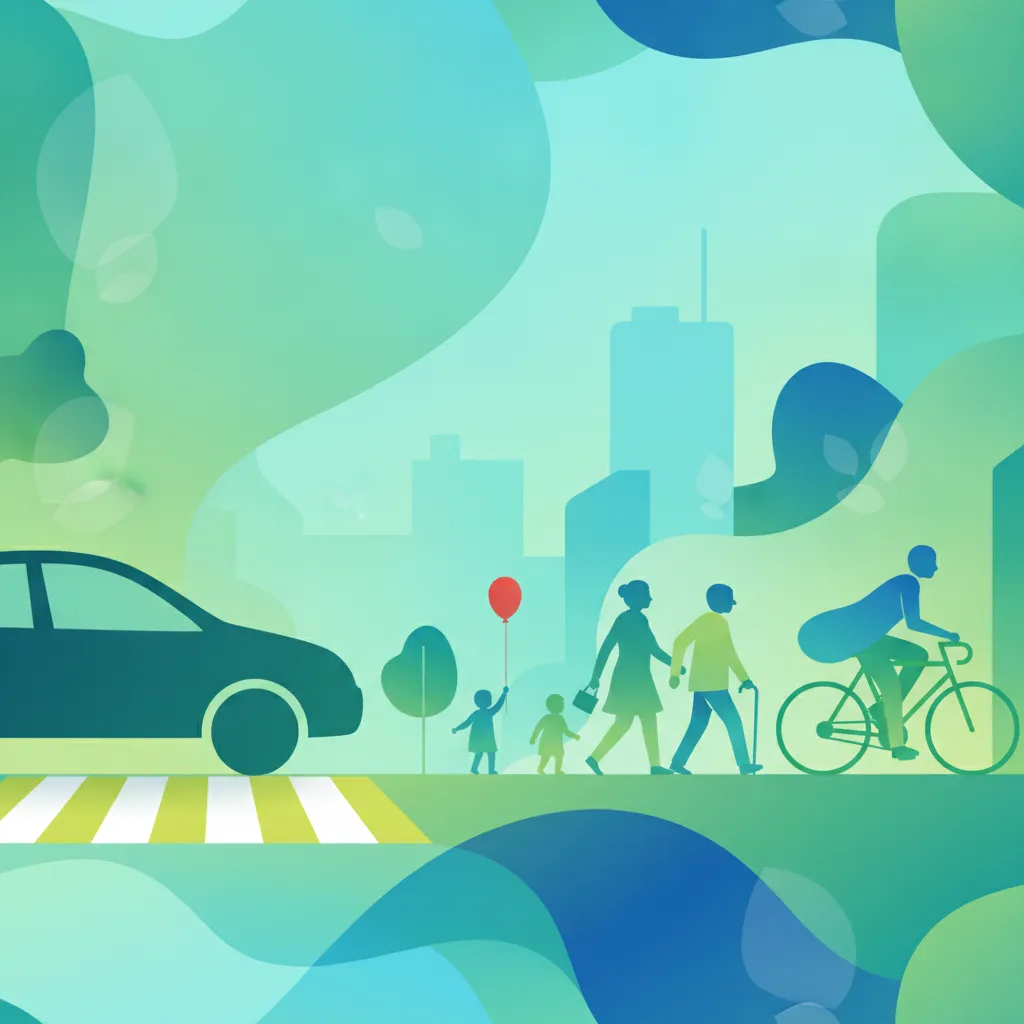
This lesson focuses on protecting vulnerable road users, such as pedestrians, cyclists, and motorcyclists, in mixed traffic environments. Learners will examine specific strategies for increased vigilance, anticipatory driving, and properly yielding to these users. The lesson also covers high-risk zones, such as school areas and public transport stops, emphasizing the need for heightened safety.
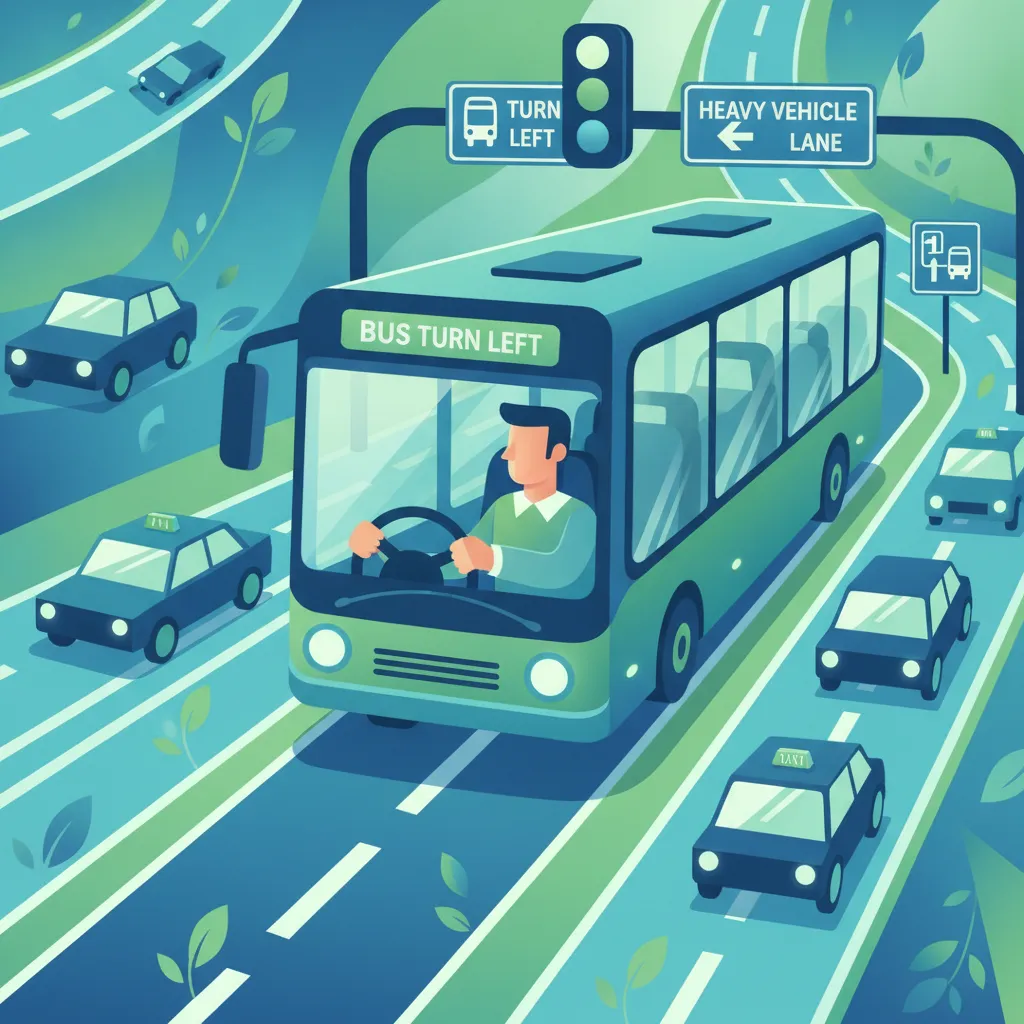
Learners will explore strategies for navigating congested urban traffic environments while operating large passenger vehicles. The lesson covers lane selection, adherence to traffic signals, and the use of bus lanes where applicable. Understanding how to maintain smooth traffic flow while ensuring passenger safety is crucial for efficient urban transportation.

This lesson focuses on the unique requirements and best practices for operating passenger vehicles on highways and expressways. Topics include maintaining appropriate speed, adhering to lane discipline, executing safe overtaking maneuvers, and managing merges and exits. Emphasis is placed on ensuring a smooth ride for passengers while integrating safely with faster-moving traffic.

This lesson examines lane division and proper lane usage on multi-lane roads and highways. Learners will understand the purpose of lane markings in guiding drivers to maintain appropriate lane discipline. Topics include correct lane selection for different vehicle types, overtaking procedures, and lane-changing techniques. Real-world examples illustrate the importance of respecting lane usage rules.
Understand the legal requirements for operating passenger vehicles near bus stops, terminals, and boarding zones. This lesson details the critical safety procedures for interacting with pedestrians and other road users while managing passenger flow in busy city traffic as required for the Class D licence in Turkey.
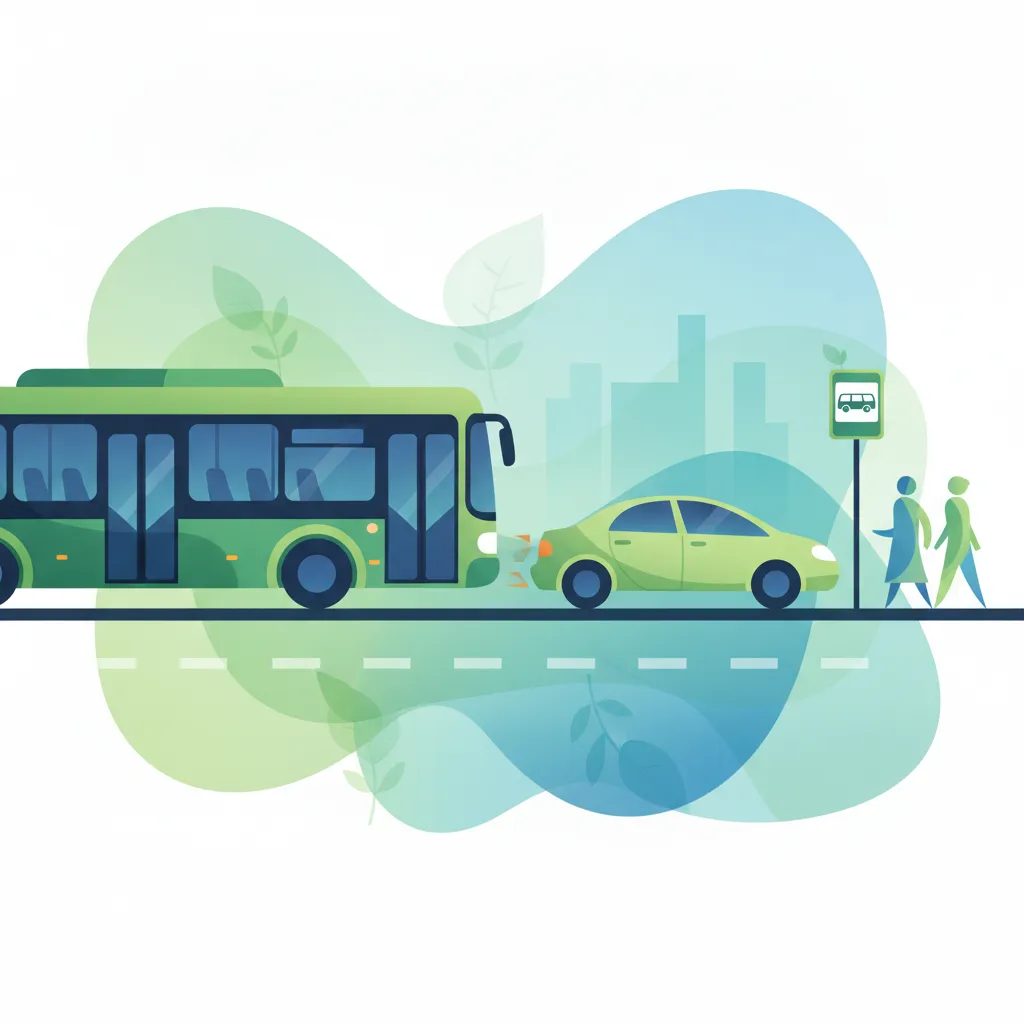
This lesson focuses on the proper approach to bus stops and terminals within city traffic, emphasizing safe positioning, adherence to traffic signals, and maintaining smooth traffic flow. Learners will understand the importance of signaling intentions, checking blind spots, and ensuring the safety of boarding and alighting passengers. Effective stop management reduces the risk of accidents and traffic disruption.

This lesson covers the proper handling of bus stops and designated passenger boarding zones, emphasizing safety, efficiency, and compliance with regulations. Topics include the correct positioning of the vehicle, safe boarding and alighting procedures, and managing passenger flow during stops. Effective management of these zones reduces the risk of accidents and ensures a smooth passenger experience.

This lesson focuses on the safe interaction with other traffic participants at bus stops and traffic intersections. Learners will explore right-of-way rules, signal compliance, and techniques for maintaining safe distances while stopping and departing. Understanding these interactions is vital for preventing accidents in complex traffic environments.
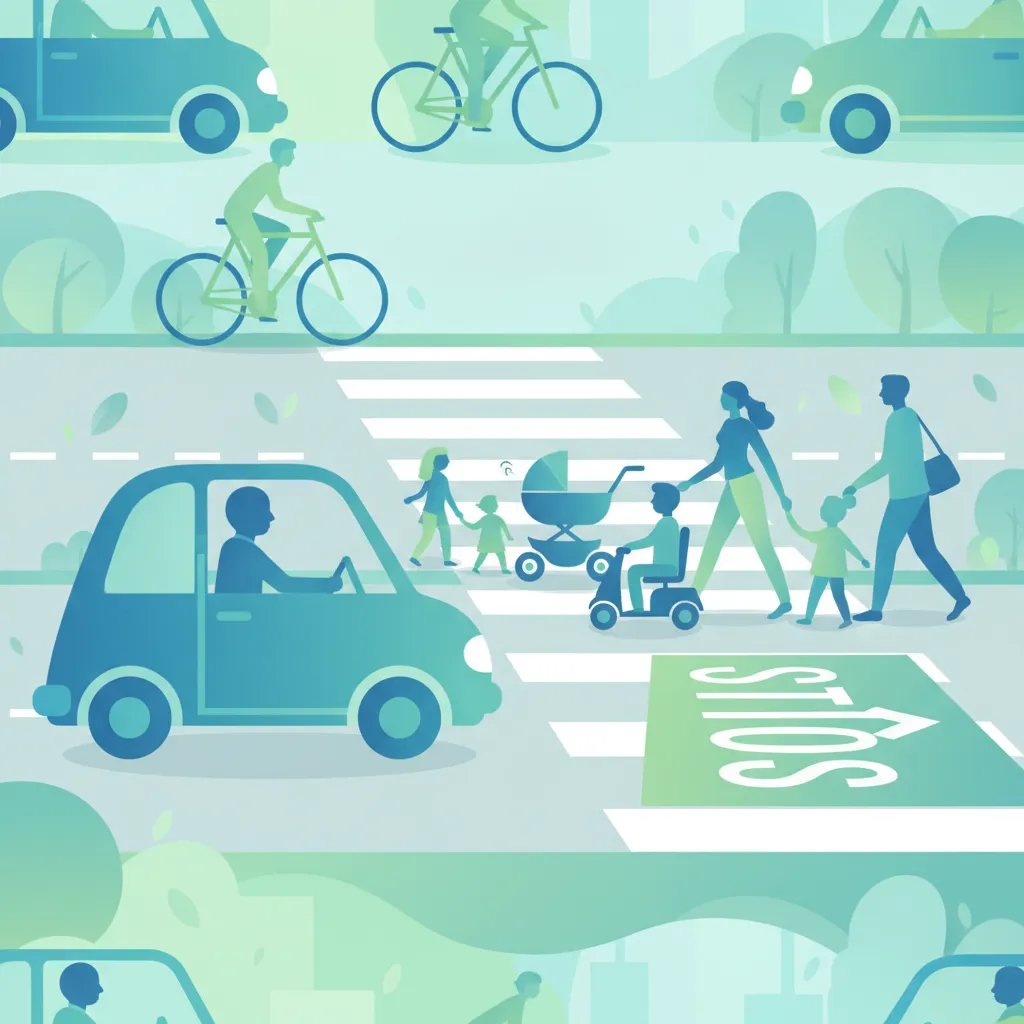
Learners will examine effective strategies for safely coordinating with pedestrians and other road users when approaching and departing bus stops. The lesson highlights right-of-way rules, the importance of yielding at crosswalks, and clear communication with both passengers and other drivers. These practices are vital for preventing accidents and ensuring a harmonious flow of traffic in busy urban areas.
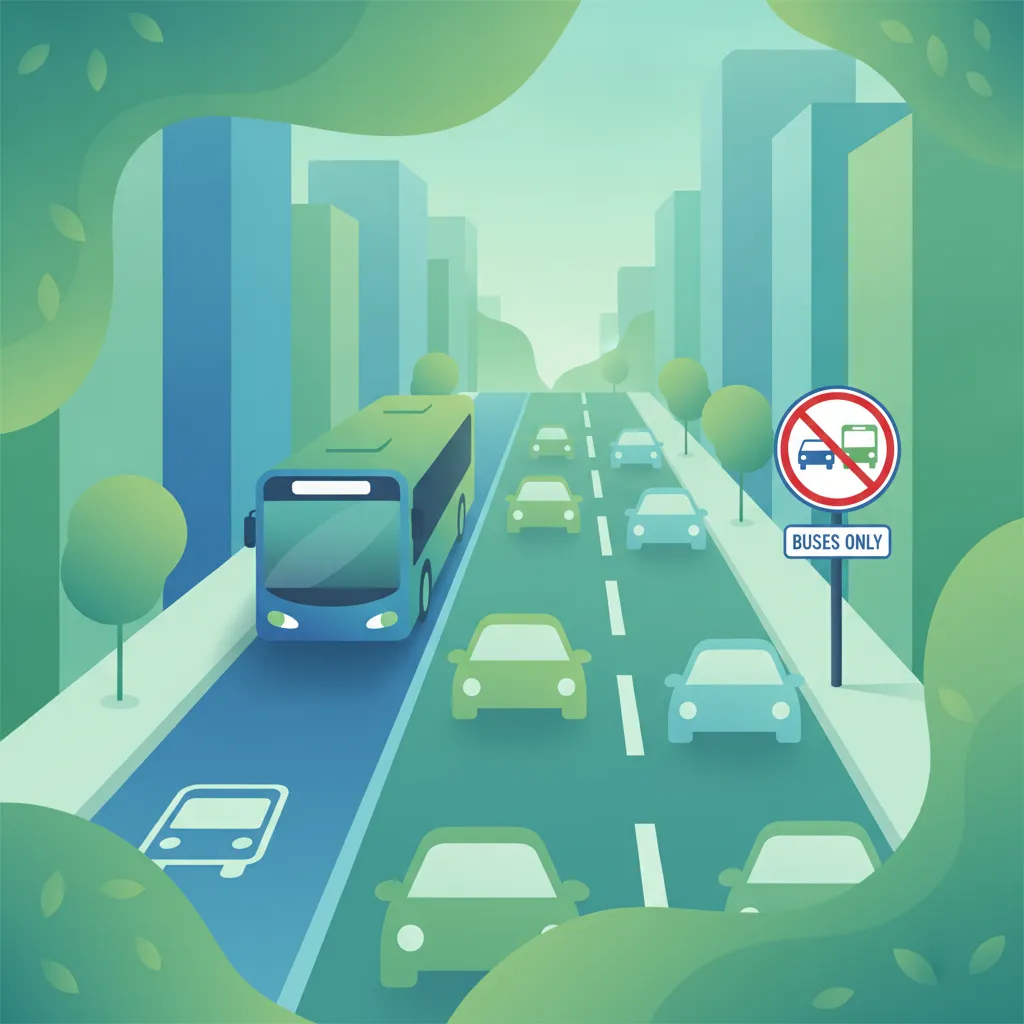
Learners will explore the specific regulations governing bus lanes, priority routes, and other legal restrictions applicable to passenger vehicles. The lesson covers the conditions under which buses may use dedicated lanes, how to navigate priority roadways, and the penalties associated with misuse. Understanding these rules is essential for efficient operation and avoiding violations in high-traffic areas.

Learners will explore best practices for ensuring passenger safety during the boarding and alighting process, focusing on proper vehicle positioning, door operation, and passenger assistance. The lesson covers the use of handrails, steps, and ramps, as well as strategies for managing standing passengers and luggage. Emphasis is placed on clear communication and maintaining situational awareness to prevent accidents.
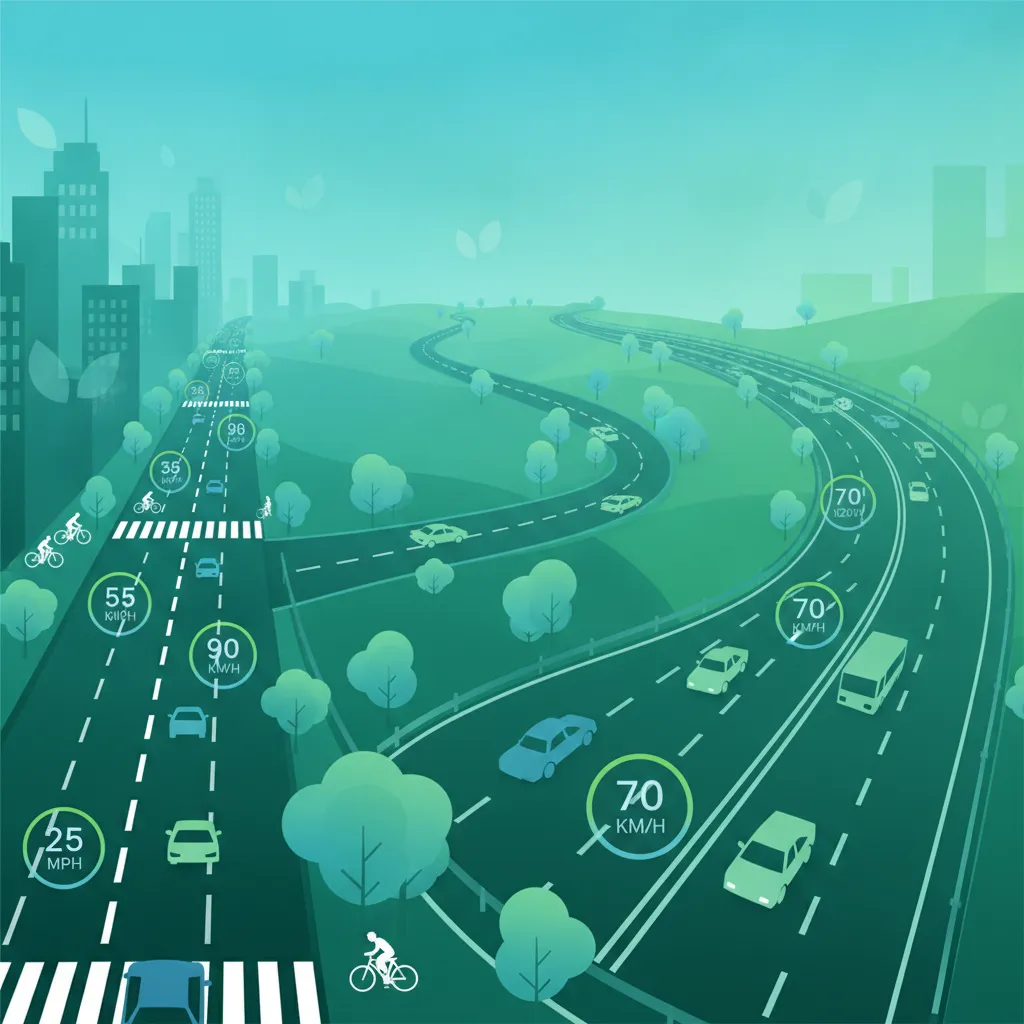
This lesson focuses on managing vehicle speed according to different road environments—urban, rural, and highways—while complying with legal speed limits and traffic flow. Learners will understand how to adjust speed for varying road conditions, traffic density, and safety considerations, ensuring a balance between efficiency and risk mitigation.
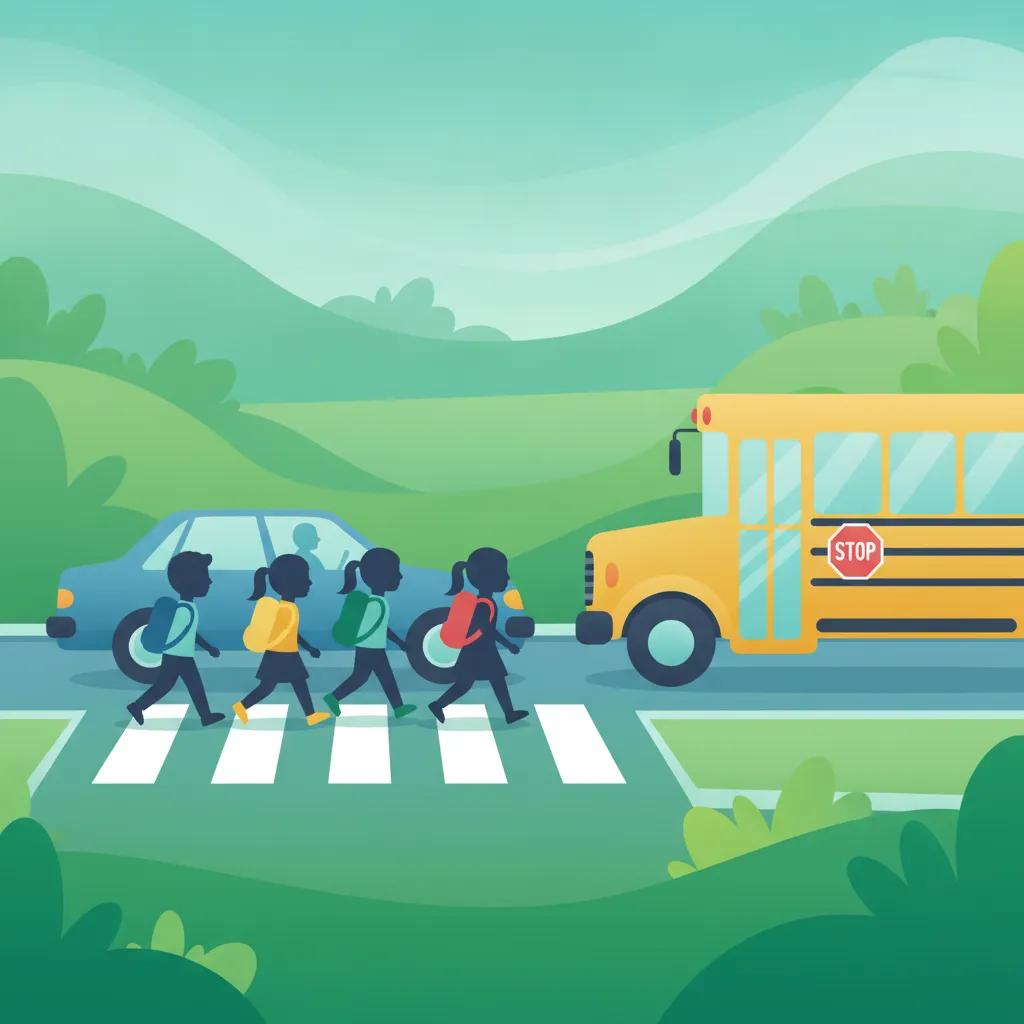
This lesson focuses on the specific considerations for ensuring the safety of pedestrians and schoolchildren around bus stops and terminals. Learners will explore strategies for slowing down, stopping at appropriate distances, and maintaining heightened vigilance. The lesson also covers effective communication with children and the importance of secure boarding and alighting processes to prevent accidents.
Learners will explore strategies for navigating congested urban traffic environments while operating large passenger vehicles. The lesson covers lane selection, adherence to traffic signals, and the use of bus lanes where applicable. Understanding how to maintain smooth traffic flow while ensuring passenger safety is crucial for efficient urban transportation.
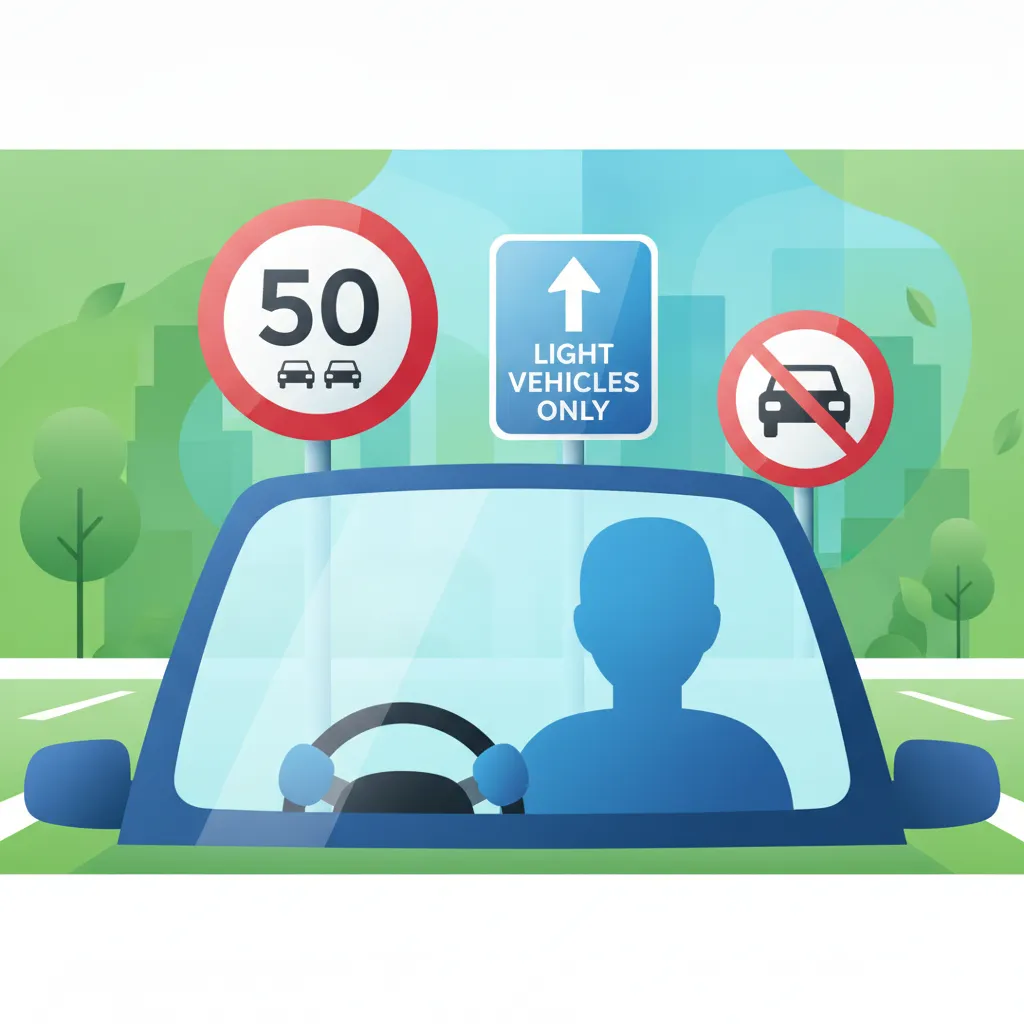
This lesson focuses on the identification and interpretation of traffic signs and road markings that are particularly relevant to passenger vehicle drivers, such as bus lane indications, priority road signs, and specific speed limits. Learners will explore how these signs affect route planning, compliance, and the overall flow of traffic. Mastery of sign interpretation ensures safe and lawful operation in various traffic conditions.
Find clear answers to common questions learners have about Recognizing and Protecting Vulnerable Road Users. Learn how the lesson is structured, which driving theory objectives it supports, and how it fits into the overall learning path of units and curriculum progression in Turkey. These explanations help you understand key concepts, lesson flow, and exam focused study goals.
Vulnerable road users are individuals who are more at risk in traffic, including pedestrians, cyclists, motorcyclists, children, the elderly, and persons with disabilities. As a Class D driver, you must prioritize their safety due to the size and weight of your vehicle.
You must strictly adhere to speed limits indicated by signs, remain hyper-alert for sudden movements of children, and be prepared to stop. The exam often tests your knowledge of school crossing signs and the requirement to yield to children.
Yes, you must be aware of their vulnerability and tendency to move through blind spots. Always check your mirrors and blind spots carefully before turning or changing lanes to ensure no motorcyclist is nearby.
You must monitor the area around bus stops closely for passengers boarding or alighting, especially children. Slow down, signal your intentions early, and ensure the path is clear of pedestrians before proceeding.
Use our comprehensive practice search to find exactly the Turkish driving theory questions you need to master. Whether reviewing specific road signs, traffic rules, or first aid scenarios, select your perfect practice set and boost your confidence for the official ehliyet sınavı.