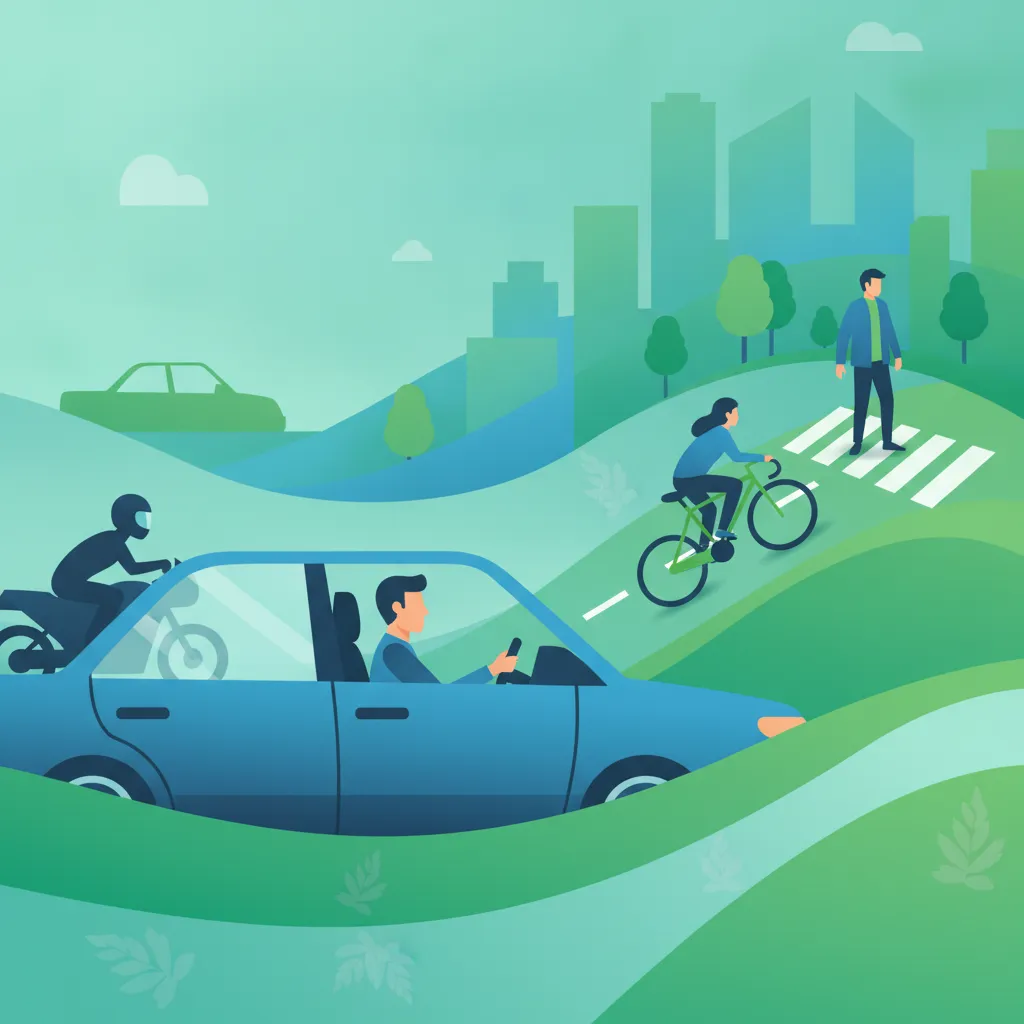
This lesson focuses on the critical skills required to safely manage interactions between large passenger vehicles and other road users. You will learn to anticipate risks posed by pedestrians, motorcyclists, and cyclists in the complex urban environments covered in your Class D theory training.
Lesson content overview
Operating a large passenger transport vehicle, such as a bus or coach, under a Class D licence in Turkey requires a masterclass in situational awareness. Urban roads are not occupied by motor vehicles alone; they are highly dynamic, mixed traffic environments where heavy commercial vehicles coexist with vulnerable road users (VRUs). These include pedestrians, cyclists, motorcyclists, e-scooter riders, school children, and the elderly.
Because of the physical size, weight, and limited visibility of a Class D passenger vehicle, the consequences of a collision are disproportionately severe. As a professional driver, you must operate under the Vulnerability Principle, which dictates that those with the least physical protection deserve the highest degree of defensive care and legal priority. This lesson details the critical safety protocols, hazard anticipation techniques, and defensive maneuvers required to safely pilot a passenger vehicle through dense, mixed traffic.
In any mixed traffic environment, road users possess vastly different speeds, structural protection, and maneuverability. A Class D vehicle can weigh several tonnes and require significantly longer stopping distances than a passenger car. Conversely, cyclists, motorcyclists, and pedestrians have zero physical shielding. The Vulnerability Principle establishes that the heavier and more protected a vehicle is, the greater the driver’s responsibility to prevent conflict and protect weaker road users.
Road users who are at a significantly higher risk of injury or death in a collision due to their lack of physical protection. This category primarily includes pedestrians, cyclists, motorcyclists, e-scooter operators, children, and persons with disabilities or reduced mobility.
Understanding the practical meaning of VRUs means anticipating that they will not always act predictably. Pedestrians may step off a curb unexpectedly, cyclists might weave to avoid road debris, and motorcyclists may filter through stationary traffic.
To manage these interactions safely, you must maintain a defensive posture. This means positioning your vehicle to maximize visibility, keeping a wide safety cushion, and proactively adapting your speed to give yourself extra time to react to sudden, unpredictable movements.
Conflict points are specific locations where the paths of two or more road users cross, significantly increasing the probability of a collision. In busy Turkish urban centers, these points require your absolute concentration.
Intersections are the most common conflict zones. When a passenger vehicle turns at an intersection, its long wheelbase causes the rear wheels to follow a shorter path than the front wheels—a phenomenon known as off-tracking or low-speed off-tracking. If a cyclist or motorcyclist is positioned on your inside flank, they are at extreme risk of being squeezed or run over during a turn.
The immediate vicinity of a bus stop is a high-risk zone. Passengers exiting your vehicle may immediately attempt to cross the street, often walking directly in front of or behind the bus, obscuring themselves from oncoming traffic. At the same time, other drivers or two-wheelers may try to overtake your stopped vehicle, creating a blind conflict zone.
A major challenge in a Class D vehicle is the presence of extensive blind spots, or kör noktalar. Because of the vehicle’s length, height, and structural pillars, large areas around the front, sides, and rear are completely invisible to the driver through standard mirrors.
Adjust Before Driving: Ensure all flat, convex, and close-proximity mirrors are perfectly positioned before starting your route to minimize the blind zones along the flanks and directly in front of the windshield.
The Five-Second Mirror Sweep: Continuously scan your mirrors every 5 to 8 seconds, paying special attention to the right side where cyclists and e-scooters frequently travel.
Double-Look Turn Method: Before executing any turn, look in your mirrors, check your physical blind spots by leaning forward and backward in your seat to change your angle of view, and check the mirror a second time to ensure no two-wheeler has entered the danger zone.
Shoulder Checks: Physically turn your head to check lateral side windows before changing lanes, as smaller vehicles and motorcycles can easily hide right next to the driver's cabin.
Never rely solely on your mirrors. Convex mirrors distort distance, making trailing road users appear further away than they actually are. Always combine mirror checks with physical body and head movements to scan around window pillars.
To ensure order and safety, traffic laws mandate specific behaviors when interacting with vulnerable road users. Failure to comply not only risks lives but also carries severe administrative and legal penalties under Turkish Traffic Law.
In Turkey, pedestrians have strict right-of-way priority at marked, uncontrolled pedestrian crossings (yaya geçitleri). When approaching a crossing, you must reduce your speed to a level that allows you to stop safely. If a pedestrian is crossing or preparing to cross, you must come to a complete stop behind the stop line.
When passing or overtaking cyclists, motorcyclists, or e-scooters, you must maintain a minimum lateral safety clearance of 1.5 metres.
At high speeds, the aerodynamic draft created by a large bus can pull a two-wheeled vehicle inward, causing the rider to lose balance. If you cannot maintain this 1.5-metre gap due to oncoming traffic or narrow lanes, you must remain behind the rider until it is safe to pass.
You must proactively reduce your speed below the posted limit when traveling through areas with high pedestrian density, such as commercial districts, public squares, hospital zones, and school zones. Lower speeds exponentially decrease stopping distances and drastically reduce the severity of injuries if an impact occurs.
Large vehicles require more time and space to complete maneuvers. You must activate your turn signals (sinyal) at least 3 to 5 seconds before changing lanes, turning, or pulling away from a bus stop. This gives cyclists, motorcyclists, and other drivers sufficient warning to adjust their positioning.
School transport routes and school zones demand an exceptional level of vigilance. Children do not possess the same spatial awareness, speed perception, or risk assessment capabilities as adults. They are highly prone to sudden, impulsive movements, such as running into the street after a ball or rushing to catch a school bus.
When operating near schools or behind a school service vehicle (okul taşıtı), you must adhere to the following safety rules:
The popularity of motorcycles, mopeds, and electric scooters in urban Turkish traffic introduces unique dynamic challenges. Due to their narrow profiles, these vehicles are incredibly easy to overlook, especially in low-light conditions or dense traffic.
Navigating dense urban traffic in a passenger vehicle requires a systematic approach to space and speed management. Use these core defensive driving strategies to mitigate risks:
Because of your vehicle's mass, your stopping distance is significantly longer than that of standard cars. Maintain a minimum following distance of at least 3 to 4 seconds under ideal conditions, and increase this to 6 seconds or more in wet, icy, or congested conditions.
Whenever possible, look directly at pedestrians, cyclists, and other drivers at intersections or crossings. Establishing eye contact helps confirm that they have seen your vehicle and are aware of your presence. If you cannot make eye contact, assume they do not see you and proceed with extreme caution.
Sudden braking or sharp steering inputs can cause passenger injuries inside your vehicle and create panic among surrounding road users. Smooth, progressive braking and gradual steering give everyone around you time to react.
Do not just look at the vehicle directly in front of you. Look 15 to 20 seconds ahead (about one to two blocks in urban areas) to identify potential bottlenecks, roadworks, pedestrian clusters, or emergency vehicles early.
Your risk mitigation strategy must adapt to changing external conditions. Safe practices under clear daylight must be enhanced when visibility or traction decreases.
| Environmental Factor | Impact on Traffic Dynamics | Required Driver Adaptation |
|---|---|---|
| Rain, Wet Roads, and Fog | Reduced tire traction, increased stopping distances, fogged mirrors, and severely degraded visibility of VRUs. | Double your following distance; turn on dipped headlights; reduce speed by at least 20-30%; use defrosters to keep mirrors and windows completely clear. |
| Night and Twilight | Extreme difficulty in spotting pedestrians in dark clothing; glare from oncoming headlights can mask two-wheelers. | Reduce speed; keep windshields spotlessly clean to prevent glare; scan road edges continuously; ensure your vehicle's interior lights are dimmed to maintain night vision. |
| Narrow Urban Streets | Extremely restricted lateral space, high risk of side-mirror clipping, and pedestrians stepping off narrow sidewalks. | Drive at a walking pace if necessary; position the vehicle centrally within your lane; be prepared to yield to oncoming vehicles at narrow chokepoints. |
| Fully Loaded Vehicle | Increased vehicle mass significantly lengthens braking distance and alters handling dynamics during evasive maneuvers. | Begin braking much earlier; take turns at lower speeds to prevent passenger instability; do not attempt tight gaps in traffic. |
Understanding where drivers commonly fail is crucial to avoiding similar errors.
Explore all units and lessons included in this driving theory course.
Lesson content overview
Explore all units and lessons included in this driving theory course.
Explore search topics learners often look for when studying Mitigating Risks in Mixed Traffic Environments. These topics reflect common questions about road rules, driving situations, safety guidance, and lesson level theory preparation for learners in Turkey.
Browse additional driving theory lessons that cover connected traffic rules, road signs, and common driving situations related to this topic. Improve your understanding of how different rules interact across everyday traffic scenarios.
Learn the systematic mirror and blind spot check procedures required for safe operation of Class D passenger vehicles in Turkey. This lesson covers mirror adjustment techniques, physical head checks, and understanding low-speed off-tracking to ensure maximum visibility of vulnerable road users in dense urban traffic environments.

This lesson focuses on identifying and managing blind spots specific to goods vehicles, which are larger and have more extensive blind zones compared to standard cars. Learners will explore techniques for blind spot detection using mirrors, rearview cameras, and sensor systems, ensuring safe lane changes and maneuvering. The lesson emphasizes the importance of continuous observation and modern safety technology.
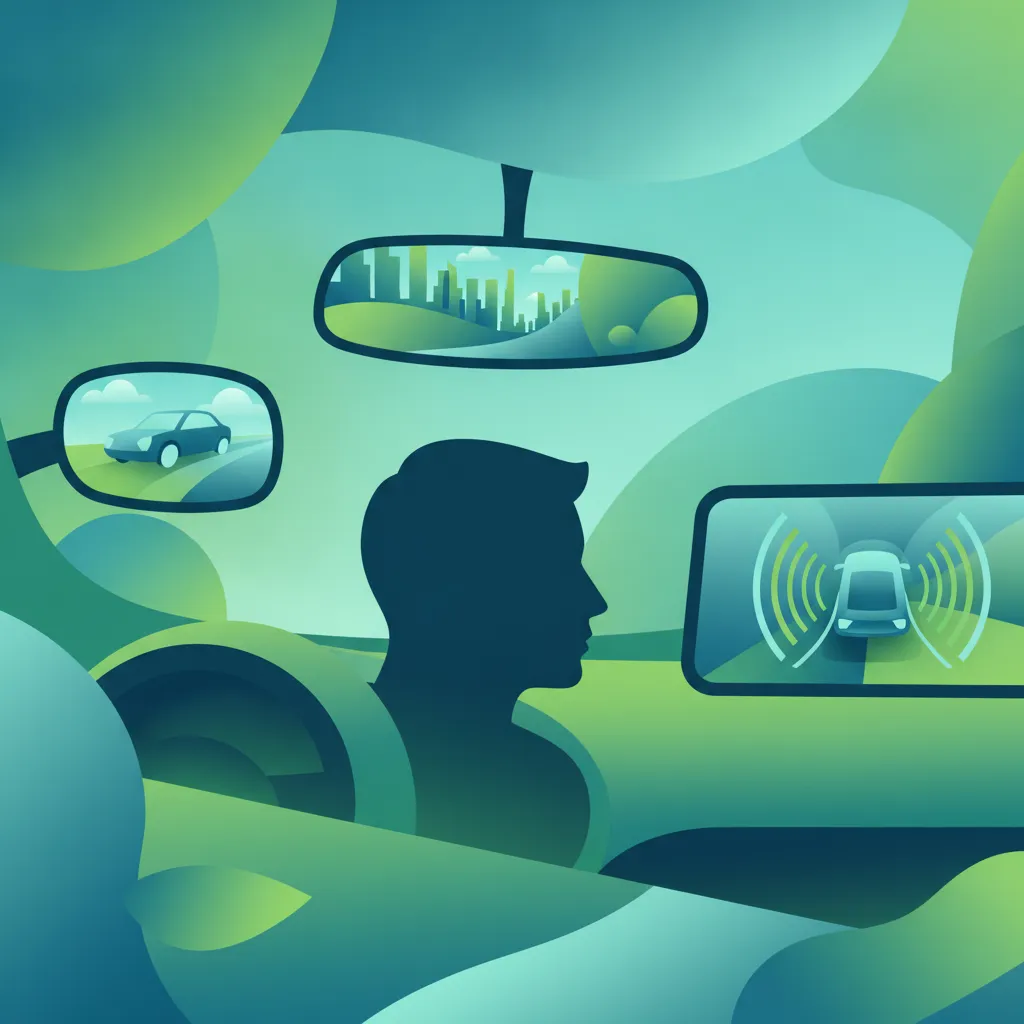
This lesson introduces the proper utilization of mirrors, rearview cameras, and additional sensor systems to enhance situational awareness for goods vehicle drivers. Learners will understand the importance of correctly adjusting mirrors for optimal coverage, interpreting camera feeds, and relying on sensor alerts. The lesson emphasizes integrating modern safety technology into daily driving practices.
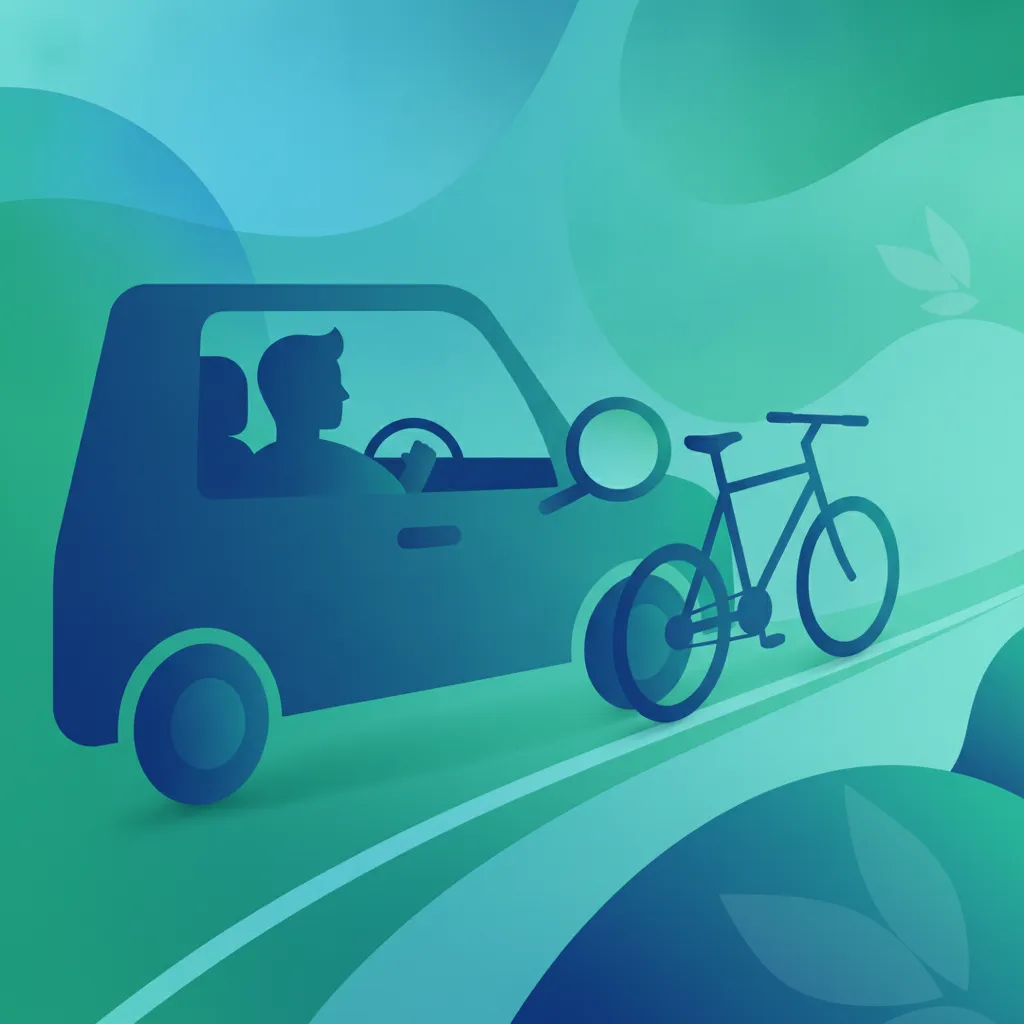
This lesson focuses on the execution of safe right and left turns with large passenger vehicles, emphasizing the identification and management of blind spots. Learners will understand the correct use of turn signals, proper positioning within the turn, and the importance of thorough observation before and during turning. Strategies for minimizing blind spot exposure are also covered.
Learners will explore the proper adjustment and utilization of mirrors, rear-view cameras, and blind spot sensors to maximize visibility while operating a passenger vehicle. The lesson covers the optimal positioning of mirrors for comprehensive coverage, interpreting camera and sensor alerts, and integrating these tools into safe driving practices. Proper use of these technologies reduces blind spots and enhances overall situational awareness.

This lesson addresses the challenges of safely reversing a goods vehicle, including the identification of blind spots and rear visibility limitations. It covers proper mirror and rearview camera usage, as well as strategies for maintaining awareness of obstacles and the trailer's path. The lesson also emphasizes the importance of reversing alarms and slow, controlled vehicle movements.
This lesson highlights the critical nature of blind spots for motorcyclists, teaching strategies to recognize and mitigate these hidden areas. Learners will practice techniques for checking blind spots before lane changes and overtaking, ensuring they are fully aware of surrounding traffic. The lesson emphasizes how proper mirroring and head checks can significantly reduce the risk of collisions.
This lesson focuses on protecting vulnerable road users, such as pedestrians, cyclists, and motorcyclists, in mixed traffic environments. Learners will examine specific strategies for increased vigilance, anticipatory driving, and properly yielding to these users. The lesson also covers high-risk zones, such as school areas and public transport stops, emphasizing the need for heightened safety.
This lesson delves into specific manoeuvring strategies required when navigating both tight urban environments and open rural roads with large passenger vehicles. Learners will explore techniques for handling narrow streets, tight turns, and intersections, while maintaining safety and efficiency. The content emphasizes planning and execution of manoeuvres based on road conditions and vehicle dimensions.

This lesson covers the proper usage, maintenance, and alignment of the vehicle's lighting systems, including high beams, low beams, and fog lights. It explains the legal requirements for activating lights during daytime, twilight, tunnel crossings, and heavy rain. Drivers will learn how to avoid blinding oncoming motorists while maintaining visibility.
This lesson focuses on the challenges and techniques required when maneuvering goods vehicles in confined spaces such as loading docks, narrow streets, and urban environments. It addresses the importance of spatial awareness, precision driving, and understanding vehicle dimensions to avoid collisions. Learners will explore strategies for effective parking, reversing, and handling blind spots safely.
Understand the legal priority obligations at pedestrian crossings and complex intersections in Turkish traffic law. This guide details how to safely navigate conflict points by adhering to the Vulnerability Principle and maintaining proper spacing when sharing the road with pedestrians, cyclists, and motorcyclists in congested urban areas.
This lesson focuses on the safe interaction with other traffic participants at bus stops and traffic intersections. Learners will explore right-of-way rules, signal compliance, and techniques for maintaining safe distances while stopping and departing. Understanding these interactions is vital for preventing accidents in complex traffic environments.

This lesson focuses on pedestrian rights and safety measures to ensure their protection on Turkish roads. Topics include proper use of crosswalks, pedestrian signals, and yielding to pedestrians at intersections. The lesson also addresses specific considerations for vulnerable pedestrians such as children, the elderly, and the visually impaired. Real-world scenarios illustrate safe crossing practices.
This lesson focuses on priority rules at controlled intersections equipped with traffic signals, stop signs, or yield signs. Learners will understand how to interpret traffic light phases, comply with stop and yield indications, and assess right-of-way at these intersections. The lesson also covers pedestrian and cyclist considerations, as well as emergency vehicle priority.
In this lesson, learners will master the skills required to safely navigate various types of intersections encountered in Turkish urban settings. The content covers interpreting traffic signals, understanding right-of-way rules, and executing proper lane positioning. Practical strategies for managing blind spots and ensuring visibility to other road users are emphasized. By the end of this session, participants will be equipped with safe crossing techniques.
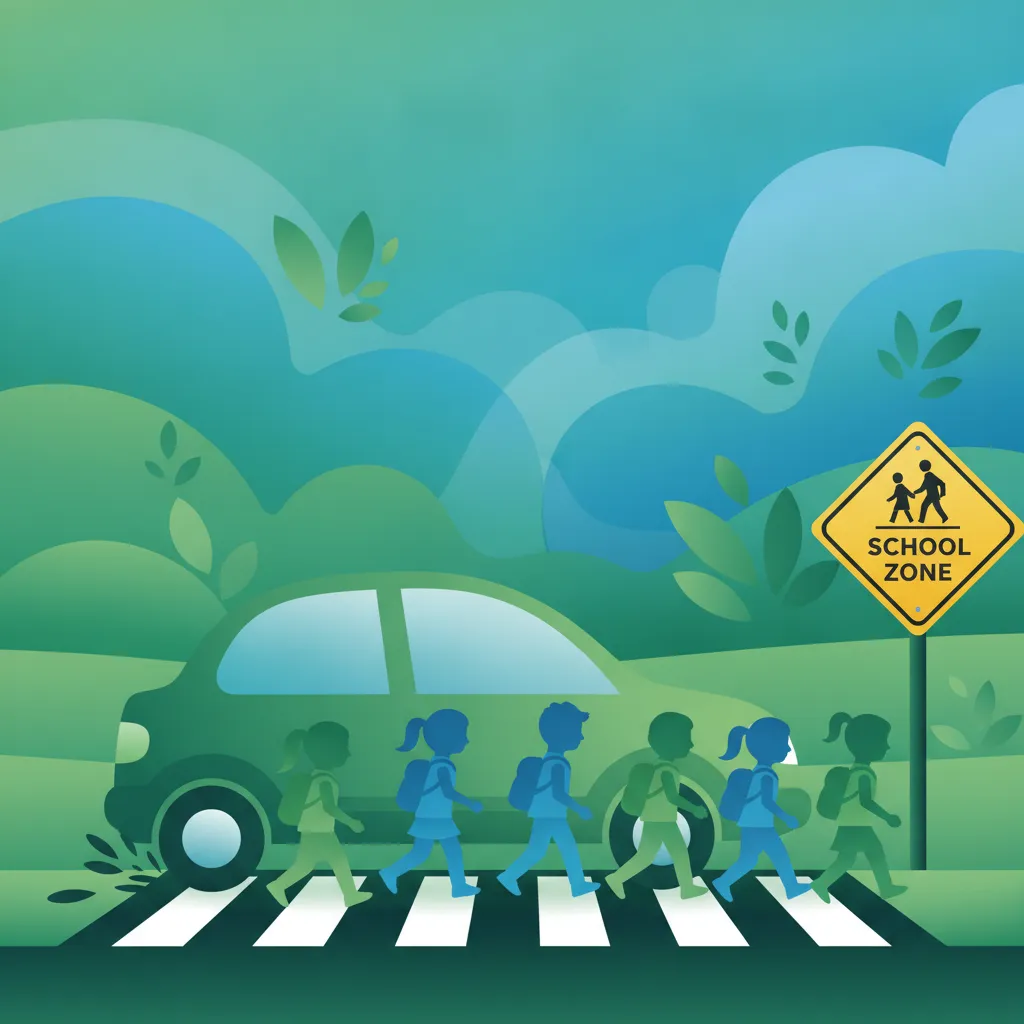
Protecting vulnerable road users is a core legal and ethical responsibility for all motorized vehicle operators in Turkey. This lesson covers the absolute requirement to yield to pedestrians at marked crosswalks, zebra crossings, and designated school zones. You will learn how to identify these zones early, reduce your speed proactively, and maintain heightened situational awareness for children or distracted pedestrians who may step onto the road unexpectedly.
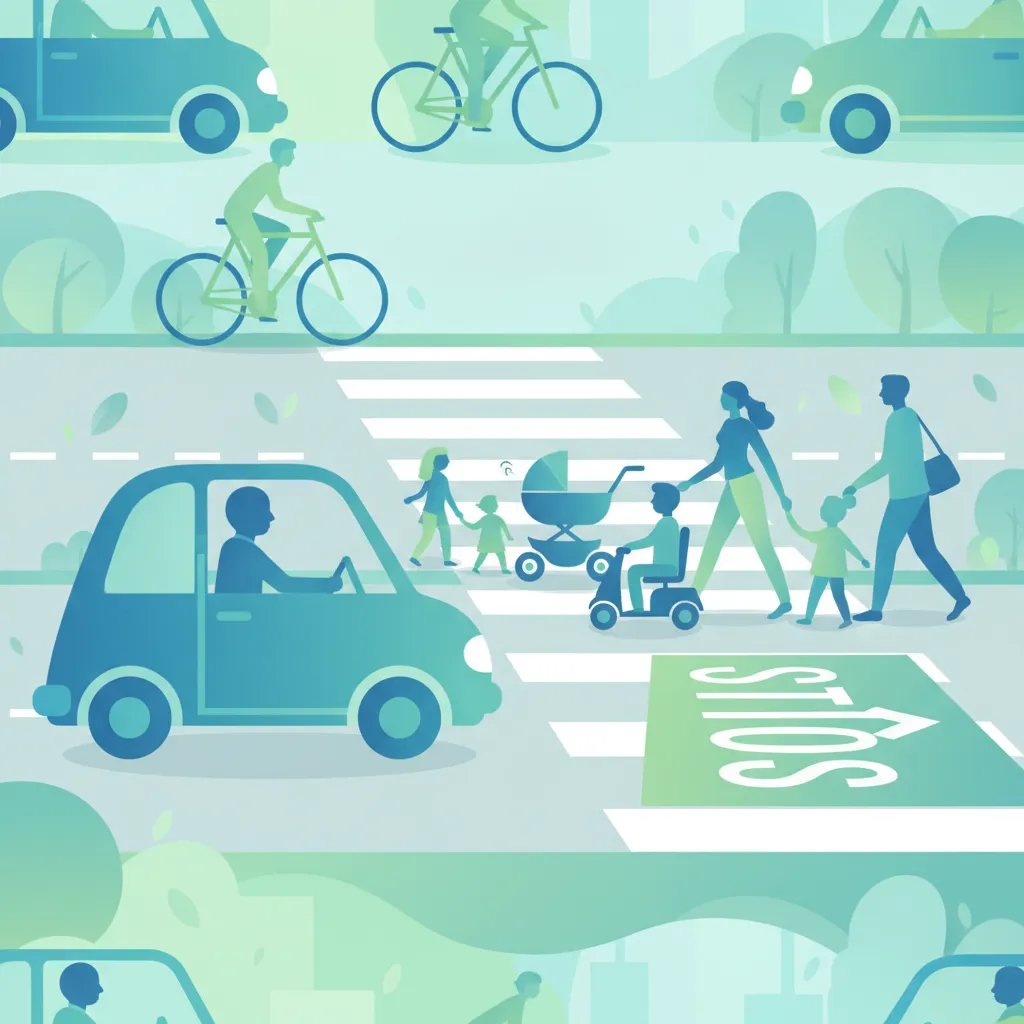
Learners will examine effective strategies for safely coordinating with pedestrians and other road users when approaching and departing bus stops. The lesson highlights right-of-way rules, the importance of yielding at crosswalks, and clear communication with both passengers and other drivers. These practices are vital for preventing accidents and ensuring a harmonious flow of traffic in busy urban areas.
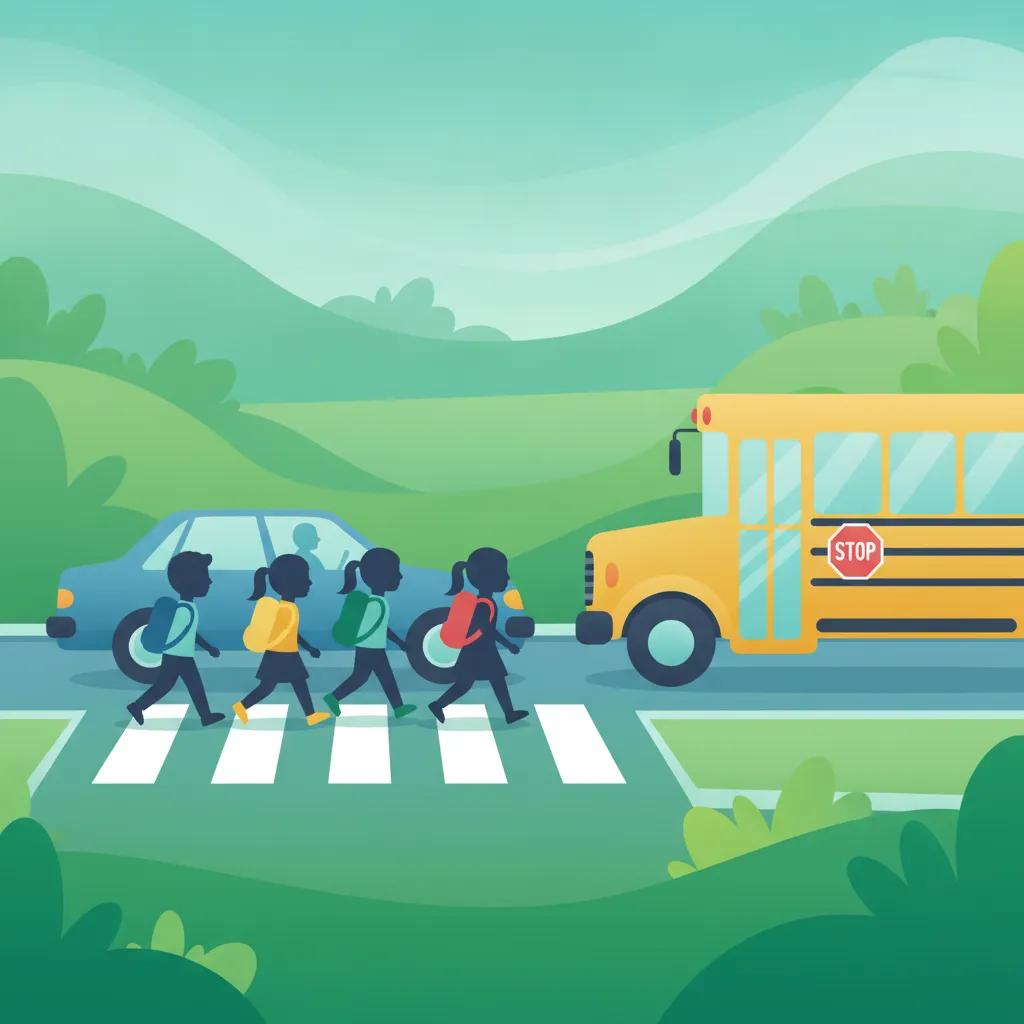
This lesson focuses on the specific considerations for ensuring the safety of pedestrians and schoolchildren around bus stops and terminals. Learners will explore strategies for slowing down, stopping at appropriate distances, and maintaining heightened vigilance. The lesson also covers effective communication with children and the importance of secure boarding and alighting processes to prevent accidents.
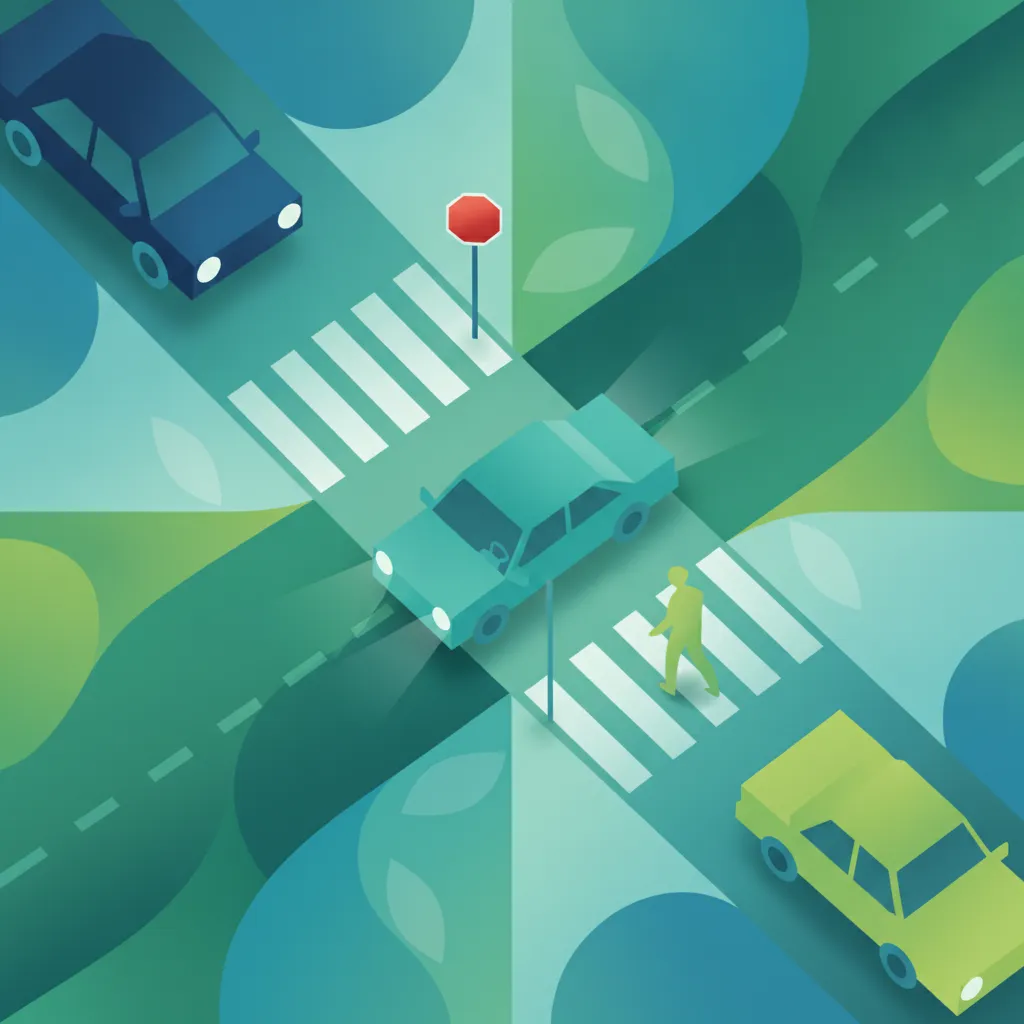
Intersections represent the highest-risk zones for moped riders due to crossing traffic paths and poor visibility. This lesson teaches you the structured approach method: slowing down, selecting the correct lane early, scanning in all directions, and yielding according to priority laws. You will learn safe techniques for executing left and right turns, maintaining stability, and continuously looking out for oncoming vehicles that might fail to yield or turn unexpectedly across your path.
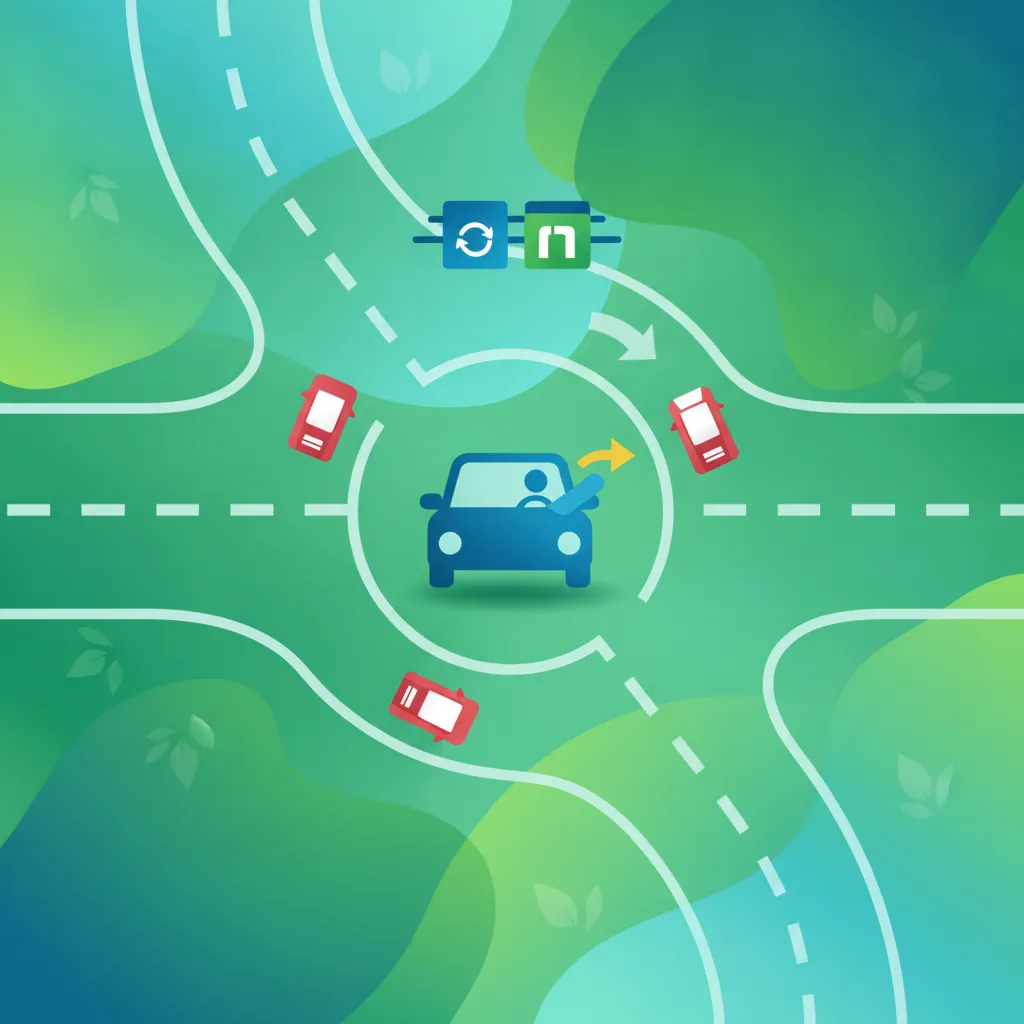
In this lesson, learners explore the specific priority rules and navigation techniques for roundabouts. Topics include yielding to traffic already in the roundabout, proper lane selection upon entry, and safe exit strategies. The lesson also addresses interactions with pedestrians and cyclists near roundabouts and the importance of maintaining appropriate speed.
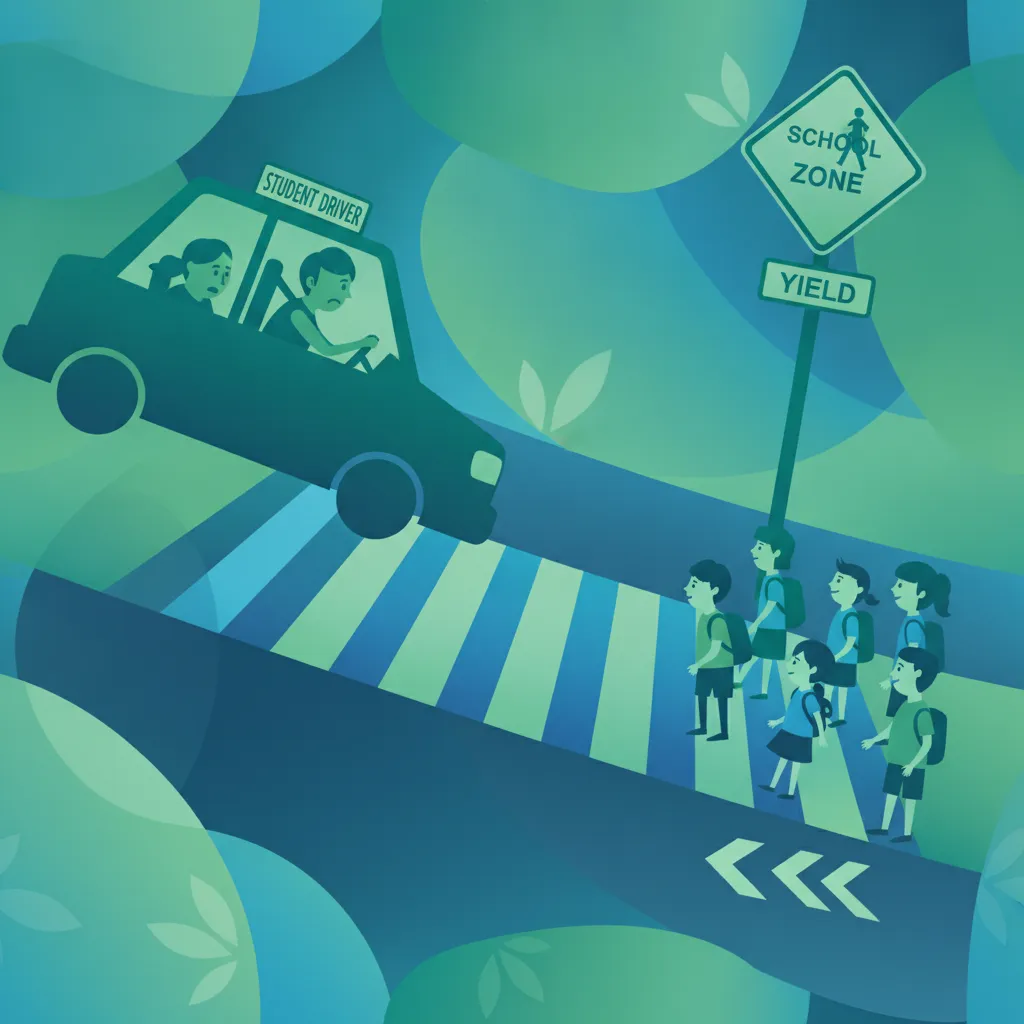
Focusing on pedestrian safety, this lesson addresses the unique considerations motorcyclists must take when approaching zebra crossings, traffic signal-controlled pedestrian crossings, and designated school zones. Learners will understand the legal obligations to yield to pedestrians, especially children, and the importance of reducing speed in these high-risk areas. The lesson also provides practical tips for ensuring visibility.
Find clear answers to common questions learners have about Mitigating Risks in Mixed Traffic Environments. Learn how the lesson is structured, which driving theory objectives it supports, and how it fits into the overall learning path of units and curriculum progression in Turkey. These explanations help you understand key concepts, lesson flow, and exam focused study goals.
Because Class D vehicles are larger and have larger blind spots, they present more risk to vulnerable users like motorcyclists and pedestrians. Constant scanning is required to avoid accidents.
Always maintain a predictable lane position, use your indicators early, and check your mirrors frequently for filtering motorcycles, which is common in Turkish traffic.
The unpredictable behavior of children is the biggest risk. You must reduce speed, be prepared to stop instantly, and maintain maximum focus in these areas.
Yes, many questions in the MTSK e-sınav evaluate your ability to predict hazards in mixed traffic, testing both your knowledge of rules and your defensive driving logic.
Use our comprehensive practice search to find exactly the Turkish driving theory questions you need to master. Whether reviewing specific road signs, traffic rules, or first aid scenarios, select your perfect practice set and boost your confidence for the official ehliyet sınavı.