
This comprehensive practice set is designed for learners preparing for the Belgian driving license theory exam. You will tackle realistic scenarios involving blind spots and shoulder checks, understanding the 'dode hoek' obligations, especially concerning cyclists and large vehicles. Mastering these rules is vital for preventing accidents and passing your exam in Belgium.

Sharpen your awareness of critical blind spot and shoulder check rules specific to Belgian traffic law. This practice set helps you prepare for exam questions on lane changes, pulling away, and turning, ensuring you understand the importance of physical checks for road safety.
Improve your road safety and exam readiness by practicing Belgian blind spot and shoulder check rules. This set covers critical situations like lane changes, pulling away, and turning, emphasizing the need to physically turn your head, not just rely on mirrors. Understand the dangers of large vehicle blind spots and the responsibilities of all road users.
Preview sample questions from the Blind Spot Checks practice set to see how they help you prepare for the driving theory exam in Belgium.
Learners choose Blind Spot Checks to improve accuracy and understanding of key exam themes in Belgium. It offers realistic driving theory questions and targeted revision for effective preparation.
Find answers to the most common queries learners have when practising Blind Spot Checks, including how questions match the official theory exam in Belgium, how scoring works, and how this practice improves exam readiness.
The 'dode hoek' refers to the blind spot, areas around your vehicle that cannot be seen using mirrors. In Belgium, drivers are legally required to physically turn their head to check these areas before performing certain maneuvers.
You are required to perform a shoulder check (or 'dode hoek' check) in Belgium before changing lanes, overtaking, pulling away from the kerb, and especially when turning at an intersection to check for cyclists or pedestrians.
No, relying solely on mirrors is not sufficient. Belgian traffic law emphasizes the necessity of physically turning your head to check your blind spot, as mirrors do not provide a complete view and can conceal other road users, particularly cyclists.
Large vehicles like trucks and buses have significantly larger blind spots, known as 'dode hoek' zones. Other road users, especially cyclists and pedestrians, must be highly aware of these zones and avoid lingering in them, particularly when a large vehicle is turning right, as this is a common cause of serious accidents in Belgian cities.
Failing to check blind spots can lead to serious accidents, especially involving vulnerable road users, resulting in legal penalties, fines, and potentially the loss of your driving license. It is a critical safety and legal obligation in Belgium.
By completing Blind Spot Checks, you will gain stronger rule knowledge, faster recognition of signs and situations, better decision making in traffic scenarios, and increased accuracy on exam style questions used in Belgium. These outcomes directly support higher scoring exam performance.
Explore similar practice sets to solidify your understanding of blind spot and shoulder check obligations in Belgium. Continuing with related theory test practice questions enhances your exam preparation and overall driving knowledge.
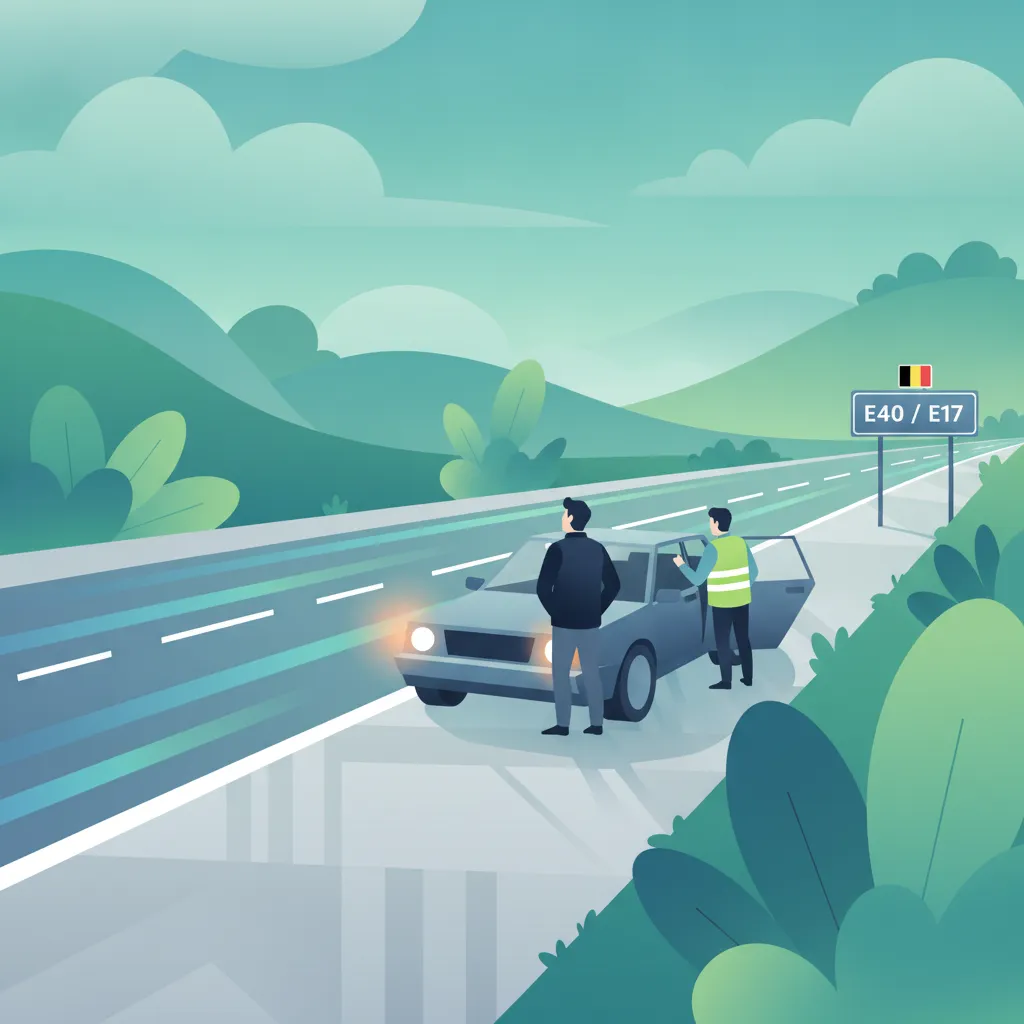
Master Belgian Hard Shoulder Rules for a Safer Drive and Exam Pass.

Master Belgian Overtaking Distances for a Safer Road and a Confident Exam Pass.

Protecting Those Most At Risk: Your Essential Duty as a Belgian Driver

Master safe overtaking manoeuvres around cyclists and avoid critical mistakes on your Belgian driving exam.
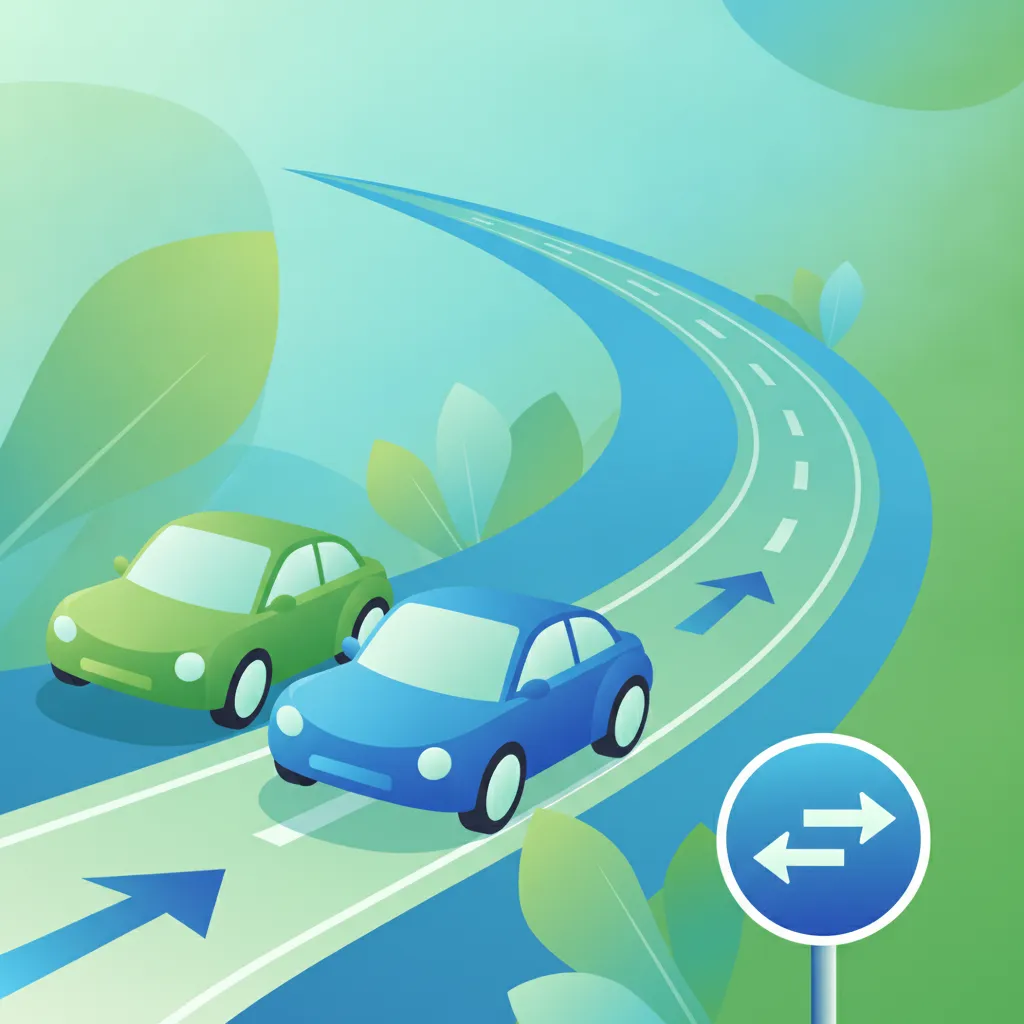
Overtake with Confidence: Navigate Belgian Roads Legally and Safely.

Reverse with Confidence: Crucial Rules for Belgian Roads
Questions in Blind Spot Checks
Exam focused questionss
Blind Spot Checks offers quick, focused exam style practice to boost your Belgian knowledge for the driving theory exam in Belgium.
Blind Spot Checks helps learners in Belgium with clear explanations and targeted Belgian practice to improve essential driving theory topics.
This practice set is ideal for all learners preparing for the Belgian driving theory exam, from beginners to those seeking to refine their knowledge. It's particularly useful for those who struggle with understanding vulnerable road users' safety or the specific 'dode hoek' requirements in Belgium. Enhance your road awareness and boost your confidence for the official test.
Explore more topics for the Belgian driving theory exam in Belgium.
Strengthen your Belgian driving theory knowledge by diving into targeted practice. Select any category from this overview to begin exercises immediately. Focus on areas where you need improvement, such as specific road signs, priority rules, or hazard perception, to build confidence for your official Belgian driving licence exam.
Explore Practice Categories