
Prepare for the Belgian driving theory exam by practicing the rules for pedestrian zones. This set will help you understand the F103 sign, general prohibitions for motor vehicles, specific access times for deliveries, the absolute priority of pedestrians, and the maximum speed limit of 10 km/h within these zones. Master these urban traffic regulations to drive safely and pass your exam.
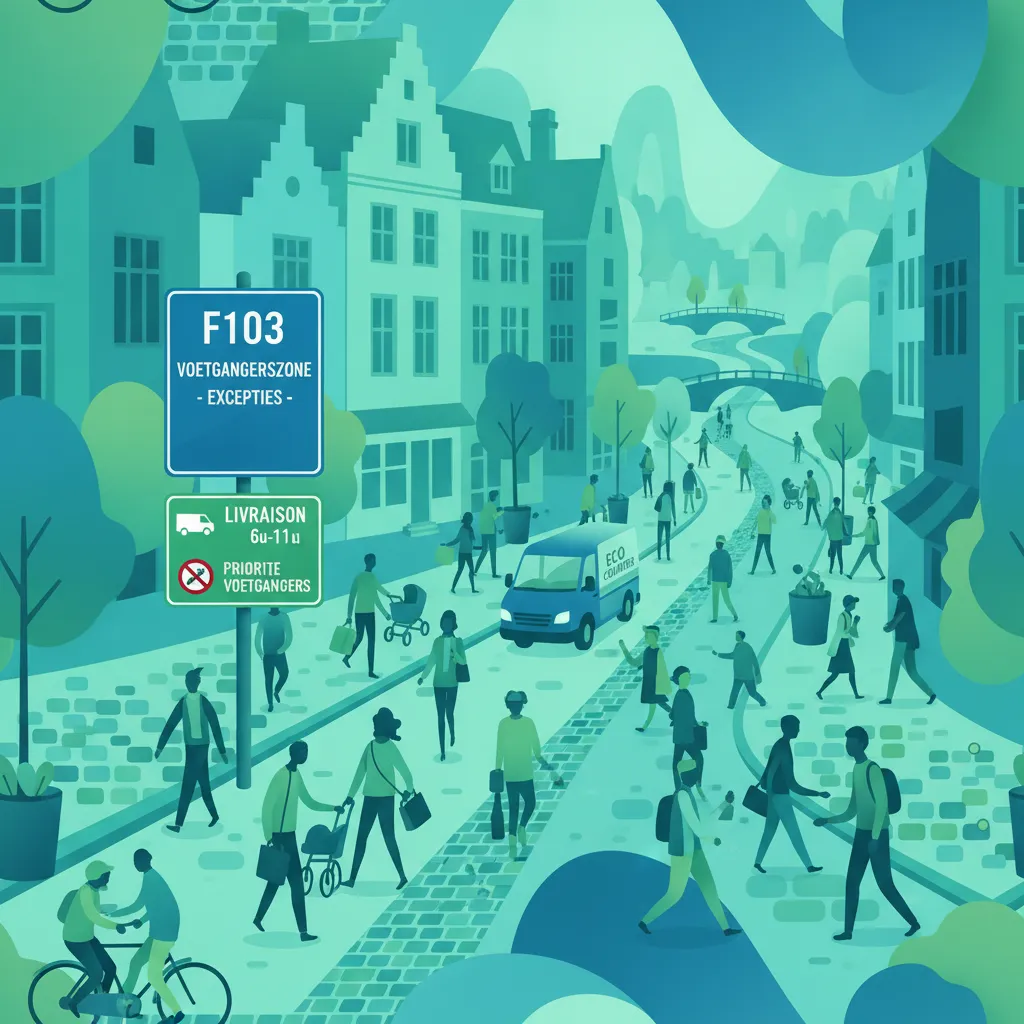
Master the specific regulations for Belgian pedestrian zones (F103 sign) with targeted practice questions. Understand prohibitions, key exceptions for deliveries, and pedestrian priority to excel in your theory test revision and exam preparation.
Understand the specific regulations governing pedestrian zones in Belgium, identified by the F103 sign. This set focuses on general prohibitions for motor vehicles, critical exceptions such as delivery hours, required speeds, and the absolute priority of pedestrians, preparing you for common exam questions.
Preview sample questions from the Belgian Pedestrian Zones practice set to see how they help you prepare for the driving theory exam in Belgium.
Learners choose Belgian Pedestrian Zones to improve accuracy and understanding of key exam themes in Belgium. It offers realistic driving theory questions and targeted revision for effective preparation.
Find answers to the most common queries learners have when practising Belgian Pedestrian Zones, including how questions match the official theory exam in Belgium, how scoring works, and how this practice improves exam readiness.
A pedestrian zone in Belgium is an area where pedestrians have absolute priority and motor vehicle traffic is generally prohibited. It is marked by the F103 sign at its entrance and the F105 sign at its exit.
Generally, motor vehicles are prohibited. However, there are exceptions for specific vehicles such as those for deliveries, emergency services, maintenance, or residents with garage access, often indicated by supplementary plates specifying access times.
Vehicles permitted to enter a pedestrian zone must always drive at a walking pace, which is a maximum speed of 10 km/h. Drivers must be extremely cautious and ready to stop for pedestrians.
Yes, deliveries are allowed in Belgian pedestrian zones, but only during specific hours indicated on supplementary signs. Outside these hours, delivery vehicles are generally not permitted.
No, parking is strictly forbidden in Belgian pedestrian zones, except in explicitly marked parking bays if such bays are provided and permitted for specific vehicles.
By completing Belgian Pedestrian Zones, you will gain stronger rule knowledge, faster recognition of signs and situations, better decision making in traffic scenarios, and increased accuracy on exam style questions used in Belgium. These outcomes directly support higher scoring exam performance.
Dive deeper into Belgian traffic regulations by exploring similar practice sets. This targeted revision helps reinforce your understanding of urban driving rules and prepare effectively for your theory test. Continue your exam preparation with more focused topic revision.
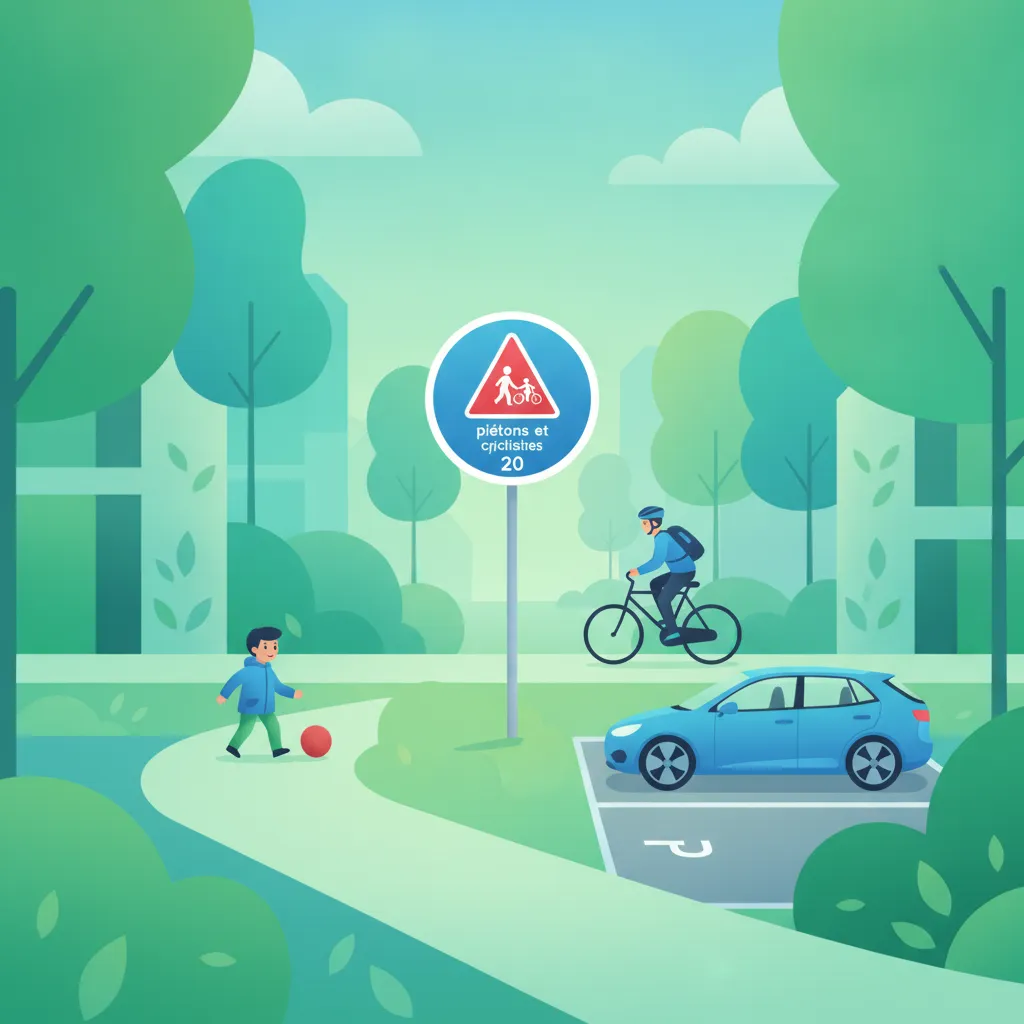
Master Belgian shared zone rules and confidently protect vulnerable road users.
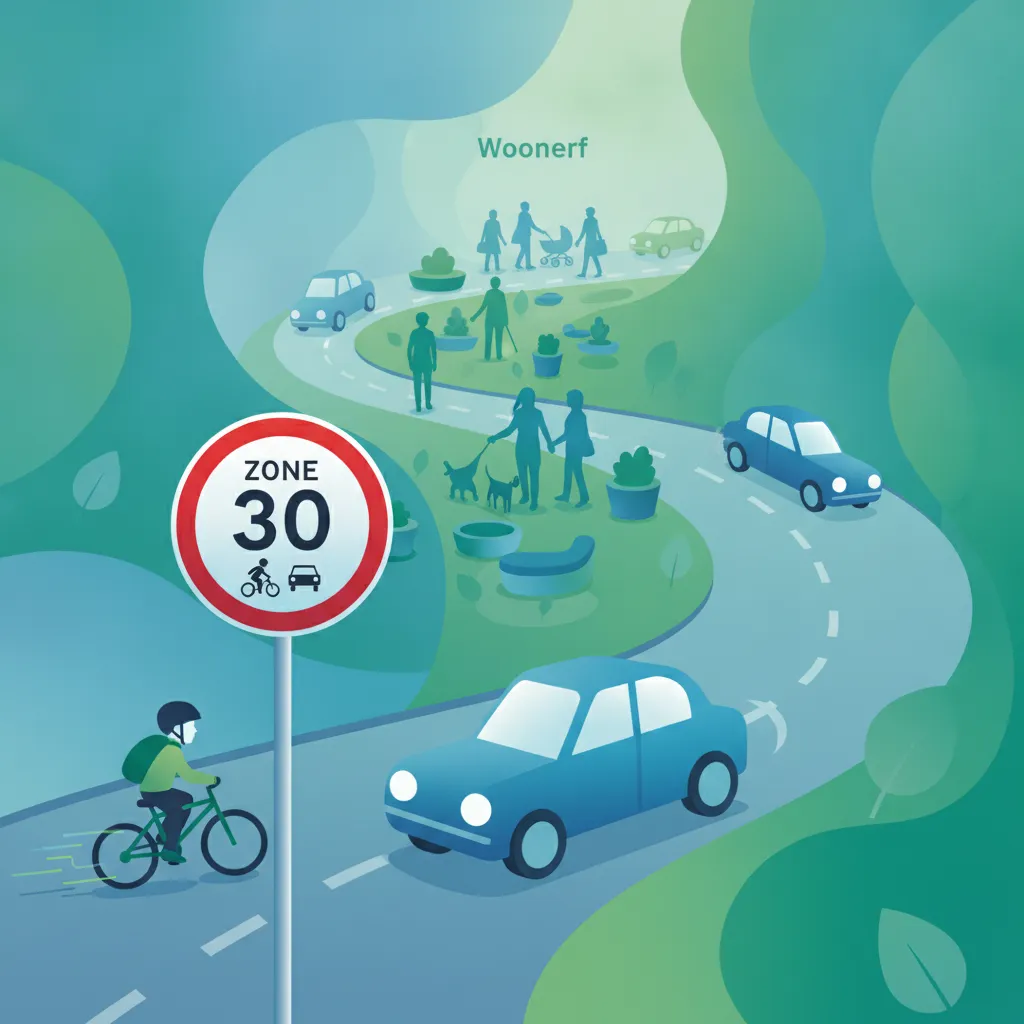
Master Belgian Restricted Zones to Drive Safely and Pass Your Exam
Master Belgian Pedestrian Priority for a Safer Drive and Exam Pass
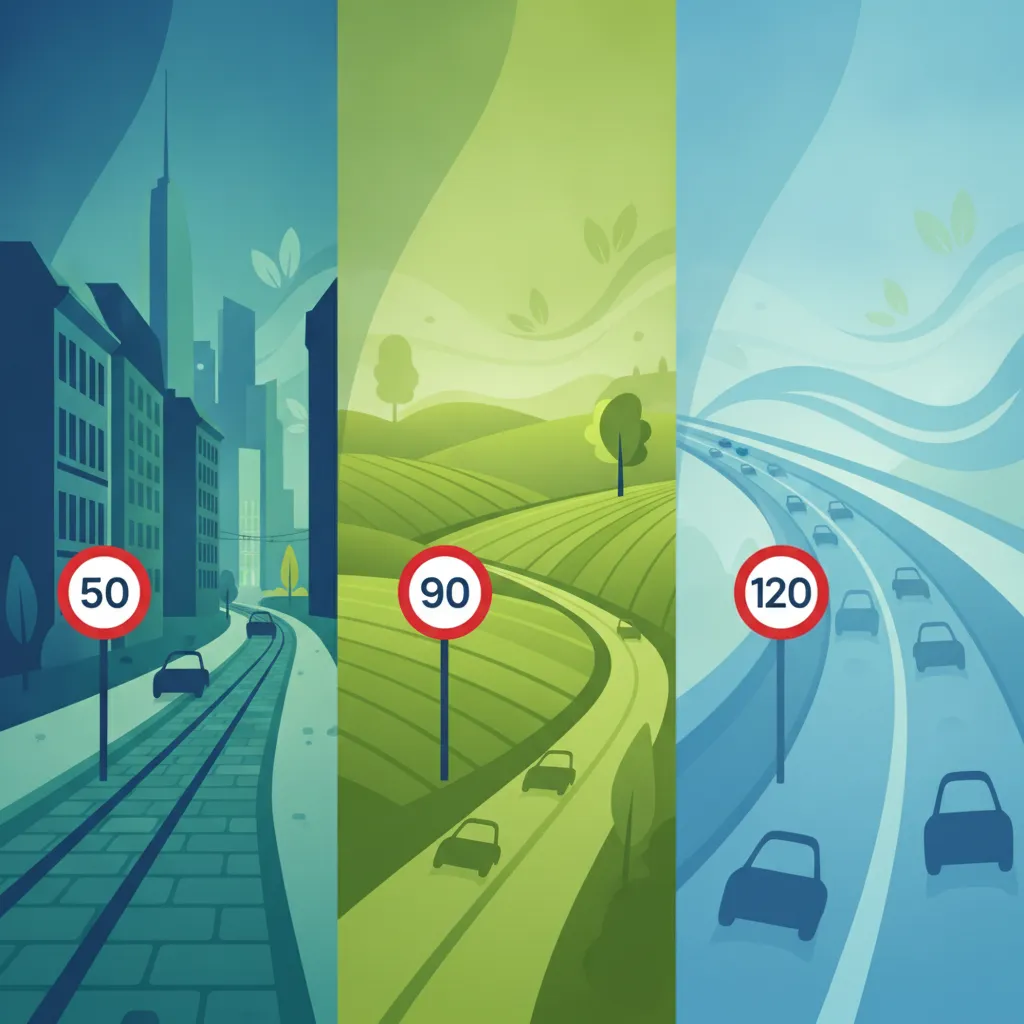
Master Belgian Speed Limits to Drive Safely and Pass Your Exam
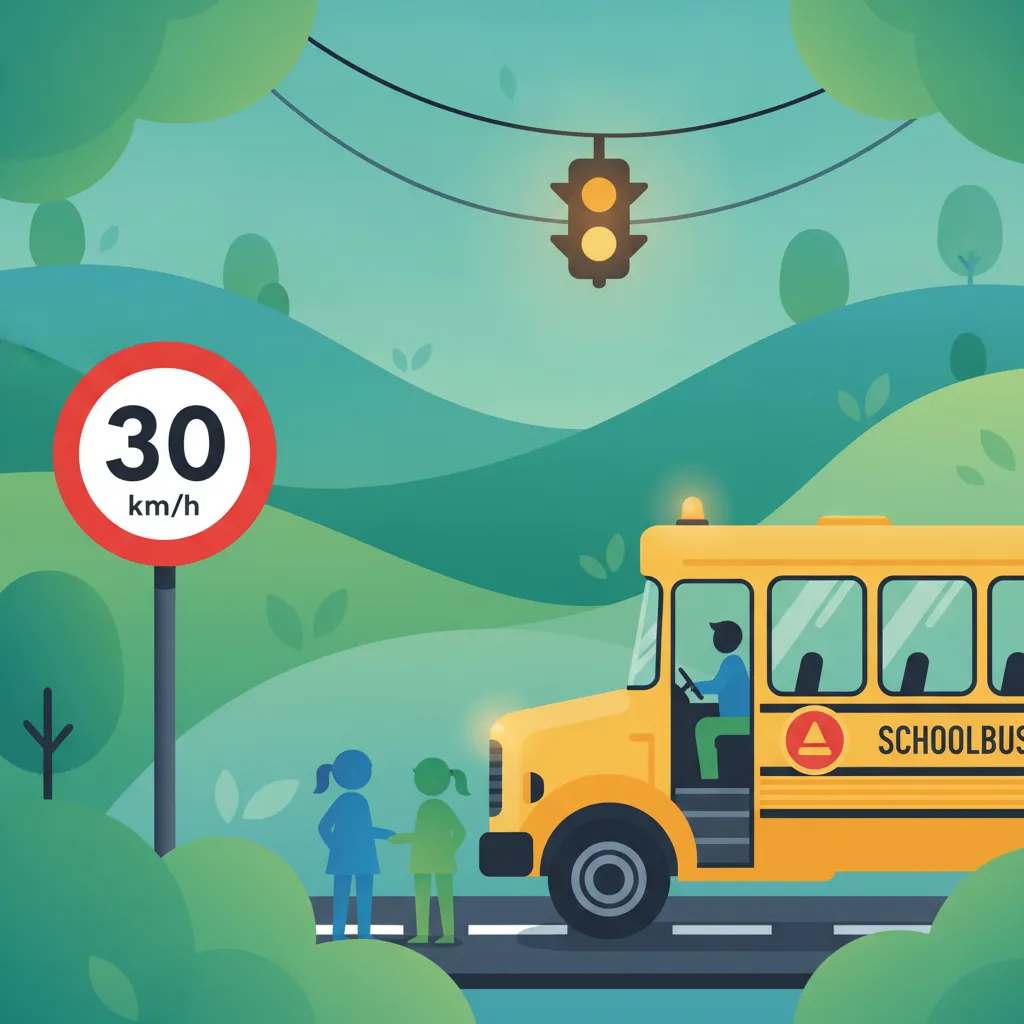
Navigate School Zones Safely and Ace Your Belgian Driving Theory Exam!
Avoid Fines and Master Belgian Stopping and Parking Rules for Your Exam!
Questions in Belgian Pedestrian Zones
Exam focused questionss
Belgian Pedestrian Zones offers quick, focused exam style practice to boost your Belgian knowledge for the driving theory exam in Belgium.
Belgian Pedestrian Zones helps learners in Belgium with clear explanations and targeted Belgian practice to improve essential driving theory topics.
This practice set is ideal for new drivers and those studying for the Belgian driving license theory exam who need to grasp the fundamental rules of pedestrian zones. It addresses common misconceptions about vehicle access, speed limits, and pedestrian priority, helping you build confidence for urban driving situations.
Explore more topics for the Belgian driving theory exam in Belgium.
Strengthen your Belgian driving theory knowledge by diving into targeted practice. Select any category from this overview to begin exercises immediately. Focus on areas where you need improvement, such as specific road signs, priority rules, or hazard perception, to build confidence for your official Belgian driving licence exam.
Explore Practice Categories