
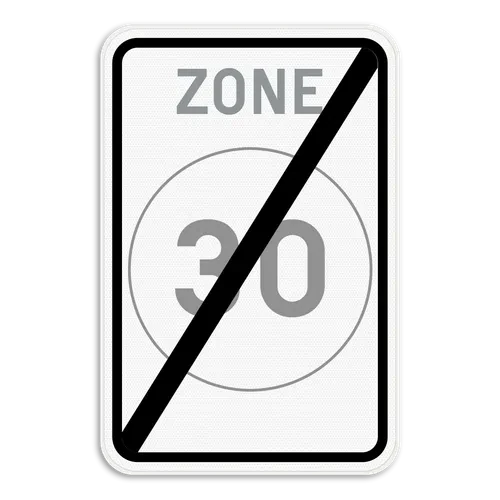
The Belgian F4b sign clearly indicates the end of a designated 30 km/h speed zone. After seeing this sign, the general speed limit for the road you are on will apply again, so be ready to adjust your speed accordingly. Pay close attention to any supplementary panels that might accompany this sign, as they can provide crucial additional information regarding direction or specific exceptions. This sign is part of Belgium's information and indicatory signs, helping drivers navigate speed restrictions.
Master the "End of a 30 km/h speed zone" road sign (F4b) for your Belgian theory test revision. This sign interpretation is crucial for understanding when normal speed limits resume, impacting your driving decisions and exam preparation.
Belgian road sign F4b, titled "End of a 30 km/h speed zone", belongs to the belgian information and indicatory signs group. It is used to communicate end of a 30 km/h speed zone in a form that drivers can recognise quickly during Belgian theory study and real traffic. The practical task is to connect the sign with road markings, lanes, crossings, services, zones, or route directions in the immediate environment, because the legal effect of a road sign starts from its placement and can be refined by panels, lane markings, traffic lights, or zone signs. For learners, the safest approach is to identify the sign early, say what road users or manoeuvres it affects, and then choose speed, position, and priority behaviour that match the displayed instruction.
Belgian road sign F4b means "End of a 30 km/h speed zone". In practice, it tells drivers to use the information before choosing speed, lane position, route, or next manoeuvre, while checking the exact road layout, markings, and any supplementary panels before acting.
Get clear, practical answers to the most common questions about the F4b - End of a 30 km/h speed zone road sign. Learn how the sign works, what rules it represents, and how it affects real driving situations. This FAQ strengthens your understanding and supports accurate decision making for the Belgian driving theory exam in Belgium.
The Belgian F4b sign signifies the end of a 30 km/h speed zone. Once you pass this sign, the previous speed limit is no longer in effect, and you should revert to the standard speed limit applicable to that road.
Not necessarily. While the 30 km/h restriction is lifted, you should only increase your speed when it is safe and appropriate to do so, and when it aligns with the general speed limit for the road ahead. Always check for other road users and conditions before accelerating.
A common trap is assuming that once the 30 km/h zone ends, you can immediately drive at the maximum national speed limit. Always check for other signs that might indicate a different, lower speed limit is in force on the road you are now entering.
Supplementary panels provide essential extra information. For the F4b sign, a panel might indicate that the 30 km/h zone ends only in a specific direction, or it might specify an exemption for certain vehicles. Always read these panels carefully before deciding your speed and position.
A regular speed limit sign (like F1 or F2) indicates the current applicable speed limit. The F4b sign specifically marks the *end* of a temporary, reduced speed zone (30 km/h), meaning the general speed limit will resume unless another sign indicates otherwise.
A clear reference image of the F4b - End of a 30 km/h speed zone road sign used in Belgium.
The F4b - End of a 30 km/h speed zone road sign may also be known by these alternative names or terms.
The F4b - End of a 30 km/h speed zone road sign is part of the Belgian Information and Indicatory Signs category, which groups together signs with similar rules and functions.
Mastering Belgian traffic signs involves more than memorising individual symbols. Comparing related signs like the F4b (End of 30 km/h zone) with others helps cement recognition and reduce errors during your theory test revision. Sharpen your traffic sign comparison skills for accurate recall.
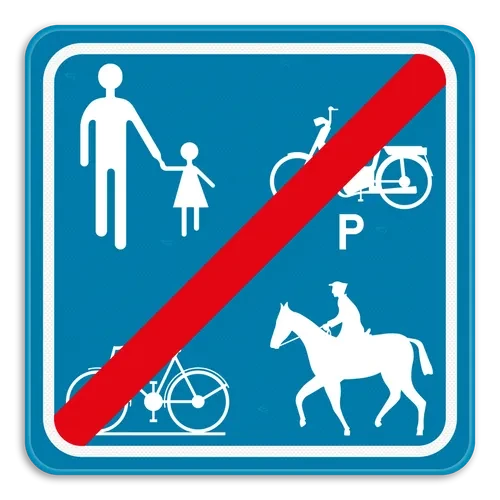
You've reached the end of a special zone for pedestrians, cyclists, horse riders, and speed pedelecs.
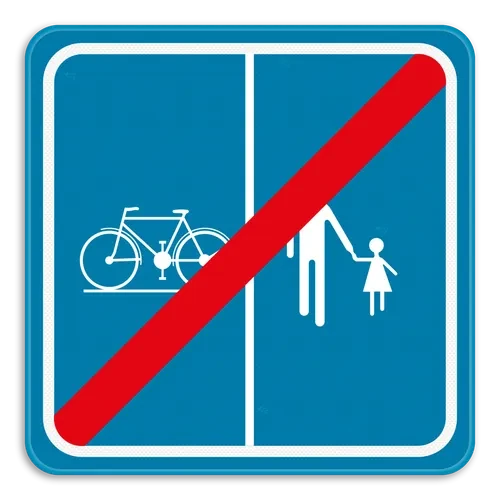
You're leaving a specially reserved lane for pedestrians, cyclists, horse riders, and speed pedelecs.
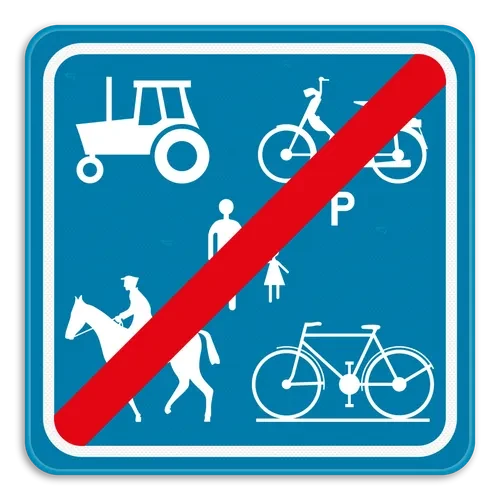
F101c: Signalling the End of a Restricted Road Zone
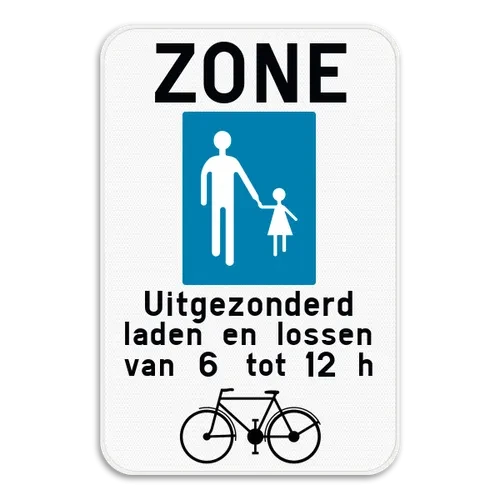
F103: You are entering a pedestrian zone – adjust your approach.
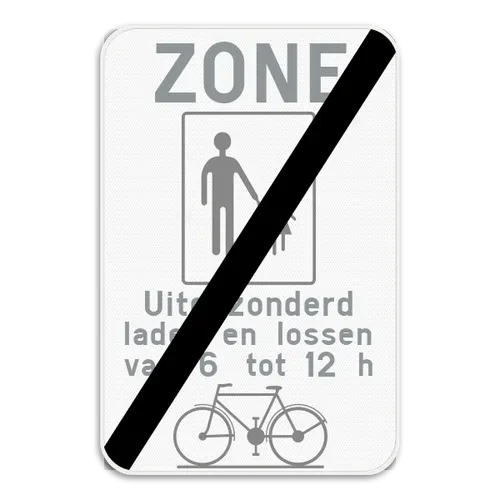
You're leaving the pedestrian zone with the F105 sign
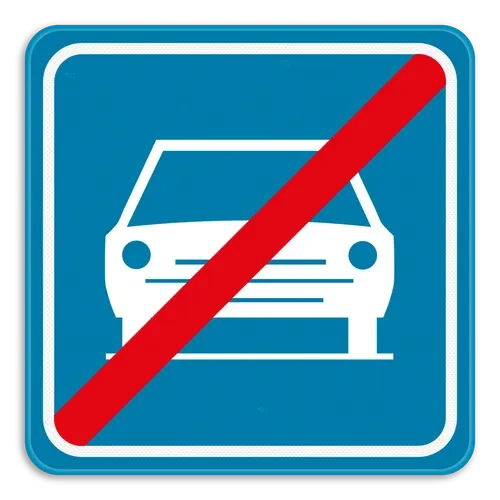
The F11 sign signals the end of a motorroad – know how to react safely.
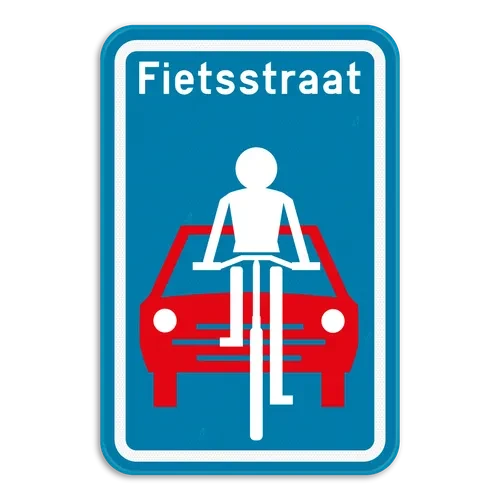
F111 'Cycle street' sign: know when cyclists have priority.
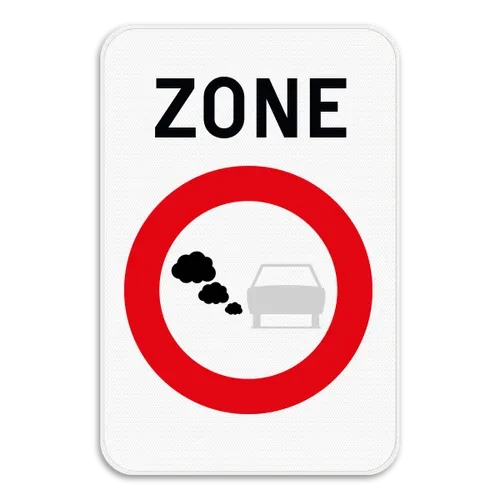
Understand Belgium's 'Start of a Low Emission Zone' F117 Road Sign
Deepen your understanding by exploring how specific road signs dictate right-of-way, speed limits, and safety obligations across Belgian roads. Review these related theory modules to ensure you can confidently identify and apply each sign correctly.
Master Belgian End-of-Restriction Signs for a Confident Drive and Exam Success
Master Belgian Restricted Zones to Drive Safely and Pass Your Exam
Belgian turbo roundabouts, known as 'turborotondes', have a distinct design that enhances safety. This article will guide you through the essential rules, emphasizing the non-negotiable need to select your lane upon approach. Understanding this concept is crucial for both safe driving in Belgium and for passing your theory test.
This article provides a clear, text-only overview of the Belgian motorcycle licence system, detailing the progression from A1 to A2 and finally to the unrestricted A licence. You will learn about the minimum age requirements for each category, the concept of progressive access requiring a two-year experience period, and the exceptions for direct access. Understanding these licensing steps is vital for your motorcycle theory exam preparation in Belgium.
Belgian road sign F4a, titled "Start of a 30 km/h speed zone", belongs to the belgian information and indicatory signs group. It is used to communicate start of a 30 km/h speed zone in a form that drivers can recognise quickly during Belgian theory study and real traffic. The practical task is to connect the sign with road markings, lanes, crossings, services, zones, or route directions in the immediate environment, because the legal effect of a road sign starts from its placement and can be refined by panels, lane markings, traffic lights, or zone signs. For learners, the safest approach is to identify the sign early, say what road users or manoeuvres it affects, and then choose speed, position, and priority behaviour that match the displayed instruction.
Belgian road sign F101a, titled "End of a road or part of a road reserved for pedestrians, cyclists horse riders and drivers of speed pedelecs", belongs to the belgian information and indicatory signs group. It is used to communicate end of a road or part of a road reserved for pedestrians, cyclists horse riders and drivers of speed pedelecs in a form that drivers can recognise quickly during Belgian theory study and real traffic. The practical task is to connect the sign with road markings, lanes, crossings, services, zones, or route directions in the immediate environment, because the legal effect of a road sign starts from its placement and can be refined by panels, lane markings, traffic lights, or zone signs. For learners, the safest approach is to identify the sign early, say what road users or manoeuvres it affects, and then choose speed, position, and priority behaviour that match the displayed instruction.
After reviewing all Belgian road signs, deepen your understanding by exploring specific categories such as warning, regulatory, or prohibitory signs. Practice recognition with targeted quizzes to reinforce learning for a successful theory test.
All Belgian Road Signs List