
This lesson covers the critical operation of pneumatic brake systems in heavy vehicles, focusing on air pressure management and safety compliance. You will learn to monitor system health and react to warning devices, which is essential for passing your Danish Category C theory exam and ensuring safe professional operation.

Lesson content overview
Operating heavy goods vehicles, especially those requiring a Category C licence in Denmark, demands a thorough understanding of advanced vehicle systems. Among the most critical is the pneumatic brake system, which relies on compressed air for its operation. Effective air pressure management is not just about functionality; it is fundamentally about safety, ensuring reliable braking performance under all conditions. This lesson delves into the components, principles, and safety devices that govern air pressure within these vital systems, providing the essential knowledge for preventing brake failure and maintaining optimal control of your heavy vehicle.
This lesson is part of the Complete Danish Heavy Vehicle Theory Course for Category C License. It assumes a basic understanding of general brake system components and their function.
Pneumatic brake systems, commonly known as air brakes, are standard in heavy vehicles due to their robustness and effectiveness in stopping large masses. Unlike hydraulic systems that use fluid pressure, air brakes utilize compressed air to actuate the braking mechanisms at each wheel. This requires a constant supply of pressurized air, meticulously managed to ensure immediate and consistent braking response. The primary goal is to maintain a stable air pressure across the entire braking circuit, preventing both insufficient pressure (which compromises braking power) and overpressure (which can damage components).
A cornerstone of heavy vehicle safety is the redundant braking system. This principle dictates that all heavy vehicles must incorporate at least two independent braking circuits, each capable of bringing the vehicle to a safe stop.
A design feature in heavy vehicles where two or more entirely independent braking circuits are installed. If one circuit fails, the other(s) can still provide sufficient braking force.
The purpose of this redundancy is to provide a critical safeguard against total brake failure. Drivers must not only understand this principle but also be able to detect and respond appropriately if one circuit becomes compromised. This often involves specialized warning systems that alert the driver to pressure loss in any part of the system.
Maintaining precise air pressure relies on several interconnected components, each playing a vital role in compressing, storing, regulating, and monitoring the air supply.
The air compressor is the foundational component of any pneumatic brake system. Its role is to draw in ambient air, compress it to a high pressure, and then deliver this pressurized air into the vehicle's storage tanks.
A mechanical device, typically engine-driven, that compresses atmospheric air to a higher pressure, storing it for use in the vehicle's pneumatic systems, primarily the brakes.
Modern heavy vehicles typically use engine-driven compressors, meaning they are powered by the vehicle's own engine. Some specialized vehicles might use electric or turbo-driven compressors. A functional compressor is non-negotiable for safe operation; it must be capable of maintaining adequate system pressure even under the demanding conditions of heavy braking. If the compressor malfunctions, especially if it fails to build or maintain pressure, the vehicle must be stopped immediately for inspection and repair, as continued driving poses a severe safety risk. A common misconception is that a non-functional compressor is acceptable if the tanks initially show adequate pressure; however, without the compressor, this pressure will deplete, leading to brake failure.
Once compressed, air is stored in air tanks, also known as air reservoirs. These robust containers serve as buffer capacity, ensuring a continuous supply of air even when the compressor cannot keep up with high demand, such as during prolonged or multiple brake applications.
Sturdy storage vessels designed to hold compressed air at high pressure, providing a reserve supply for the brake system and other pneumatic functions.
Heavy vehicles typically employ multiple air tanks, often arranged in a four-tank system for redundancy and to supply different circuits (e.g., primary, secondary, and safety tanks). This distributed storage helps to isolate potential pressure losses and ensures that a failure in one tank does not immediately compromise the entire system.
A critical maintenance requirement for air tanks is regular inspection and draining of accumulated water. Compressed air contains moisture, which can condense into water within the tanks, especially in cooler conditions. If not drained, this water can lead to corrosion inside the tanks, compromising their structural integrity, and can also freeze in cold weather, potentially blocking air lines or damaging valves. According to Danish vehicle inspection rules (Bekendtgørelse om køretøjskontrol), air tanks must be checked for water accumulation and corrosion at regular intervals, typically every 3–6 months, depending on the vehicle type and usage. Failing to check for water is a common oversight that can lead to severe system degradation and eventual brake failure.
The pressure regulator is a crucial safety and control component. Its primary function is to maintain a constant air pressure within a defined operational range, preventing the system pressure from exceeding safe limits while also ensuring sufficient pressure for effective braking.
A valve that automatically controls and maintains a constant output air pressure within a specified range, preventing overpressure in the system.
When the air compressor builds pressure in the tanks, the regulator monitors this pressure. Once the pressure reaches its pre-set maximum (typically around 9 bar for heavy vehicles in Denmark), the regulator will "cut out" the compressor, often by diverting its output to the atmosphere or to an unpressurized return line. When the system pressure drops below a certain threshold due to brake use, the regulator will "cut in" the compressor again, allowing it to refill the tanks.
It is essential that pressure regulators are correctly calibrated and checked regularly. An improperly functioning regulator could allow pressure to rise dangerously high, potentially damaging air lines, valves, and other components. Conversely, a regulator that cuts in too late or cuts out too early could lead to insufficient pressure for safe braking. Overfilling air tanks beyond the regulator's set pressure is strictly prohibited and can cause severe damage.
Air pressure gauges are indispensable instruments that provide the driver with real-time feedback on the current pressure within the air brake system. These gauges are typically located prominently on the vehicle's dashboard, allowing for continuous monitoring.
An instrument that visually displays the current air pressure within one or more circuits of the pneumatic brake system.
Heavy vehicles often have multiple gauges, displaying pressure for different circuits or tanks (e.g., a cumulative gauge showing overall pressure, or individual gauges for primary and secondary circuits). This allows the driver to monitor system pressure continuously and detect any anomalies. Before starting a journey, drivers must ensure the air pressure is within the normal operating range, typically between 5.5 and 7.5 bar for heavy vehicles in Denmark, though this should always be verified against the vehicle's specific manual and local regulations.
Ignoring gauge readings or assuming they are always accurate without regular cross-referencing is a common mistake. A driver must be vigilant, watching for any sudden drops in pressure or readings outside the normal operating range, as these are critical indicators of potential system issues.
Beyond the core components that manage air pressure, specific safety devices are integrated into the system to provide crucial warnings and ensure redundancy, significantly reducing the risk of brake failure.
The low-pressure warning device is a vital safety feature designed to alert the driver immediately when air pressure in any critical circuit falls below a safe operating threshold.
An alarm system (auditory and/or visual) that activates when the air pressure in the brake system drops below a pre-defined safe operating level, typically around 4 bar in Denmark.
This warning system is usually comprised of both an audible alarm (a buzzer or chime) and a visual indicator (a warning light on the dashboard). The purpose is to provide an early warning of potential brake system failure, allowing the driver to intervene promptly. For instance, in Denmark, the low-pressure warning device must trigger at a designated pressure level, often around 4 bar.
If this alarm activates while driving, it indicates a serious problem. The driver must not continue the journey. Instead, they must safely bring the vehicle to a stop as soon as possible and inspect the braking system. Continuing to drive with insufficient air pressure can lead to significantly reduced braking power, increased stopping distances, or even complete brake failure, posing an extreme hazard. It is crucial to understand that the alarm is a safety warning demanding immediate action, not merely a diagnostic tool.
The dual-circuit principle, sometimes expanded to a four-circuit principle in more complex heavy vehicles, is a fundamental safety design for pneumatic brake systems. It involves dividing the brake system into at least two completely independent operational circuits.
A brake system design that incorporates two or more independent hydraulic or pneumatic circuits, each controlling a separate set of wheels. This ensures that if one circuit fails, the other(s) can still provide braking capability.
Common configurations include front/rear wheel distribution, where one circuit controls the front brakes and another controls the rear brakes, or diagonal distribution. The primary benefit is redundancy: if one circuit experiences a pressure loss or component failure, the other circuit(s) remain operational, providing partial braking ability and allowing the driver to safely bring the vehicle to a controlled stop.
Drivers must understand that a failure in one circuit does not mean total brake loss, but it does mean reduced overall braking performance. The low-pressure warning device will typically alert the driver to such a failure, indicating which circuit has lost pressure. Knowledge of this principle and swift, appropriate action upon a warning are crucial for maintaining control and preventing accidents.
Compliance with regulations and diligent maintenance are paramount for the safe operation of heavy vehicles. In Denmark, these aspects are governed by the Danish Road Traffic Act (Færdselsloven) and official vehicle inspection rules (Bekendtgørelse om køretøjskontrol).
Before every journey, a driver must conduct a thorough inspection of the air brake system, including:
During the journey, continuous monitoring of the air pressure gauges is essential. Any significant or rapid drop in pressure, or the activation of the low-pressure warning system, demands immediate attention and a safe stop for inspection.
Regular maintenance goes beyond daily pre-trip checks:
The Danish Road Traffic Act (Færdselsloven) and associated regulations mandate stringent requirements for heavy vehicle brake systems. Key aspects include:
Understanding potential problems and how to react is crucial for driver safety and compliance.
Low air pressure is the most critical issue in an air brake system. It manifests as:
If any of these signs appear, especially the low-pressure warning, the driver must immediately:
Proactive measures significantly reduce the likelihood of air brake system failures:
The demands on an air brake system and its air pressure management can vary significantly depending on external factors and vehicle conditions.
Effective air pressure management is not merely a technical detail; it is a fundamental aspect of operating heavy goods vehicles safely and professionally. For drivers pursuing a Danish Category C licence, a deep understanding of the air compressor, air tanks, pressure regulator, and air pressure gauges is non-negotiable. Equally vital is recognizing the life-saving role of low-pressure warning devices and the dual-circuit braking principle.
By diligently adhering to pre-trip inspections, routine maintenance schedules, and understanding the specific regulations outlined in the Danish Road Traffic Act, you can prevent brake failures, respond appropriately to warnings, and ensure your heavy vehicle remains a safe and reliable mode of transport. Mastering these concepts is key to your success as a professional driver and contributes directly to road safety for everyone.
This lesson covers air pressure management in heavy vehicle pneumatic brake systems for Danish Category C drivers. Key components include the air compressor (engine-driven, builds pressure), air tanks (store compressed air with multiple circuits for redundancy), pressure regulator (maintains safe pressure range typically 5.5-7.5 bar, cuts out at 9 bar), and air pressure gauges for real-time monitoring. Safety devices include low-pressure warning systems that alert drivers at approximately 4 bar and the dual-circuit braking principle ensuring partial braking if one circuit fails. Danish regulations under Færdselsloven require functional safety devices, regular inspections, and prohibit driving with known brake defects. Pre-trip inspections must verify pressure levels, test warning systems, and confirm compressor functionality, while routine maintenance requires draining air tanks every 3-6 months to prevent moisture damage.
A short set of high-value points that capture the most important learning from this lesson.
Pneumatic brake systems use compressed air rather than hydraulic fluid, requiring constant pressure management for reliable braking in heavy vehicles
The dual-circuit braking principle provides redundancy—if one circuit fails, the other maintains partial braking capability to bring the vehicle to a safe stop
Air pressure gauges must show readings within the normal operating range (typically 5.5-7.5 bar) before starting a journey in Denmark
The low-pressure warning device activates around 4 bar and requires immediate safe stopping; continuing to drive is dangerous and illegal
Regular air tank draining (every 3-6 months) prevents moisture corrosion and freezing, which can compromise system integrity
Explore all units and lessons included in this driving theory course.
Air compressor builds and maintains pressure; if it fails to build pressure, stop immediately as the existing pressure will deplete leading to brake failure
Pressure regulator controls compressor cut-out at maximum pressure (typically 9 bar) and cut-in when pressure drops, preventing overpressure damage
Multiple air tanks distributed across circuits isolate potential pressure losses so one failure does not immediately compromise the entire system
Pre-trip checks must verify gauge readings, test low-pressure warning devices, and confirm compressor auto-engagement
Heavier loads and mountainous terrain place higher demands on the air system, requiring extra vigilance with pressure monitoring
Assuming initial pressure in tanks is sufficient and ignoring compressor malfunction—this pressure will deplete during use
Failing to drain air tanks regularly, leading to water accumulation that causes corrosion or ice blockages in cold weather
Ignoring gauge readings outside normal range or assuming gauges are always accurate without cross-referencing system behavior
Continuing to drive after low-pressure warning activation instead of stopping immediately for inspection
Neglecting to test the low-pressure warning device during pre-trip checks, leaving a critical safety feature unverified
Lesson content overview
A short set of high-value points that capture the most important learning from this lesson.
Pneumatic brake systems use compressed air rather than hydraulic fluid, requiring constant pressure management for reliable braking in heavy vehicles
The dual-circuit braking principle provides redundancy—if one circuit fails, the other maintains partial braking capability to bring the vehicle to a safe stop
Air pressure gauges must show readings within the normal operating range (typically 5.5-7.5 bar) before starting a journey in Denmark
The low-pressure warning device activates around 4 bar and requires immediate safe stopping; continuing to drive is dangerous and illegal
Regular air tank draining (every 3-6 months) prevents moisture corrosion and freezing, which can compromise system integrity
Explore all units and lessons included in this driving theory course.
Air compressor builds and maintains pressure; if it fails to build pressure, stop immediately as the existing pressure will deplete leading to brake failure
Pressure regulator controls compressor cut-out at maximum pressure (typically 9 bar) and cut-in when pressure drops, preventing overpressure damage
Multiple air tanks distributed across circuits isolate potential pressure losses so one failure does not immediately compromise the entire system
Pre-trip checks must verify gauge readings, test low-pressure warning devices, and confirm compressor auto-engagement
Heavier loads and mountainous terrain place higher demands on the air system, requiring extra vigilance with pressure monitoring
Assuming initial pressure in tanks is sufficient and ignoring compressor malfunction—this pressure will deplete during use
Failing to drain air tanks regularly, leading to water accumulation that causes corrosion or ice blockages in cold weather
Ignoring gauge readings outside normal range or assuming gauges are always accurate without cross-referencing system behavior
Continuing to drive after low-pressure warning activation instead of stopping immediately for inspection
Neglecting to test the low-pressure warning device during pre-trip checks, leaving a critical safety feature unverified
Explore search topics learners often look for when studying Air Pressure Management and Safety Devices. These topics reflect common questions about road rules, driving situations, safety guidance, and lesson level theory preparation for learners in Denmark.
Browse additional driving theory lessons that cover connected traffic rules, road signs, and common driving situations related to this topic. Improve your understanding of how different rules interact across everyday traffic scenarios.
Understand the critical safety devices in heavy vehicle air brake systems, including low-pressure warnings and dual-circuit principles. Essential knowledge for ensuring roadworthiness and safe operation in Denmark.

This lesson introduces the primary components of heavy vehicle braking systems, distinguishing between service, parking, and auxiliary brakes like retarders. It explains the mechanical and pneumatic principles behind how these systems operate to safely slow and stop a large vehicle. Understanding the function of each component is essential for proper use, maintenance, and compliance with Danish braking regulations.

Beyond basic checks, this lesson covers the inspection of critical vehicle systems like brakes, steering, and suspension to ensure they are functioning correctly. It also details the importance of properly adjusted mirrors and the use of modern camera systems for monitoring blind spots and enhancing situational awareness. Understanding these systems is vital for safe maneuvering, compliance with Danish regulations, and overall vehicle roadworthiness.

This lesson teaches the proper application of auxiliary speed control devices, such as retarders and engine brakes. It focuses on their use for maintaining a safe, controlled speed on long downhill gradients, which helps prevent service brake overheating and fade. The content also covers Danish regulations related to these systems and their benefits for reducing brake wear and improving overall safety.
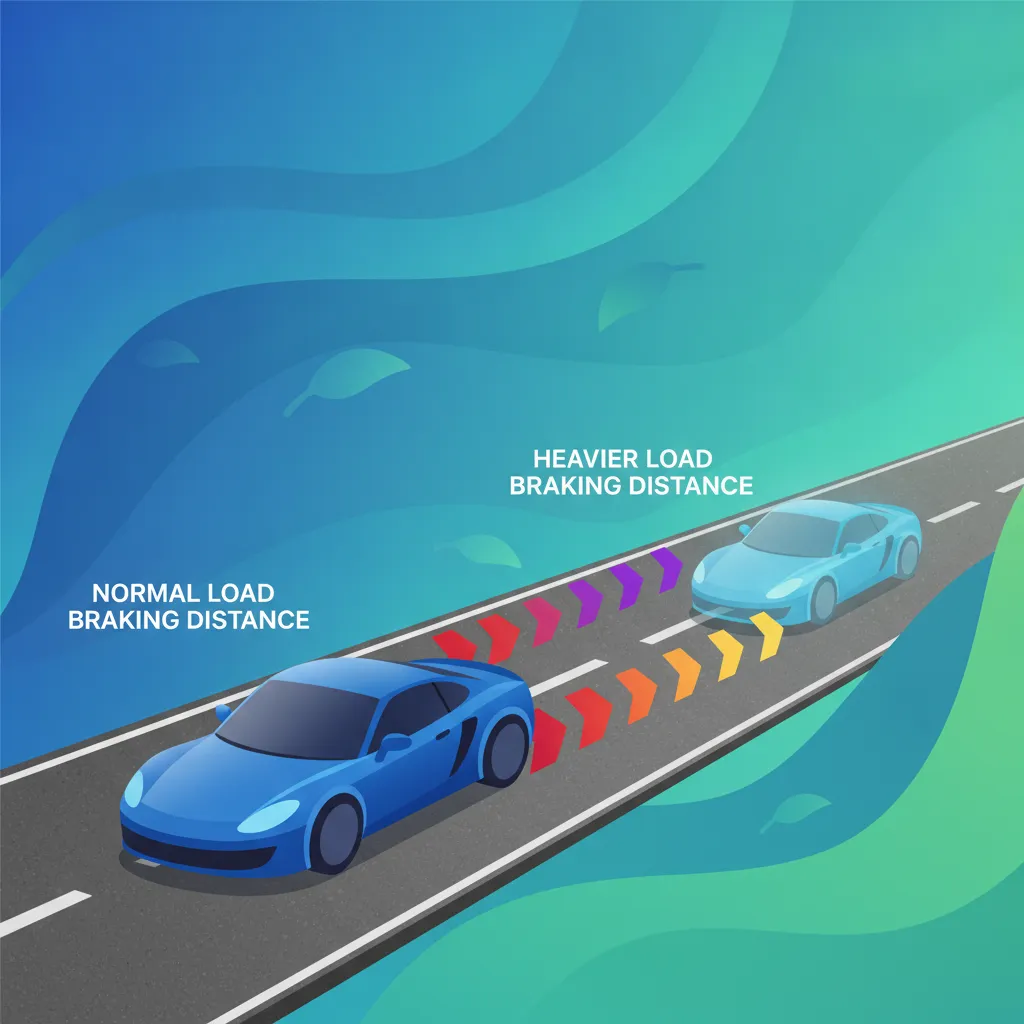
This lesson explores the direct relationship between a vehicle's mass, its speed, and the distance required to stop. It explains how increased load significantly lengthens the braking distance and details how road conditions like gradient and surface friction further affect this calculation. Learners will understand the importance of anticipating stops and maintaining a greater following distance to ensure safety.
This lesson provides a clear, safety-oriented protocol for handling a vehicle breakdown or tyre failure. It covers how to safely maneuver the vehicle to the roadside, the correct use of hazard lights and warning triangles to alert other traffic, and procedures for contacting assistance. Adhering to these steps, as required by Danish law, is critical for protecting yourself and other road users from further incident.

Properly functioning lighting and signaling systems are fundamental for safe communication on the road. This lesson details the purpose and correct use of all exterior lights, including headlights, brake lights, turn signals, and hazard lights, according to Danish law. It emphasizes the driver's responsibility to ensure these systems are clean and operational to maintain visibility and clearly signal maneuvers to other road users.
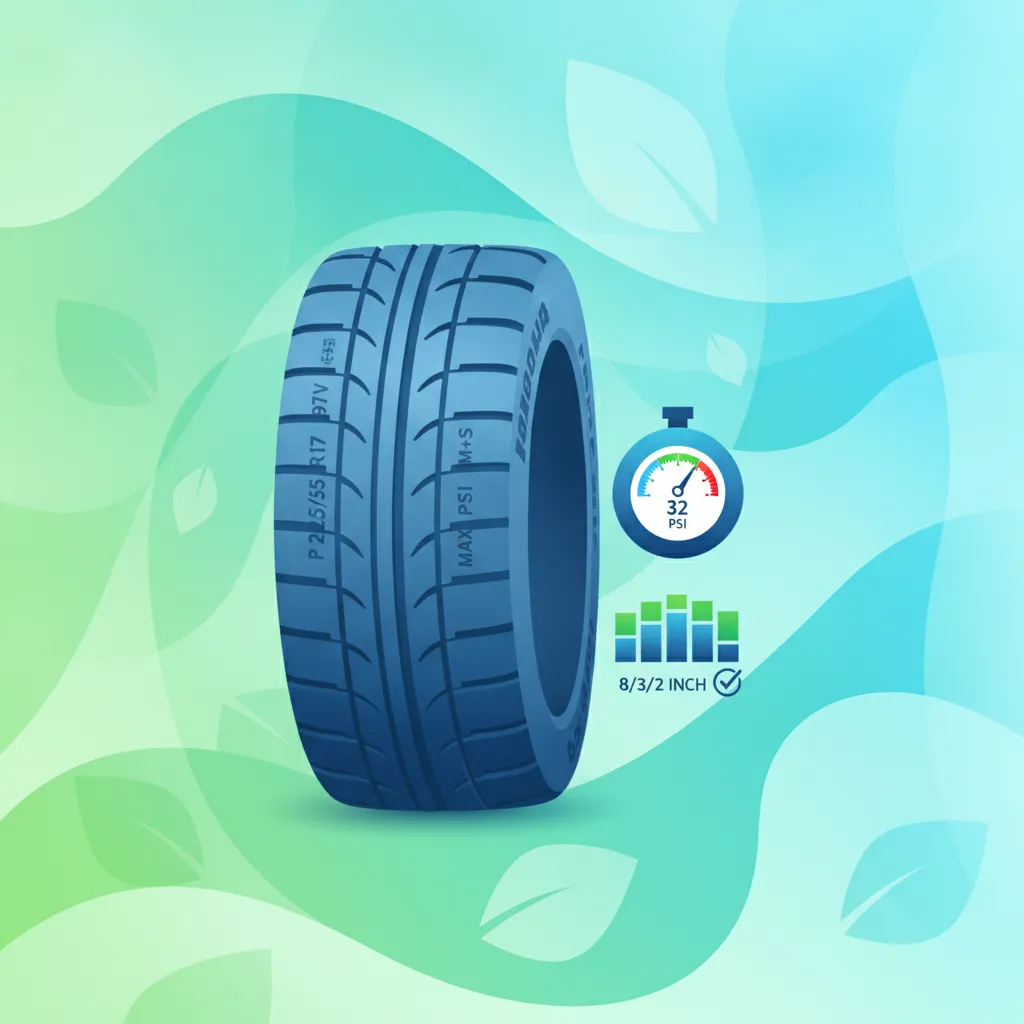
This lesson provides essential knowledge on tyre maintenance, a critical aspect of heavy vehicle safety and efficiency. It covers how to check for correct tyre pressure, assess wear patterns, and understand technical specifications like load and speed ratings. Learners will become familiar with the legal requirements for tread depth in Denmark and recognize how heavy loads impact tyre condition and overall vehicle performance.
Learn about the essential components of heavy vehicle air brake systems like compressors, air tanks, and regulators. Understand their functions for maintaining safe air pressure for the Danish C license.
This lesson introduces the primary components of heavy vehicle braking systems, distinguishing between service, parking, and auxiliary brakes like retarders. It explains the mechanical and pneumatic principles behind how these systems operate to safely slow and stop a large vehicle. Understanding the function of each component is essential for proper use, maintenance, and compliance with Danish braking regulations.
This lesson teaches the proper application of auxiliary speed control devices, such as retarders and engine brakes. It focuses on their use for maintaining a safe, controlled speed on long downhill gradients, which helps prevent service brake overheating and fade. The content also covers Danish regulations related to these systems and their benefits for reducing brake wear and improving overall safety.
Beyond basic checks, this lesson covers the inspection of critical vehicle systems like brakes, steering, and suspension to ensure they are functioning correctly. It also details the importance of properly adjusted mirrors and the use of modern camera systems for monitoring blind spots and enhancing situational awareness. Understanding these systems is vital for safe maneuvering, compliance with Danish regulations, and overall vehicle roadworthiness.
This lesson explores the direct relationship between a vehicle's mass, its speed, and the distance required to stop. It explains how increased load significantly lengthens the braking distance and details how road conditions like gradient and surface friction further affect this calculation. Learners will understand the importance of anticipating stops and maintaining a greater following distance to ensure safety.

Proper axle load distribution is crucial for the safety and legality of heavy vehicle operations. This lesson explains how axle pressure is defined and regulated, highlighting the importance of distributing weight correctly across all axles. It covers how imbalanced loads can negatively affect braking performance, steering control, and overall vehicle stability, while also explaining the Danish regulations for maximum axle loads.
This lesson provides essential knowledge on tyre maintenance, a critical aspect of heavy vehicle safety and efficiency. It covers how to check for correct tyre pressure, assess wear patterns, and understand technical specifications like load and speed ratings. Learners will become familiar with the legal requirements for tread depth in Denmark and recognize how heavy loads impact tyre condition and overall vehicle performance.

This lesson focuses on the rules and best practices for operating heavy vehicles on motorways and interchanges. It details Danish regulations regarding lane usage and speed limits for lorries, and explains safe techniques for merging into and exiting high-speed traffic. Maintaining a safe and appropriate following distance to allow for longer stopping distances is a key focus of the content.

Operating a heavy goods vehicle comes with heightened professional and legal responsibilities. This lesson examines the driver's duties regarding pre-trip inspections, load security, and continuous vehicle maintenance. It emphasizes the ethical obligation to protect vulnerable road users like cyclists and pedestrians, and stresses the importance of maintaining professional conduct and adhering to all traffic regulations to ensure road safety.
This lesson provides a clear, safety-oriented protocol for handling a vehicle breakdown or tyre failure. It covers how to safely maneuver the vehicle to the roadside, the correct use of hazard lights and warning triangles to alert other traffic, and procedures for contacting assistance. Adhering to these steps, as required by Danish law, is critical for protecting yourself and other road users from further incident.
Find clear answers to common questions learners have about Air Pressure Management and Safety Devices. Learn how the lesson is structured, which driving theory objectives it supports, and how it fits into the overall learning path of units and curriculum progression in Denmark. These explanations help you understand key concepts, lesson flow, and exam focused study goals.
If pressure drops, the safety devices will trigger a visual or audible alarm. You must immediately pull over in a safe location, as your braking efficiency is compromised and it is illegal and dangerous to continue driving the vehicle.
You must check your air pressure gauges during your daily pre-trip inspection and monitor them continuously while driving to ensure they stay within the manufacturer's specified operating range.
Yes, technical questions regarding vehicle systems, including brakes and air pressure maintenance, are a standard part of the heavy vehicle theory curriculum to ensure you can safely manage the vehicle's roadworthiness.
The compressor maintains the necessary air volume and pressure in the tanks to operate the service brakes. Without it, the system cannot generate the force needed to stop the heavy vehicle reliably.
Use our powerful search tool to pinpoint specific Danish driving theory topics, road signs, or traffic situations you need to review. Start exploring relevant practice sets now to reinforce your knowledge and build confidence for your upcoming driving licence exam.