
This lesson provides a comprehensive overview of the administrative path to obtaining your Category B driving licence in France. You will learn the essential steps to get your NEPH number and understand the distinct requirements for both traditional driving school students and independent candidat libre learners.

Lesson content overview
The French driving licence system, governed by the official Code de la route (Road Traffic Act), is a highly structured process designed to ensure that all road users meet strict safety, theoretical, and practical standards. For most aspiring drivers, the journey begins with obtaining the Category B licence—known locally as the Permis B. This licence authorises you to drive standard passenger cars and light commercial vehicles (vans) weighing up to 3.5 tonnes, which may also tow a light trailer of up to 750 kg (or more, under specific combined weight limits).
Earning your Permis B requires completing a set of administrative and educational milestones. This lesson provides an exhaustive guide to the entire French licensing framework, covering everything from initial registration to the final practical exam.
The French licensing path separates theoretical mastery from practical vehicle operation. You cannot simply book a driving test; you must systematically prove your understanding of the rules of the road before you are allowed to be evaluated behind the wheel.
This process is built on two distinct exam phases:
Before taking any exam or even registering for a formal test date, every candidate in France must obtain a unique identification number known as the NEPH (Numéro d'Enregistrement Préfectoral d'Habilitation).
The NEPH is a unique, 12-digit alphanumeric identifier issued by the French prefecture via the ANTS online portal. It serves as your candidate profile number throughout your driving education and eventually becomes your permanent driver's licence number once you pass the exams.
The NEPH tracks your entire driving history in France. If you fail an exam, change driving schools, or move to another department (administrative region), your NEPH remains the same. Because it is a permanent administrative record, entering your NEPH incorrectly on registration forms or exam bookings will lead to immediate cancellation of your test session or severe administrative delays.
The 12 digits of your NEPH are not random. They correspond to specific administrative metadata:
Do not confuse your NEPH with other numbers. It is distinct from your French National Insurance number (Sécurité Sociale) or your vehicle's registration plate number (Immatriculation). Always double-check each digit when booking an exam.
All administrative driver procedures in France are centralised on the ANTS (Agence Nationale des Titres Sécurisés) digital platform.
Create an ANTS Account: Visit the official ANTS website and register using your personal details or log in via the secure French identity portal, FranceConnect.
Start a New Application: Select "Demander un permis de conduire" (Request a driving licence) to begin the registration dossier.
Upload Supporting Documents: Scan and upload clear, high-resolution digital copies of your proof of identity, recent proof of residence, a digital photo-signature, and any required medical certs.
Submit and Track: Review the dossier and submit. The prefecture will process the file, which typically takes between 2 to 6 weeks. Once approved, your NEPH will be visible in your ANTS dashboard.
France offers flexibility in how you prepare for your theoretical and practical exams. Candidates can choose between enrolling in a traditional commercial driving school or register independently as a "free candidate".
Enrolling in an accredited commercial driving school (auto-école) is the most common path. In this setup, the school acts as your administrative representative. They will submit your NEPH application, organize your theoretical training, coordinate your minimum required practical hours (typically at least 20 hours for a manual vehicle), and book your practical test slot with the regional prefecture examiners.
If you choose the driving school path, ensure the institution is officially accredited by the Ministry of Transport and possesses a valid agrément (license to operate). Unlicensed schools cannot legally secure official exam slots for you.
The Candidat Libre pathway allows you to self-register for both the ETG and the practical driving test. You study the theory independently using specialized materials, and you book your ETG directly with state-approved private testing providers (such as La Poste, SGS Objectif Code, Dekra, or Pointcode) for a standard state-regulated fee of €30.
You cannot obtain a Category B licence in France without meeting precise age and physical health benchmarks. These criteria are strictly enforced to preserve public road safety.
| Licence Milestone | Minimum Age Required | Notes / Context |
|---|---|---|
| ETG Theory Registration | 17 years and 6 months | You can study earlier, but cannot sit the official exam before this age limit. |
| Practical Driving Exam | 18 years old | Even if you pass the ETG at 17.5, you must wait until your 18th birthday to take the road test. |
| Conduite Accompagnée (AAC) | 15 years old | An exceptional early-learning track with supervised family driving. |
Driving requires high levels of sensory perception. To qualify for a Category B licence, you must meet the following minimum physical criteria:
To register on the ANTS portal and secure your NEPH, you must prepare a specific set of supporting documents. Incomplete or expired files will result in your application being rejected by the prefecture.
To avoid legal penalties and administrative rejections, you must adhere strictly to the procedural flow dictated by the Code de la route.
The French licence system operates on a linear chain of requirements. Skipping steps or ignoring legal guidelines breaks this chain and stalls your progression.
[Gather Documents & ID] ──> [Apply for NEPH via ANTS] ──> [Pass ETG Theory Exam] ──> [Complete Practical Driving Hours] ──> [Pass Practical Road Test] ──> [Permis B Issued]
Rule Statement: Candidates must possess an active, valid NEPH before they can register for or sit the ETG theory exam.
Rule Statement: A candidate must pass the ETG theory exam before they can book or take the practical driving exam.
The administrative steps required to get your license in France are strict. Small mistakes can cause long delays.
Many candidates assume that simply starting their ANTS profile allows them to book their theory exam immediately. Private exam centers (like La Poste or SGS) run automated checks against the state database. If your NEPH is still pending approval, your booking will be blocked. Always wait for your ANTS file status to change to Validé (Validated).
The prefecture requires proof of address that is less than 6 months old. Submitting a utility bill from the previous year is one of the most common causes of dossier rejection. This resets your processing time, meaning you may have to wait several more weeks for your NEPH.
If you are already registered with an auto-école but decide to switch to self-study as a candidat libre, do not create a new ANTS account or request a new NEPH. Your NEPH is yours for life. Creating a duplicate profile causes conflicting database entries, which requires manual administrative intervention from the prefecture to resolve. Instead, simply retrieve your existing NEPH from your previous school or your ANTS account.
If you wear contact lenses during your practical driving test but your administrative dossier states you do not require correction, or vice versa, the examiner may refuse to conduct the test. Ensure your health declarations match your physical reality on the day of the exam.
To complete your Category B journey successfully, keep this administrative checklist in mind:
This lesson covers the complete administrative framework for obtaining a French Category B (Permis B) licence, from securing your unique 12-digit NEPH number through the ANTS portal to choosing between traditional auto-école enrollment or independent candidat libre study. Key milestones include the mandatory ETG theory exam (minimum 35/40 correct answers) and the practical road test, with strict age requirements of 17 years 6 months for theory and 18 years for practical driving. The lesson details precise physical health standards including minimum 5/10 binocular visual acuity and explains the Code 01 corrective lens restriction. Common pitfalls such as duplicate NEPH registrations, expired address proofs, and incorrect vision declarations are highlighted with practical scenarios to help learners avoid administrative delays.
A short set of high-value points that capture the most important learning from this lesson.
The NEPH is your permanent 12-digit candidate identifier issued by the prefecture via ANTS that tracks your entire French driving history
You must pass the ETG theory exam before you are eligible to book or take the practical driving test
France offers two pathways: enrolling at an accredited auto-école or registering independently as a candidat libre for both exams
Minimum age for ETG registration is 17 years 6 months; practical exam requires turning 18 years old
Your NEPH remains valid for life and across all administrative changes, so never request a duplicate
Explore all units and lessons included in this driving theory course.
NEPH structure: digits 1-2 are year, digits 3-4 are month, digits 5-6 are department code, digits 7-12 are sequential tracking numbers
Visual acuity must reach 5/10 binocular vision, and if you need corrective lenses, Code 01 restriction is placed on your licence
Required ANTS documents include valid ID, proof of residence under 6 months old, digital photo-signature code, and JDC certificate for French citizens under 25
ETG pass remains valid for 5 years and allows up to 5 practical test attempts
Code 01 restriction means you are legally required to wear corrective lenses whenever driving
Attempting to book the ETG exam before ANTS approval arrives, as private testing centers automatically verify NEPH status in the state database
Submitting expired proof of residence documents (older than 6 months), which is one of the most common causes of NEPH application rejection
Creating a duplicate ANTS account when switching from auto-école to candidat libre, causing conflicting database entries that require manual prefecture resolution
Mismatching vision correction declarations between administrative forms and actual physical reality on exam day, which can lead to test refusal
Assuming ETG and practical exams can be booked simultaneously; the linear prerequisite chain must be followed
Lesson content overview
A short set of high-value points that capture the most important learning from this lesson.
The NEPH is your permanent 12-digit candidate identifier issued by the prefecture via ANTS that tracks your entire French driving history
You must pass the ETG theory exam before you are eligible to book or take the practical driving test
France offers two pathways: enrolling at an accredited auto-école or registering independently as a candidat libre for both exams
Minimum age for ETG registration is 17 years 6 months; practical exam requires turning 18 years old
Your NEPH remains valid for life and across all administrative changes, so never request a duplicate
Explore all units and lessons included in this driving theory course.
NEPH structure: digits 1-2 are year, digits 3-4 are month, digits 5-6 are department code, digits 7-12 are sequential tracking numbers
Visual acuity must reach 5/10 binocular vision, and if you need corrective lenses, Code 01 restriction is placed on your licence
Required ANTS documents include valid ID, proof of residence under 6 months old, digital photo-signature code, and JDC certificate for French citizens under 25
ETG pass remains valid for 5 years and allows up to 5 practical test attempts
Code 01 restriction means you are legally required to wear corrective lenses whenever driving
Attempting to book the ETG exam before ANTS approval arrives, as private testing centers automatically verify NEPH status in the state database
Submitting expired proof of residence documents (older than 6 months), which is one of the most common causes of NEPH application rejection
Creating a duplicate ANTS account when switching from auto-école to candidat libre, causing conflicting database entries that require manual prefecture resolution
Mismatching vision correction declarations between administrative forms and actual physical reality on exam day, which can lead to test refusal
Assuming ETG and practical exams can be booked simultaneously; the linear prerequisite chain must be followed
Explore search topics learners often look for when studying Overview of the French Licence System. These topics reflect common questions about road rules, driving situations, safety guidance, and lesson level theory preparation for learners in France.
Browse additional driving theory lessons that cover connected traffic rules, road signs, and common driving situations related to this topic. Improve your understanding of how different rules interact across everyday traffic scenarios.
Learn about the legal obligations for Category B drivers in France, including vehicle registration, driver documentation, and managing penalty points. This overview covers the essential administrative framework beyond obtaining your licence to ensure you remain compliant with French road laws throughout your driving career.
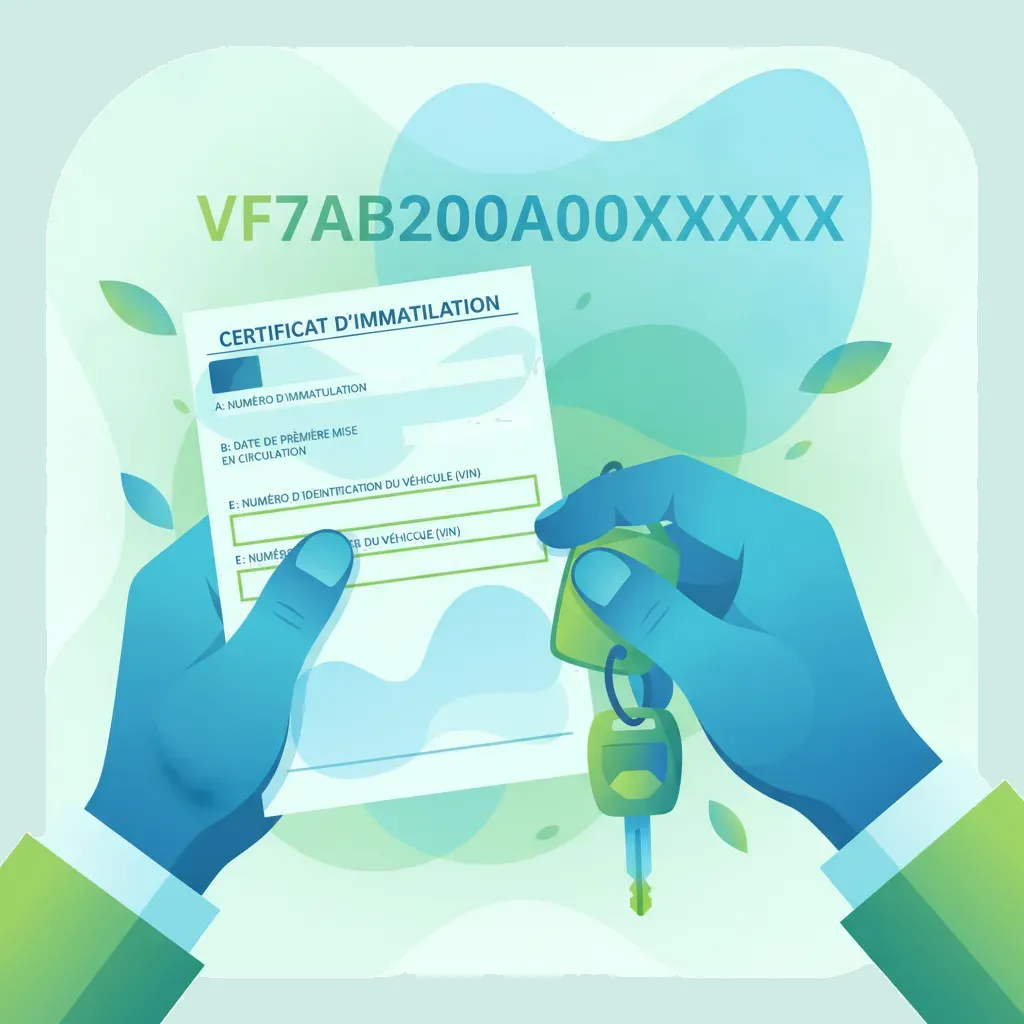
Every driver in France must be able to present official, up-to-date documentation during routine roadside police checks. This lesson details the certificat d'immatriculation (commonly known as the carte grise), valid insurance documents, and the Crit'Air environmental vignette required in low-emission zones. It explains how to complete transfers of ownership and update addresses using the official ANTS digital portal.

In this lesson, drivers will learn about the mandatory documentation required for operating a goods vehicle in France. The content covers the NEPH number needed for licence applications, vehicle registration certificates (carte grise), and proof of insurance. Learners will also explore the technical inspection process, load and customs documentation for cross-border transport, and the importance of maintaining an up-to-date driver logbook.
This lesson provides a comprehensive breakdown of the mandatory paperwork required to legally operate a motorcycle in France. It covers the exact details of obtaining the vehicle registration document, known as the carte grise, and securing the mandatory civil liability insurance. Additionally, you will learn how to properly display the green insurance certificate and understand the serious penalties for driving without proper coverage.

This lesson addresses the procedures and expectations when professional drivers encounter law enforcement or customs officials in France. Topics include the types of checks that may be performed, required documentation, rights and obligations of drivers, and the consequences of non-compliance. Learners will be guided on best practices for interacting with authorities, emphasizing cooperation, transparency, and the importance of maintaining valid and up-to-date documents for both the vehicle and driver.
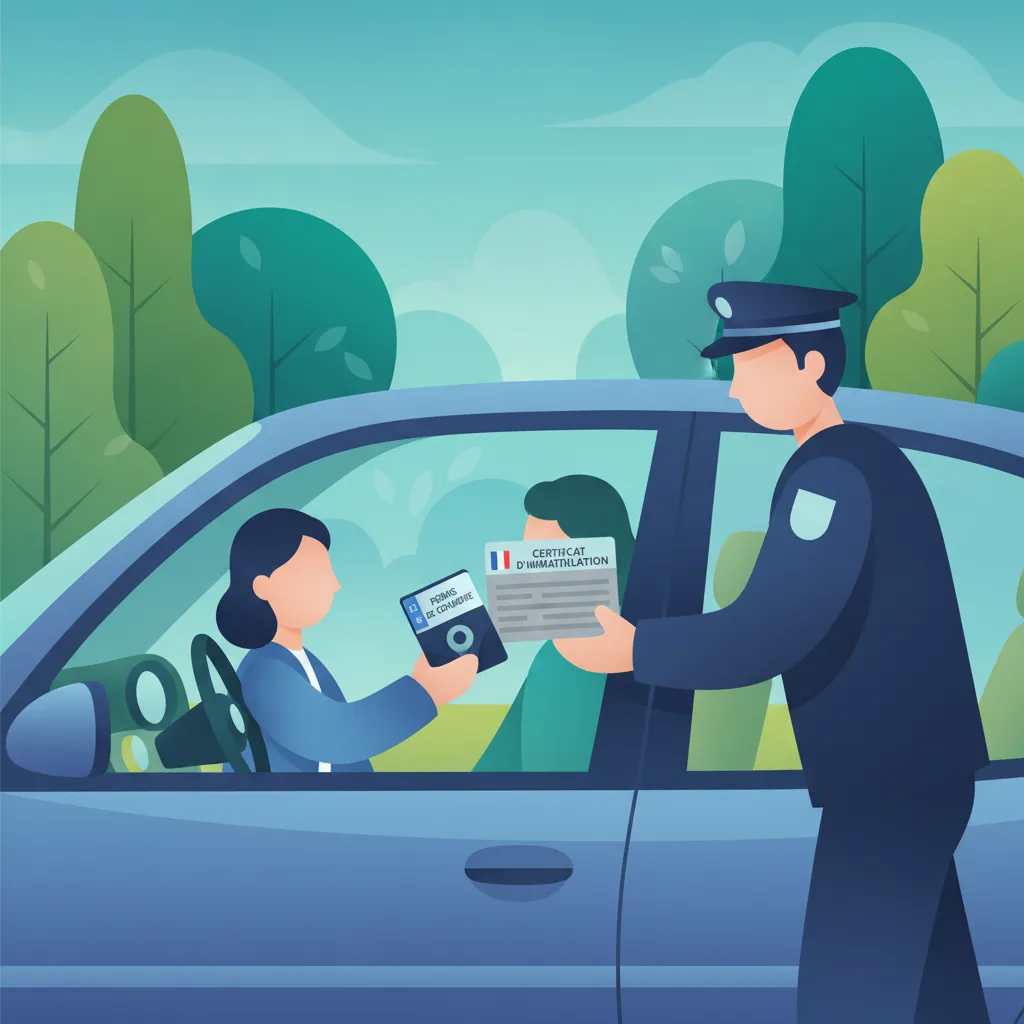
This lesson explains the critical documentation required to be kept onboard every passenger vehicle under French and European transport regulations. Learners will explore requirements for passenger manifests, insurance policies, valid transport permits, and official logbooks like the chronotachygraphe. Crucially, the lesson covers proper procedures for presenting these documents during routine roadside inspections by French law enforcement agencies.

Operating a passenger vehicle in France requires strict compliance with dynamic safety laws and maintenance rules. This lesson explains your duty of care toward other road users, mandatory child restraint and seatbelt laws, and strict prohibitions on phone use while driving. You will also learn about the required periodic technical vehicle inspections (controle technique) and third-party insurance mandates.

This lesson outlines the complete administrative process required to obtain an AM licence, from acquiring a NEPH number through the ANTS portal to registering for the theoretical exam. Learners will gain insight into the necessary documentation, the role of France Titres in the licence issuance, and the legal obligations that accompany licence acquisition. Understanding this framework ensures that candidates are prepared for both the procedural and legal aspects of becoming licensed AM drivers in France.
Explore the foundational structure of the Épreuve Théorique Générale required for your Category B licence. This guide explains the key theoretical topics, from road sign recognition and traffic rules to driver psychology and environmental awareness, helping you build a solid understanding of the official French Code de la route.

Driving safely involves a mutual social contract based on courtesy, safety awareness, and active risk mitigation. This lesson discusses the principles of defensive driving, prioritizing vulnerable road users like cyclists and pedestrians, and managing driver stress. It also highlights eco-driving strategies that help reduce fuel consumption and environmental emissions, fostering safer and cleaner shared roads.

Proactive drivers scan the road constantly, detecting potential dangers before they turn into real-world emergency situations. This lesson teaches scanning techniques, the use of rear-view mirrors, and the interpretation of visual cues from other road users. You will learn to anticipate hazards like child play near roads, merging vehicles, and sudden lane changes, helping you drive defensively.
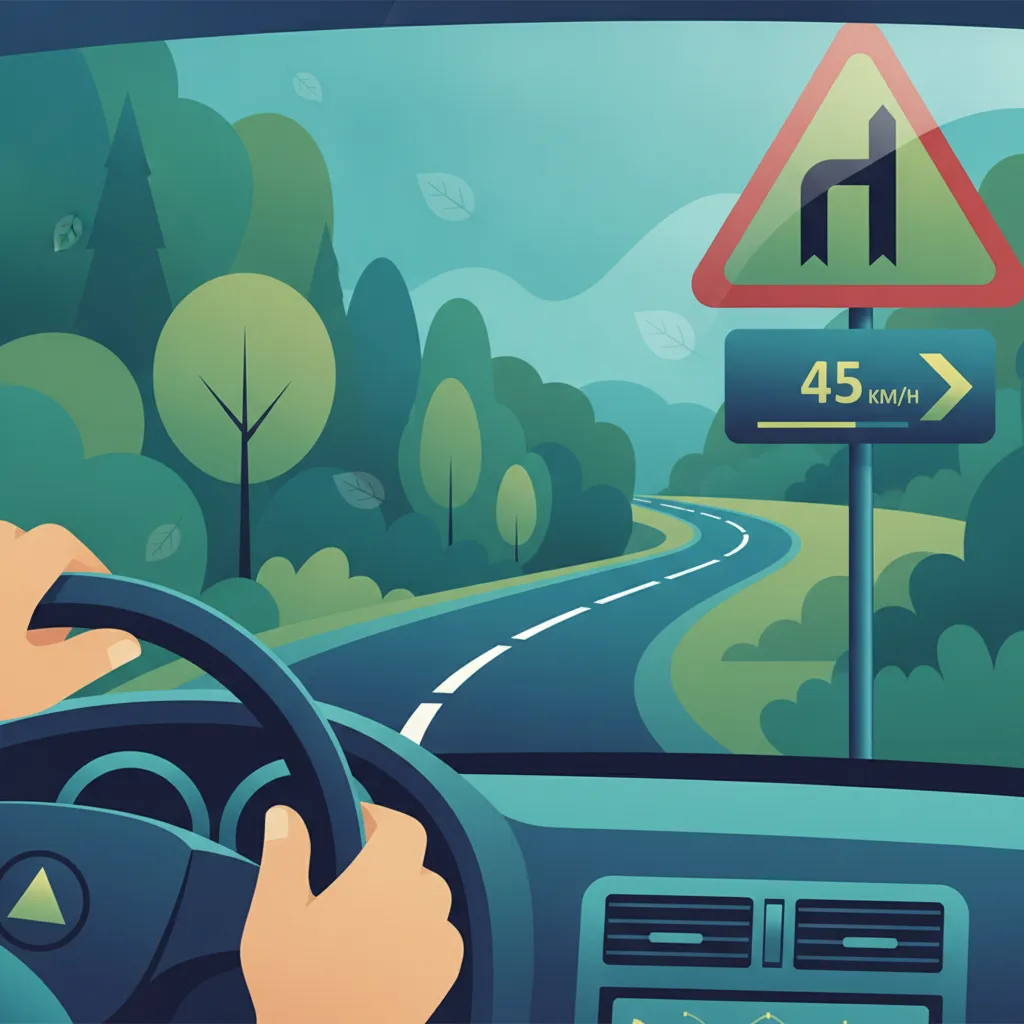
The legal speed limit is a maximum threshold, not a target speed that is always safe to maintain. This lesson teaches you how to select an appropriate, safe speed based on visibility, traffic congestion, and road topography. You will learn how to negotiate blind turns, approach summits with caution, and reduce speeds in heavy traffic to ensure you always maintain complete control of your vehicle.

Fatigue and digital distractions are primary causes of motorway collisions, leading to severe lack of reaction time. This lesson teaches you to recognize early signs of drowsiness, such as heavy eyelids, frequent yawning, and wandering thoughts. It also highlights the strict bans on hand-held phone use or earphone kits, explaining the points penalties and safety risks associated with distracted driving.
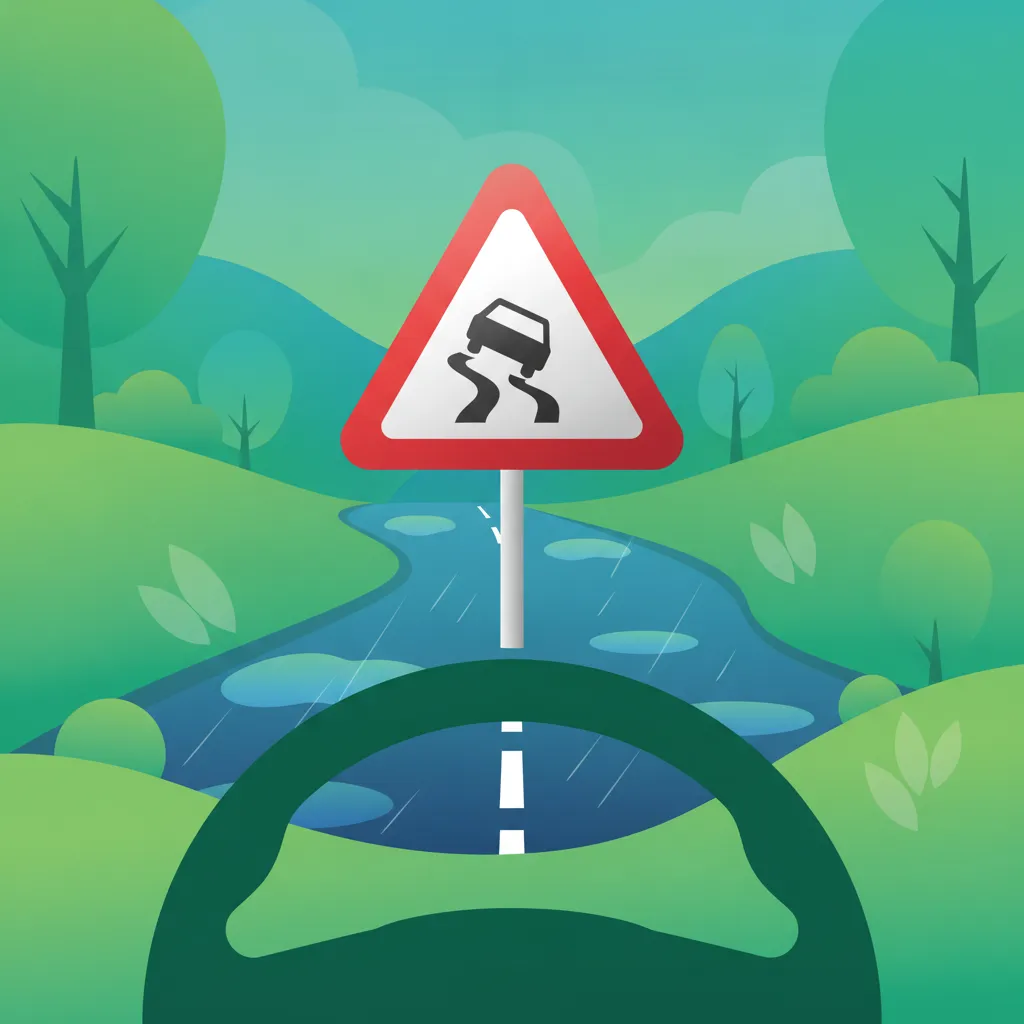
Warning signs on French roads are triangular with a red border, designed to alert drivers to upcoming dangers. This lesson teaches you how to interpret warnings for sharp curves, slippery surfaces, narrowing lanes, and wildlife or animal crossing hazards. You will understand the safety adjustments needed when approaching school zones, active roadworks, or crossings where vulnerable pedestrians are present.
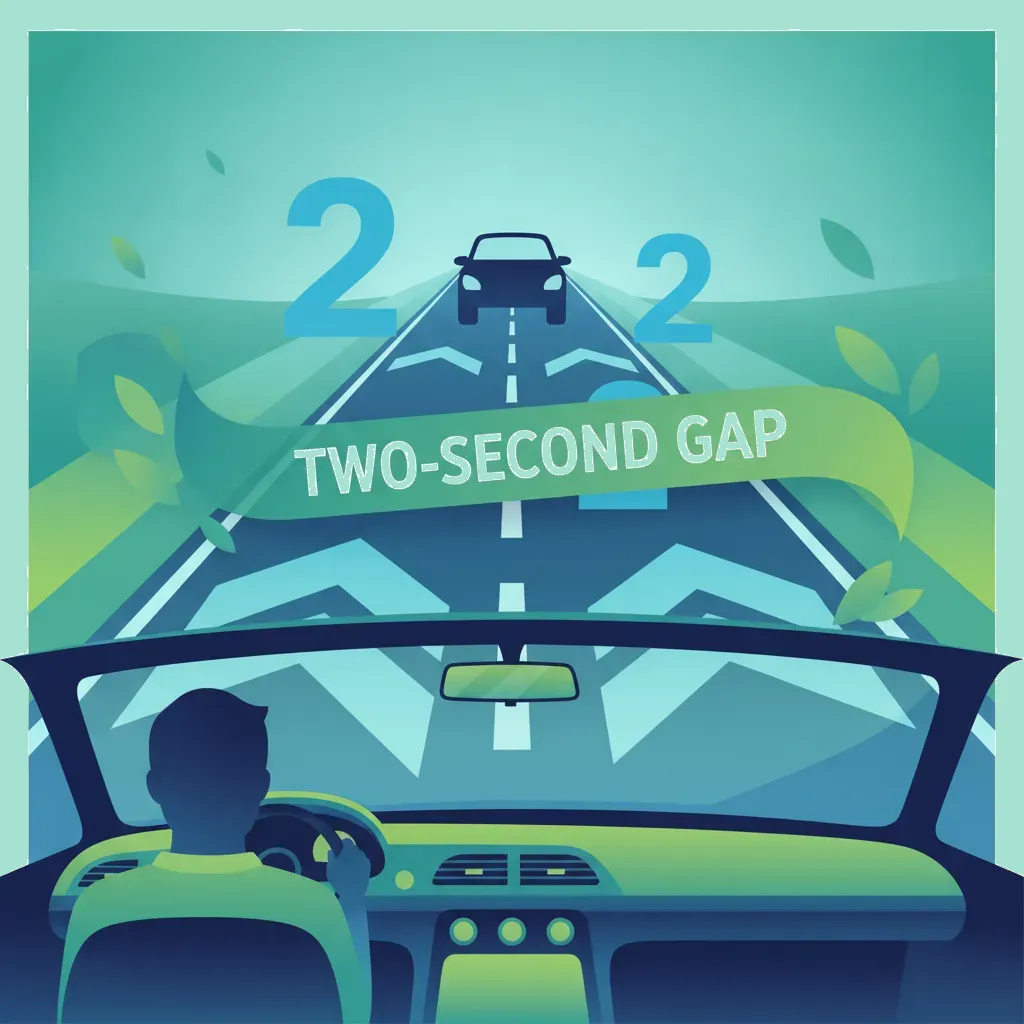
Maintaining a safe distance behind the lead vehicle is essential to prevent rear-end collisions during sudden braking maneuvers. This lesson teaches you the two-second safety rule and how to calculate this gap at different highway speeds. You will also study unique safety margin requirements, such as maintaining minimum distance intervals in road tunnels or doubling your following distance on wet roads.

French motorways (autoroutes) are fast, controlled-access roads with unique laws regulating lane discipline and emergencies. This lesson teaches standard lane-use: cruising in the right lane and reserving the middle or left lanes exclusively for passing. You will study emergency procedures, the use of orange emergency call boxes, safety barrier rules, and navigating toll booths (peages) safely.

Driving at night introduces serious safety challenges, such as reduced visual range, headlight glare, and fatigue. This lesson explains how to correctly transition from high beams to low beams to avoid blinding oncoming traffic. You will learn to look toward the right-side edge line to minimize headlight glare and recognize signs of visual tiredness that necessitate immediate rest breaks.

The physical composition of a road surface directly influences vehicle traction, braking performance, and tyre wear. This lesson explains how asphalt, cobblestones, and gravel impact your vehicle's handling, especially during wet or icy conditions. You will learn to recognize reduced friction signs, manage tyre adhesion, and adjust your speed to ensure stability and control on all road types.

Rural roads account for a high percentage of severe accidents due to narrow widths, winding geometries, and sudden hazards. This lesson teaches strategies for negotiating sharp bends, handling agricultural machinery, and reacting to wildlife warning signs. You will learn to manage your vehicle's lane placement on roads with soft shoulders and understand speed limits on rural networks.
Find clear answers to common questions learners have about Overview of the French Licence System. Learn how the lesson is structured, which driving theory objectives it supports, and how it fits into the overall learning path of units and curriculum progression in France. These explanations help you understand key concepts, lesson flow, and exam focused study goals.
The NEPH (Numéro d'Enregistrement Préfectoral Harmonisé) is your unique 12-digit identification number required for all driving licence procedures in France. You must have this number to register for the ETG theory exam and the practical driving test.
Yes, France allows you to register for the ETG exam independently as a candidat libre. You will need to manage your own registration via the ANTS website and book your theory exam through an approved private examination center.
You can begin learning to drive and preparing for the theory exam as early as 15 years old if participating in the early learning program (conduite accompagnée), or 17 years old for the standard Category B pathway.
The Category B licence specifically authorizes you to drive light vehicles with a total authorized mass (PTAC) not exceeding 3.5 tonnes, intended for the transport of people or goods, and not carrying more than 8 passengers.
Ready to focus your study? Use the practice search to find exactly the French driving theory questions you need for the Code de la route and permis de conduire ETG. Refine your knowledge on specific topics or challenging rules to boost your confidence and exam readiness.