
This lesson guides you through the essential skills needed to maintain a safe, calm environment on board passenger vehicles. You will learn how to address behavioral challenges, enforce safety protocols like seatbelt use, and maintain professional standards required for category D and D1 professional drivers.
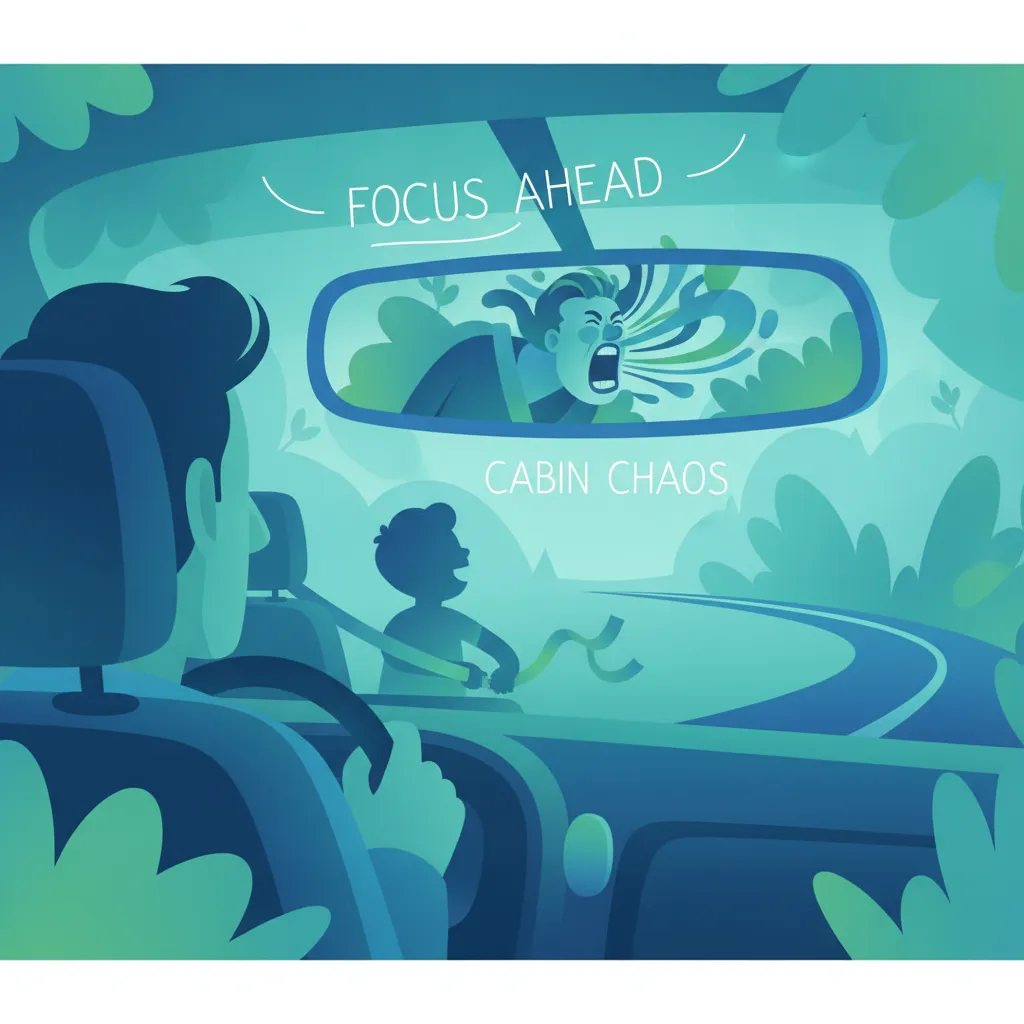
Lesson content overview
Operating a heavy passenger transport vehicle—whether a Category D1 minibus or a full-sized Category D coach, with or without a trailer (DE/D1E)—requires far more than mechanical driving skills. As a professional driver under French jurisdiction, you are legally and ethically responsible for the safety, comfort, and order of everyone on board.
Uncontrolled passenger actions can quickly compromise vehicle stability, create dangerous cognitive distractions, and lead to severe traffic violations or accidents. This lesson covers the strategies, legal frameworks, and psychological techniques required to manage passenger behaviour proactively and reactively during transit on the French road network.
A driver’s authority is the foundation of passenger management. This authority does not stem from aggression or intimidation; rather, it is established through a calm, confident, and professional presence.
The visible standards of attire, communication, and attitude displayed by a transport professional to inspire confidence, maintain order, and ensure passenger compliance with safety rules.
When passengers board, they immediately evaluate the driver’s competence and control. A driver who is neatly dressed (ideally in a company-branded uniform), greets passengers politely, and speaks with clear, steady vocal tones projects high professionalism. This visual and behavioral standard reduces the likelihood of passenger resistance or non-compliance.
In France, the Code de la route dictates clear rules regarding passenger restraint systems. Ensuring seatbelt compliance is one of your primary legal duties before the wheels even turn.
According to Articles L313-1 and L313-2 of the Code de la route, the use of approved safety belts (ceinture de sécurité) is mandatory for all occupants of a motor vehicle, including coaches and buses, provided the seats are equipped with them.
From a mechanical perspective, seatbelts prevent "submarining" (l'effet sous-marin)—where a passenger slides under a loose lap belt during a collision—and absorb kinetic energy by distributing impact forces across the strongest parts of the skeletal structure (the pelvis and rib cage).
In a coach traveling at 90 km/h, an unrestrained passenger becomes a high-velocity projectile during a frontal collision, endangering not only themselves but everyone else in the vehicle.
The "Verbal Consent" Fallacy Never assume that a passenger's verbal agreement to "take responsibility" relieves you of liability. If an unbelted passenger is injured during an emergency braking manoeuvre, the driver can still face criminal prosecution for negligence under Article R413-2 or related personal injury statutes.
Article L313-9 of the Code de la route mandates that passengers in public transport vehicles must be given audible safety instructions. These announcements are your first proactive defense against behavioural issues.
An effective safety announcement should be clear, concise, and structured chronologically. Use the following step-by-step approach when addressing passengers:
Welcome and Destination: State your name, the route, and the estimated travel time to establish professional authority.
Seatbelt Mandate: State clearly that wearing seatbelts is a strict legal requirement under French law throughout the entire journey.
Luggage and Stowage: Direct passengers to place all overhead luggage securely in the racks and keep the central aisle completely clear.
Emergency Exits and Equipment: Point out the locations of the emergency exits (issues de secours), fire extinguishers, and first-aid kits.
On-Board Conduct: Briefly outline rules regarding noise levels, electronic devices, and interaction with the driver.
On international routes or tourist services, repeat key safety instructions in English or use pre-recorded safety videos. In noisy urban environments or when boarding high-turnover commuter lines, utilize visual overhead signs (such as illuminated seatbelt indicators) to reinforce your verbal message.
Driving a vehicle of category D or DE demands intense concentration. Auditory distractions within the cabin can delay your hazard perception and significantly lengthen your physical reaction times.
Human cognitive processing has a finite bandwidth. High levels of cabin noise—such as shouting, loud music, or sudden high-pitched screams—can delay a driver's reaction time by up to 200 milliseconds. At 90 km/h, a 200 ms delay translates to an additional 5 metres of stopping distance before the brakes are even applied.
Without Distraction:  [Perception] ---> [Reaction: 1.0s] ---> [Braking Starts]
With Noise Overload:  [Perception] -------> [Reaction: 1.2s] ---> [Braking Starts (5m further down the road)]
Despite proactive communication, disputes or unruly behaviour (passagers indisciplinés) can still arise. Your priority is to de-escalate the tension before it compromises road safety.
If a conflict breaks out, you must use structured psychological techniques to defuse the situation:
If a passenger's behaviour escalates to physical threats, severe verbal abuse, or direct interference with your driving, you must not attempt to drive and manage the conflict simultaneously.
Under Article R413-2, you are authorized to halt the transit if safety is compromised. Find the nearest safe, legal parking location (such as a motorway service area or a designated bus stop), secure the vehicle (apply the parking brake, switch off the engine), and address the issue. If the passenger remains aggressive and refuses to comply, contact your company dispatcher and, if necessary, the national police (Police Nationale or Gendarmerie) by dialing 112.
Your management strategies must adapt to changing driving environments, weather conditions, and schedules.
In heavy rain, snow, or thick fog, your visual field is restricted and the road's coefficient of friction is drastically reduced. Under these conditions, the cognitive load of driving increases. You should proactively request absolute silence in the front rows of the vehicle and turn off all non-essential internal cabin lighting to eliminate reflections on the windscreen.
During overnight runs, passengers expect a quiet environment to sleep.
Urban transit involves high passenger turnover, frequent stops, and dense traffic. Conflicts here often arise from overcrowding or fare disputes. Keep your interactions brief, professional, and standardized.
In contrast, rural and long-distance travel involves prolonged passenger confinement. Here, fatigue and boredom can cause tension to build slowly; periodic safety reminders and scheduled comfort stops help maintain a relaxed cabin atmosphere.
Understanding the direct physical and legal consequences of your actions is critical for passing your theoretical exam and driving safely on the road.
| Driver Action / Strategy | Immediate Intermediate Effect | Long-Term Safety / Legal Outcome |
|---|---|---|
| Strict pre-departure seatbelt check | Ensures 100% initial restraint compliance. | Prevents severe occupant injuries, avoids €135 fines and driver licence point deductions. |
| Active cabin noise monitoring | Lowers ambient decibels, reduces driver cognitive overload. | Decreases reaction time lag by up to 200 ms, avoiding collisions during sudden braking. |
| Prompt de-escalation of arguments | Prevents verbal disputes from turning into physical altercations. | Eliminates sudden steering or braking inputs caused by driver distraction. |
| Executing a safe, planned stop | Isolates the safety threat in a controlled parking area. | Prevents high-speed accidents on motorways due to unruly passenger interference. |
To master passenger behavior management, you must connect these concepts to other critical areas of your French Passenger Vehicle License training:
This lesson covers the professional and legal obligations of Category D drivers in France for managing passenger behaviour, emphasising that driver authority stems from calm professionalism rather than aggression. Key legal duties include enforcing seatbelt compliance under Articles L313-1 and L313-2, where driver liability for unbelted minors can result in fines and point deductions, and executing safe stoppages under Article R413-2 when passenger behaviour threatens safety. Effective passenger management combines proactive safety announcements, strict noise control to maintain driver reaction capability, and structured de-escalation techniques including active listening, calm reframing, and positional separation of conflicting parties. The lesson also addresses contextual adaptations for night operations, urban versus rural routes, and adverse weather conditions.
A short set of high-value points that capture the most important learning from this lesson.
The driver holds primary legal responsibility for ensuring all passengers comply with seatbelt regulations under the French Code de la route
Professional authority is established through calm confidence, polite communication, and proper appearance rather than aggression
Pre-departure safety announcements must cover seatbelts, emergency exits, luggage stowage, and on-board conduct rules
Excessive cabin noise can delay driver reaction times by up to 200 milliseconds, adding critical stopping distance at speed
A verbal passenger agreement to waive safety rules does not relieve the driver of legal liability
Explore all units and lessons included in this driving theory course.
Seatbelts are mandatory for all equipped seats under Articles L313-1 and L313-2; non-compliance by minors can cost the driver up to 3 licence points
Under Article R413-2, drivers are authorized to execute a safe stoppage if passenger behaviour directly threatens road safety
Safety announcements should follow a chronological structure: welcome, seatbelt mandate, luggage rules, emergency equipment, and conduct expectations
Separating conflicting passengers through positional modification is a legitimate de-escalation tool
Submarining occurs when a loose lap belt allows a passenger to slide underneath it during sudden deceleration
Assuming that a passenger's verbal promise to take responsibility for not wearing a seatbelt releases the driver from liability
Attempting to drive and manage a physical altercation simultaneously rather than executing a safe stoppage
Using hesitant language like 'Could you please...' instead of direct, professional phrasing such as 'For your safety, please...'
Allowing the driver's compartment audio system to play loudly during high-concentration phases like navigating roundabouts
Neglecting to establish noise management agreements with group leaders when transporting organized groups like school trips
Lesson content overview
A short set of high-value points that capture the most important learning from this lesson.
The driver holds primary legal responsibility for ensuring all passengers comply with seatbelt regulations under the French Code de la route
Professional authority is established through calm confidence, polite communication, and proper appearance rather than aggression
Pre-departure safety announcements must cover seatbelts, emergency exits, luggage stowage, and on-board conduct rules
Excessive cabin noise can delay driver reaction times by up to 200 milliseconds, adding critical stopping distance at speed
A verbal passenger agreement to waive safety rules does not relieve the driver of legal liability
Explore all units and lessons included in this driving theory course.
Seatbelts are mandatory for all equipped seats under Articles L313-1 and L313-2; non-compliance by minors can cost the driver up to 3 licence points
Under Article R413-2, drivers are authorized to execute a safe stoppage if passenger behaviour directly threatens road safety
Safety announcements should follow a chronological structure: welcome, seatbelt mandate, luggage rules, emergency equipment, and conduct expectations
Separating conflicting passengers through positional modification is a legitimate de-escalation tool
Submarining occurs when a loose lap belt allows a passenger to slide underneath it during sudden deceleration
Assuming that a passenger's verbal promise to take responsibility for not wearing a seatbelt releases the driver from liability
Attempting to drive and manage a physical altercation simultaneously rather than executing a safe stoppage
Using hesitant language like 'Could you please...' instead of direct, professional phrasing such as 'For your safety, please...'
Allowing the driver's compartment audio system to play loudly during high-concentration phases like navigating roundabouts
Neglecting to establish noise management agreements with group leaders when transporting organized groups like school trips
Explore search topics learners often look for when studying Managing Passenger Behaviour During Transit. These topics reflect common questions about road rules, driving situations, safety guidance, and lesson level theory preparation for learners in France.
Browse additional driving theory lessons that cover connected traffic rules, road signs, and common driving situations related to this topic. Improve your understanding of how different rules interact across everyday traffic scenarios.
Learn the legal requirements and step-by-step protocols for handling vehicle breakdowns and emergency evacuations on French roads. This guide covers how to maintain order, ensure passenger safety during an incident, and communicate effectively with emergency services under the Code de la route.

This lesson details the emergency protocols for handling mechanical breakdowns or tire blowouts on public highways and motorways. Drivers will learn how to park the vehicle in the safest possible location, activate hazard warning lights, and deploy the reflective warning triangle. It teaches precise commands and steps for evacuating passengers quickly through safety exits, positioning them behind protective guardrails.
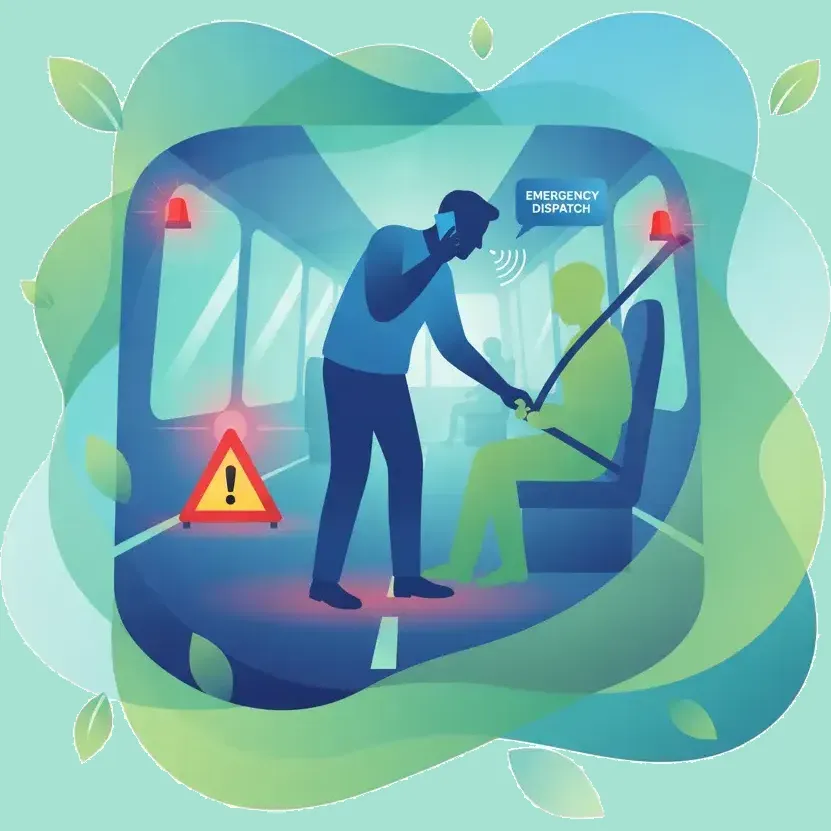
This lesson covers immediate response steps for critical on-board events, including passenger medical emergencies and engine compartment fires. Learners will study the location and proper application of fire extinguishers, safety hammers, and first aid kits. It also explains how to coordinate effectively with French emergency services (SAMU, Fire Brigade) and reassure passengers to maintain calm during an incident.
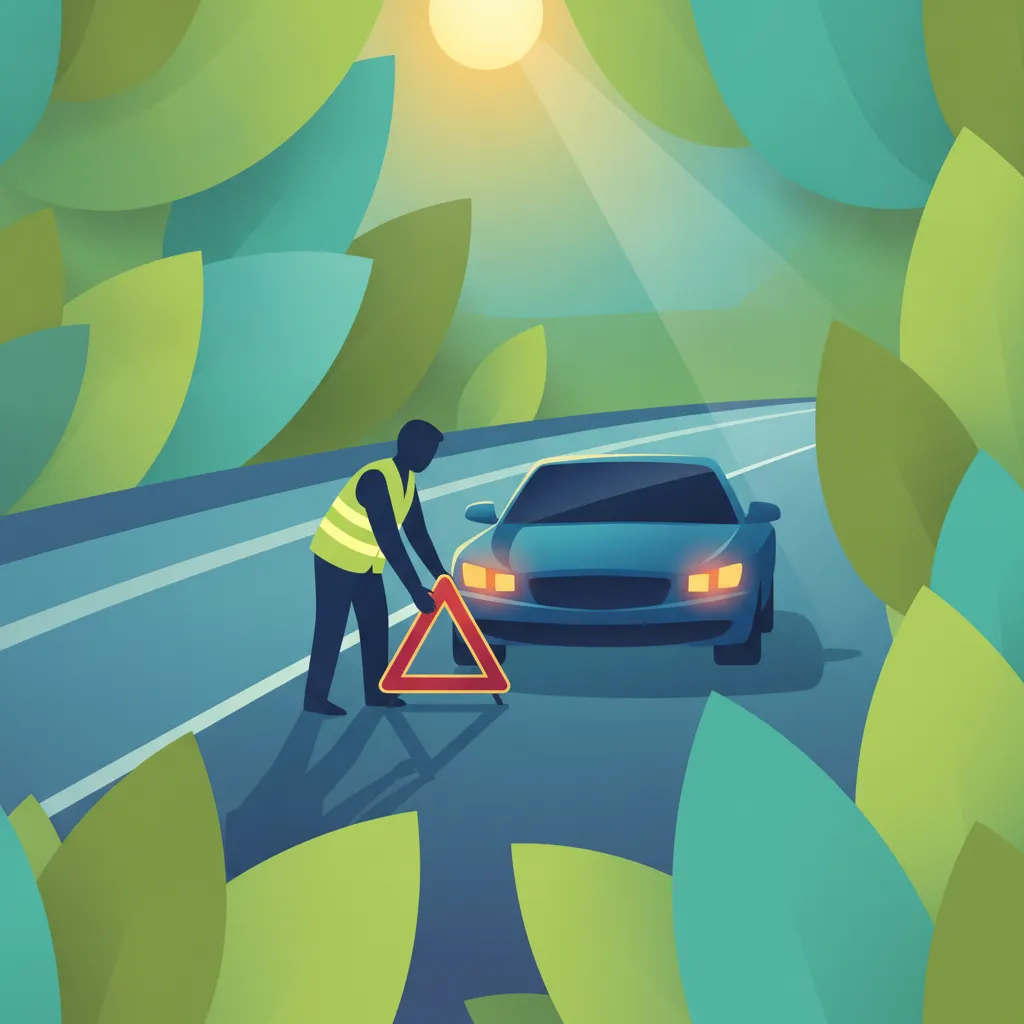
In this lesson, learners will be equipped with the essential steps to take in the event of an emergency involving their goods vehicle, such as accidents, spills, or fires. The content covers the correct usage of the European emergency number 112, immediate safety measures to protect the scene, and the required use of driver emergency equipment like fire extinguishers and spill kits. Additionally, the lesson details the obligatory reporting processes, documentation of incidents, and cooperation with emergency services and law enforcement.

This lesson provides global defensive driving strategies to minimize collision risks for all non-motorized and vulnerable road users. Drivers will learn to systematically lower vehicle speed in dense pedestrian zones, even when no active hazards are visible. By cultivating an anticipatory mindset and maintaining generous safety margins, professional drivers establish a protective safety envelope around their vehicle.

This lesson focuses on the technical skills required to position a large bus or coach parallel to the boarding curb. Drivers will learn to minimize the gap between the vehicle steps and the sidewalk, preventing tripping hazards for boarding passengers. The lesson also covers safe approach angles, mirror alignment, and positioning rules that avoid contact with curbside objects or waiting pedestrians.

This lesson examines the flow of passengers entering and exiting the vehicle and how to organize this movement to reduce stop delays safely. Drivers will study the operation of door safety interlocks, sensitive edges, and onboard monitoring cameras to prevent boarding accidents. It also covers coordinating priority boarding for elderly, pregnant, or injured passengers in a polite and structured manner.

This lesson outlines the core operational roles that drivers must perform, from ensuring safe passenger boarding to maintaining precise vehicle control throughout the journey. It details the active risk assessments required to identify hazards on the road and handle unexpected delays safely. Additionally, candidates will understand the specific procedures for reporting accidents and communicating effectively with both passengers and operations hubs.

This lesson details how to manage high-risk interactions with pedestrians who may step off curbs or cross the road near bus stops. Learners will study French Code de la route laws regarding pedestrian priority at crosswalks and near stopping transit vehicles. Developing heightened spatial awareness around blind zones near the front of the bus is emphasized to prevent tragic pedestrian collisions.
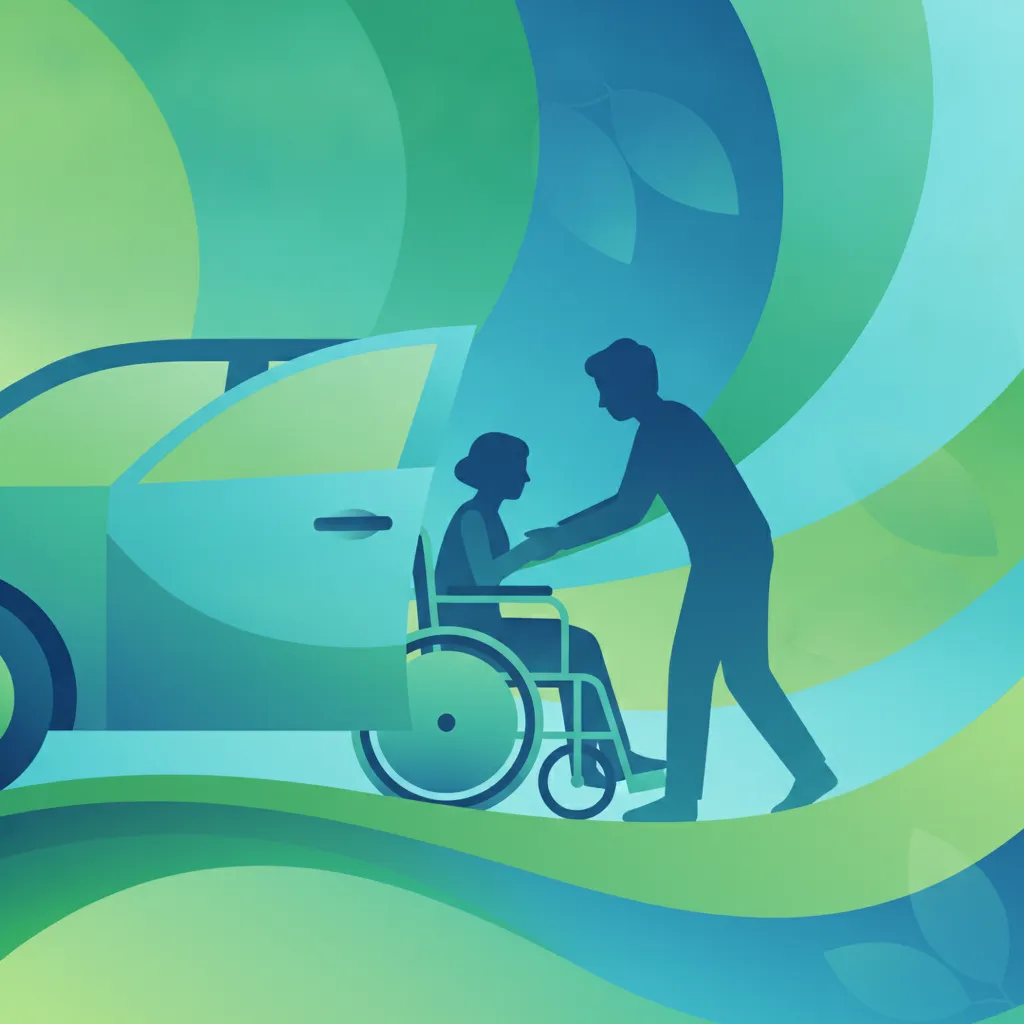
This lesson provides step-by-step instructions for utilizing vehicle accessibility systems, including wheelchair ramps, lifts, and specialized tie-down restraints. Drivers will study French regulatory frameworks mandating equal access to public transport services for all individuals. Crucially, the lesson covers respectful, safe, and efficient communication methods for guiding passengers with sensory, physical, or cognitive impairments.

This lesson covers the rules of driving passenger vehicles on high-speed French motorways (autoroutes). Learners will study entry-ramp merging protocols, lane restrictions for vehicles over 3.5 tonnes, and motorway-specific speed limits. The lesson also highlights the correct use of toll booths (péages), emergency hard-shoulder safety procedures, and accessing dedicated coach rest areas.
Understand the operational and ethical responsibilities involved in assisting passengers with reduced mobility. This lesson details the specific protocols for safe boarding and alighting, ensuring accessibility, and maintaining a professional and inclusive environment for all passengers in compliance with current French transport regulations.
This lesson provides step-by-step instructions for utilizing vehicle accessibility systems, including wheelchair ramps, lifts, and specialized tie-down restraints. Drivers will study French regulatory frameworks mandating equal access to public transport services for all individuals. Crucially, the lesson covers respectful, safe, and efficient communication methods for guiding passengers with sensory, physical, or cognitive impairments.
Find clear answers to common questions learners have about Managing Passenger Behaviour During Transit. Learn how the lesson is structured, which driving theory objectives it supports, and how it fits into the overall learning path of units and curriculum progression in France. These explanations help you understand key concepts, lesson flow, and exam focused study goals.
The driver is responsible for maintaining a safe environment. This includes enforcing safety regulations like seatbelt use, minimizing distractions caused by loud noise, and intervening politely but firmly to de-escalate conflicts between passengers.
Drivers should remain calm, professional, and firm. They should use clear, pre-recorded or live safety announcements to remind passengers of the rules without escalating the situation. If a threat to safety exists, they should prioritize stopping the vehicle safely if needed.
Yes, the French theory exam includes scenarios where you must decide the best course of action to maintain vehicle safety and order. These questions test your ability to balance passenger comfort with strict safety and regulatory compliance.
Proactive measures include maintaining a welcoming but professional demeanor, ensuring clear signage is visible, and making concise safety announcements upon boarding. Being visible and approachable helps set the tone for the entire journey.
Ready to focus your study? Use the practice search to find exactly the French driving theory questions you need for the Code de la route and permis de conduire ETG. Refine your knowledge on specific topics or challenging rules to boost your confidence and exam readiness.