
This lesson provides a comprehensive overview of the primary controls on your motorcycle, ensuring you understand how to manipulate each component effectively. Mastering this layout is essential for both your theoretical exam and your practical riding safety. It builds a foundation for advanced handling lessons in this course, helping you gain the confidence required for your Class A, A1, or A2 licence.
Lesson content overview
Learning to ride a motorcycle safely and proficiently begins with a thorough understanding of its primary controls. These are the handles, levers, and pedals that allow you to steer, accelerate, brake, and change gears. Mastering their operation is not merely about mechanical skill; it's about developing an intuitive connection with your machine, enabling precise actions that are critical for your safety and the safety of others on the road.
This lesson, part of the German Motorcycle Licence Theory Course (Classes A, A1, A2), will provide a detailed examination of each primary control. We will explore its purpose, correct method of operation, common pitfalls, and how proper use contributes to overall vehicle control, improved reaction times, and reduced accident risk. By the end, you will have a comprehensive foundation for manipulating your motorcycle's controls with confidence and precision.
Motorcycle controls are not placed arbitrarily; their layout is a result of careful ergonomic design focused on rider comfort, efficiency, and safety. Understanding these core principles helps in appreciating why specific controls are where they are and how they should be operated.
The primary purpose of ergonomic design in motorcycle controls is to minimize rider fatigue and enable quick, precise actions. Controls must be easily accessible, allowing for simultaneous operation without compromising grip, balance, or posture. This strategic positioning ensures that a rider can maintain full command of the motorcycle even during extended rides or challenging maneuvers.
Motorcycles feature distinct controls for acceleration (throttle), disengaging the engine (clutch), braking (front and rear brakes), and changing gears (gear shift lever). This functional separation prevents operational conflicts, ensuring that each action is clear and intuitive, thereby reducing the chance of accidental engagement of multiple functions or confusion in critical moments.
Most motorcycles employ a dual braking system, offering both a hand-operated front brake and a foot-operated rear brake. This redundancy provides backup in emergencies and allows for the distribution of braking effort, enhancing stability and control. The tactile feedback from these controls, along with engine sounds and vehicle movement, helps the rider understand the motorcycle's response and adjust their input accordingly.
The handlebars are home to several crucial controls that dictate steering, acceleration, and front braking. Proper hand positioning and smooth operation are paramount for safe riding.
The handlebar is the motorcycle's primary steering mechanism. It connects directly to the front fork, allowing the rider to input steering commands and adjust the motorcycle's direction. Beyond steering, handlebars also serve as a crucial point of contact, supporting a portion of the rider's weight and providing stability. Maintaining a firm, yet relaxed, grip on both hands is essential for precise control.
Riders must maintain a firm, but not rigid, grip on both handlebars at all times while the motorcycle is in motion. This ensures optimal steering input and the ability to react quickly to changing road conditions or hazards. A common mistake is riding with only one hand, which severely compromises control and reaction time, or gripping the handlebars too tightly, leading to fatigue and reduced sensitivity to the motorcycle's subtle movements.
When gripping the handlebars, aim for a relaxed posture. Your elbows should be slightly bent, not locked straight. This allows your arms to act as shock absorbers and provides better leverage for steering.
The throttle control (often referred to as the Regler in German) is located on the right handlebar. It is typically a twist grip that, when rotated, controls the engine's power by regulating the amount of fuel and air supplied to the engine. This action directly determines the motorcycle's acceleration and speed.
Smooth and progressive operation of the throttle is critical for maintaining traction and stability. Sudden or abrupt throttle input, especially when cornering or on low-traction surfaces, can lead to loss of traction in the rear wheel, potentially causing a skid or loss of control. Conversely, smooth throttle modulation is necessary for seamless acceleration, merging onto motorways, or maintaining a steady speed.
Avoid "chopping" the throttle, which means suddenly closing it completely, especially at higher speeds or in corners. This can lead to significant engine braking, abrupt weight transfer, and potential instability.
The front brake lever (Vordere Bremshebel) is situated on the right handlebar, in front of the throttle grip. It actuates the front brake system, which on most modern motorcycles, provides the majority of the total stopping power. This is due to weight transfer during braking, where the motorcycle's weight shifts forward, increasing the load on the front wheel and thus its grip.
The front brake should always be applied progressively. This means gradually increasing pressure on the lever rather than squeezing it abruptly. Abrupt application can cause the front wheel to lock up, leading to a loss of steering control and a potential fall. Effective braking involves a smooth squeeze, allowing the suspension to compress and the tire to gain maximum traction before full braking force is applied. It is most effective when used in conjunction with the rear brake.
Applying brake pressure gradually and smoothly, increasing force as needed, rather than abruptly. This allows the tires to maintain traction and prevents wheel lock-up.
The clutch lever (Kupplungshebel) is found on the left handlebar. Its primary function is to disengage the engine from the transmission, allowing the rider to change gears or bring the motorcycle to a smooth stop without stalling the engine. When the lever is pulled in, the clutch plates separate, interrupting the power flow. When released, the clutch plates engage, transmitting power from the engine to the wheels.
For smooth gear changes and efficient operation, the clutch must be fully engaged or disengaged. Riding with the clutch partially engaged, often referred to as "slipping the clutch" unnecessarily for extended periods, causes excessive wear on the clutch plates and reduces fuel efficiency. When accelerating from a stop, the clutch should be released smoothly and progressively, coinciding with a gradual increase in throttle, to prevent stalling or a jerky start.
The clutch is also crucial for low-speed maneuvers, allowing precise control over power delivery and helping to maintain balance.
While the hands manage steering, throttle, and front braking, the feet are responsible for rear braking and gear changes, adding another layer of control and coordination.
The rear brake pedal (Bremsfußpedal) is operated by the rider's right foot, typically located near the right footpeg. It actuates the rear brake system, which provides additional braking force and contributes significantly to the motorcycle's stability, especially at low speeds or when coming to a complete stop.
Unlike the front brake, the rear brake is generally less powerful in terms of outright stopping force but plays a crucial role in balancing the motorcycle during braking and preventing nose-diving. It should be used gently and progressively to avoid locking the rear wheel, which can cause a skid and loss of control. Over-reliance on the rear brake, particularly at higher speeds, can also lead to instability. At low speeds, such as when navigating traffic or performing tight turns, the rear brake can be used independently to control speed and maintain balance.
The gear shift lever (Schaltungspalst) is positioned near the left footpeg and is operated by the rider's left foot. Its function is to change the gear ratio within the transmission, allowing the rider to match the engine's speed and power delivery to the road speed and load conditions. Most motorcycles use a sequential gearbox, where gears are selected in a specific order (e.g., 1st, Neutral, 2nd, 3rd, 4th, 5th, 6th).
Smooth gear changes are achieved by using the gear shift lever in conjunction with the clutch lever. Attempting to shift gears without fully disengaging the clutch will cause gear grinding and unnecessary wear on the transmission components. Proper gear selection is vital for engine efficiency, acceleration, and effective engine braking.
Certain rules are not just recommendations but mandatory requirements for safe motorcycle operation, designed to ensure optimal control and responsiveness.
For optimal control and the ability to react quickly to any situation, riders must keep both hands on the handlebars while the motorcycle is in motion. This ensures that you can always steer, accelerate, and apply the front brake simultaneously and effectively.
For efficient and stable deceleration, particularly during normal braking situations, both the front and rear brakes must be used simultaneously. This distributes the braking force across both wheels, maximizing tire grip, reducing stopping distance, and maintaining vehicle stability.
Whenever the motorcycle comes to a complete halt, regardless of traffic conditions, the clutch must be fully disengaged by pulling in the clutch lever. This prevents the engine from stalling and ensures a smooth restart when traffic begins to move again.
Even experienced riders can sometimes develop habits that compromise safety or efficiency. Awareness of common errors related to control operation is the first step in avoiding them.
Motorcycle controls are not used in a one-size-fits-all manner. External factors like weather, road surface, and speed necessitate adjustments in how you operate the handles, levers, and pedals.
On wet roads, gravel, or other low-traction surfaces, the available grip is significantly reduced. This requires much smoother and more delicate control inputs.
At higher speeds, dynamic weight transfer becomes more pronounced, and emergency situations demand quick, decisive, but controlled actions.
Specific riding environments or vehicle configurations also alter control requirements.
Each control on a motorcycle plays a distinct role, but it is their coordinated use that defines skilled riding. The throttle, clutch, brakes, and gear shift lever are not independent entities; they work in concert to achieve balance, steering, braking, and acceleration.
Correct control use enhances vehicle stability, reduces stopping distance, and significantly improves rider confidence. Conversely, improper or uncoordinated use leads to loss of control, increased stopping distances, and a higher risk of accidents. Consistent and correct control manipulation builds muscle memory, allowing riders to react instinctively and precisely under stress. This integrated approach, understanding the cause-and-effect relationships between each input and the motorcycle's response, forms the bedrock of safe and confident motorcycle operation.
This lesson covers the functional layout and correct operation of all primary motorcycle controls including handlebars, throttle, clutch, front and rear brakes, and gear shift lever for German Class A theory candidates. Proper hand and foot positioning ensures precise manipulation and reduced rider fatigue, while understanding the interplay between controls enables smooth acceleration, braking, and gear changes. Key mandatory rules include keeping both hands on handlebars and using both brakes simultaneously for stable stopping. The lesson also addresses condition-based adaptations, explaining how control inputs must be smoother on wet roads and adjusted for high-speed maneuvers or heavy loads. Common errors such as one-handed riding, abrupt throttle application, and improper clutch use are identified with explanations of why they compromise safety.
A short set of high-value points that capture the most important learning from this lesson.
Both hands must remain on the handlebars at all times for optimal control and rapid reaction to hazards
The front and rear brakes must be applied together progressively for effective and stable stopping
The throttle, clutch, front brake lever, rear brake pedal, and gear shift lever each have distinct critical functions that must be understood
Smooth, progressive control inputs prevent loss of traction, especially on corners or low-grip surfaces
Control techniques must be adjusted based on road conditions, speed, and any additional load
Explore all units and lessons included in this driving theory course.
The front brake provides majority stopping power due to weight transfer during braking, while rear brake adds stability
Clutch must always be fully engaged or fully disengaged to prevent wear and stalling
Progressive braking means gradually increasing pressure rather than abrupt application to avoid wheel lock-up
Gear shifting always requires clutch disengagement to prevent transmission damage and grinding
Wet or low-traction conditions demand smoother, more delicate inputs for all controls
Riding with one hand severely compromises steering and emergency braking capability
Abrupt throttle input, especially in corners, can cause rear wheel traction loss and skidding
Relying solely on the front brake risks wheel lock-up and loss of steering control
Shifting gears without fully disengaging the clutch causes gear grinding and transmission wear
Keeping the clutch partially engaged at stops creates unnecessary wear and engine strain
Lesson content overview
A short set of high-value points that capture the most important learning from this lesson.
Both hands must remain on the handlebars at all times for optimal control and rapid reaction to hazards
The front and rear brakes must be applied together progressively for effective and stable stopping
The throttle, clutch, front brake lever, rear brake pedal, and gear shift lever each have distinct critical functions that must be understood
Smooth, progressive control inputs prevent loss of traction, especially on corners or low-grip surfaces
Control techniques must be adjusted based on road conditions, speed, and any additional load
Explore all units and lessons included in this driving theory course.
The front brake provides majority stopping power due to weight transfer during braking, while rear brake adds stability
Clutch must always be fully engaged or fully disengaged to prevent wear and stalling
Progressive braking means gradually increasing pressure rather than abrupt application to avoid wheel lock-up
Gear shifting always requires clutch disengagement to prevent transmission damage and grinding
Wet or low-traction conditions demand smoother, more delicate inputs for all controls
Riding with one hand severely compromises steering and emergency braking capability
Abrupt throttle input, especially in corners, can cause rear wheel traction loss and skidding
Relying solely on the front brake risks wheel lock-up and loss of steering control
Shifting gears without fully disengaging the clutch causes gear grinding and transmission wear
Keeping the clutch partially engaged at stops creates unnecessary wear and engine strain
Explore search topics learners often look for when studying Control Layout and Functionality of Handles, Levers, and Pedals. These topics reflect common questions about road rules, driving situations, safety guidance, and lesson level theory preparation for learners in Germany.
Browse additional driving theory lessons that cover connected traffic rules, road signs, and common driving situations related to this topic. Improve your understanding of how different rules interact across everyday traffic scenarios.
Learn the precise function and correct operation of all primary motorcycle controls, including handlebars, throttle, clutch, brake levers, and foot pedals. Understand proper hand and foot positioning for safe rider input and reduced fatigue, aligning with German Class A theory.

This lesson introduces the fundamental principles of motorcycle balance, explaining the role of the gyroscopic effect in creating stability at speed. It demystifies the concept of countersteering, teaching learners how a push on the handlebar initiates a lean and turns the motorcycle. The lesson also covers how rider body positioning and weight transfer influence balance during both low-speed and high-speed maneuvers.

This lesson focuses on how motorcyclists can clearly communicate their intentions to other road users to prevent misunderstandings and collisions. It covers the correct use of indicators, brake lights, and standardized hand signals for turning and stopping. The importance of making eye contact with other drivers to confirm they have seen you is also a key topic for enhancing safety.

This lesson examines how various road surfaces and conditions affect tyre grip and traction. It teaches riders to recognize and adapt to hazards like wet patches, loose gravel, or oil spills. The content covers techniques for maintaining control through smooth throttle and brake inputs, preventing traction loss while accelerating, braking, and cornering on compromised surfaces.
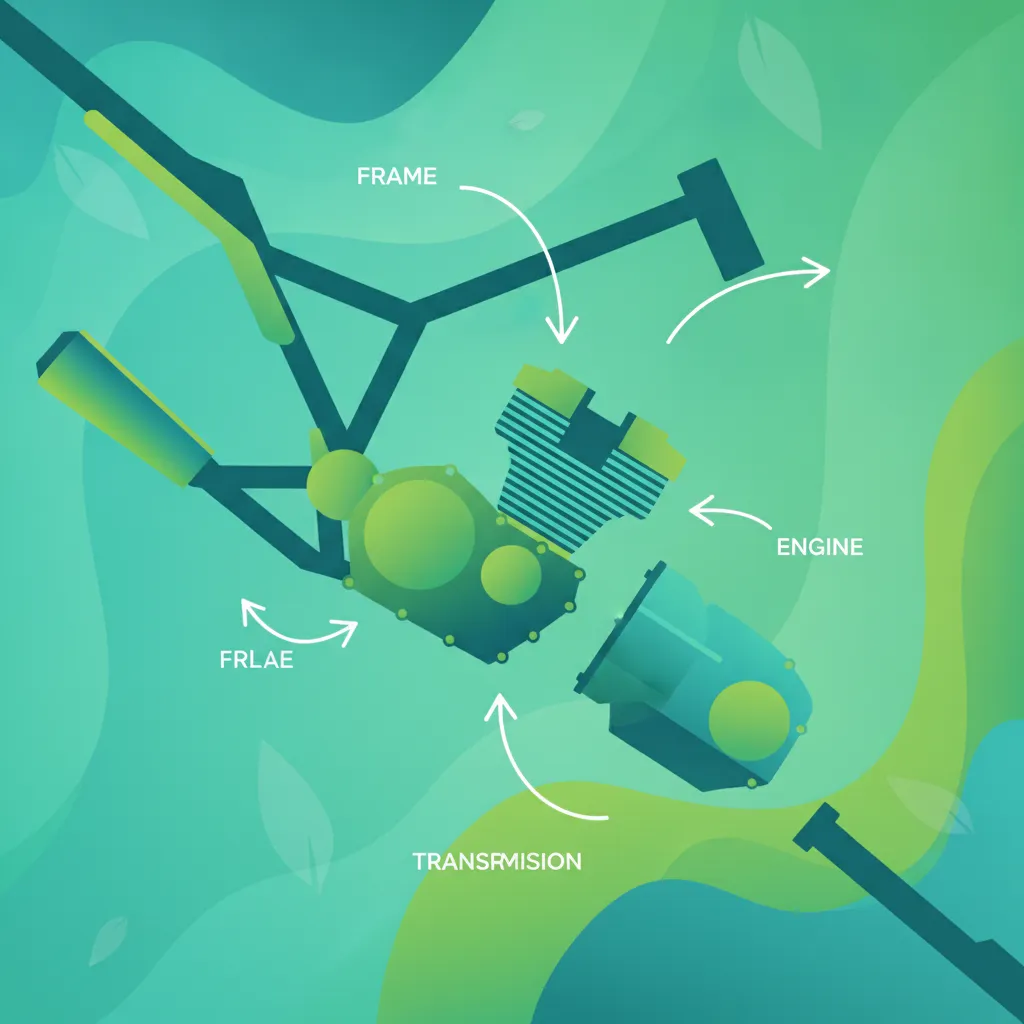
This lesson details the fundamental structure of a motorcycle, focusing on the frame, engine, and transmission. It explains how frame geometry influences handling and stability, while different engine types affect power delivery. Learners will also understand the mechanics of the transmission system, including clutch operation and gear shifting, and their role in controlling the motorcycle.

This lesson provides a systematic approach to safely negotiating blind corners where visibility is limited. It teaches riders to control their entry speed, adopt a defensive lane position, and use visual scanning techniques to assess the road ahead. The content emphasizes adjusting lean angle and being prepared for unexpected hazards that may be hidden around the bend.

This lesson delves into the principles of vehicle dynamics that govern two-wheeled vehicles. It explains the importance of balance, the concept of counter-steering for initiating turns, and how body position influences handling. Understanding these physical forces allows for smoother, safer, and more confident control of the vehicle.

This lesson serves as an introduction to the driver's interface with the car. It explains the function of the primary controls—steering wheel, accelerator, brake, and clutch—and the gear selector. You will also learn to identify and understand the various symbols and gauges on the dashboard, including the speedometer, fuel gauge, and critical warning lights.
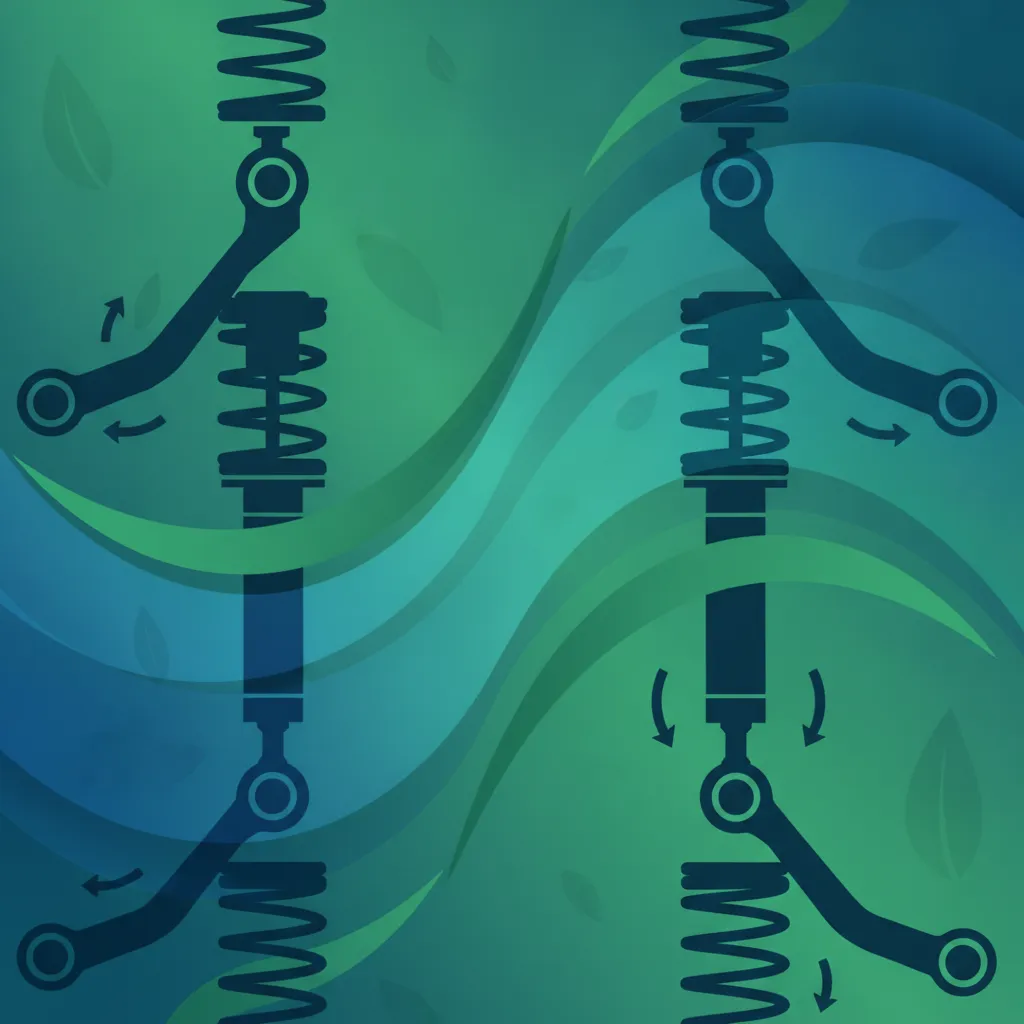
This lesson explains the crucial role of the suspension system in motorcycle handling and ride quality. It describes how front forks and rear shock absorbers work to absorb road imperfections and maintain stability. Learners are introduced to fundamental setup principles, such as preload and damping adjustments, to optimize the bike's response to different loads and road conditions.

This lesson teaches crucial risk awareness and accident prevention strategies for motorcyclists. It examines common accident scenarios and teaches riders how to identify potential hazards in advance. Key concepts include defensive riding, maintaining situational awareness, and understanding how a proactive mindset contributes to a safer riding experience on the road.

This lesson focuses on the importance of strategic road positioning for enhancing safety and visibility. Learners explore different lane positions and understand when to use them to see, be seen, and create a safety buffer. The content emphasizes maintaining a long visual focus down the road to anticipate hazards and avoid target fixation, particularly when cornering.
Explore how precise operation of handlebars, levers, and pedals influences motorcycle stability, cornering, and overall handling. This lesson connects rider inputs to vehicle dynamics, crucial for safe riding and understanding the theory behind control.
This lesson introduces the fundamental principles of motorcycle balance, explaining the role of the gyroscopic effect in creating stability at speed. It demystifies the concept of countersteering, teaching learners how a push on the handlebar initiates a lean and turns the motorcycle. The lesson also covers how rider body positioning and weight transfer influence balance during both low-speed and high-speed maneuvers.
This lesson explains the crucial role of the suspension system in motorcycle handling and ride quality. It describes how front forks and rear shock absorbers work to absorb road imperfections and maintain stability. Learners are introduced to fundamental setup principles, such as preload and damping adjustments, to optimize the bike's response to different loads and road conditions.
This lesson delves into the principles of vehicle dynamics that govern two-wheeled vehicles. It explains the importance of balance, the concept of counter-steering for initiating turns, and how body position influences handling. Understanding these physical forces allows for smoother, safer, and more confident control of the vehicle.
This lesson examines how various road surfaces and conditions affect tyre grip and traction. It teaches riders to recognize and adapt to hazards like wet patches, loose gravel, or oil spills. The content covers techniques for maintaining control through smooth throttle and brake inputs, preventing traction loss while accelerating, braking, and cornering on compromised surfaces.

This lesson examines how different weather conditions, such as rain, strong winds, and fog, directly impact motorcycle safety. It explains how wet surfaces reduce tyre grip and increase braking distances, requiring smoother rider inputs. The content also provides strategies for managing reduced visibility and the physical effects of crosswinds on the motorcycle's stability.

This lesson explores the principles of carrying luggage safely without compromising the motorcycle's handling. It emphasizes the importance of securing the load properly and distributing the weight evenly and low to maintain a stable center of gravity. The content explains how improperly loaded luggage can negatively impact steering, braking, and overall stability, particularly at speed.

This lesson covers the critical considerations for safely carrying a passenger. It explains how the additional weight affects the motorcycle's handling, braking, and acceleration characteristics by altering the center of gravity. The content emphasizes the importance of briefing the passenger on how to behave on the motorcycle and adjusting tyre pressures and suspension settings accordingly.
This lesson provides a systematic approach to safely negotiating blind corners where visibility is limited. It teaches riders to control their entry speed, adopt a defensive lane position, and use visual scanning techniques to assess the road ahead. The content emphasizes adjusting lean angle and being prepared for unexpected hazards that may be hidden around the bend.
This lesson details the fundamental structure of a motorcycle, focusing on the frame, engine, and transmission. It explains how frame geometry influences handling and stability, while different engine types affect power delivery. Learners will also understand the mechanics of the transmission system, including clutch operation and gear shifting, and their role in controlling the motorcycle.
This lesson introduces the fundamentals of a motorcycle's braking system, emphasizing the dominant role of the front brake due to forward weight transfer during deceleration. It explains how to apply both front and rear brakes in a coordinated manner to achieve maximum, stable stopping power. The content also covers how to modulate brake pressure smoothly and progressively to avoid losing traction and locking a wheel.
Find clear answers to common questions learners have about Control Layout and Functionality of Handles, Levers, and Pedals. Learn how the lesson is structured, which driving theory objectives it supports, and how it fits into the overall learning path of units and curriculum progression in Germany. These explanations help you understand key concepts, lesson flow, and exam focused study goals.
The theory test includes questions on vehicle safety and operation. You must understand how specific controls like the clutch or front brake influence bike stability and stopping distance in various road conditions.
Yes, the primary layout of throttles, clutch levers, and foot controls is standardized globally and in Germany, allowing you to transition between different engine sizes with consistent muscle memory.
Incorrect positioning often leads to slower reaction times during emergency maneuvers. Proper hand and foot placement ensures you can apply the brakes or adjust throttle instantly, which is a key requirement for the practical and theoretical test.
Yes, understanding the role of the clutch and foot-operated gear lever is part of the technical knowledge required to demonstrate safe and efficient vehicle handling.
Begin your targeted revision now. Use our practice search to quickly find specific German driving theory questions. Filter by StVO rules, road signs, or hazard perception to create your focused study plan. Master challenging areas and prepare confidently for your theoretical driving test.