
This lesson teaches you the critical physics and legal requirements for carrying luggage on your motorcycle. You will learn how to maintain your vehicle's stability, balance, and handling characteristics to ensure safe riding and pass your German A1, A2, or A theory exam.

Lesson content overview
Carrying luggage on a motorcycle requires careful consideration to ensure safety and maintain the vehicle's handling characteristics. Improperly loaded luggage can significantly alter a motorcycle's center of gravity (CoG), affecting steering, braking, and overall stability. This lesson, crucial for anyone preparing for the German Motorcycle Licence Theory Course (Classes A, A1, A2), explains the principles of securing loads, distributing weight effectively, and understanding how these factors impact your riding experience.
Safe luggage management is paramount for preventing loss of control, especially at higher speeds or during unexpected maneuvers. The goal is to ensure all carried items are firmly attached and that their weight is distributed in a way that preserves the motorcycle's inherent stability and predictable handling. Adhering to these principles not only enhances your safety but also the safety of other road users.
The dynamic behavior of a motorcycle is highly sensitive to changes in its overall mass and the distribution of that mass. Every item you add, and where you place it, can shift the motorcycle’s center of gravity (CoG), alter its moment of inertia, and potentially destabilize the bike. This directly impacts critical aspects of riding, such as the precision of your steering, the efficiency of your braking, and your ability to maintain stability during turns or straight-line travel. Understanding these influences is fundamental to safe riding.
To ensure safe and predictable motorcycle handling when carrying luggage, several core principles must be rigorously applied. These principles work together to minimize risks and maintain control.
The process of firmly attaching any carried items to the motorcycle to prevent them from shifting, coming loose, or falling off during travel.
Proper load securing is the first and most critical step. Any item that is not firmly attached can shift unexpectedly, creating sudden changes in weight distribution that destabilize the motorcycle. Such shifts can distract the rider, impede control, or even become a hazard to other road users if items fall onto the road. Dedicated luggage racks, hard panniers, soft bags, and specific fastening systems like strong straps or cargo nets are essential tools for this purpose. Always ensure straps are taut and cannot flap or snag.
The method of allocating the mass of a load evenly across the motorcycle’s structure, with the primary aim of keeping the center of gravity low and centered.
Even weight distribution is vital for maintaining predictable handling and reducing the motorcycle's tendency to wobble or tip. The ideal scenario is to place the heaviest items as low as possible and as close to the motorcycle's longitudinal center line as possible. This means heavier items should be in low-mounted panniers or tank bags rather than stacked high on a rear rack. Balancing the load between the left and right sides of the motorcycle is equally important to prevent lateral imbalance.
The theoretical point where the entire weight of the motorcycle, rider, and all luggage can be considered to act.
The position of the Center of Gravity (CoG) is a primary determinant of a motorcycle's stability. A lower and more central CoG significantly improves stability, particularly when cornering or braking. Conversely, if luggage is loaded high or to one side, it raises the CoG or shifts it laterally. This forces the rider to apply greater lean angles in turns, increases the risk of instability, and makes the motorcycle feel less responsive and more difficult to control. Always strive to keep the CoG as low and centered as possible.
When packing, always place heavier items at the bottom of panniers or bags and closer to the motorcycle's chassis. Lighter, bulkier items can go on top.
The addition of luggage inevitably changes how your motorcycle behaves. Understanding these impacts is crucial for adapting your riding style and maintaining safety margins.
Additional weight, particularly when concentrated at the rear, significantly increases the motorcycle's stopping distance. The extra momentum means that the brakes have more mass to bring to a halt, requiring greater braking force and a longer distance to stop safely. A heavy rear load can also cause the front wheel to lighten during braking, reducing its grip and potentially leading to instability or an increased risk of front wheel lock-up if front brake pressure isn't carefully modulated.
Always increase your following distance when riding with luggage, especially heavy loads, to account for extended braking distances.
The way weight is placed on your motorcycle profoundly affects its ability to lean into turns. A higher or excessively rearward CoG increases the required lean angle for any given turn and speed, making the motorcycle feel sluggish or unwilling to turn. It can also induce a "wobble" or "weave" sensation, particularly in fast, sweeping bends. Riders may experience understeer (the bike wanting to go wider than intended) with too much weight on the rear, or oversteer (the bike wanting to turn in too sharply) with excessive front loading.
Improperly distributed or unsecured loads can severely compromise a motorcycle's straight-line stability. Asymmetrical loading can cause the bike to pull to one side, requiring constant corrective steering inputs. Unsecured items can flap or rattle, creating additional aerodynamic drag and buffeting, which is particularly noticeable at higher speeds or in windy conditions. This can lead to rider fatigue and a general feeling of instability, making the motorcycle less predictable.
Adhering to legal requirements for carrying luggage is as important as understanding the physics involved. In Germany, specific regulations govern how loads must be secured and how much weight can be carried.
The maximum permissible combined weight of the motorcycle, the rider(s), and all cargo, as specified by the motorcycle manufacturer.
Every motorcycle has a manufacturer-specified Gross Vehicle Weight Rating (GVWR). This limit is crucial and must never be exceeded. Going over the GVWR compromises the motorcycle's structural integrity, stresses components like the frame, suspension, and tires beyond their design limits, and drastically alters handling dynamics. Exceeding the GVWR can also invalidate your insurance in the event of an accident and lead to legal penalties. Always consult your motorcycle's owner's manual for its specific GVWR.
Under German road traffic regulations (e.g., § 22 Straßenverkehrs-Ordnung - StVO regarding cargo), all luggage must be securely fastened to prevent it from slipping, falling, or rattling during transit. The load must not:
The legal principle states that the load must be secured in such a way that it cannot slip or fall, even during emergency braking or sudden evasive maneuvers.
According to German transport regulations (§ 22 StVO and § 25 Straßenverkehrs-Zulassungs-Ordnung - StVZO), objects extending beyond the vehicle’s outline are subject to strict rules. Generally, a load must not protrude beyond the sides of the motorcycle. If a load extends beyond the rear, it must be clearly marked. Loads extending more than 1 meter beyond the rear must be marked with a red flag or a light panel in the dark. For motorcycles, such extreme protrusions are rare and generally discouraged due to the significant impact on stability and maneuverability.
Even experienced riders can make mistakes when loading luggage. Being aware of common pitfalls and adopting best practices can prevent serious issues.
Inspect Mounting Points: Ensure luggage racks, pannier frames, and attachment points are secure and in good condition.
Pack Smart: Place heavier items at the bottom and towards the center of any luggage compartments. Distribute weight evenly between left and right sides.
Utilize Compartments: Use low-mounted panniers for heavy items. Reserve top boxes for lighter, bulkier items if absolutely necessary.
Fasten Securely: Use robust straps or cargo nets to cinch down soft bags or items on a rear rack. Ensure straps are tight, knot them if necessary, and tuck away any loose ends to prevent flapping.
Check for Movement: After loading, gently shake the motorcycle. If the luggage moves, it's not secure enough. Retighten and re-secure.
Verify Clearance: Ensure luggage does not interfere with moving parts (wheels, chain, suspension), rider's movement, or obscure lights/indicators.
Test Ride (Short Distance): Before a long journey, take a short, slow ride to feel how the motorcycle handles with the added weight. Make adjustments as needed.
The presence of luggage requires adjustments to your riding technique and awareness, especially under varying conditions.
Wet or windy conditions significantly amplify the destabilizing effects of a high or poorly distributed CoG. In strong crosswinds, a heavily loaded motorcycle, especially with tall luggage, can be buffeted more severely.
The impact of luggage is more pronounced on certain road types.
While less common for motorcycles in Germany compared to cars, if you are towing a small trailer, the principles of weight distribution and load securing extend to the trailer as well. The combined CoG of the motorcycle and trailer, as well as potential trailer sway, must be carefully considered. Always adhere to the trailer's specific load limits and ensure it is properly hitched and connected.
A heavily loaded motorcycle takes longer to stop and is less agile for emergency maneuvers. This increased inertia makes it harder to react quickly to the unpredictable movements of vulnerable road users like pedestrians, cyclists, and scooter riders.
This lesson covers the essential physics and legal requirements for carrying luggage on a motorcycle safely. The key principle is that weight must be placed low and evenly distributed to maintain the motorcycle's center of gravity and preserve predictable handling, braking, and cornering performance. Heavier items belong at the bottom of side panniers, not in top boxes or stacked high on rear racks. Under German traffic law (StVO § 22), all loads must be secured to prevent slipping or falling even during emergency maneuvers. Learners should remember that any added weight increases braking distances, a high CoG worsens stability in corners and crosswinds, and exceeding the manufacturer's GVWR is both illegal and dangerous. Riding style must be adapted accordingly, especially in wet or windy conditions and when sharing the road with vulnerable users.
A short set of high-value points that capture the most important learning from this lesson.
Weight should be placed as low and centrally as possible to keep the motorcycle's center of gravity (CoG) stable, which directly improves handling and reduces lean angles.
Heavier items must go at the bottom of panniers or side bags and closer to the motorcycle's chassis; lighter, bulkier items can be placed on top.
Unsecured or uneven loads can cause the motorcycle to pull sideways, increase braking distances, and create dangerous instability at speed.
The Gross Vehicle Weight Rating (GVWR) specified by the manufacturer must never be exceeded, as it compromises structural integrity and handling.
According to German law (StVO § 22), all luggage must be secured so it cannot slip or fall even during emergency braking or sudden maneuvers.
Explore all units and lessons included in this driving theory course.
A higher CoG from top-box loading or rear stacking increases required lean angles and makes the motorcycle more sensitive to crosswinds and cornering forces.
Heavy rear loads lighten the front wheel during braking, reducing front grip and increasing the risk of front wheel lock-up.
Uneven left-right weight distribution causes lateral imbalance, requiring constant corrective steering and reducing overall stability.
Loads protruding more than 1 meter beyond the rear of the motorcycle must be marked with a red flag or light panel in the dark.
After loading, always perform a physical shake test and a short test ride to verify the motorcycle handles predictably before longer journeys.
Overloading rear panniers or tail racks with heavy items, which increases understeer, extends braking distances, and lightens the front wheel.
Storing heavy gear in top boxes or stacking items high on the rear rack, which raises the CoG and makes the motorcycle feel sluggish and unstable in corners.
Using inadequate straps, bungee cords, or cargo nets without checking tension, leading to luggage shifting mid-ride and sudden weight redistribution.
Placing significantly more weight on one side than the other, causing the motorcycle to pull to the heavier side and requiring constant corrective inputs.
Allowing luggage to obstruct mirrors, lights, indicators, or access to controls, which compromises safety and violates legal requirements.
Lesson content overview
A short set of high-value points that capture the most important learning from this lesson.
Weight should be placed as low and centrally as possible to keep the motorcycle's center of gravity (CoG) stable, which directly improves handling and reduces lean angles.
Heavier items must go at the bottom of panniers or side bags and closer to the motorcycle's chassis; lighter, bulkier items can be placed on top.
Unsecured or uneven loads can cause the motorcycle to pull sideways, increase braking distances, and create dangerous instability at speed.
The Gross Vehicle Weight Rating (GVWR) specified by the manufacturer must never be exceeded, as it compromises structural integrity and handling.
According to German law (StVO § 22), all luggage must be secured so it cannot slip or fall even during emergency braking or sudden maneuvers.
Explore all units and lessons included in this driving theory course.
A higher CoG from top-box loading or rear stacking increases required lean angles and makes the motorcycle more sensitive to crosswinds and cornering forces.
Heavy rear loads lighten the front wheel during braking, reducing front grip and increasing the risk of front wheel lock-up.
Uneven left-right weight distribution causes lateral imbalance, requiring constant corrective steering and reducing overall stability.
Loads protruding more than 1 meter beyond the rear of the motorcycle must be marked with a red flag or light panel in the dark.
After loading, always perform a physical shake test and a short test ride to verify the motorcycle handles predictably before longer journeys.
Overloading rear panniers or tail racks with heavy items, which increases understeer, extends braking distances, and lightens the front wheel.
Storing heavy gear in top boxes or stacking items high on the rear rack, which raises the CoG and makes the motorcycle feel sluggish and unstable in corners.
Using inadequate straps, bungee cords, or cargo nets without checking tension, leading to luggage shifting mid-ride and sudden weight redistribution.
Placing significantly more weight on one side than the other, causing the motorcycle to pull to the heavier side and requiring constant corrective inputs.
Allowing luggage to obstruct mirrors, lights, indicators, or access to controls, which compromises safety and violates legal requirements.
Explore search topics learners often look for when studying Safe Luggage Carrying, Weight Distribution, and Its Influence on Riding. These topics reflect common questions about road rules, driving situations, safety guidance, and lesson level theory preparation for learners in Germany.
Browse additional driving theory lessons that cover connected traffic rules, road signs, and common driving situations related to this topic. Improve your understanding of how different rules interact across everyday traffic scenarios.
Learn how proper weight distribution and secure loading of motorcycle luggage impacts handling, braking, and stability. Essential theory for A1, A2, and A licence holders in Germany to ensure safe riding.

This lesson focuses on the critical relationship between load distribution, the center of gravity, and vehicle stability. It explains how the placement of passengers and luggage can raise the center of gravity, increasing the risk of rollover during turns or sudden maneuvers. Learners will understand how to manage loading within legal weight limits to maintain optimal handling, braking performance, and overall safety.

This lesson covers the critical considerations for safely carrying a passenger. It explains how the additional weight affects the motorcycle's handling, braking, and acceleration characteristics by altering the center of gravity. The content emphasizes the importance of briefing the passenger on how to behave on the motorcycle and adjusting tyre pressures and suspension settings accordingly.

This lesson explains the crucial role of the suspension system in motorcycle handling and ride quality. It describes how front forks and rear shock absorbers work to absorb road imperfections and maintain stability. Learners are introduced to fundamental setup principles, such as preload and damping adjustments, to optimize the bike's response to different loads and road conditions.

This lesson introduces the fundamental principles of motorcycle balance, explaining the role of the gyroscopic effect in creating stability at speed. It demystifies the concept of countersteering, teaching learners how a push on the handlebar initiates a lean and turns the motorcycle. The lesson also covers how rider body positioning and weight transfer influence balance during both low-speed and high-speed maneuvers.
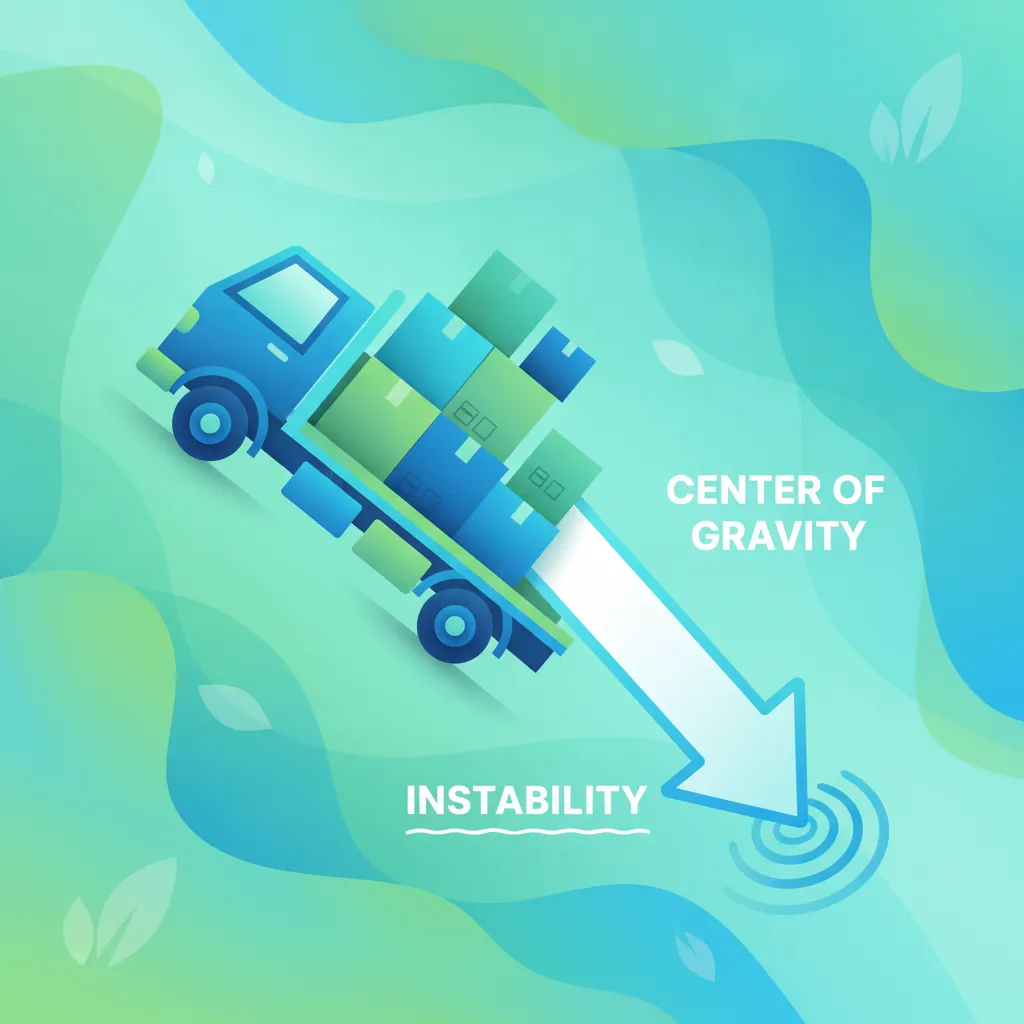
This lesson introduces the principles of load distribution and the impact of the centre of gravity on vehicle stability. It explains how cargo placement influences axle loads and the overall balance of the vehicle. The content emphasizes the importance of maintaining a low centre of gravity to reduce rollover risk.

This lesson examines how various road surfaces and conditions affect tyre grip and traction. It teaches riders to recognize and adapt to hazards like wet patches, loose gravel, or oil spills. The content covers techniques for maintaining control through smooth throttle and brake inputs, preventing traction loss while accelerating, braking, and cornering on compromised surfaces.

This lesson examines how different weather conditions, such as rain, strong winds, and fog, directly impact motorcycle safety. It explains how wet surfaces reduce tyre grip and increase braking distances, requiring smoother rider inputs. The content also provides strategies for managing reduced visibility and the physical effects of crosswinds on the motorcycle's stability.

This lesson delves into the principles of vehicle dynamics that govern two-wheeled vehicles. It explains the importance of balance, the concept of counter-steering for initiating turns, and how body position influences handling. Understanding these physical forces allows for smoother, safer, and more confident control of the vehicle.

This lesson focuses on the distribution of loads across axle groups and the legal limits for axle loads. It explains the importance of correct weight distribution to avoid axle overloading, which can lead to road damage and safety hazards. The content also covers methods for measuring axle loads and the legal requirements for maintaining proper axle load limits.
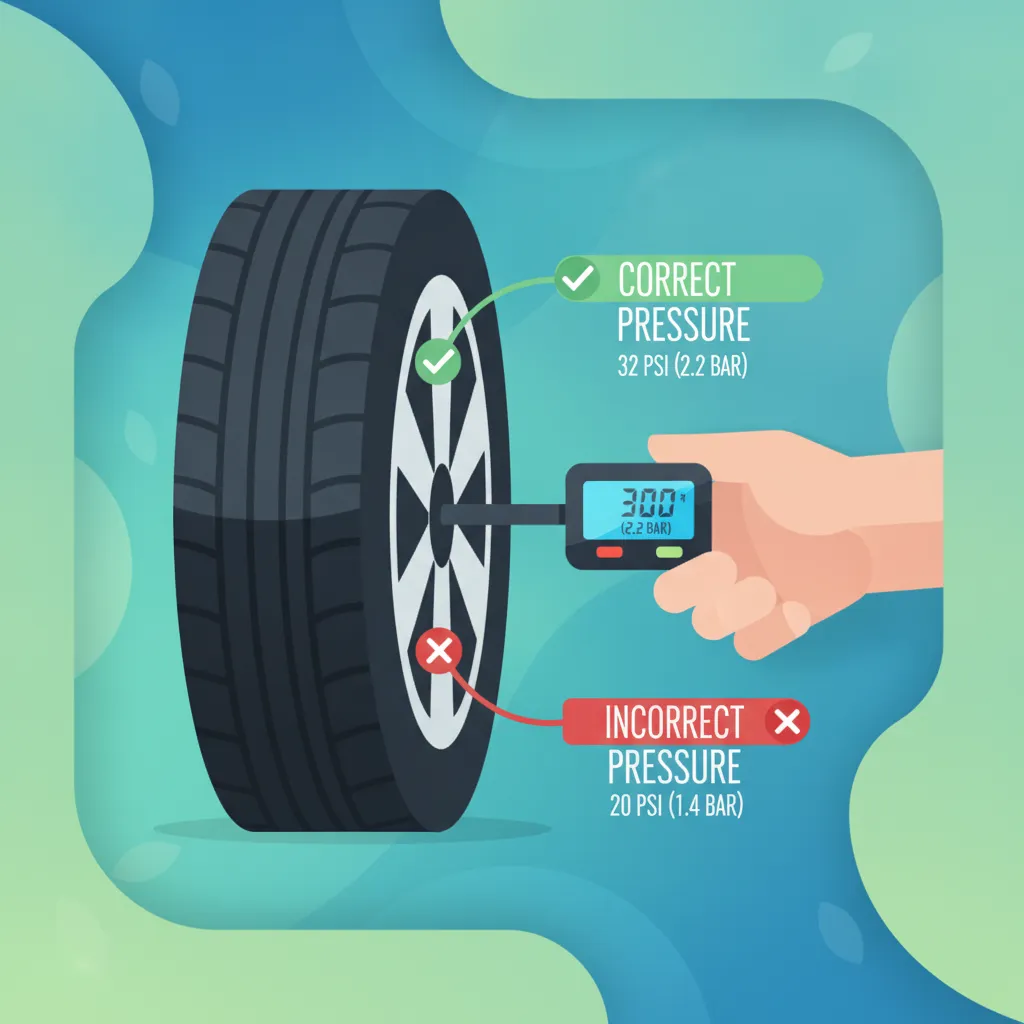
This lesson focuses on the importance of tyres and wheels for motorcycle safety and performance. It explains how to select appropriate tyres and the significance of maintaining correct tyre pressure, load rating, and tread depth. Detailed instructions are provided for conducting regular inspections to recognize signs of wear or damage and ensure optimal grip in various conditions.
Explore essential theory on correctly securing motorcycle luggage. Understand how low and even weight distribution maintains a stable center of gravity and prevents negative impacts on steering and braking.
This lesson covers the critical considerations for safely carrying a passenger. It explains how the additional weight affects the motorcycle's handling, braking, and acceleration characteristics by altering the center of gravity. The content emphasizes the importance of briefing the passenger on how to behave on the motorcycle and adjusting tyre pressures and suspension settings accordingly.

This lesson teaches crucial risk awareness and accident prevention strategies for motorcyclists. It examines common accident scenarios and teaches riders how to identify potential hazards in advance. Key concepts include defensive riding, maintaining situational awareness, and understanding how a proactive mindset contributes to a safer riding experience on the road.
This lesson examines how different weather conditions, such as rain, strong winds, and fog, directly impact motorcycle safety. It explains how wet surfaces reduce tyre grip and increase braking distances, requiring smoother rider inputs. The content also provides strategies for managing reduced visibility and the physical effects of crosswinds on the motorcycle's stability.

This lesson highlights the specific risks associated with motorcyclists, who are less visible and more vulnerable than car drivers. It teaches you to actively look for motorcycles, especially at intersections and during lane changes, as their smaller profile can be easily missed. You will learn about their potential for rapid acceleration and instability, emphasizing the need for extra following distance.
This lesson explains the crucial role of the suspension system in motorcycle handling and ride quality. It describes how front forks and rear shock absorbers work to absorb road imperfections and maintain stability. Learners are introduced to fundamental setup principles, such as preload and damping adjustments, to optimize the bike's response to different loads and road conditions.
This lesson focuses on the importance of tyres and wheels for motorcycle safety and performance. It explains how to select appropriate tyres and the significance of maintaining correct tyre pressure, load rating, and tread depth. Detailed instructions are provided for conducting regular inspections to recognize signs of wear or damage and ensure optimal grip in various conditions.

This lesson explains the legal and safety requirements for transporting goods and cargo. It covers the importance of proper load distribution to maintain vehicle stability and the methods for securely fastening items to prevent them from shifting or falling. The regulations concerning maximum vehicle weight, roof loads, and the correct marking of loads that overhang the vehicle are also detailed.

This lesson teaches the essential observation techniques required for safe riding, focusing on the systematic use of mirrors and shoulder checks to manage blind spots. It emphasizes developing active scanning habits to maintain constant situational awareness of the surrounding traffic environment. Learners will understand how effective head movement and use of peripheral vision are critical for detecting potential hazards early.

This lesson examines the risks associated with load shifting during braking and cornering maneuvers. It explains how inertia and weight transfer can cause cargo to move, potentially leading to instability or loss of control. The content emphasizes the importance of proper load securing to mitigate these risks and maintain vehicle stability.
This lesson introduces the fundamental principles of motorcycle balance, explaining the role of the gyroscopic effect in creating stability at speed. It demystifies the concept of countersteering, teaching learners how a push on the handlebar initiates a lean and turns the motorcycle. The lesson also covers how rider body positioning and weight transfer influence balance during both low-speed and high-speed maneuvers.
Find clear answers to common questions learners have about Safe Luggage Carrying, Weight Distribution, and Its Influence on Riding. Learn how the lesson is structured, which driving theory objectives it supports, and how it fits into the overall learning path of units and curriculum progression in Germany. These explanations help you understand key concepts, lesson flow, and exam focused study goals.
Keeping luggage low and as close to the center of the bike as possible maintains a stable center of gravity. Higher loads make the motorcycle top-heavy, negatively impacting your ability to balance, steer accurately, and execute sharp turns safely.
Yes, added weight increases the momentum of the motorcycle, requiring a longer stopping distance. You must adjust your following distance and brake earlier when carrying extra weight to compensate for the reduced deceleration efficiency.
Always distribute weight evenly between the left and right side panniers. If one side is heavier, the motorcycle's balance will be pulled to one side, affecting your steering and making the bike feel unstable, especially during cornering.
Never exceed the maximum permitted weight load specified in your vehicle documents. Overloading puts excessive strain on the suspension, tyres, and frame, which can lead to critical mechanical failures and dangerous handling conditions.
Begin your targeted revision now. Use our practice search to quickly find specific German driving theory questions. Filter by StVO rules, road signs, or hazard perception to create your focused study plan. Master challenging areas and prepare confidently for your theoretical driving test.