
This lesson guides you through the critical components of motorcycle tyres and wheels, focusing on your legal obligations and safety requirements in Germany. As part of our comprehensive Class A motorcycle course, you will learn how to maintain your bike to ensure optimal handling and grip. Mastering these checks is essential for both your theory exam and your long-term safety as a rider.
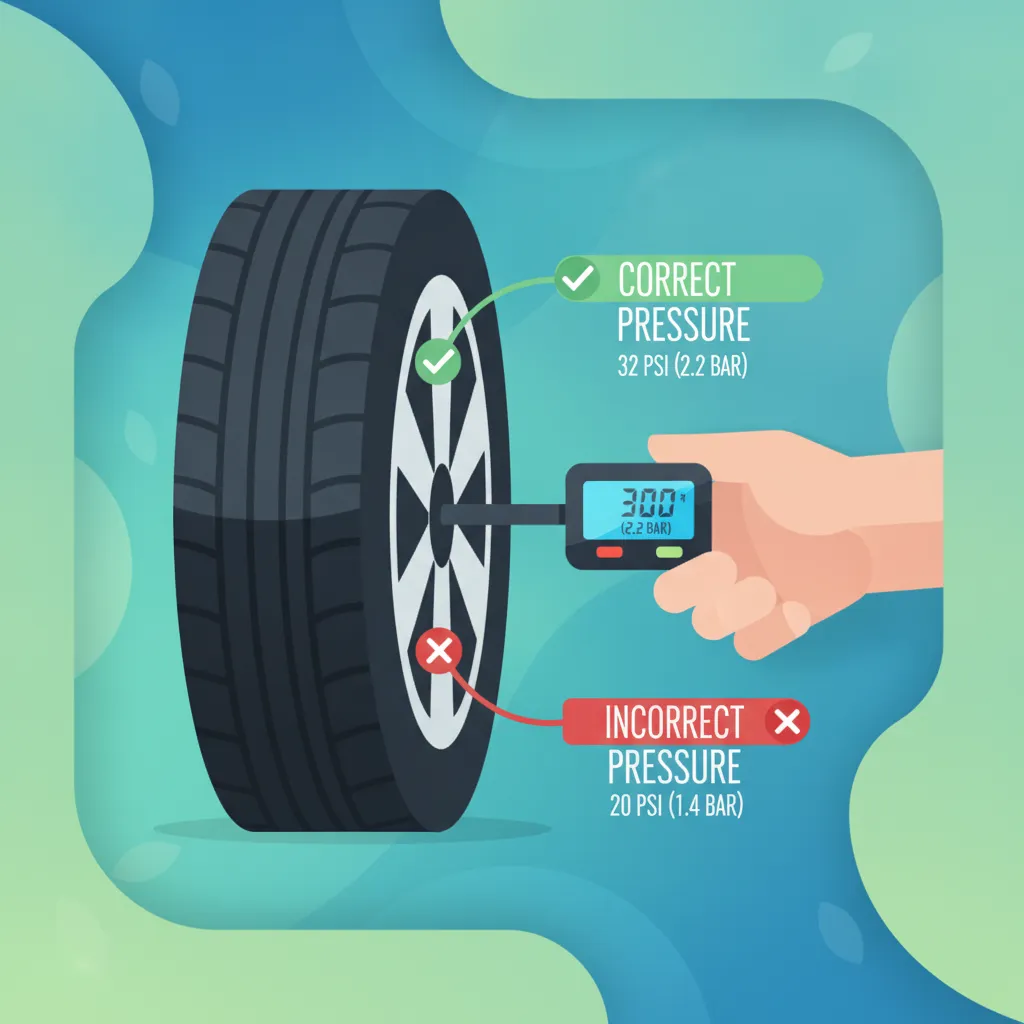
Lesson content overview
Motorcycle tyres and wheels are the sole points of contact between your vehicle and the road. Their condition, selection, and proper maintenance are paramount for safety, handling, and overall performance. As part of your German Motorcycle Licence Theory Course, understanding these critical components is fundamental to becoming a responsible and skilled rider. This lesson will explore how to select the right tyres, manage tyre pressure effectively, maintain optimal tread depth, and recognise signs of wear or damage.
Tyres and wheels are more than just components that get you from A to B; they are integral to a motorcycle's grip, stability, handling characteristics, and braking efficiency. Every decision regarding their selection, every check of their condition, and every adjustment to their pressure directly impacts your safety and riding experience. Neglecting these aspects can lead to compromised handling, reduced fuel efficiency, premature wear, and, most critically, a heightened risk of accidents.
Selecting the correct tyres for your motorcycle involves understanding several key specifications. These are typically embossed on the tyre's sidewall and detailed in your motorcycle's owner's manual and registration documents. Mismatched or incorrectly specified tyres can severely compromise safety and may also be illegal.
The tyre size specifies the dimensions of the tyre, ensuring it is compatible with your motorcycle's rim and chassis. A typical tyre size notation, such as 190/55 ZR 17, breaks down as follows:
Using the correct tyre size is crucial because it directly influences handling, stability, and clearance with other motorcycle components. Incorrect sizes can lead to unpredictable handling, reduced braking effectiveness, and potential mechanical interference.
The load index is a numerical code on the tyre sidewall that specifies the maximum weight a single tyre can safely support when properly inflated. This is often followed by the speed index. For example, a load index of 83 means the tyre can carry up to 487 kg (kilograms). The combined load rating of both tyres must exceed the maximum permissible weight of the motorcycle, including the rider, any passenger, and luggage.
Exceeding a tyre's load rating can lead to excessive heat buildup, premature wear, structural damage, and a significantly increased risk of tyre failure or a blowout, especially at higher speeds. Always check your motorcycle's registration documents and the tyre sidewall to ensure the load index is appropriate for your vehicle's fully loaded weight.
The speed index is a letter code that indicates the maximum speed at which a tyre can safely operate for a sustained period under its specified load. For instance, a speed index of V signifies a maximum speed of 240 km/h, while W corresponds to 270 km/h, and Y to 300 km/h.
It is a legal requirement in Germany (and most countries) that the speed index of your tyres must be equal to or higher than the maximum design speed of your motorcycle. Using tyres with an insufficient speed rating can cause them to overheat, deform, or even disintegrate at high speeds, posing an extreme safety hazard. Always consult your vehicle's registration certificate (Fahrzeugschein or Zulassungsbescheinigung Teil I) for the mandated speed rating.
Beyond size and ratings, tyres come in various types designed for specific riding styles and conditions:
Choosing the right type depends on your typical riding environment. Using an inappropriate tyre type can compromise safety and enjoyment.
Regular and thorough tyre maintenance is non-negotiable for every motorcyclist. It directly influences your safety, the longevity of your tyres, and your motorcycle's overall performance.
Correct tyre pressure is perhaps the most critical aspect of tyre maintenance. It affects everything from handling and stability to fuel efficiency and tyre lifespan. Manufacturers specify optimum tyre pressures for a reason – they ensure the tyre's contact patch (the area of the tyre touching the road) is the correct size and shape for optimal grip, heat dissipation, and wear.
Tyre pressure should always be checked when the tyres are "cold." This means the motorcycle has not been ridden for at least a few hours, or only for a very short distance at low speed. Driving even a few kilometres can heat the tyres and increase the internal pressure, giving an inaccurate reading.
Locate the recommended tyre pressures for your motorcycle. These are usually found in the owner's manual, on a sticker on the swingarm, or on the frame. There might be different recommendations for solo riding versus carrying a passenger or luggage.
Use an accurate tyre pressure gauge. Screw it onto the valve stem firmly until the hiss of air stops.
Read the pressure. If it's too low, inflate the tyre to the recommended level. If it's too high, release air by pressing the centre pin of the valve stem.
Replace the valve cap. Valve caps prevent dirt and moisture from entering the valve and help seal against slow air leaks.
Repeat for both front and rear tyres.
Always carry a reliable tyre pressure gauge, and make checking your tyre pressures a routine part of your pre-ride inspection, especially before long journeys.
Tyre pressure is not static; it needs adjustment based on riding conditions:
Consequences of Incorrect Tyre Pressure:
The tyre tread is designed to provide grip on dry surfaces and, crucially, to evacuate water from under the tyre in wet conditions, preventing aquaplaning. The depth of the tread is therefore vital for safety.
Most modern motorcycle tyres have Tread Wear Indicators (TWIs), which are small raised bars moulded into the main tread grooves. When the tyre tread wears down to the level of these indicators, it signifies that the tyre has reached its minimum safe tread depth and must be replaced. TWIs are typically spaced around the tyre's circumference.
In Germany, the legal minimum tread depth for motorcycle tyres is 1.6 millimetres (mm) across the entire circumference and the full width of the main tread. While 1.6 mm is the legal minimum, many experts recommend replacing tyres when they reach 2-3 mm of tread, especially if you frequently ride in wet conditions, as water displacement capability diminishes significantly with shallower treads.
Riding with tyres below the legal minimum tread depth is not only extremely dangerous due to reduced grip and increased aquaplaning risk but also illegal and can result in fines and penalty points.
A thorough visual inspection of your tyres should be part of your routine motorcycle check. Look for any signs of wear or damage that could compromise safety.
If you discover any significant damage, the tyre must be replaced by a qualified professional. Attempting to repair compromised tyres can be extremely risky for motorcycles.
While tyres get most of the attention, the wheels themselves also require proper attention for safe operation.
The tyre bead (the inner edge of the tyre that seats against the rim) must precisely fit the wheel rim width. Using a tyre that is too narrow or too wide for the rim can lead to an improper seal, difficulty in mounting, and an increased risk of the tyre coming off the rim, especially during cornering or hard braking. Always follow manufacturer recommendations for tyre-rim compatibility.
When new tyres are mounted, or after any significant tyre work, the wheel and tyre assembly must be balanced. Balancing involves adding small weights to the rim to counteract any uneven weight distribution in the tyre or wheel. An unbalanced wheel can cause vibrations at certain speeds, leading to rider fatigue, uneven tyre wear, and compromised handling.
If you store your motorcycle for an extended period, or if you have spare tyres, proper storage is important to prevent premature degradation:
Adhering to German legal requirements for motorcycle tyres is not only crucial for safety but also for legal compliance. The regulations primarily aim to ensure that vehicles are roadworthy and safe for all participants in traffic.
Operating a motorcycle with tyres that do not meet legal requirements (e.g., insufficient tread depth, incorrect speed/load index, severe damage) can lead to:
The consequences of neglecting tyre and wheel maintenance can be severe, impacting both safety and the operational aspects of your motorcycle.
Worn-out tyres with insufficient tread depth or improperly inflated tyres offer a significantly reduced contact patch and less grip on the road. This directly translates to longer braking distances and reduced cornering ability, drastically increasing the risk of skidding or losing control, especially in emergency situations.
Aquaplaning occurs when a layer of water builds up between the tyre and the road surface, causing the tyre to lose contact with the road. Adequate tread depth is crucial for channelling water away. Severely worn tyres cannot evacuate water effectively, making aquaplaning a much higher risk even in moderate rain, leading to a complete loss of steering and braking control.
Incorrect tyre pressure (especially underinflation) or exceeding the tyre's load or speed rating generates excessive heat within the tyre. This heat can cause the tyre's internal structure to break down, leading to sudden and catastrophic failure, known as a blowout. A blowout at speed, particularly on a motorcycle, is extremely dangerous and can result in severe accidents.
Improper maintenance, such as incorrect tyre pressure or unbalanced wheels, causes tyres to wear unevenly. This not only reduces the overall lifespan of the tyre, requiring more frequent and costly replacements, but also degrades handling and stability well before the tyre is fully worn out. Early replacement due to uneven wear is an unnecessary expense and inconvenience.
Motorcycle tyres and wheels are fundamental to every aspect of riding safely and effectively. Their careful selection, diligent maintenance, and precise pressure management are not merely suggestions but critical responsibilities for every rider undertaking the German Motorcycle Licence Theory Course. By understanding and applying the principles of correct tyre selection, regular inspection, and appropriate pressure adjustments, you ensure optimal grip, stability, and control, allowing you to ride confidently and safely on German roads. Always prioritise the condition of your tyres – your life, and the lives of others, depend on it.
This lesson covers the essential knowledge for selecting, maintaining, and inspecting motorcycle tyres and wheels in Germany, including interpreting sidewall markings for size, load index, and speed ratings. Key maintenance practices include checking cold tyre pressure against manufacturer specifications, maintaining proper tread depth (minimum 1.6 mm legally, 2-3 mm recommended), and recognising damage signs like cuts, bulges, or uneven wear patterns. Understanding tyre pressure effects on handling, braking, and tyre lifespan helps riders avoid dangerous conditions such as blowouts and aquaplaning. Adhering to German regulations—proper type approval, matching specifications, and legal tread limits—ensures both exam success and long-term safety on German roads.
A short set of high-value points that capture the most important learning from this lesson.
Motorcycle tyres are the sole contact point with the road, making their condition critical for grip, stability, handling, and braking performance.
Tyre specifications including size, load index, and speed index must exactly match those listed in the vehicle's registration documents (Fahrzeugschein/Zulassungsbescheinigung).
Tyre pressure must be checked when tyres are cold (not recently ridden) using the manufacturer's recommended values, with adjustments needed for passenger loads and high-speed Autobahn travel.
The legal minimum tread depth in Germany is 1.6 mm, but experts recommend replacement at 2-3 mm for adequate wet weather water evacuation.
Tyre damage including cuts, cracks, bulges, or blisters requires immediate professional inspection and replacement—repairs on compromised tyres are extremely risky on motorcycles.
Explore all units and lessons included in this driving theory course.
Tyre size notation breaks down as: width (mm) / aspect ratio (%) construction-speed rating rim diameter (inches), e.g., 190/55 ZR 17.
Load index and speed index codes on the tyre sidewall must meet or exceed the motorcycle's maximum design speed and fully loaded weight requirements.
Underinflation causes excessive sidewall flexing, overheating, and blowout risk; overinflation reduces the contact patch and compromises grip.
Tread Wear Indicators (TWIs) are raised bars in the main grooves that signal when the tyre has reached its minimum safe tread depth.
Tyres must display an E-mark for type approval in Germany, and both tyres should generally be the same type from the same manufacturer unless specified otherwise.
Checking tyre pressure after riding rather than when tyres are cold, leading to inaccurate readings and incorrect adjustments.
Assuming the legal minimum tread depth of 1.6 mm is acceptable for everyday riding—water evacuation capability drops significantly before reaching this limit.
Failing to increase tyre pressure when carrying a passenger or luggage, causing excessive tyre deformation and overheating risk.
Overlooking signs of ageing such as sidewall cracks or UV damage, even when tread depth appears adequate.
Using tyres with speed or load ratings lower than the motorcycle's requirements, which can cause catastrophic failure at high speeds.
Lesson content overview
A short set of high-value points that capture the most important learning from this lesson.
Motorcycle tyres are the sole contact point with the road, making their condition critical for grip, stability, handling, and braking performance.
Tyre specifications including size, load index, and speed index must exactly match those listed in the vehicle's registration documents (Fahrzeugschein/Zulassungsbescheinigung).
Tyre pressure must be checked when tyres are cold (not recently ridden) using the manufacturer's recommended values, with adjustments needed for passenger loads and high-speed Autobahn travel.
The legal minimum tread depth in Germany is 1.6 mm, but experts recommend replacement at 2-3 mm for adequate wet weather water evacuation.
Tyre damage including cuts, cracks, bulges, or blisters requires immediate professional inspection and replacement—repairs on compromised tyres are extremely risky on motorcycles.
Explore all units and lessons included in this driving theory course.
Tyre size notation breaks down as: width (mm) / aspect ratio (%) construction-speed rating rim diameter (inches), e.g., 190/55 ZR 17.
Load index and speed index codes on the tyre sidewall must meet or exceed the motorcycle's maximum design speed and fully loaded weight requirements.
Underinflation causes excessive sidewall flexing, overheating, and blowout risk; overinflation reduces the contact patch and compromises grip.
Tread Wear Indicators (TWIs) are raised bars in the main grooves that signal when the tyre has reached its minimum safe tread depth.
Tyres must display an E-mark for type approval in Germany, and both tyres should generally be the same type from the same manufacturer unless specified otherwise.
Checking tyre pressure after riding rather than when tyres are cold, leading to inaccurate readings and incorrect adjustments.
Assuming the legal minimum tread depth of 1.6 mm is acceptable for everyday riding—water evacuation capability drops significantly before reaching this limit.
Failing to increase tyre pressure when carrying a passenger or luggage, causing excessive tyre deformation and overheating risk.
Overlooking signs of ageing such as sidewall cracks or UV damage, even when tread depth appears adequate.
Using tyres with speed or load ratings lower than the motorcycle's requirements, which can cause catastrophic failure at high speeds.
Explore search topics learners often look for when studying Tyres and Wheels: Selection, Maintenance, and Pressure Management. These topics reflect common questions about road rules, driving situations, safety guidance, and lesson level theory preparation for learners in Germany.
Browse additional driving theory lessons that cover connected traffic rules, road signs, and common driving situations related to this topic. Improve your understanding of how different rules interact across everyday traffic scenarios.
Explore essential motorcycle tyre and wheel maintenance for German driving theory. Learn proper selection, pressure, tread depth, and inspection techniques to ensure optimal safety and grip on all road types.
This lesson teaches riders how to conduct a simple but crucial pre-ride inspection of their vehicle. It provides step-by-step guidance on checking tyre pressure and tread depth, verifying brake function, and ensuring all lights are operational. Regular maintenance is presented as a fundamental responsibility for every rider.
This lesson emphasizes the crucial role tyres play in vehicle safety, as they are the only point of contact with the road. It covers how to check and maintain correct tyre pressure and explains the legal minimum requirement for tread depth. The lesson also details Germany's situational winter tyre requirement ('Winterreifenpflicht') and how to identify appropriate tyres.

This lesson examines how different weather conditions, such as rain, strong winds, and fog, directly impact motorcycle safety. It explains how wet surfaces reduce tyre grip and increase braking distances, requiring smoother rider inputs. The content also provides strategies for managing reduced visibility and the physical effects of crosswinds on the motorcycle's stability.
This lesson outlines the driver's legal responsibility to ensure their vehicle is in a safe and roadworthy condition before every journey. It covers essential pre-drive checks, such as verifying lights, tyres, and fluid levels (oil, coolant, washer fluid). The lesson also explains the mandatory equipment that must be carried in the vehicle, including a warning triangle, high-visibility vest, and first-aid kit.

This lesson examines how various road surfaces and conditions affect tyre grip and traction. It teaches riders to recognize and adapt to hazards like wet patches, loose gravel, or oil spills. The content covers techniques for maintaining control through smooth throttle and brake inputs, preventing traction loss while accelerating, braking, and cornering on compromised surfaces.

This lesson focuses on the legal duties every motorcycle rider must adhere to under German traffic law. It covers the concept of 'duty of care' towards other road users, mandatory insurance requirements, and the importance of maintaining a roadworthy vehicle. The lesson also details the rules of the probationary period and the potential legal and financial consequences of traffic violations.
This lesson focuses on identifying and safely managing various road surface imperfections and hazards. It provides techniques for riding over loose surfaces like gravel, dealing with the low traction of wet leaves or manhole covers, and safely crossing tram tracks. The key is to recognize these hazards early and adjust technique accordingly.

This lesson focuses on how motorcyclists can clearly communicate their intentions to other road users to prevent misunderstandings and collisions. It covers the correct use of indicators, brake lights, and standardized hand signals for turning and stopping. The importance of making eye contact with other drivers to confirm they have seen you is also a key topic for enhancing safety.

This lesson provides a systematic approach to pre-drive inspection, outlining a comprehensive checklist to verify fluid levels, brake functionality, and tyre condition. It emphasizes the importance of checking lighting, mirror adjustments, and load securement before every journey. The content highlights safety protocols to ensure the vehicle is roadworthy.

This lesson explores the principles of carrying luggage safely without compromising the motorcycle's handling. It emphasizes the importance of securing the load properly and distributing the weight evenly and low to maintain a stable center of gravity. The content explains how improperly loaded luggage can negatively impact steering, braking, and overall stability, particularly at speed.
Understand the fundamental aspects of motorcycle construction, controls, and essential pre-ride safety checks. This lesson covers vehicle inspection, including tyres, brakes, and lights, as required by German driving theory regulations.
This lesson teaches riders how to conduct a simple but crucial pre-ride inspection of their vehicle. It provides step-by-step guidance on checking tyre pressure and tread depth, verifying brake function, and ensuring all lights are operational. Regular maintenance is presented as a fundamental responsibility for every rider.
This lesson outlines the driver's legal responsibility to ensure their vehicle is in a safe and roadworthy condition before every journey. It covers essential pre-drive checks, such as verifying lights, tyres, and fluid levels (oil, coolant, washer fluid). The lesson also explains the mandatory equipment that must be carried in the vehicle, including a warning triangle, high-visibility vest, and first-aid kit.

This lesson provides a detailed guide to the functional layout of a motorcycle's primary controls. It covers the purpose and correct operation of the handlebars, throttle, clutch, brake levers, and foot pedals. The content emphasizes proper hand and foot positioning to ensure precise manipulation and reduce rider fatigue for enhanced safety and response times.

This lesson details the importance of personal protective equipment for rider safety. It covers the legal standards for helmets in Germany, the benefits of wearing abrasion-resistant jackets and gloves, and the value of high-visibility clothing. It also explains the proper use of vehicle lighting systems to ensure visibility to others.

This lesson covers the regulations and safe techniques for overtaking other vehicles in urban environments. It emphasizes the importance of thorough observation, including mirror and blind spot checks, before committing to the maneuver. Learners will understand how to choose a safe gap, manage their speed differential, and maintain strict lane discipline throughout the overtaking process.
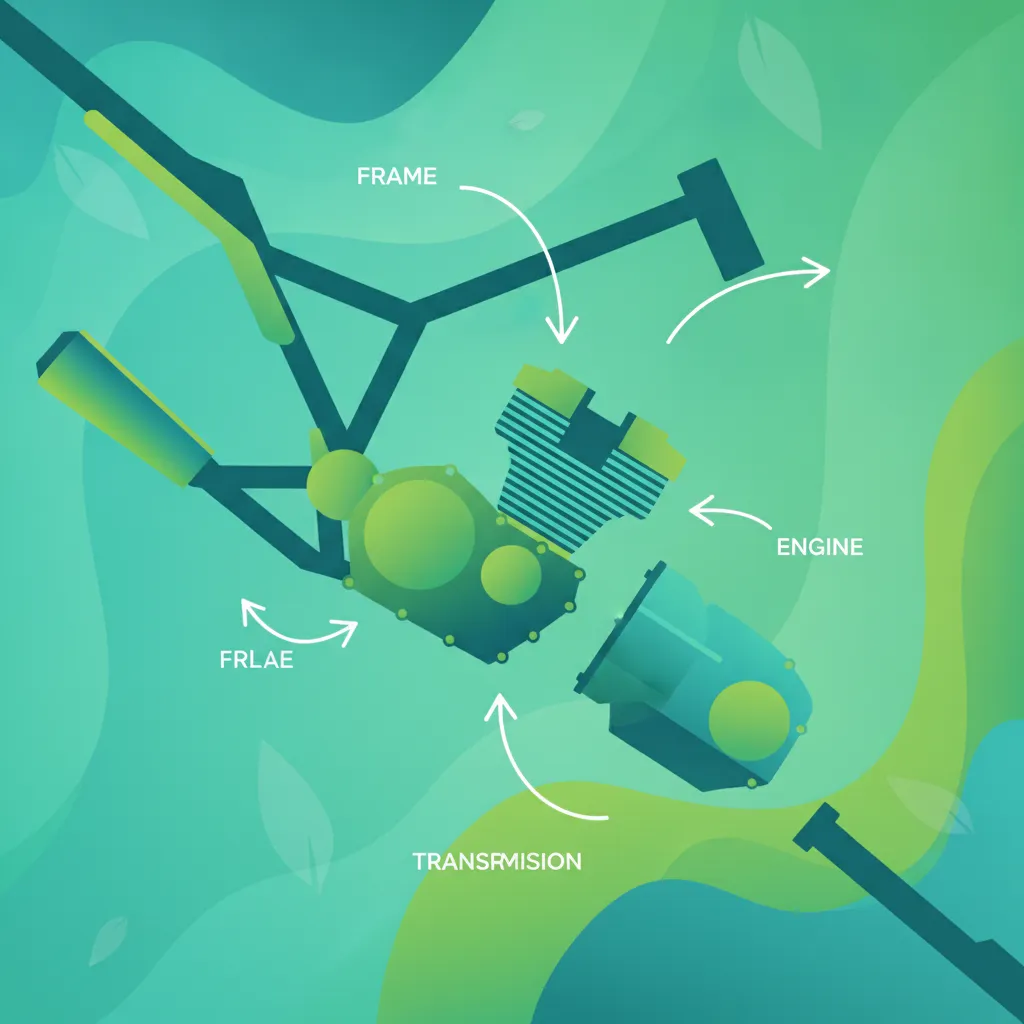
This lesson details the fundamental structure of a motorcycle, focusing on the frame, engine, and transmission. It explains how frame geometry influences handling and stability, while different engine types affect power delivery. Learners will also understand the mechanics of the transmission system, including clutch operation and gear shifting, and their role in controlling the motorcycle.

This lesson introduces the essential components of a motorcycle's braking system, including disc brakes, drum brakes, and the function of an Anti-lock Braking System (ABS). It teaches learners how to inspect brake pads and rotors for wear and understand the feel of the brake levers. The concept of balanced braking force distribution between the front and rear wheels is explained for maintaining stability.
This lesson focuses on how motorcyclists can clearly communicate their intentions to other road users to prevent misunderstandings and collisions. It covers the correct use of indicators, brake lights, and standardized hand signals for turning and stopping. The importance of making eye contact with other drivers to confirm they have seen you is also a key topic for enhancing safety.

This lesson focuses on the specific techniques for safely navigating roundabouts, a common feature in urban traffic. Learners are taught the correct lane selection for their intended exit, the importance of proper signaling upon entry and exit, and maintaining an appropriate speed. The content highlights the need to yield to circulating traffic and to be aware of other vehicles changing lanes within the roundabout.
This lesson highlights the specific risks associated with motorcyclists, who are less visible and more vulnerable than car drivers. It teaches you to actively look for motorcycles, especially at intersections and during lane changes, as their smaller profile can be easily missed. You will learn about their potential for rapid acceleration and instability, emphasizing the need for extra following distance.
Find clear answers to common questions learners have about Tyres and Wheels: Selection, Maintenance, and Pressure Management. Learn how the lesson is structured, which driving theory objectives it supports, and how it fits into the overall learning path of units and curriculum progression in Germany. These explanations help you understand key concepts, lesson flow, and exam focused study goals.
In Germany, the legally mandated minimum tread depth for motorcycle tyres is 1.6 mm across the entire tread surface. However, for safety reasons and better grip in wet conditions, it is highly recommended to replace tyres once they reach 2.0 mm or 2.5 mm.
You should check your tyre pressure at least once every two weeks or before any long trip. Always check them when the tyres are cold, as heat from riding increases pressure readings, which can lead to inaccurate adjustments.
The load index indicates the maximum weight the tyre can safely carry at the speed specified by its speed rating. Using a tyre with a lower load index than specified in your motorcycle's registration documents is illegal and dangerous, as it can cause tyre failure under load.
Yes, aged tyres can become brittle and lose their elasticity, significantly reducing grip even if the tread appears sufficient. The exam may test your awareness of the DOT code, which identifies the manufacturing date, as tyres older than 6 years should generally be replaced.
Begin your targeted revision now. Use our practice search to quickly find specific German driving theory questions. Filter by StVO rules, road signs, or hazard perception to create your focused study plan. Master challenging areas and prepare confidently for your theoretical driving test.