
This lesson explores the vital role of motorcycle suspension systems in maintaining vehicle stability and control. As part of your motorcycle licence theory training, you will learn how suspension setup influences handling and safety during various riding scenarios on German roads.

Lesson content overview
The suspension system is arguably one of the most critical components of a motorcycle, acting as the primary interface between the bike, the rider, and the road. Far from being a mere comfort feature, a properly functioning and correctly adjusted suspension is fundamental to a motorcycle's handling, stability, and ultimately, rider safety. This lesson, designed for the German Motorcycle Licence Theory Course (Classes A, A1, A2), delves into the intricate workings of suspension systems, exploring their components, functions, and the profound influence they exert on your riding experience.
Understanding how your motorcycle's suspension operates allows you to appreciate its role in maintaining tyre contact with the road, absorbing impacts, and providing the crucial feedback necessary for precise control. Without effective suspension, every bump would destabilize the bike, braking would be unpredictable, and cornering confidence would diminish significantly. Therefore, mastering the principles of suspension dynamics and basic setup adjustments is an essential skill for any motorcyclist seeking to ride safely and confidently.
At its core, a motorcycle suspension system is an ingenious combination of springs and dampers (often called shock absorbers) designed to manage the vertical movement of the wheels relative to the chassis. Its primary objectives are threefold: to isolate the rider and the motorcycle's frame from road irregularities, to ensure the tyres maintain consistent contact with the road surface for optimal traction, and to provide the rider with feedback about road conditions. This dynamic interplay directly influences stability, steering precision, braking effectiveness, and overall ride comfort.
Springs are the workhorses of the suspension system, responsible for absorbing the kinetic energy generated when a wheel encounters a bump or dip. They compress when subjected to a load, storing this energy, and then extend, releasing it. This action effectively cushions the ride by preventing direct transmission of road impacts to the chassis and rider.
The stiffness of a spring, measured as the force required to compress it a certain distance (e.g., Newtons per millimetre or pounds per inch). A higher spring rate indicates a stiffer spring.
The spring rate is a crucial characteristic, determining how much force is needed to compress the spring by a given amount. A spring that is too soft will compress excessively, leading to a "wallowy" feel and potential bottoming out, where the suspension runs out of travel. Conversely, a spring that is too stiff will result in a harsh ride, as it transmits too much of the road's imperfections directly to the rider and may cause the tyre to lose contact over bumps. The ideal spring rate must be carefully matched to the motorcycle's weight, the rider's weight, and any additional load from passengers or luggage to ensure optimal performance.
While springs absorb impacts, dampers are responsible for controlling the speed at which springs compress and extend. Without dampers, a spring would oscillate continuously after hitting a bump, causing the motorcycle to bounce uncontrollably. Dampers dissipate this unwanted kinetic energy, converting it into heat, thus bringing the suspension back to a stable position quickly and smoothly. This controlled movement is vital for maintaining tyre contact, especially during dynamic riding maneuvers like braking, accelerating, and cornering.
A hydraulic device within the suspension system that controls the speed of spring compression and rebound by dissipating kinetic energy as heat, preventing excessive oscillation.
Dampers utilize hydraulic fluid flowing through small orifices to create resistance. This resistance can be adjusted, allowing riders to fine-tune two critical aspects of suspension movement:
The resistance provided by the damper during the compression phase of the spring, controlling how quickly the suspension compresses when encountering a bump or during braking/acceleration.
The resistance provided by the damper during the extension phase of the spring, controlling how quickly the suspension returns to its uncompressed state after absorbing an impact.
A motorcycle's suspension system is divided into two main parts: the front forks and the rear shock absorber(s). Each plays a distinct yet interconnected role in the bike's overall performance.
The front suspension, typically consisting of two front forks, connects the front wheel to the motorcycle's frame. These forks house both springs and dampers, allowing the front wheel to move vertically independently of the main chassis. They are crucial for steering precision, braking stability, and absorbing impacts from the road, providing critical feedback to the rider through the handlebars.
Modern front forks come in several types, each offering different levels of performance and adjustability:
Practical Meaning: The front forks are pivotal for maintaining front tyre contact during braking, a period when significant weight shifts forward. Proper front suspension setup prevents excessive "dive" under braking, which can reduce the contact patch of the rear tyre and make steering difficult. It also ensures the front wheel can follow the road surface accurately through corners, enhancing grip and confidence. Regular inspection of fork seals for leaks and ensuring proper operation are essential safety checks.
The rear suspension system typically comprises a rear shock absorber (or two in older designs), connecting the rear swingarm to the motorcycle frame. This component manages the vertical movement of the rear wheel, directly influencing rear wheel traction, acceleration stability, and rider comfort.
Rear shock absorbers come in two primary configurations:
Practical Meaning: The rear shock absorber is critical for putting power down effectively during acceleration, preventing the rear tyre from breaking traction. It also ensures the rear wheel maintains contact with the road over bumps and undulations, which is vital for stability, especially when cornering or riding with a passenger and luggage. Like front forks, rear shocks must be regularly inspected for oil leaks, spring condition, and correct damping adjustments. Neglecting these checks can lead to a harsh ride, poor traction, and premature wear of the rear tyre.
Adjusting your motorcycle's suspension is not just for racers; it's a fundamental aspect of safe and comfortable riding for any motorcyclist. While many modern bikes offer sophisticated electronic adjustments, even basic manual adjustments can significantly improve handling. The primary adjustments available on most motorcycles are preload, spring rate, and damping.
Preload is the initial compression applied to a spring before any additional weight (like the rider) is placed on the motorcycle. It doesn't change the spring rate itself, but it effectively adjusts the starting point of the suspension travel, determining how much the suspension compresses under the bike's static weight and the rider's weight.
The initial tension applied to a suspension spring before any load is placed on the motorcycle, primarily used to set the static sag and neutral operating range.
The primary purpose of adjusting preload is to set the sag correctly. Sag is the amount the suspension compresses under various loads. Achieving the correct sag ensures that the suspension operates in its optimal range, providing enough travel to absorb bumps without bottoming out, and enough extension to keep the wheels on the ground over dips.
As discussed earlier, the spring rate defines how stiff a spring is. While many motorcycles come with factory-installed springs that are suitable for an average rider, significant deviations in rider weight, or frequent carrying of passengers and heavy luggage, may necessitate a change in spring rate.
Implications: If the spring rate is too soft for the combined load, the suspension will sag excessively even with maximum preload, bottom out easily, and feel "wallowy." This compromises handling and tyre contact. Conversely, a spring rate that is too stiff will result in insufficient sag, a harsh ride, and reduced ability of the wheels to follow road contours, leading to a loss of traction. For optimal performance, especially in the German Motorcycle Licence Theory Course context, understanding when a different spring rate might be beneficial is important, though changing springs is a more involved procedure than simply adjusting preload or damping.
Damping adjustments control the speed of suspension movement. On many adjustable suspension systems, riders can independently set both compression damping (how fast the suspension compresses) and rebound damping (how fast it extends).
Practical Meaning:
Finding the right balance for damping is crucial. Too soft, and the bike will feel uncontrolled and bouncy; too firm, and the ride will be harsh, potentially reducing traction and rider comfort. These adjustments are typically made with clickers on the fork caps or shock body.
Sag is one of the most fundamental measurements in suspension setup. It represents the amount of suspension travel used when the motorcycle is stationary, both under its own weight and then with the rider (and any passengers/luggage). Correct sag ensures the suspension has enough travel both to absorb upward bumps and to extend into downward dips, keeping the tyres firmly on the road.
The amount a motorcycle's suspension compresses under the weight of the bike itself (static sag) and additionally under the rider and luggage (rider sag). It is measured as a percentage of total suspension travel.
There are typically two main types of sag measured:
Most manufacturers recommend a total rider sag of approximately 20-30% of the suspension's total travel. For example, if a fork has 120 mm of travel, the rider sag should be around 24-36 mm.
With the motorcycle on its wheels (not on a stand), measure the full uncompressed length of the suspension (e.g., from the axle to a fixed point on the frame or tail for the rear, or from the fork seal to the bottom of the triple clamp for the front). Note this measurement (L1).
Have the rider (fully geared) sit on the motorcycle in a normal riding position, feet on pegs. Have an assistant compress the suspension slightly, then let it extend slowly to a natural resting position. Measure the same points again. Note this measurement (L2).
Have the assistant lift the suspension slightly, then let it settle slowly. Measure again. Note this measurement (L3).
Calculate the average sag: Sag = L1 - ((L2 + L3) / 2). Adjust the preload adjuster (typically a threaded collar on the spring or a clicker) to bring this sag measurement within the manufacturer's recommended range (usually 20-30% of total travel).
Implications: Incorrect sag severely compromises handling. Too much sag (too soft a spring/too little preload) means the suspension is already heavily compressed, limiting its ability to absorb bumps and making the bike feel unstable, especially during braking or cornering. Too little sag (too stiff a spring/too much preload) means the suspension rides too high, reducing its ability to extend into dips, potentially causing the wheels to lose contact with the road and resulting in a harsh ride.
Load distribution refers to how the total weight of the motorcycle, rider, passenger, and luggage is distributed between the front and rear wheels. This balance is critical for stability, tyre wear, and overall handling characteristics.
The proportion of the total weight (motorcycle, rider, passenger, luggage) carried by the front and rear wheels, significantly impacting handling and stability.
When you add a passenger or luggage, the weight distribution naturally shifts rearward. Without compensating adjustments, this can lead to several issues:
Practical Meaning: It is imperative to adjust your suspension (primarily rear preload) whenever you significantly change the load on your motorcycle. This includes riding with a passenger, carrying heavy luggage, or even significant changes in rider weight. Correcting the preload helps restore the intended load distribution and sag, maintaining predictable handling and safe operation.
Beyond the springs and dampers, the overall suspension geometry plays a fundamental role in how a motorcycle handles. This refers to the physical dimensions and angles of the suspension components relative to the frame and wheels, such as rake, trail, and swingarm angle.
The design characteristics of the suspension system, including angles and distances like rake, trail, and wheelbase, that collectively determine a motorcycle's handling characteristics.
These two measurements profoundly influence a motorcycle's stability and steering agility. Generally, more rake and trail increase straight-line stability but reduce steering agility. Conversely, less rake and trail make a bike more agile but potentially less stable at high speeds. While riders typically don't adjust these geometric properties directly, suspension adjustments (especially sag) can subtly alter rake and trail, influencing the bike's feel. Understanding this relationship helps riders appreciate why proper suspension setup is so critical for maintaining the manufacturer's intended handling characteristics.
Regular maintenance and inspection of your motorcycle's suspension system are not just good practice; they are essential for safety and compliance with road traffic regulations. A neglected suspension can rapidly deteriorate, leading to compromised handling, reduced safety, and potentially illegal operation.
Periodic Inspection: Motorcycle suspension systems, like all critical vehicle components, must undergo regular inspections for wear, damage, and proper operation. During routine vehicle inspections or after any significant impact, a qualified mechanic will check for:
Operating a motorcycle with known suspension damage or failure, such as significant oil leaks from forks or a broken spring, is strictly prohibited under German road traffic safety regulations. Such conditions can lead to sudden loss of control, especially during braking or cornering, posing a severe risk to the rider and other road users.
Adjustment Limits: When performing suspension adjustments (preload, compression, rebound), always ensure they remain within the manufacturer-specified ranges. Exceeding these limits can not only compromise safety and handling but may also void warranties or lead to premature component failure. If optimal settings cannot be achieved within the factory limits, it may indicate that a component (like the spring) is incorrectly matched to the bike's load.
Understanding common errors in suspension setup can help riders avoid dangerous situations and optimize their riding experience.
Incorrect Preload for Passenger or Luggage:
Overly Soft Front Suspension:
Neglected Damping Adjustment:
Undetected Fork Seal Leaks:
Unequal Load Distribution:
The ideal suspension setup is not static; it should adapt to various riding conditions, weather, road types, and vehicle loads to maintain optimal safety and performance.
The suspension system is a vital, dynamic link between your motorcycle and the road. Far from being a luxury, its correct function and meticulous adjustment are fundamental to safe operation, precise handling, and rider comfort on any motorcycle. For those undertaking the German Motorcycle Licence Theory Course (Classes A, A1, A2), a deep understanding of springs, dampers, preload, sag, and their collective influence on your ride is indispensable.
By regularly inspecting your suspension components, adjusting settings for different loads and conditions, and recognizing the signs of an improperly functioning system, you enhance your control, reduce fatigue, and significantly improve your overall safety margin. Remember, a well-sorted suspension allows your tyres to do their job effectively, providing the traction necessary to brake, accelerate, and corner with confidence, making every ride safer and more enjoyable.
The motorcycle suspension system consists of springs that absorb road impacts by storing kinetic energy, and dampers that control the speed of suspension movement to prevent uncontrolled oscillation. Key adjustment parameters include preload, which sets the initial spring compression and sag; spring rate, which determines stiffness; and damping, split into compression and rebound phases that control how quickly the suspension moves through its travel. Correct sag measurement (approximately 20-30% of travel) ensures the suspension has enough range to absorb bumps while maintaining tyre contact. Suspension geometry, including rake and trail, fundamentally influences handling characteristics, while load distribution changes from passengers or luggage require corresponding preload adjustments to maintain safe and predictable bike behaviour.
A short set of high-value points that capture the most important learning from this lesson.
A properly functioning suspension system is fundamental to tyre-road contact, handling stability, and rider safety, not merely a comfort feature.
Springs absorb road impacts by storing kinetic energy, while dampers control suspension movement speed by dissipating that energy as heat.
Preload sets the initial spring compression to establish correct sag, ensuring the suspension operates within its optimal travel range.
Compression damping controls how quickly the suspension compresses, while rebound damping controls how quickly it extends back to neutral.
Front forks manage steering precision and braking stability, whereas the rear shock absorber maintains traction during acceleration and over road irregularities.
Explore all units and lessons included in this driving theory course.
Spring rate is the stiffness measured as force required per unit of compression (e.g., N/mm).
Correct rider sag should be approximately 20-30% of total suspension travel.
Compression damping affects braking dive and bump absorption; rebound damping affects how the suspension recovers after an impact.
When carrying a passenger or luggage, rear preload must be increased to prevent excessive sag and maintain proper handling balance.
Fork seal oil leaks indicate worn damping fluid, which progressively compromises steering stability and braking performance.
Failing to increase rear preload when riding with a passenger or heavy luggage, causing excessive rear sag that reduces front tyre contact and makes steering feel vague.
Setting compression damping too high, resulting in a harsh ride where wheels cannot follow road contours, reducing traction.
Overly soft front suspension leading to excessive fork dive under braking, which destabilises the bike and can bottom out on bumps.
Ignoring fork seal oil leaks until significant damping fluid is lost, severely compromising suspension effectiveness and safety.
Uneven luggage distribution loading one side of the bike, causing imbalanced handling and uneven tyre wear.
Lesson content overview
A short set of high-value points that capture the most important learning from this lesson.
A properly functioning suspension system is fundamental to tyre-road contact, handling stability, and rider safety, not merely a comfort feature.
Springs absorb road impacts by storing kinetic energy, while dampers control suspension movement speed by dissipating that energy as heat.
Preload sets the initial spring compression to establish correct sag, ensuring the suspension operates within its optimal travel range.
Compression damping controls how quickly the suspension compresses, while rebound damping controls how quickly it extends back to neutral.
Front forks manage steering precision and braking stability, whereas the rear shock absorber maintains traction during acceleration and over road irregularities.
Explore all units and lessons included in this driving theory course.
Spring rate is the stiffness measured as force required per unit of compression (e.g., N/mm).
Correct rider sag should be approximately 20-30% of total suspension travel.
Compression damping affects braking dive and bump absorption; rebound damping affects how the suspension recovers after an impact.
When carrying a passenger or luggage, rear preload must be increased to prevent excessive sag and maintain proper handling balance.
Fork seal oil leaks indicate worn damping fluid, which progressively compromises steering stability and braking performance.
Failing to increase rear preload when riding with a passenger or heavy luggage, causing excessive rear sag that reduces front tyre contact and makes steering feel vague.
Setting compression damping too high, resulting in a harsh ride where wheels cannot follow road contours, reducing traction.
Overly soft front suspension leading to excessive fork dive under braking, which destabilises the bike and can bottom out on bumps.
Ignoring fork seal oil leaks until significant damping fluid is lost, severely compromising suspension effectiveness and safety.
Uneven luggage distribution loading one side of the bike, causing imbalanced handling and uneven tyre wear.
Explore search topics learners often look for when studying Suspension System and Its Influence on Handling. These topics reflect common questions about road rules, driving situations, safety guidance, and lesson level theory preparation for learners in Germany.
Browse additional driving theory lessons that cover connected traffic rules, road signs, and common driving situations related to this topic. Improve your understanding of how different rules interact across everyday traffic scenarios.
Understand how motorcycle suspension components like forks and shock absorbers influence stability, comfort, and road grip. Learn basic adjustment principles for optimal handling according to German theory.

This lesson introduces the essential components of a motorcycle's braking system, including disc brakes, drum brakes, and the function of an Anti-lock Braking System (ABS). It teaches learners how to inspect brake pads and rotors for wear and understand the feel of the brake levers. The concept of balanced braking force distribution between the front and rear wheels is explained for maintaining stability.

This lesson introduces the fundamental structural components of heavy vehicles, focusing on the frame and chassis design. It explains the role of different suspension types, such as leaf springs and air suspension, in load distribution and ride comfort. The content also discusses how chassis rigidity and material fatigue affect vehicle safety and longevity.

This lesson details the fundamental structure of a motorcycle, focusing on the frame, engine, and transmission. It explains how frame geometry influences handling and stability, while different engine types affect power delivery. Learners will also understand the mechanics of the transmission system, including clutch operation and gear shifting, and their role in controlling the motorcycle.
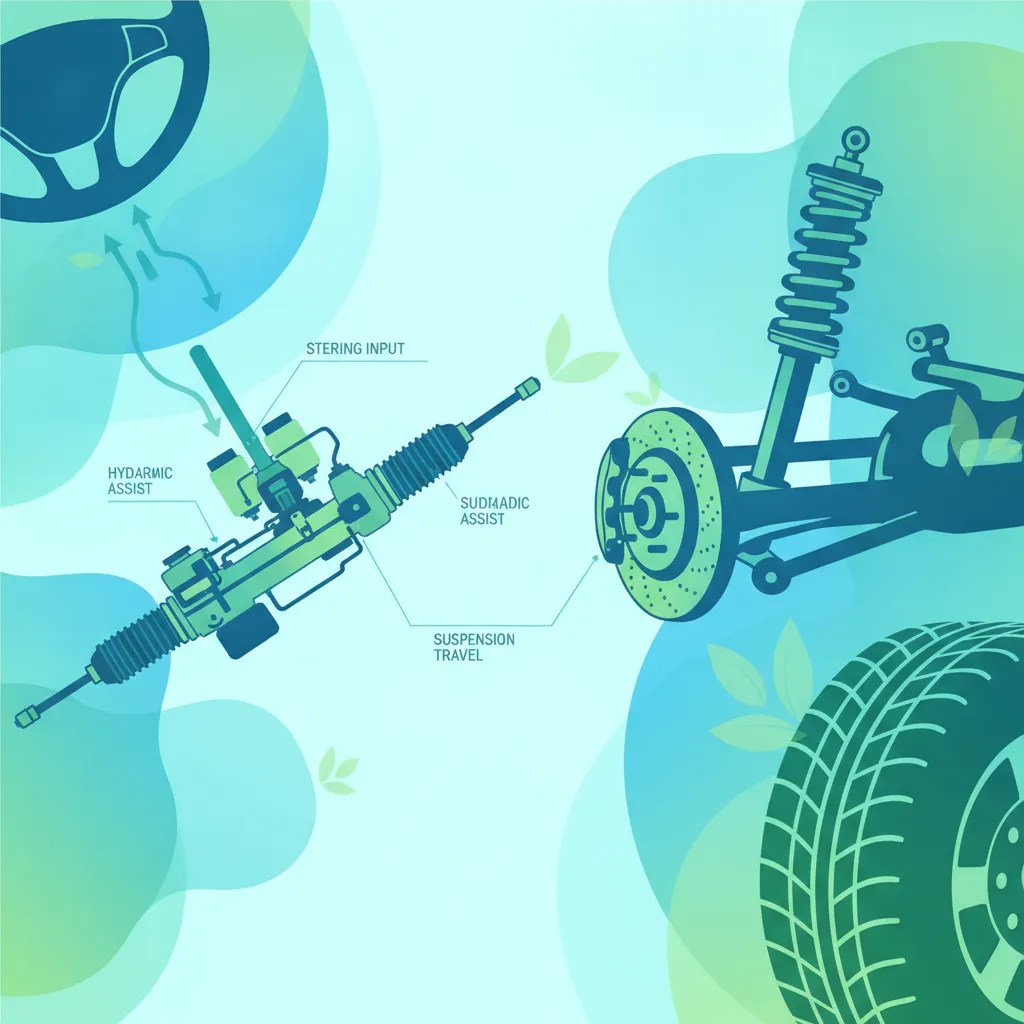
This lesson examines the steering mechanisms in heavy vehicles, including power-assisted systems, and their impact on handling. It also covers tyre technology, focusing on selection, pressure, load rating, and the importance of proper tyre maintenance. The content highlights how suspension components contribute to vehicle stability and control.
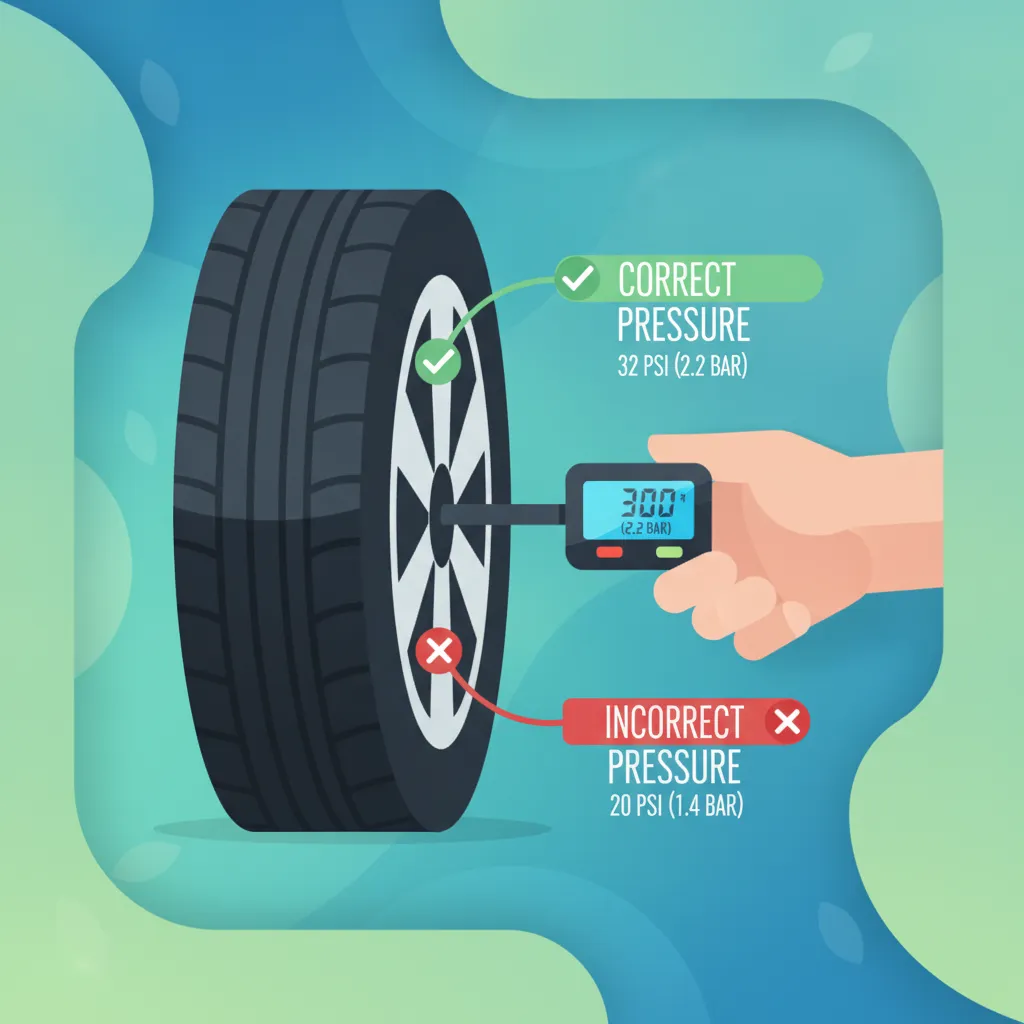
This lesson focuses on the importance of tyres and wheels for motorcycle safety and performance. It explains how to select appropriate tyres and the significance of maintaining correct tyre pressure, load rating, and tread depth. Detailed instructions are provided for conducting regular inspections to recognize signs of wear or damage and ensure optimal grip in various conditions.

This lesson introduces the fundamentals of a motorcycle's braking system, emphasizing the dominant role of the front brake due to forward weight transfer during deceleration. It explains how to apply both front and rear brakes in a coordinated manner to achieve maximum, stable stopping power. The content also covers how to modulate brake pressure smoothly and progressively to avoid losing traction and locking a wheel.

This lesson teaches riders how to conduct a simple but crucial pre-ride inspection of their vehicle. It provides step-by-step guidance on checking tyre pressure and tread depth, verifying brake function, and ensuring all lights are operational. Regular maintenance is presented as a fundamental responsibility for every rider.

This lesson covers the various braking systems used on trailers, including air and electric brakes, and their integration with the towing vehicle. It explains the role of the brake controller, electrical connections for brake lights, and how braking force is distributed. The content also addresses considerations such as brake lag and trailer ABS functionality.

This lesson introduces the fundamental principles of motorcycle balance, explaining the role of the gyroscopic effect in creating stability at speed. It demystifies the concept of countersteering, teaching learners how a push on the handlebar initiates a lean and turns the motorcycle. The lesson also covers how rider body positioning and weight transfer influence balance during both low-speed and high-speed maneuvers.

This lesson provides a detailed guide to the functional layout of a motorcycle's primary controls. It covers the purpose and correct operation of the handlebars, throttle, clutch, brake levers, and foot pedals. The content emphasizes proper hand and foot positioning to ensure precise manipulation and reduce rider fatigue for enhanced safety and response times.
Find clear answers to common questions learners have about Suspension System and Its Influence on Handling. Learn how the lesson is structured, which driving theory objectives it supports, and how it fits into the overall learning path of units and curriculum progression in Germany. These explanations help you understand key concepts, lesson flow, and exam focused study goals.
Understanding how your motorcycle handles road irregularities is critical for safe riding. Exam questions often test your ability to recognize how bike stability changes with different loads or road surfaces.
Preload adjusts the initial compression of the spring to account for weight, while damping controls how quickly the spring compresses and rebounds, which is essential for maintaining tyre grip.
At high speeds, poor suspension setup can lead to instability, wobbling, or reduced traction, making it harder to control the motorcycle during lane changes or sudden braking.
You do not need to be a mechanic, but you must understand the theoretical relationship between suspension settings, load distribution, and the resulting handling characteristics of your motorcycle.
Begin your targeted revision now. Use our practice search to quickly find specific German driving theory questions. Filter by StVO rules, road signs, or hazard perception to create your focused study plan. Master challenging areas and prepare confidently for your theoretical driving test.