
This lesson explores the physics of motorcycle grip, teaching you how to safely manage your bike on varying road surfaces like wet tarmac, gravel, or oil spills. As part of our comprehensive A1, A2, and A license curriculum, this knowledge is vital for your safety and success in the German motorcycle theory exam.

Lesson content overview
Riding a motorcycle safely demands a profound understanding of how your tyres interact with the road surface. This interaction, known as traction, is the foundation of control, allowing you to accelerate, brake, and corner effectively. In the German Motorcycle Licence Theory Course (Classes A, A1, A2), mastering traction management is not just a skill but a critical safety imperative. This lesson will equip you with the knowledge to optimize grip on varying surfaces, recognize potential hazards, and adapt your riding style to maintain stability and prevent accidents.
At the heart of motorcycle control lies the concept of tyre grip. Grip refers to the adhesive force between your tyres and the road surface, which resists slippage and allows for directional control. Optimal grip is crucial for executing all riding maneuvers safely.
Traction is the force that propels your motorcycle forward, slows it down, or allows it to change direction. It is generated through the friction between your tyres and the road. The amount of traction available is constantly influenced by a multitude of factors, primarily the road surface condition, but also tyre design, pressure, and the forces applied by the rider. A strong understanding of these forces is fundamental to safe motorcycling.
Every tyre, on any given surface, has a finite limit to the total amount of force it can generate before it begins to slide. This limit is known as the traction envelope. Imagine a circle where the centre represents zero force, and the edges represent the maximum combined forces the tyre can handle. These forces include:
Staying within this imaginary envelope is paramount. If the sum of accelerative, braking, and cornering forces exceeds the tyre's grip limit, traction will be lost, leading to a skid or slide. The size of this envelope shrinks dramatically on compromised surfaces, meaning less force can be applied before losing grip. Recognizing this dynamic is vital for proactive risk management.
One of the most crucial principles in traction management is the smooth input principle. This dictates that all rider inputs – throttle, brake, and steering – should be applied gradually and progressively, avoiding any abrupt or sudden movements.
Sudden inputs can instantly push a tyre beyond its traction envelope, especially on surfaces with reduced grip. For example, a sudden snap of the throttle can cause the rear wheel to spin, while an abrupt jab of the front brake can lock the front wheel. Smooth inputs allow the tyres to gradually build or release friction, keeping the motorcycle stable and within its grip limits. This technique becomes even more critical when navigating challenging road conditions.
The road surface is the single biggest determinant of available grip. Different materials and conditions significantly alter how much traction your tyres can generate. Adapting your riding to these variations is a cornerstone of safe motorcycle operation.
Dry, clean asphalt provides the highest level of grip for motorcycle tyres. Under these ideal conditions, riders can typically accelerate, brake, and corner with confidence, utilizing a larger portion of the traction envelope. However, even on dry asphalt, hazards like loose debris, sand, or oil patches can drastically reduce grip in specific areas. Always scan the road ahead for any anomalies.
Rain, standing water, and even damp patches significantly reduce tyre grip, often by as much as 50% or more compared to dry conditions. Water acts as a lubricant, preventing direct rubber-to-road contact.
Snow and ice present the most challenging low-grip conditions. Traction can be minimal, making even gentle acceleration, braking, or steering perilous. On such surfaces, the traction envelope shrinks to a tiny fraction of its normal size. Riding in these conditions is generally not recommended for motorcycles due to the extreme risk of falling. If unavoidable, proceed at a crawling pace with minimal, feather-light inputs, using engine braking as much as possible, and avoiding leaning the motorcycle.
Loose surfaces like gravel, sand, or dirt offer inconsistent and unpredictable grip. The tyres struggle to find solid purchase, and the motorcycle can feel unstable.
Even on an otherwise perfect road, localized hazardous patches can catch a rider unaware.
Effective traction management is a proactive skill, not a reactive one. It involves consciously adjusting your riding techniques to match the available grip, ensuring you always operate within the traction envelope.
The rear wheel is responsible for transferring power to the road. Abrupt throttle inputs, especially when cornering or on low-grip surfaces, can easily overwhelm the available traction, causing the rear wheel to spin.
Progressive Application: Roll on the throttle smoothly and gradually, rather than twisting it abruptly.
Maintain Steady Power: In corners, especially on wet roads, maintain a steady, consistent throttle setting to stabilize the chassis and keep the weight balanced on the rear wheel. Avoid chopping the throttle.
Gentle Release: When decelerating, roll off the throttle smoothly to prevent sudden engine braking from unsettling the rear wheel.
Braking forces are one of the most common causes of traction loss. On low-grip surfaces, maximum braking force is drastically reduced. Therefore, braking must be initiated earlier and applied with greater finesse.
Cornering on slippery surfaces requires a refined approach to maintain lateral grip. The objective is to minimize lean angle and manage speed effectively.
A safe following distance is a fundamental principle of defensive riding, and it becomes even more critical on low-grip surfaces. The "two-second rule" for dry conditions is an absolute minimum.
Early detection of changing road conditions is your first line of defence.
In Germany, road traffic regulations (Straßenverkehrs-Ordnung – StVO) explicitly mandate adapting your riding behaviour to prevailing conditions. These rules are designed to prevent accidents and are rigorously enforced.
According to § 3 StVO, drivers must adapt their speed to the road, traffic, visibility, and weather conditions, as well as their personal abilities and the characteristics of their vehicle and load. This means that even if a speed limit is posted, you are legally obligated to travel at a lower speed if conditions (such as heavy rain, fog, or icy patches) demand it to maintain control and stop safely. Failing to do so can result in fines and points on your licence, particularly if it contributes to an accident.
Paragraph 4 of the StVO also governs following distance. While it does not specify an exact number of seconds, it states that the distance to the vehicle ahead must be sufficient to stop safely even if the vehicle ahead brakes suddenly. On wet or slippery roads, this legal requirement implicitly means a significantly greater following distance is needed compared to dry conditions, reinforcing the practical advice to double your gap.
Awareness of common errors can help riders avoid critical situations. Most traction-related accidents stem from a failure to respect the traction envelope or the prevailing conditions.
While the road surface is paramount, several other factors also play a significant role in determining the actual grip available to your motorcycle.
Beyond direct precipitation, other weather factors can impact grip:
A rider's skill and experience heavily influence their ability to manage traction. Experienced riders develop a 'feel' for their motorcycle and the road, allowing them to detect subtle changes in grip and react intuitively. New riders should consciously practice smooth inputs and build their awareness of road conditions gradually in varied environments.
Traction management is a continuous process of observation, anticipation, and precise control. As a motorcycle rider in Germany, you must constantly assess the road ahead, predict changes in grip, and adapt your speed and inputs accordingly. Remember to:
By internalizing these principles, you will significantly enhance your safety and confidence on any road, preparing you thoroughly for your German Motorcycle Licence Theory Course (Classes A, A1, A2).
This lesson explains how motorcycle tyres generate grip through friction and introduces the traction envelope concept—the finite limit of combined forces a tyre can handle before sliding. It covers how different road surfaces (dry asphalt, wet roads, snow/ice, loose gravel, oil spills) affect available traction, and teaches specific techniques for maintaining control: smooth throttle application, progressive braking initiated earlier, and separating braking from cornering on slippery surfaces. The lesson also connects to German traffic law (StVO), which legally requires adapting speed and following distance to conditions. Common mistakes such as abrupt inputs, braking while turning, and failing to anticipate hazardous patches are highlighted to help riders avoid critical errors.
A short set of high-value points that capture the most important learning from this lesson.
The traction envelope defines the maximum combined forces (acceleration, braking, cornering) a tyre can handle before sliding, and it shrinks dramatically on low-grip surfaces.
Smooth, progressive inputs on throttle, brakes, and steering are essential to stay within the traction envelope and prevent sudden traction loss.
Wet roads can reduce tyre grip by 50% or more, requiring earlier braking, doubled following distances, and extra-smooth inputs.
Brake before turning on slippery surfaces; combining braking and cornering forces easily overwhelms limited tyre grip.
Visual cues such as colour changes, reflections, and debris patterns help anticipate reduced-grip zones before you enter them.
Explore all units and lessons included in this driving theory course.
StVO § 3 requires adapting speed to road, weather, and traffic conditions, meaning lower speeds are legally mandatory when grip is reduced.
On wet surfaces, double your following distance to at least four seconds and begin braking much earlier than on dry roads.
Front wheel washout in gravel corners and rear wheel spin on loose surfaces are caused by excessive input force, not lack of power.
Tyre condition (tread depth, pressure) and temperature significantly affect grip; worn or cold tyres offer less traction.
When an oily patch is unavoidable, keep the bike upright, maintain steady throttle, and roll over it without any sudden movements.
Applying abrupt or excessive front brake on wet roads, which locks the wheel and almost inevitably causes a fall.
Using full throttle on loose gravel, causing rear wheel spin that destabilizes the motorcycle.
Braking while already leaned over on low-grip surfaces, which divides limited lateral grip between two forces and causes a slide.
Underestimating braking distances on slippery surfaces and arriving at turns too fast to stop safely.
Failing to scan for visual cues like dark wet patches, rainbow sheens, or polished tarmac that indicate reduced grip zones.
Lesson content overview
A short set of high-value points that capture the most important learning from this lesson.
The traction envelope defines the maximum combined forces (acceleration, braking, cornering) a tyre can handle before sliding, and it shrinks dramatically on low-grip surfaces.
Smooth, progressive inputs on throttle, brakes, and steering are essential to stay within the traction envelope and prevent sudden traction loss.
Wet roads can reduce tyre grip by 50% or more, requiring earlier braking, doubled following distances, and extra-smooth inputs.
Brake before turning on slippery surfaces; combining braking and cornering forces easily overwhelms limited tyre grip.
Visual cues such as colour changes, reflections, and debris patterns help anticipate reduced-grip zones before you enter them.
Explore all units and lessons included in this driving theory course.
StVO § 3 requires adapting speed to road, weather, and traffic conditions, meaning lower speeds are legally mandatory when grip is reduced.
On wet surfaces, double your following distance to at least four seconds and begin braking much earlier than on dry roads.
Front wheel washout in gravel corners and rear wheel spin on loose surfaces are caused by excessive input force, not lack of power.
Tyre condition (tread depth, pressure) and temperature significantly affect grip; worn or cold tyres offer less traction.
When an oily patch is unavoidable, keep the bike upright, maintain steady throttle, and roll over it without any sudden movements.
Applying abrupt or excessive front brake on wet roads, which locks the wheel and almost inevitably causes a fall.
Using full throttle on loose gravel, causing rear wheel spin that destabilizes the motorcycle.
Braking while already leaned over on low-grip surfaces, which divides limited lateral grip between two forces and causes a slide.
Underestimating braking distances on slippery surfaces and arriving at turns too fast to stop safely.
Failing to scan for visual cues like dark wet patches, rainbow sheens, or polished tarmac that indicate reduced grip zones.
Explore search topics learners often look for when studying Traction Management and Grip Optimization on Varying Surfaces. These topics reflect common questions about road rules, driving situations, safety guidance, and lesson level theory preparation for learners in Germany.
Browse additional driving theory lessons that cover connected traffic rules, road signs, and common driving situations related to this topic. Improve your understanding of how different rules interact across everyday traffic scenarios.
Learn how different road conditions like wet surfaces, gravel, and oil impact motorcycle tyre grip. Understand techniques for maintaining control through smooth throttle and brake inputs to prevent traction loss during acceleration, braking, and cornering in German driving theory.
This lesson focuses on identifying and safely managing various road surface imperfections and hazards. It provides techniques for riding over loose surfaces like gravel, dealing with the low traction of wet leaves or manhole covers, and safely crossing tram tracks. The key is to recognize these hazards early and adjust technique accordingly.
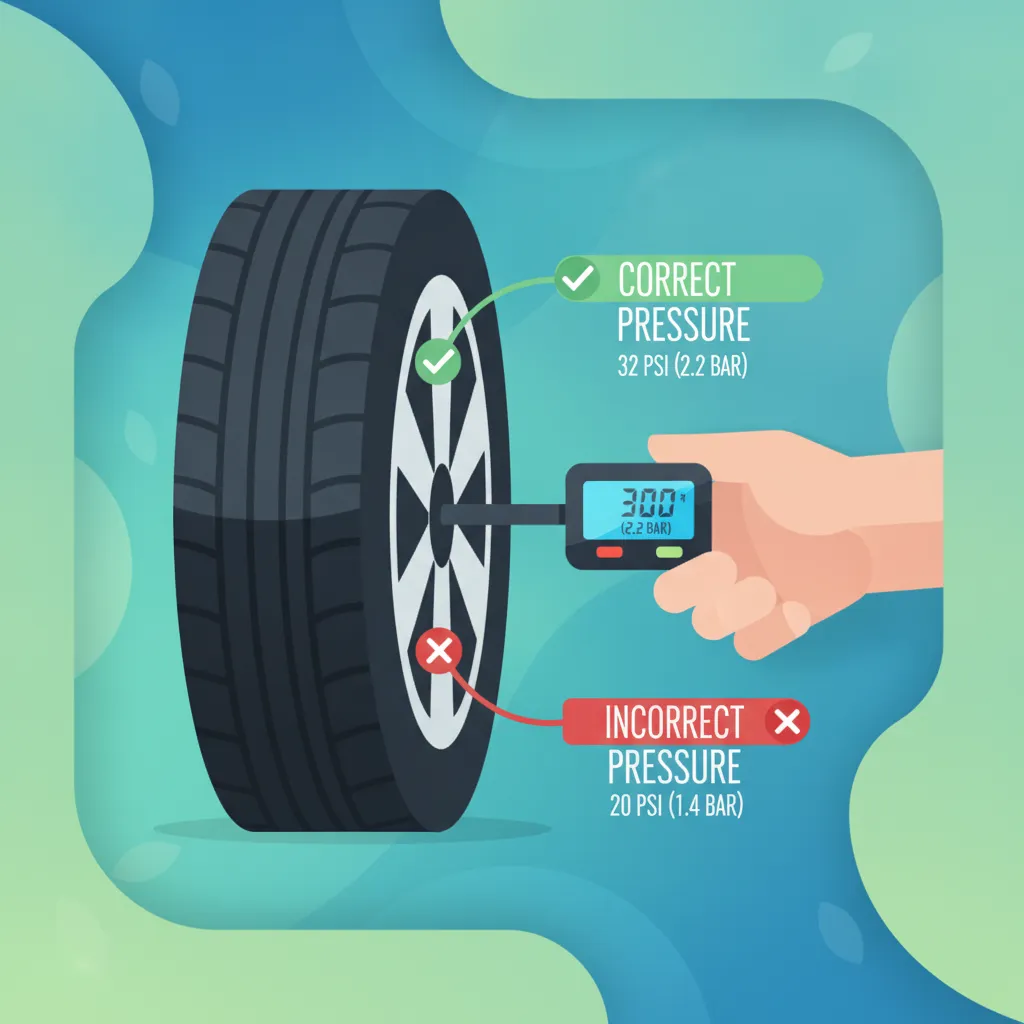
This lesson focuses on the importance of tyres and wheels for motorcycle safety and performance. It explains how to select appropriate tyres and the significance of maintaining correct tyre pressure, load rating, and tread depth. Detailed instructions are provided for conducting regular inspections to recognize signs of wear or damage and ensure optimal grip in various conditions.

This lesson examines how different weather conditions, such as rain, strong winds, and fog, directly impact motorcycle safety. It explains how wet surfaces reduce tyre grip and increase braking distances, requiring smoother rider inputs. The content also provides strategies for managing reduced visibility and the physical effects of crosswinds on the motorcycle's stability.

This lesson introduces the fundamental principles of motorcycle balance, explaining the role of the gyroscopic effect in creating stability at speed. It demystifies the concept of countersteering, teaching learners how a push on the handlebar initiates a lean and turns the motorcycle. The lesson also covers how rider body positioning and weight transfer influence balance during both low-speed and high-speed maneuvers.

This lesson provides a detailed guide to the functional layout of a motorcycle's primary controls. It covers the purpose and correct operation of the handlebars, throttle, clutch, brake levers, and foot pedals. The content emphasizes proper hand and foot positioning to ensure precise manipulation and reduce rider fatigue for enhanced safety and response times.

This lesson provides a systematic approach to safely negotiating blind corners where visibility is limited. It teaches riders to control their entry speed, adopt a defensive lane position, and use visual scanning techniques to assess the road ahead. The content emphasizes adjusting lean angle and being prepared for unexpected hazards that may be hidden around the bend.

This lesson breaks down the technique of cornering into three distinct phases: entry, apex, and exit. Learners will understand how to assess a corner and select an appropriate entry speed to ensure a smooth and controlled lean. The content explains how to identify the apex for an optimal line and how to apply throttle smoothly for a stable exit, maintaining traction throughout.

This lesson explains the crucial role of the suspension system in motorcycle handling and ride quality. It describes how front forks and rear shock absorbers work to absorb road imperfections and maintain stability. Learners are introduced to fundamental setup principles, such as preload and damping adjustments, to optimize the bike's response to different loads and road conditions.

This lesson delves into the principles of vehicle dynamics that govern two-wheeled vehicles. It explains the importance of balance, the concept of counter-steering for initiating turns, and how body position influences handling. Understanding these physical forces allows for smoother, safer, and more confident control of the vehicle.

This lesson examines the specific hazards posed by different weather conditions. It explains how rain can lead to hydroplaning and reduced grip, how fog impairs visibility, and how strong winds can affect stability. Riders will learn practical strategies, such as reducing speed and increasing following distance, to mitigate these risks.
Explore how to identify and safely react to hazards presented by various road surfaces, such as wet roads, loose gravel, or oil spills. This lesson focuses on practical techniques for optimizing tyre grip and maintaining control, essential for the German motorcycle license theory.
This lesson focuses on identifying and safely managing various road surface imperfections and hazards. It provides techniques for riding over loose surfaces like gravel, dealing with the low traction of wet leaves or manhole covers, and safely crossing tram tracks. The key is to recognize these hazards early and adjust technique accordingly.

This lesson teaches crucial risk awareness and accident prevention strategies for motorcyclists. It examines common accident scenarios and teaches riders how to identify potential hazards in advance. Key concepts include defensive riding, maintaining situational awareness, and understanding how a proactive mindset contributes to a safer riding experience on the road.

This lesson highlights the specific risks associated with motorcyclists, who are less visible and more vulnerable than car drivers. It teaches you to actively look for motorcycles, especially at intersections and during lane changes, as their smaller profile can be easily missed. You will learn about their potential for rapid acceleration and instability, emphasizing the need for extra following distance.
This lesson examines how different weather conditions, such as rain, strong winds, and fog, directly impact motorcycle safety. It explains how wet surfaces reduce tyre grip and increase braking distances, requiring smoother rider inputs. The content also provides strategies for managing reduced visibility and the physical effects of crosswinds on the motorcycle's stability.
This lesson provides a systematic approach to safely negotiating blind corners where visibility is limited. It teaches riders to control their entry speed, adopt a defensive lane position, and use visual scanning techniques to assess the road ahead. The content emphasizes adjusting lean angle and being prepared for unexpected hazards that may be hidden around the bend.

This lesson focuses on the importance of strategic road positioning for enhancing safety and visibility. Learners explore different lane positions and understand when to use them to see, be seen, and create a safety buffer. The content emphasizes maintaining a long visual focus down the road to anticipate hazards and avoid target fixation, particularly when cornering.

This lesson teaches the essential observation techniques required for safe riding, focusing on the systematic use of mirrors and shoulder checks to manage blind spots. It emphasizes developing active scanning habits to maintain constant situational awareness of the surrounding traffic environment. Learners will understand how effective head movement and use of peripheral vision are critical for detecting potential hazards early.

This lesson details the safe approach and navigation of various intersection types, including those controlled by traffic lights, stop signs, and give-way signs. Emphasis is placed on comprehensive observation of traffic flow, establishing eye contact with other road users, and ensuring clear visibility before proceeding. The lesson also covers correct lane positioning for turning and the importance of anticipating pedestrian movements.

This lesson focuses on strategies to enhance a rider's visibility to others, a key aspect of motorcycle safety. It explains how high-visibility gear with neon colors and retroreflective materials functions to make the rider more conspicuous during both day and night. The content covers different types of reflective accessories and their proper placement to maximize effectiveness in traffic.

This lesson teaches riders how to interact safely and predictably with pedestrians, cyclists, and public transport vehicles. It highlights the importance of yielding at designated crossings, maintaining a safe passing distance, and anticipating the movements of buses and trams. The content emphasizes using eye contact and clear signaling to foster safe and respectful interactions with all road users.
Find clear answers to common questions learners have about Traction Management and Grip Optimization on Varying Surfaces. Learn how the lesson is structured, which driving theory objectives it supports, and how it fits into the overall learning path of units and curriculum progression in Germany. These explanations help you understand key concepts, lesson flow, and exam focused study goals.
Abrupt acceleration can cause the rear wheel to break traction, especially on slippery surfaces. Smooth, progressive throttle inputs ensure the tyre maintains maximum contact with the road, preventing slides or wheel spin.
Reduce your speed before entering the bend and avoid harsh braking or sudden leaning once on the gravel. Maintain a neutral throttle and focus on a smooth, wide line to minimize the need for sharp steering inputs.
ABS helps prevent wheel lock-up during emergency braking, but it cannot create grip where none exists. Even with ABS, you must adjust your speed and riding style to match the road surface conditions to stay safe.
Cold or damp road surfaces reduce the operating temperature of your tyres, meaning they take longer to reach optimal grip levels. Always ride more cautiously when surfaces are cold or during early morning conditions.
Begin your targeted revision now. Use our practice search to quickly find specific German driving theory questions. Filter by StVO rules, road signs, or hazard perception to create your focused study plan. Master challenging areas and prepare confidently for your theoretical driving test.