
This lesson explores the mechanical foundations of heavy vehicle control, covering steering systems, suspension configurations, and critical tyre technology. Understanding these systems is vital for maintaining vehicle stability and safety, ensuring you can perform the necessary pre-drive checks required for your professional C1, C1E, C, and CE licence examination in Germany.
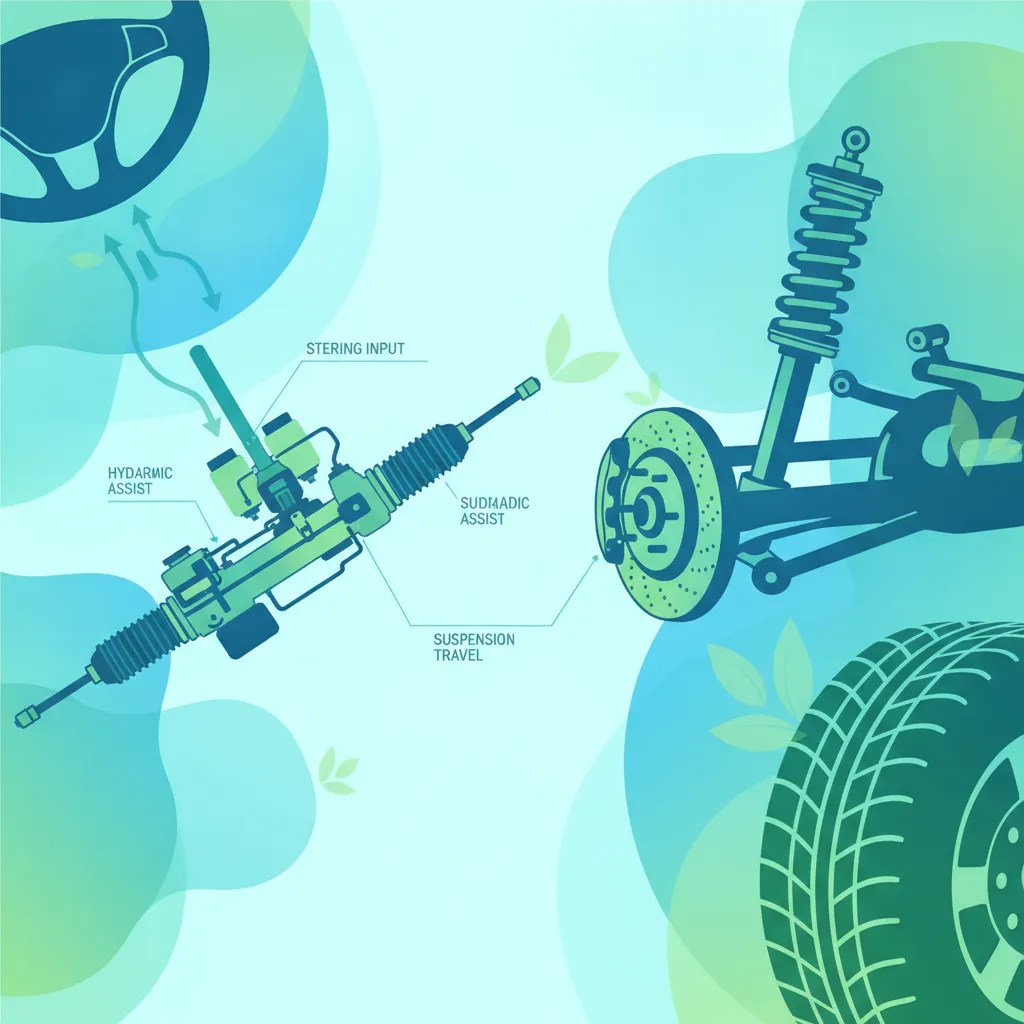
Lesson content overview
Driving heavy vehicles requires a deep understanding of their mechanical systems, not just for operational efficiency but, critically, for safety. This chapter, essential for the German Heavy Vehicle Driving License Theory – C1, C1E, C, CE, delves into the intricate workings of steering, suspension, and tyre technology. These three interconnected systems are paramount in determining a vehicle's handling, stability, and overall roadworthiness, directly impacting how a professional driver interacts with the road and manages varying loads.
For heavy vehicle drivers, appreciating the function, maintenance, and legal requirements of these components is not merely academic; it is a fundamental aspect of daily operation. The integrity of steering, the effectiveness of suspension, and the condition of tyres directly influence vehicle control, braking performance, and the ability to safely transport goods or passengers, especially under challenging road or weather conditions.
The steering system is the primary interface between the driver and the vehicle's direction of travel. In heavy vehicles, its design and functionality are significantly more robust than in passenger cars, needing to manage substantial weight and often complex articulation.
Steering systems translate the driver's input from the steering wheel into a change in the angle of the road wheels, typically the front wheels. While basic principles remain, the mechanisms employed vary:
Power-assisted steering is indispensable in heavy vehicles due to the immense forces required to turn large, heavily loaded wheels. It significantly reduces driver fatigue, making long journeys and low-speed manoeuvres (like parking or navigating tight spaces) much more manageable and safer.
If power-assisted steering fails, the steering wheel will become much heavier. While the vehicle can still be steered, it requires significantly more physical effort and attention, especially in heavy vehicles. Always ensure the system is checked during pre-trip inspections.
Steering geometry refers to the intricate angles and relationships of the steering and suspension components that influence how the wheels behave during turns and straight-line driving. Proper geometry is crucial for stable handling, even tyre wear, and optimal fuel efficiency. Key aspects include:
A steering principle where the inner front wheel turns at a sharper angle than the outer front wheel during a turn, ensuring both wheels follow their respective paths without scrubbing.
Improper steering geometry, often caused by worn suspension components, accidents, or incorrect adjustments, can lead to uneven tyre wear patterns, poor handling, increased steering effort, and higher fuel consumption. Regular alignment checks are essential.
The suspension system is a critical link between the vehicle's chassis (body) and its wheels. Its primary function is to isolate the vehicle's occupants and cargo from road irregularities, while also ensuring the tyres maintain constant contact with the road surface for optimal grip, steering, and braking.
Heavy vehicle suspension systems are designed to withstand significant loads and absorb considerable shocks. Common components include:
An effective suspension system provides several critical benefits for heavy vehicles:
Worn or damaged suspension components can severely compromise a heavy vehicle's safety and performance:
Regular visual inspections for leaks (from shock absorbers), excessive play in linkages, or sagging of the vehicle body are crucial. Any audible knocks, squeaks, or visible signs of damage must be addressed promptly.
Tyres are the only parts of the vehicle that make direct contact with the road. For heavy vehicles, they are highly engineered components designed to carry immense loads, provide grip, withstand various stresses, and contribute significantly to overall vehicle safety and fuel economy.
Understanding tyre specifications is fundamental for safe and legal heavy vehicle operation.
A numerical code on the tyre sidewall indicating the maximum load a single tyre can safely carry at its maximum specified inflation pressure.
Tyre pressure is arguably the single most critical factor influencing a tyre's performance, safety, and longevity.
Tyre Temperature: Heat buildup in tyres is a natural consequence of friction and flexing during operation. However, excessive heat can lead to rapid degradation of tyre materials, reduced structural integrity, and ultimately, catastrophic failure. Factors contributing to high tyre temperatures include:
Drivers must be aware of these factors and adjust their driving style, ensure correct inflation, and avoid overloading to manage tyre temperature effectively. Visual inspections during stops can sometimes reveal overheating tyres (e.g., strong rubber smell, visibly bulging sidewalls, or smoking).
Tyre Wear Indicators: Tyres have built-in safety features to help drivers identify when they are approaching their legal wear limit:
Beyond tread depth, drivers must also regularly inspect tyres for:
Adherence to German road traffic regulations (StVZO – Straßenverkehrs-Zulassungs-Ordnung) regarding steering, suspension, and tyres is non-negotiable for heavy vehicle operators. Non-compliance not only risks severe penalties but, more importantly, endangers lives.
The steering system must be fully operational, with no excessive play, stiffness, or abnormal noises. Before every journey, heavy vehicle drivers are legally required to perform a basic functional check. This includes:
Germany has strict regulations governing tyre condition to ensure road safety.
The suspension system must be in sound condition, free from excessive play, damage, or leaks. During mandatory technical inspections (e.g., Hauptuntersuchung – HU), the suspension components are thoroughly checked for wear and tear. Any visible defects, such as worn shock absorbers, broken springs, or damaged bushings, will lead to the vehicle failing inspection. The vehicle must exhibit stable handling characteristics, without excessive body roll or bouncing.
Ignoring the maintenance and operational requirements of steering, suspension, and tyres is a significant cause of heavy vehicle breakdowns and accidents.
The optimal performance of steering, suspension, and tyres is highly dependent on environmental and operational factors:
For professional drivers operating vehicles under the German Heavy Vehicle Driving License Theory – C1, C1E, C, CE, mastering the principles of steering, suspension, and tyre technology is fundamental.
These systems collectively form the foundation of a heavy vehicle's dynamic performance. A thorough understanding and diligent maintenance approach are hallmarks of a responsible and safe professional driver.
This lesson covers the three interconnected mechanical systems that determine heavy vehicle handling, stability, and roadworthiness: steering, suspension, and tyres. Professional drivers must understand the function and maintenance requirements of these systems to pass their C1, C1E, C, or CE theory exam and conduct safe pre-drive inspections. Key legal requirements under German StVZO include checking steering play, maintaining suspension integrity, and ensuring correct tyre pressure, load ratings, and minimum tread depth (1.6 mm standard, 5 mm for winter tyres on certain axles). Proper tyre pressure management is critical for safety, fuel efficiency, and preventing tyre failure from overheating.
A short set of high-value points that capture the most important learning from this lesson.
Power-assisted steering (hydraulic or electric) is essential in heavy vehicles to reduce driver effort and enable precise control of large, heavily loaded wheels.
Ackermann steering geometry ensures that inner and outer front wheels turn at different angles during a turn, preventing tyre scrub and ensuring stable handling.
The suspension system works to maintain constant tyre contact with the road surface, providing stability, comfort, and protection for both cargo and vehicle components.
Tyre pressure critically affects the contact patch, with both underinflation and overinflation leading to reduced grip, uneven wear, increased fuel consumption, and risk of tyre failure.
Tyre selection must consider load index (matching or exceeding maximum axle load), speed rating, and seasonal suitability (summer, winter, or all-season tyres).
Explore all units and lessons included in this driving theory course.
German legal minimum tread depth is 1.6 mm for standard heavy vehicle tyres; winter tyres (M+S or Alpine symbol) on drive and steer axles require a minimum of 5 mm.
Tyre pressure must be checked regularly and set according to manufacturer specifications, which often differ between loaded and unloaded conditions.
Worn shock absorbers or damaged suspension components cause excessive body roll, longer stopping distances, and characteristic uneven tyre wear patterns.
Steering play checks must be performed before every journey; any significant free play without corresponding wheel movement indicates system wear.
Using tyres with a load index lower than the vehicle's maximum axle load is a serious safety violation and illegal under German regulations.
Running tyres underinflated, which generates excessive heat, increases rolling resistance, and significantly raises the risk of blowouts.
Fitting tyres with an insufficient load index for the vehicle's axle load, leading to overheating and potential catastrophic tyre failure.
Neglecting suspension maintenance, resulting in poor handling, reduced braking effectiveness, and accelerated wear on other vehicle components.
Continuing to drive with tyres worn below the legal minimum tread depth, which severely compromises wet weather grip and stopping distances.
Failing to prepare for power steering failure by not understanding how much more physical effort is required to steer without assistance.
Lesson content overview
A short set of high-value points that capture the most important learning from this lesson.
Power-assisted steering (hydraulic or electric) is essential in heavy vehicles to reduce driver effort and enable precise control of large, heavily loaded wheels.
Ackermann steering geometry ensures that inner and outer front wheels turn at different angles during a turn, preventing tyre scrub and ensuring stable handling.
The suspension system works to maintain constant tyre contact with the road surface, providing stability, comfort, and protection for both cargo and vehicle components.
Tyre pressure critically affects the contact patch, with both underinflation and overinflation leading to reduced grip, uneven wear, increased fuel consumption, and risk of tyre failure.
Tyre selection must consider load index (matching or exceeding maximum axle load), speed rating, and seasonal suitability (summer, winter, or all-season tyres).
Explore all units and lessons included in this driving theory course.
German legal minimum tread depth is 1.6 mm for standard heavy vehicle tyres; winter tyres (M+S or Alpine symbol) on drive and steer axles require a minimum of 5 mm.
Tyre pressure must be checked regularly and set according to manufacturer specifications, which often differ between loaded and unloaded conditions.
Worn shock absorbers or damaged suspension components cause excessive body roll, longer stopping distances, and characteristic uneven tyre wear patterns.
Steering play checks must be performed before every journey; any significant free play without corresponding wheel movement indicates system wear.
Using tyres with a load index lower than the vehicle's maximum axle load is a serious safety violation and illegal under German regulations.
Running tyres underinflated, which generates excessive heat, increases rolling resistance, and significantly raises the risk of blowouts.
Fitting tyres with an insufficient load index for the vehicle's axle load, leading to overheating and potential catastrophic tyre failure.
Neglecting suspension maintenance, resulting in poor handling, reduced braking effectiveness, and accelerated wear on other vehicle components.
Continuing to drive with tyres worn below the legal minimum tread depth, which severely compromises wet weather grip and stopping distances.
Failing to prepare for power steering failure by not understanding how much more physical effort is required to steer without assistance.
Explore search topics learners often look for when studying Steering, Suspension and Tyre Technology. These topics reflect common questions about road rules, driving situations, safety guidance, and lesson level theory preparation for learners in Germany.
Browse additional driving theory lessons that cover connected traffic rules, road signs, and common driving situations related to this topic. Improve your understanding of how different rules interact across everyday traffic scenarios.
Explore how steering systems, suspension components, and tyre technology interact to ensure vehicle stability and safe handling for heavy goods vehicles. Understand the foundational principles for your German C/CE driving theory exam.

This lesson delves into the critical control systems of a passenger vehicle: steering, braking, and acceleration. It explains the mechanics of hydraulic and pneumatic brakes and the function of safety aids like ABS and ESP. Learners will understand how to apply smooth acceleration and deceleration techniques to ensure passenger comfort and maintain vehicle stability under various driving conditions.
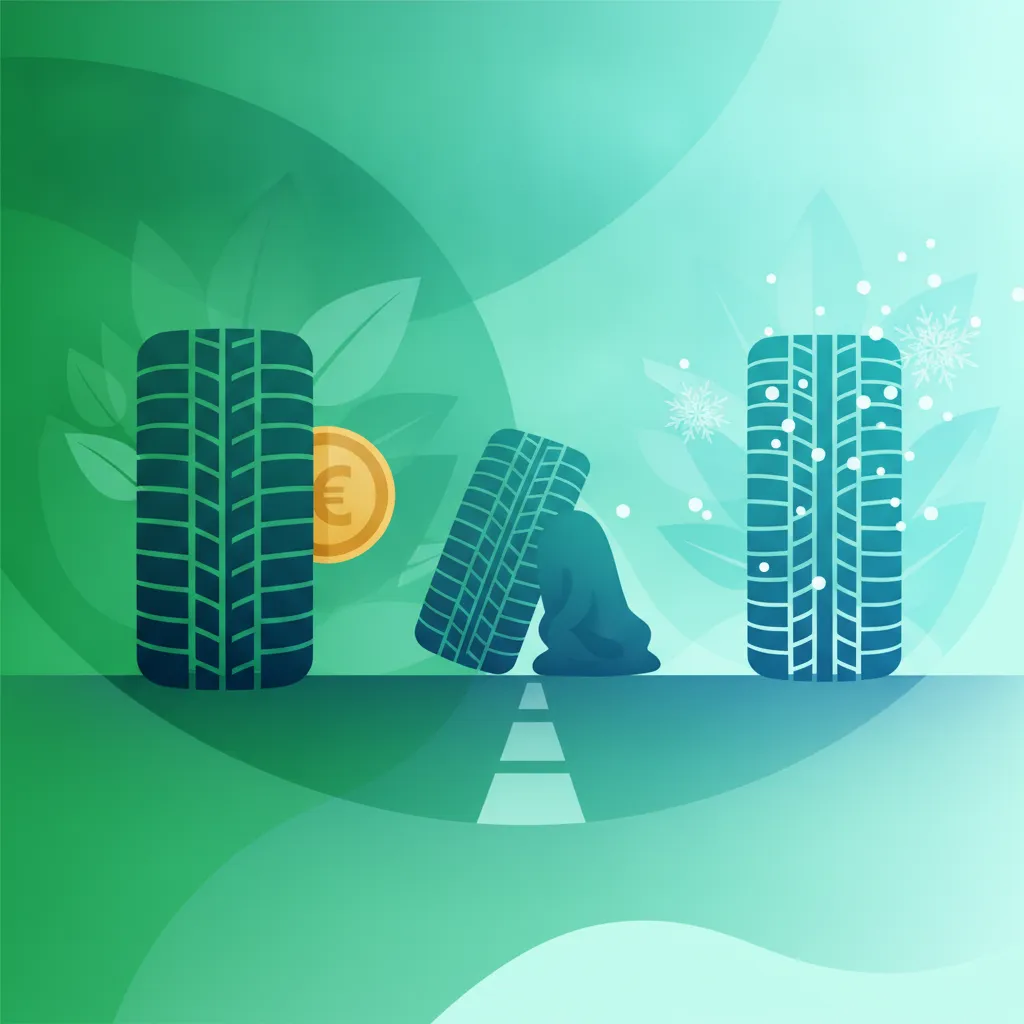
This lesson emphasizes the crucial role tyres play in vehicle safety, as they are the only point of contact with the road. It covers how to check and maintain correct tyre pressure and explains the legal minimum requirement for tread depth. The lesson also details Germany's situational winter tyre requirement ('Winterreifenpflicht') and how to identify appropriate tyres.

This lesson focuses on vehicle stability and the risks of rollover, particularly for vehicles with a high centre of gravity. It discusses how load placement, speed, and cornering affect rollover risk. The content outlines countermeasures such as speed reduction, load lowering, and the use of anti-roll devices.

This lesson examines the risks associated with load shifting during braking and cornering maneuvers. It explains how inertia and weight transfer can cause cargo to move, potentially leading to instability or loss of control. The content emphasizes the importance of proper load securing to mitigate these risks and maintain vehicle stability.

This lesson provides specialized instruction for drivers of D1E and DE category vehicles, which involve towing a trailer. It covers the physics of vehicle combinations, including the effects of the articulation point on turning and reversing. Learners will understand principles of split braking systems, proper load distribution to prevent trailer sway, and the additional safety checks required before operating such a combination.

This lesson focuses on the risks of jackknifing and trailer swing, particularly during braking and on downhill descents. It provides recommendations for safe speed management, proper braking techniques, and maintaining vehicle stability. The content also addresses safe reversing practices and the importance of monitoring blind spots during maneuvers.

This lesson delves into the principles of vehicle dynamics that govern two-wheeled vehicles. It explains the importance of balance, the concept of counter-steering for initiating turns, and how body position influences handling. Understanding these physical forces allows for smoother, safer, and more confident control of the vehicle.

This lesson explores how different weather conditions impact driving safety and vehicle performance. It discusses the risks of hydroplaning in heavy rain, reduced visibility in fog, and loss of traction on snow and ice. Drivers will learn how to adapt their speed, increase following distances, and make smooth control inputs to maintain vehicle stability and prevent skids in these challenging conditions.

This lesson examines how various road surfaces and conditions affect tyre grip and traction. It teaches riders to recognize and adapt to hazards like wet patches, loose gravel, or oil spills. The content covers techniques for maintaining control through smooth throttle and brake inputs, preventing traction loss while accelerating, braking, and cornering on compromised surfaces.

This lesson focuses on the critical relationship between load distribution, the center of gravity, and vehicle stability. It explains how the placement of passengers and luggage can raise the center of gravity, increasing the risk of rollover during turns or sudden maneuvers. Learners will understand how to manage loading within legal weight limits to maintain optimal handling, braking performance, and overall safety.
Learn essential tyre maintenance, including pressure, load ratings, and wear for heavy vehicles. Master the pre-drive inspection procedures for tyres to ensure roadworthiness and safety according to German regulations.
This lesson emphasizes the crucial role tyres play in vehicle safety, as they are the only point of contact with the road. It covers how to check and maintain correct tyre pressure and explains the legal minimum requirement for tread depth. The lesson also details Germany's situational winter tyre requirement ('Winterreifenpflicht') and how to identify appropriate tyres.
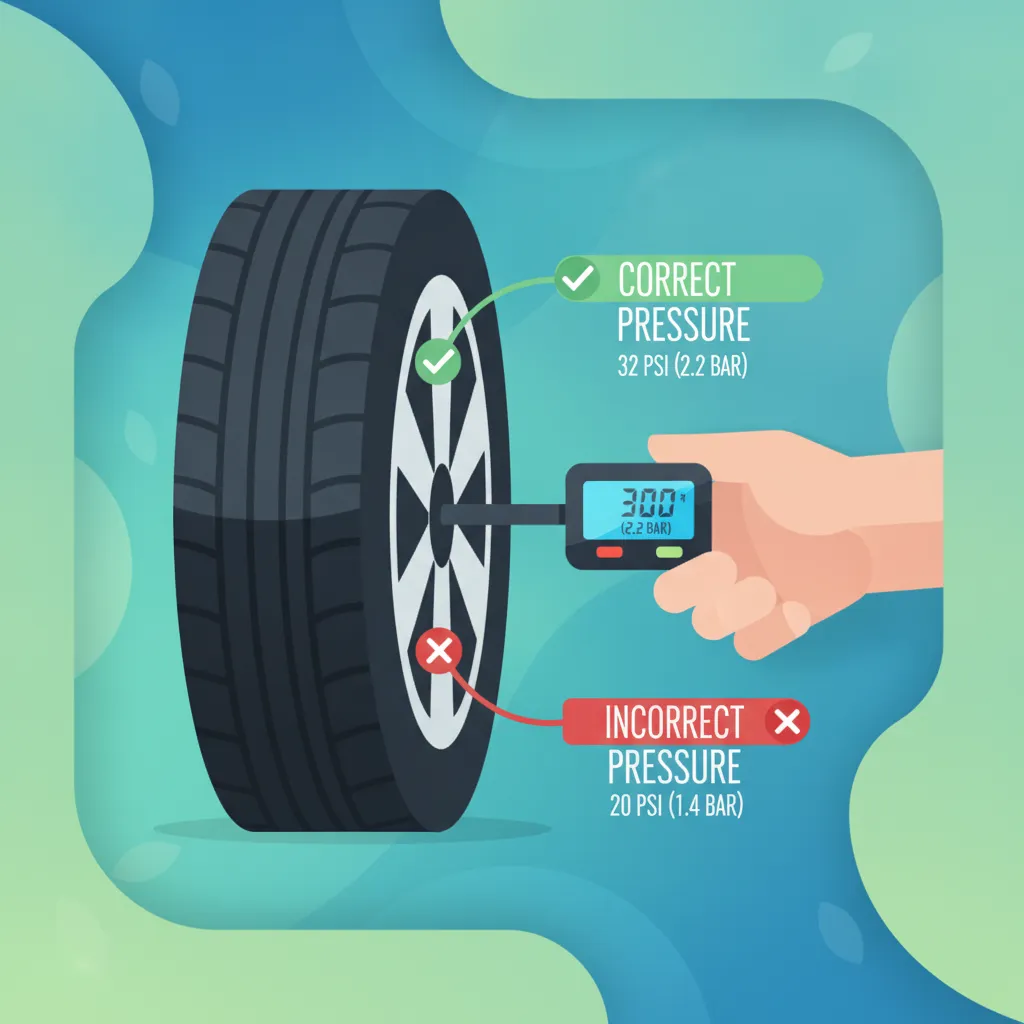
This lesson focuses on the importance of tyres and wheels for motorcycle safety and performance. It explains how to select appropriate tyres and the significance of maintaining correct tyre pressure, load rating, and tread depth. Detailed instructions are provided for conducting regular inspections to recognize signs of wear or damage and ensure optimal grip in various conditions.
This lesson outlines the driver's legal responsibility to ensure their vehicle is in a safe and roadworthy condition before every journey. It covers essential pre-drive checks, such as verifying lights, tyres, and fluid levels (oil, coolant, washer fluid). The lesson also explains the mandatory equipment that must be carried in the vehicle, including a warning triangle, high-visibility vest, and first-aid kit.

This lesson provides a systematic approach to pre-drive inspection, outlining a comprehensive checklist to verify fluid levels, brake functionality, and tyre condition. It emphasizes the importance of checking lighting, mirror adjustments, and load securement before every journey. The content highlights safety protocols to ensure the vehicle is roadworthy.

This lesson outlines the legal requirements for vehicle roadworthiness, including mandatory periodic inspections (TÜV) and the issuance of safety certificates. It explains the standards for emissions, safety devices, and the proper documentation of defects. The content underscores the importance of complying with inspection intervals and addressing repair obligations promptly.

This lesson explains the legal and safety requirements for transporting goods and cargo. It covers the importance of proper load distribution to maintain vehicle stability and the methods for securely fastening items to prevent them from shifting or falling. The regulations concerning maximum vehicle weight, roof loads, and the correct marking of loads that overhang the vehicle are also detailed.
This lesson teaches riders how to conduct a simple but crucial pre-ride inspection of their vehicle. It provides step-by-step guidance on checking tyre pressure and tread depth, verifying brake function, and ensuring all lights are operational. Regular maintenance is presented as a fundamental responsibility for every rider.

This lesson covers the lighting and reflector requirements for heavy vehicles, including headlamps, side markers, and brake lights. It explains the function of these systems and the necessity of underrun protection to safeguard other road users. The content also discusses regulations governing lighting systems and their importance for safety in all conditions.

This lesson explains the legal framework for ensuring a passenger vehicle's roadworthiness, focusing on periodic technical inspections (TÜV) and scheduled maintenance. It identifies critical wear components, such as brakes and tires, that require regular monitoring and replacement. The importance of adhering to service intervals and maintaining accurate maintenance logs for regulatory compliance is also thoroughly covered.
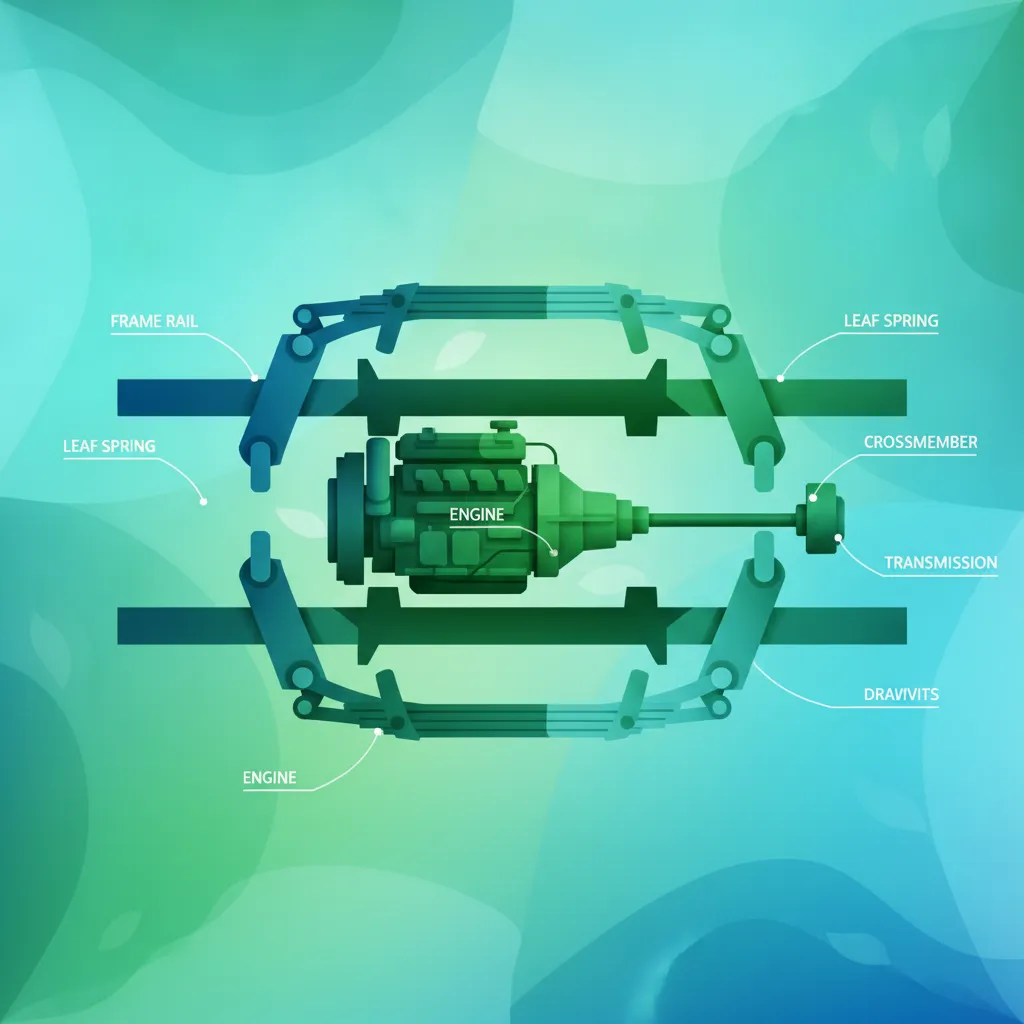
This lesson introduces the fundamental structural components of heavy vehicles, focusing on the frame and chassis design. It explains the role of different suspension types, such as leaf springs and air suspension, in load distribution and ride comfort. The content also discusses how chassis rigidity and material fatigue affect vehicle safety and longevity.
Find clear answers to common questions learners have about Steering, Suspension and Tyre Technology. Learn how the lesson is structured, which driving theory objectives it supports, and how it fits into the overall learning path of units and curriculum progression in Germany. These explanations help you understand key concepts, lesson flow, and exam focused study goals.
Correct tyre pressure is essential for maintaining proper load distribution, braking efficiency, and preventing blowouts. In heavy vehicles, incorrect pressure significantly increases fuel consumption and reduces the lifespan of the tyre, while also creating instability during high-speed highway driving.
The suspension system absorbs road shocks and keeps the tyres in contact with the pavement. In heavy vehicles, a well-maintained suspension ensures that the weight of the load is distributed evenly across the axles, which is crucial for preventing rollover risks during sharp turns or emergency braking.
You must check for excessive play in the steering wheel and ensure the power-assisted steering fluid levels are correct. Any unusual resistance or noise when turning the wheel while the engine is running should be addressed immediately to ensure safe operation.
Yes, heavy vehicles must meet strict minimum tread depth requirements to ensure grip, particularly in wet or icy conditions. Regular inspections are required to ensure no uneven wear or structural damage exists, which could compromise the vehicle's roadworthiness.
Begin your targeted revision now. Use our practice search to quickly find specific German driving theory questions. Filter by StVO rules, road signs, or hazard perception to create your focused study plan. Master challenging areas and prepare confidently for your theoretical driving test.