
This lesson provides the technical foundation for understanding how heavy vehicles are built, focusing on the chassis, frame, and suspension systems. Mastering these concepts is essential for your C1-CE theory exam, as it helps you recognize how vehicle design influences safety, load-bearing capacity, and overall roadworthiness.

Lesson content overview
Operating heavy vehicles in Germany requires an in-depth understanding of their fundamental structural components. This knowledge is not only crucial for passing your German heavy vehicle driving license theory examination (categories C1, C1E, C, CE) but also for ensuring safety, prolonging vehicle lifespan, and complying with stringent legal requirements. This lesson delves into the core structural elements of heavy vehicles, focusing on the frame, chassis, and various suspension systems, alongside critical concepts like chassis rigidity and material fatigue.
A solid grasp of these principles forms the bedrock for advanced topics such as vehicle dynamics, braking systems, and effective load securing. By understanding how these components interact and perform under various conditions, professional drivers can make informed decisions that enhance road safety and operational efficiency.
The frame and chassis are the very backbone of any heavy vehicle, providing the necessary strength and platform for all other components. Their design and integrity are paramount to the vehicle's overall performance, safety, and durability.
The frame is the primary load-bearing structure of a heavy vehicle. Its fundamental purpose is to provide rigidity, support the engine, transmission, axles, cabin, and cargo, and withstand the various stresses encountered during operation, including static loads, dynamic forces from driving, braking, and cornering, and potential impacts.
In heavy vehicles like trucks and many buses, the most common type is the ladder frame. This design consists of two long, parallel beams (often made of high-strength steel) connected by several cross-members, resembling a ladder. This robust construction offers excellent torsional stiffness, crucial for carrying heavy and uneven loads. While some modern buses might utilize monocoque (or unibody) construction, where the body and frame are integrated into a single structure for lighter weight and greater passenger space, ladder frames remain dominant for vehicles designed for extreme load-bearing.
The frame's practical meaning extends to determining the vehicle's durability and impact resistance. Its structural integrity is a key safety feature, preventing deformation that could compromise vehicle control or passenger protection in an accident. Regulatory bodies impose specific strength and safety standards that heavy vehicle frames must meet during design and manufacturing. Drivers must be vigilant for signs of frame corrosion or damage, as these can severely compromise the vehicle's structural integrity.
While often used interchangeably, the chassis encompasses more than just the frame. The chassis refers to the combination of the frame and all essential mechanical components attached to it, forming a complete rolling platform. This includes the engine, transmission, driveshafts, axles, wheels, braking system, steering system, and the entire suspension system.
Essentially, the chassis is the vehicle without its bodywork or cabin. It serves as the mobile foundation that supports all operational parts and is responsible for distributing loads, transferring power, and facilitating motion. Its design is critical for achieving the desired handling characteristics, ride comfort, and overall operational efficiency of the heavy vehicle.
Just like the frame, the chassis must comply with a myriad of safety and durability regulations. Neglecting the integrity of the chassis, particularly during loading operations, can lead to dangerous situations where components are overstressed, affecting steering, braking, and overall vehicle stability.
The suspension system is a vital link between the chassis and the axles, responsible for absorbing road shocks, maintaining tire contact with the road, and distributing the vehicle's weight. Heavy vehicles typically employ robust suspension systems designed to handle immense loads while also aiming to provide a degree of ride comfort. The two most common types are leaf spring suspension and air suspension.
Leaf spring suspension is a traditional and highly robust system commonly found in heavy-duty trucks and trailers. It consists of a series of layered metal strips, or "leaves," of varying lengths, stacked on top of each other and bolted together. These layers form a single spring unit, typically mounted to the vehicle's axle at its center and attached to the chassis at its ends.
The primary purpose of leaf springs is to provide simple, reliable, and cost-effective support for very heavy loads. They are known for their durability and ability to distribute significant weight across the vehicle's axles. The layered design allows the springs to flex and absorb vertical forces, dampening road impacts.
However, leaf spring suspension systems typically offer limited ride comfort compared to more advanced alternatives. The inherent stiffness required to support heavy loads can result in a harsher ride, especially when the vehicle is unloaded. A common error associated with leaf springs is overloading them, which can lead to permanent deformation, cracking, or even catastrophic failure of the springs, severely compromising vehicle stability and safety. Regular inspections are necessary to check for signs of fatigue, rust, or damage to ensure their continued reliability.
Air suspension is a more modern and increasingly common technology in heavy vehicles, particularly in buses, coaches, and certain types of trucks where ride comfort, load protection, or adjustable ride height are priorities. Instead of metal springs, air suspension systems use flexible rubber bellows (often called air springs or air bags) filled with compressed air to support the vehicle's weight.
The primary purpose of air suspension is to enhance ride comfort significantly, providing a smoother journey for both drivers and cargo. It also allows for dynamic adjustment of the vehicle's ride height and leveling, which is especially beneficial when loading or unloading, or when maintaining a constant platform height regardless of load distribution. This adaptability also contributes to optimal load distribution, as the system can automatically adjust air pressure in individual bellows to compensate for uneven loads.
Air suspension systems are more complex than leaf springs, involving an air compressor, air tanks, control valves, and sensors. This complexity implies a greater need for regular system checks and maintenance. Ignoring air pressure warnings or failing to maintain the system can lead to uneven ride height, affecting handling, tire wear, and potentially causing loss of control. Despite the added complexity, the benefits in terms of comfort, load flexibility, and improved cargo protection make air suspension a valuable feature for many heavy vehicle operations.
Beyond the basic frame and suspension, the overall structural integrity of a heavy vehicle, including its chassis rigidity and resistance to material fatigue, plays a pivotal role in its long-term safety and performance.
Chassis rigidity refers to the stiffness of the chassis and frame assembly under various loads and stresses. A highly rigid chassis resists twisting and flexing, maintaining its geometric shape even when subjected to dynamic forces from acceleration, braking, cornering, or uneven road surfaces.
The purpose of high chassis rigidity is to prevent unwanted flexing that could negatively impact handling precision, steering response, and overall vehicle stability. A stiff chassis ensures that the suspension system can work optimally, as its mounting points remain stable. This directly influences vehicle control and safety during maneuvers, especially at higher speeds or when carrying heavy loads. A chassis that flexes excessively can lead to unpredictable handling, accelerated wear on components, and a less stable ride. For example, rigid chassis designs significantly enhance stability at high speeds, a critical factor for heavy vehicles on Autobahnen.
Drivers should never assume all chassis are equally rigid. Vehicle manufacturers design chassis rigidity specific to the intended use and load capacity of the vehicle. Any modification or damage that compromises this rigidity can have serious implications for safety.
Material fatigue is the progressive and localized structural damage that occurs when a material is subjected to repeated or cyclic loading. Even stresses below the material's yield strength, if repeated over millions of cycles, can lead to the formation and propagation of microscopic cracks. Over time, these cracks grow, weakening the component until it eventually fails, often suddenly and without obvious prior deformation.
For heavy vehicles, components like the frame, suspension mounts, axle housings, and wheel hubs are constantly subjected to cyclic stresses. The purpose of understanding material fatigue is to highlight the critical need for regular and thorough inspections. These inspections aim to detect early signs of fatigue, such as hairline cracks, paint flaking around stress points, or minor deformations, before they lead to catastrophic failure.
The implications of material fatigue are severe. Neglecting early signs can result in sudden component failure, potentially leading to loss of control, accidents, and significant injury or damage. Material fatigue significantly impacts a vehicle's lifespan and necessitates stringent safety standards for component design, material selection, and mandatory maintenance schedules. Common errors include ignoring small rust spots or minor cracks, assuming they are merely cosmetic. In reality, rust can accelerate fatigue by creating stress concentrators and weakening the material. Regular maintenance schedules, including non-destructive testing for critical components, are designed to manage this risk.
Ignoring early signs of material fatigue like small cracks or excessive rust can have catastrophic consequences. These issues can lead to sudden structural failure of critical components, risking severe accidents, especially when carrying heavy loads or traveling at speed. Always report and address such issues promptly.
Compliance with German regulations concerning heavy vehicle structural components and their maintenance is a non-negotiable aspect of professional driving. These rules are designed to ensure road safety, protect infrastructure, and maintain vehicle roadworthiness. Drivers and operators of categories C1, C1E, C, and CE vehicles must be fully aware of their obligations.
According to German road traffic regulations (e.g., StVZO – Straßenverkehrs-Zulassungs-Ordnung), drivers and vehicle owners are legally obligated to ensure that the vehicle's frame, chassis, and all load-bearing structural components are in a safe and roadworthy condition. This means components must be free from significant corrosion, cracks, or damage that could impair their function or the overall safety of the vehicle. Regular technical inspections (like the Hauptuntersuchung, HU) thoroughly check these elements. Any defects found must be repaired immediately to prevent accidents and avoid legal penalties.
A crucial aspect of heavy vehicle operation is proper load distribution. German law strictly regulates axle load limits, which specify the maximum permissible weight that can be carried on each individual axle or axle group. These limits are in place to prevent overloading specific parts of the vehicle, which can lead to:
Drivers must meticulously ensure that cargo weight is evenly spread across the loading area and within the vehicle's permissible gross weight and axle load limits. This often involves careful planning of how cargo is placed and secured.
Both leaf spring and air suspension systems require regular checks to ensure optimal performance and safety. For air suspension, drivers should routinely monitor the air pressure gauges and respond immediately to any warning lights indicating pressure loss or system malfunction. The system must maintain correct ride height and level across all axles. For leaf springs, visual inspections for broken leaves, excessive rust, or signs of overloading (such as springs sitting on their bump stops) are essential. Manufacturer recommendations and statutory inspection intervals must be strictly followed for all suspension system maintenance.
Proactive monitoring for material fatigue is a critical safety practice. Drivers should incorporate checks for signs of fatigue, such as hairline cracks around welds, joints, or high-stress areas of the frame and chassis components, into their daily pre-drive inspections. Any suspicion of material fatigue, rust accumulation in critical areas, or structural damage warrants immediate professional inspection. Components showing clear signs of fatigue or wear must be replaced according to manufacturer guidelines and legal requirements to prevent sudden failures and ensure the vehicle's long-term safety and operational integrity.
Understanding the theoretical aspects of heavy vehicle structural components is only half the battle. Professional drivers must also be adept at applying this knowledge in real-world scenarios and recognizing common issues that can lead to violations or dangerous situations.
One of the most frequent and dangerous violations in heavy vehicle operation is overloading a single axle or the vehicle as a whole, or improper load distribution.
Scenario Example 1: A truck is loaded with heavy machinery, but the driver places the bulk of the weight towards the rear axle to make room for smaller items at the front.
Neglecting the routine maintenance of structural components, particularly air suspension systems and frame integrity, can lead to serious operational issues and safety hazards.
Scenario Example 2: A bus equipped with air suspension frequently shows a warning light for low air pressure in one of its suspension bellows, and the driver notices the bus leaning slightly to one side.
Scenario Example 3: A truck driver notices several rust spots developing on the main longitudinal beams of the ladder frame, especially around the welds and mounting points.
The structural components of heavy vehicles – encompassing the frame, chassis, and suspension systems – are fundamental to their safe and efficient operation. Drivers for the German heavy vehicle license categories C1, C1E, C, and CE must understand these elements thoroughly:
A comprehensive understanding and diligent application of these principles are vital for any heavy vehicle driver to ensure safety, comply with regulations, and contribute to the longevity of their vehicles.
Heavy vehicles rely on ladder frame structures for primary load-bearing and torsional stiffness, while the chassis encompasses the complete platform of frame plus mechanical components. Leaf spring suspension provides cost-effective robustness for heavy loads, whereas air suspension offers superior ride comfort with adjustable leveling capabilities. Chassis rigidity maintains handling precision and stability by preventing unwanted flexing under dynamic forces. Material fatigue from cyclic loading creates progressive damage requiring vigilant inspections for cracks, rust, and deformations that could lead to sudden failure. German regulations mandate strict compliance with structural maintenance obligations, axle load limits, and regular technical inspections to ensure roadworthiness for C1-CE category vehicles.
A short set of high-value points that capture the most important learning from this lesson.
The frame is the primary load-bearing structure of a heavy vehicle, typically a ladder frame with two parallel beams and cross-members
The chassis combines the frame with all mechanical components (engine, suspension, axles) forming the complete operational platform
Leaf spring suspension offers robust heavy-load support but limited ride comfort, while air suspension provides better comfort with adjustable ride height
Chassis rigidity prevents unwanted flexing that would compromise handling, steering precision, and overall vehicle stability
Material fatigue causes progressive structural damage from repeated cyclic loading, potentially leading to sudden component failure
Explore all units and lessons included in this driving theory course.
Ladder frames consist of two longitudinal beams connected by cross-members, providing torsional stiffness for uneven heavy loads
Air suspension systems require air compressors, tanks, control valves, and height sensors for their adaptive functionality
Axle load limits are legally enforced maximum weights per axle to prevent infrastructure damage and safety hazards
Rust spots around welds and stress points can initiate fatigue cracks and should never be dismissed as merely cosmetic
Regular technical inspections (Hauptuntersuchung) verify frame, chassis, and suspension roadworthiness under German StVZO regulations
Confusing the terms 'frame' and 'chassis' as interchangeable when chassis actually includes the frame plus all attached mechanical systems
Ignoring small rust spots or hairline cracks, assuming they are cosmetic rather than potential fatigue initiation points
Overloading a single axle or unevenly distributing cargo weight, which accelerates tire and suspension wear and reduces stability
Continuing to operate a vehicle when air suspension warning lights are active, compromising ride height and handling safety
Assuming structural components are equally rigid across all vehicle types; chassis rigidity varies by manufacturer and intended use
Lesson content overview
A short set of high-value points that capture the most important learning from this lesson.
The frame is the primary load-bearing structure of a heavy vehicle, typically a ladder frame with two parallel beams and cross-members
The chassis combines the frame with all mechanical components (engine, suspension, axles) forming the complete operational platform
Leaf spring suspension offers robust heavy-load support but limited ride comfort, while air suspension provides better comfort with adjustable ride height
Chassis rigidity prevents unwanted flexing that would compromise handling, steering precision, and overall vehicle stability
Material fatigue causes progressive structural damage from repeated cyclic loading, potentially leading to sudden component failure
Explore all units and lessons included in this driving theory course.
Ladder frames consist of two longitudinal beams connected by cross-members, providing torsional stiffness for uneven heavy loads
Air suspension systems require air compressors, tanks, control valves, and height sensors for their adaptive functionality
Axle load limits are legally enforced maximum weights per axle to prevent infrastructure damage and safety hazards
Rust spots around welds and stress points can initiate fatigue cracks and should never be dismissed as merely cosmetic
Regular technical inspections (Hauptuntersuchung) verify frame, chassis, and suspension roadworthiness under German StVZO regulations
Confusing the terms 'frame' and 'chassis' as interchangeable when chassis actually includes the frame plus all attached mechanical systems
Ignoring small rust spots or hairline cracks, assuming they are cosmetic rather than potential fatigue initiation points
Overloading a single axle or unevenly distributing cargo weight, which accelerates tire and suspension wear and reduces stability
Continuing to operate a vehicle when air suspension warning lights are active, compromising ride height and handling safety
Assuming structural components are equally rigid across all vehicle types; chassis rigidity varies by manufacturer and intended use
Explore search topics learners often look for when studying Structural Components of Heavy Vehicles. These topics reflect common questions about road rules, driving situations, safety guidance, and lesson level theory preparation for learners in Germany.
Browse additional driving theory lessons that cover connected traffic rules, road signs, and common driving situations related to this topic. Improve your understanding of how different rules interact across everyday traffic scenarios.
Understand the fundamental chassis and suspension designs in heavy vehicles, including leaf springs and air suspension. Learn how these components affect load distribution, vehicle stability, and safety for your German theory test.
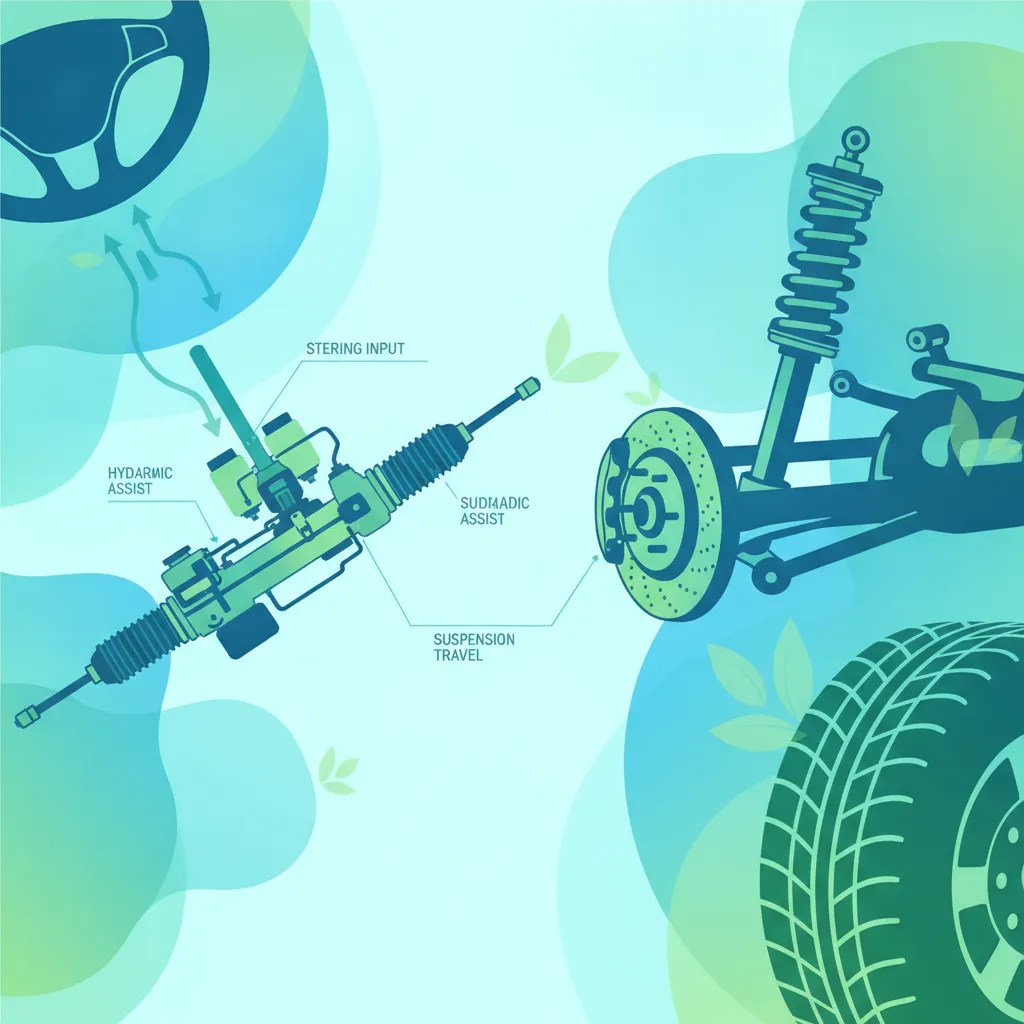
This lesson examines the steering mechanisms in heavy vehicles, including power-assisted systems, and their impact on handling. It also covers tyre technology, focusing on selection, pressure, load rating, and the importance of proper tyre maintenance. The content highlights how suspension components contribute to vehicle stability and control.

This lesson explains the specific regulations for operating heavy vehicles on Autobahnen, including speed limits, lane discipline, and overtaking rules. It discusses the use of dedicated truck lanes and the importance of maintaining appropriate following distances. The content also covers procedures for merging and exiting high-speed roads safely.

This lesson offers a foundational overview of passenger vehicle construction, focusing on the chassis, engine, and transmission systems. It explains the function of essential components like brakes and steering, which are critical for safe operation. Learners will also understand how vehicle dimensions, weight distribution, and passenger capacity fundamentally influence handling, stability, and overall performance on the road.

This lesson covers the dimensional limits for heavy vehicles, focusing on height, width, and length restrictions. It explains how to interpret clearance signage for bridges, tunnels, and overhead obstacles, and discusses the implications for route planning. The content also addresses the importance of understanding turning radii and swept paths to avoid collisions.

This lesson outlines the legal requirements for vehicle roadworthiness, including mandatory periodic inspections (TÜV) and the issuance of safety certificates. It explains the standards for emissions, safety devices, and the proper documentation of defects. The content underscores the importance of complying with inspection intervals and addressing repair obligations promptly.

This lesson provides a systematic approach to pre-drive inspection, outlining a comprehensive checklist to verify fluid levels, brake functionality, and tyre condition. It emphasizes the importance of checking lighting, mirror adjustments, and load securement before every journey. The content highlights safety protocols to ensure the vehicle is roadworthy.
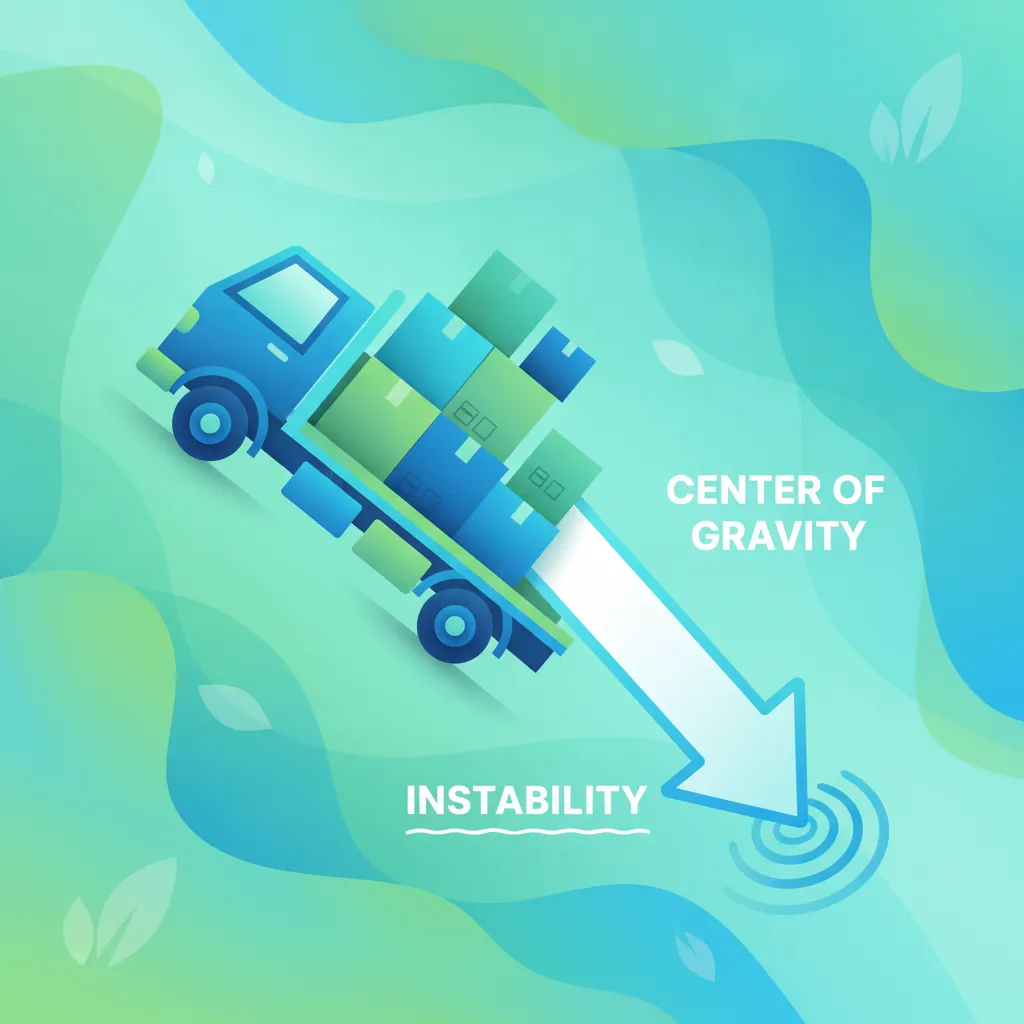
This lesson introduces the principles of load distribution and the impact of the centre of gravity on vehicle stability. It explains how cargo placement influences axle loads and the overall balance of the vehicle. The content emphasizes the importance of maintaining a low centre of gravity to reduce rollover risk.

This lesson explains the legal framework for ensuring a passenger vehicle's roadworthiness, focusing on periodic technical inspections (TÜV) and scheduled maintenance. It identifies critical wear components, such as brakes and tires, that require regular monitoring and replacement. The importance of adhering to service intervals and maintaining accurate maintenance logs for regulatory compliance is also thoroughly covered.

This lesson covers the lighting and reflector requirements for heavy vehicles, including headlamps, side markers, and brake lights. It explains the function of these systems and the necessity of underrun protection to safeguard other road users. The content also discusses regulations governing lighting systems and their importance for safety in all conditions.

This lesson examines the specific height, width, and length constraints that affect heavy vehicle operation, including bridge and tunnel clearances. It discusses how to interpret and comply with traffic signs indicating dimensional limits and the consequences of violating these restrictions. The content also covers practical strategies for route planning to avoid restricted areas.
Explore the concepts of chassis rigidity and material fatigue in heavy vehicles. This lesson covers how structural design impacts vehicle safety, longevity, and compliance with German road regulations for C1-CE license holders.
This lesson explains the specific regulations for operating heavy vehicles on Autobahnen, including speed limits, lane discipline, and overtaking rules. It discusses the use of dedicated truck lanes and the importance of maintaining appropriate following distances. The content also covers procedures for merging and exiting high-speed roads safely.

This lesson outlines the legal ramifications of operating a heavy vehicle while fatigued or overloaded. It covers potential fines, license suspension, and the negative impact on insurance coverage. The content also discusses the increased liability in the event of an accident caused by these violations.
This lesson covers the dimensional limits for heavy vehicles, focusing on height, width, and length restrictions. It explains how to interpret clearance signage for bridges, tunnels, and overhead obstacles, and discusses the implications for route planning. The content also addresses the importance of understanding turning radii and swept paths to avoid collisions.

This lesson examines the significant impact of a driver's mental and physical state on road safety. It explains how stress, strong emotions, and distractions can impair judgment and reaction times. The lesson focuses on the serious dangers of fatigue, teaching drivers to recognize the warning signs of drowsiness and stressing the legal and practical importance of taking regular breaks on long journeys.

This lesson focuses on the management of driver fatigue during long-distance travel, underscoring the legal requirements for rest periods and breaks. It provides strategies for maintaining alertness, including scheduled breaks and proper planning. The content also highlights the importance of recognizing the signs of fatigue to prevent accidents.

This lesson explains the legal and safety requirements for transporting goods and cargo. It covers the importance of proper load distribution to maintain vehicle stability and the methods for securely fastening items to prevent them from shifting or falling. The regulations concerning maximum vehicle weight, roof loads, and the correct marking of loads that overhang the vehicle are also detailed.
This lesson examines the steering mechanisms in heavy vehicles, including power-assisted systems, and their impact on handling. It also covers tyre technology, focusing on selection, pressure, load rating, and the importance of proper tyre maintenance. The content highlights how suspension components contribute to vehicle stability and control.
This lesson introduces the principles of load distribution and the impact of the centre of gravity on vehicle stability. It explains how cargo placement influences axle loads and the overall balance of the vehicle. The content emphasizes the importance of maintaining a low centre of gravity to reduce rollover risk.

This lesson explores the legal framework governing heavy vehicle operation in Germany, focusing on the Straßenverkehrs-Ordnung (StVO) and specific commercial transport regulations. It details the professional duty of care required from drivers, including responsibilities for vehicle inspection and documentation. You will understand the enforcement mechanisms and potential penalties for non-compliance.

This lesson focuses on the critical relationship between load distribution, the center of gravity, and vehicle stability. It explains how the placement of passengers and luggage can raise the center of gravity, increasing the risk of rollover during turns or sudden maneuvers. Learners will understand how to manage loading within legal weight limits to maintain optimal handling, braking performance, and overall safety.
Find clear answers to common questions learners have about Structural Components of Heavy Vehicles. Learn how the lesson is structured, which driving theory objectives it supports, and how it fits into the overall learning path of units and curriculum progression in Germany. These explanations help you understand key concepts, lesson flow, and exam focused study goals.
The suspension type dictates how the vehicle handles loads and road irregularities. In your theory exam, you may be asked how different systems like air suspension protect the cargo and the vehicle structure compared to traditional leaf springs.
Yes, technical knowledge is a key part of the C and CE theory exams. You must understand how the chassis is built to ensure you can correctly assess vehicle stability and weight distribution.
Questions often focus on the importance of regular inspections. You must understand that metal components are subject to fatigue and that failing to notice cracks or structural changes can lead to catastrophic failure, which is a major safety violation.
Begin your targeted revision now. Use our practice search to quickly find specific German driving theory questions. Filter by StVO rules, road signs, or hazard perception to create your focused study plan. Master challenging areas and prepare confidently for your theoretical driving test.