
This lesson details the specific regulations for operating motorcycles on Italian autostrade. You will learn the correct procedures for entering, navigating, and exiting high-speed motorways while maintaining safety in changing traffic flow.

Lesson content overview
Navigating Italy's high-speed motorways, known as autostrade, on a motorcycle presents unique challenges and requires specific riding techniques and strict adherence to regulations. This lesson provides a comprehensive guide for motorcyclists to ensure safe and efficient travel on these crucial arteries of the Italian road network. Understanding the distinct dynamics of high-speed traffic, combined with the inherent vulnerabilities of a motorcycle, is paramount for minimizing risks.
The content herein reinforces concepts from previous units, such as appropriate speed selection, safe braking distances, effective lane positioning, and correct overtaking procedures. By mastering these principles, motorcyclists can confidently and safely integrate into the demanding environment of the autostrada.
Italian autostrade are designed for uninterrupted, high-speed travel, distinguishing them from ordinary roads. They feature controlled access, multiple lanes per direction, and are identifiable by green signs. For motorcyclists, the environment of the autostrada demands heightened awareness due to faster traffic flows, greater susceptibility to environmental factors like wind, and the need for precision in maneuvers.
Motorcycles are subject to specific speed limits and operational guidelines on these roads. While cars can travel up to 130 km/h, the maximum speed limit for motorcycles on Italian autostrade is 110 km/h. Furthermore, a minimum speed of 80 km/h typically applies to all vehicles capable of reaching it, ensuring smooth traffic flow. Proper conduct on these roads is not just about legality but is critical for safety, especially given the reduced reaction times at high velocities.
Entering an autostrada requires a precise and controlled maneuver to seamlessly integrate into the fast-moving traffic. This process primarily involves utilizing the dedicated acceleration lane.
The acceleration lane (rampa di accelerazione) serves as your crucial transition zone. The primary goal is to match your speed to that of the vehicles already on the main carriageway. This means accelerating decisively and using the full length of the lane available.
Step-by-Step Merging Procedure:
Observe Early: As you enter the on-ramp, immediately assess the traffic flow on the main autostrada. Look for gaps in traffic that you can safely merge into.
Accelerate Decisively: Accelerate strongly in the acceleration lane. Your aim is to reach a speed that is not lower than the main carriageway's minimum speed (typically 80 km/h) and ideally matches the prevailing speed of the traffic in the rightmost lane.
Signal Your Intention: Activate your left indicator well in advance to signal your intention to merge. This communicates your plans to other drivers.
Check Blind Spots: Constantly check your mirrors and perform a head-check (shoulder check) over your left shoulder to ensure no vehicle is in your blind spot.
Merge Smoothly: When a safe gap appears, steer smoothly and decisively into the main carriageway, maintaining your speed. Avoid abrupt braking or accelerating once you are in the flow of traffic.
Maintain Speed: Once merged, maintain a consistent speed with the traffic around you, observing the legal limits for motorcycles.
A common misunderstanding among new riders is to merge too slowly or too early, before reaching sufficient speed. Merging at a significantly lower speed forces vehicles on the main carriageway to brake abruptly, creating a dangerous situation and increasing the risk of rear-end collisions.
Lane discipline is fundamental for safe riding on autostrade, where high speeds magnify the consequences of erratic movements. Maintaining a steady position within your chosen lane minimizes risks and contributes to predictable traffic flow.
On Italian autostrade, you should generally keep to the rightmost available lane, only moving to the left to overtake. This is known as the "keep right unless overtaking" rule.
Observing strict lane discipline enhances predictability for other road users, reducing the likelihood of collisions, especially at speeds up to 110 km/h.
Maintaining an adequate following distance is one of the most crucial safety measures on high-speed roads. At autostrada speeds, reaction times are dramatically reduced, and stopping distances increase significantly.
Italian traffic law emphasizes maintaining a safe following distance without specifying a precise meter distance. For motorcyclists on autostrade, a time-based gap is universally recommended:
At 110 km/h, a motorcycle travels approximately 30.5 meters per second. A 2-second gap, therefore, translates to roughly 61 meters, providing crucial time and space to react to sudden braking or hazards ahead.
Motorcycles are particularly susceptible to environmental factors on autostrade. High speeds amplify the effects of wind and require adjusted riding techniques. Poor weather and low visibility further complicate matters, demanding additional precautions.
Autostrade often traverse open areas or elevated sections where crosswinds can be significant. Large vehicles, especially trucks, also create considerable air turbulence.
Rain, fog, and night riding significantly reduce visibility and traction, necessitating slower speeds and increased caution.
Overtaking on autostrade must be executed with precision and adherence to strict legal and safety protocols. The fundamental rule on Italian autostrade is that overtaking is performed only on the left.
Exiting an autostrada requires as much care and precision as entering. The key is to utilize the dedicated deceleration lane to reduce speed safely and gradually, preventing sudden braking on the main carriageway.
Abrupt braking on the main autostrada to make an exit is a dangerous practice that can cause rear-end collisions. The deceleration lane is specifically designed to eliminate this risk.
Adhering to the Codice della Strada (Italian Road Code) is crucial. Violations on autostrade can carry significant fines, demerit points, and pose serious safety risks.
| Rule | Applicability | Correct Behavior | Consequence (General) |
|---|---|---|---|
| Merging at Minimum Speed | Entry onto autostrada | Accelerate to match main lane speed (min 80 km/h) before merging. | Fines, demerit points, accident risk. |
| Lane Usage | Throughout motorway travel | Stay in the right lane, move left only for overtaking. | Fines, points, unpredictable traffic flow. |
| Overtaking on the Left | When passing a slower vehicle | Signal, move left, overtake safely, return right. | Fines, points, possible license suspension if on right. |
| Mandatory Use of Deceleration Lane | When exiting autostrada | Enter early, reduce speed gradually within the lane. | Accident risk, fines if braking on main lane. |
| Signal Use | Lane changes, overtaking, exiting | Signal at least 150 meters before maneuver. | Fines, miscommunication, accident risk. |
| Following Distance | At all speeds on autostrada | Maintain a minimum 2-second gap (3-4 seconds in adverse conditions). | Accident risk, fines. |
| Speed Limits | On autostrada | Do not exceed 110 km/h for motorcycles; do not travel below 80 km/h. | Fines, points, increased accident risk for speeding or impeding traffic. |
Beyond strict rules, a proactive and attentive riding style is crucial for sustained safety on autostrade.
Riding on Italian autostrade can be a rewarding experience, offering efficient travel across long distances. However, it demands a higher level of skill, vigilance, and adherence to specific rules compared to other road types. By understanding and practicing safe entry and exit procedures, maintaining strict lane discipline, ensuring adequate following distances, compensating for environmental factors like wind, and correctly executing overtaking maneuvers, motorcyclists can navigate these high-speed roads safely and confidently. Always prioritize safety, plan your journey, and remain alert to the unique challenges of autostrada riding.
This lesson covers the essential rules and techniques for riding motorcycles safely on Italian autostrade, emphasizing that motorcycles must adhere to a 110 km/h maximum speed limit while maintaining at least 80 km/h. Safe entry requires using the full acceleration lane to match traffic speed before merging smoothly into the rightmost lane, while exiting demands gradual deceleration within the dedicated deceleration lane. Lane discipline requires staying right except for overtaking, which must always occur on the left. Critical safety measures include maintaining a minimum 2-second following distance (increased in adverse weather or when following large vehicles), compensating for wind turbulence behind trucks, and ensuring proper visibility through clean helmet visors and appropriate headlight use at night or in fog.
A short set of high-value points that capture the most important learning from this lesson.
Motorcycles on Italian autostrade are limited to a maximum of 110 km/h and must maintain a minimum of 80 km/h, compared to cars at 130 km/h.
Always merge using the full acceleration lane, matching the speed of traffic (minimum 80 km/h) before smoothly entering the rightmost lane.
Maintain at least a 2-second following distance in normal conditions, increasing to 3-4 seconds in rain, fog, wind, or when following large vehicles.
On Italian autostrade, overtaking is only permitted on the left; riding in the left lane without overtaking is prohibited.
Avoid riding in the slipstream and turbulence zones behind large vehicles by maintaining an offset position and increased distance.
Explore all units and lessons included in this driving theory course.
The acceleration lane (rampa di accelerazione) is for building speed to match traffic before merging; never stop or slow significantly in it.
A1 motorcycles are legally prohibited from Italian autostrade; only A2 and A category motorcycles may access them.
When exiting, use the deceleration lane for gradual speed reduction; abrupt braking on the main carriageway is dangerous and illegal.
Large vehicles create turbulence zones that can destabilize motorcycles; offset your position when passing or following trucks.
In fog, reduce speed to allow stopping within your visible range and use dipped headlights with fog lights if equipped.
Merging at too low a speed, forcing vehicles on the main carriageway to brake unexpectedly and creating rear-end collision risks.
Following vehicles too closely, eliminating reaction time; at 110 km/h a 2-second gap equals approximately 61 meters.
Attempting to overtake on the right, which is illegal on autostrade except in specific queued traffic situations.
Weaving between lanes without clear purpose, increasing blind spot exposure and disrupting predictable traffic flow.
Braking abruptly on the main carriageway to make an exit instead of using the deceleration lane designed for safe speed reduction.
Lesson content overview
A short set of high-value points that capture the most important learning from this lesson.
Motorcycles on Italian autostrade are limited to a maximum of 110 km/h and must maintain a minimum of 80 km/h, compared to cars at 130 km/h.
Always merge using the full acceleration lane, matching the speed of traffic (minimum 80 km/h) before smoothly entering the rightmost lane.
Maintain at least a 2-second following distance in normal conditions, increasing to 3-4 seconds in rain, fog, wind, or when following large vehicles.
On Italian autostrade, overtaking is only permitted on the left; riding in the left lane without overtaking is prohibited.
Avoid riding in the slipstream and turbulence zones behind large vehicles by maintaining an offset position and increased distance.
Explore all units and lessons included in this driving theory course.
The acceleration lane (rampa di accelerazione) is for building speed to match traffic before merging; never stop or slow significantly in it.
A1 motorcycles are legally prohibited from Italian autostrade; only A2 and A category motorcycles may access them.
When exiting, use the deceleration lane for gradual speed reduction; abrupt braking on the main carriageway is dangerous and illegal.
Large vehicles create turbulence zones that can destabilize motorcycles; offset your position when passing or following trucks.
In fog, reduce speed to allow stopping within your visible range and use dipped headlights with fog lights if equipped.
Merging at too low a speed, forcing vehicles on the main carriageway to brake unexpectedly and creating rear-end collision risks.
Following vehicles too closely, eliminating reaction time; at 110 km/h a 2-second gap equals approximately 61 meters.
Attempting to overtake on the right, which is illegal on autostrade except in specific queued traffic situations.
Weaving between lanes without clear purpose, increasing blind spot exposure and disrupting predictable traffic flow.
Braking abruptly on the main carriageway to make an exit instead of using the deceleration lane designed for safe speed reduction.
Explore search topics learners often look for when studying Motorcycle Conduct on Autostrade (Motorways). These topics reflect common questions about road rules, driving situations, safety guidance, and lesson level theory preparation for learners in Italy.
Browse additional driving theory lessons that cover connected traffic rules, road signs, and common driving situations related to this topic. Improve your understanding of how different rules interact across everyday traffic scenarios.
Explore specific challenges and advanced techniques for Italian motorways, including managing heavy traffic, complex merging situations, and handling unexpected road conditions beyond standard autostrada regulations.

This lesson provides essential rules and techniques for driving on Italian motorways (autostrade) and major extra-urban roads. It explains how to safely merge onto the motorway from an entry ramp, the strict lane discipline required (drive right, overtake left), and how to exit correctly. The content also covers speed regulations, maintaining a safe following distance at high speed, and procedures for using service areas and handling emergencies.

This lesson provides specific strategies for riding on narrow rural roads, which often feature poor surfaces and limited sightlines. It details the techniques for approaching and navigating hairpin bends, including selecting the correct line, managing speed before entry, and using appropriate gear selection. The content emphasizes anticipating oncoming traffic and potential hazards hidden around blind corners for enhanced safety.

This lesson focuses on the specific regulations and techniques for operating a heavy vehicle on high-speed motorways. It covers mandatory lane discipline for trucks, the rules governing overtaking other heavy vehicles, and the specific speed limits that apply. Best practices for merging onto and exiting the motorway, maintaining safe following distances, and using the hard shoulder only in genuine emergencies are also detailed.

This lesson equips riders to safely manage the challenges posed by road construction zones. It explains how to interpret temporary signage, navigate lane closures or diversions, and maintain heightened awareness for surface hazards like gravel or steel plates. The content emphasizes the need to reduce speed and increase following distances to safely share the road with large construction vehicles and workers.

This lesson focuses on the unique demands of mountain riding, from handling steep inclines and declines to understanding the impact of altitude on the motorcycle's engine performance. It covers the effective use of engine braking on descents to prevent brake overheating. The content also prepares riders for the rapidly changing weather conditions, such as wind and fog, that are common at higher elevations.

This lesson addresses the increased complexity of overtaking in urban environments with dense traffic and frequent intersections. It stresses the importance of thorough observation, including mirror and blind spot checks, to ensure a safe gap is available. The content covers judging speed differentials and the necessity of clear signalling to execute the maneuver without causing conflict with other road users.

This lesson addresses the specific challenges of sharing the road with two-wheeled motor vehicles like motorcycles and scooters. It highlights their reduced visibility and stability compared to cars, requiring drivers to double-check blind spots and maintain a greater following distance. The content also discusses common behaviors like lane filtering and the need for drivers to be predictable and signal intentions clearly.

This lesson delivers a comprehensive explanation of right-of-way regulations at Italian intersections. It covers the interpretation of traffic light signals, the absolute requirement to stop at stop signs, and yielding at give-way signs. Furthermore, it details the default priority rules for unmarked intersections and the specific obligations a rider has towards pedestrians on crossings.

This lesson explains the principles of maintaining proper lane discipline and strategic positioning in an urban context. It covers how to adapt your position within the lane to enhance visibility, avoid road surface hazards, and prepare for turns or lane changes. The content also provides awareness of specific urban features like restricted traffic zones (ZTL) and how to navigate them legally and safely.

This lesson addresses two key aspects of defensive riding: maintaining a safe buffer and performing overtaking maneuvers. It details how to use time-based rules, such as the two-second rule, to ensure adequate following distance for reaction. The content also provides a structured approach to overtaking, covering observation, signalling, speed management, and ensuring sufficient clearance before returning to the lane.
Detailed explanation of the procedures for safely merging onto Italian autostrade from acceleration lanes and exiting using deceleration lanes, focusing on speed, signaling, and observation techniques.
This lesson provides essential rules and techniques for driving on Italian motorways (autostrade) and major extra-urban roads. It explains how to safely merge onto the motorway from an entry ramp, the strict lane discipline required (drive right, overtake left), and how to exit correctly. The content also covers speed regulations, maintaining a safe following distance at high speed, and procedures for using service areas and handling emergencies.
This lesson equips riders to safely manage the challenges posed by road construction zones. It explains how to interpret temporary signage, navigate lane closures or diversions, and maintain heightened awareness for surface hazards like gravel or steel plates. The content emphasizes the need to reduce speed and increase following distances to safely share the road with large construction vehicles and workers.
This lesson explains the principles of maintaining proper lane discipline and strategic positioning in an urban context. It covers how to adapt your position within the lane to enhance visibility, avoid road surface hazards, and prepare for turns or lane changes. The content also provides awareness of specific urban features like restricted traffic zones (ZTL) and how to navigate them legally and safely.
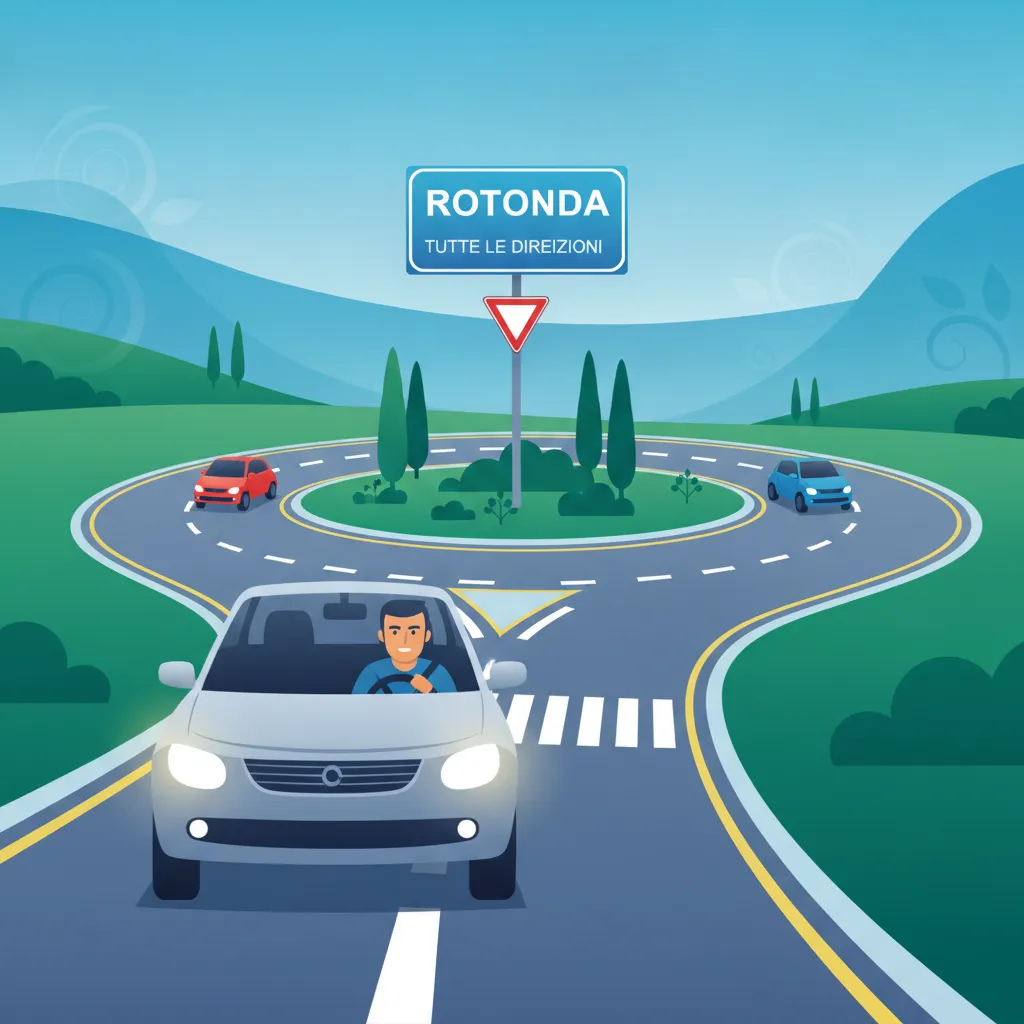
This lesson provides a step-by-step guide to safely navigating Italian roundabouts, known as rotatorie. It emphasizes the primary rule of yielding to traffic already circulating within the roundabout before entering. The content details correct lane positioning for different exits, the importance of signalling your intention to exit, and maintaining awareness of other vehicles.

This lesson explains how to execute left turns, right turns, and U-turns safely while maintaining correct lane discipline. It covers interpreting road markings and arrows, selecting the proper vehicle position, and using signals in a timely manner. Performing shoulder checks to monitor blind spots before and during a turn is a key focus for preventing collisions.

This lesson details how to safely approach and enter intersections by correctly interpreting traffic lights, stop signs, and give-way rules. It emphasizes the importance of scanning for hazards, checking blind spots, and anticipating the actions of other road users. You will learn to adjust your speed and position your vehicle correctly to navigate crossings without incident.
This lesson addresses two key aspects of defensive riding: maintaining a safe buffer and performing overtaking maneuvers. It details how to use time-based rules, such as the two-second rule, to ensure adequate following distance for reaction. The content also provides a structured approach to overtaking, covering observation, signalling, speed management, and ensuring sufficient clearance before returning to the lane.

This lesson addresses the unique hazards associated with riding through tunnels. It focuses on the importance of adapting vision when entering and exiting, managing speed within the confined space, and maintaining a steady lane position. The content also covers awareness of emergency exits and procedures, as well as the potential for changes in air quality due to ventilation systems.
This lesson addresses the increased complexity of overtaking in urban environments with dense traffic and frequent intersections. It stresses the importance of thorough observation, including mirror and blind spot checks, to ensure a safe gap is available. The content covers judging speed differentials and the necessity of clear signalling to execute the maneuver without causing conflict with other road users.
This lesson delivers a comprehensive explanation of right-of-way regulations at Italian intersections. It covers the interpretation of traffic light signals, the absolute requirement to stop at stop signs, and yielding at give-way signs. Furthermore, it details the default priority rules for unmarked intersections and the specific obligations a rider has towards pedestrians on crossings.
Find clear answers to common questions learners have about Motorcycle Conduct on Autostrade (Motorways). Learn how the lesson is structured, which driving theory objectives it supports, and how it fits into the overall learning path of units and curriculum progression in Italy. These explanations help you understand key concepts, lesson flow, and exam focused study goals.
No, only motorcycles with a cylinder capacity of at least 150cc are permitted on motorways. A1 motorcycles that do not meet this displacement requirement are legally prohibited from using the autostrada.
You must always overtake on the left. Once the maneuver is complete, you should return to the right-most available lane, provided it is safe to do so. Always signal your intentions early to inform other drivers.
When approaching or being passed by heavy vehicles, stay alert, keep a firm grip on the handlebars, and adjust your lateral road position to provide extra space. Being aware of the 'slipstream' helps you react before the gust affects your stability.
It is strictly forbidden to reverse, turn back, or stop on the motorway or its hard shoulder to reach an exit. You must continue to the next junction and exit there, even if it adds distance to your journey.
Start searching now to pinpoint exactly which Italian driving theory topics, road signs, or traffic rules you need to master. Use our advanced filters to build a custom practice session and ensure you're fully prepared for every aspect of your official driving licence exam.