
This lesson focuses on the critical systems for communication and visibility: mirrors, lighting, and signalling devices. You will learn how to adjust these components correctly and understand their legal requirements under the Italian Codice della Strada to ensure safety for A1, A2, and A licence holders.
Lesson content overview
Operating a motorcycle safely on Italian roads requires more than just mastering controls; it demands constant awareness and clear communication with other road users. This comprehensive lesson focuses on three indispensable systems that ensure your visibility and allow you to convey your intentions effectively: mirrors, lighting, and signalling devices. By understanding their proper use, adjustment, and maintenance, you enhance your safety and that of others, while also complying with the Italian Highway Code, known as the Codice della Strada.
Effective use of these systems reduces blind spots, provides early warning of hazards, and ensures your presence and planned actions are unmistakably clear. This is fundamental for safe riding, whether navigating busy city streets or cruising on extra-urban routes.
Motorcycle mirrors are crucial reflective devices designed to provide riders with a view of areas not directly visible through a direct glance. They are vital for monitoring traffic, executing safe lane changes, and maintaining awareness of what is happening behind and to the sides of your motorcycle.
Most motorcycles are equipped with a combination of mirrors to maximize rearward visibility:
Correct mirror adjustment is a critical pre-ride check. Mirrors should be positioned to provide the widest possible view of the road behind and to the sides, minimizing blind spots.
Sit in Your Normal Riding Position: Before making any adjustments, sit on your motorcycle as you would when riding. Your posture significantly affects your line of sight.
Adjust Left Side Mirror: Angle the mirror so that you can just barely see the edge of your left shoulder or arm. The majority of the mirror's view should be of the road and traffic behind you. This allows you to monitor traffic in the adjacent left lane.
Adjust Right Side Mirror: Similarly, angle the right mirror to just barely see the edge of your right shoulder or arm, with the rest of the mirror showing the road and traffic to your right. This covers the adjacent right lane.
Check Your Blind Spots: After adjusting, perform shoulder checks (head checks) to confirm that your mirrors are covering as much area as possible. There will always be blind spots, but proper adjustment makes them smaller.
Always adjust your mirrors before you start riding, while the motorcycle is stationary and in a safe location. Making adjustments while in motion is dangerous and distracting.
Even with perfectly adjusted mirrors, every vehicle has "blind spots"—areas around the motorcycle that are not visible through the mirrors or in your peripheral vision. For motorcyclists, these blind spots are particularly dangerous, as they can conceal entire vehicles.
To effectively overcome blind spots, you must integrate mirror checks with an over-the-shoulder check (also known as a head check). This involves quickly turning your head to glance over your shoulder in the direction you intend to move. For example, before changing lanes to the left, check your left mirror, then perform a quick glance over your left shoulder to confirm no vehicle is hidden in your blind spot.
Under the Codice della Strada, specific requirements exist for motorcycle mirrors to ensure road safety:
Motorcycle lighting systems are critical for two primary reasons: they allow you to see the road ahead, and more importantly, they ensure other road users can see your motorcycle. Proper use of lights is a legal requirement and a fundamental aspect of defensive riding in Italy.
Headlamps are the primary forward-facing lights, providing illumination for the rider and making the motorcycle visible from the front.
Failing to dim your high beams for oncoming vehicles or when following another vehicle can temporarily blind other drivers, leading to dangerous situations and potential collisions.
Position lamps, sometimes referred to as parking lights, are low-intensity lights designed to indicate the presence and width of your stationary vehicle.
The rear of your motorcycle must be clearly visible to following traffic. This is achieved through rear lamps and brake lights.
Always ensure your brake lights are functioning correctly before every ride. A non-functional brake light significantly increases the risk of a rear-end collision.
Turn signal lights, or indicators, are flashing lights located at the front and rear of your motorcycle, used to communicate your intention to turn or change lanes.
Hazard warning lights, often activated by a single button, flash all turn signals simultaneously (both front and rear).
Beyond the standard lighting, some motorcycles may be equipped with auxiliary lights for enhanced visibility in specific conditions.
Codice della Strada. Regular checks of all bulbs and wiring are essential.Communicating your intentions quickly and clearly is paramount for safety. While electronic indicators are the primary means, understanding hand signals remains a vital backup.
Your motorcycle's turn indicators are operated by a switch or lever, typically on the left handlebar.
Plan Ahead: Before any maneuver, look well ahead to assess the road conditions, traffic flow, and potential hazards.
Signal Early: Activate your turn signal at the appropriate distance (50m urban, 150m extra-urban) to give other road users ample time to react.
Mirror Check: Check your mirrors to identify any vehicles in your path or approaching from behind.
Head Check (Blind Spot Check): Perform a quick over-the-shoulder glance in the direction you intend to move to confirm your blind spot is clear.
Execute Maneuver: Once safe, smoothly initiate your turn or lane change.
Cancel Signal: After completing the maneuver, manually cancel the turn signal. Some motorcycles have self-cancelling indicators, but always double-check.
Forgetting to cancel your signal can confuse other drivers, leading them to misinterpret your future actions. Always ensure your indicator is off after a maneuver.
Hand signals are physical gestures made by the rider's arm and hand to indicate intentions when the electronic turn signals are not working (e.g., due to a mechanical failure or poor visibility making electronic signals hard to see).
Hand signals should only be used as a supplementary measure or when your electronic indicators are non-functional. They are less effective at high speeds or in heavy traffic and should be performed only when it is safe to momentarily remove a hand from the handlebars.
Adherence to the Italian Codice della Strada concerning mirrors, lighting, and signalling devices is not just about safety, but also about legal compliance. Violations can lead to fines and points on your license.
Many accidents and legal penalties stem from common errors in using mirrors, lighting, and signalling devices:
head check (over-the-shoulder glance) before changing lanes or turning means you are not fully checking your blind spots.The effective use of mirrors, lighting, and signalling devices is not static; it must adapt to varying conditions.
Mirrors, lighting, and signalling devices are not isolated components but an integrated system crucial for safe motorcycle operation under the Italian Codice della Strada. Mastering their proper adjustment, timely activation, and consistent maintenance is fundamental to defensive riding. By being seen, seeing clearly, and communicating your intentions unequivocally, you significantly reduce the risk of accidents and contribute to a safer environment for all road users. Regular checks, proactive use, and adapting to changing conditions are hallmarks of a responsible and skilled motorcycle rider.
This lesson covers the essential visibility and communication systems for motorcycles under Italian road law. Proper mirror adjustment combined with head checks minimises dangerous blind spots. Lighting requirements include mandatory low beam use from sunset to sunrise and during reduced visibility, with specific high beam restrictions. Turn signal activation distances differ between urban (50m) and extra-urban (150m) roads. Hand signals serve as a backup when electronic signals fail. Fog lights are restricted to visibility below 100 metres, while hazard lights are only for stationary emergencies. Understanding and maintaining these systems is fundamental for legal compliance and collision prevention.
A short set of high-value points that capture the most important learning from this lesson.
A functional left side mirror is legally mandatory for A1, A2, and A category motorcycles in Italy, while the right mirror is highly recommended.
Headlights (low beam) must be on from sunset to sunrise and during any reduced visibility, including daylight hours outside urban centres.
Turn signals must be activated at least 50 metres before a manoeuvre in urban areas and 150 metres on extra-urban roads.
Hand signals serve as a backup when electronic indicators fail and include specific gestures for left turn, right turn, and stopping.
Fog lights may only be used when visibility drops below 100 metres due to fog, heavy rain, or snow.
Explore all units and lessons included in this driving theory course.
Always combine mirror checks with an over-the-shoulder head check to cover blind spots before changing lanes.
Brake lights must illuminate instantly upon brake application to warn following traffic of deceleration.
Hazard warning lights are reserved exclusively for stationary vehicles or emergency situations; using them while moving causes confusion.
High beams should be dimmed when oncoming traffic is within 150 metres or when following another vehicle.
Leaving indicators activated after completing a manoeuvre can mislead other road users about your intentions.
Relying solely on mirrors and skipping the head check, leaving blind spots unverified before lane changes.
Activating turn signals too late, giving other road users insufficient time to react to your intended manoeuvre.
Using high beams in fog, rain, or snow where the light reflects off water droplets causing dangerous glare.
Riding with malfunctioning brake lights, headlamps, or indicators, which compromises both safety and legal compliance.
Activating fog lights in clear weather conditions, creating unnecessary glare for other drivers.
Lesson content overview
A short set of high-value points that capture the most important learning from this lesson.
A functional left side mirror is legally mandatory for A1, A2, and A category motorcycles in Italy, while the right mirror is highly recommended.
Headlights (low beam) must be on from sunset to sunrise and during any reduced visibility, including daylight hours outside urban centres.
Turn signals must be activated at least 50 metres before a manoeuvre in urban areas and 150 metres on extra-urban roads.
Hand signals serve as a backup when electronic indicators fail and include specific gestures for left turn, right turn, and stopping.
Fog lights may only be used when visibility drops below 100 metres due to fog, heavy rain, or snow.
Explore all units and lessons included in this driving theory course.
Always combine mirror checks with an over-the-shoulder head check to cover blind spots before changing lanes.
Brake lights must illuminate instantly upon brake application to warn following traffic of deceleration.
Hazard warning lights are reserved exclusively for stationary vehicles or emergency situations; using them while moving causes confusion.
High beams should be dimmed when oncoming traffic is within 150 metres or when following another vehicle.
Leaving indicators activated after completing a manoeuvre can mislead other road users about your intentions.
Relying solely on mirrors and skipping the head check, leaving blind spots unverified before lane changes.
Activating turn signals too late, giving other road users insufficient time to react to your intended manoeuvre.
Using high beams in fog, rain, or snow where the light reflects off water droplets causing dangerous glare.
Riding with malfunctioning brake lights, headlamps, or indicators, which compromises both safety and legal compliance.
Activating fog lights in clear weather conditions, creating unnecessary glare for other drivers.
Explore search topics learners often look for when studying Mirrors, Lighting, and Signalling Devices. These topics reflect common questions about road rules, driving situations, safety guidance, and lesson level theory preparation for learners in Italy.
Browse additional driving theory lessons that cover connected traffic rules, road signs, and common driving situations related to this topic. Improve your understanding of how different rules interact across everyday traffic scenarios.
Understand the specific Italian regulations for motorcycle headlights, tail lights, brake lights, and turn signals. Essential knowledge for being seen and communicating intentions clearly on Italian roads.
This lesson details the essential protective equipment required for legal and safe moped operation in Italy. It covers legal standards for helmets, the benefits of wearing protective gloves and boots, and the importance of high-visibility clothing. You will also learn the correct use of your vehicle's lighting system for visibility during both day and night.
This lesson provides a comprehensive guide to a vehicle's lighting systems and their correct use according to the Codice della Strada. It explains the functions of low beams, high beams, fog lights, and daytime running lights, detailing when each should be used to ensure visibility for the driver and by other road users. Proper use of lighting is critical for safety during night driving and in conditions of poor visibility.
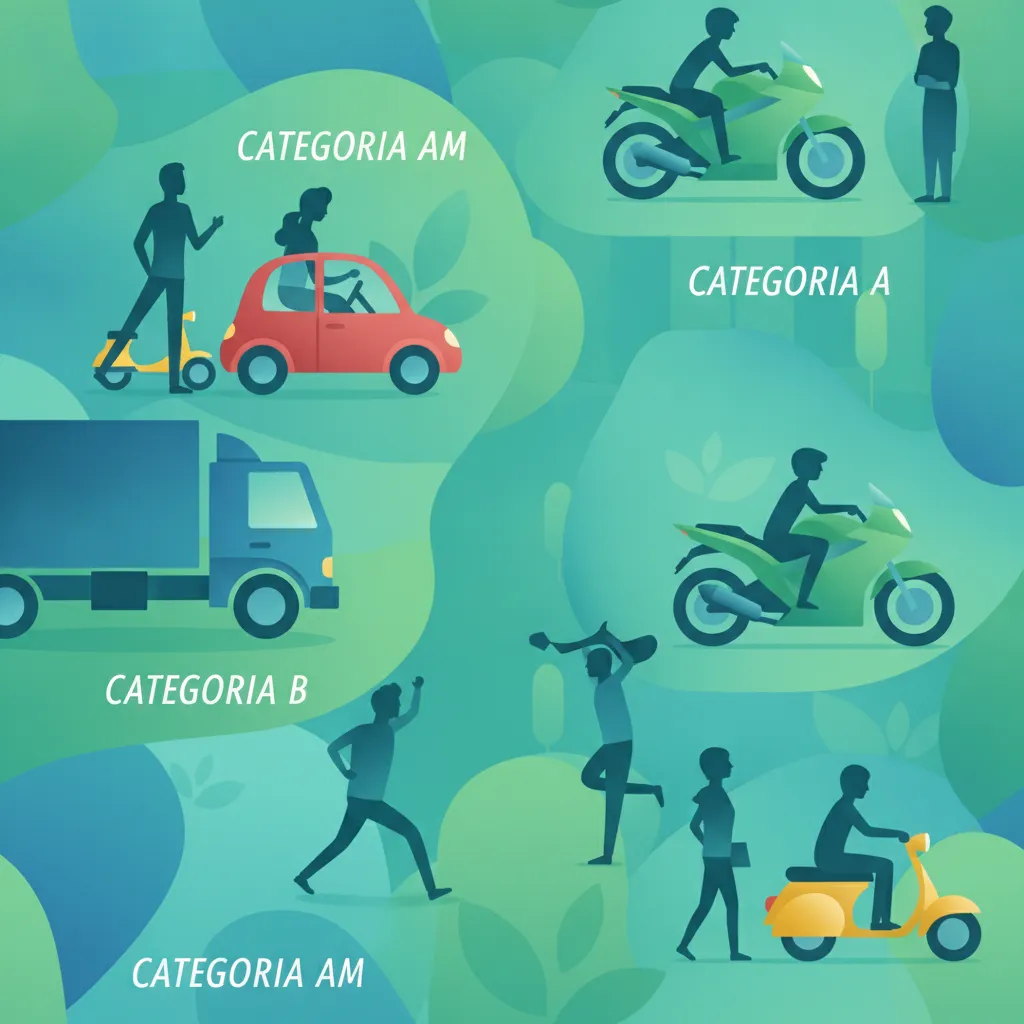
This lesson provides a detailed breakdown of the Italian motorcycle licence categories: A1, A2, and the unrestricted A. It explains the specific technical limits for engine displacement, power output in kW, and the power-to-weight ratio that define each category. Understanding these distinctions is fundamental for selecting a compliant vehicle and recognizing the legal scope of each license.
This lesson details the proper and legal application of a vehicle's horn, lights, and signals as primary communication tools. It explains the specific circumstances for using high beams, low beams, and fog lights to maximize visibility without dazzling other drivers. The content also clarifies the rules for using the horn, turn indicators, and hazard lights to signal intentions, warn of danger, or indicate an emergency situation.
This lesson explores the practical, on-road consequences of the different motorcycle license categories. It analyzes how power and weight restrictions directly affect a motorcycle's handling, acceleration, and braking capabilities. Learners will understand how these factors shape riding strategies and safety considerations, highlighting the competency development needed for each successive license level.
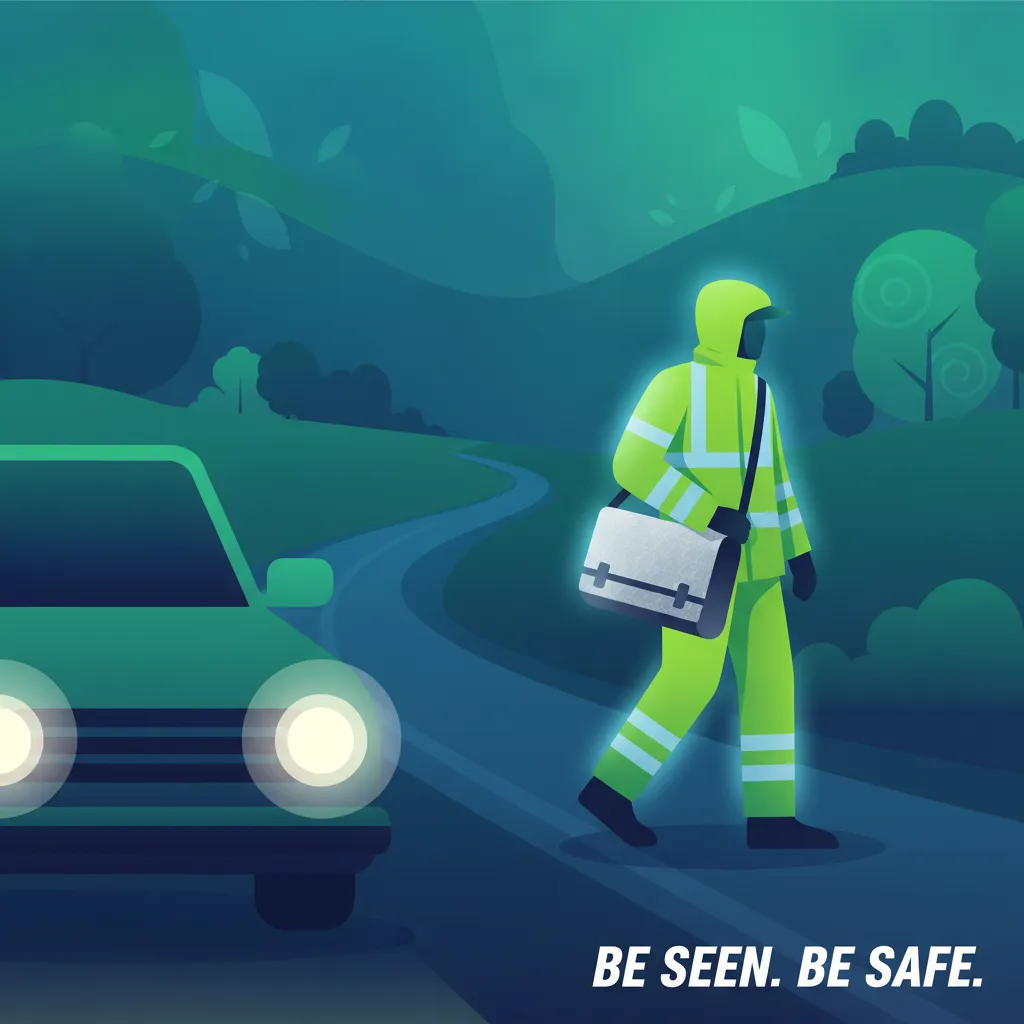
This lesson is focused on strategies to increase a motorcyclist's conspicuity in traffic. It explains the benefits of using high-visibility clothing in fluorescent colors for daytime riding and the critical role of reflective materials at night. The content also covers how proper use of lighting, including daytime running lights, can significantly reduce the risk of accidents by making the rider more noticeable to others.
This lesson explains the function of Italian traffic light systems and the meaning of various road markings. You will learn the rules for red, amber, and green signals, including flashing lights and directional arrows. It also covers how to interpret lane lines, stop lines, and other surface markings that dictate correct vehicle positioning and movement.
This lesson covers the complete set of lighting, reflective equipment, and protective guards mandated for heavy vehicles. It explains the function of each light, from headlights to side markers, and the importance of keeping them clean and operational to ensure the vehicle is visible to others. The lesson also details the legal requirements and safety purpose of side guards and rear underrun protection, which are designed to protect vulnerable road users in a collision.

This lesson outlines the legal age thresholds and structured pathways for progressing through the Italian motorcycle license system. It details the minimum age for acquiring each license type and the specific procedures for upgrading from A1 to A2 and from A2 to the full A license. The content clarifies the legal framework governing these transitions, including any training or examination requirements for each step.

This lesson provides a thorough examination of the Italian motorcycle theory test's structure and content. It details the number of questions, the multiple-choice format, and the minimum score required to pass for the A1, A2, and A license categories. The content is designed to prepare learners for the specific knowledge areas and administrative procedures involved in taking the official exam.
Learn how to correctly adjust motorcycle mirrors to minimize blind spots and maximize visibility. Covers essential techniques and legal requirements for safe riding and the Italian driving theory test.
This lesson focuses on the correct use of mirrors to maintain situational awareness and the techniques required to manage blind spots. It explains how to adjust mirrors for the best possible view of surrounding traffic. You will also learn why shoulder checks are critical before changing lanes or turning to detect vehicles hidden in blind zones.

This lesson teaches the fundamental observation techniques required for proactive and defensive riding. It details a systematic approach to scanning the road environment, using mirrors effectively, and performing shoulder checks to cover blind spots before any maneuver. Developing strong situational awareness is presented as a key skill for anticipating potential hazards and reacting to them in a timely manner.
This lesson explains the critical importance of a continuous and systematic visual scan for maintaining 360-degree awareness around the vehicle. It details the correct technique for using interior and exterior mirrors in conjunction with direct vision and shoulder checks to effectively identify hazards. The content emphasizes the need to be aware of blind spots before any maneuver, such as changing lanes or turning.
This lesson explains the function of the different classes of mirrors required on a heavy goods vehicle, including the main, wide-angle, and close-proximity (kerb) mirrors. It provides a systematic method for adjusting each mirror correctly from the driver's seating position to create the widest possible field of vision and minimize blind spots. Proper mirror setup is the foundation of safe observation and maneuvering.
This lesson is focused on strategies to increase a motorcyclist's conspicuity in traffic. It explains the benefits of using high-visibility clothing in fluorescent colors for daytime riding and the critical role of reflective materials at night. The content also covers how proper use of lighting, including daytime running lights, can significantly reduce the risk of accidents by making the rider more noticeable to others.
This lesson provides detailed instruction on performing effective shoulder checks to supplement mirror use, ensuring a clear path before turning or changing lanes. It covers the proper and timely use of electronic indicators and hand signals to communicate your intentions to other drivers. Correct signaling is crucial for preventing misunderstandings and collisions on the road.
This lesson teaches riders how to strategically position their vehicle within a lane for maximum visibility to others. It explains how to avoid riding in the blind spots of larger vehicles and how to maintain a safe buffer zone. Proper positioning enhances a rider's presence on the road and is a key component of defensive driving in mixed traffic.
This lesson details the essential protective equipment required for legal and safe moped operation in Italy. It covers legal standards for helmets, the benefits of wearing protective gloves and boots, and the importance of high-visibility clothing. You will also learn the correct use of your vehicle's lighting system for visibility during both day and night.

This lesson addresses the specific challenges of sharing the road with two-wheeled motor vehicles like motorcycles and scooters. It highlights their reduced visibility and stability compared to cars, requiring drivers to double-check blind spots and maintain a greater following distance. The content also discusses common behaviors like lane filtering and the need for drivers to be predictable and signal intentions clearly.

This lesson explains the concept of using lane positioning as a proactive safety tool. It details how to select a position within the lane to maximize visibility to other drivers, especially at junctions, and to create a buffer of space from potential dangers. The content emphasizes the 'see and be seen' principle, teaching riders to constantly adjust their position based on traffic, road conditions, and potential escape routes.
Find clear answers to common questions learners have about Mirrors, Lighting, and Signalling Devices. Learn how the lesson is structured, which driving theory objectives it supports, and how it fits into the overall learning path of units and curriculum progression in Italy. These explanations help you understand key concepts, lesson flow, and exam focused study goals.
Under Italian law, most modern motorcycles are required to have two mirrors to ensure proper visibility. Older, historical motorcycles may have different requirements, but for the theory exam and modern riding, always assume the two-mirror standard for safety.
On all public roads in Italy, motorcycles must have their low-beam headlights on at all times, even during daylight hours. This is to ensure you are as visible as possible to other motorists.
The theory exam tests your knowledge of the correct timing and use of indicators. Failing to signal or signalling prematurely are common errors; you must show your intention clearly in advance of a manoeuvre.
Yes, your brake light must illuminate immediately upon the activation of either the front or rear brake. It is a critical safety feature, and riding with a faulty brake light is both a legal offense and a major hazard.
Start searching now to pinpoint exactly which Italian driving theory topics, road signs, or traffic rules you need to master. Use our advanced filters to build a custom practice session and ensure you're fully prepared for every aspect of your official driving licence exam.