
This lesson covers the vital maintenance routines required to keep your motorcycle safe and compliant with the Italian Codice della Strada. You will learn how to interpret service intervals and identify wear-and-tear signs on critical components to ensure you are ready for both the theory exam and real-world riding. This knowledge is essential for riders of all levels, from A1 beginners to those pursuing an unrestricted A licence.
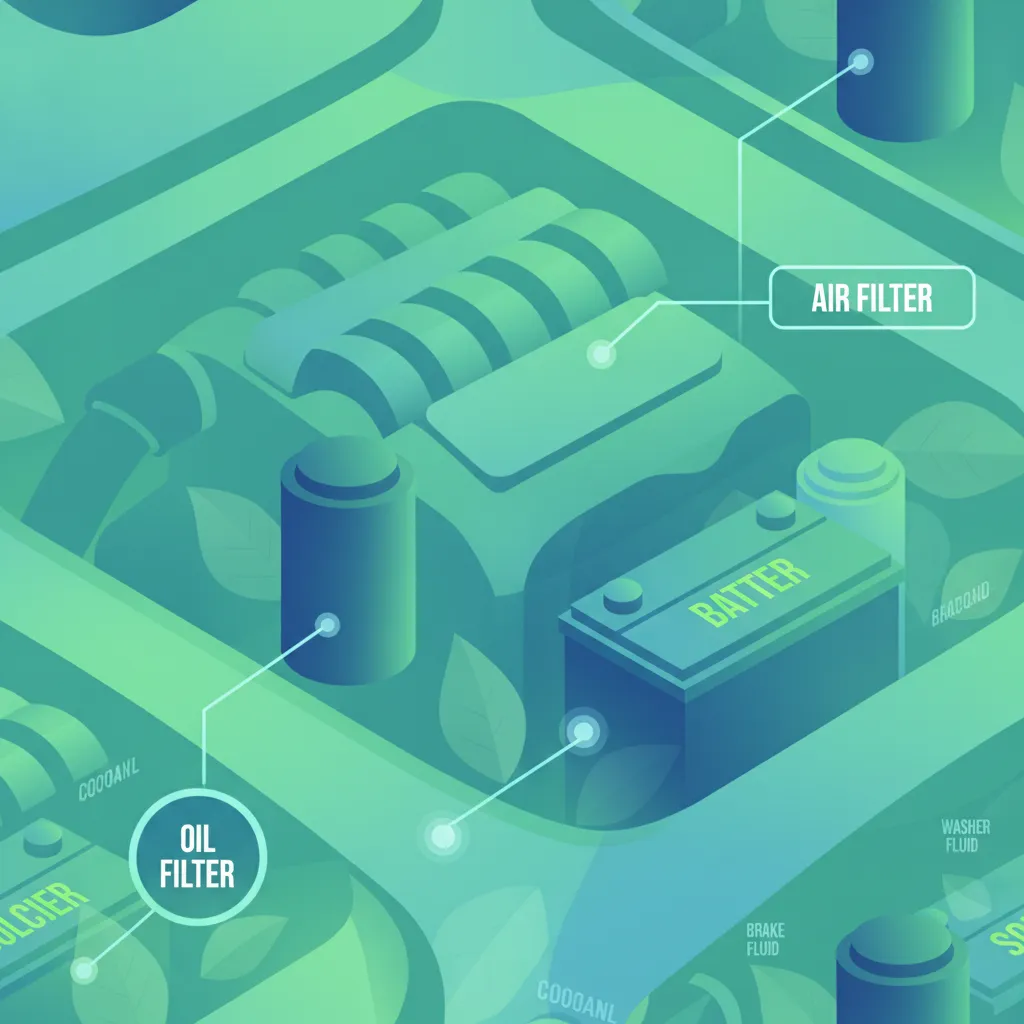
Lesson content overview
Responsible motorcycle ownership extends far beyond knowing how to ride; it encompasses a deep understanding of vehicle maintenance. Adhering to a motorcycle's recommended maintenance schedule is paramount for ensuring both rider safety and the vehicle's long-term reliability. This comprehensive guide, tailored for aspiring riders preparing for their Italian motorcycle theory test (Categories A1, A2, & A), delves into the critical components and service intervals necessary to keep your motorcycle in optimal condition. Neglecting routine upkeep can transform minor issues into dangerous hazards, compromising performance and potentially leading to accidents on Italian roads.
Preventative maintenance is the proactive servicing of a vehicle based on manufacturer recommendations, designed to prevent breakdowns, component failures, and accidents before they occur. Unlike reactive maintenance, which addresses problems after they arise, preventative care aims to sustain peak performance and extend the lifespan of your motorcycle. This approach significantly reduces the likelihood of unforeseen mechanical issues, enhances overall performance, and ensures compliance with critical safety regulations. Every rider must integrate routine checks and component replacements into their ownership responsibilities.
Motorcycle manufacturers develop their maintenance schedules based on extensive engineering research, testing, and an understanding of how components and fluids degrade over time and use. These schedules account for factors such as material wear rates, fluid degradation due to heat and contamination, and typical operational stresses. Adhering to these carefully determined intervals ensures that critical parts are replaced or serviced before they reach a point of failure, maintaining the motorcycle's designed safety margins and efficiency.
The owner's manual provided with your motorcycle is the definitive source for all maintenance intervals and specifications. These guidelines reflect the precise engineering design limits and are often linked to warranty conditions. Non-compliance with the manufacturer's recommended service schedule can potentially void your warranty, leaving you responsible for costly repairs that could have been avoided. Beyond warranties, these guidelines are fundamental for maintaining the motorcycle's roadworthiness and safety features, which is particularly important for compliance with Italian road regulations (Codice della Strada).
Fluids are the lifeblood of your motorcycle, performing critical functions like lubrication, cooling, and power transmission. Over time, these fluids degrade due to heat, contamination, and oxidation, losing their effectiveness. Regular replacement is not merely a suggestion but a necessity for safe and efficient operation.
Engine oil is crucial for reducing friction between moving engine parts, thereby preventing excessive wear. It also plays a significant role in cooling the engine by dissipating heat and helps to keep the engine clean by suspending contaminants. The engine oil change involves draining the old, degraded oil, replacing the oil filter, and refilling the engine with fresh, clean oil of the correct type and viscosity grade (e.g., 10W-40, 15W-50). Using the wrong viscosity or extending oil change intervals excessively can lead to increased engine wear, reduced performance, and potential engine damage. Riders should check oil levels regularly, typically before each major ride, and replace the oil and filter according to the manufacturer's schedule, usually every 5,000 to 10,000 km or every 12 months, whichever comes first.
Brake fluid is a hydraulic fluid essential for transmitting the pressure from your brake lever or pedal to the calipers, which then actuate the brake pads. Over time, brake fluid naturally absorbs moisture from the atmosphere. This moisture significantly lowers the fluid's boiling point. Under heavy or prolonged braking, the fluid can vaporize, leading to a phenomenon known as brake fade, where the brakes feel spongy and lose effectiveness, dangerously increasing stopping distances. Brake fluid replacement involves flushing the entire brake system and refilling it with fresh fluid. It's categorised by DOT ratings (e.g., DOT 3, DOT 4, DOT 5.1), which indicate its boiling point and other properties. It is generally recommended to replace brake fluid every two years, or as specified by the manufacturer, to maintain optimal braking performance and prevent internal corrosion within the brake system. Mixing different DOT grades, especially glycol-based with silicone-based fluids (DOT 5), can cause severe damage and must be avoided.
For liquid-cooled motorcycles, the cooling system prevents the engine from overheating by circulating coolant through it to dissipate excess heat. Coolant is typically a mixture of water and antifreeze (often ethylene glycol-based). Over time, the protective additives in coolant degrade, reducing its ability to prevent corrosion and protect against freezing or boiling. Regular cooling system maintenance includes checking the coolant level, inspecting hoses for leaks or cracks, and flushing and replacing the coolant at specified intervals, usually every two years. Using only water instead of the proper coolant mix, or mixing incompatible coolant types, can lead to severe engine damage from overheating, corrosion, or freezing.
Certain motorcycle components are designed to wear out over time and use, making their regular inspection and timely replacement vital for safety and performance.
Motorcycle tyres are the sole point of contact with the road, making their condition paramount for traction, stability, and handling. Tyre replacement and maintenance involves regular inspection of tread depth, tyre pressure, and overall tyre condition. The tyre tread depth provides crucial grip, especially in wet conditions, by channelling water away from the contact patch. Italian law, consistent with most European standards, mandates a minimum tread depth.
Riding with insufficient tread depth significantly increases the risk of aquaplaning and reduces braking efficiency. Tyre pressure must always match the manufacturer's specifications, which can be found in the owner's manual or on a sticker on the motorcycle. Incorrect pressure (either too high or too low) leads to uneven wear, reduced grip, poor handling, and can even cause tyre failure. Riders must also check for any sidewall damage, cracks, bulges, or embedded foreign objects. Tyres should be replaced not only when worn but also if they show signs of aging, even if their tread is still within legal limits, as rubber degrades over time.
The braking system relies on brake pads pressing against brake discs (rotors) to generate friction and slow the motorcycle. Both components are subject to significant wear and require regular inspection and replacement. Brake pad replacement is necessary when the friction material wears down. Most pads have wear indicators, but a general rule is to replace them when their thickness falls below 2 mm. Riding with excessively worn pads not only reduces braking power but can also damage the brake discs and compromise safety. Brake disc replacement is required when their thickness falls below the manufacturer's specified minimum. Continued use of thin or warped discs can lead to reduced braking performance, pulsing, noise, and even catastrophic failure. Inspecting the discs for scoring, grooves, or discoloration is also important.
For chain-driven motorcycles, the chain and sprockets are responsible for transmitting power from the engine to the rear wheel. Proper chain maintenance includes regular lubrication, tension adjustment, and inspection for wear. The chain must be kept clean and adequately lubricated to reduce friction, prevent corrosion, and extend its lifespan. Chain tension (or slack) is critical; too tight a chain can put excessive strain on the engine and transmission, while too loose a chain can cause it to skip, come off the sprockets, or accelerate wear. Both chain and sprockets wear out together and should ideally be replaced as a set when signs of wear (e.g., stretched chain, hooked sprocket teeth) become evident. Neglecting chain maintenance can lead to premature wear, reduced power transmission efficiency, and potentially dangerous chain failure.
The battery provides the electrical power needed to start the engine and operate various accessories. While many modern motorcycles use maintenance-free batteries, regular checks are still beneficial. Battery maintenance typically involves ensuring clean and corrosion-free terminals and, for conventional lead-acid batteries, checking and topping up electrolyte levels with distilled water. Keeping the battery properly charged, especially during periods of storage, prevents sulfation and extends its life. Neglecting the battery can lead to starting problems and issues with the electrical system.
Motorcycle maintenance is scheduled based on service intervals, which are benchmarks indicating when specific tasks should be performed. These intervals can be categorised into:
Your owner's manual will provide a detailed table outlining all required maintenance tasks and their corresponding intervals. It is crucial to understand and follow this schedule precisely. Ignoring time-based intervals, even if your mileage is low, can be as detrimental as skipping mileage-based services, as fluids and rubber components degrade over time regardless of use.
A common phrase in maintenance schedules is "X kilometres or Y months, whichever occurs first." This means that if you reach the specified mileage before the time limit, you perform the service. Conversely, if the time limit expires before you reach the mileage, you still perform the service. This rule ensures that your motorcycle receives timely attention, accounting for both active use and the natural aging of components and fluids.
Compliance with maintenance standards is not just good practice; it's often a legal requirement under the Codice della Strada (Italian Road Code). Ensuring your motorcycle is well-maintained contributes directly to its roadworthiness and your ability to pass mandatory inspections.
As previously mentioned, maintaining adequate tyre tread depth is a legal obligation in Italy. Riding with tyres below the specified minimum tread depth is a violation and can result in fines and points on your license, as well as significantly increasing accident risk. Regular checks are mandatory.
While there isn't typically a specific legislative interval for brake fluid replacement explicitly stated in the Codice della Strada, the general requirement for all vehicle components to be in efficient and safe working order implicitly covers the brake system. Vehicles must pass periodic inspections that confirm brake effectiveness, which relies heavily on proper fluid and component maintenance. Therefore, adhering to manufacturer recommendations for brake fluid replacement (typically every two years) and inspecting pads/discs is crucial for legal compliance and safety.
Maintaining a comprehensive record of your motorcycle's servicing is highly recommended. These maintenance records can include service receipts, logbook entries, and dates of major component replacements. Such documentation serves several purposes:
Many riders, particularly new ones, might inadvertently neglect critical maintenance tasks, leading to predictable and often severe consequences.
Neglecting Engine Oil Changes:
Riding with Incorrect Tyre Pressure:
Skipping Brake Fluid Replacement:
Using Worn Brake Pads:
Ignoring Chain Tension and Lubrication:
Riding with Insufficient Tyre Tread Depth:
While manufacturer schedules provide a baseline, smart riders adjust their maintenance frequency based on specific riding conditions and how they use their motorcycle.
Riding with a heavy load or a passenger significantly increases the stress on your motorcycle. This impacts:
The ultimate goal of all motorcycle maintenance is to ensure the safety of the rider and others on the road.
Regular, preventative maintenance is a non-negotiable aspect of safe and responsible motorcycle ownership, particularly for those navigating the diverse and often challenging roads of Italy. By diligently following manufacturer service intervals, replacing critical fluids and wear items, and adapting your maintenance schedule to your riding conditions, you ensure your motorcycle operates at its peak. This proactive approach not only extends the life of your machine but, more importantly, safeguards your journey, allowing you to ride with confidence and peace of mind on Italian roads.
This lesson covers essential motorcycle maintenance for Italian riders, emphasising that preventative servicing based on manufacturer schedules prevents breakdowns and accidents. Critical fluid maintenance includes engine oil changes (5,000-10,000 km or 12 months) with correct viscosity, brake fluid replacement every 2 years to prevent fade, and coolant servicing every 2 years. Key wear components requiring regular inspection are tyres (legal minimum 1.6mm tread depth, correct pressure), brake pads (2mm minimum thickness), brake discs (manufacturer minimum thickness), and drive chains (regular lubrication every 500 km with proper tension). The Codice della Strada mandates tyre standards, and maintenance records are recommended for inspections and resale value. Riders should adapt maintenance frequency based on weather conditions, riding environment (urban, motorway, mountain), and load carrying.
A short set of high-value points that capture the most important learning from this lesson.
Motorcycle maintenance follows three types of service intervals: mileage-based, time-based, and condition-based, applied on a 'whichever comes first' basis
Engine oil degrades over time and kilometres regardless of use, requiring replacement every 5,000-10,000 km or 12 months with correct viscosity grade
Brake fluid absorbs atmospheric moisture which lowers its boiling point, making 2-year replacement essential to prevent dangerous brake fade
Tyre tread depth and pressure are legal requirements under the Codice della Strada, not optional safety measures
Preventative maintenance identifies potential failures before they occur, directly supporting both exam success and rider safety
Explore all units and lessons included in this driving theory course.
Brake fluid must be replaced every 2 years regardless of mileage to prevent moisture contamination and brake fade
Brake pads must be replaced when friction material falls below 2mm thickness to maintain stopping power and avoid disc damage
Tyre tread depth has a legal minimum of 1.6mm in Italy; tyres should also be replaced based on age even if tread is adequate
Check tyre pressure before every ride and adjust for load according to manufacturer specifications
Chain lubrication should be performed every 500 km or after wet rides, with tension checked and adjusted regularly
Extending oil change intervals beyond recommended limits assuming low mileage means less wear; oil degrades over time regardless of use
Failing to check tyre pressure regularly or riding with incorrect inflation, leading to uneven wear, poor handling, or tyre failure
Believing brake fluid lasts indefinitely and only needs topping up instead of complete replacement every 2 years
Continuing to ride with brake pads worn below minimum thickness, damaging brake discs and severely reducing stopping power
Neglecting chain cleaning, lubrication, and tension adjustment, resulting in accelerated wear, power loss, or chain failure
Lesson content overview
A short set of high-value points that capture the most important learning from this lesson.
Motorcycle maintenance follows three types of service intervals: mileage-based, time-based, and condition-based, applied on a 'whichever comes first' basis
Engine oil degrades over time and kilometres regardless of use, requiring replacement every 5,000-10,000 km or 12 months with correct viscosity grade
Brake fluid absorbs atmospheric moisture which lowers its boiling point, making 2-year replacement essential to prevent dangerous brake fade
Tyre tread depth and pressure are legal requirements under the Codice della Strada, not optional safety measures
Preventative maintenance identifies potential failures before they occur, directly supporting both exam success and rider safety
Explore all units and lessons included in this driving theory course.
Brake fluid must be replaced every 2 years regardless of mileage to prevent moisture contamination and brake fade
Brake pads must be replaced when friction material falls below 2mm thickness to maintain stopping power and avoid disc damage
Tyre tread depth has a legal minimum of 1.6mm in Italy; tyres should also be replaced based on age even if tread is adequate
Check tyre pressure before every ride and adjust for load according to manufacturer specifications
Chain lubrication should be performed every 500 km or after wet rides, with tension checked and adjusted regularly
Extending oil change intervals beyond recommended limits assuming low mileage means less wear; oil degrades over time regardless of use
Failing to check tyre pressure regularly or riding with incorrect inflation, leading to uneven wear, poor handling, or tyre failure
Believing brake fluid lasts indefinitely and only needs topping up instead of complete replacement every 2 years
Continuing to ride with brake pads worn below minimum thickness, damaging brake discs and severely reducing stopping power
Neglecting chain cleaning, lubrication, and tension adjustment, resulting in accelerated wear, power loss, or chain failure
Explore search topics learners often look for when studying Maintenance Intervals and Critical Components. These topics reflect common questions about road rules, driving situations, safety guidance, and lesson level theory preparation for learners in Italy.
Browse additional driving theory lessons that cover connected traffic rules, road signs, and common driving situations related to this topic. Improve your understanding of how different rules interact across everyday traffic scenarios.
Understand the critical importance of adhering to motorcycle maintenance intervals for safety and reliability in Italy. Learn about fluid replacement, wear components, and the serious risks of neglecting essential vehicle upkeep for your theory exam.
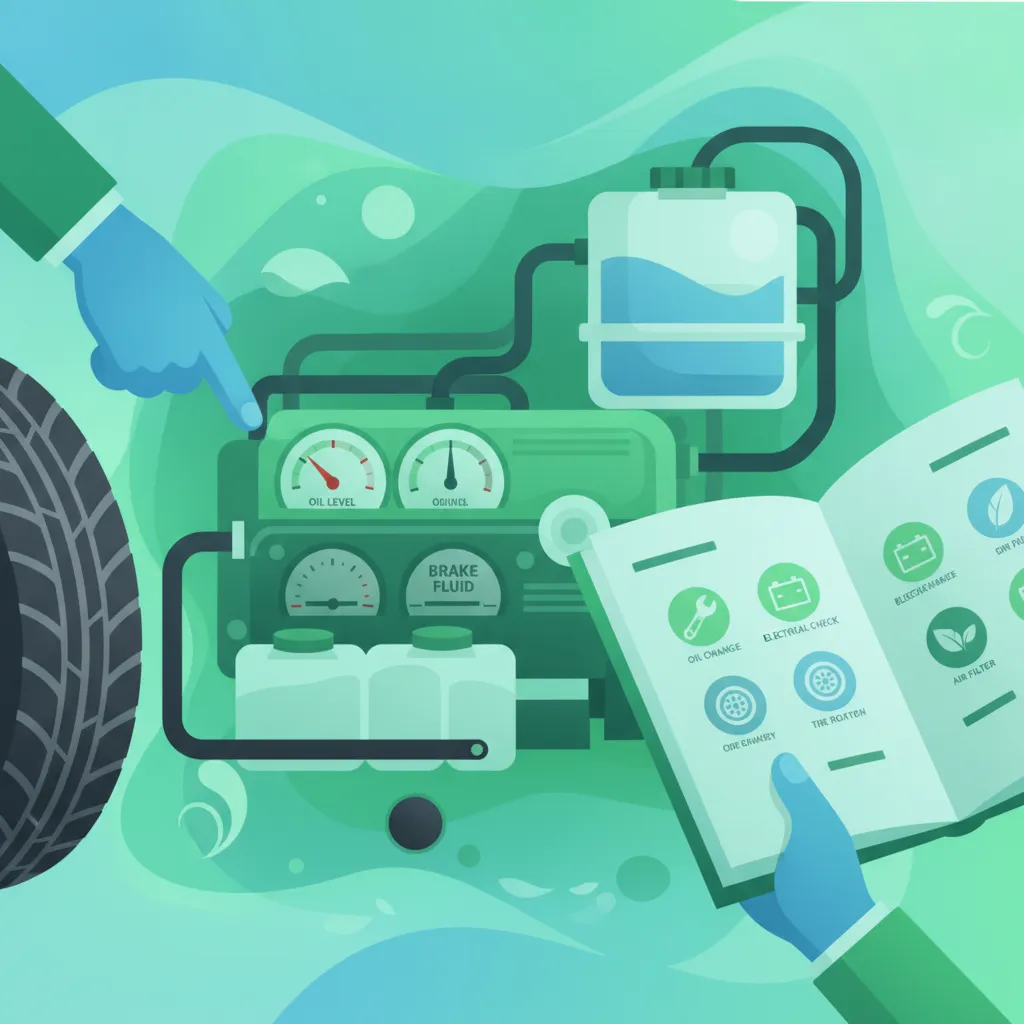
This lesson explains the difference between daily checks and long-term scheduled maintenance. It covers the legal requirement for periodic technical inspections ('revisione') to certify a vehicle's roadworthiness and the importance of adhering to manufacturer-recommended service intervals. Learners will understand their crucial role in reporting any mechanical defects promptly to ensure issues are rectified, maintaining the vehicle's safety and reliability over its service life.

This lesson explores the practical, on-road consequences of the different motorcycle license categories. It analyzes how power and weight restrictions directly affect a motorcycle's handling, acceleration, and braking capabilities. Learners will understand how these factors shape riding strategies and safety considerations, highlighting the competency development needed for each successive license level.
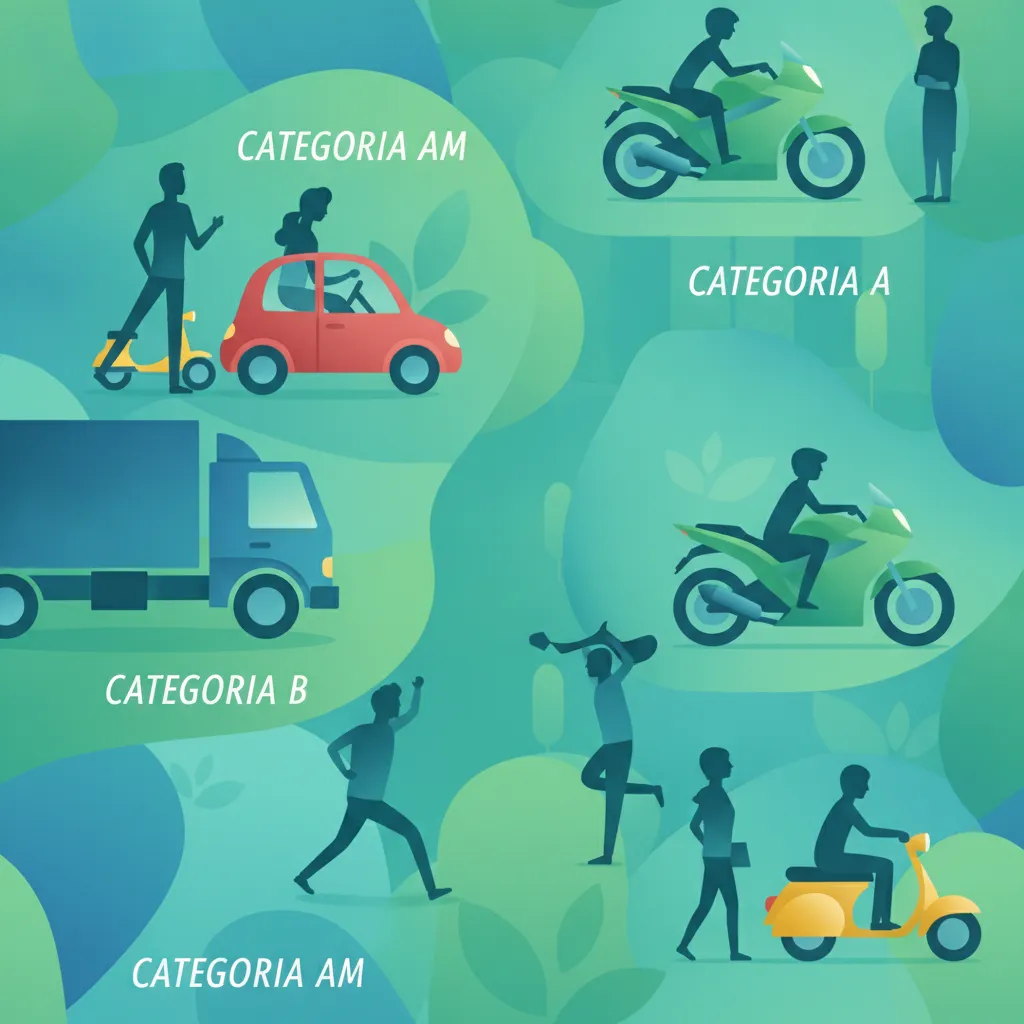
This lesson provides a detailed breakdown of the Italian motorcycle licence categories: A1, A2, and the unrestricted A. It explains the specific technical limits for engine displacement, power output in kW, and the power-to-weight ratio that define each category. Understanding these distinctions is fundamental for selecting a compliant vehicle and recognizing the legal scope of each license.

This lesson provides a thorough examination of the Italian motorcycle theory test's structure and content. It details the number of questions, the multiple-choice format, and the minimum score required to pass for the A1, A2, and A license categories. The content is designed to prepare learners for the specific knowledge areas and administrative procedures involved in taking the official exam.

This lesson establishes a crucial routine for every rider: the pre-ride technical inspection. It presents a systematic checklist, often remembered by acronyms, to verify the condition of essential components before starting a journey. Learners will understand how to check tyre pressures, brake function, fluid levels, lights, and final drive systems to prevent mechanical issues and enhance safety on the road.
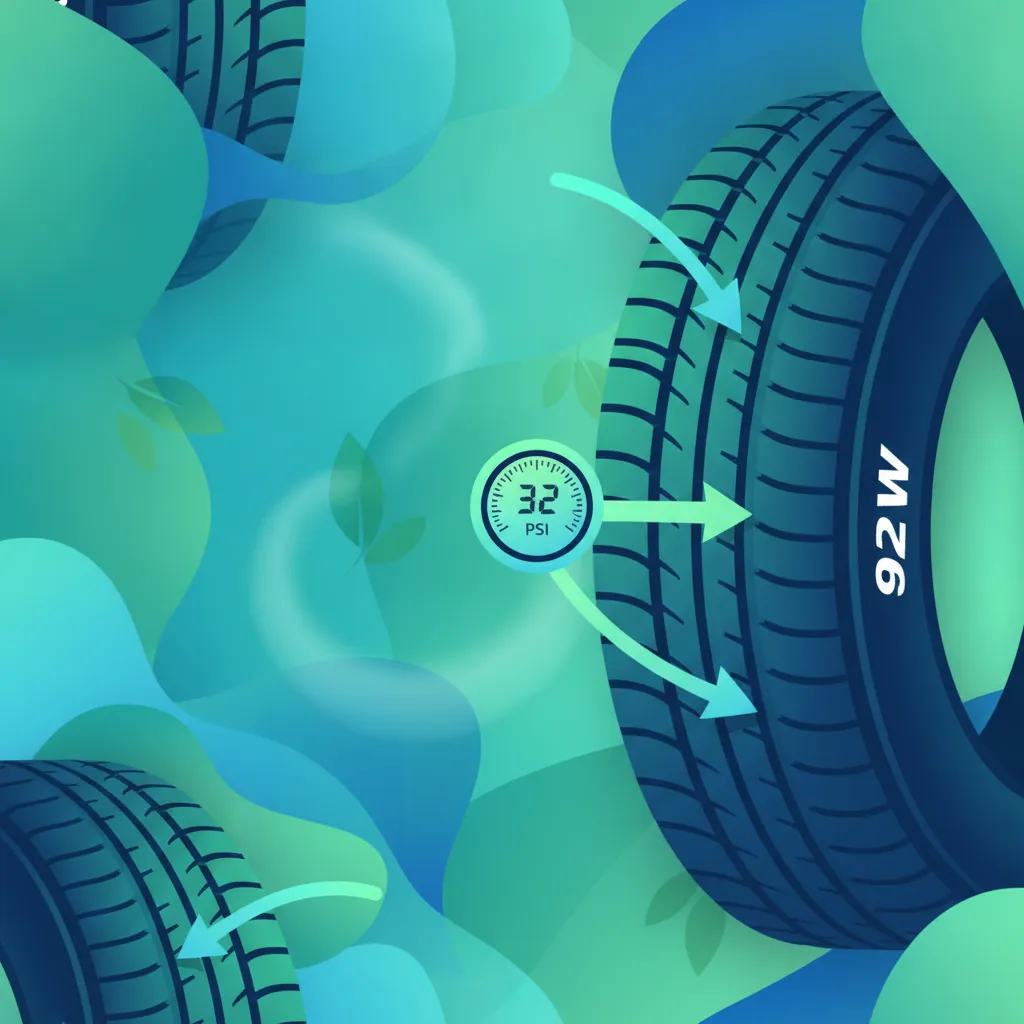
This lesson offers comprehensive knowledge on motorcycle tyres, covering how to interpret specifications like size, load index, and speed rating. It emphasizes the critical relationship between correct tyre pressure, handling, and grip on various road surfaces. Learners will acquire the skills to perform regular tread inspections and recognize the criteria for timely tyre replacement to ensure safety.

This lesson provides a comprehensive guide to riding on high-speed motorways, or autostrade. It details the correct procedures for safely merging into traffic from an entry ramp and exiting via a deceleration lane. The content reinforces strict lane discipline, rules for overtaking, and the importance of maintaining a significantly larger following distance to compensate for higher speeds and potential wind gusts.
This lesson emphasizes the rider's responsibility to ensure their vehicle is in safe, working order through regular maintenance and pre-ride checks. It outlines a simple yet effective routine for inspecting critical components like tires, brakes, lights, and mirrors. Performing these checks helps prevent mechanical failures and ensures the vehicle is always compliant and roadworthy.

This lesson focuses on the vital systems for visibility and communication: mirrors, lighting, and signals. It provides instruction on the proper adjustment of mirrors to minimize blind spots and the correct use of headlamps, indicators, and brake lights as per Italian regulations. The content underscores how maintaining these systems in full working order is crucial for being seen and signalling intentions clearly in traffic.

This lesson outlines the legal age thresholds and structured pathways for progressing through the Italian motorcycle license system. It details the minimum age for acquiring each license type and the specific procedures for upgrading from A1 to A2 and from A2 to the full A license. The content clarifies the legal framework governing these transitions, including any training or examination requirements for each step.
Learn about essential motorcycle wear components like tyres, brakes, and chains. This lesson focuses on proper inspection techniques and understanding maintenance needs crucial for roadworthiness and passing the Italian driving theory test.
This lesson offers comprehensive knowledge on motorcycle tyres, covering how to interpret specifications like size, load index, and speed rating. It emphasizes the critical relationship between correct tyre pressure, handling, and grip on various road surfaces. Learners will acquire the skills to perform regular tread inspections and recognize the criteria for timely tyre replacement to ensure safety.
This lesson explores the practical, on-road consequences of the different motorcycle license categories. It analyzes how power and weight restrictions directly affect a motorcycle's handling, acceleration, and braking capabilities. Learners will understand how these factors shape riding strategies and safety considerations, highlighting the competency development needed for each successive license level.
This lesson provides a thorough examination of the Italian motorcycle theory test's structure and content. It details the number of questions, the multiple-choice format, and the minimum score required to pass for the A1, A2, and A license categories. The content is designed to prepare learners for the specific knowledge areas and administrative procedures involved in taking the official exam.
This lesson establishes a crucial routine for every rider: the pre-ride technical inspection. It presents a systematic checklist, often remembered by acronyms, to verify the condition of essential components before starting a journey. Learners will understand how to check tyre pressures, brake function, fluid levels, lights, and final drive systems to prevent mechanical issues and enhance safety on the road.
This lesson provides a detailed breakdown of the Italian motorcycle licence categories: A1, A2, and the unrestricted A. It explains the specific technical limits for engine displacement, power output in kW, and the power-to-weight ratio that define each category. Understanding these distinctions is fundamental for selecting a compliant vehicle and recognizing the legal scope of each license.
This lesson details the functions of specialized protective clothing designed for motorcyclists. It covers the essential qualities of jackets, pants, gloves, and boots, focusing on abrasion resistance and impact protection provided by CE-rated armor. The content explains the differences between materials like leather and textile and how they contribute to rider safety in the event of a fall or collision.
This lesson focuses on how to adapt riding techniques to maintain traction on compromised surfaces. It identifies common hazards such as wet leaves, manhole covers, gravel, and painted lines that can reduce the tyre's grip. Learners will understand how to use smooth and gentle throttle, brake, and steering inputs to prevent traction loss and maintain control in these challenging situations.
This lesson explains the physical effects of different weather conditions on motorcycle safety. It details how rain reduces tyre adhesion and increases the risk of hydroplaning, while fog severely limits visibility, requiring a significant reduction in speed. The content also covers how extreme heat and cold can affect tyre pressure and compound performance, necessitating adjustments from the rider.
This lesson emphasizes the rider's responsibility to ensure their vehicle is in safe, working order through regular maintenance and pre-ride checks. It outlines a simple yet effective routine for inspecting critical components like tires, brakes, lights, and mirrors. Performing these checks helps prevent mechanical failures and ensures the vehicle is always compliant and roadworthy.
This lesson focuses on the vital systems for visibility and communication: mirrors, lighting, and signals. It provides instruction on the proper adjustment of mirrors to minimize blind spots and the correct use of headlamps, indicators, and brake lights as per Italian regulations. The content underscores how maintaining these systems in full working order is crucial for being seen and signalling intentions clearly in traffic.
Find clear answers to common questions learners have about Maintenance Intervals and Critical Components. Learn how the lesson is structured, which driving theory objectives it supports, and how it fits into the overall learning path of units and curriculum progression in Italy. These explanations help you understand key concepts, lesson flow, and exam focused study goals.
Understanding vehicle maintenance ensures riders can identify faults that affect safety and handling. The exam tests this to ensure you can recognize when a motorcycle is unfit for the road, which is a core responsibility under the Codice della Strada.
You should check tyre pressure and tread depth before every ride. In the context of the exam, focus on knowing the minimum legal tread depth and understanding how improper pressure affects traction and cornering stability.
Critical components include the braking system, tyres, steering, lighting, and fluid levels. Any malfunction in these areas significantly increases accident risk and is a common focus in safety-related theory questions.
The general principles of maintenance—checking fluids, tyres, and brakes—apply to all categories. However, higher-performance motorcycles in the A category may have more frequent service intervals, which you should be aware of as a responsible rider.
Start searching now to pinpoint exactly which Italian driving theory topics, road signs, or traffic rules you need to master. Use our advanced filters to build a custom practice session and ensure you're fully prepared for every aspect of your official driving licence exam.