
This lesson details the critical mechanics of motorcycle braking systems required for the Italian motorcycle theory exam. You will learn to distinguish the functions of the front and rear brakes, understand how modern ABS improves safety, and identify essential maintenance tasks to ensure your vehicle is roadworthy.

Lesson content overview
Effective braking is a cornerstone of safe motorcycle riding, directly impacting stopping distances, control in emergencies, and overall rider confidence. This lesson, part of the Italian Driving License Theory Course for Motorcycle Categories A1, A2, & A, provides an in-depth exploration of motorcycle braking systems. We will delve into the mechanics of how these systems work, the distinct roles of the front and rear brakes, the safety benefits of advanced technologies like ABS, and the critical importance of routine maintenance. Mastering your motorcycle's braking capabilities is not just about knowing the components, but understanding how to use them skillfully and maintain them diligently for every ride.
Braking a motorcycle fundamentally involves transforming the vehicle's kinetic energy (energy of motion) into heat energy through friction. When you apply the brakes, brake pads clamp onto rotating discs (or drums), creating friction that resists the wheel's rotation. This resistance slows the wheels, and consequently, the motorcycle.
A critical concept in motorcycle braking is weight transfer. During deceleration, the motorcycle's weight shifts significantly towards the front wheel. This shift increases the traction available at the front tyre, making the front brake far more effective and capable of generating a larger proportion of the total stopping force compared to the rear brake. Understanding this phenomenon is key to applying brakes correctly and efficiently.
Modern motorcycles predominantly use hydraulic disc braking systems for their superior stopping power, heat dissipation, and consistent performance. This system relies on hydraulic fluid to transmit force from the rider's input (brake lever or pedal) to the braking components at the wheels.
The hydraulic disc brake system comprises several essential components working in unison:
When the rider squeezes the brake lever or presses the pedal, a piston in the master cylinder pushes hydraulic fluid into the brake lines. This pressurised fluid travels to the caliper, forcing its pistons outwards. These caliper pistons, in turn, press the brake pads firmly against the rotating disc. The resulting friction converts the motorcycle's kinetic energy into heat, slowing the wheel and bringing the motorcycle to a halt.
This sealed hydraulic system ensures a consistent and amplified braking force with minimal rider effort. However, it also means that the condition of the brake fluid and the integrity of the lines are paramount to reliable braking performance.
The front brake is typically the most powerful braking component on a motorcycle and is responsible for the majority of the vehicle's stopping power. Its enhanced effectiveness is due to the phenomenon of weight transfer, where the motorcycle's weight shifts forward during deceleration, increasing the load and thus the available traction at the front wheel.
Using the front brake effectively is crucial for achieving the shortest possible stopping distances, especially in emergency situations. Most motorcycles are equipped with either a single-disc or dual-disc front braking system. Dual-disc setups, common on higher-performance motorcycles, offer increased braking surface area and superior heat dissipation, making them more resistant to brake fade during intense use.
Proper front brake application involves a progressive squeeze of the lever, gradually increasing pressure to maximise friction without exceeding the tyre's grip limit. This technique allows the rider to utilise the increasing front wheel traction as weight shifts forward.
While the front brake provides the majority of stopping power, the rear brake plays a vital role in stabilising the motorcycle during braking and is indispensable for low-speed control. Due to weight transfer, the rear wheel's traction decreases under heavy braking, making the rear brake less effective for rapid deceleration alone.
The rear brake is typically operated by a foot pedal. It helps to settle the motorcycle's suspension, control speed in tight turns, and assist with smooth stops. For instance, when making a U-turn or navigating slow-speed manoeuvres, the rear brake can be lightly feathered to maintain balance and precise speed control without upsetting the motorcycle's stability.
Excessive or abrupt application of the rear brake can cause the rear wheel to lock, leading to a skid or "wheel hop," where the rear wheel loses and regains traction rapidly. While a rear wheel skid can sometimes be controlled by experienced riders, it can easily lead to a loss of balance and a fall, especially for less experienced motorcyclists.
Brake balance refers to the proportion of braking force applied to the front and rear wheels. Achieving the correct balance is essential for maximising stopping power, maintaining stability, and ensuring safe deceleration. In ideal dry conditions, a typical brake balance might involve applying approximately 70% of the braking force to the front wheel and 30% to the rear wheel. However, this ratio is not fixed and must be dynamically adjusted by the rider based on various factors.
Several elements influence the optimal brake balance:
Adapting your brake balance to prevailing conditions is a crucial skill. On low-traction surfaces, such as wet or icy roads, reducing the reliance on the front brake and shifting more effort to the rear (e.g., 50-60% front, 40-50% rear) helps prevent front wheel lock-up and maintains steering control. Practising progressive braking techniques and understanding how your motorcycle reacts under different conditions will help you develop an intuitive sense of proper brake balance.
The Anti-lock Braking System (ABS) is a vital electronic safety feature designed to prevent wheel lock-up during heavy or emergency braking. By modulating brake pressure, ABS helps riders maintain control and stability, especially on slippery or uneven road surfaces.
The main components of an ABS include:
The primary benefit of ABS is its ability to allow the rider to brake hard and maintain steering control, even in emergency situations. This can significantly reduce stopping distances on low-friction surfaces and help prevent accidents.
Regular inspection and maintenance of your motorcycle's braking system are critical for ensuring reliable performance and rider safety. Neglecting brake components can lead to reduced stopping power, unpredictable behaviour, and potential brake failure.
Brake pads are friction materials that wear down over time due to contact with the brake discs. Their gradual reduction in thickness directly diminishes braking efficiency.
Visually inspect the brake pads on both the front and rear calipers. You may need a flashlight.
Look for the wear indicator grooves or measure the thickness of the friction material.
If the pads are below the manufacturer's minimum thickness (typically around 1.5-2mm) or the wear indicator is no longer visible, replace them.
The brake discs, or rotors, are the metal components that the pads clamp onto. They are subjected to immense heat and friction, which can cause them to warp, develop scoring, or thin over time.
Brake fluid is a hygroscopic substance, meaning it absorbs moisture from the air over time. Water contamination can significantly lower the fluid's boiling point, leading to "spongy" brake lever feel or even complete brake failure (especially under heavy braking where the fluid heats up and boils, creating compressible vapour bubbles).
Adhering to specific regulations and best practices concerning braking systems is crucial for legal and safe riding within Italy, as outlined in the Codice della Strada (Italian Traffic Code) and related directives.
Every motorcycle operating on public roads in Italy must be equipped with a fully functional front brake at all times. The front brake is indispensable for safe and efficient stopping, providing the primary braking force. Riding with a disabled or malfunctioning front brake is a serious safety violation and can lead to penalties or vehicle impoundment.
While not always a specific legal article, it is a fundamental safety mandate that riders must adjust their brake balance when road conditions are adverse, such as wet, icy, or gravelly surfaces. Reducing front brake pressure proportionally and increasing rear brake usage helps prevent wheel lock-up and maintains steering control, significantly reducing accident risk. This is covered under general rules of prudent and safe driving.
For motorcycles equipped with an Anti-lock Braking System, it is generally required that ABS be operational when riding on public roads. While some motorcycles allow for manual ABS deactivation (e.g., for off-road use), it must always be reactivated before re-entering public traffic. Operating with disabled ABS on public roads increases the risk of wheel lock in emergency situations.
Regular inspection and replacement of brake pads, discs, and fluid according to manufacturer guidelines and legal requirements are mandatory. Failure to maintain the braking system adequately not only compromises safety but can also result in fines or failing the periodic vehicle inspection (Revisione). This ensures the vehicle meets minimum safety standards.
Even with advanced braking systems, rider error remains a significant factor in braking-related incidents. Awareness of common mistakes can help you ride more safely.
Over-reliance on the Rear Brake Only:
Front Brake Lock-up on Slippery Surfaces:
Neglecting Brake Fluid Maintenance:
Riding with Worn Brake Pads or Discs:
ABS Disabled on Public Roads:
Effective braking is not a one-size-fits-all technique. Riders must constantly adapt their approach to the prevailing conditions to maintain safety and control.
| Condition | Impact on Braking Technique | Reasoning |
|---|---|---|
| Wet Road | Increase rear brake proportion; reduce front brake pressure; apply inputs smoothly. | Reduced friction on wet surfaces makes front wheel lock-up more likely and sudden inputs risky. |
| Icy or Snowy Surface | Further shift balance towards rear; use extremely smooth, progressive inputs; avoid sudden braking. | Extremely low traction necessitates minimal and careful brake application to prevent any wheel lock. |
| Loose Gravel or Dirt | Use progressive front brake with caution; avoid abrupt rear brake to prevent skidding. | Front wheel lock can cause loss of steering; rear wheel can slide out easily on loose terrain. ABS may be deactivated if allowed for off-road use. |
| Emergency Stop | Apply maximum front brake while modulating rear to prevent lock; rely on ABS if available. | Front brake provides most stopping power; ABS helps maintain control during aggressive stops. |
| Heavy Load/Passenger | Adjust balance towards rear, potentially using more rear brake; braking distances may increase. | Additional weight on the rear wheel increases its traction, allowing more rear brake force without lock-up. The overall inertia is higher. |
| Downhill Descent | Use both brakes evenly and incorporate engine braking (downshifting) to control speed. | Prevents brake fade from overheating; engine braking reduces reliance on friction brakes. |
| Night Riding | Be aware of reduced visibility and longer reaction times; ensure brake lights are fully functional. | Reduced visibility impacts hazard perception, requiring earlier and smoother braking actions. |
| High-speed Riding | Initiate braking earlier and apply progressively; prioritise gentle, consistent pressure. | High speeds amplify the risk of wheel lock-up and make any sudden movements more destabilising. |
Understanding the cause-and-effect relationships within the braking system helps riders make informed decisions and react appropriately to situations.
Let's illustrate these concepts with a few common riding scenarios:
Dry Road, Normal Speed Stop:
Wet Road, Emergency Stop:
Riding with a Heavy Passenger:
Long Downhill Descent:
Mastering your motorcycle's braking system is a fundamental skill for any rider undertaking the Italian Driving License Theory Course for Motorcycle Categories A1, A2, & A. This involves not only understanding the mechanical operation of hydraulic disc brakes and the safety features of ABS but also appreciating the physics of braking, particularly weight transfer and brake balance.
By adopting proper braking techniques, adjusting your approach to various road and riding conditions, and committing to diligent maintenance of your brake pads, discs, and fluid, you significantly enhance your safety and control on the road. Remember, a well-maintained and correctly operated braking system is your most critical safety tool, allowing you to respond effectively to hazards and enjoy the ride with confidence.
This lesson covers the mechanics of motorcycle braking systems, emphasising that weight transfer during deceleration makes the front brake the primary stopping tool while the rear brake provides stability and low-speed control. It explains how hydraulic disc brakes convert kinetic energy into heat through friction and how ABS prevents wheel lock-up by modulating brake pressure rapidly. Key principles include progressive brake application, adjusting brake balance for conditions (approximately 70/30 front/rear in dry conditions, shifting more to the rear on low-traction surfaces), and the critical importance of regular maintenance for brake pads, discs, and fluid. Italian law requires a functional front brake at all times and operational ABS on public roads, making this content directly relevant for both the theory exam and real-world riding safety.
A short set of high-value points that capture the most important learning from this lesson.
Weight transfer during deceleration shifts load forward, making the front brake significantly more effective than the rear for stopping power.
Progressive brake application is essential—squeezing the lever gradually allows you to use increasing front wheel traction as weight transfers forward without exceeding tyre grip limits.
ABS modulates brake pressure rapidly to prevent wheel lock-up, allowing you to maintain steering control during emergency braking on any surface.
Brake balance must be dynamically adjusted based on road conditions, speed, and load—on wet surfaces, shift proportionally more braking effort to the rear wheel.
Neglecting brake fluid replacement every two years risks moisture contamination, which lowers the fluid's boiling point and can cause brake failure.
Explore all units and lessons included in this driving theory course.
Front brake provides approximately 70% of total stopping force in dry conditions; rear brake provides approximately 30%.
Brake fluid is hygroscopic—it absorbs moisture over time, so replacement every two years is mandatory regardless of mileage.
Brake pad friction material must be at least 1.5–2 mm thick before replacement; inspect wear indicators regularly.
On low-traction surfaces (wet, icy, gravel), reduce front brake pressure and increase rear brake proportion to prevent front wheel lock-up.
ABS must be operational when riding on public roads in Italy; it must be reactivated before returning to traffic after any off-road deactivation.
Using only the rear brake for stopping, especially at higher speeds, results in significantly longer stopping distances.
Applying front brake too aggressively on slippery surfaces causes front wheel lock-up and immediate loss of steering control.
Failing to replace brake fluid on schedule leads to spongy lever feel, reduced hydraulic pressure, and potential brake fade or failure.
Continuing to ride with worn brake pads below the minimum thickness or damaged discs compromises stopping power and damages other components.
Intentionally riding with ABS deactivated on public roads increases the risk of wheel lock-up during emergency braking.
Lesson content overview
A short set of high-value points that capture the most important learning from this lesson.
Weight transfer during deceleration shifts load forward, making the front brake significantly more effective than the rear for stopping power.
Progressive brake application is essential—squeezing the lever gradually allows you to use increasing front wheel traction as weight transfers forward without exceeding tyre grip limits.
ABS modulates brake pressure rapidly to prevent wheel lock-up, allowing you to maintain steering control during emergency braking on any surface.
Brake balance must be dynamically adjusted based on road conditions, speed, and load—on wet surfaces, shift proportionally more braking effort to the rear wheel.
Neglecting brake fluid replacement every two years risks moisture contamination, which lowers the fluid's boiling point and can cause brake failure.
Explore all units and lessons included in this driving theory course.
Front brake provides approximately 70% of total stopping force in dry conditions; rear brake provides approximately 30%.
Brake fluid is hygroscopic—it absorbs moisture over time, so replacement every two years is mandatory regardless of mileage.
Brake pad friction material must be at least 1.5–2 mm thick before replacement; inspect wear indicators regularly.
On low-traction surfaces (wet, icy, gravel), reduce front brake pressure and increase rear brake proportion to prevent front wheel lock-up.
ABS must be operational when riding on public roads in Italy; it must be reactivated before returning to traffic after any off-road deactivation.
Using only the rear brake for stopping, especially at higher speeds, results in significantly longer stopping distances.
Applying front brake too aggressively on slippery surfaces causes front wheel lock-up and immediate loss of steering control.
Failing to replace brake fluid on schedule leads to spongy lever feel, reduced hydraulic pressure, and potential brake fade or failure.
Continuing to ride with worn brake pads below the minimum thickness or damaged discs compromises stopping power and damages other components.
Intentionally riding with ABS deactivated on public roads increases the risk of wheel lock-up during emergency braking.
Explore search topics learners often look for when studying Braking System and Front/Rear Brake Functionality. These topics reflect common questions about road rules, driving situations, safety guidance, and lesson level theory preparation for learners in Italy.
Browse additional driving theory lessons that cover connected traffic rules, road signs, and common driving situations related to this topic. Improve your understanding of how different rules interact across everyday traffic scenarios.
Explore detailed maintenance procedures for motorcycle braking systems. Understand the importance of brake fluid, pads, and discs for safety, and learn about maintaining ABS for the Italian driving theory exam.
This lesson details the importance of adhering to a motorcycle's recommended maintenance schedule to ensure safety and reliability. It explains the typical service intervals for changing critical fluids like oil and brake fluid, as well as replacing wear-and-tear items such as brake pads and tyres. The content highlights how preventative maintenance is key to identifying potential issues before they become hazardous.

This lesson teaches the critical skill of executing a rapid and controlled stop in an emergency. It covers the technique of applying firm, progressive pressure to the brakes to achieve maximum deceleration without locking the wheels, both in a straight line and while cornering. The content also explains how Anti-lock Braking Systems (ABS) function in these scenarios and the correct body posture to maintain stability.

This lesson provides a thorough examination of the Italian motorcycle theory test's structure and content. It details the number of questions, the multiple-choice format, and the minimum score required to pass for the A1, A2, and A license categories. The content is designed to prepare learners for the specific knowledge areas and administrative procedures involved in taking the official exam.
This lesson focuses on the factors that determine a motorcycle's total stopping distance: perception time, reaction time, and braking distance. It provides a clear understanding of how speed exponentially increases the distance required to come to a complete stop. Learners will be able to apply principles like the two-second rule to maintain a safe and appropriate following distance in various traffic situations.
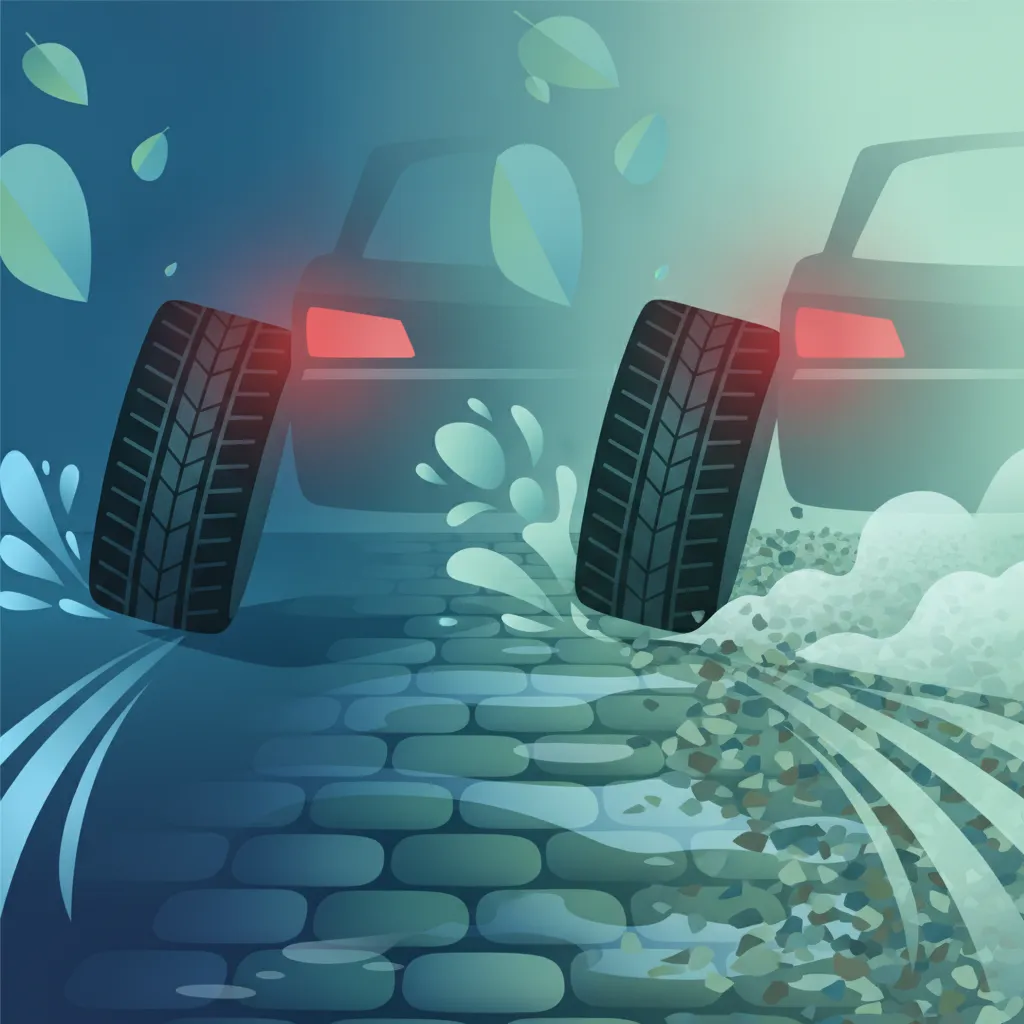
This lesson details correct braking techniques, emphasizing progressive application of both front and rear brakes for optimal stopping power. It explains the function of ABS in preventing wheel lock-up on slippery surfaces like wet roads or gravel. You will learn how different surfaces affect braking distance and how to adjust braking force to maintain control.

This lesson focuses on the vital systems for visibility and communication: mirrors, lighting, and signals. It provides instruction on the proper adjustment of mirrors to minimize blind spots and the correct use of headlamps, indicators, and brake lights as per Italian regulations. The content underscores how maintaining these systems in full working order is crucial for being seen and signalling intentions clearly in traffic.

This lesson provides a clear, step-by-step guide for handling a mechanical breakdown on the road. It emphasizes the priority of moving the motorcycle to a safe location away from traffic flow and making oneself visible by using hazard lights and wearing a high-visibility vest. The content covers the correct procedure for contacting roadside assistance or emergency services and waiting for help in a secure position.

This lesson clarifies the different functions of the front and rear brake systems on a motorcycle. It explains the physics of weight transfer under deceleration, which makes the front brake responsible for the majority of stopping power. The content also covers the role of the rear brake in stabilizing the motorcycle, especially at low speeds and on loose surfaces, and introduces the concept of combined braking.
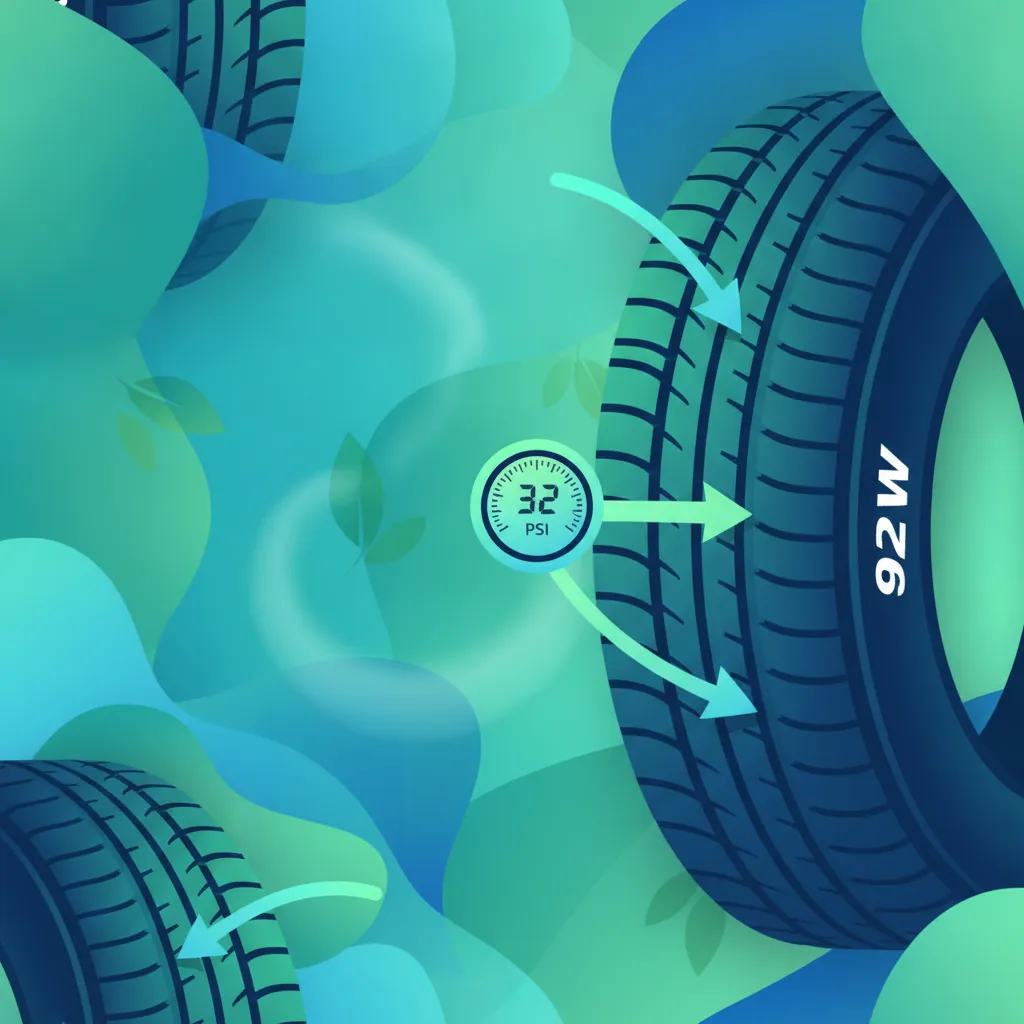
This lesson offers comprehensive knowledge on motorcycle tyres, covering how to interpret specifications like size, load index, and speed rating. It emphasizes the critical relationship between correct tyre pressure, handling, and grip on various road surfaces. Learners will acquire the skills to perform regular tread inspections and recognize the criteria for timely tyre replacement to ensure safety.

This lesson establishes a crucial routine for every rider: the pre-ride technical inspection. It presents a systematic checklist, often remembered by acronyms, to verify the condition of essential components before starting a journey. Learners will understand how to check tyre pressures, brake function, fluid levels, lights, and final drive systems to prevent mechanical issues and enhance safety on the road.
Learn how to adapt motorcycle braking techniques for various challenging conditions like wet roads, gravel, and downhill descents. Understand brake balance and ABS usage to maintain control and safety according to Italian theory.
This lesson teaches the critical skill of executing a rapid and controlled stop in an emergency. It covers the technique of applying firm, progressive pressure to the brakes to achieve maximum deceleration without locking the wheels, both in a straight line and while cornering. The content also explains how Anti-lock Braking Systems (ABS) function in these scenarios and the correct body posture to maintain stability.
This lesson details correct braking techniques, emphasizing progressive application of both front and rear brakes for optimal stopping power. It explains the function of ABS in preventing wheel lock-up on slippery surfaces like wet roads or gravel. You will learn how different surfaces affect braking distance and how to adjust braking force to maintain control.
This lesson focuses on how to adapt riding techniques to maintain traction on compromised surfaces. It identifies common hazards such as wet leaves, manhole covers, gravel, and painted lines that can reduce the tyre's grip. Learners will understand how to use smooth and gentle throttle, brake, and steering inputs to prevent traction loss and maintain control in these challenging situations.
This lesson clarifies the different functions of the front and rear brake systems on a motorcycle. It explains the physics of weight transfer under deceleration, which makes the front brake responsible for the majority of stopping power. The content also covers the role of the rear brake in stabilizing the motorcycle, especially at low speeds and on loose surfaces, and introduces the concept of combined braking.
This lesson explains the physical effects of different weather conditions on motorcycle safety. It details how rain reduces tyre adhesion and increases the risk of hydroplaning, while fog severely limits visibility, requiring a significant reduction in speed. The content also covers how extreme heat and cold can affect tyre pressure and compound performance, necessitating adjustments from the rider.
This lesson focuses on the factors that determine a motorcycle's total stopping distance: perception time, reaction time, and braking distance. It provides a clear understanding of how speed exponentially increases the distance required to come to a complete stop. Learners will be able to apply principles like the two-second rule to maintain a safe and appropriate following distance in various traffic situations.

This lesson explains the function of the vehicle's braking system and key active safety technologies. It details how the Anti-lock Braking System (ABS) prevents wheels from locking during hard braking, allowing the driver to maintain steering control. The content also covers Electronic Stability Control (ESC), which helps prevent skidding by automatically applying brakes to individual wheels to stabilize the vehicle.

This lesson teaches riders how to maintain a safe following distance using the two-second rule, which accounts for reaction time and braking distance. It covers grip management, explaining how tire condition and road surfaces like wet asphalt affect traction. Mastering these concepts is essential for anticipating hazards and preventing rear-end collisions.

This lesson focuses on the rider's active role in controlling the motorcycle through body positioning and weight shifts. It explains how to maintain a relaxed yet engaged posture to absorb road imperfections and provide precise inputs to the handlebars and footpegs. The content covers how leaning with the bike in corners and shifting weight during braking and acceleration significantly impacts the vehicle's stability and performance.

This lesson explains how adverse weather conditions directly affect moped safety by reducing both tire grip and rider visibility. It covers the dangers of riding on wet roads, including the risk of hydroplaning, and provides strategies for managing these conditions. You will also learn techniques for enhancing your visibility to others during fog, rain, and nighttime riding.
Find clear answers to common questions learners have about Braking System and Front/Rear Brake Functionality. Learn how the lesson is structured, which driving theory objectives it supports, and how it fits into the overall learning path of units and curriculum progression in Italy. These explanations help you understand key concepts, lesson flow, and exam focused study goals.
When a motorcycle decelerates, weight transfers to the front wheel, increasing its grip on the road. This allows the front brake to provide the majority of the stopping power, while the rear brake serves as a support to stabilize the bike.
ABS (Anti-lock Braking System) prevents the wheels from locking up during heavy braking. This keeps the motorcycle steerable and prevents skidding, which is crucial for maintaining control in sudden hazard situations on Italian roads.
You should check the reservoir for proper fluid levels according to the manufacturer's manual and ensure the fluid is not discolored. Low fluid or dark, contaminated fluid indicates a need for maintenance, which is a common topic in the technical sections of the theory exam.
Yes. On wet or slippery surfaces, it is vital to apply the brakes more progressively and gently to avoid losing traction. The theory exam often tests your ability to adjust your braking intensity based on environmental conditions.
Start searching now to pinpoint exactly which Italian driving theory topics, road signs, or traffic rules you need to master. Use our advanced filters to build a custom practice session and ensure you're fully prepared for every aspect of your official driving licence exam.