
This lesson guides you through the complex rules and safety protocols for managing roadworks, lane closures, and mixed-traffic environments as a motorcycle rider. It builds upon your understanding of urban traffic and rural road hazards to ensure you can identify risks and adjust your riding behavior accordingly. Mastering these concepts is essential for both your theory exam success and your safety on Italian roads.
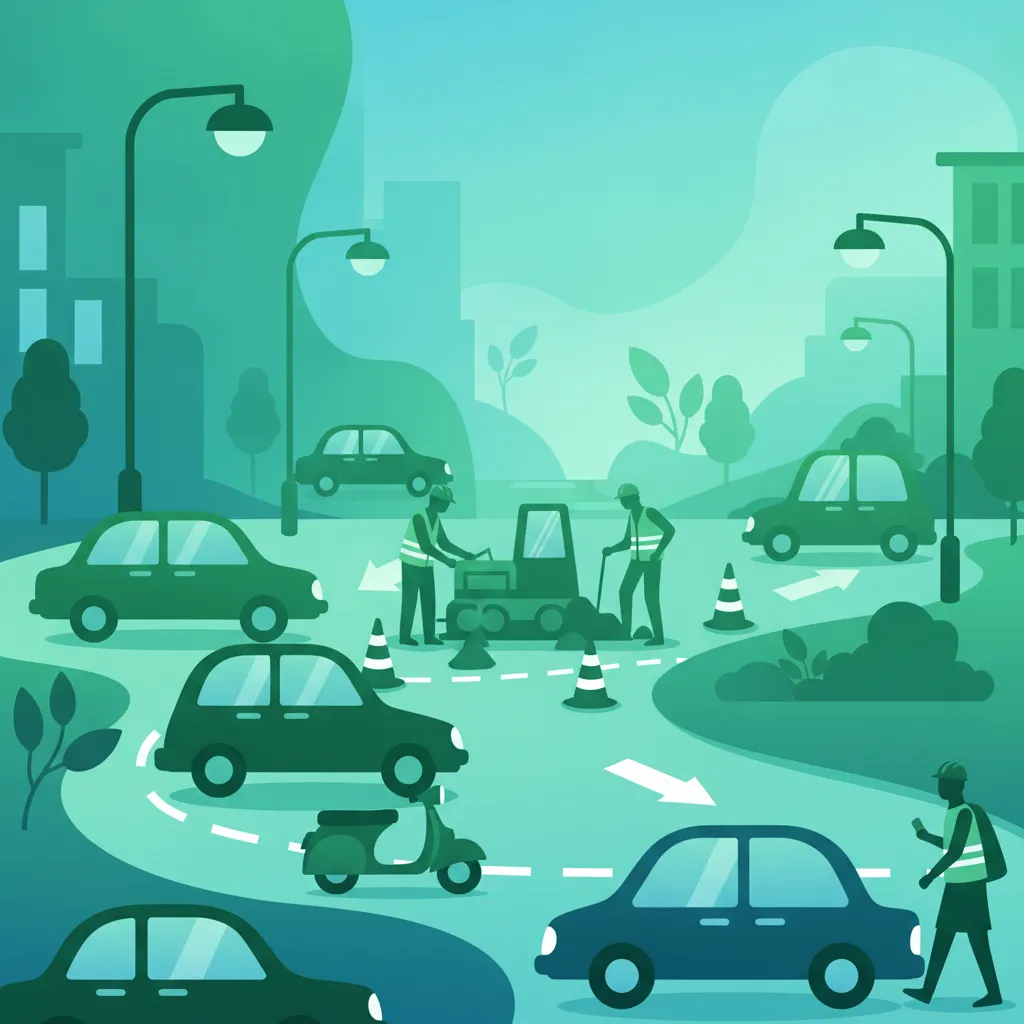
Lesson content overview
Riding a motorcycle safely on Italian roads requires heightened awareness, especially when encountering dynamic and unpredictable environments like road construction zones and areas with diverse traffic. This lesson, part of the Italian Driving License Theory Course for Motorcycle Categories A1, A2, & A, provides essential knowledge and strategies for managing these challenging conditions. Understanding how to interpret temporary signage, navigate lane closures, and anticipate hazards is crucial for protecting yourself, fellow road users, and construction workers.
Road construction zones, or cantieri stradali, are inherently high-risk areas. They feature altered road geometry, confined spaces, and the presence of heavy machinery and personnel. Safe navigation through these zones is not just about personal safety; it's about complying with the Codice della Strada (Italian Road Code) and ensuring the safety of everyone on the road.
Road construction zones introduce unique complexities that demand a specific approach from motorcycle riders. Unlike regular traffic, these areas are temporary, often changing daily, and present a combination of physical hazards and altered traffic rules. Being prepared and knowing how to react correctly can significantly reduce the risk of accidents.
The dynamic nature of roadworks creates an environment where standard riding techniques may not be sufficient. Road surfaces can be uneven, slippery, or obstructed. Traffic flow is often rerouted or narrowed, leading to potential conflicts with larger vehicles and construction equipment. Workers on foot are frequently present, requiring riders to be acutely aware of their surroundings and prepared for unexpected movements. The combination of these factors makes construction zones one of the most hazardous environments for any driver, particularly for motorcyclists who are more vulnerable to surface changes and less visible to large machinery.
To safely navigate road construction zones and areas with mixed traffic, motorcycle riders must adhere to several fundamental principles. These principles serve as the foundation for safe decision-making and are crucial for mitigating the increased risks present in these environments.
Reduced speed is perhaps the most critical principle when entering a construction zone. This means lowering your travel speed below the normal posted limit, often to a specific temporary speed limit indicated by signage. The purpose of reducing speed is multifaceted: it significantly improves your reaction time, allows for earlier and safer braking, and provides more time to account for unpredictable hazards such as workers, moving equipment, or sudden changes in the road surface. Riders must adjust their speed based on posted temporary signs or, if no specific limit is given, reduce to a safe level appropriate for the immediate conditions. Failing to do so can lead to an inability to stop in time or to control the motorcycle on compromised surfaces.
Increased following distance is another vital safety measure. In construction zones, it is advisable to expand the gap between your motorcycle and the vehicle ahead to at least two to three seconds, and often more when following large construction vehicles. This extra space provides crucial time to react to sudden stops, unexpected lane changes, or debris falling from construction vehicles. Heavy machinery often operates at slower, inconsistent speeds and may stop abruptly or maneuver unexpectedly. Maintaining a generous following distance gives you the buffer needed to anticipate these actions and avoid rear-end collisions.
Lane discipline and positional awareness are essential for navigating altered road geometries. This involves maintaining your proper lane position, carefully observing and adhering to temporary lane markings, and respecting any temporary lane closures or diversions. The goal is to avoid conflicts with construction equipment, ensure a smooth flow for all types of mixed traffic (cars, trucks, motorcycles, and construction vehicles), and reduce the risk of entering hazardous areas. This often requires early lane changes, awareness of shifting lane boundaries, and preparedness for temporary lane shifts that may occur without much warning.
Interpretation of temporary signage is paramount in construction zones. These provisional signs convey immediate safety requirements and traffic instructions and are legally binding. They indicate temporary speed limits, lane closures, detours, worker presence, and other crucial information. Riders must treat temporary signs as enforceable, regardless of what permanent signs might indicate for the area. Understanding and promptly responding to these signs is not only a matter of safety but also a legal obligation, as failure to comply can result in fines and penalties under the Codice della Strada.
Hazard anticipation and observation involve continuously scanning the construction zone for potential dangers. This includes looking out for loose gravel, sand, mud, steel plates covering excavated sections, water mixed with construction debris, flagged workers, or stationary and moving equipment. Early detection of these conditions is crucial, as they can significantly affect motorcycle control and traction. This principle requires heightened visual focus, anticipating possible movements of workers or machinery, and being prepared to brake or maneuver at a moment's notice to avoid an incident.
Navigating roadworks in Italy requires specific knowledge of how temporary conditions are managed and signaled. The Codice della Strada outlines regulations designed to ensure safety in these environments.
Temporary speed limits are specific speed restrictions imposed for a defined area or period, commonly found in construction zones. In Italy, these are typically indicated by a round sign with a red border and a black numeral on a white background, identical in appearance to permanent speed limit signs but often accompanied by a temporary orange warning sign or placed within the orange-bordered zone. They can be fixed (e.g., 30 km/h) or variable, adjusted based on traffic flow or time of day. Riders must adjust their speed instantly upon encountering such a sign, as these limits override any universal or permanent speed limits. Failure to comply (Art. 142/1, Codice della Strada) can lead to significant fines.
For example, if you are riding on a road with a general 90 km/h limit and see a temporary 50 km/h sign ahead of a construction zone, you must reduce your speed to no more than 50 km/h immediately.
Temporary blockage of one or more lanes, or lane closures, are common in roadwork areas. These are indicated by orange signs featuring symbols or arrows pointing to alternate routes or merge instructions. Types include full lane closures (requiring a lane change), partial lane merging (reducing lane widths), and complete detours redirecting traffic onto different roads. Motorcycle riders must observe these signs well in advance and make smooth, early lane changes. Overtaking is prohibited in closed lanes, and attempting to do so can lead to dangerous conflicts with construction equipment or other traffic (Art. 137, Codice della Strada).
Construction zones frequently have workers on foot, as well as excavators, bulldozers, concrete mixers, and other heavy equipment operating close to active traffic lanes. The presence of workers on or near the carriageway is often indicated by an orange warning sign depicting a worker. When workers are present, drivers must reduce speed, increase following distance, and be prepared to stop. It is mandatory to yield to workers who are signaling or moving across the road (Art. 140, Codice della Strada). Overtaking is generally prohibited when workers are in the immediate vicinity.
Temporary road surfaces in work zones often present significant hazards, particularly for motorcycles. These include loose gravel, sand, mud, steel plates covering excavated sections, and wet conditions due to ongoing work or spills. These materials drastically reduce tire traction, increasing the risk of skidding or losing control. Riders must reduce speed, avoid sudden acceleration, harsh braking, or abrupt steering inputs. Overtaking is generally prohibited on compromised surfaces, as stability is reduced (Art. 142/3, Codice della Strada).
Construction zones often involve mixed traffic, meaning a diverse range of vehicle types (cars, trucks, construction vehicles, and motorcycles) sharing a constrained space. Heavy machinery like bulldozers or dump trucks move at slower speeds and have large blind spots. Delivery vehicles may make frequent, unscheduled stops. Motorcyclists must anticipate the slower speeds and unpredictable movements of these larger vehicles. It is crucial to yield to larger vehicles, especially when they are maneuvering slowly, and to avoid attempting to overtake heavy machinery within the restricted confines of a work zone.
Regulations frequently prohibit overtaking within defined work zones. These restrictions are typically indicated by specific signs, such as the No Overtaking sign (a round sign with a red border, a black car, and a red car, crossed by a red diagonal line) or, in temporary contexts, by orange warning signs accompanied by textual instructions. This prohibition can be a full ban (no overtaking in any lane) or conditional (e.g., only when workers are present). Motorcyclists must stay behind slower traffic and refrain from passing until the work zone officially ends and the restriction is lifted. Overtaking in a zone with a "No Overtaking" sign is illegal and subject to fines (Art. 149/2, Codice della Strada).
Effective signage interpretation skills are critical for safety in work zones. This involves the ability to quickly recognize and correctly respond to all types of temporary road signs: regulatory (e.g., speed limits), warning (e.g., workers ahead), and instructional (e.g., detours). Riders need to understand that temporary signs take priority over permanent signs. In situations where signs might seem to conflict, drivers must always act upon the most restrictive sign. Ignoring temporary signs due to familiarity with permanent road configurations is a common and dangerous mistake.
Scan Actively: Look far ahead for orange or yellow signs, which indicate temporary conditions.
Prioritize: Remember that temporary signs always override permanent signs.
Identify Type: Distinguish between warning signs (triangular), regulatory signs (round or rectangular with specific instructions), and informational signs (rectangular).
Respond Promptly: Adjust your speed, lane position, and driving behavior as soon as you understand the sign's meaning.
The Codice della Strada provides specific articles governing driver conduct in the presence of roadworks and mixed traffic conditions. Adherence to these regulations is mandatory for all road users.
| Rule | Applicability | Legal Status | Rationale |
|---|---|---|---|
| Temporary Speed Limits (Art. 142/1) | Applies in zones with temporary speed limit signs; overrides normal limits. | Mandatory | Crucial for safety due to altered road conditions and unpredictable hazards. |
| Overtaking Ban in Work Zones (Art. 149/2) | Enforced when "No Overtaking" signs are posted or workers are present. | Mandatory | Prevents dangerous maneuvers near workers and heavy equipment. |
| Yielding to Workers (Art. 140) | Required when workers are on or near the carriageway. | Mandatory | Protects vulnerable workers and prevents collisions. |
| Lane Closure Compliance (Art. 137) | Mandatory adherence to signs indicating closed lanes or diversions. | Mandatory | Ensures smooth traffic flow and prevents collisions with work areas. |
| Increased Following Distance (Arti. 142/2, 142/3) | Strongly recommended in any mixed traffic or work zone, especially behind slower vehicles. | Safety Recommendation (de facto mandatory) | Provides essential reaction time for sudden stops or changes in speed. |
| Surface Hazard Consideration (Art. 142/3) | Mandatory adjustment of speed for altered road surfaces (gravel, steel plates). | Mandatory | Reduces the risk of skidding and loss of control. |
| Minimizing Lane Changes (Art. 150) | Advised in work zones where frequent lane changes increase risk. | Safety Recommendation | Reduces conflict points and promotes predictable traffic flow. |
Even experienced riders can make mistakes in the complex environment of a construction zone. Understanding common violations helps you anticipate and avoid them.
Riding through roadworks is further complicated by environmental factors and the specific context of your ride.
Understanding the underlying reasons for specific behaviors in construction zones enhances your ability to make safe decisions.
Let's consider a few real-world scenarios to illustrate correct and incorrect riding behavior.
Highway Construction with Multiple Warnings
City Street Renovation with Surface Hazards
Rural Road with Steel Plates
Safely managing mixed traffic and roadworks in Italy requires a systematic approach based on anticipation, adherence to regulations, and adaptability. Always remember that temporary conditions demand temporary responses. Prioritize safety by significantly reducing your speed, increasing your following distance, and focusing intensely on your surroundings. Pay close attention to all temporary signage, understanding that these signs supersede permanent road rules. Be prepared for surface hazards like gravel or steel plates, and anticipate the movements of construction workers and heavy machinery. By internalizing these principles and practices, you will be well-equipped to navigate these challenging environments with confidence and safety, protecting yourself and others on the road.
Road construction zones in Italy present heightened risks for motorcyclists due to altered road geometry, surface hazards, and mixed traffic with heavy machinery. Under the Codice della Strada, temporary signs always override permanent rules—motorcyclists must immediately comply with posted temporary speed limits and overtaking bans. Surface conditions like loose gravel, mud, and steel plates dramatically reduce tire traction, demanding smooth control inputs and reduced speed. Anticipating worker and machinery movements, maintaining generous following distances, and obeying all temporary signage are essential for both exam success and real-world safety.
A short set of high-value points that capture the most important learning from this lesson.
Temporary speed limit signs are legally binding and override all permanent speed limits in work zones
Surface hazards like loose gravel, mud, and steel plates drastically reduce motorcycle tire traction and require significant speed reduction
Temporary signs with orange or yellow backgrounds always take legal priority over permanent road markings
Heavy construction vehicles have large blind spots and unpredictable movements, requiring increased following distance of at least 2-3 seconds
Overtaking bans in work zones are strictly enforced and violations carry fines under the Codice della Strada
Explore all units and lessons included in this driving theory course.
Art. 142/1 Codice della Strada mandates compliance with temporary speed limits in construction zones
Art. 140 requires yielding right-of-way to workers on or near the carriageway
Steel plates and loose gravel require slow, steady throttle input—avoid sudden acceleration, braking, or sharp turns
In work zones, prioritize temporary orange/yellow signs over any permanent signs you may know from regular routes
Art. 149/2 prohibits overtaking when 'Divieto di Sorpasso' signs are posted or workers are present
Maintaining normal road speed upon entering a construction zone instead of immediately reducing to the posted temporary limit
Following too closely behind large construction vehicles, limiting visibility and reaction time
Attempting to overtake slow-moving vehicles despite 'Divieto di Sorpasso' signs or worker presence
Applying sudden braking or acceleration when encountering gravel, mud, or steel plate surfaces
Confusing permanent speed limits or lane rules with temporary work zone regulations
Lesson content overview
A short set of high-value points that capture the most important learning from this lesson.
Temporary speed limit signs are legally binding and override all permanent speed limits in work zones
Surface hazards like loose gravel, mud, and steel plates drastically reduce motorcycle tire traction and require significant speed reduction
Temporary signs with orange or yellow backgrounds always take legal priority over permanent road markings
Heavy construction vehicles have large blind spots and unpredictable movements, requiring increased following distance of at least 2-3 seconds
Overtaking bans in work zones are strictly enforced and violations carry fines under the Codice della Strada
Explore all units and lessons included in this driving theory course.
Art. 142/1 Codice della Strada mandates compliance with temporary speed limits in construction zones
Art. 140 requires yielding right-of-way to workers on or near the carriageway
Steel plates and loose gravel require slow, steady throttle input—avoid sudden acceleration, braking, or sharp turns
In work zones, prioritize temporary orange/yellow signs over any permanent signs you may know from regular routes
Art. 149/2 prohibits overtaking when 'Divieto di Sorpasso' signs are posted or workers are present
Maintaining normal road speed upon entering a construction zone instead of immediately reducing to the posted temporary limit
Following too closely behind large construction vehicles, limiting visibility and reaction time
Attempting to overtake slow-moving vehicles despite 'Divieto di Sorpasso' signs or worker presence
Applying sudden braking or acceleration when encountering gravel, mud, or steel plate surfaces
Confusing permanent speed limits or lane rules with temporary work zone regulations
Explore search topics learners often look for when studying Managing Mixed Traffic and Roadworks. These topics reflect common questions about road rules, driving situations, safety guidance, and lesson level theory preparation for learners in Italy.
Browse additional driving theory lessons that cover connected traffic rules, road signs, and common driving situations related to this topic. Improve your understanding of how different rules interact across everyday traffic scenarios.
Understand Italian traffic regulations for navigating road construction zones and mixed traffic. Learn about temporary signage, lane closures, surface hazards, and interactions with heavy machinery for your A1, A2, A license theory.

This lesson addresses the critical responsibility of protecting vulnerable road users, such as pedestrians, cyclists, and motorcyclists, who are most at risk in a collision with a heavy vehicle. It teaches drivers to be hyper-aware in urban settings, to anticipate the unpredictable movements of VRUs, and to provide ample space, especially when turning at junctions. A key focus is on scanning for VRUs in blind spots before moving off or making any maneuver.
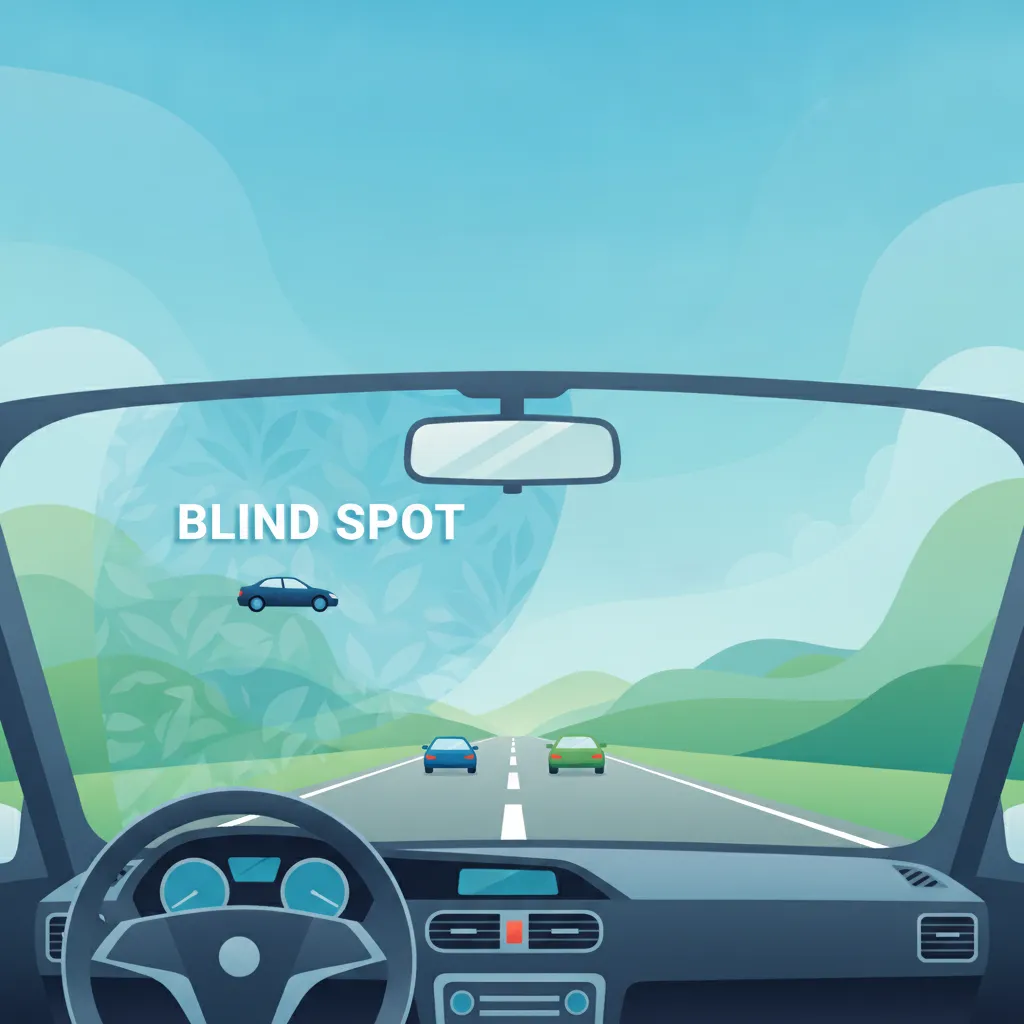
This lesson highlights the large blind spots—or 'no-zones'—that exist to the front, back, and sides of a heavy vehicle, where smaller vehicles, cyclists, and pedestrians can disappear from view. It teaches proactive scanning techniques, the importance of anticipating hazards, and how to use mirrors and direct vision effectively to manage these high-risk areas. Awareness and mitigation of blind spots are crucial for preventing collisions, especially in urban traffic.

This lesson provides an in-depth focus on sharing the road with the most vulnerable users. It teaches drivers to be acutely aware of pedestrians at crossings, cyclists filtering through traffic, and motorcyclists who may be in blind spots. The lesson emphasizes the importance of leaving extra space, signaling intentions clearly, and exercising extreme caution at junctions, where the majority of serious incidents occur.
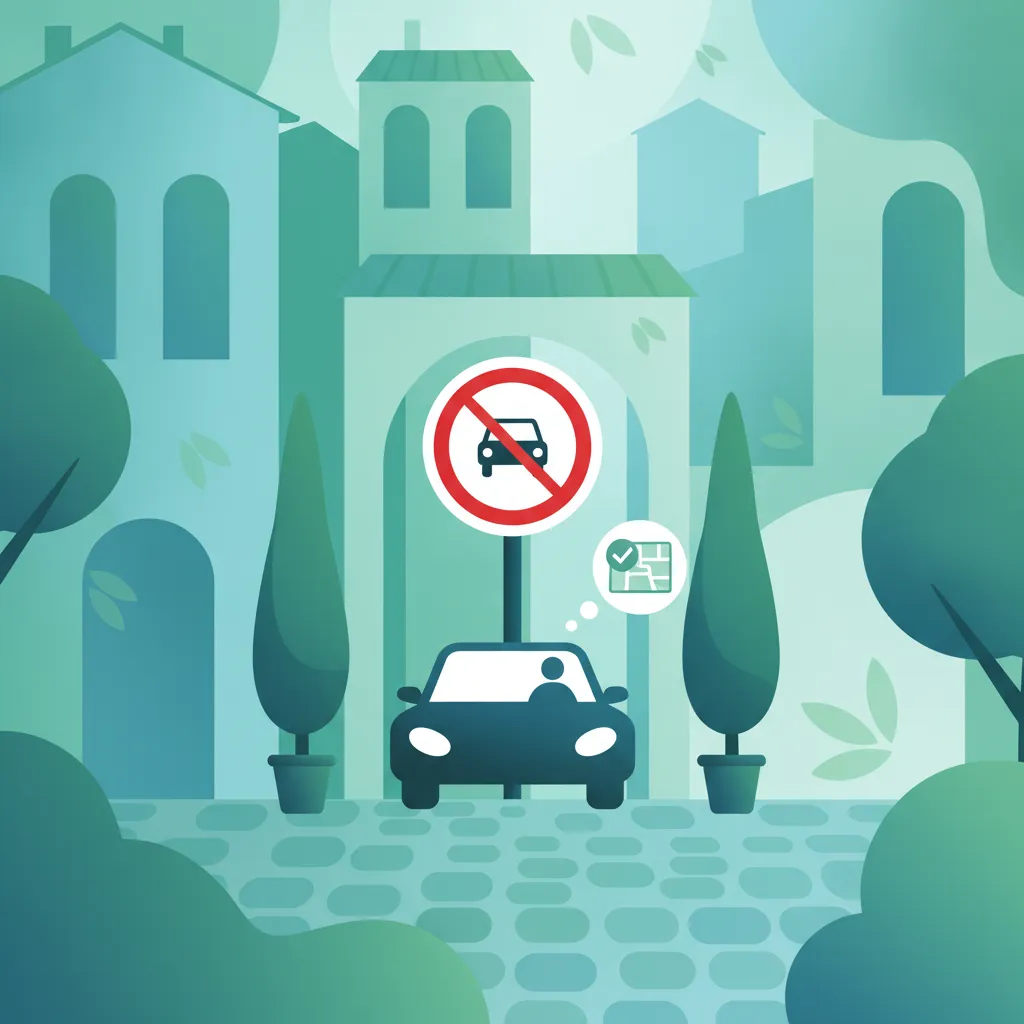
This lesson explains the concept of 'Zone a Traffico Limitato' (ZTL), common in Italian city centers, which restricts vehicle access at certain times. It covers how to identify ZTL boundaries, understand the operating hours, and the procedures for obtaining permits for commercial deliveries. The lesson also touches on environmental zones that may restrict access based on a vehicle's emission standards.

This lesson trains riders to recognize and safely negotiate common road surface hazards that can suddenly reduce traction. It covers the risks posed by elements like loose gravel, wet leaves, painted lines, and manhole covers, especially when wet. The content provides strategies for scanning the road ahead to identify these dangers early and using smooth control inputs to maintain stability when crossing them.

This lesson focuses on the principle of 'appropriate speed' in urban environments, which often means driving slower than the legal maximum. It explains how to assess the environment for potential hazards—such as schools, parked cars, and busy intersections—and adjust speed accordingly to allow for adequate reaction time. Maintaining a safe, consistent speed reduces the need for harsh braking and contributes to a safer environment for everyone.

This lesson explains the principles of maintaining proper lane discipline and strategic positioning in an urban context. It covers how to adapt your position within the lane to enhance visibility, avoid road surface hazards, and prepare for turns or lane changes. The content also provides awareness of specific urban features like restricted traffic zones (ZTL) and how to navigate them legally and safely.

This lesson covers the specific environment of logistics hubs and distribution centers. It explains common site layouts, traffic flow systems, and the safety protocols drivers must follow when on private property. Key skills addressed include safely maneuvering in busy yards, reversing accurately into loading bays, and communicating effectively with warehouse staff to ensure a safe and efficient loading or unloading process.
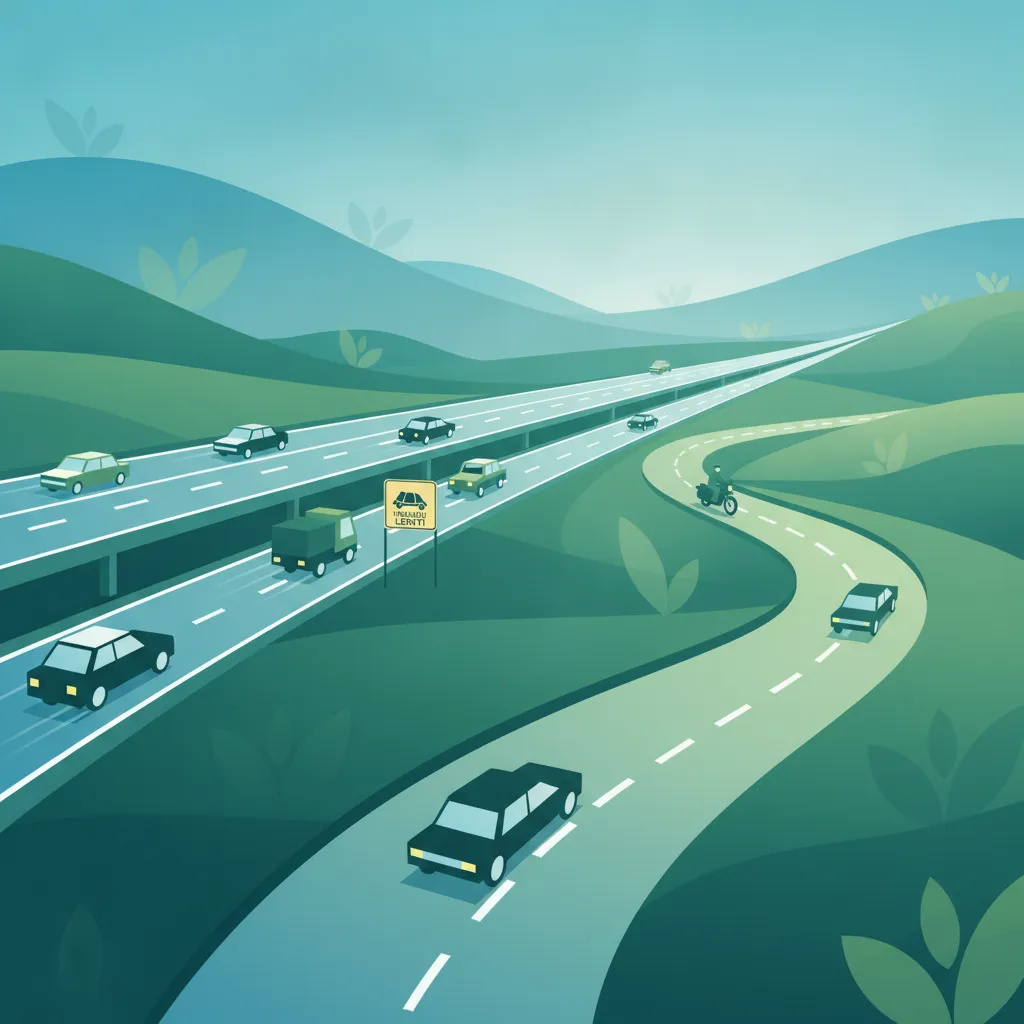
This lesson provides essential rules and techniques for driving on Italian motorways (autostrade) and major extra-urban roads. It explains how to safely merge onto the motorway from an entry ramp, the strict lane discipline required (drive right, overtake left), and how to exit correctly. The content also covers speed regulations, maintaining a safe following distance at high speed, and procedures for using service areas and handling emergencies.

This lesson introduces the various electronic driver aids designed to improve visibility and safety during low-speed maneuvering. It covers the use of reversing cameras, blind-spot monitoring systems, and ultrasonic proximity sensors that provide visual and audible warnings. Learners will understand that while these technologies are valuable tools, they are aids to—not replacements for—the driver's own diligent observation and skill.
Learn about typical driver errors and critical safety oversights when encountering roadworks and mixed traffic in Italy. This lesson focuses on avoiding dangerous situations and understanding the logic behind safe practices.
This lesson provides an in-depth focus on sharing the road with the most vulnerable users. It teaches drivers to be acutely aware of pedestrians at crossings, cyclists filtering through traffic, and motorcyclists who may be in blind spots. The lesson emphasizes the importance of leaving extra space, signaling intentions clearly, and exercising extreme caution at junctions, where the majority of serious incidents occur.
This lesson provides critical guidance on how to safely share the road with vulnerable users, including pedestrians, cyclists, motorcyclists, and children. It highlights the importance of increased awareness in specific areas like school zones and crosswalks. The content teaches techniques for maintaining a safe lateral distance when overtaking, checking blind spots thoroughly, and anticipating the often unpredictable movements of these users.

This lesson details the specific rules and safety considerations for driving through the extensive tunnels and high viaducts common in Italy. It covers pre-entry checks, maintaining a safe following distance, and the correct procedures to follow in case of a breakdown or fire inside a tunnel. The lesson also addresses the hazard of strong crosswinds on exposed viaducts and how to maintain vehicle control.

This lesson focuses on the driver's responsibility to protect pedestrians, especially at designated crossings (strisce pedonali). It reinforces the legal requirement to yield to pedestrians who are on or about to enter a crosswalk. The content also covers the importance of reducing speed and increasing vigilance in urban areas, school zones, and other places with high pedestrian activity.

This lesson is dedicated to fostering awareness and safe interaction with vulnerable road users commonly found in cities. It details the legal priority of pedestrians at crossings and the importance of giving ample space to cyclists. Additionally, it covers the specific hazards associated with tram tracks and the need to be vigilant around public transport vehicles like buses and taxis.
This lesson is dedicated to warning signs, which are designed to alert drivers to potential dangers or changes in road conditions ahead. It covers the interpretation of signs indicating sharp bends, steep inclines or declines, slippery surfaces, and the potential presence of animals or pedestrians. Understanding these signs allows drivers to anticipate hazards and adjust their speed and driving style accordingly for safety.
This lesson highlights the large blind spots—or 'no-zones'—that exist to the front, back, and sides of a heavy vehicle, where smaller vehicles, cyclists, and pedestrians can disappear from view. It teaches proactive scanning techniques, the importance of anticipating hazards, and how to use mirrors and direct vision effectively to manage these high-risk areas. Awareness and mitigation of blind spots are crucial for preventing collisions, especially in urban traffic.
This lesson emphasizes the importance of clear communication and cooperative behavior among all road users to prevent conflicts and enhance safety. It details the proper and legal use of vehicle signals, such as turn indicators and hazard lights, as well as the appropriate use of the horn. The content also explores the role of non-verbal cues like eye contact and courtesy gestures in creating a predictable and safe driving environment.
This lesson addresses the critical responsibility of protecting vulnerable road users, such as pedestrians, cyclists, and motorcyclists, who are most at risk in a collision with a heavy vehicle. It teaches drivers to be hyper-aware in urban settings, to anticipate the unpredictable movements of VRUs, and to provide ample space, especially when turning at junctions. A key focus is on scanning for VRUs in blind spots before moving off or making any maneuver.
This lesson explains the concept of 'Zone a Traffico Limitato' (ZTL), common in Italian city centers, which restricts vehicle access at certain times. It covers how to identify ZTL boundaries, understand the operating hours, and the procedures for obtaining permits for commercial deliveries. The lesson also touches on environmental zones that may restrict access based on a vehicle's emission standards.
Find clear answers to common questions learners have about Managing Mixed Traffic and Roadworks. Learn how the lesson is structured, which driving theory objectives it supports, and how it fits into the overall learning path of units and curriculum progression in Italy. These explanations help you understand key concepts, lesson flow, and exam focused study goals.
Yes, under the Italian Codice della Strada, temporary signage related to roadworks takes precedence over permanent signs. You must always follow the temporary instructions, such as reduced speed limits or lane changes, even if they seem to conflict with existing permanent markings.
You should immediately reduce your speed and increase your following distance. Exercise extra caution by moving to a lane position that provides maximum space from the workers and be prepared for sudden vehicle movements or instructions from flaggers.
Loose gravel significantly reduces traction. When you encounter it, avoid sudden braking, sharp acceleration, or aggressive steering. Keep your bike upright as much as possible, maintain a steady speed, and look well ahead to navigate through the safest path.
Generally, overtaking is strictly prohibited in roadwork zones if it requires crossing a continuous line or encroaching into a closed lane. Always look for specific 'no overtaking' signs and strictly adhere to lane closures indicated by barriers or cones.
Start searching now to pinpoint exactly which Italian driving theory topics, road signs, or traffic rules you need to master. Use our advanced filters to build a custom practice session and ensure you're fully prepared for every aspect of your official driving licence exam.