
This lesson focuses on how adverse weather conditions like rain and snow affect load stability for heavy goods vehicles. You will learn why moisture and cold impact lashing equipment and discover the essential techniques required to maintain a safe load on Italian roads, preparing you for both real-world operations and your C or CE theory exam.

Lesson content overview
Operating heavy goods vehicles (HGVs) and combination vehicles requires meticulous attention to load securing, especially when faced with challenging weather conditions. Rain, snow, and ice dramatically alter the dynamics of cargo stability, significantly increasing the risk of load shift. This lesson, part of the Italian Goods Vehicle License Theory Course, explores how these adverse conditions compromise standard securing arrangements and outlines the essential precautions and methods professional drivers must employ to ensure safety and compliance.
Adverse weather conditions are not merely an inconvenience; they are critical factors that directly influence the effectiveness of a load securing system. The primary concerns stem from reduced friction between the load and the vehicle bed, and the potential for lashing materials to lose tension due to moisture absorption. These factors elevate the risk of load shift, which can lead to severe consequences for vehicle stability, driver control, and overall road safety.
When surfaces become wet due to rain or moisture, the natural resistance to sliding between objects significantly decreases. This resistance is quantified by the friction coefficient, which measures the force required to slide one surface over another relative to the force pressing them together. The static friction coefficient, which prevents initial movement, is particularly critical for load securing.
Rainwater acts as a lubricant, filling microscopic irregularities on the surfaces of both the load and the vehicle bed. This reduces the points of contact and, consequently, the static friction. A load that might be perfectly stable on a dry surface could easily begin to slide during braking, acceleration, or cornering if the bed becomes wet, even with the same securing forces applied.
Snow and ice present an even more extreme reduction in friction compared to rain. A layer of snow or ice between the load and the vehicle bed can drastically lower the static friction coefficient, sometimes to near zero, depending on the temperature and the nature of the ice. This makes loads exceptionally prone to movement with minimal vehicle motion.
The challenge is further compounded by the potential for ice to form after securing, or for packed snow to melt and refreeze, creating an unstable interface. Drivers must recognize that a load secured on a dry bed before a snowfall will not maintain the same level of security once snow or ice accumulates.
Not only do surface conditions change, but the physical properties of some lashing materials can also be affected by moisture. Webbing straps, commonly made from synthetic fibers, are particularly susceptible to water absorption. When these straps become saturated with water, they can undergo elastic deformation, meaning they stretch and elongate.
This stretching directly results in a tension loss in the strap. The original force applied to secure the load diminishes, reducing the effectiveness of the lashing system. A strap that was optimally tensioned when dry might become dangerously loose after a period of heavy rain, allowing the load to move. This phenomenon necessitates careful monitoring and re-tensioning during journeys in wet weather.
To counteract the effects of adverse weather, professional drivers must adhere to specific core principles that enhance load security. These principles are rooted in physics and practical experience, aiming to mitigate the risks associated with reduced friction and material changes.
The friction coefficient is a dimensionless quantity representing the ratio of the force of friction between two bodies to the normal force pressing them together. There are two main types of friction relevant to load securing:
A dimensionless value that describes the amount of friction between two surfaces. It significantly decreases when surfaces become wet or icy.
In adverse weather, both static and kinetic friction coefficients decrease. This means loads are more likely to start sliding (lower static friction) and, once sliding, will continue to move more easily (lower kinetic friction). Professional drivers must understand that their securing methods must compensate for this reduced natural resistance to movement.
Webbing straps, while versatile and strong, require diligent attention in wet conditions. Their tendency to stretch when wet means that the critical tension holding the load in place can diminish over time. This tension loss directly compromises the load's stability.
Never assume that lashing straps will maintain constant tension throughout a journey, especially in adverse weather.
To prevent dangerous tension loss, drivers must be proactive. This involves not only selecting appropriate materials but also regularly checking and adjusting the lashing during the journey. Some alternative materials, such as chains, are less susceptible to water absorption and stretching, making them a suitable choice for certain loads and conditions.
Load shift refers to any movement of cargo relative to the vehicle bed. This can be caused by the vehicle's motion – acceleration, braking, cornering – or external forces like wind or uneven road surfaces. In wet or icy conditions, the reduced friction drastically increases the probability of load shift.
A shifting load is extremely dangerous because it can alter the vehicle's center of gravity and overall weight distribution, leading to:
Effective securing systems must be designed to prevent load shift under all anticipated driving conditions, including the worst possible weather scenarios.
Given the dynamic nature of load securing in adverse weather, a single check at the start of a journey is insufficient. The periodic re-check principle mandates that load securing systems must be inspected and tightened regularly, especially during journeys where weather conditions could lead to friction reduction or material stretch.
These checks allow drivers to:
Drivers must integrate these checks into their journey planning, understanding that the time invested significantly enhances safety and compliance.
When facing rain, snow, or ice, standard load securing methods may not suffice. It is crucial to employ advanced techniques and equipment specifically designed to compensate for reduced friction and material changes.
One of the most effective ways to counteract reduced friction is by introducing anti-slip mats. These are specialized friction-enhancing materials, typically made of rubber or synthetic fibers, placed directly between the load and the vehicle bed.
A friction-enhancing material, usually rubber or synthetic, placed between the load and the vehicle bed to increase the coefficient of friction and prevent sliding.
Anti-slip mats significantly increase the static friction coefficient, providing a much stronger grip than metal-on-metal or wood-on-metal contact, especially when wet or icy. They are a critical first line of defense against load shift in adverse weather. Always ensure they are rated for the weight and type of load being carried.
To build redundancy and distribute securing forces more effectively, drivers should consider using additional tie-down points or double lashing.
Double lashing is a robust measure for high-risk loads or extreme weather conditions, offering enhanced safety through redundancy.
The choice of lashing material is also crucial.
For certain loads in snowy or icy conditions, chains may offer superior security due as they are less prone to tension loss from moisture. Drivers must select the appropriate material based on the load type, weight, and anticipated weather conditions.
Compliance with load securing regulations is paramount for all professional drivers in Italy, especially those operating under C, C1, C1E, or CE licenses. The Italian Codice della Strada (Highway Code) forms the legal framework, supplemented by specific provisions that address adverse weather conditions.
The Italian Codice della Strada (D.lgs. 285/1992), particularly Articles 165–171, sets out general requirements for load securing. The overarching principle is that loads must be secured in such a way as to prevent any displacement that could endanger other road users or the stability of the vehicle. This applies universally, regardless of weather.
The Italian Highway Code, D.lgs. 285/1992, which governs all aspects of road traffic in Italy, including detailed regulations on vehicle loads and their securing.
This mandate implies that drivers are responsible for anticipating potential risks, including those posed by changing weather, and adjusting their securing methods accordingly. Failure to comply can result in fines, vehicle immobilization, and, in severe cases, criminal charges if an accident occurs due to an unsecured load.
While the Codice della Strada provides the foundational rules, specific regulations (often in line with EU Directives like 97/68/EC and subsequent updates on load securing standards) stipulate that in adverse weather conditions—such as rain, snow, or ice—additional securing measures must be employed to compensate for reduced friction and other weather-related effects.
This means that simply meeting the minimum requirements for dry conditions is not enough when roads are wet or frozen. Drivers are legally obligated to take extra precautions. This could include, but is not limited to:
The rationale behind these regulations is clear: to prevent accidents caused by unstable loads in conditions where the inherent risks are significantly higher. Adherence to these rules is not just about avoiding penalties; it is about protecting lives and maintaining public safety on Italian roads.
Even experienced drivers can sometimes overlook critical aspects of load securing in adverse conditions. Understanding these common mistakes can help prevent serious incidents.
Consider these real-world scenarios to solidify your understanding of securing loads in adverse weather:
Scenario 1: Transporting Palletized Goods in Heavy Rain A heavy goods vehicle is transporting a stack of palletized goods on a flatbed trailer. Heavy rain begins during the journey.
Scenario 2: Driving Through a Mountain Pass with Fresh Snow A truck is carrying large, heavy machinery components on a specialized low-loader trailer through a mountain pass where fresh snow has fallen and accumulated on the road and trailer bed.
Securing loads in temperate, rainy, and snowy conditions is a fundamental skill for any professional driver obtaining an Italian Goods Vehicle License (C, C1, C1E, CE). The dynamic nature of weather impacts on friction and materials necessitates a proactive and adaptive approach.
By integrating these principles and practices into your routine, you contribute significantly to road safety for yourself, your cargo, and all other road users.
Adverse weather conditions—rain, snow, and ice—fundamentally alter load securing dynamics by reducing friction coefficients between cargo and vehicle bed and causing webbing straps to absorb water, stretch, and lose tension. Professional drivers must understand static versus kinetic friction and recognize that lashing materials behave differently under moisture exposure. Essential countermeasures include anti-slip mats to restore friction, double lashing for redundancy, and mandatory periodic re-checks during journeys. Italian law requires drivers to take extra precautions beyond minimum dry-condition requirements when weather deteriorates, making proactive adaptation a legal and safety obligation for C and CE license holders.
A short set of high-value points that capture the most important learning from this lesson.
Rain, snow, and ice dramatically reduce the friction coefficient between cargo and vehicle bed, making loads highly susceptible to dangerous shifting during braking or cornering.
Webbing straps absorb water and undergo elastic deformation, causing tension loss that directly compromises load stability in wet conditions.
Anti-slip mats are essential in adverse weather as they significantly increase static friction beyond what metal-on-metal or wood-on-metal contact provides.
Periodic re-checks and re-tensioning during journeys are mandatory in bad weather because a load secured on a dry surface loses security once wet or icy.
The Italian Codice della Strada mandates additional securing measures beyond minimum dry-condition requirements when adverse weather is present.
Explore all units and lessons included in this driving theory course.
Static friction prevents initial movement while kinetic friction resists sliding once it begins; both coefficients decrease substantially when wet or icy.
Webbing straps need regular re-tensioning in wet weather; chains resist moisture effects but may damage sensitive loads.
Snow and ice can form AFTER securing, meaning a stable load becomes dangerous without further intervention.
Double lashing provides critical redundancy—if one securing point fails, the second prevents catastrophic load shift.
Loads exceeding vehicle weight limits become exponentially more dangerous in adverse weather due to already compromised braking and handling.
Failing to re-tighten straps after rain, assuming initial securing remains adequate throughout the journey.
Using webbing straps without anti-slip mats on a wet vehicle bed, relying solely on reduced friction.
Applying single-point lashing on snow-covered beds where friction is near zero.
Assuming a load secured before snowfall remains stable once snow accumulates between cargo and bed.
Using damaged or worn straps in wet conditions where existing damage accelerates and leads to failure.
Lesson content overview
A short set of high-value points that capture the most important learning from this lesson.
Rain, snow, and ice dramatically reduce the friction coefficient between cargo and vehicle bed, making loads highly susceptible to dangerous shifting during braking or cornering.
Webbing straps absorb water and undergo elastic deformation, causing tension loss that directly compromises load stability in wet conditions.
Anti-slip mats are essential in adverse weather as they significantly increase static friction beyond what metal-on-metal or wood-on-metal contact provides.
Periodic re-checks and re-tensioning during journeys are mandatory in bad weather because a load secured on a dry surface loses security once wet or icy.
The Italian Codice della Strada mandates additional securing measures beyond minimum dry-condition requirements when adverse weather is present.
Explore all units and lessons included in this driving theory course.
Static friction prevents initial movement while kinetic friction resists sliding once it begins; both coefficients decrease substantially when wet or icy.
Webbing straps need regular re-tensioning in wet weather; chains resist moisture effects but may damage sensitive loads.
Snow and ice can form AFTER securing, meaning a stable load becomes dangerous without further intervention.
Double lashing provides critical redundancy—if one securing point fails, the second prevents catastrophic load shift.
Loads exceeding vehicle weight limits become exponentially more dangerous in adverse weather due to already compromised braking and handling.
Failing to re-tighten straps after rain, assuming initial securing remains adequate throughout the journey.
Using webbing straps without anti-slip mats on a wet vehicle bed, relying solely on reduced friction.
Applying single-point lashing on snow-covered beds where friction is near zero.
Assuming a load secured before snowfall remains stable once snow accumulates between cargo and bed.
Using damaged or worn straps in wet conditions where existing damage accelerates and leads to failure.
Explore search topics learners often look for when studying Securing Loads in Temperate, Rainy, and Snowy Conditions. These topics reflect common questions about road rules, driving situations, safety guidance, and lesson level theory preparation for learners in Italy.
Browse additional driving theory lessons that cover connected traffic rules, road signs, and common driving situations related to this topic. Improve your understanding of how different rules interact across everyday traffic scenarios.
Understand the critical risks to load securing caused by reduced friction in rain, snow, and ice. Learn about how wet conditions and ice compromise stability and the legal obligations for professional drivers in Italy.

This lesson vividly illustrates the dangers of a load that moves during transit. It explains how a sudden load shift during braking can increase stopping distance or cause a jack-knife, while a shift during cornering can easily lead to a rollover. By understanding these dynamic forces, learners will appreciate the absolute necessity of ensuring every piece of cargo is properly and robustly secured before starting a journey.
This lesson provides essential guidance on how to adjust driving techniques for a range of hazardous weather conditions. It covers reducing speed and increasing following distances in rain to prevent aquaplaning, using lights correctly in fog, and understanding the vehicle's reduced traction on snow and ice. It also explains how to anticipate and counteract the effects of strong crosswinds on high-sided vehicles.
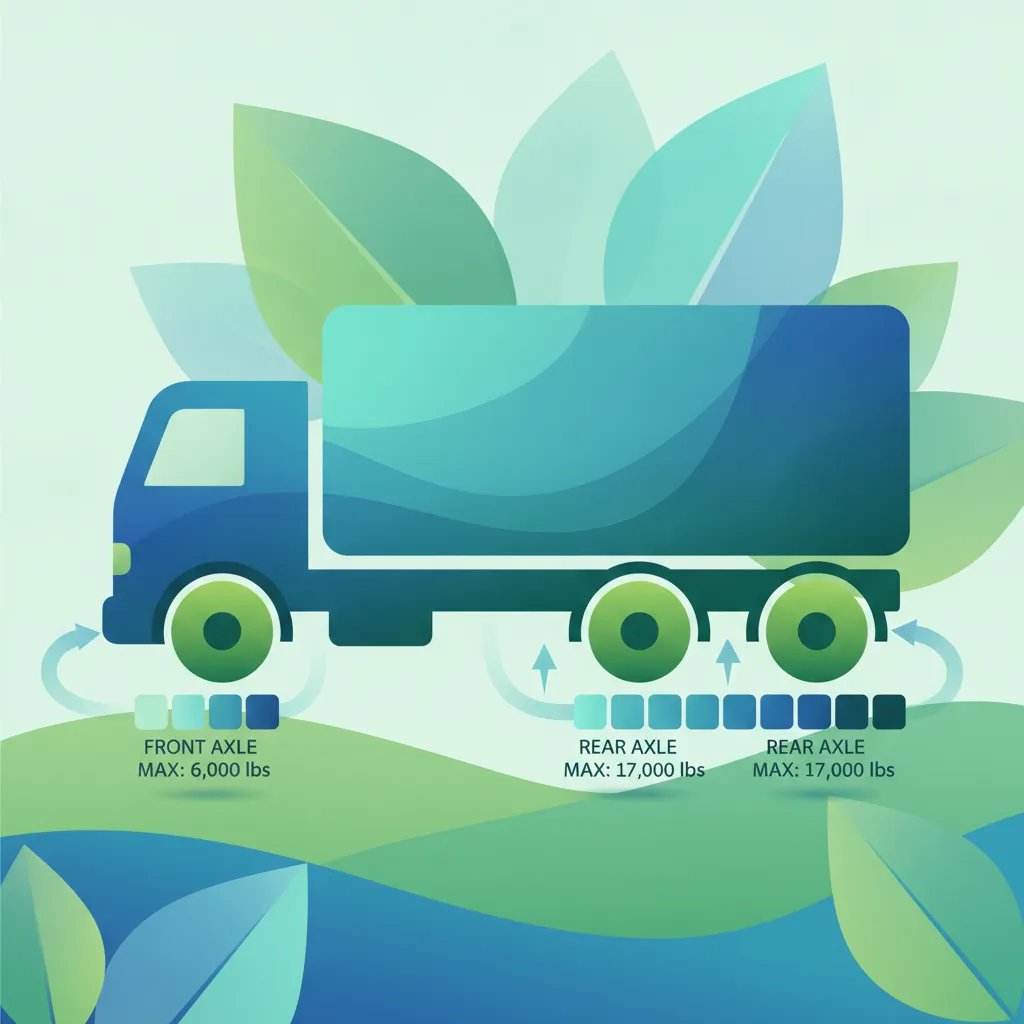
This lesson details the legal restrictions on the weight that can be supported by a single axle or a group of axles. It explains the importance of distributing the load correctly across the vehicle's length to prevent exceeding these limits, which can cause significant road damage and compromise vehicle safety. Learners will understand the relationship between load placement, axle pressure, and overall stability, particularly during braking and cornering.

This lesson introduces the core physical principles behind effective cargo restraint. It explains how different methods—such as blocking to prevent sliding, and lashing to increase pressure and friction—work to counteract the forces of acceleration, braking, and cornering. Learners will become familiar with the various types of equipment, like straps and chains, and understand the basic concepts that underpin all secure loading practices.

This lesson provides a detailed overview of the legal framework for load securing in Italy, focusing on the relevant articles of the Codice della Strada. It outlines the driver's legal responsibility for ensuring the load is secure and covers the standards that securing equipment must meet. Learners will be made aware of the significant fines and other penalties that can be imposed for violations, reinforcing the importance of diligent compliance.

This lesson explains the critical concept of the center of gravity (CoG) and its direct impact on a vehicle's susceptibility to rolling over. It demonstrates how placing heavy items high up raises the CoG, making the vehicle less stable in corners or during evasive maneuvers. Learners will understand the importance of loading the heaviest goods as low and as centrally as possible to maximize stability and reduce rollover risk.

This lesson focuses on the practical skill of distributing the load's weight evenly across the vehicle's axles. It explains how improper placement can overload one axle while underloading another, leading to legal violations and poor vehicle handling, steering, and braking performance. Learners will understand how to create a balanced load plan that respects legal axle limits and ensures the vehicle remains stable and controllable.

This lesson explains the principles of safe load management to maintain vehicle stability and comply with legal requirements. It covers how to properly distribute and secure cargo inside the vehicle, the rules for using roof racks, and the specific signaling required for loads that project beyond the vehicle's rear. The content also provides a basic introduction to the rules and safety considerations when towing a small trailer.
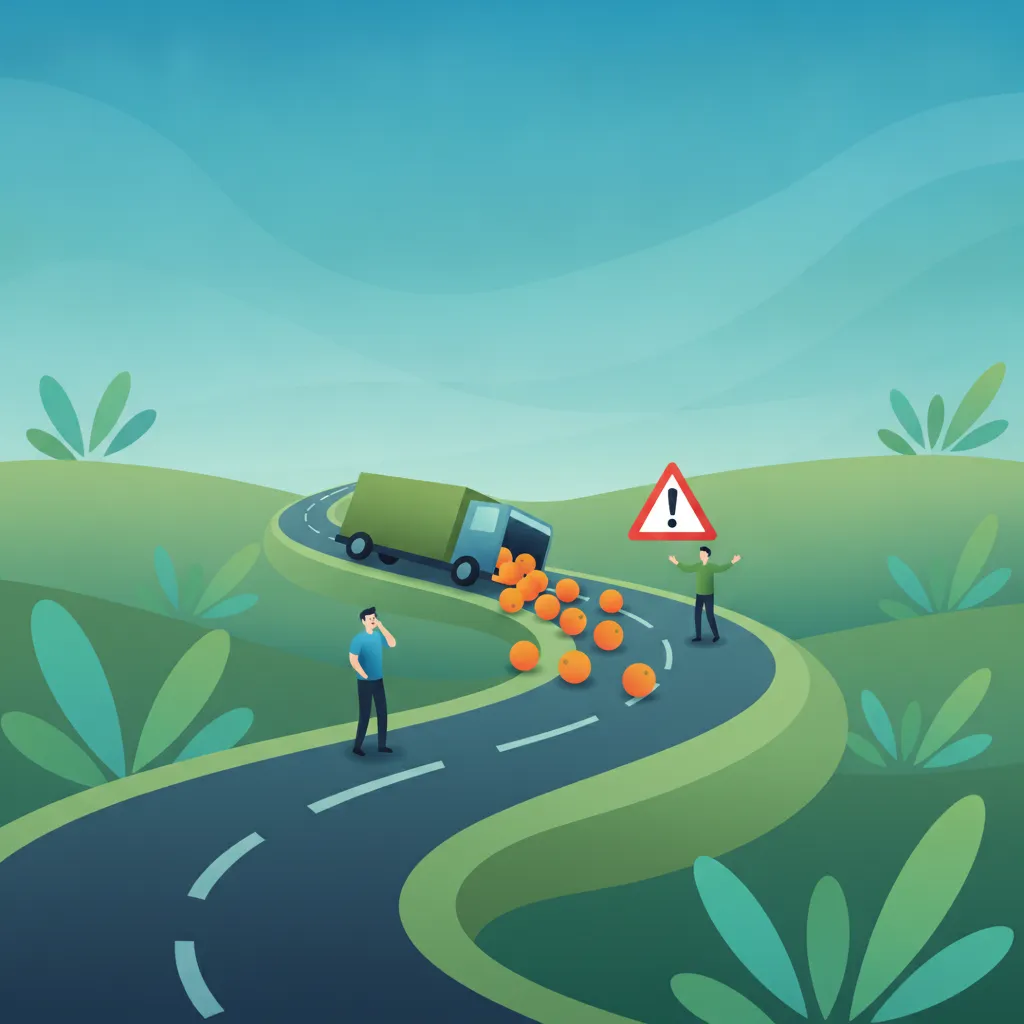
This lesson prepares drivers for incidents beyond a simple breakdown, such as losing part of the load onto the roadway or dealing with a spillage. It outlines the immediate priorities: ensuring personal safety, warning other traffic of the hazard, and notifying the authorities. The lesson also covers the fundamental principles of managing an accident scene, including protecting the area, assessing for casualties, and providing essential information to emergency services.
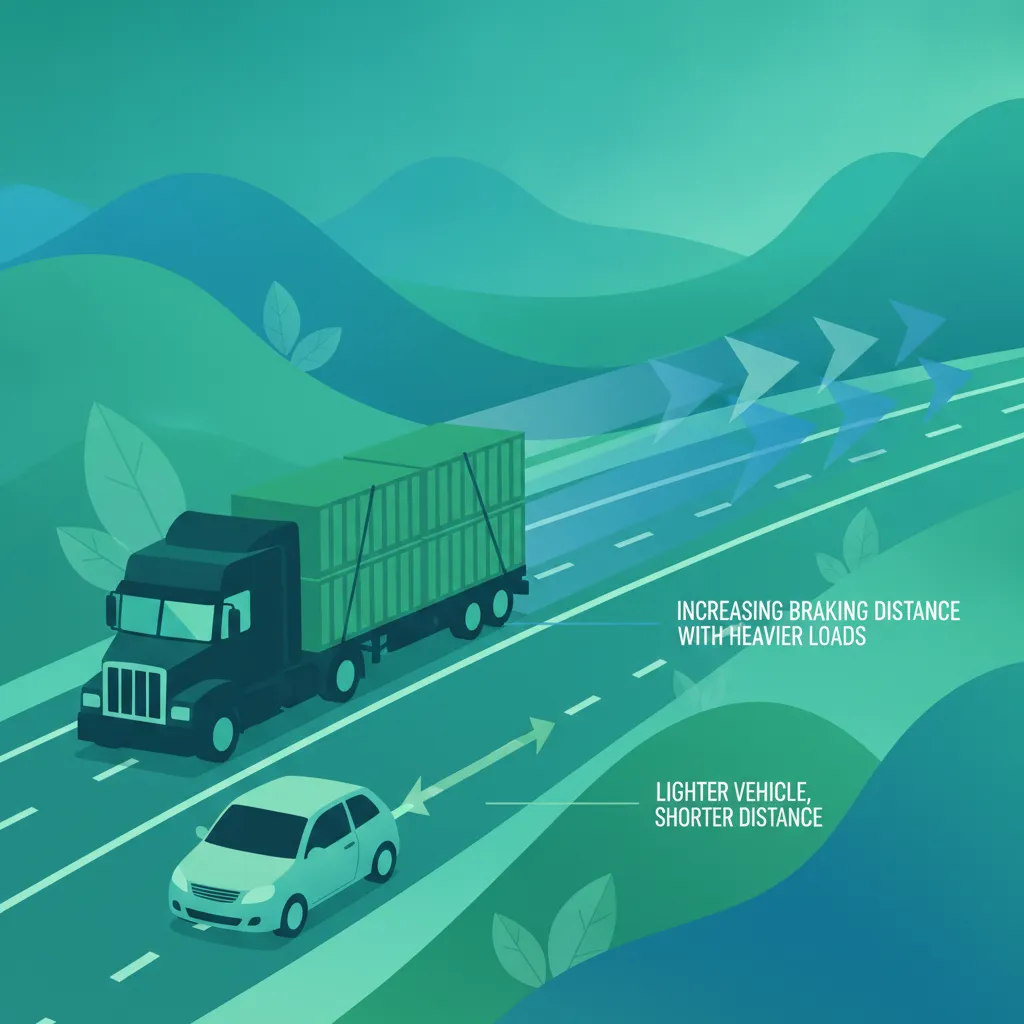
This lesson explores the critical physics behind stopping a heavy vehicle. It breaks down the components of total stopping distance—thinking distance and braking distance—and explains how this is significantly increased by vehicle mass and speed. Learners will understand the necessity of maintaining a much greater following distance than a car to allow enough space to stop safely in all conditions.
Learn essential techniques for adapting load securing to rain, snow, and ice. This theory lesson covers using anti-slip mats, managing tension loss in lashing equipment, and Italian legal requirements for cargo safety in adverse weather.
This lesson focuses on how to adapt riding techniques to maintain traction on compromised surfaces. It identifies common hazards such as wet leaves, manhole covers, gravel, and painted lines that can reduce the tyre's grip. Learners will understand how to use smooth and gentle throttle, brake, and steering inputs to prevent traction loss and maintain control in these challenging situations.
This lesson provides essential guidance on how to adjust driving techniques for a range of hazardous weather conditions. It covers reducing speed and increasing following distances in rain to prevent aquaplaning, using lights correctly in fog, and understanding the vehicle's reduced traction on snow and ice. It also explains how to anticipate and counteract the effects of strong crosswinds on high-sided vehicles.

This lesson teaches drivers how to adapt their technique for various adverse weather conditions. It explains the risks of reduced grip and visibility in rain, fog, snow, and ice, and the need to significantly increase following distances and reduce speed. The content covers how to avoid and correct skids, the proper use of lights in poor visibility, and the legal requirements for winter tyres or snow chains in certain areas.
This lesson explains the physical effects of different weather conditions on motorcycle safety. It details how rain reduces tyre adhesion and increases the risk of hydroplaning, while fog severely limits visibility, requiring a significant reduction in speed. The content also covers how extreme heat and cold can affect tyre pressure and compound performance, necessitating adjustments from the rider.
This lesson prepares drivers for incidents beyond a simple breakdown, such as losing part of the load onto the roadway or dealing with a spillage. It outlines the immediate priorities: ensuring personal safety, warning other traffic of the hazard, and notifying the authorities. The lesson also covers the fundamental principles of managing an accident scene, including protecting the area, assessing for casualties, and providing essential information to emergency services.
This lesson introduces the core physical principles behind effective cargo restraint. It explains how different methods—such as blocking to prevent sliding, and lashing to increase pressure and friction—work to counteract the forces of acceleration, braking, and cornering. Learners will become familiar with the various types of equipment, like straps and chains, and understand the basic concepts that underpin all secure loading practices.
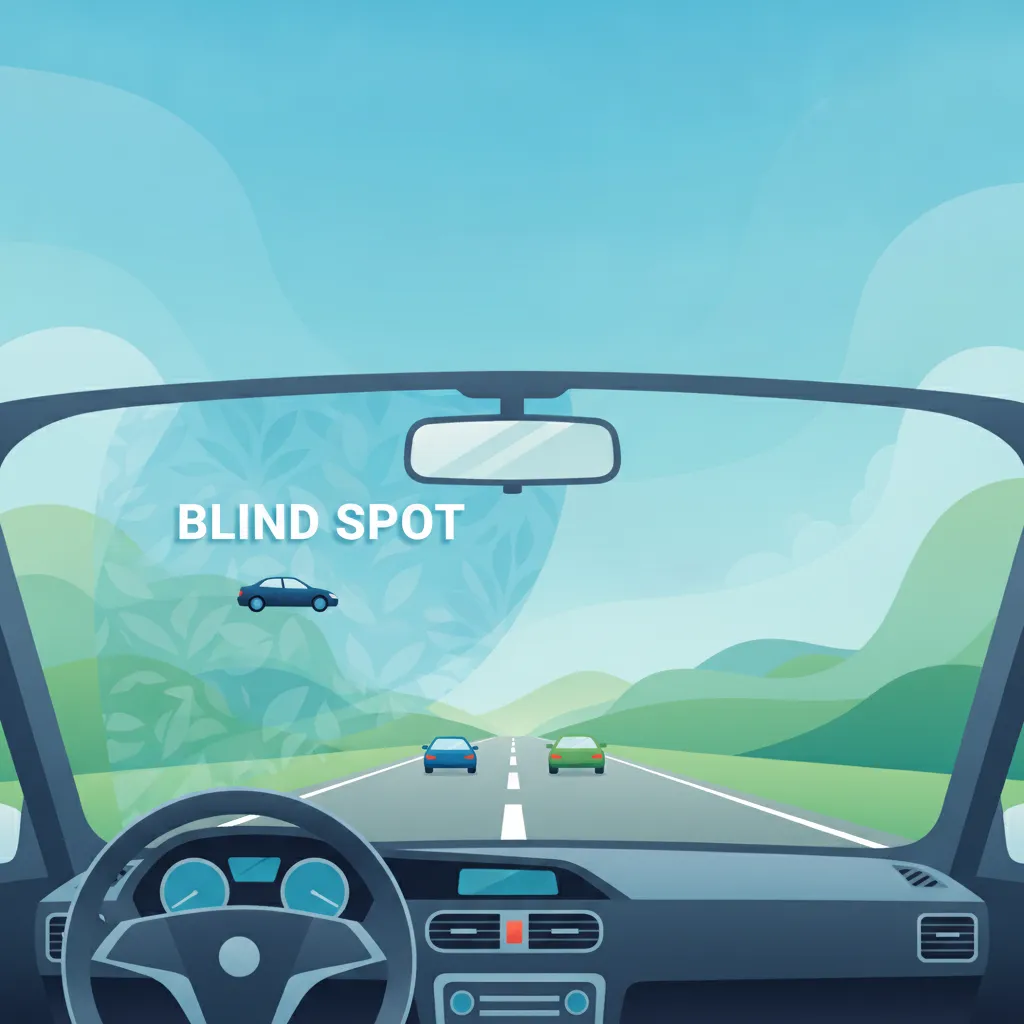
This lesson highlights the large blind spots—or 'no-zones'—that exist to the front, back, and sides of a heavy vehicle, where smaller vehicles, cyclists, and pedestrians can disappear from view. It teaches proactive scanning techniques, the importance of anticipating hazards, and how to use mirrors and direct vision effectively to manage these high-risk areas. Awareness and mitigation of blind spots are crucial for preventing collisions, especially in urban traffic.
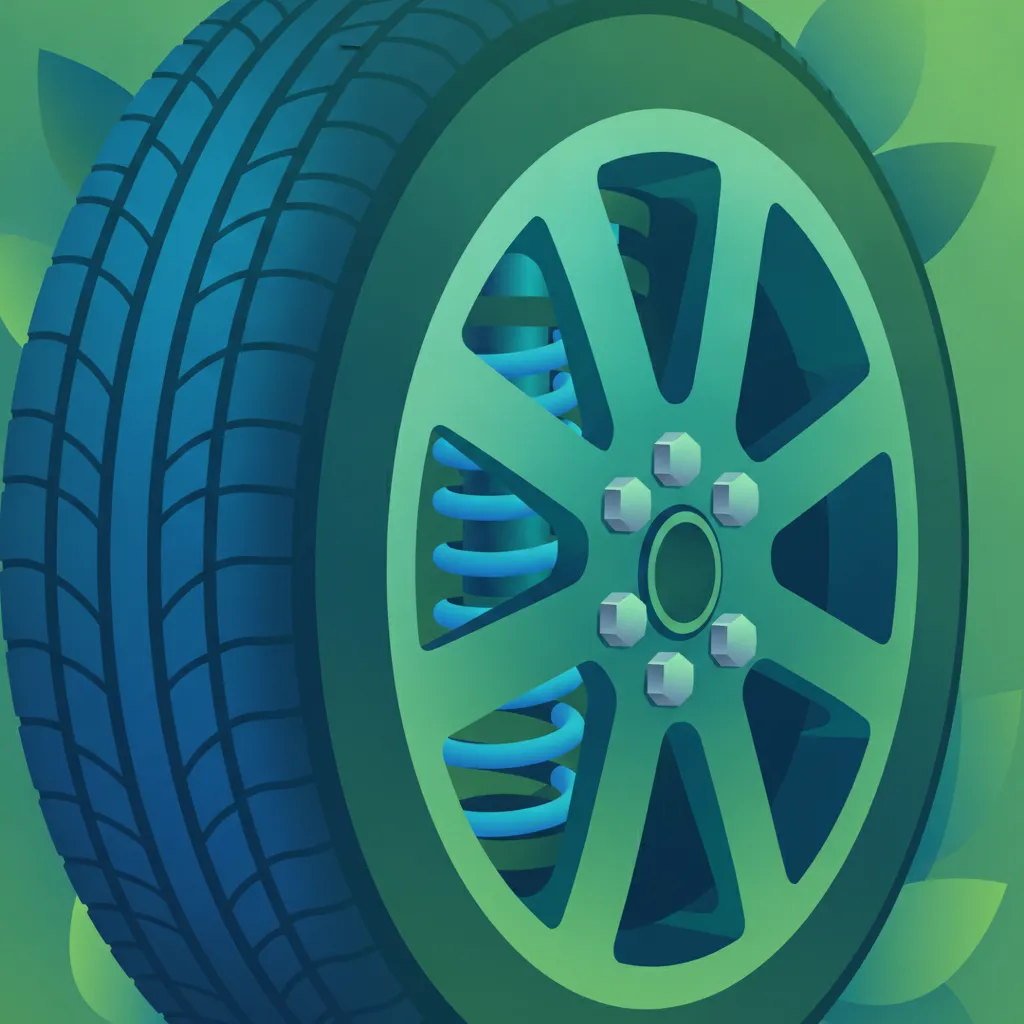
This lesson details three interconnected and critical safety areas: tyres, suspension, and wheels. It teaches drivers how to conduct thorough visual inspections of tyres for correct inflation, sufficient tread depth, and any signs of damage. The lesson also explains the function of different suspension types and emphasizes the absolute importance of checking that all wheel fastenings are secure to prevent catastrophic failure.

This lesson covers three critical risks associated with heavy vehicle braking systems. It explains 'brake lag' in air brake systems, the delay between pedal application and brake activation, and 'brake fade', the loss of braking efficiency due to overheating. Learners will be taught to recognize the warning signs and, more importantly, to use correct driving techniques, such as utilizing endurance brakes, to prevent these potentially catastrophic failures.

This lesson provides specialized instruction for driving in mountainous terrain. It teaches drivers how to select the correct gear for both climbing steep inclines to prevent engine strain and descending to maintain control without overheating the brakes. Techniques for navigating sharp hairpin bends, using passing places on narrow roads, and anticipating the effects of altitude on vehicle performance are also covered.
Find clear answers to common questions learners have about Securing Loads in Temperate, Rainy, and Snowy Conditions. Learn how the lesson is structured, which driving theory objectives it supports, and how it fits into the overall learning path of units and curriculum progression in Italy. These explanations help you understand key concepts, lesson flow, and exam focused study goals.
Webbing straps are often made of materials that can absorb moisture or slightly stretch when wet, leading to a loss of the initial pretension required to hold the cargo firmly against the vehicle bed.
Yes, standard professional practice requires checking the tension of all lashing devices after a short distance or whenever weather conditions change, as vibration and moisture can shift the load.
Snow and ice act as lubricants between the cargo and the floor of the vehicle, significantly reducing the coefficient of friction. This makes the load much more likely to slide during cornering or braking.
Yes, the Italian C and CE theory exams include questions about the impact of environmental factors on vehicle dynamics and safety, including the necessity of adjusting your securing methods for adverse weather.
Start searching now to pinpoint exactly which Italian driving theory topics, road signs, or traffic rules you need to master. Use our advanced filters to build a custom practice session and ensure you're fully prepared for every aspect of your official driving licence exam.