
This lesson teaches you how to adapt your driving techniques for adverse weather conditions as a professional driver. It is a critical component of our Italian goods vehicle theory course, focusing on the specific risks associated with heavy vehicles when navigating fog, rain, snow, ice, and strong winds.
Lesson content overview
Operating a heavy goods vehicle (HGV) in challenging weather demands exceptional skill, foresight, and a thorough understanding of how environmental factors affect vehicle dynamics. This lesson, part of your Italian Goods Vehicle License Theory Course, provides essential guidance for professional drivers navigating hazardous conditions such as fog, rain, snow, ice, and strong winds. Mastering these techniques is not only crucial for personal safety and the safety of other road users but also for compliance with Italian traffic law, the Codice della Strada.
Adverse weather significantly alters the predictable behavior of your vehicle, impacting braking distances, stability, visibility, and the effectiveness of advanced safety systems. By understanding these effects and applying appropriate driving adjustments, you can mitigate risks and ensure safe passage for your heavy goods vehicle, whether it's a C, C1, C1E, or CE category vehicle.
Safe driving in adverse weather is built upon several core principles that directly address the altered physics of vehicle operation and the increased risks involved. These principles guide all specific actions taken in varying conditions.
Adjusting your vehicle speed to precisely match the prevailing road, weather, and traffic conditions is paramount. This means voluntarily lowering your speed significantly below the posted limit when conditions warrant, such as during heavy rain or fog. The purpose is to reduce stopping distances and maintain optimal vehicle control, especially given the increased mass and momentum of heavy goods vehicles.
Maintaining a greater distance from the vehicle ahead is a critical compensatory measure. This extra space accounts for the significantly longer braking distances required on wet, snowy, or icy surfaces and provides more time to react to sudden stops or skidding by other vehicles. As a general rule, following distance should increase proportionally to the severity of the weather. For example, in heavy rain, doubling your usual following distance is a wise minimum.
Appropriate use of headlights, fog lights, and hazard lights is essential for both seeing and being seen. In reduced visibility, correct lighting ensures your heavy goods vehicle is visible to others and helps you detect obstacles, road signs, and lane markings sooner. Misuse, such as using high beams in fog, can worsen visibility for everyone.
Traction refers to the grip of tires on the road surface. Wet, snowy, or icy conditions drastically reduce this grip, increasing the risk of skidding or aquaplaning. Professional drivers must understand these limitations and adjust acceleration, braking, and steering inputs accordingly to prevent loss of control. Ensuring adequate tire tread depth is a fundamental aspect of traction management.
Heavy goods vehicles, especially those with high sides or carrying tall loads, are particularly susceptible to wind forces. Strong crosswinds and sudden gusts can cause dangerous lane deviations or uncontrolled veering. Anticipating these effects and making precise steering corrections, while potentially reducing speed, is vital to maintaining stability, particularly for articulated combinations where trailer sway can be a significant hazard.
The impact of cargo weight distribution on vehicle dynamics becomes even more critical in adverse weather. An improperly secured or unbalanced load can exacerbate issues like loss of traction or wind-induced sway. Proper load securing and weight distribution, as covered in earlier lessons, are fundamental to maintaining vehicle stability and preventing incidents when driving in challenging conditions.
Fog is a meteorological phenomenon characterized by tiny water droplets suspended in the air, significantly reducing visibility to less than 1,000 meters. When visibility drops below 100 meters, it is legally defined as dense fog. For professional drivers, fog poses one of the most dangerous challenges, as it severely limits the ability to perceive road signs, lane markings, and other vehicles until they are very close.
Common types include radiation fog, which forms overnight as the ground cools, and advection fog, which occurs when warm, moist air moves over a cold surface. Regardless of its type, the practical meaning for drivers remains the same: a profound reduction in visual perception.
The Codice della Strada mandates specific lighting protocols in fog:
Never use high beam headlights in fog. The light reflects off the water particles, creating a blinding glare that reduces visibility even further.
Rain, from light drizzle to heavy downpours, introduces significant hazards by reducing tire grip and visibility. For heavy goods vehicles, the combined effect of weight and speed makes managing wet roads particularly challenging.
When roads become wet, the friction between tires and the road surface is significantly reduced. This leads to longer braking distances and decreased effectiveness of steering and acceleration. Heavy rain can quickly create standing water, leading to the risk of aquaplaning.
Aquaplaning, also known as hydroplaning, occurs when a layer of water builds up between the vehicle's tires and the road surface, causing the tires to lose contact with the road. This results in a complete loss of steering, braking, and acceleration control.
The risk of aquaplaning increases with speed and is highly dependent on tire tread depth. Deep tire treads are designed to channel water away from the tire's contact patch. If the water film is deeper than the tire's tread, or if the tread is worn, aquaplaning can occur. For heavy goods vehicles, the risk can be amplified by tire width and load.
Regularly check the tread depth of all your vehicle's tires. The minimum legal tread depth for commercial vehicles in Italy is generally higher than for passenger cars, and adequate tread is vital for safety in wet conditions.
Snowfall significantly reduces tire-road friction, creating slippery conditions that demand careful and precise driving. For heavy goods vehicles, the increased mass and momentum make navigating snow-covered roads particularly challenging, with a high risk of skidding, especially on inclines.
Snow acts as a lubricant between the tires and the road, drastically decreasing the coefficient of friction. This "skiing effect" means that braking distances are greatly extended, and both steering and acceleration become less effective. Compacted snow or ice underneath fresh snow can be particularly deceptive and dangerous.
The "skiing effect" refers to the decreased friction and grip experienced by vehicle tires on snow-covered or icy road surfaces, making the vehicle prone to sliding much like skis on snow.
A frequent error is assuming that ABS or modern traction control systems will fully compensate for the loss of grip. While these systems are helpful, they cannot defy the laws of physics. Another mistake is driving at speeds comparable to dry roads or making sudden steering corrections, both of which can lead to uncontrolled skidding.
Ice is perhaps the most treacherous of all weather conditions, presenting an extremely low-friction surface that can make vehicle control nearly impossible. Black ice, a thin, transparent layer of ice that blends with the road surface, is particularly dangerous because it is often invisible to the driver.
Even a minimal amount of ice dramatically extends braking distances and reduces steering responsiveness. The danger is compounded for heavy goods vehicles, where the sheer mass can easily overcome any remaining friction, leading to a complete loss of control.
Black ice is invisible and extremely dangerous. Always assume that bridges, shaded areas, and overpasses may be icy, even if the rest of the road appears clear.
While ABS (Anti-lock Braking System) and ASR (Anti-Slip Regulation) are valuable safety features, they have significant limitations on ice. They prevent wheel lock-up or excessive spin but cannot create friction. Drivers must understand that even with these systems, stopping distances on ice are vastly longer, and control is severely compromised.
Wind, particularly strong crosswinds and sudden gusts, can exert significant lateral forces on vehicles. For heavy goods vehicles with their large side profiles (e.g., box trucks, trailers, vehicles carrying tall loads), these forces can lead to dangerous instability and loss of control.
Trailer sway is the uncontrolled lateral oscillation or 'snaking' movement of a trailer behind a towing vehicle. It can be caused by strong crosswinds, improper load distribution, or sudden steering inputs, and can lead to a loss of control.
Compliance with the Codice della Strada is fundamental for professional drivers in Italy. Specific regulations govern driver behavior in adverse weather conditions to ensure safety.
Even experienced drivers can make errors in challenging weather. Awareness of these common pitfalls is the first step to preventing them.
Driving a heavy goods vehicle demands constant vigilance and adaptability, especially when faced with adverse weather. This lesson has highlighted the critical adjustments professional drivers must make to ensure safety and compliance with the Codice della Strada when encountering fog, rain, snow, ice, and strong winds.
By consistently applying principles such as speed adaptation, increased following distance, correct lighting, and careful traction management, you can effectively mitigate the inherent risks. Understanding the specific challenges each weather condition presents, and how these challenges are amplified for heavy vehicles, empowers you to make informed decisions behind the wheel. Always prioritize safety, prepare for changing conditions, and remember that patience and caution are your most valuable tools in hazardous weather.
This lesson covers essential weather-related driving adjustments for heavy goods vehicles in Italy, addressing fog, rain, snow, ice, and wind hazards. Key principles include mandatory speed adaptation, significantly increased following distances, and correct lighting use (dipped beams required, high beams forbidden in fog). Heavy vehicles face amplified risks due to their mass and high profiles, particularly vulnerable to crosswinds and trailer sway. Critical awareness points include aquaplaning prevention through adequate tire tread, black ice on bridges and shaded areas, and the limitations of ABS systems on low-friction surfaces.
A short set of high-value points that capture the most important learning from this lesson.
Speed must always be adapted to prevailing weather, road, and traffic conditions, often requiring speeds well below posted limits
Following distance must be increased proportionally to weather severity, at least doubling in heavy rain
Dipped beam headlights are mandatory in fog, heavy rain, and snow; high beams are strictly forbidden in fog
Heavy goods vehicles are particularly vulnerable to crosswinds and require reduced speed and firm steering corrections
ABS and traction control cannot create traction—they only prevent wheel lock-up or spin on surfaces with reduced grip
Explore all units and lessons included in this driving theory course.
In fog: use dipped beams and front fog lights when visibility is below 100 meters; rear fog lights when below 50 meters
Aquaplaning occurs when the water film depth exceeds tire tread depth, causing complete loss of steering and braking control
Black ice is invisible and most commonly forms on bridges, shaded areas, overpasses, and near bodies of water
Tire chains may be mandatory on mountain roads with heavy snowfall; ensure you know how to fit them correctly
Trailer sway is an uncontrolled lateral oscillation that can lead to jackknife; it is amplified by strong crosswinds and improper load distribution
Using high beams in fog—the light reflects off water droplets creating dangerous glare for all drivers
Assuming ABS eliminates stopping distance on ice—it only prevents wheel lock-up but cannot create traction where none exists
Driving at normal speeds in heavy rain, snow, or ice—speed directly increases stopping distance and the risk of aquaplaning or skidding
Using hazard lights while moving in fog—confuses other drivers about your intentions and is often illegal
Neglecting tire tread depth—worn tires dramatically increase aquaplaning risk in wet conditions and reduce grip in snow
Lesson content overview
A short set of high-value points that capture the most important learning from this lesson.
Speed must always be adapted to prevailing weather, road, and traffic conditions, often requiring speeds well below posted limits
Following distance must be increased proportionally to weather severity, at least doubling in heavy rain
Dipped beam headlights are mandatory in fog, heavy rain, and snow; high beams are strictly forbidden in fog
Heavy goods vehicles are particularly vulnerable to crosswinds and require reduced speed and firm steering corrections
ABS and traction control cannot create traction—they only prevent wheel lock-up or spin on surfaces with reduced grip
Explore all units and lessons included in this driving theory course.
In fog: use dipped beams and front fog lights when visibility is below 100 meters; rear fog lights when below 50 meters
Aquaplaning occurs when the water film depth exceeds tire tread depth, causing complete loss of steering and braking control
Black ice is invisible and most commonly forms on bridges, shaded areas, overpasses, and near bodies of water
Tire chains may be mandatory on mountain roads with heavy snowfall; ensure you know how to fit them correctly
Trailer sway is an uncontrolled lateral oscillation that can lead to jackknife; it is amplified by strong crosswinds and improper load distribution
Using high beams in fog—the light reflects off water droplets creating dangerous glare for all drivers
Assuming ABS eliminates stopping distance on ice—it only prevents wheel lock-up but cannot create traction where none exists
Driving at normal speeds in heavy rain, snow, or ice—speed directly increases stopping distance and the risk of aquaplaning or skidding
Using hazard lights while moving in fog—confuses other drivers about your intentions and is often illegal
Neglecting tire tread depth—worn tires dramatically increase aquaplaning risk in wet conditions and reduce grip in snow
Explore search topics learners often look for when studying Weather Impacts: Fog, Rain, Snow, Ice, and Wind. These topics reflect common questions about road rules, driving situations, safety guidance, and lesson level theory preparation for learners in Italy.
Browse additional driving theory lessons that cover connected traffic rules, road signs, and common driving situations related to this topic. Improve your understanding of how different rules interact across everyday traffic scenarios.
Understand the critical effects of fog, rain, snow, ice, and wind on your heavy goods vehicle. Learn essential theory and driving adjustments for safe operation in adverse Italian weather conditions, crucial for your driving theory exam.

This lesson addresses how adverse weather can compromise load securing arrangements. It explains how rain and ice can reduce the friction between the load and the vehicle bed, and how some lashing materials like webbing straps can stretch when wet, losing tension. Learners will understand the need to check and re-tighten securing equipment during journeys in bad weather and to take extra precautions to account for reduced friction.

This lesson teaches drivers how to adapt their technique for various adverse weather conditions. It explains the risks of reduced grip and visibility in rain, fog, snow, and ice, and the need to significantly increase following distances and reduce speed. The content covers how to avoid and correct skids, the proper use of lights in poor visibility, and the legal requirements for winter tyres or snow chains in certain areas.
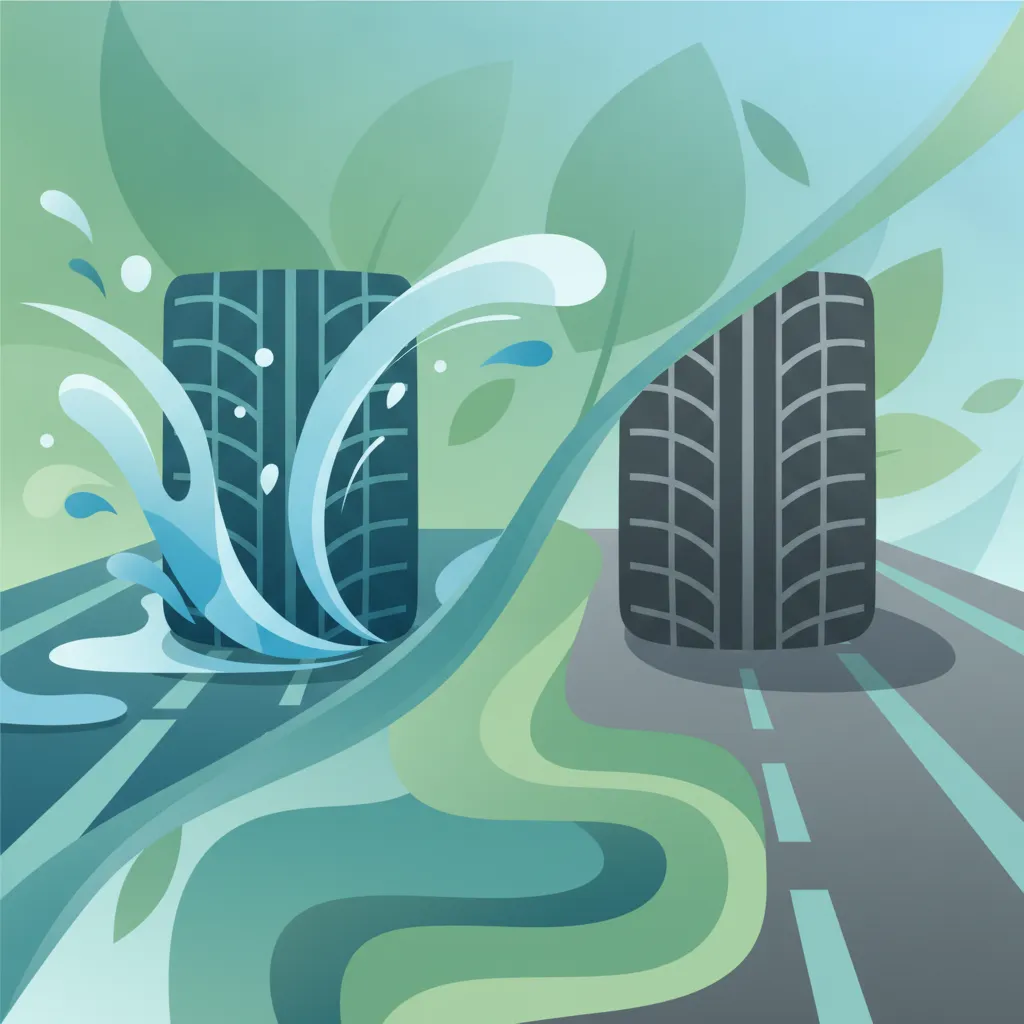
This lesson explains the physical effects of different weather conditions on motorcycle safety. It details how rain reduces tyre adhesion and increases the risk of hydroplaning, while fog severely limits visibility, requiring a significant reduction in speed. The content also covers how extreme heat and cold can affect tyre pressure and compound performance, necessitating adjustments from the rider.
This lesson explains how adverse weather conditions directly affect moped safety by reducing both tire grip and rider visibility. It covers the dangers of riding on wet roads, including the risk of hydroplaning, and provides strategies for managing these conditions. You will also learn techniques for enhancing your visibility to others during fog, rain, and nighttime riding.
Learn about common errors drivers make in fog, rain, snow, and wind, and discover essential safety protocols. This lesson focuses on avoiding hazards and ensuring compliance with Italian traffic law for heavy vehicles.
This lesson addresses how adverse weather can compromise load securing arrangements. It explains how rain and ice can reduce the friction between the load and the vehicle bed, and how some lashing materials like webbing straps can stretch when wet, losing tension. Learners will understand the need to check and re-tighten securing equipment during journeys in bad weather and to take extra precautions to account for reduced friction.
This lesson teaches drivers how to adapt their technique for various adverse weather conditions. It explains the risks of reduced grip and visibility in rain, fog, snow, and ice, and the need to significantly increase following distances and reduce speed. The content covers how to avoid and correct skids, the proper use of lights in poor visibility, and the legal requirements for winter tyres or snow chains in certain areas.
This lesson details the specific rules and safety considerations for driving through the extensive tunnels and high viaducts common in Italy. It covers pre-entry checks, maintaining a safe following distance, and the correct procedures to follow in case of a breakdown or fire inside a tunnel. The lesson also addresses the hazard of strong crosswinds on exposed viaducts and how to maintain vehicle control.

This lesson outlines the correct protocols for stopping to make a delivery in a public area. It covers the legal use of designated loading bays, the importance of making the vehicle highly visible with hazard lights, and ensuring that the parking brake is securely applied. The lesson stresses the need to conduct loading and unloading activities efficiently and safely, without causing undue obstruction or danger to other road users and pedestrians.
This lesson provides a step-by-step guide for managing a vehicle breakdown safely. It reinforces the procedure for stopping on the hard shoulder, activating hazard lights, and placing a warning triangle at the correct distance. The lesson emphasizes the importance of wearing high-visibility clothing, exiting the vehicle from the side away from traffic, and waiting in a safe location before contacting a roadside assistance service.
This lesson prepares drivers for incidents beyond a simple breakdown, such as losing part of the load onto the roadway or dealing with a spillage. It outlines the immediate priorities: ensuring personal safety, warning other traffic of the hazard, and notifying the authorities. The lesson also covers the fundamental principles of managing an accident scene, including protecting the area, assessing for casualties, and providing essential information to emergency services.
This lesson prepares drivers for unexpected emergencies that may occur far from base. It provides a clear, step-by-step guide on what to do in the event of a breakdown on a motorway, including how to stop safely on the hard shoulder, make the vehicle visible, and call for assistance. Basic procedures for dealing with a vehicle fire or being the first at an accident scene are also covered, prioritizing personal safety at all times.

This lesson focuses on the specific regulations and techniques for operating a heavy vehicle on high-speed motorways. It covers mandatory lane discipline for trucks, the rules governing overtaking other heavy vehicles, and the specific speed limits that apply. Best practices for merging onto and exiting the motorway, maintaining safe following distances, and using the hard shoulder only in genuine emergencies are also detailed.
This lesson covers the complete set of lighting, reflective equipment, and protective guards mandated for heavy vehicles. It explains the function of each light, from headlights to side markers, and the importance of keeping them clean and operational to ensure the vehicle is visible to others. The lesson also details the legal requirements and safety purpose of side guards and rear underrun protection, which are designed to protect vulnerable road users in a collision.

This lesson covers three critical risks associated with heavy vehicle braking systems. It explains 'brake lag' in air brake systems, the delay between pedal application and brake activation, and 'brake fade', the loss of braking efficiency due to overheating. Learners will be taught to recognize the warning signs and, more importantly, to use correct driving techniques, such as utilizing endurance brakes, to prevent these potentially catastrophic failures.
Find clear answers to common questions learners have about Weather Impacts: Fog, Rain, Snow, Ice, and Wind. Learn how the lesson is structured, which driving theory objectives it supports, and how it fits into the overall learning path of units and curriculum progression in Italy. These explanations help you understand key concepts, lesson flow, and exam focused study goals.
The primary risk is the vehicle being pushed off-course or tipped over, especially when driving on exposed roads like bridges or viaducts. You must significantly reduce speed and hold the steering wheel firmly, anticipating gusts.
No, you must use dipped headlights and, if equipped, front and rear fog lights. High-beam lights reflect off fog droplets and create a wall of light that actually reduces your visibility further.
Rain creates a film on the road that reduces tyre grip. For a heavy vehicle, this significantly increases braking distance and the risk of aquaplaning if the load is not evenly distributed, requiring earlier braking and lower speeds.
You must avoid sudden steering or braking movements. Use low gears to control speed, rely on the engine brake, and maintain a very large following distance to allow for the reduced traction caused by the ice.
Start searching now to pinpoint exactly which Italian driving theory topics, road signs, or traffic rules you need to master. Use our advanced filters to build a custom practice session and ensure you're fully prepared for every aspect of your official driving licence exam.