
This lesson guides you through the technical and legal requirements for safely managing loads and towing in Italy. Proper cargo management is essential for maintaining vehicle stability, and this unit helps you master these concepts for both your theory test and real-world driving. You will learn the correct methods for securing items and understanding when specialized signalling is required.

Lesson content overview
Driving an automobile responsibly extends beyond merely operating the vehicle; it encompasses understanding and managing the physical forces at play, especially when transporting cargo or towing a trailer. For Italian Patente B license holders, mastering safe load management is crucial not only for compliance with the Codice della Strada but also for ensuring the stability, handling, and braking performance of their vehicle. This comprehensive guide will explain the fundamental principles, legal obligations, and practical techniques necessary for safe load and trailer management.
Proper loading is essential for maintaining a vehicle's inherent stability and handling characteristics. Any additional weight, whether inside the passenger compartment, in the boot, or on the roof, alters the vehicle's dynamics and can significantly impact its safety and performance.
The Center of Gravity (CoG) is the theoretical point where the entire weight of the vehicle, including its fuel, passengers, and cargo, is concentrated. It plays a critical role in determining how stable a vehicle feels and how it reacts during maneuvers like cornering or braking. A lower CoG generally leads to greater stability and less risk of rollover, especially in sharp turns or emergency situations.
When you add a load, particularly heavy items, the CoG shifts. Loading heavy items high up, such as on a roof rack, raises the overall CoG, making the vehicle more susceptible to swaying and rollovers. Conversely, keeping heavy items low and as centered as possible helps to preserve the vehicle's designed stability.
Load distribution refers to how cargo weight is allocated across the vehicle's compartments and over its axles. Uneven distribution, such as overloading one side or placing too much weight on the rear axle, can have several adverse effects. It can compromise steering responsiveness, reduce braking efficiency, and even cause excessive wear on tires and suspension components.
For instance, an overloaded rear axle can lift the front of the vehicle slightly, reducing the grip of the front tires and impairing steering precision. It can also lead to a phenomenon known as "fishtailing" in rear-wheel-drive vehicles or under heavy braking. Proper distribution ensures that each axle bears a balanced load, allowing the vehicle to perform as intended and maintaining optimal tire contact with the road.
Regardless of where cargo is placed, it must be secured to prevent movement during transport. An unsecured load poses a significant hazard: during sudden braking, acceleration, or cornering, items can shift, become projectiles, or even cause the vehicle to lose control.
The goal of securing cargo is to immobilize it in all directions – forward, backward, and sideways. This prevents the load from impacting the vehicle's occupants, obstructing the driver's view, or exiting the vehicle entirely. Effective securing methods are crucial for avoiding accidents and complying with legal requirements.
The way you load your vehicle's interior can have a profound impact on safety, visibility, and even the effectiveness of safety systems.
The boot (trunk) is designed to carry a significant amount of cargo, but its use must not compromise safety. The primary rule, as stipulated by the Codice della Strada, is that loads must not obstruct the driver's view through any of the vehicle's windows. This is especially critical for the rear windshield, as it allows the driver to monitor traffic behind the vehicle and see pedestrians or obstacles when reversing.
To optimize boot space safely:
While the passenger compartment is primarily for occupants, small items often end up there. It is crucial to manage these items carefully:
Roof racks and carriers provide valuable additional carrying capacity, but they introduce unique challenges related to vehicle stability, aerodynamics, and structural integrity.
Every vehicle has a Roof Load Limit specified by its manufacturer. This limit, which includes the weight of the roof rack or carrier itself, must never be exceeded. Italian Codice della Strada – Art. 147 explicitly mandates adherence to these limits. Exceeding the roof load limit can:
Before using a roof rack, consult your vehicle's manual and the rack's specifications to determine the maximum permissible weight.
Cargo carried on the roof must be secured even more rigorously than interior loads, as it is exposed to significant aerodynamic forces and vibrations.
Even when within limits, roof loads affect driving. The raised CoG makes the vehicle feel less stable, particularly when cornering or in windy conditions. Drivers must adjust their speed and driving style accordingly, taking corners more slowly and being more cautious of crosswinds.
Roof loads also significantly increase aerodynamic drag, leading to higher fuel consumption. This effect is more pronounced at higher speeds, such as on motorways (autostrade). Remove roof racks and carriers when not in use to improve fuel efficiency and reduce noise.
Any load that extends beyond the outer dimensions of your vehicle, particularly at the rear, presents an increased risk to other road users. Italian law has clear requirements for signaling such protruding loads.
According to the Italian Codice della Strada, loads that project beyond the vehicle's rear must be clearly marked. Specifically, a red triangular flag must be attached at the furthest point of the load. This flag serves as a crucial visual warning to other drivers, making them aware of the vehicle's increased length and helping to prevent collisions, especially during overtaking or parking maneuvers.
While the Codice della Strada specifies the requirement for a flag, general European safety principles, also reflected in Italian regulations, emphasize that this marker must be:
The official marking for a protruding load is typically a red triangular flag that is at least 60 cm high. It must be positioned such that it is clearly visible to other road users, especially those approaching from behind. In some cases, if the load obscures the vehicle's lights or license plate, additional temporary lights or a repeat license plate might be required.
Loads extending sideways are generally not permitted beyond specific limits or require special permits and wider vehicle markings. For standard Patente B vehicles, avoiding side overhangs is the safest practice.
Towing a small trailer, such as a utility trailer, a small caravan, or a boat trailer, requires additional knowledge and adherence to specific regulations for Patente B drivers in Italy.
When towing, two key weight specifications become critical:
Italian Codice della Strada – Art. 181 explicitly states that the combined weight of the vehicle and trailer must not exceed the GCM specified by the manufacturer. Exceeding this limit severely compromises the vehicle's braking capability, handling, and structural integrity, making it dangerous and illegal. Always check your vehicle's registration document (libretto di circolazione) for its GCM and maximum permissible towing capacity.
For small trailers, braking requirements are particularly important. According to Italian Codice della Strada – Art. 188, if the trailer's Maximum Authorized Mass (MAM) exceeds 75 kg, the trailer must be equipped with its own functional braking system.
A trailer without brakes, when its MAM exceeds 75 kg, significantly increases the combined stopping distance and places excessive strain on the towing vehicle's brakes, leading to overheating and reduced effectiveness. Always ensure the trailer's braking system is regularly maintained and fully operational.
Just like with interior vehicle loads, the distribution of weight on a trailer is paramount for stability. Improperly loaded trailers are prone to dangerous sway or "snaking," especially at higher speeds or in crosswinds.
Compliance with the Italian Codice della Strada is non-negotiable for all drivers. Specific articles govern load management and trailer towing, ensuring safety for all road users.
These articles form the backbone of safe load and trailer management in Italy. Ignorance of these rules is not an excuse for non-compliance.
Violations of load management regulations can result in significant fines and, in some cases, points deducted from your license or even vehicle impoundment. For example:
Beyond legal consequences, the primary risk of non-compliance is the increased danger of accidents, which can lead to injury, fatalities, and extensive damage.
Understanding the rules is one thing; applying them correctly in real-world driving scenarios is another. Let's look at common pitfalls and how to avoid them.
Many accidents related to load management stem from common, preventable mistakes:
Load management rules are static, but driving conditions are not. You must adapt your approach based on the environment:
Mastering load and trailer management is a continuous process. Reviewing these principles regularly and staying updated on any changes to the Codice della Strada will ensure you remain a safe and compliant driver. Practical experience, starting with small, manageable loads, will help build confidence and skill.
This lesson covers the essential principles of safe load management for Italian Patente B drivers, explaining how cargo placement affects vehicle Center of Gravity and stability, the legal requirements for securing loads inside and on vehicle roofs, and the specific rules for signaling protruding loads with a red triangular flag. It details trailer towing regulations including the critical 75 kg MAM threshold requiring independent trailer brakes, and the Gross Combination Mass (GCM) limit that must never be exceeded. The content also addresses common pitfalls such as obstructed rear visibility, improper securing methods, and the dangers of unbalanced trailer loading, while emphasizing how weather, road conditions, and speed amplify these risks. Key Italian traffic law articles (147, 165, 181, 188, 192) provide the regulatory framework underpinning these practical safety principles.
A short set of high-value points that capture the most important learning from this lesson.
The Center of Gravity (CoG) shifts with any load; keeping heavy items low and centered preserves vehicle stability and reduces rollover risk.
Loads must never obstruct the driver's view through any window, especially the rear windshield, as specified by Italian Art. 192.
Roof loads must never exceed the manufacturer's specified limit, which includes the rack weight itself per Art. 147.
A red triangular flag (at least 60 cm high) is legally required for any load extending beyond the vehicle's rear.
Trailers with a Maximum Authorized Mass (MAM) exceeding 75 kg must have independent brakes; the combined vehicle and trailer weight must not exceed the Gross Combination Mass (GCM) per Art. 181.
Explore all units and lessons included in this driving theory course.
Secure cargo to prevent movement in all directions using proper straps, nets, and designated tie-down points—not thin rope or bungee cords.
Trailer nose weight should be positioned over or slightly forward of the axle; too little causes instability, too much overloads the tow bar.
On roofs, static loads (boxes) and dynamic loads (bikes, kayaks) both require rigorous securing and periodic checks during long journeys.
In adverse weather, especially strong winds, reduce speed when carrying roof loads or trailers as sway risk increases significantly.
Never place heavy unsecured objects on the parcel shelf—they become dangerous projectiles in sudden stops or collisions.
Failing to attach a red flag when a load extends beyond the rear bumper, which creates collision hazards for following traffic.
Overloading the roof rack beyond manufacturer limits, raising the CoG dangerously and risking rack collapse or vehicle rollover.
Transporting items in the boot that block the rear window, making reversing and monitoring blind spots hazardous.
Towing a trailer with MAM exceeding 75 kg without independent brakes, causing dangerously extended braking distances.
Placing all heavy cargo on one side of the boot or too far back, leading to uneven axle loading and unpredictable vehicle handling.
Lesson content overview
A short set of high-value points that capture the most important learning from this lesson.
The Center of Gravity (CoG) shifts with any load; keeping heavy items low and centered preserves vehicle stability and reduces rollover risk.
Loads must never obstruct the driver's view through any window, especially the rear windshield, as specified by Italian Art. 192.
Roof loads must never exceed the manufacturer's specified limit, which includes the rack weight itself per Art. 147.
A red triangular flag (at least 60 cm high) is legally required for any load extending beyond the vehicle's rear.
Trailers with a Maximum Authorized Mass (MAM) exceeding 75 kg must have independent brakes; the combined vehicle and trailer weight must not exceed the Gross Combination Mass (GCM) per Art. 181.
Explore all units and lessons included in this driving theory course.
Secure cargo to prevent movement in all directions using proper straps, nets, and designated tie-down points—not thin rope or bungee cords.
Trailer nose weight should be positioned over or slightly forward of the axle; too little causes instability, too much overloads the tow bar.
On roofs, static loads (boxes) and dynamic loads (bikes, kayaks) both require rigorous securing and periodic checks during long journeys.
In adverse weather, especially strong winds, reduce speed when carrying roof loads or trailers as sway risk increases significantly.
Never place heavy unsecured objects on the parcel shelf—they become dangerous projectiles in sudden stops or collisions.
Failing to attach a red flag when a load extends beyond the rear bumper, which creates collision hazards for following traffic.
Overloading the roof rack beyond manufacturer limits, raising the CoG dangerously and risking rack collapse or vehicle rollover.
Transporting items in the boot that block the rear window, making reversing and monitoring blind spots hazardous.
Towing a trailer with MAM exceeding 75 kg without independent brakes, causing dangerously extended braking distances.
Placing all heavy cargo on one side of the boot or too far back, leading to uneven axle loading and unpredictable vehicle handling.
Explore search topics learners often look for when studying Load Management, Roof Loads, and Trailer Basics. These topics reflect common questions about road rules, driving situations, safety guidance, and lesson level theory preparation for learners in Italy.
Browse additional driving theory lessons that cover connected traffic rules, road signs, and common driving situations related to this topic. Improve your understanding of how different rules interact across everyday traffic scenarios.
Understand the specific articles of the Italian Codice della Strada governing vehicle load management, roof racks, and trailer towing. Learn about legal requirements and penalties for non-compliance to ensure safe transport.

This lesson bridges the gap between general traffic laws and their specific application to heavy goods vehicles. It examines how rules regarding speed limits, lane discipline, overtaking, and priority are modified or have special considerations for trucks due to their size, weight, and reduced maneuverability. Drivers will learn to correctly interpret road signs and signals within the context of operating a large vehicle, ensuring safe and compliant integration with other traffic.
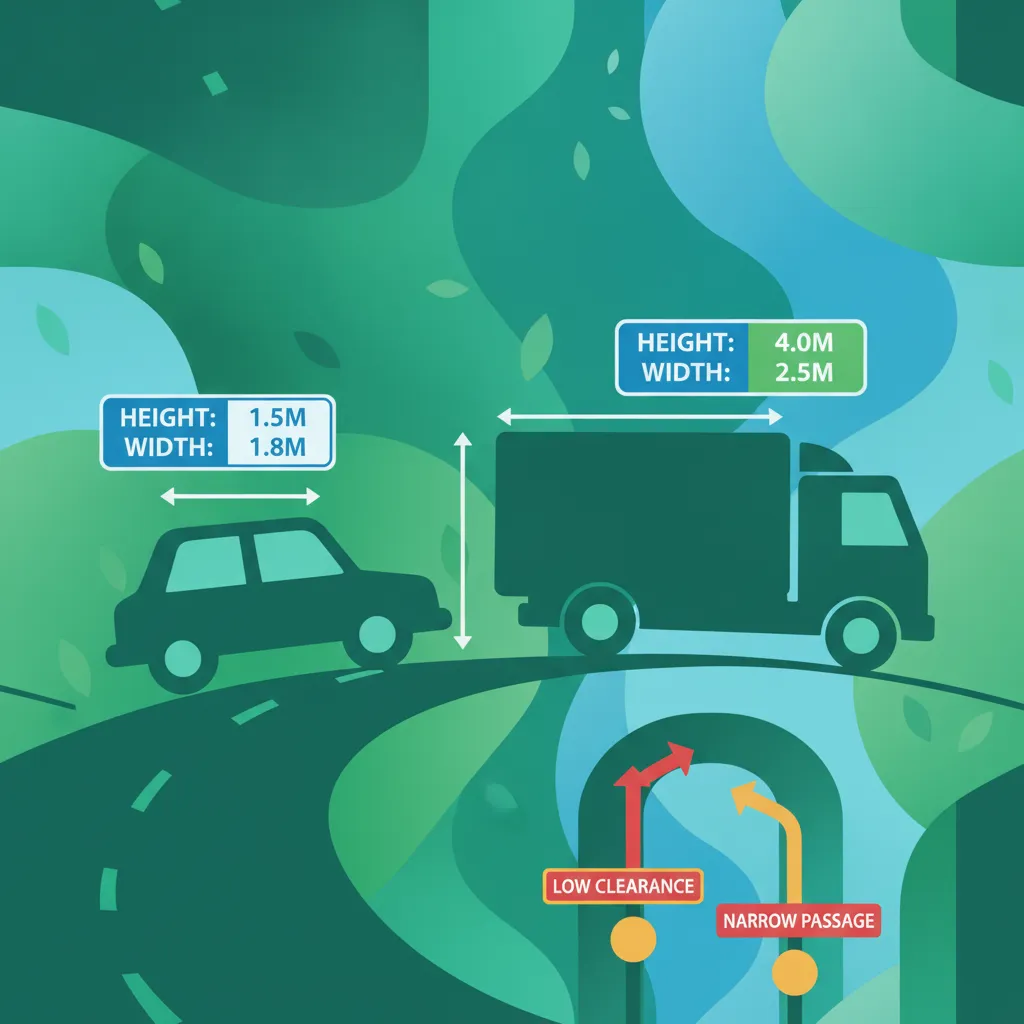
This lesson focuses on the specific dimensional limits that heavy goods vehicles must adhere to on Italian roads, as stipulated by the Codice della Strada. It covers the maximum permissible length, width, and height, explaining how these restrictions impact navigation through tunnels, under bridges, and within urban environments. Learners will also understand the conditions under which special permits for exceptional or oversized transport are required.
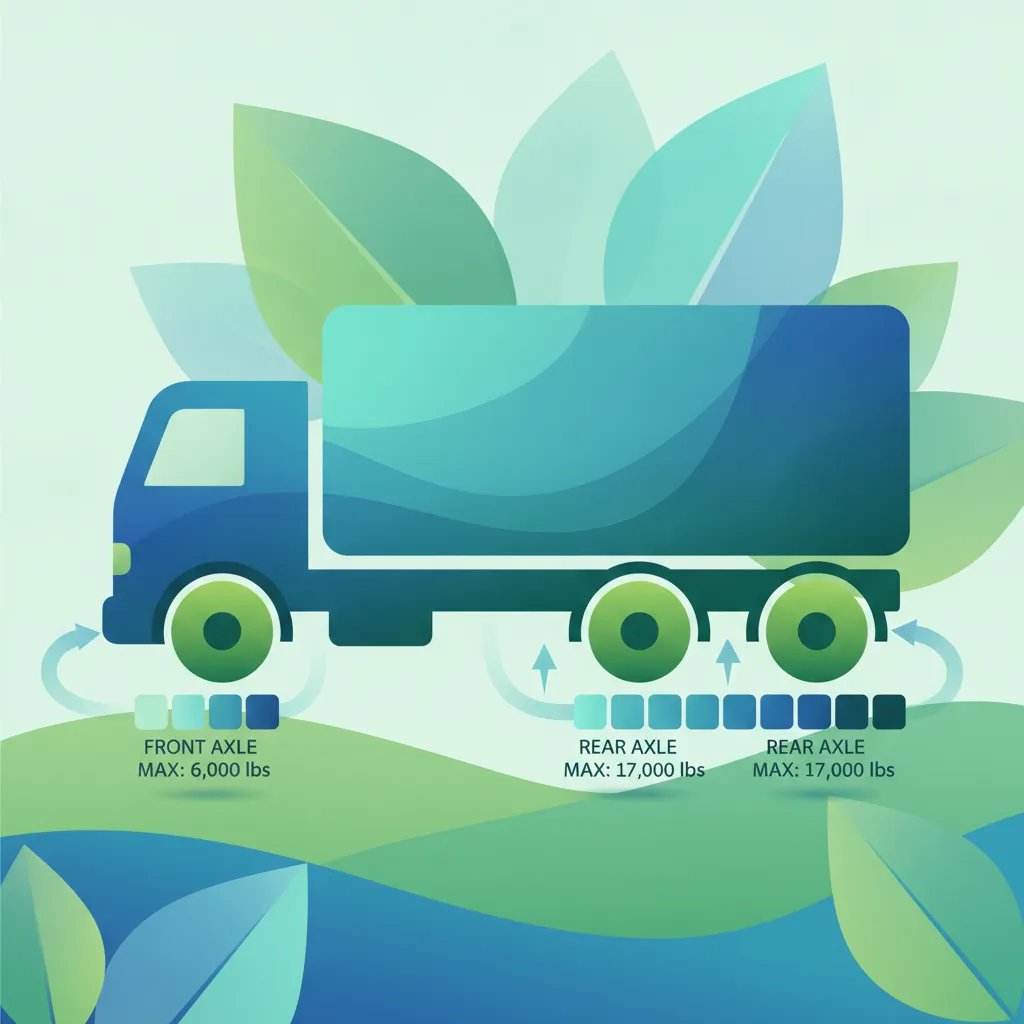
This lesson details the legal restrictions on the weight that can be supported by a single axle or a group of axles. It explains the importance of distributing the load correctly across the vehicle's length to prevent exceeding these limits, which can cause significant road damage and compromise vehicle safety. Learners will understand the relationship between load placement, axle pressure, and overall stability, particularly during braking and cornering.

This lesson focuses on the specific regulations and techniques for operating a heavy vehicle on high-speed motorways. It covers mandatory lane discipline for trucks, the rules governing overtaking other heavy vehicles, and the specific speed limits that apply. Best practices for merging onto and exiting the motorway, maintaining safe following distances, and using the hard shoulder only in genuine emergencies are also detailed.

This lesson focuses on the practical skill of distributing the load's weight evenly across the vehicle's axles. It explains how improper placement can overload one axle while underloading another, leading to legal violations and poor vehicle handling, steering, and braking performance. Learners will understand how to create a balanced load plan that respects legal axle limits and ensures the vehicle remains stable and controllable.
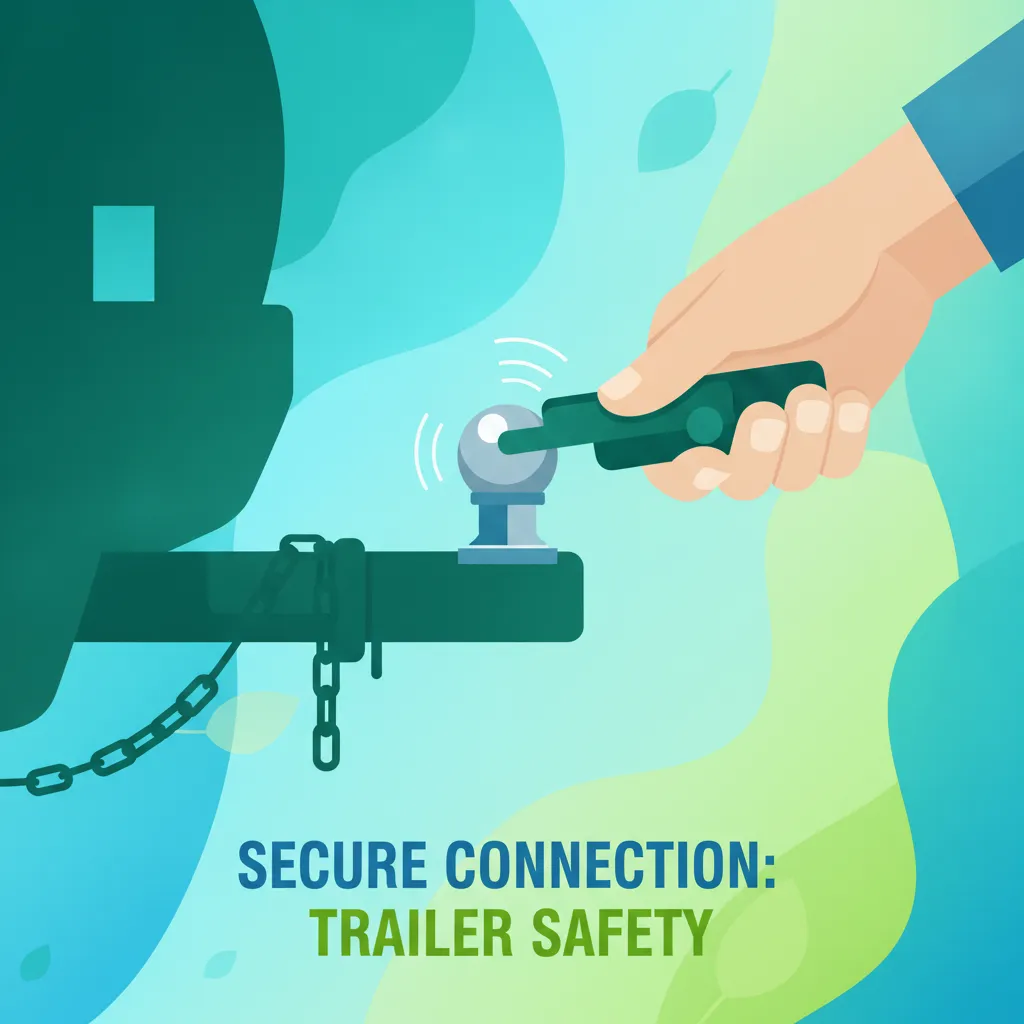
This lesson provides a step-by-step guide to the critical process of safely connecting a tractor unit to a semitrailer. It details the function of the fifth wheel and kingpin, explaining how to align the vehicle, make the connection, and verify that the locking mechanism is securely engaged. The equally important procedure for safe uncoupling is also covered, emphasizing checks to ensure the trailer is stable and secure before driving away.

This lesson provides a detailed overview of the legal framework for load securing in Italy, focusing on the relevant articles of the Codice della Strada. It outlines the driver's legal responsibility for ensuring the load is secure and covers the standards that securing equipment must meet. Learners will be made aware of the significant fines and other penalties that can be imposed for violations, reinforcing the importance of diligent compliance.
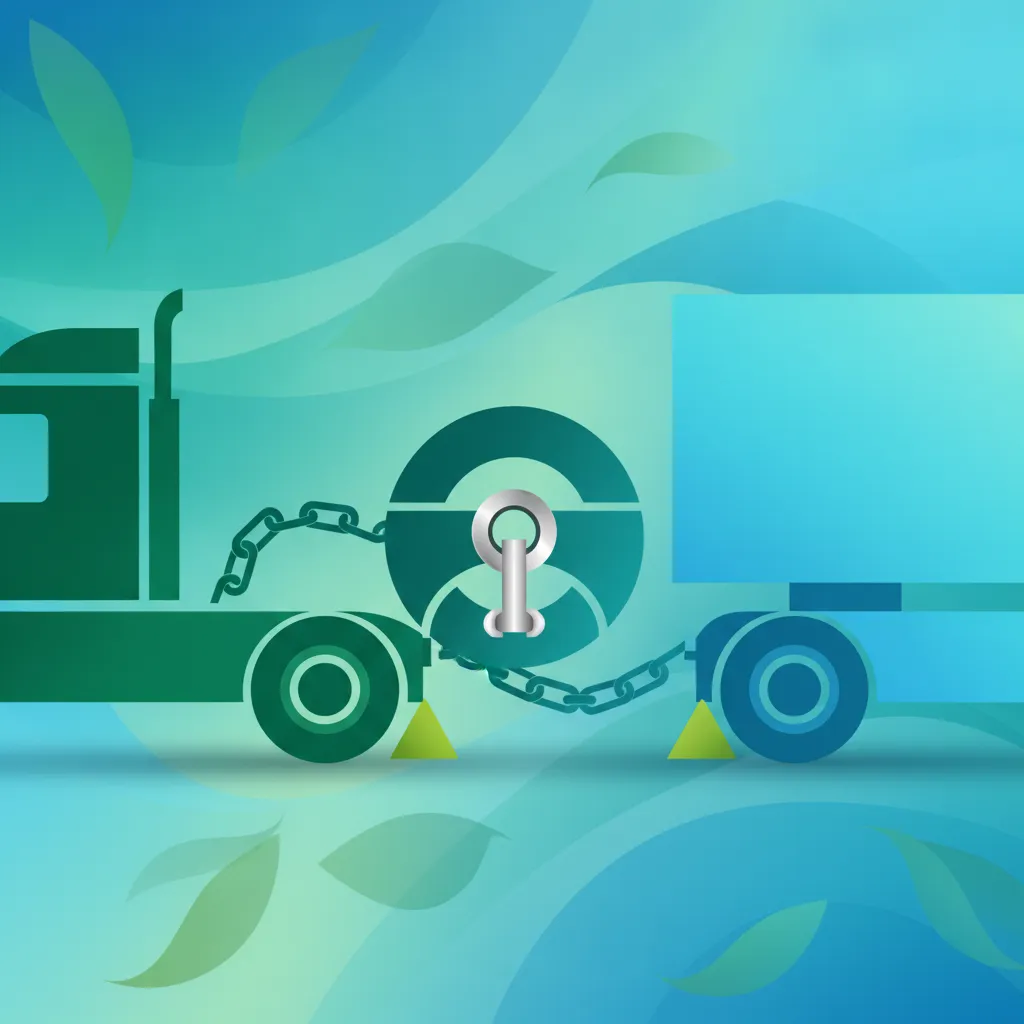
This lesson provides a detailed, safety-focused procedure for detaching a tractor from a semitrailer. It covers selecting a suitable, firm, and level location, correctly deploying the trailer's landing gear to support its weight, and disconnecting the air and electrical lines in the proper order. Following these systematic steps is essential to prevent the trailer from tipping over or rolling away, ensuring the safety of the driver and anyone nearby.

This lesson outlines the correct protocols for stopping to make a delivery in a public area. It covers the legal use of designated loading bays, the importance of making the vehicle highly visible with hazard lights, and ensuring that the parking brake is securely applied. The lesson stresses the need to conduct loading and unloading activities efficiently and safely, without causing undue obstruction or danger to other road users and pedestrians.

This lesson delves into the specific articles of the Italian Codice della Strada that apply to heavy goods vehicles. It outlines the core legal and professional obligations of a driver, including the heightened duty of care owed to other road users and the responsibility for the vehicle's roadworthiness and load. Learners will understand the legal consequences of non-compliance, such as fines and sanctions, reinforcing the importance of adhering to all traffic regulations.
Explore common errors in securing cargo, managing roof loads, and towing trailers. Learn how to adapt your driving strategy for adverse weather, poor visibility, and different road types according to Italian theory.

This lesson addresses how adverse weather can compromise load securing arrangements. It explains how rain and ice can reduce the friction between the load and the vehicle bed, and how some lashing materials like webbing straps can stretch when wet, losing tension. Learners will understand the need to check and re-tighten securing equipment during journeys in bad weather and to take extra precautions to account for reduced friction.
This lesson provides a detailed, safety-focused procedure for detaching a tractor from a semitrailer. It covers selecting a suitable, firm, and level location, correctly deploying the trailer's landing gear to support its weight, and disconnecting the air and electrical lines in the proper order. Following these systematic steps is essential to prevent the trailer from tipping over or rolling away, ensuring the safety of the driver and anyone nearby.
This lesson provides a detailed overview of the legal framework for load securing in Italy, focusing on the relevant articles of the Codice della Strada. It outlines the driver's legal responsibility for ensuring the load is secure and covers the standards that securing equipment must meet. Learners will be made aware of the significant fines and other penalties that can be imposed for violations, reinforcing the importance of diligent compliance.
This lesson provides a step-by-step guide to the critical process of safely connecting a tractor unit to a semitrailer. It details the function of the fifth wheel and kingpin, explaining how to align the vehicle, make the connection, and verify that the locking mechanism is securely engaged. The equally important procedure for safe uncoupling is also covered, emphasizing checks to ensure the trailer is stable and secure before driving away.

This lesson prepares drivers for incidents beyond a simple breakdown, such as losing part of the load onto the roadway or dealing with a spillage. It outlines the immediate priorities: ensuring personal safety, warning other traffic of the hazard, and notifying the authorities. The lesson also covers the fundamental principles of managing an accident scene, including protecting the area, assessing for casualties, and providing essential information to emergency services.

This lesson vividly illustrates the dangers of a load that moves during transit. It explains how a sudden load shift during braking can increase stopping distance or cause a jack-knife, while a shift during cornering can easily lead to a rollover. By understanding these dynamic forces, learners will appreciate the absolute necessity of ensuring every piece of cargo is properly and robustly secured before starting a journey.

This lesson provides a step-by-step guide for managing a vehicle breakdown safely. It reinforces the procedure for stopping on the hard shoulder, activating hazard lights, and placing a warning triangle at the correct distance. The lesson emphasizes the importance of wearing high-visibility clothing, exiting the vehicle from the side away from traffic, and waiting in a safe location before contacting a roadside assistance service.
This lesson outlines the correct protocols for stopping to make a delivery in a public area. It covers the legal use of designated loading bays, the importance of making the vehicle highly visible with hazard lights, and ensuring that the parking brake is securely applied. The lesson stresses the need to conduct loading and unloading activities efficiently and safely, without causing undue obstruction or danger to other road users and pedestrians.

This lesson provides essential guidance on how to adjust driving techniques for a range of hazardous weather conditions. It covers reducing speed and increasing following distances in rain to prevent aquaplaning, using lights correctly in fog, and understanding the vehicle's reduced traction on snow and ice. It also explains how to anticipate and counteract the effects of strong crosswinds on high-sided vehicles.

This lesson details the specific rules and safety considerations for driving through the extensive tunnels and high viaducts common in Italy. It covers pre-entry checks, maintaining a safe following distance, and the correct procedures to follow in case of a breakdown or fire inside a tunnel. The lesson also addresses the hazard of strong crosswinds on exposed viaducts and how to maintain vehicle control.
Find clear answers to common questions learners have about Load Management, Roof Loads, and Trailer Basics. Learn how the lesson is structured, which driving theory objectives it supports, and how it fits into the overall learning path of units and curriculum progression in Italy. These explanations help you understand key concepts, lesson flow, and exam focused study goals.
You must use an approved load projection sign if your cargo extends beyond the rear perimeter of your vehicle. The sign must be retro-reflective, comply with official dimensions, and be clearly visible to other road users.
Yes, heavy or poorly distributed loads significantly alter the vehicle's center of gravity and handling. This increases your braking distance and makes the vehicle less stable during cornering, requiring you to drive at lower speeds.
Yes, roof loads must be secured firmly to prevent shifting during sudden maneuvers or braking. They must not exceed the vehicle's maximum roof weight limit, which can be found in the registration document (carta di circolazione).
Many learners overlook the legal limits of towing capacity for a B licence. Always ensure the total mass of the vehicle and trailer combination does not exceed the weight categories authorized by the Patente B license.
Start searching now to pinpoint exactly which Italian driving theory topics, road signs, or traffic rules you need to master. Use our advanced filters to build a custom practice session and ensure you're fully prepared for every aspect of your official driving licence exam.