
This lesson teaches you how to maintain control and traction on challenging Italian road surfaces, a critical skill for both your theory exam and daily riding. It explores how external factors like road conditions, debris, and surface materials impact your motorcycle's stability, helping you adjust your riding inputs accordingly. This is a core part of your safety training for your A1, A2, or A licence.
Lesson content overview
Riding a motorcycle demands constant awareness and precise control, especially when encountering varied road conditions. This lesson, crucial for your Italian Driving License Theory Course for Motorcycle Categories A1, A2, & A, delves into the essential techniques for maintaining optimal tyre grip, or traction, on surfaces that can significantly reduce it. Understanding how to adapt your riding style to compromised surfaces is not just about passing your test; it is fundamental to your safety as a rider on Italian roads.
Traction is the indispensable frictional force generated between your motorcycle's tyres and the road surface. It is this force that enables your motorcycle to accelerate, decelerate, and corner effectively. Without sufficient traction, your tyres will slip, leading to a loss of control. The traction limit is the maximum frictional force that can be generated before this slip occurs. Various factors, particularly road surface conditions, can drastically reduce this limit.
The frictional force that enables motorcycle tyres to grip the road surface, allowing for effective acceleration, deceleration, and cornering.
A core principle of safe riding is surface condition awareness. This involves continuously scanning the road ahead and around you to perceive the quality of the surface, identify potential contaminants, and anticipate irregularities. Proactive perception allows you to make timely adjustments to your control inputs before you even reach a hazardous spot.
When riding, your technique must consistently keep the forces applied to the tyres (from accelerating, braking, or cornering) below the available traction limit. This is achieved by employing smooth, progressive control inputs for the throttle, brakes, and steering. Abrupt actions can overwhelm the tyre's grip, especially on low-friction surfaces, leading to sudden slip and potential loss of control.
Your road position also plays a critical role. By strategically shifting your motorcycle's position within the lane, you can often avoid high-risk patches of road surface, choosing a line with better grip. This is particularly important in corners, where line choice can significantly influence safety. Furthermore, speed management is paramount; adjusting your speed to suit the current surface condition and the radius of a turn ensures that lateral and longitudinal forces remain within safe limits, directly impacting braking distance and cornering stability.
Certain road conditions are notorious for reducing tyre grip. Recognising these and knowing how to react is key to safe motorcycling.
Fallen leaves, especially when wet, create one of the most treacherous surfaces for motorcyclists. A thin film of water covering a layer of leaves acts as a lubricant, making it virtually impossible for your tyre tread to make effective contact with the road. The result is almost zero grip, which can cause sudden and unpredictable slips.
Freshly fallen wet leaves are exceptionally slippery, offering minimal grip. Even a gentle throttle input can cause the rear wheel to spin unexpectedly.
When you encounter patches of wet leaves, significantly reduce your speed well in advance. Avoid any sudden changes in throttle, braking, or steering. If possible, try to ride around the patch. If you must cross it, maintain a gentle, steady throttle, keep the motorcycle upright, and delay any significant braking or acceleration until you are clear of the hazardous area.
Common in urban and suburban environments, manhole covers, drainage gratings, and other metal utility covers pose a significant traction risk, particularly when wet. Metal surfaces offer inherently low friction compared to asphalt, and this is drastically reduced when moisture or oil is present.
On urban streets, proactively scan for manhole covers and metal gratings, especially after rain or when roads appear damp.
Whenever possible, avoid riding directly over manhole covers. If avoidance is not possible, reduce your speed and try to cross them at as shallow an angle as safety permits. This minimises the duration your tyres spend on the low-grip surface and reduces the chance of a sudden slip. Maintain smooth throttle and steering inputs as you cross.
Gravel, loose stones, sand, or other forms of surface debris can be found on rural roads, at construction sites, or at the edges of many lanes. These loose aggregates can be displaced by your tyres, reducing the direct contact between the tyre rubber and the solid road surface, thereby decreasing friction. This is especially problematic under acceleration, braking, or leaning into a turn.
When encountering gravel or loose surfaces, significantly reduce your speed. Avoid sudden throttle inputs, harsh braking, or aggressive steering. It's often best to maintain a steady, gentle throttle and allow the motorcycle to track smoothly through the loose material. If braking is necessary, use both brakes very gently and progressively, favouring the rear brake slightly more to avoid locking the front wheel.
Small stones or loose aggregate on the road surface that reduces tyre-road contact and grip, leading to potential loss of traction.
Painted lines on the roadway, such as lane dividers, crosswalks, arrows, and other road markings, become remarkably slippery when wet. The paint, especially certain types used for durability or reflectivity, lacks the abrasive texture of asphalt and can act like a slick film under your tyres.
Never brake hard or accelerate aggressively directly on wet painted road markings. Your tyres can easily lose grip, leading to a slide.
Approach painted lines at a shallow angle whenever possible, especially in corners or when braking. Try to avoid braking or accelerating directly over them when they are wet. When turning, adjust your road position to stay on the grippier asphalt and cross any lines at a point where your motorcycle is more upright, if safe to do so.
Rain is a common weather condition that immediately compromises road grip. A thin layer of water on the asphalt surface reduces tyre adhesion. In heavy rain or at higher speeds, there's a risk of hydroplaning, where the tyre cannot effectively displace the water, causing it to ride on a film of water and lose contact with the road entirely.
A phenomenon where a layer of water separates the motorcycle tyre from the road surface, dramatically reducing traction and causing a loss of control.
When riding on wet asphalt:
Ice and frost represent the most extreme low-traction conditions a motorcyclist can face, offering near-zero friction. These thin, often invisible, layers of frozen water make any significant braking, acceleration, or turning manoeuvre extremely hazardous, even at very low speeds.
If you encounter ice or frost, the safest action is to stop riding immediately and find a safe place to wait for conditions to improve. Do not attempt to "power through" icy patches.
If you must proceed on an icy surface, do so only when absolutely necessary and with extreme caution:
Mastering traction management involves integrating several key riding techniques into your everyday practice.
The cornerstone of maintaining traction on any surface, especially compromised ones, is the application of smooth and progressive control inputs. This means:
Your position on the road can dramatically influence your exposure to low-traction hazards.
On rural roads, be mindful that the center of the lane is often cleaner and offers better grip than the edges, which can accumulate gravel and debris.
Speed is directly related to the forces your tyres need to generate.
A basic understanding of how your motorcycle reacts to inputs helps anticipate traction loss:
The Codice della Strada (Italian Highway Code) places a strong emphasis on adapting your driving behaviour to prevailing road and weather conditions. Failure to do so can result in penalties and significantly increases accident risk.
Here are key rules and practices that are legally binding and critical for safety:
Mandatory Speed Reduction: You are legally required to reduce your speed when road surfaces are compromised (e.g., wet, icy, covered in leaves or gravel). Lower speeds reduce the amount of friction required for control and allow for gentler, more effective control inputs.
Avoid Direct Contact with Low-Traction Surfaces: Whenever possible, you must avoid riding directly over surfaces known for low grip, such as manhole covers and metal gratings, particularly in urban areas.
Smooth, Progressive Braking: On wet or loose surfaces, sudden or harsh braking is strictly prohibited and highly dangerous. You must apply brakes smoothly and progressively.
Maintain a Safe Following Distance: In conditions of reduced traction (e.g., rain, ice, heavy fog), you are legally obliged to increase your following distance from other vehicles significantly. This provides crucial extra reaction time and braking distance.
No Aggressive Acceleration: Avoid abrupt or aggressive acceleration on low-traction surfaces. Sudden torque can easily cause the rear wheel to spin and lose grip.
Traction management is not a static skill; it must be adapted based on various environmental and vehicle-specific factors.
In mixed traffic, be aware that pedestrians or cyclists might inadvertently cause or highlight surface contamination (e.g., leaf litter pushed to the side, mud tracked onto the road). Their presence might also force you to take a line closer to a hazard, requiring extra caution.
Successfully managing traction on challenging road surfaces is a critical skill for any motorcyclist preparing for their Italian driving license. It involves a continuous cycle of observation, anticipation, and precise control.
By integrating these practices into your overall riding technique, you will become a more confident, capable, and responsible rider on Italian roads, prepared to handle diverse and challenging conditions.
This lesson covers how to maintain motorcycle traction on challenging road surfaces by understanding the traction limit concept and recognizing specific hazards including wet leaves, manhole covers, gravel, painted road markings, and ice. Key techniques include applying smooth, progressive throttle, brake, and steering inputs; adjusting road position to avoid low-grip patches; and reducing speed before entering compromised areas rather than during. The Codice della Strada legally obliges riders to adapt speed and following distance to adverse conditions, and failure to do so increases both accident risk and penalties.
A short set of high-value points that capture the most important learning from this lesson.
Traction is the frictional force between tyre and road that enables acceleration, braking, and cornering; it has a limit that varies with surface conditions
Smooth, progressive control inputs keep tyre forces below the traction limit; abrupt inputs can easily exceed available grip on low-friction surfaces
Speed must be reduced before entering compromised surfaces, not during, to maintain control and adequate braking distance
Road position can be adjusted within the lane to avoid low-grip hazards like manhole covers, wet leaves, and painted lines
The Codice della Strada legally requires adapting speed and technique to road conditions, with increased following distances in adverse weather
Explore all units and lessons included in this driving theory course.
Wet leaves create near-zero friction because water acts as a lubricant between leaves and tyre; crossing them requires minimal inputs and an upright motorcycle
Manhole covers and metal gratings are extremely slippery when wet and should be crossed at shallow angles to minimize tyre contact time
Weight transfer during braking increases front tyre grip but reduces rear tyre grip, making sudden braking on slippery surfaces dangerous
Wet painted road markings (lane dividers, crosswalks, arrows) become slick films that can cause wheel spin under acceleration
In rain, reduce speed significantly and increase following distance to account for longer braking distances on wet asphalt
Braking hard while already on a wet leaf patch instead of reducing speed before entering the hazard zone
Crossing manhole covers perpendicularly at speed, which can cause sudden tyre slip or bounce and loss of grip
Accelerating aggressively while on wet painted road markings, causing rear wheel spin on the slick surface
Maintaining normal following distance in rain or on slippery surfaces, failing to account for increased braking distances
Assuming rural roads are always cleaner than urban streets; gravel and debris often accumulate on lane edges and road shoulders
Lesson content overview
A short set of high-value points that capture the most important learning from this lesson.
Traction is the frictional force between tyre and road that enables acceleration, braking, and cornering; it has a limit that varies with surface conditions
Smooth, progressive control inputs keep tyre forces below the traction limit; abrupt inputs can easily exceed available grip on low-friction surfaces
Speed must be reduced before entering compromised surfaces, not during, to maintain control and adequate braking distance
Road position can be adjusted within the lane to avoid low-grip hazards like manhole covers, wet leaves, and painted lines
The Codice della Strada legally requires adapting speed and technique to road conditions, with increased following distances in adverse weather
Explore all units and lessons included in this driving theory course.
Wet leaves create near-zero friction because water acts as a lubricant between leaves and tyre; crossing them requires minimal inputs and an upright motorcycle
Manhole covers and metal gratings are extremely slippery when wet and should be crossed at shallow angles to minimize tyre contact time
Weight transfer during braking increases front tyre grip but reduces rear tyre grip, making sudden braking on slippery surfaces dangerous
Wet painted road markings (lane dividers, crosswalks, arrows) become slick films that can cause wheel spin under acceleration
In rain, reduce speed significantly and increase following distance to account for longer braking distances on wet asphalt
Braking hard while already on a wet leaf patch instead of reducing speed before entering the hazard zone
Crossing manhole covers perpendicularly at speed, which can cause sudden tyre slip or bounce and loss of grip
Accelerating aggressively while on wet painted road markings, causing rear wheel spin on the slick surface
Maintaining normal following distance in rain or on slippery surfaces, failing to account for increased braking distances
Assuming rural roads are always cleaner than urban streets; gravel and debris often accumulate on lane edges and road shoulders
Explore search topics learners often look for when studying Traction Management on Various Road Surfaces. These topics reflect common questions about road rules, driving situations, safety guidance, and lesson level theory preparation for learners in Italy.
Browse additional driving theory lessons that cover connected traffic rules, road signs, and common driving situations related to this topic. Improve your understanding of how different rules interact across everyday traffic scenarios.
Learn essential Italian driving theory for A1, A2, A licences on how to manage motorcycle traction on challenging surfaces. Covers wet leaves, manhole covers, gravel, and painted lines to maintain grip and control.

This lesson trains riders to recognize and safely negotiate common road surface hazards that can suddenly reduce traction. It covers the risks posed by elements like loose gravel, wet leaves, painted lines, and manhole covers, especially when wet. The content provides strategies for scanning the road ahead to identify these dangers early and using smooth control inputs to maintain stability when crossing them.

This lesson teaches riders how to maintain a safe following distance using the two-second rule, which accounts for reaction time and braking distance. It covers grip management, explaining how tire condition and road surfaces like wet asphalt affect traction. Mastering these concepts is essential for anticipating hazards and preventing rear-end collisions.
This lesson explains the physical effects of different weather conditions on motorcycle safety. It details how rain reduces tyre adhesion and increases the risk of hydroplaning, while fog severely limits visibility, requiring a significant reduction in speed. The content also covers how extreme heat and cold can affect tyre pressure and compound performance, necessitating adjustments from the rider.

This lesson provides a thorough examination of the Italian motorcycle theory test's structure and content. It details the number of questions, the multiple-choice format, and the minimum score required to pass for the A1, A2, and A license categories. The content is designed to prepare learners for the specific knowledge areas and administrative procedures involved in taking the official exam.
This lesson offers comprehensive knowledge on motorcycle tyres, covering how to interpret specifications like size, load index, and speed rating. It emphasizes the critical relationship between correct tyre pressure, handling, and grip on various road surfaces. Learners will acquire the skills to perform regular tread inspections and recognize the criteria for timely tyre replacement to ensure safety.
This lesson teaches riders to recognize and adapt to various road surfaces and their inherent risks. It covers the specific challenges posed by surfaces like gravel, sand, and metal tram tracks, which can significantly reduce traction. You will learn to adjust your speed, braking, and cornering techniques to safely navigate these and other hazards like potholes.

This lesson provides a detailed guide to understanding road markings and pavement symbols in Italy. It explains the critical difference between continuous and broken lane lines regarding overtaking, the function of stop lines and yield markings at intersections, and the meaning of directional arrows painted in lanes. The content also covers markings for pedestrian crossings, bus lanes, and designated parking areas.
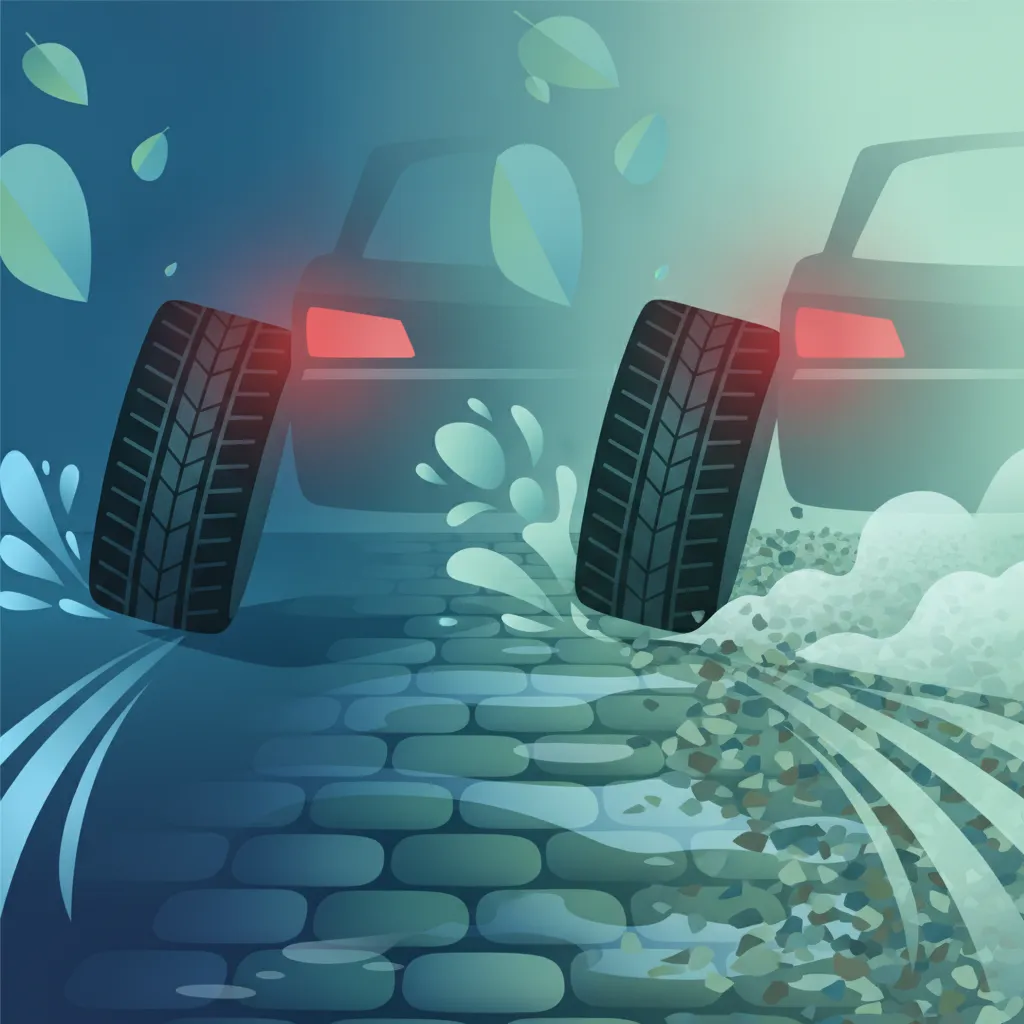
This lesson details correct braking techniques, emphasizing progressive application of both front and rear brakes for optimal stopping power. It explains the function of ABS in preventing wheel lock-up on slippery surfaces like wet roads or gravel. You will learn how different surfaces affect braking distance and how to adjust braking force to maintain control.
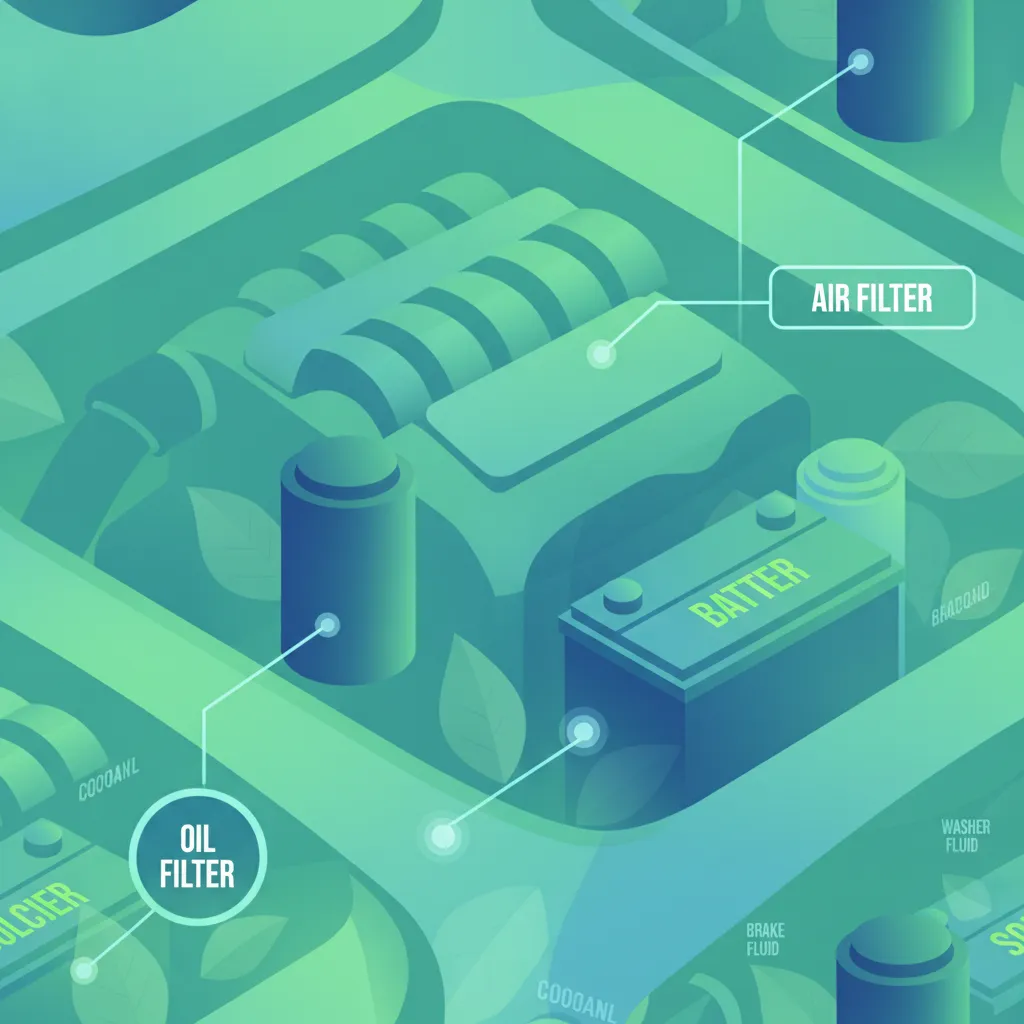
This lesson details the importance of adhering to a motorcycle's recommended maintenance schedule to ensure safety and reliability. It explains the typical service intervals for changing critical fluids like oil and brake fluid, as well as replacing wear-and-tear items such as brake pads and tyres. The content highlights how preventative maintenance is key to identifying potential issues before they become hazardous.
This lesson focuses on the rider's active role in controlling the motorcycle through body positioning and weight shifts. It explains how to maintain a relaxed yet engaged posture to absorb road imperfections and provide precise inputs to the handlebars and footpegs. The content covers how leaning with the bike in corners and shifting weight during braking and acceleration significantly impacts the vehicle's stability and performance.
Understand the legal requirements from the Codice della Strada for motorcycle riders regarding speed reduction and control inputs on compromised Italian road surfaces like wet asphalt or gravel.
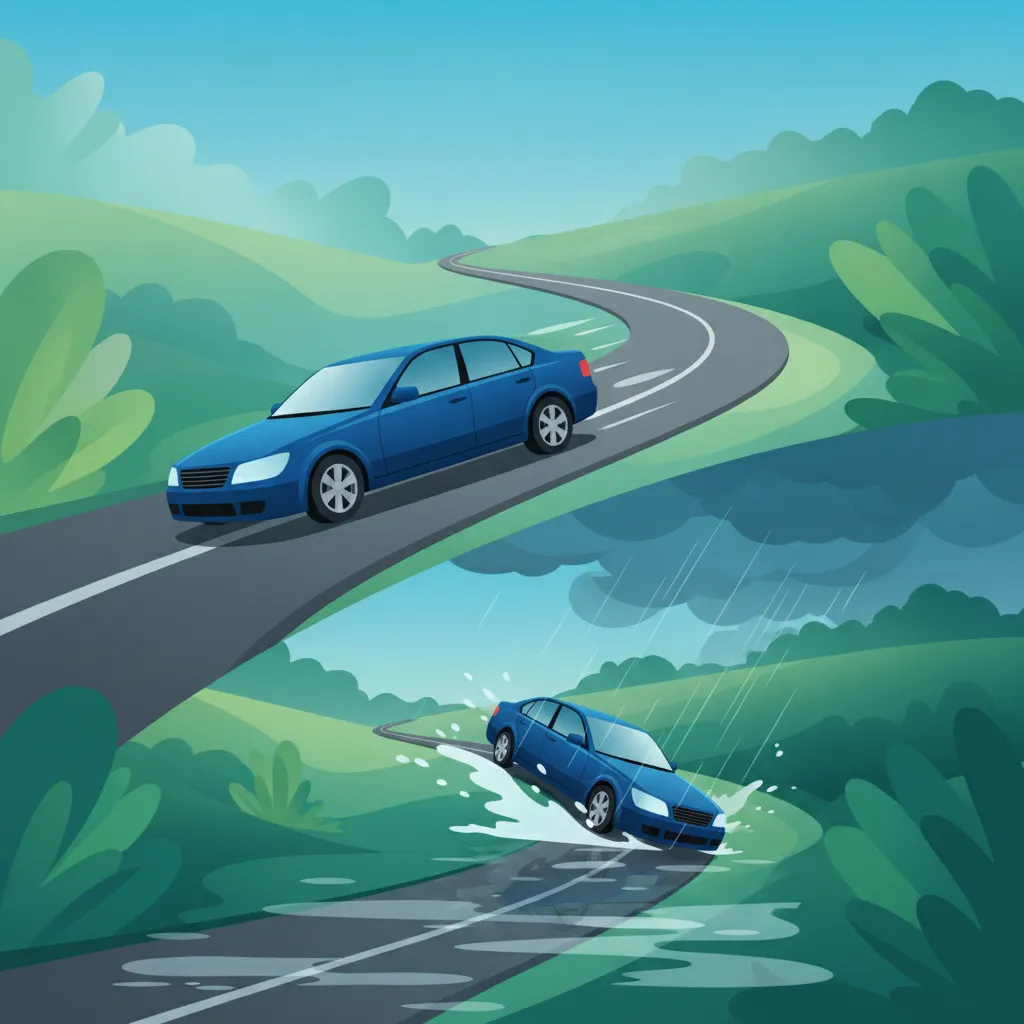
This lesson teaches the crucial skill of adapting speed to constantly changing environments, independent of the posted speed limit. It explains how to assess factors such as road surface condition, adverse weather, traffic flow, and limited visibility to determine a safe and appropriate speed. The principle taught is that the speed limit is a maximum, not a target, and responsible riding requires constant adjustment.
This lesson equips riders to safely manage the challenges posed by road construction zones. It explains how to interpret temporary signage, navigate lane closures or diversions, and maintain heightened awareness for surface hazards like gravel or steel plates. The content emphasizes the need to reduce speed and increase following distances to safely share the road with large construction vehicles and workers.
This lesson provides a comprehensive guide to riding on high-speed motorways, or autostrade. It details the correct procedures for safely merging into traffic from an entry ramp and exiting via a deceleration lane. The content reinforces strict lane discipline, rules for overtaking, and the importance of maintaining a significantly larger following distance to compensate for higher speeds and potential wind gusts.
This lesson explains the physical effects of different weather conditions on motorcycle safety. It details how rain reduces tyre adhesion and increases the risk of hydroplaning, while fog severely limits visibility, requiring a significant reduction in speed. The content also covers how extreme heat and cold can affect tyre pressure and compound performance, necessitating adjustments from the rider.
This lesson delivers a comprehensive explanation of right-of-way regulations at Italian intersections. It covers the interpretation of traffic light signals, the absolute requirement to stop at stop signs, and yielding at give-way signs. Furthermore, it details the default priority rules for unmarked intersections and the specific obligations a rider has towards pedestrians on crossings.
This lesson teaches drivers how to adapt their technique for various adverse weather conditions. It explains the risks of reduced grip and visibility in rain, fog, snow, and ice, and the need to significantly increase following distances and reduce speed. The content covers how to avoid and correct skids, the proper use of lights in poor visibility, and the legal requirements for winter tyres or snow chains in certain areas.
This lesson focuses on the comprehensive duties of a motorcyclist, from ensuring vehicle and equipment legality to following traffic regulations. It covers key obligations mandated by the Codice della Strada, such as mandatory insurance coverage and adherence to environmental rules. The material reinforces the importance of responsible road conduct and the legal consequences of non-compliance.
This lesson teaches riders to recognize and adapt to various road surfaces and their inherent risks. It covers the specific challenges posed by surfaces like gravel, sand, and metal tram tracks, which can significantly reduce traction. You will learn to adjust your speed, braking, and cornering techniques to safely navigate these and other hazards like potholes.
This lesson explores the specific speed limits applicable to AM vehicles across various zones, including urban, residential, and rural roads. Emphasis is placed on understanding the signage that indicates both permanent and temporary speed restrictions. Learners will also examine the rationale behind these limits and the importance of adapting speed to road conditions and traffic density.
This lesson focuses on the specific regulatory and warning signs that Patente AM riders must understand and obey. It details signs related to speed limits, no-entry zones, and mandatory directions that directly impact moped operation. You will also learn to recognize warning signs for potential hazards like sharp curves, slippery surfaces, and pedestrian areas.
Find clear answers to common questions learners have about Traction Management on Various Road Surfaces. Learn how the lesson is structured, which driving theory objectives it supports, and how it fits into the overall learning path of units and curriculum progression in Italy. These explanations help you understand key concepts, lesson flow, and exam focused study goals.
Painted lines, especially when wet, offer significantly less friction than asphalt. Braking hard on them can cause your tyres to lose grip immediately, leading to a slide, especially during emergency stops.
You should aim to cross it in a straight line while upright. Avoid braking, accelerating, or leaning while your tyres are on the metal surface, as these actions are highly likely to induce a skid.
While the Codice della Strada requires riders to maintain control in all conditions, it emphasizes adjusting speed according to surface state. On gravel, you must maintain a steady, smooth speed and avoid sudden inputs to the throttle or brakes.
Extreme heat in summer can soften road tar, while cold winter mornings can lead to icy or damp patches. You must constantly observe the road surface and adjust your speed to ensure your tyres have sufficient time to maintain contact.
Start searching now to pinpoint exactly which Italian driving theory topics, road signs, or traffic rules you need to master. Use our advanced filters to build a custom practice session and ensure you're fully prepared for every aspect of your official driving licence exam.