
This lesson prepares you for the challenges of driving in adverse weather conditions, a critical part of the Patente B theory curriculum. You will learn how to adjust your speed and distance to maintain control during rain, fog, or snow and understand the legal requirements for winter equipment in Italy.

Lesson content overview
Driving conditions can change dramatically with the weather, transforming familiar roads into hazardous environments. Adapting your driving technique to adverse weather conditions such as rain, fog, snow, or ice is not just a matter of prudence, but a legal obligation under Italian traffic law. This lesson will equip you with the essential knowledge and techniques to navigate these challenges safely and comply with regulations for your Italian Patente B theory course.
The primary dangers in adverse weather are reduced tire grip and diminished visibility, both of which significantly increase the risk of accidents. Understanding how to adjust your speed, maintain appropriate following distances, and correctly use your vehicle's lighting systems are crucial skills for any driver. We will also delve into specific legal requirements, such as the mandatory use of winter tyres or snow chains in certain areas and conditions.
One of the most immediate and significant impacts of adverse weather is the reduction in tire grip, also known as traction. Friction between your tires and the road surface is essential for steering, accelerating, and braking effectively. When rain, snow, or ice are present, this friction is severely compromised, leading to longer stopping distances and a higher potential for skidding.
This reduced grip principle means that your vehicle will not respond as effectively as it would on dry pavement. Anticipate that braking will take longer and cornering capabilities will be diminished. Therefore, a fundamental adjustment to your driving behavior is to reduce your speed and significantly increase your following distance.
Types of Reduced Traction:
Always assume reduced traction in any form of wet, icy, or snowy conditions. Do not wait for your vehicle to slide to confirm the danger.
Modern vehicles often come equipped with advanced safety systems like ABS (Anti-lock Braking System) and ESP (Electronic Stability Programme). While these systems are invaluable in adverse conditions, they are designed to assist, not overcome, the laws of physics. They help maintain steering control during emergency braking and assist in correcting skids, but they do not eliminate the need for careful driving.
Hydroplaning, also known as aquaplaning, is a critical hazard on wet roads. It occurs when a layer of water builds up between the vehicle's tires and the road surface, causing the tires to lose contact with the road. When this happens, your vehicle effectively floats on water, leading to a complete loss of steering and braking control.
The loss of contact between tires and the road surface due to a layer of water, preventing friction and resulting in a loss of steering and braking control.
This phenomenon is more likely to occur at higher speeds, with worn tire treads, or when driving through standing water. The tread pattern on your tires is designed to channel water away from the contact patch. If the tires cannot displace water quickly enough, hydroplaning will occur.
If your vehicle begins to hydroplane, avoid sudden reactions.
Release the Accelerator: Gently lift your foot off the accelerator. Do not brake suddenly.
Steer Gently: Keep your steering wheel pointed in the direction you want the vehicle to go. Avoid sharp turns.
Hold Steady: Wait for the tires to regain contact with the road. You will feel the steering become responsive again.
Fog, heavy rain, and snowfall dramatically reduce a driver's ability to see the road ahead, traffic signs, road markings, and other road users. This visibility reduction principle necessitates proper use of vehicle lighting and heightened awareness.
Fog is particularly deceptive because it can appear suddenly and vary in density.
Using high beams in fog is a common mistake that significantly worsens visibility for yourself and oncoming drivers.
Similar principles apply when driving in heavy rain or snowfall:
Proper headlight usage is not merely a recommendation; it is a legal requirement in Italy, especially under adverse weather conditions. The goal is two-fold: to see clearly and to be seen by other road users.
Always activate your low beam headlights in any condition that reduces visibility, even during daylight hours. This ensures your vehicle is seen.
These flashing lights are designed to indicate a stationary vehicle that poses a danger to other road users, for example, a breakdown. They are not to be used while moving, as this can confuse other drivers about your intentions or the nature of the hazard.
The following distance is the space between your vehicle and the one ahead, typically measured in seconds. This allows you sufficient time to react to unexpected events and stop safely. In adverse weather, the standard following distance must be significantly increased due to reduced traction and visibility.
Maintaining a "normal" following distance in adverse conditions is a common cause of rear-end collisions.
While posted speed limits indicate the maximum legal speed under ideal conditions, the speed adjustment principle dictates that drivers must always adapt their speed to the actual road, traffic, and weather conditions. This is a fundamental concept of defensive driving.
In adverse weather, reducing your speed is paramount. This prevents loss of control and ensures that you can stop within the visible distance ahead. Driving at the posted limit on a wet or icy road is often unsafe and can lead to severe consequences, even if technically within the legal speed limit.
Always prioritize safety over speed limits. The Codice della Strada (Italian Road Code) explicitly requires drivers to adapt their speed to conditions.
In Italy, specific legal requirements govern the use of winter tyres and snow chains, particularly in mountainous and northern regions during the colder months. These regulations are designed to enhance safety by ensuring vehicles have adequate traction on snow and ice.
If traveling to mountainous regions in winter, always carry snow chains, even if your vehicle has winter tyres, unless specifically exempted. It's better to be prepared.
Despite all precautions, vehicles can still skid on slippery surfaces. Knowing how to react calmly and correctly can prevent a serious accident. Skid management involves specific techniques to regain control after a tire loses traction.
Driving is a privilege that comes with significant legal responsibilities, especially under adverse conditions. Failure to adhere to safe driving practices and equipment regulations in adverse weather can result in severe penalties under the Italian Codice della Strada.
Ignorance of specific regulations regarding winter equipment or headlight usage is not a valid defense and can lead to legal penalties and increased accident risk.
Drivers are legally obligated to ensure their vehicle is roadworthy and appropriately equipped for the prevailing conditions. This includes having good quality tires with adequate tread depth and ensuring all lights are functional. In the event of an accident, negligence due to improper equipment or inappropriate driving in adverse weather can lead to severe legal and financial repercussions.
Effective driving in adverse weather isn't a one-size-fits-all approach. The specific conditions, the type of road, and even the state of your vehicle demand varied responses.
Pedestrians, cyclists, and motorcyclists are particularly vulnerable in adverse weather.
Driving in adverse weather conditions presents significant challenges to even the most experienced drivers. The core message is clear: anticipate reduced grip and visibility, and adjust your driving behavior accordingly. This means reducing speed, significantly increasing following distance, and making correct use of your vehicle's lighting systems and specialized equipment like winter tyres or snow chains.
The Italian Codice della Strada provides a legal framework that reinforces these safety principles, with penalties for non-compliance. Ultimately, safe driving in rain, fog, snow, or ice relies on a combination of vehicle preparation, defensive driving techniques, and adherence to legal obligations. By understanding and applying these principles, you contribute not only to your own safety but also to the safety of all road users.
This lesson covers essential techniques for driving safely in adverse weather conditions including rain, fog, snow, and ice, focusing on the Italian Patente B theory requirements. Key topics include understanding reduced tire grip and its impact on stopping distances, preventing and responding to hydroplaning, proper headlight usage with specific visibility thresholds, and the legal requirements for winter tyres and snow chains in designated areas and periods. The lesson also explains skid management techniques for both front-wheel and rear-wheel skids, emphasizing the importance of adapting speed and following distance to actual conditions rather than posted limits. Learners should understand that non-compliance with these safety requirements can result in fines and penalties under the Codice della Strada.
A short set of high-value points that capture the most important learning from this lesson.
Reduced grip in rain, fog, snow, or ice requires significantly longer stopping distances and diminished cornering ability.
Hydroplaning occurs when water separates tires from the road, causing complete loss of steering and braking control; the primary prevention is reducing speed.
In fog or heavy rain, low beam headlights are mandatory when visibility falls below 100 metres, while high beams must never be used as they reflect off moisture.
Speed must always be adapted to actual conditions, not just posted limits, and this principle is legally enforceable under Italian traffic law.
Winter tyres or snow chains are mandatory in designated areas from 15 November to 15 April, with snow chains requiring a maximum speed of 50 km/h.
Explore all units and lessons included in this driving theory course.
Use low beams (Anabbaglianti) in fog; use front and rear fog lights only when visibility drops below 100 metres.
Following distance should increase from 2-3 seconds in normal conditions to 4-5 seconds or more in adverse weather.
In rear-wheel skids, steer into the direction of the slide; in front-wheel skids, ease off the accelerator and reduce steering input.
Winter tyres are marked with M+S or 3PMSF symbols and are optimized for temperatures below 7 °C.
Hazard lights (Frecce di emergenza) are only for stationary vehicles, not for use while driving in poor weather.
Using high beam headlights in fog, which reflects off moisture and creates a wall of light that worsens visibility for everyone.
Maintaining a normal 2-3 second following distance in adverse conditions, which is a common cause of rear-end collisions.
Assuming that driving at the posted speed limit is safe regardless of weather conditions, ignoring the speed adaptation principle.
Failing to clear all snow and ice from lights and windows before driving, reducing visibility and making the vehicle invisible to others.
Attempting to brake sharply during a skid instead of using gentle inputs and steering into the skid (for rear-wheel skids).
Lesson content overview
A short set of high-value points that capture the most important learning from this lesson.
Reduced grip in rain, fog, snow, or ice requires significantly longer stopping distances and diminished cornering ability.
Hydroplaning occurs when water separates tires from the road, causing complete loss of steering and braking control; the primary prevention is reducing speed.
In fog or heavy rain, low beam headlights are mandatory when visibility falls below 100 metres, while high beams must never be used as they reflect off moisture.
Speed must always be adapted to actual conditions, not just posted limits, and this principle is legally enforceable under Italian traffic law.
Winter tyres or snow chains are mandatory in designated areas from 15 November to 15 April, with snow chains requiring a maximum speed of 50 km/h.
Explore all units and lessons included in this driving theory course.
Use low beams (Anabbaglianti) in fog; use front and rear fog lights only when visibility drops below 100 metres.
Following distance should increase from 2-3 seconds in normal conditions to 4-5 seconds or more in adverse weather.
In rear-wheel skids, steer into the direction of the slide; in front-wheel skids, ease off the accelerator and reduce steering input.
Winter tyres are marked with M+S or 3PMSF symbols and are optimized for temperatures below 7 °C.
Hazard lights (Frecce di emergenza) are only for stationary vehicles, not for use while driving in poor weather.
Using high beam headlights in fog, which reflects off moisture and creates a wall of light that worsens visibility for everyone.
Maintaining a normal 2-3 second following distance in adverse conditions, which is a common cause of rear-end collisions.
Assuming that driving at the posted speed limit is safe regardless of weather conditions, ignoring the speed adaptation principle.
Failing to clear all snow and ice from lights and windows before driving, reducing visibility and making the vehicle invisible to others.
Attempting to brake sharply during a skid instead of using gentle inputs and steering into the skid (for rear-wheel skids).
Explore search topics learners often look for when studying Adverse Weather Conditions: Rain, Fog, Snow, Ice. These topics reflect common questions about road rules, driving situations, safety guidance, and lesson level theory preparation for learners in Italy.
Browse additional driving theory lessons that cover connected traffic rules, road signs, and common driving situations related to this topic. Improve your understanding of how different rules interact across everyday traffic scenarios.
Understand the mandatory periods and conditions for using winter tyres and snow chains in Italy. Learn about legal obligations, speed limits when using chains, and penalties for non-compliance with Italian traffic law for Patente B.
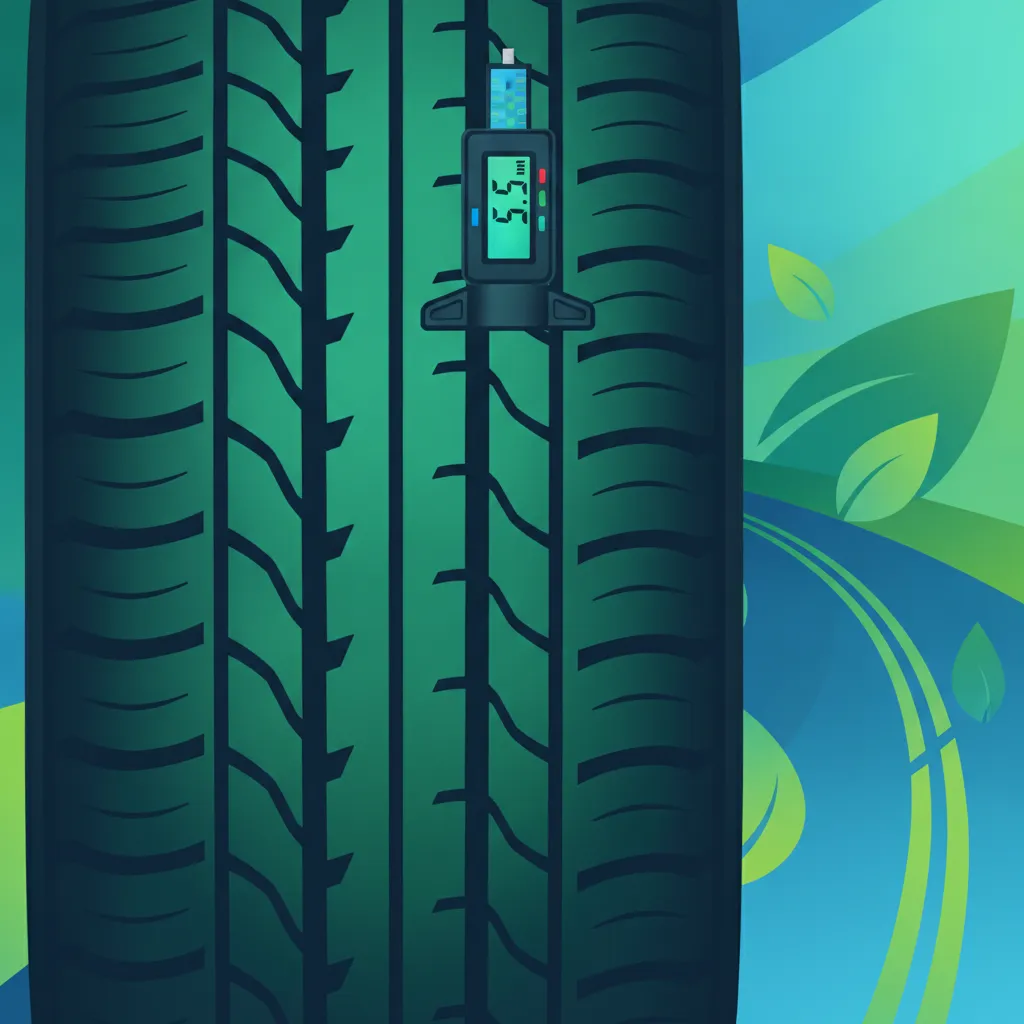
This lesson emphasizes the critical role of tyres in vehicle safety, as they are the only point of contact with the road. It details how to check for correct tyre pressure, measure tread depth to ensure it is above the legal minimum, and identify uneven wear patterns. The content explains how proper tyre maintenance is essential for optimal grip, braking, and preventing aquaplaning.

This lesson provides a comprehensive guide to a vehicle's lighting systems and their correct use according to the Codice della Strada. It explains the functions of low beams, high beams, fog lights, and daytime running lights, detailing when each should be used to ensure visibility for the driver and by other road users. Proper use of lighting is critical for safety during night driving and in conditions of poor visibility.
This lesson bridges the gap between general traffic laws and their specific application to heavy goods vehicles. It examines how rules regarding speed limits, lane discipline, overtaking, and priority are modified or have special considerations for trucks due to their size, weight, and reduced maneuverability. Drivers will learn to correctly interpret road signs and signals within the context of operating a large vehicle, ensuring safe and compliant integration with other traffic.
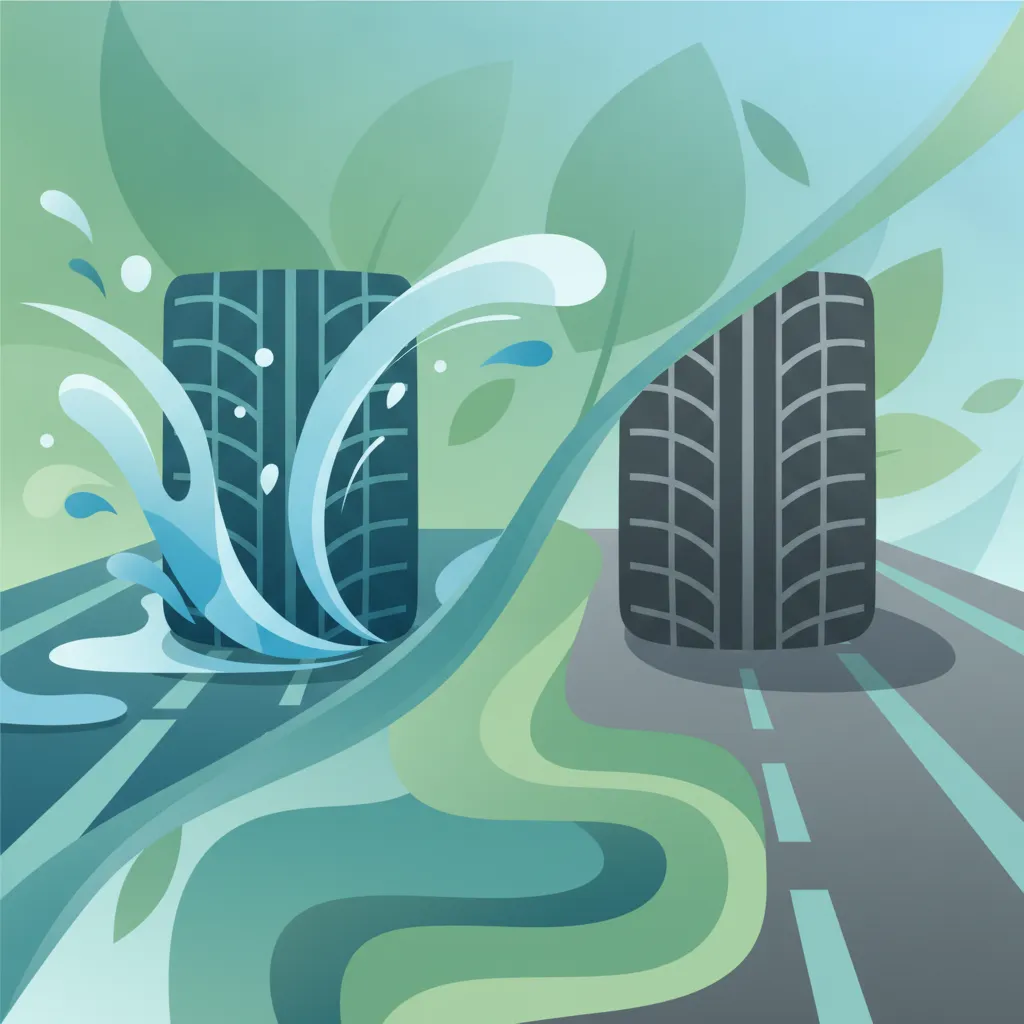
This lesson explains the physical effects of different weather conditions on motorcycle safety. It details how rain reduces tyre adhesion and increases the risk of hydroplaning, while fog severely limits visibility, requiring a significant reduction in speed. The content also covers how extreme heat and cold can affect tyre pressure and compound performance, necessitating adjustments from the rider.

This lesson examines the set of legal obligations for all drivers holding a Patente B license under the Codice della Strada. It covers mandatory responsibilities such as maintaining valid vehicle insurance, ensuring proper registration, and adhering to periodic technical inspection (revisione) schedules. The content also emphasizes the legal requirement to carry necessary documents while driving and the penalties for non-compliance.

This lesson addresses how adverse weather can compromise load securing arrangements. It explains how rain and ice can reduce the friction between the load and the vehicle bed, and how some lashing materials like webbing straps can stretch when wet, losing tension. Learners will understand the need to check and re-tighten securing equipment during journeys in bad weather and to take extra precautions to account for reduced friction.
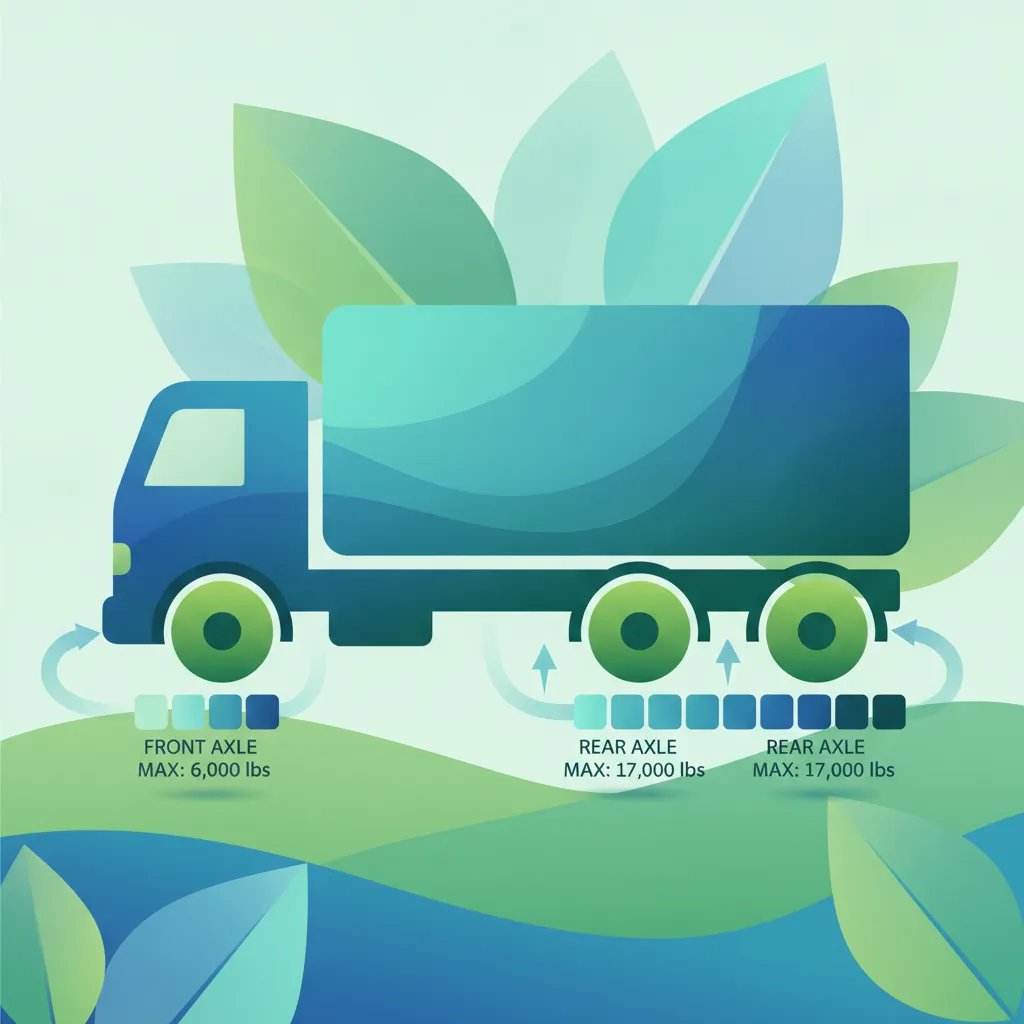
This lesson details the legal restrictions on the weight that can be supported by a single axle or a group of axles. It explains the importance of distributing the load correctly across the vehicle's length to prevent exceeding these limits, which can cause significant road damage and compromise vehicle safety. Learners will understand the relationship between load placement, axle pressure, and overall stability, particularly during braking and cornering.
This lesson provides essential guidance on how to adjust driving techniques for a range of hazardous weather conditions. It covers reducing speed and increasing following distances in rain to prevent aquaplaning, using lights correctly in fog, and understanding the vehicle's reduced traction on snow and ice. It also explains how to anticipate and counteract the effects of strong crosswinds on high-sided vehicles.
This lesson details three interconnected and critical safety areas: tyres, suspension, and wheels. It teaches drivers how to conduct thorough visual inspections of tyres for correct inflation, sufficient tread depth, and any signs of damage. The lesson also explains the function of different suspension types and emphasizes the absolute importance of checking that all wheel fastenings are secure to prevent catastrophic failure.

This lesson provides a detailed overview of the legal framework for load securing in Italy, focusing on the relevant articles of the Codice della Strada. It outlines the driver's legal responsibility for ensuring the load is secure and covers the standards that securing equipment must meet. Learners will be made aware of the significant fines and other penalties that can be imposed for violations, reinforcing the importance of diligent compliance.
Learn essential techniques for managing and correcting vehicle skids caused by reduced grip in rain, fog, snow, or ice. This lesson covers front-wheel and rear-wheel skids, and how to regain control safely according to driving theory principles.
This lesson focuses on how to adapt riding techniques to maintain traction on compromised surfaces. It identifies common hazards such as wet leaves, manhole covers, gravel, and painted lines that can reduce the tyre's grip. Learners will understand how to use smooth and gentle throttle, brake, and steering inputs to prevent traction loss and maintain control in these challenging situations.
This lesson provides essential guidance on how to adjust driving techniques for a range of hazardous weather conditions. It covers reducing speed and increasing following distances in rain to prevent aquaplaning, using lights correctly in fog, and understanding the vehicle's reduced traction on snow and ice. It also explains how to anticipate and counteract the effects of strong crosswinds on high-sided vehicles.

This lesson trains riders to recognize and safely negotiate common road surface hazards that can suddenly reduce traction. It covers the risks posed by elements like loose gravel, wet leaves, painted lines, and manhole covers, especially when wet. The content provides strategies for scanning the road ahead to identify these dangers early and using smooth control inputs to maintain stability when crossing them.
This lesson explains the physical effects of different weather conditions on motorcycle safety. It details how rain reduces tyre adhesion and increases the risk of hydroplaning, while fog severely limits visibility, requiring a significant reduction in speed. The content also covers how extreme heat and cold can affect tyre pressure and compound performance, necessitating adjustments from the rider.
This lesson details correct braking techniques, emphasizing progressive application of both front and rear brakes for optimal stopping power. It explains the function of ABS in preventing wheel lock-up on slippery surfaces like wet roads or gravel. You will learn how different surfaces affect braking distance and how to adjust braking force to maintain control.
This lesson addresses how adverse weather can compromise load securing arrangements. It explains how rain and ice can reduce the friction between the load and the vehicle bed, and how some lashing materials like webbing straps can stretch when wet, losing tension. Learners will understand the need to check and re-tighten securing equipment during journeys in bad weather and to take extra precautions to account for reduced friction.

This lesson teaches riders how to maintain a safe following distance using the two-second rule, which accounts for reaction time and braking distance. It covers grip management, explaining how tire condition and road surfaces like wet asphalt affect traction. Mastering these concepts is essential for anticipating hazards and preventing rear-end collisions.
This lesson covers the techniques for executing a controlled emergency stop in a heavy goods vehicle. It explains the function of Anti-lock Braking Systems (ABS) in preventing wheel lock-up and maintaining steering control during maximum braking effort. Learners will understand how to brace for the effects of rapid deceleration and anticipate potential load shifts, focusing on bringing the vehicle to a stop as quickly and safely as possible.
Find clear answers to common questions learners have about Adverse Weather Conditions: Rain, Fog, Snow, Ice. Learn how the lesson is structured, which driving theory objectives it supports, and how it fits into the overall learning path of units and curriculum progression in Italy. These explanations help you understand key concepts, lesson flow, and exam focused study goals.
Winter equipment is mandatory on many roads during the winter season, typically indicated by specific road signs. It is essential to check local ordinances, as some mountain roads require these devices regardless of current conditions during winter months.
You must increase your following distance significantly because wet asphalt reduces tyre grip and increases your total stopping distance. A good rule is to double or triple your normal distance depending on the intensity of the rainfall.
Use your low-beam headlights and your rear fog lights. Never use high-beam headlights in fog, as the light reflects off the water droplets and creates a glare that severely restricts your own visibility.
Avoid sudden braking or sharp steering movements. Keep the steering wheel steady and gently lift your foot off the accelerator to regain traction slowly. If you have ABS, apply firm pressure if emergency braking is necessary.
Start searching now to pinpoint exactly which Italian driving theory topics, road signs, or traffic rules you need to master. Use our advanced filters to build a custom practice session and ensure you're fully prepared for every aspect of your official driving licence exam.