
Logo
Italian Driving Theory Courses

Lesson 6 of the Fatigue, Legal Consequences, Breakdowns, Fire, Load Incidents and Emergencies unit

Italian Goods Vehicle Theory (C): Reporting Incidents and Interaction with Authorities

This lesson covers the critical administrative and legal procedures required after a road incident. You will learn how to correctly manage documentation like the CAI form and maintain a professional, compliant demeanor when interacting with Italian authorities.

incident reportingCAI formprofessional drivingItalian traffic lawexam prep
Italian Goods Vehicle Theory (C): Reporting Incidents and Interaction with Authorities

Lesson content overview

Italian Goods Vehicle Theory (C)

Navigating Post-Accident Procedures for Goods Vehicle Drivers in Italy

For professional drivers operating heavy goods vehicles (HGVs) in Italy, understanding the administrative and legal procedures following an accident or incident is paramount. This lesson outlines the critical steps required, from documenting the scene to interacting with authorities, ensuring compliance with the Italian Codice della Strada (Traffic Law) and facilitating smooth insurance processes. Adhering to these protocols is not only a legal obligation but also essential for accountability, accurate record-keeping, and contributing to overall road safety.

An incident involving a heavy goods vehicle, regardless of its severity, triggers a series of legal and procedural requirements. Your immediate actions and subsequent reporting can significantly impact insurance claims, legal liability, and future road safety analyses. This section provides an overview of why these procedures are so important for professional drivers in Italy.

The Importance of Prompt and Accurate Accident Reporting

Accurate documentation and timely reporting are fundamental. They create a reliable record of the incident, which is crucial for determining liability and processing insurance claims efficiently. Moreover, the data collected from accident reports contributes to official statistics, helping authorities identify dangerous road segments or common accident causes, leading to improvements in road infrastructure and safety regulations.

For professional drivers, precise reporting also protects against potential fraudulent claims and ensures that responsibilities are correctly assigned according to the law. A clear, factual account helps to avoid prolonged legal disputes and minimizes financial repercussions for the driver and their employer. Understanding and fulfilling these obligations is a key aspect of professional driving in Italy.

The Constatazione Amichevole di Incidente (CAI): Your Italian Accident Report Form

The Constatazione Amichevole di Incidente (CAI), often referred to as the "friendly accident statement," is a standardized two-part document used throughout Italy. Its primary purpose is to facilitate the mutual exchange of accident data between involved parties and streamline the insurance claim process. Although its name suggests an amicable agreement, completing it is a mandatory administrative step after any incident involving two or more vehicles, even if fault is disputed.

Structure of the CAI: Modello 1 and Modello 2 Explained

The CAI form is composed of two main parts:

  • Modello 1: This section is typically completed by the driver who is considered to have caused the incident or by one of the involved parties, providing their details and their account of the event.
  • Modello 2: This section is completed by the driver of the other vehicle involved or, if present, by a police officer, detailing their perspective and information.

Both Modello 1 and Modello 2 are identical in content and are designed to be filled out simultaneously, often using carbon paper. The form records essential details such as vehicle information, driver identification, insurance policy data, the precise location and time of the incident, and a diagram illustrating the dynamics of the collision. It is critical that both drivers sign both parts of the form to acknowledge the information exchanged, even if they do not agree on the fault.

Filling Out the CAI Correctly: Avoiding Common Mistakes

Completing the CAI form accurately is vital. Here are common pitfalls to avoid:

How to Complete the CAI Form

  1. Complete All Fields: Do not leave any sections blank. If a field is not applicable, mark it as "N/A." Missing information can delay claim processing.

  2. Accurate Dates and Times: Double-check that the date and time of the incident are correct. Even minor discrepancies can raise questions.

  3. Correct Driver Details: Verify the other driver's personal identification, driving license category (Patente di guida), and contact information against their documents.

  4. Vehicle Registration (Libretto): Ensure all vehicle details, including registration number, make, model, and chassis number, match the vehicle registration document.

  5. Insurance Information (Foglio Rosso): Confirm the insurance company name and policy number are precisely recorded from the insurance certificate.

  6. Diagram and Description: Draw a clear and concise diagram of the accident scene, indicating the position of vehicles before, during, and after impact, road markings, and relevant signs. Provide a brief, factual description of how the incident occurred, avoiding speculative language or admissions of guilt.

  7. Sign Both Parts: Both drivers must sign both Modello 1 and Modello 2. This signifies agreement on the facts exchanged, not necessarily on fault.

Tip

Always carry a spare CAI form in your heavy goods vehicle. Although some police forces may provide them, having your own ensures you are prepared for any eventuality.

Essential Information Exchange Requirements at the Accident Scene

Beyond the CAI form, specific documents and personal data must be exchanged with other parties involved in an incident. This exchange is mandated by law (specifically Article 146 of the Codice della Strada) and is crucial for proper identification and insurance verification.

Key Documents for Italian Goods Vehicle Drivers

When involved in an accident, be prepared to present the following documents:

  • Libretto (Vehicle Registration Document): This official document contains all identification details of your heavy goods vehicle, including its registration number, make, model, and technical specifications.
  • Patente di Guida (Driver’s License): Your valid driver's license, clearly indicating the heavy goods vehicle categories you are authorized to drive (e.g., C, CE).
  • Foglio Rosso (Insurance Certificate): This document serves as proof of your vehicle's insurance coverage, specifically third-party liability (Responsabilità Civile Auto, RCA). It confirms that your vehicle is legally insured.
  • Carta di Revisione (Technical Inspection Certificate): This certificate confirms that your vehicle has undergone and passed its mandatory technical inspection, ensuring its roadworthiness.

In addition to these documents, you should exchange personal details such as your full name, address, phone number, and tax code (codice fiscale) if requested.

Penalties for Failing to Provide Required Information

Failure to exchange the correct information or to present the required documents at the scene of an accident can lead to significant penalties. Article 146 of the Codice della Strada stipulates that drivers who do not comply with these requirements can face fines. Such non-compliance not only results in legal repercussions but also significantly complicates the insurance claim process, potentially leading to delays or even denial of compensation.

Warning

Never assume that a minor accident does not require full documentation exchange. Even cosmetic damage warrants the complete process to avoid future disputes.

Professional Interaction with Italian Authorities Post-Incident

Should police officers, Carabinieri, or other officials arrive at the scene of an incident, your interaction must be professional, cooperative, and transparent. Their role is to investigate, document the facts, and ensure public safety. As a professional driver, your conduct will reflect on your professionalism and can influence the outcome of their assessment.

Your Role When Police or Officials Arrive

Upon the arrival of authorities, your primary responsibilities include:

  1. Scene Management: Follow any instructions given by the police regarding scene management, such as moving your vehicle if it's obstructing traffic or if it's safe to do so. If the vehicle is immobile and creating a hazard, ensure warning triangles are deployed and hazard lights are active.
  2. Document Provision: Be prepared to immediately present your vehicle's libretto, your patente di guida, and the foglio rosso upon request. You may also be asked to show the completed CAI form if it has already been filled out.
  3. Statement of Facts: Provide a clear, concise, and factual description of the incident. Stick to what you observed and experienced. Avoid speculation, assumptions, or blaming other parties.
Definition

Collaborazione

Cooperation with authorities means following their instructions, providing requested information and documents promptly, and refraining from obstructing their investigation in any way.

Cooperating with Law Enforcement: Providing Factual Statements

Cooperation with police investigations is not optional; it is a legal duty under Article 145 of the Codice della Strada. When providing a statement:

  • Be Impartial: Describe the sequence of events objectively.
  • Be Concise: Avoid unnecessary details or emotional language.
  • Be Consistent: Ensure your statement is consistent with the information provided on the CAI form. Contradictory statements can undermine your credibility and lead to further scrutiny.
  • Ask for Clarification: If you do not understand a question, politely ask the officer to rephrase it.

Refusing to cooperate, providing false information, or obstructing police work can lead to additional fines, points on your driver's license (punti di patente), and potentially criminal charges. It is always in your best interest to remain calm and fully cooperative.

Timely reporting is a critical aspect of incident management for heavy goods vehicle drivers in Italy. There are specific timeframes within which you must report an accident to your insurer and, under certain conditions, to the police. Failure to meet these deadlines can have severe consequences for your insurance claim and legal standing.

Immediate Actions and Subsequent Reporting to Insurance

Article 193 of the Codice della Strada mandates that the CAI form, once completed and signed, must be submitted to the relevant insurance companies within five days of the incident. However, most insurance policies, by contractual terms, require notification within three days of an accident. It is always advisable to adhere to the stricter, shorter timeframe to ensure your claim is processed without issues.

Immediate and Subsequent Reporting Steps

  1. Secure the Scene: Immediately after stopping safely and activating hazard lights, ensure the scene is safe (e.g., place warning triangles, if appropriate).

  2. Exchange Information: Complete the CAI form and exchange all required documents with other involved parties.

  3. Contact Emergency Services (if necessary): If there are injuries, significant damage, fire, or the road is dangerously obstructed, call 112 (European emergency number) immediately.

  4. Notify Your Insurer: Contact your insurance company as soon as practically possible, ideally within 24 hours, but certainly within the contractual 3-day limit. Submit the completed CAI form within the 5-day legal window.

  5. Follow Up: Keep records of all communications with your insurer and any authorities.

Reporting Single-Vehicle Accidents in Italy

Even if you are involved in an accident with only your heavy goods vehicle (e.g., hitting a stationary object, skidding off the road), the obligation to report the incident to your insurer remains. You must still complete the Modello 2 section of the CAI form, detailing the circumstances, and submit it within the 5-day legal timeframe. This ensures proper documentation for your insurance claim, covering damages to your own vehicle. Failing to report such incidents can lead to claim denial and potential fines for non-compliance with reporting obligations.

Key Italian Traffic Laws (Codice della Strada) Governing Incident Reporting

The Italian Codice della Strada provides the legal framework that dictates how drivers must act following an accident. Understanding these specific articles is crucial for compliance and avoiding legal penalties.

Article 149: The Duty to Stop and Assist

This article unequivocally states that all drivers involved in an accident, whether or not there are injuries, must stop at the scene. The primary purpose is to prevent secondary accidents and to enable the necessary exchange of information and reporting. Failure to stop is considered a serious offense, often referred to as "omissione di soccorso" (failure to provide assistance) if injuries are present, carrying severe legal consequences.

Article 146: Document Exchange Mandates

Article 146 explicitly obliges drivers involved in an accident to exchange a minimum set of documents and personal data with other parties. This includes the vehicle registration document (libretto), driver's license (patente di guida), and insurance certificate (foglio rosso). This mandate ensures proper identification and facilitates the insurance claim process. Non-compliance results in administrative fines.

Article 145 and 191: Cooperation with Authorities

  • Article 145: This article generally covers the duties of drivers to behave correctly on the road, which implicitly includes cooperating with law enforcement in investigations.
  • Article 191: This article specifically empowers police officers to request the CAI form and related documents from drivers present at an accident scene. Drivers are legally obliged to provide these documents and cooperate with police instructions and investigations. Obstruction of police work can lead to fines and potentially more serious charges.

Article 193: CAI Form Submission Deadlines

Article 193 establishes the legal timeframe for completing and submitting the CAI form. It dictates that the form must be completed within five days of the incident. This ensures that essential details are documented while they are still fresh in the minds of the involved parties, supporting accurate claims and investigations.

Article 166: Consequences of Document Non-Compliance

Article 166 outlines the penalties for failing to present required documents to authorities or other parties when legally obligated. These penalties can range from administrative fines to more severe consequences, depending on the specific document missing and the circumstances of the non-compliance. These regulations are in place to encourage adherence to reporting requirements and prevent fraud.

Common Errors and Violations in Incident Management for HGV Drivers

Despite clear regulations, heavy goods vehicle drivers sometimes make critical errors during incident management that can exacerbate the situation and lead to further legal and financial penalties. Being aware of these common violations can help you avoid them.

Avoiding Failure to Stop or Report Incidents

  • Failure to Stop at the Scene: This is one of the most serious violations. Drivers must immediately and safely pull over after an accident, activate hazard lights, and assess the situation. Fleeing the scene (a "hit-and-run") carries severe fines, points on the license, and potential criminal liability, especially if injuries are involved.
  • Refusing to Exchange Documents: Denying other parties or authorities access to your libretto, patente di guida, or foglio rosso is a direct violation of Article 146 and can result in significant fines and legal complications.
  • Not Reporting Minor Accidents: Believing that "minor" damage doesn't require reporting is a common misconception. All accidents involving other parties or causing damage to property (even your own HGV) must be documented via the CAI form and reported to your insurer to ensure proper claim processing.

Ensuring Accuracy and Completeness in Documentation

  • Incomplete or Inaccurate CAI Forms: Leaving fields blank, providing incorrect dates or details, or failing to draw a clear diagram can lead to disputes and the potential denial of insurance claims. Take your time to fill out the form thoroughly.
  • Contradictory Statements: Providing different accounts of the incident to different parties (e.g., to the other driver versus to the police) can undermine your credibility and lead to accusations of false reporting or obstruction of justice. Always provide a consistent, factual narrative.
  • Delayed Reporting to Insurer: Exceeding the 3-day (contractual) or 5-day (legal) deadline for notifying your insurance company can result in the rejection of your claim or significantly reduced compensation.

Contextual Considerations for Heavy Goods Vehicle Incidents

The general rules for incident reporting apply universally, but specific environmental and vehicle-related factors can influence how you manage an accident involving a heavy goods vehicle.

Adapting to Weather and Road Conditions

  • Rain or Fog: In adverse weather, visibility is reduced. Ensure your hazard lights are fully functional and clearly visible. If your vehicle is disabled or obstructing traffic, place reflective warning triangles at appropriate distances (e.g., at least 50 meters on conventional roads, 100 meters on motorways, further if visibility is poor) before exiting the vehicle to warn approaching traffic.
  • Snow or Ice: These conditions increase stopping distances and make maneuverability difficult. Be extra cautious when stopping and exiting the vehicle. Clear snow from all lights and reflective surfaces.
  • Urban Intersections: Due to dense traffic, it's crucial to stop immediately but safely, activate hazard lights, and proceed with information exchange as quickly as possible to minimize disruption.
  • Motorways: If possible and safe, move your heavy goods vehicle to the hard shoulder. If not, secure the scene with hazard lights and warning triangles without delay. Inform other parties of the vehicle's large size and potential extended stopping distance.

Managing Incidents with Heavy Loads or Trailers

  • Load Shift or Spillage: If an accident results in a load shift or spillage, prioritize securing the remaining load to prevent further incidents. If there's any spillage, especially hazardous materials, immediately activate hazard lights, place warning triangles, and notify emergency services (112) for specialized assistance. This is critical for environmental safety and preventing further road hazards.
  • Vehicle Immobilization: The sheer size and weight of an HGV mean that even minor damage can render it immobile. If your vehicle cannot be moved, ensure adequate warning to other road users using hazard lights and warning triangles at appropriate distances, especially on curves or slopes. Inform other parties about the challenges of moving a large vehicle.
  • Extended Stopping Distance: Always inform the other party if your heavy goods vehicle was carrying a heavy load, as this significantly affects braking performance and stopping distance, which might be relevant for accident reconstruction.

Interactions Involving Vulnerable Road Users

When an accident involves vulnerable road users such as pedestrians or cyclists, additional caution and legal obligations apply.

  • Priority of Assistance: Your absolute first priority, after securing the immediate scene, is to provide assistance to any injured vulnerable road users and immediately call emergency services (112).
  • Careful Approach: Be extremely careful when exiting your HGV and moving around the scene to avoid causing further injury or damage.
  • Police Involvement: Incidents involving vulnerable road users almost always require police presence due to the higher risk of injury and the specific legal protections afforded to them. Fully cooperate with the police investigation, providing an accurate account without prejudice.

The consistent application of correct incident procedures yields significant benefits, both in terms of legal outcomes and overall road safety. Accurate documentation provides a strong basis for liability determination, reducing the likelihood of prolonged legal battles and ensuring fair compensation for damages. It prevents fraudulent claims and establishes clear responsibilities, which is crucial for the heavy goods vehicle driver and their company.

Furthermore, cooperative and factual interaction with authorities facilitates swift investigations and reduces the chances of additional fines or legal complications for obstructive behavior. Psychologically, maintaining a calm and factual demeanor after an incident helps to de-escalate tensions and promotes a more objective assessment of events. Ultimately, proper incident reporting and interaction contribute to a comprehensive database of accident information, which is invaluable for improving vehicle safety standards, driver training, and road infrastructure, making Italian roads safer for everyone.

Essential Vocabulary for Incident Reporting in Italy

Further Learning and Practice

Learn more with these articles

Learn more with these articles

Learn more with these articles

Check out these practice sets

Lesson recap

Quick summary before you move on

Fast revision

This lesson covers the mandatory administrative and legal procedures for heavy goods vehicle drivers following an accident in Italy, with emphasis on the CAI (Constatazione Amichevole di Incidente) form—a standardized two-part document for exchanging accident data. Key requirements include stopping at the scene per Article 149, exchanging documents (Libretto, Patente di guida, Foglio Rosso, Carta di revisione) under Article 146, and submitting the completed CAI form within the 5-day legal deadline (3-day contractual deadline). Professional conduct with police under Articles 145 and 191 involves providing factual, consistent statements without speculation. The lesson also addresses HGV-specific considerations including load spillage, adverse weather protocols, and interactions involving vulnerable road users, all framed within the Codice della Strada framework.


Core takeaways

Main ideas from this lesson

A short set of high-value points that capture the most important learning from this lesson.

The CAI (Constatazione Amichevole di Incidente) is a mandatory two-part accident report form (Modello 1 and Modello 2) required after any incident involving two or more vehicles in Italy.

Drivers must exchange documents including the Libretto (vehicle registration), Patente di guida (driver's license), Foglio Rosso (insurance certificate), and Carta di revisione (technical inspection) at the scene.

The completed CAI form must be submitted to insurance companies within five days per Article 193 of the Codice della Strada, though most policies require notification within three days.

Under Article 149, drivers must always stop at the scene of an accident to prevent secondary collisions and enable information exchange.

When authorities arrive, provide only factual, consistent statements and cooperate fully under Articles 145 and 191 to avoid additional penalties.

Remember this

Details worth keeping in mind

Point 1

Both drivers must sign both parts of the CAI form to acknowledge exchanged facts, even if they disagree on fault.

Point 2

Single-vehicle accidents (hitting stationary objects, skidding) also require CAI completion and insurer notification within the same deadlines.

Point 3

Failure to provide required documents violates Article 146 and results in administrative fines plus complications with insurance claims.

Point 4

Hazardous load spillage or shift requires immediate emergency services (112) notification beyond standard procedures.

Point 5

Never leave fields blank on official documents—mark non-applicable sections as N/A rather than leaving them empty.

Watch for this

Frequent learner mistakes

Believing minor accidents don't require full documentation—the CAI process applies to all incidents, even cosmetic damage.

Leaving CAI form fields incomplete or providing inaccurate dates/times, which can lead to claim denial.

Providing contradictory statements to different parties (other driver vs. police), which undermines credibility.

Exceeding the reporting deadlines—exceeding the 3-day contractual or 5-day legal limit can result in rejected insurance claims.

Attempting to move an immobilized HGV unsafely or failing to deploy warning triangles at appropriate distances (50m on conventional roads, 100m on motorways).

Search topics related to Reporting Incidents and Interaction with Authorities

Explore search topics learners often look for when studying Reporting Incidents and Interaction with Authorities. These topics reflect common questions about road rules, driving situations, safety guidance, and lesson level theory preparation for learners in Italy.

how to fill out CAI form Italyreporting traffic accidents Italy professional driverC license theory exam incident procedureswhat to do after accident heavy vehicle Italyinteracting with police after road incident Codice della Stradaprofessional driver documentation requirements Italyaccident report form for Italian goods vehicle license

Related driving theory lessons for Reporting Incidents and Interaction with Authorities

Browse additional driving theory lessons that cover connected traffic rules, road signs, and common driving situations related to this topic. Improve your understanding of how different rules interact across everyday traffic scenarios.

Italian Accident Report Form CAI and Authority Interaction Explained

Understand the step-by-step process for completing the CAI form in Italy after an incident. Learn essential information exchange requirements and how to professionally interact with police and other authorities following a heavy goods vehicle accident.
CAI formincident reportingItalian traffic lawheavy goods vehicleauthority interaction
Load Loss, Spillage, and Accident Scenarios lesson image

Load Loss, Spillage, and Accident Scenarios

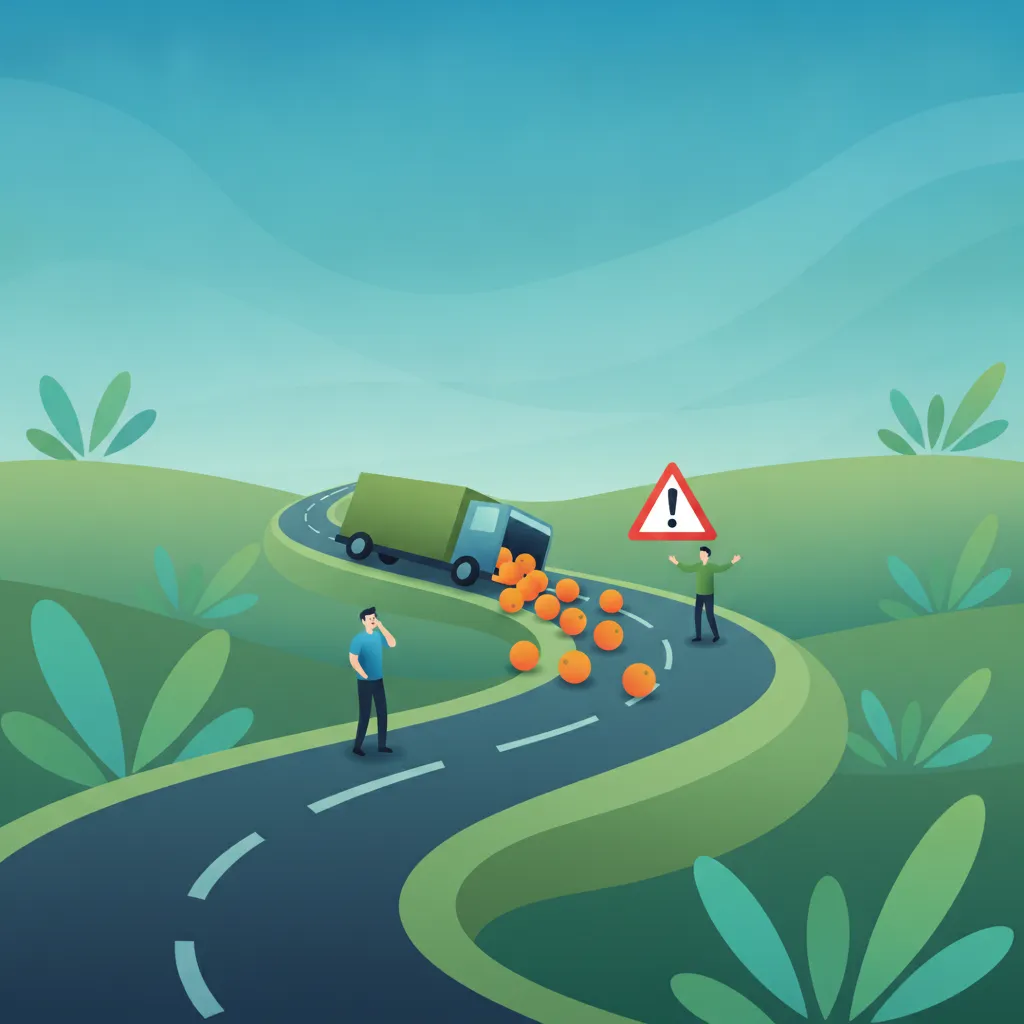
This lesson prepares drivers for incidents beyond a simple breakdown, such as losing part of the load onto the roadway or dealing with a spillage. It outlines the immediate priorities: ensuring personal safety, warning other traffic of the hazard, and notifying the authorities. The lesson also covers the fundamental principles of managing an accident scene, including protecting the area, assessing for casualties, and providing essential information to emergency services.

Italian Goods Vehicle Theory (C)Fatigue, Legal Consequences, Breakdowns, Fire, Load Incidents and Emergencies
View lesson
Legal Requirements for Load Securing in Italy lesson image

Legal Requirements for Load Securing in Italy

This lesson provides a detailed overview of the legal framework for load securing in Italy, focusing on the relevant articles of the Codice della Strada. It outlines the driver's legal responsibility for ensuring the load is secure and covers the standards that securing equipment must meet. Learners will be made aware of the significant fines and other penalties that can be imposed for violations, reinforcing the importance of diligent compliance.

Italian Goods Vehicle Theory (C)Loads, Weight Distribution, Load Securing and Vehicle Stability
View lesson
Documentation and Certification Requirements lesson image

Documentation and Certification Requirements

This lesson provides a comprehensive overview of the essential documentation required for both the driver and the vehicle. It covers the driver's license (patente), CQC card, vehicle registration (carta di circolazione), insurance certificate, and transport-specific documents like the cargo manifest. Learners will understand the importance of ensuring all documents are valid and readily available for inspection by authorities to avoid legal penalties and operational delays.
Italian Goods Vehicle Theory (C)C1, C1E, C and CE Scope, Responsibilities and Professional Context
View lesson
Procedures in Case of Breakdown or Accident lesson image

Procedures in Case of Breakdown or Accident

This lesson equips riders with the correct procedures to follow in the event of a breakdown or accident. It covers how to move the vehicle to a safe location, alert other traffic, and contact emergency services using the universal 112 number. You will also learn the basics of accident scene management and the necessary steps for reporting the incident to police and insurance.

Italian Driving Theory AMRisk Behaviour, Legal Consequences, Breakdowns and Emergencies
View lesson
Legal Responsibilities after Accidents and Penalties lesson image

Legal Responsibilities after Accidents and Penalties

This lesson outlines the mandatory legal procedures a rider must follow after being involved in a traffic accident. It covers the obligation to stop, render aid if necessary, and report the incident to the appropriate authorities. The content explains the process of exchanging information with other parties, documenting the scene for insurance purposes, and the potential legal and financial liabilities that may arise.

Italian Motorcycle Theory AHuman Factors, Legal Consequences, Breakdowns, Crashes and Emergencies
View lesson
Legal Framework and Professional Obligations lesson image

Legal Framework and Professional Obligations

This lesson delves into the specific articles of the Italian Codice della Strada that apply to heavy goods vehicles. It outlines the core legal and professional obligations of a driver, including the heightened duty of care owed to other road users and the responsibility for the vehicle's roadworthiness and load. Learners will understand the legal consequences of non-compliance, such as fines and sanctions, reinforcing the importance of adhering to all traffic regulations.
Italian Goods Vehicle Theory (C)C1, C1E, C and CE Scope, Responsibilities and Professional Context
View lesson
Legal Penalties for Non-Compliance lesson image

Legal Penalties for Non-Compliance

This lesson provides a clear overview of the legal consequences for failing to comply with road transport regulations in Italy. It covers the system of fines for common offenses like speeding, overloading, and violations of driving hours. The lesson also explains the penalty point system that can lead to license suspension and touches upon the responsibilities and potential liability of the transport company.

Italian Goods Vehicle Theory (C)Fatigue, Legal Consequences, Breakdowns, Fire, Load Incidents and Emergencies
View lesson
Breakdown Handling and Roadside Assistance lesson image

Breakdown Handling and Roadside Assistance

This lesson provides a step-by-step guide for managing a vehicle breakdown safely. It reinforces the procedure for stopping on the hard shoulder, activating hazard lights, and placing a warning triangle at the correct distance. The lesson emphasizes the importance of wearing high-visibility clothing, exiting the vehicle from the side away from traffic, and waiting in a safe location before contacting a roadside assistance service.

Italian Goods Vehicle Theory (C)Fatigue, Legal Consequences, Breakdowns, Fire, Load Incidents and Emergencies
View lesson
Parking, Loading, and Unloading Protocols lesson image

Parking, Loading, and Unloading Protocols

This lesson outlines the correct protocols for stopping to make a delivery in a public area. It covers the legal use of designated loading bays, the importance of making the vehicle highly visible with hazard lights, and ensuring that the parking brake is securely applied. The lesson stresses the need to conduct loading and unloading activities efficiently and safely, without causing undue obstruction or danger to other road users and pedestrians.
Italian Goods Vehicle Theory (C)Urban Deliveries, Vulnerable Road Users and Restricted Environments
View lesson
Axle Load Distribution and Limits lesson image

Axle Load Distribution and Limits

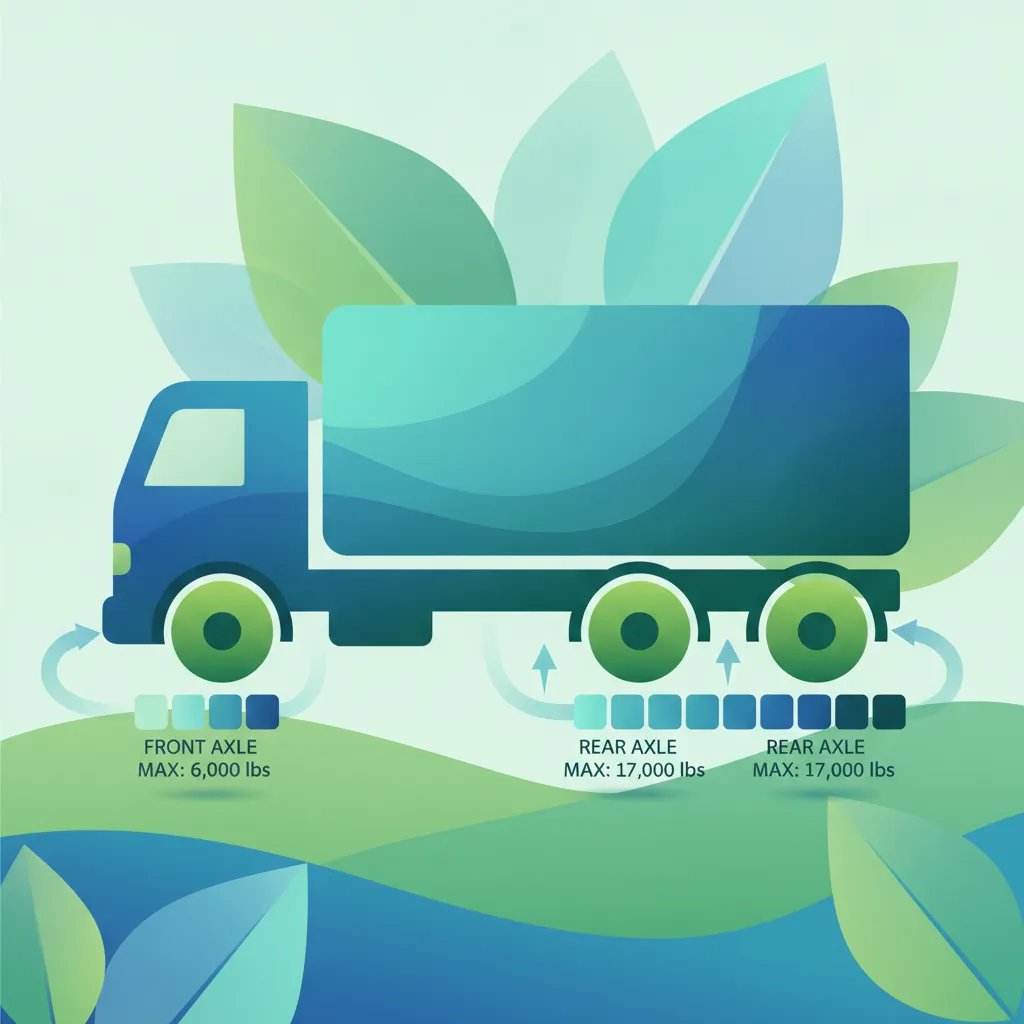
This lesson details the legal restrictions on the weight that can be supported by a single axle or a group of axles. It explains the importance of distributing the load correctly across the vehicle's length to prevent exceeding these limits, which can cause significant road damage and compromise vehicle safety. Learners will understand the relationship between load placement, axle pressure, and overall stability, particularly during braking and cornering.

Italian Goods Vehicle Theory (C)Heavy-Vehicle Dimensions, Masses, Axle Loads and Operating Limits
View lesson

Legal Framework for HGV Incident Reporting in Italy

Explore the specific articles of the Italian Codice della Strada that govern incident reporting, document exchange, and your duties when interacting with authorities after a traffic accident involving a heavy goods vehicle.

Italian traffic lawCodice della Stradalegal obligationsHGV driveraccident reporting
Legal Responsibilities after Accidents and Penalties lesson image

Legal Responsibilities after Accidents and Penalties

This lesson outlines the mandatory legal procedures a rider must follow after being involved in a traffic accident. It covers the obligation to stop, render aid if necessary, and report the incident to the appropriate authorities. The content explains the process of exchanging information with other parties, documenting the scene for insurance purposes, and the potential legal and financial liabilities that may arise.

Italian Motorcycle Theory AHuman Factors, Legal Consequences, Breakdowns, Crashes and Emergencies
View lesson
Legal Penalties for Non-Compliance lesson image

Legal Penalties for Non-Compliance

This lesson provides a clear overview of the legal consequences for failing to comply with road transport regulations in Italy. It covers the system of fines for common offenses like speeding, overloading, and violations of driving hours. The lesson also explains the penalty point system that can lead to license suspension and touches upon the responsibilities and potential liability of the transport company.

Italian Goods Vehicle Theory (C)Fatigue, Legal Consequences, Breakdowns, Fire, Load Incidents and Emergencies
View lesson
Legal Framework and Professional Obligations lesson image

Legal Framework and Professional Obligations

This lesson delves into the specific articles of the Italian Codice della Strada that apply to heavy goods vehicles. It outlines the core legal and professional obligations of a driver, including the heightened duty of care owed to other road users and the responsibility for the vehicle's roadworthiness and load. Learners will understand the legal consequences of non-compliance, such as fines and sanctions, reinforcing the importance of adhering to all traffic regulations.

Italian Goods Vehicle Theory (C)C1, C1E, C and CE Scope, Responsibilities and Professional Context
View lesson
Load Loss, Spillage, and Accident Scenarios lesson image

Load Loss, Spillage, and Accident Scenarios

This lesson prepares drivers for incidents beyond a simple breakdown, such as losing part of the load onto the roadway or dealing with a spillage. It outlines the immediate priorities: ensuring personal safety, warning other traffic of the hazard, and notifying the authorities. The lesson also covers the fundamental principles of managing an accident scene, including protecting the area, assessing for casualties, and providing essential information to emergency services.

Italian Goods Vehicle Theory (C)Fatigue, Legal Consequences, Breakdowns, Fire, Load Incidents and Emergencies
View lesson
Legal Requirements for Load Securing in Italy lesson image

Legal Requirements for Load Securing in Italy

This lesson provides a detailed overview of the legal framework for load securing in Italy, focusing on the relevant articles of the Codice della Strada. It outlines the driver's legal responsibility for ensuring the load is secure and covers the standards that securing equipment must meet. Learners will be made aware of the significant fines and other penalties that can be imposed for violations, reinforcing the importance of diligent compliance.

Italian Goods Vehicle Theory (C)Loads, Weight Distribution, Load Securing and Vehicle Stability
View lesson
Documentation and Certification Requirements lesson image

Documentation and Certification Requirements

This lesson provides a comprehensive overview of the essential documentation required for both the driver and the vehicle. It covers the driver's license (patente), CQC card, vehicle registration (carta di circolazione), insurance certificate, and transport-specific documents like the cargo manifest. Learners will understand the importance of ensuring all documents are valid and readily available for inspection by authorities to avoid legal penalties and operational delays.

Italian Goods Vehicle Theory (C)C1, C1E, C and CE Scope, Responsibilities and Professional Context
View lesson
Breakdown Handling and Roadside Assistance lesson image

Breakdown Handling and Roadside Assistance

This lesson provides a step-by-step guide for managing a vehicle breakdown safely. It reinforces the procedure for stopping on the hard shoulder, activating hazard lights, and placing a warning triangle at the correct distance. The lesson emphasizes the importance of wearing high-visibility clothing, exiting the vehicle from the side away from traffic, and waiting in a safe location before contacting a roadside assistance service.

Italian Goods Vehicle Theory (C)Fatigue, Legal Consequences, Breakdowns, Fire, Load Incidents and Emergencies
View lesson
Integration with General Traffic Rules lesson image

Integration with General Traffic Rules

This lesson bridges the gap between general traffic laws and their specific application to heavy goods vehicles. It examines how rules regarding speed limits, lane discipline, overtaking, and priority are modified or have special considerations for trucks due to their size, weight, and reduced maneuverability. Drivers will learn to correctly interpret road signs and signals within the context of operating a large vehicle, ensuring safe and compliant integration with other traffic.

Italian Goods Vehicle Theory (C)C1, C1E, C and CE Scope, Responsibilities and Professional Context
View lesson

Frequently asked questions about Reporting Incidents and Interaction with Authorities

Find clear answers to common questions learners have about Reporting Incidents and Interaction with Authorities. Learn how the lesson is structured, which driving theory objectives it supports, and how it fits into the overall learning path of units and curriculum progression in Italy. These explanations help you understand key concepts, lesson flow, and exam focused study goals.

What is the primary purpose of the CAI form?

The Constatazione Amichevole di Incidente (CAI) is used to document the details of a crash clearly and quickly. For professional drivers, an accurately completed form is essential for insurance processing and avoiding legal disputes.

Do I have to call the police for every incident?

While you should always exchange details with other parties, calling the police is mandatory if there are injuries, severe property damage, or if the other party refuses to provide identification or cooperate.

What documentation must a C/CE driver always have ready for an inspection?

You must always carry your driving license, vehicle registration (carta di circolazione), insurance certificate, and, if applicable, your tachograph records to prove your compliance with driving and rest hours.

How should I behave when stopped by authorities?

Remain calm, keep your hands visible, and answer questions clearly and concisely. Only provide the documents requested and avoid becoming argumentative, even if you disagree with an observation.

Ready to Find Your Next Targeted Italian Driving Theory Practice Set?

Start searching now to pinpoint exactly which Italian driving theory topics, road signs, or traffic rules you need to master. Use our advanced filters to build a custom practice session and ensure you're fully prepared for every aspect of your official driving licence exam.

Search Practice Theory Sets

Continue your Italian driving theory learning journey

Italian road signsItalian article topicsSearch Italian road signsItalian driving theory homeItalian road sign categoriesItalian driving theory topicsSearch Italian theory articlesItalian driving theory coursesItalian Driving Theory B courseItalian driving theory articlesItalian driving theory practiceItalian practice set categoriesItalian Driving Theory AM courseItalian Motorcycle Theory A courseItalian driving licence proceduresSearch Italian driving theory practiceItalian driving theory terminology A–ZItalian Goods Vehicle Theory (C) courseItalian driving theory terms and glossaryRoad Users, Core Behaviour Rules and Safe Communication unit in Italian Driving Theory BObservation, Visibility, Positioning and Communication unit in Italian Driving Theory AMPatente AM, Vehicle Types and First-Rider Responsibility unit in Italian Driving Theory AMItalian Signs, Signals, Road Markings and Priority Rules unit in Italian Driving Theory AMPatente B, Training, Examination and Driver Responsibility unit in Italian Driving Theory BMotorcycle Construction, Controls, Equipment and Safety Checks unit in Italian Motorcycle Theory AA1, A2 and A Licence Scope, Progression and Rider Responsibility unit in Italian Motorcycle Theory AHeavy-Vehicle Dimensions, Masses, Axle Loads and Operating Limits unit in Italian Goods Vehicle Theory (C)Helmet, Protective Clothing, Visibility, Observation and Communication unit in Italian Motorcycle Theory AC1, C1E, C and CE Scope, Responsibilities and Professional Context unit in Italian Goods Vehicle Theory (C)Fire Prevention and Response lesson in Fatigue, Legal Consequences, Breakdowns, Fire, Load Incidents and EmergenciesLegal Penalties for Non-Compliance lesson in Fatigue, Legal Consequences, Breakdowns, Fire, Load Incidents and EmergenciesFatigue Management and Rest Regulations lesson in Fatigue, Legal Consequences, Breakdowns, Fire, Load Incidents and EmergenciesBreakdown Handling and Roadside Assistance lesson in Fatigue, Legal Consequences, Breakdowns, Fire, Load Incidents and EmergenciesLoad Loss, Spillage, and Accident Scenarios lesson in Fatigue, Legal Consequences, Breakdowns, Fire, Load Incidents and EmergenciesReporting Incidents and Interaction with Authorities lesson in Fatigue, Legal Consequences, Breakdowns, Fire, Load Incidents and Emergencies