
This lesson details the critical safety procedures required for handling heavy vehicle breakdowns, an essential skill for all C, C1, C1E, and CE license holders. By mastering these protocols, you ensure compliance with the Italian Codice della Strada and protect yourself and other road users during roadside emergencies.
Lesson content overview
Navigating the roads as a professional driver of heavy goods vehicles (Categories C, C1, C1E, CE) requires not only skill in operation but also a comprehensive understanding of emergency procedures. One of the most critical situations a driver may encounter is a vehicle breakdown. This lesson, designed for the Italian Goods Vehicle License Theory Course, provides a step-by-step guide to safely managing a breakdown, minimizing risks to yourself, your vehicle, and other road users, and ensuring compliance with the Italian Codice della Strada.
Proper breakdown handling is a vital competence for professional drivers. It directly contributes to preventing secondary accidents, protecting vulnerable road users, and ensuring that assistance can be rendered efficiently and safely. By understanding and applying these procedures, you safeguard lives and avoid legal penalties.
A vehicle breakdown occurs when a technical malfunction or an unforeseen event prevents a vehicle from continuing to drive safely under normal conditions. This could range from a simple flat tire or engine overheating to more complex issues like brake failure or loss of power. For heavy goods vehicles, the impact of a breakdown is magnified due to their substantial mass, dimensions, and potential for carrying hazardous or unstable loads.
Recognizing the early signs of a problem—such as abnormal noises, smoke, a sudden loss of power, or unusual brake pedal feel—is crucial. Prompt identification allows you to react quickly and safely, seeking the nearest appropriate place to stop rather than continuing to drive with a developing fault, which can exacerbate the problem or create a more dangerous situation. The primary goal is always to stop the vehicle in a location that poses the least risk to traffic and yourself.
Effective breakdown management relies on several key principles designed to mitigate immediate dangers, enhance visibility, and ensure personal safety during an emergency.
The moment a breakdown occurs, your immediate priority is to reduce the danger posed by your stationary vehicle. A broken-down heavy goods vehicle creates an unexpected obstacle that can lead to traffic congestion and increase the risk of collisions, especially on high-speed roads. Prompt actions like activating hazard lights and, if safe, moving to the hard shoulder, directly address this principle.
Ensuring your broken-down vehicle is clearly visible to approaching traffic is paramount. Heavy goods vehicles are large, but their conspicuity can be significantly reduced in adverse weather, low light, or on winding roads. Utilizing hazard warning lights, deploying a warning triangle, and wearing high-visibility clothing are essential measures to compensate for reduced visibility and give other drivers ample time to react.
Exiting your vehicle safely is critical to protect yourself and any occupants from oncoming traffic. This principle emphasizes the importance of choosing the correct side to exit—always away from moving traffic—and ensuring you are wearing appropriate high-visibility clothing. Once out, the focus shifts to moving to a secure location, further away from the immediate vicinity of the breakdown.
Once the scene is secured and you are in a safe location, establishing contact with roadside assistance or emergency services becomes the next priority. This principle stresses the importance of making the call from a safe distance, away from the vehicle itself and the flow of traffic, to ensure your personal safety while awaiting professional help.
When your heavy goods vehicle experiences a breakdown, a specific sequence of actions must be followed without delay to ensure safety and comply with Italian traffic regulations.
Recognize and React: As soon as you detect a malfunction (e.g., loss of power, abnormal noise, warning light), start looking for the safest place to stop.
Activate Hazard Warning Lights: Immediately switch on your vehicle's hazard warning lights, regardless of the road type.
Move to a Safe Stopping Position: If possible, steer your vehicle onto the hard shoulder or pull as far to the right edge of the road as safely feasible.
Switch Off the Engine: Once stopped, turn off the engine to prevent further damage and reduce the risk of fire.
Check Load Stability: Before exiting, quickly assess if your load has shifted or is at risk of shifting, especially if you had to brake suddenly. If it appears unstable, take extreme caution.
Don High-Visibility Clothing: Before opening your door, put on your high-visibility vest.
Safe Egress: Exit the vehicle from the side furthest away from moving traffic.
Deploy Warning Triangle: Place the warning triangle at the legally required distance behind your vehicle.
Move to Safety: Relocate yourself and any passengers to a safe distance from the vehicle and traffic, preferably behind a barrier or well beyond the warning triangle.
Contact Assistance: From your safe location, call roadside assistance or emergency services.
Hazard warning lights are a crucial component of immediate hazard mitigation. These flashing amber lights signal to other road users that your vehicle is stationary and potentially poses a danger. According to Article 149 of the Codice della Strada, they must be activated as soon as a driver stops unexpectedly due to a breakdown and must remain on until the vehicle is removed from the traffic lane or the breakdown is resolved. This immediate visual warning is vital, especially for heavy goods vehicles which, due to their size, can be difficult for other drivers to perceive as stationary, particularly at night or in poor weather conditions.
The primary objective when stopping due to a breakdown is to remove your vehicle from the flow of traffic as much as possible. On motorways and expressways, this means pulling immediately onto the hard shoulder (in Italian, corsia di emergenza), which is the paved area adjacent to the main carriageway designed for emergencies. Article 149 bis of the Codice della Strada makes this mandatory where a hard shoulder exists.
If you are on a road without a designated hard shoulder, you must pull as far onto the right-hand edge of the road as safely feasible. This reduces the obstruction to traffic flow and minimizes the risk of other vehicles colliding with your heavy goods vehicle. Stopping directly in a traffic lane without making an effort to move to the side is illegal and extremely dangerous, especially for large vehicles that significantly impede traffic.
Once your vehicle is safely stopped and its hazard lights are activated, the next steps involve enhancing visibility for approaching traffic and ensuring your personal safety.
The warning triangle is a portable, reflective device designed to provide an additional visual warning beyond your vehicle's lights. Its correct placement is critical, as the distance behind your vehicle dictates how much warning time other drivers receive. The Codice della Strada, specifically Article 149 bis, mandates precise placement distances which vary depending on the type of road and its speed limit.
Always carry a compliant warning triangle and high-visibility vest in your heavy goods vehicle, as these are mandatory safety items in Italy.
Mandatory Warning Triangle Placement Distances in Italy:
Placing the triangle too close to your vehicle significantly reduces its effectiveness, as drivers may not see it in time, especially when traveling at higher speeds. When deploying the triangle, walk facing oncoming traffic, being extremely cautious of your surroundings.
Your personal visibility is just as important as your vehicle's. Article 149 of the Codice della Strada makes the use of high-visibility clothing mandatory. This usually refers to a fluorescent vest with reflective strips.
A fluorescent garment with reflective strips, designed to make the wearer highly conspicuous to others, especially in low-light conditions or when visibility is poor.
You must put on your high-visibility vest before exiting your vehicle on the roadside, day or night, and in all weather conditions. This ensures that you are clearly seen by approaching traffic as soon as you step out of the vehicle, reducing the risk of being struck. Assuming a regular jacket is sufficient is a common misunderstanding; only approved high-visibility clothing provides the necessary level of conspicuity.
Exiting the vehicle in a manner that minimizes your exposure to traffic is a crucial safety step, especially for heavy goods vehicles which are often wider and higher than passenger cars. According to Article 150 of the Codice della Strada, occupants must exit the vehicle from the side away from moving traffic.
On dual carriageways and motorways, this typically means exiting on the left side of the vehicle, stepping onto the hard shoulder or beyond any safety barriers. If you are on a two-way rural road, you would exit onto the side of the road where there is no oncoming traffic or a safer verge. Always be mindful of your surroundings, look carefully before opening the door, and move away from the vehicle quickly once outside. Never exit directly into a live traffic lane.
Once you have secured the breakdown scene and ensured your personal safety, the next critical step is to arrange for professional assistance.
After deploying the warning triangle and moving to a safe location, you should contact roadside assistance. This can be done via your mobile phone, a dedicated roadside assistance app, or, on motorways, by using an emergency call box (SOS column).
When making the call, provide clear and concise information:
It is essential to make this call from a safe distance from your vehicle. Do not remain next to your heavy goods vehicle, as it continues to be a potential hazard.
While awaiting the arrival of roadside assistance or emergency services, you and any passengers must remain in a safe location. On motorways, it is recommended to move at least 100 meters away from your broken-down vehicle, ideally behind the safety barrier, and beyond the warning triangle. This provides a substantial buffer zone, protecting you from potential secondary collisions or straying vehicles.
Even on urban or rural roads, do not stand or wait in the traffic lane or immediately next to your heavy goods vehicle. Position yourself as far away from the roadway as possible, using verges, sidewalks, or other safe areas. Your safety is paramount, and staying clear of the immediate vicinity of the breakdown minimizes your risk.
Breakdown procedures are not one-size-fits-all; they must be adapted to various environmental and contextual factors, particularly for heavy goods vehicles.
Motorways present the highest risk due to fast-moving traffic. The standard protocols are strictly enforced:
On urban streets or rural two-lane roads, hard shoulders may not be present, requiring different adaptations:
Adverse weather conditions such as fog, heavy rain, snow, or darkness significantly reduce visibility, making breakdowns even more hazardous for heavy goods vehicles.
Adhering to the specific articles of the Italian Codice della Strada is not just about safety, but also about legal compliance and avoiding penalties.
Failure to comply with these regulations can result in significant fines and, in some cases, points deducted from your driver's license. For professional drivers, maintaining a clean record is essential.
Many drivers, particularly those less experienced with heavy goods vehicles or specific Italian regulations, can inadvertently make mistakes during a breakdown. Understanding these common violations can help you avoid them.
A CE category articulated lorry experiences a sudden loss of engine power on a busy Italian motorway (speed limit 120 km/h). Driver Actions:
A C1 category truck develops a puncture on a winding rural Italian road (speed limit 80 km/h) during heavy rainfall and poor light. Driver Actions:
Managing a heavy goods vehicle breakdown effectively is a core responsibility for professional drivers in Italy. It requires not only knowledge of the specific rules and regulations of the Codice della Strada but also a commitment to personal safety and the safety of others. Always keep your heavy goods vehicle well-maintained to minimize the chances of a breakdown. Ensure your mandatory safety equipment—hazard warning lights, warning triangle, and high-visibility vest—is always accessible and in good working order.
By following these guidelines and understanding the reasoning behind each step, you can confidently and safely navigate the challenging situation of a breakdown, protecting yourself, your cargo, and everyone else on the road.
This lesson covers the critical safety procedures for handling heavy goods vehicle breakdowns in Italy, with particular relevance for C and CE license candidates. The step-by-step protocol emphasizes immediate hazard mitigation through hazard light activation, followed by securing the vehicle on the hard shoulder or road edge, donning high-visibility clothing, exiting away from traffic, and deploying the warning triangle at legally specified distances. Key Italian traffic law references include Articles 149, 149 bis, and 150 of the Codice della Strada, which mandate specific behaviors and carry penalties for non-compliance. The lesson includes detailed adaptation strategies for motorways versus rural roads, adverse weather conditions, and two comprehensive real-world scenarios demonstrating correct procedures.
A short set of high-value points that capture the most important learning from this lesson.
Activate hazard warning lights immediately upon breakdown to alert other drivers of your stationary vehicle on the roadway.
Place the warning triangle at the legally mandated distance: 150m on motorways, 50m on roads over 60 km/h, 30m on roads up to 60 km/h.
Always don high-visibility clothing before exiting the vehicle, regardless of time of day or weather conditions.
Exit heavy goods vehicles from the side furthest away from moving traffic and move to a safe waiting distance, ideally 100m on motorways.
Contact roadside assistance from your safe waiting position, providing exact location, vehicle type, and breakdown description.
Explore all units and lessons included in this driving theory course.
Article 149 requires hazard lights activation; Article 149 bis governs triangle placement distances and hard shoulder use; Article 150 mandates safe egress from the traffic-facing side.
Triangle distances: 150 meters on autostrade, 50 meters on roads above 60 km/h, 30 meters on roads 60 km/h or less.
High-visibility vest must be worn before opening the vehicle door in any roadside situation, day or night.
Move at least 100 meters away from your vehicle on motorways, preferably behind a safety barrier, while awaiting assistance.
On motorways, always use the hard shoulder (corsia di emergenza); on other roads, pull as far right as safely possible.
Failing to activate hazard lights promptly leaves other drivers with no warning of your stationary heavy goods vehicle.
Stopping in a travel lane when a hard shoulder is available creates a major obstruction and is illegal under Art. 149 bis.
Placing the warning triangle too close to the vehicle, especially on motorways, provides insufficient reaction time for high-speed traffic.
Exiting the vehicle on the traffic-facing side (such as the driver's side on a motorway) puts the driver directly in the path of oncoming traffic.
Remaining next to the broken-down vehicle while waiting for assistance exposes the driver to passing traffic and potential secondary collisions.
Lesson content overview
A short set of high-value points that capture the most important learning from this lesson.
Activate hazard warning lights immediately upon breakdown to alert other drivers of your stationary vehicle on the roadway.
Place the warning triangle at the legally mandated distance: 150m on motorways, 50m on roads over 60 km/h, 30m on roads up to 60 km/h.
Always don high-visibility clothing before exiting the vehicle, regardless of time of day or weather conditions.
Exit heavy goods vehicles from the side furthest away from moving traffic and move to a safe waiting distance, ideally 100m on motorways.
Contact roadside assistance from your safe waiting position, providing exact location, vehicle type, and breakdown description.
Explore all units and lessons included in this driving theory course.
Article 149 requires hazard lights activation; Article 149 bis governs triangle placement distances and hard shoulder use; Article 150 mandates safe egress from the traffic-facing side.
Triangle distances: 150 meters on autostrade, 50 meters on roads above 60 km/h, 30 meters on roads 60 km/h or less.
High-visibility vest must be worn before opening the vehicle door in any roadside situation, day or night.
Move at least 100 meters away from your vehicle on motorways, preferably behind a safety barrier, while awaiting assistance.
On motorways, always use the hard shoulder (corsia di emergenza); on other roads, pull as far right as safely possible.
Failing to activate hazard lights promptly leaves other drivers with no warning of your stationary heavy goods vehicle.
Stopping in a travel lane when a hard shoulder is available creates a major obstruction and is illegal under Art. 149 bis.
Placing the warning triangle too close to the vehicle, especially on motorways, provides insufficient reaction time for high-speed traffic.
Exiting the vehicle on the traffic-facing side (such as the driver's side on a motorway) puts the driver directly in the path of oncoming traffic.
Remaining next to the broken-down vehicle while waiting for assistance exposes the driver to passing traffic and potential secondary collisions.
Explore search topics learners often look for when studying Breakdown Handling and Roadside Assistance. These topics reflect common questions about road rules, driving situations, safety guidance, and lesson level theory preparation for learners in Italy.
Browse additional driving theory lessons that cover connected traffic rules, road signs, and common driving situations related to this topic. Improve your understanding of how different rules interact across everyday traffic scenarios.
Learn essential procedures for handling heavy vehicle breakdowns in Italy. Covers safe stopping, warning triangle placement, high-visibility clothing, and contacting roadside assistance according to the Codice della Strada.
This lesson prepares drivers for unexpected emergencies that may occur far from base. It provides a clear, step-by-step guide on what to do in the event of a breakdown on a motorway, including how to stop safely on the hard shoulder, make the vehicle visible, and call for assistance. Basic procedures for dealing with a vehicle fire or being the first at an accident scene are also covered, prioritizing personal safety at all times.
This lesson provides a clear, step-by-step guide for handling a mechanical breakdown on the road. It emphasizes the priority of moving the motorcycle to a safe location away from traffic flow and making oneself visible by using hazard lights and wearing a high-visibility vest. The content covers the correct procedure for contacting roadside assistance or emergency services and waiting for help in a secure position.
This lesson equips riders with the correct procedures to follow in the event of a breakdown or accident. It covers how to move the vehicle to a safe location, alert other traffic, and contact emergency services using the universal 112 number. You will also learn the basics of accident scene management and the necessary steps for reporting the incident to police and insurance.

This lesson focuses on the specific regulations and techniques for operating a heavy vehicle on high-speed motorways. It covers mandatory lane discipline for trucks, the rules governing overtaking other heavy vehicles, and the specific speed limits that apply. Best practices for merging onto and exiting the motorway, maintaining safe following distances, and using the hard shoulder only in genuine emergencies are also detailed.

This lesson outlines the correct protocols for stopping to make a delivery in a public area. It covers the legal use of designated loading bays, the importance of making the vehicle highly visible with hazard lights, and ensuring that the parking brake is securely applied. The lesson stresses the need to conduct loading and unloading activities efficiently and safely, without causing undue obstruction or danger to other road users and pedestrians.
This lesson details the specific rules and safety considerations for driving through the extensive tunnels and high viaducts common in Italy. It covers pre-entry checks, maintaining a safe following distance, and the correct procedures to follow in case of a breakdown or fire inside a tunnel. The lesson also addresses the hazard of strong crosswinds on exposed viaducts and how to maintain vehicle control.
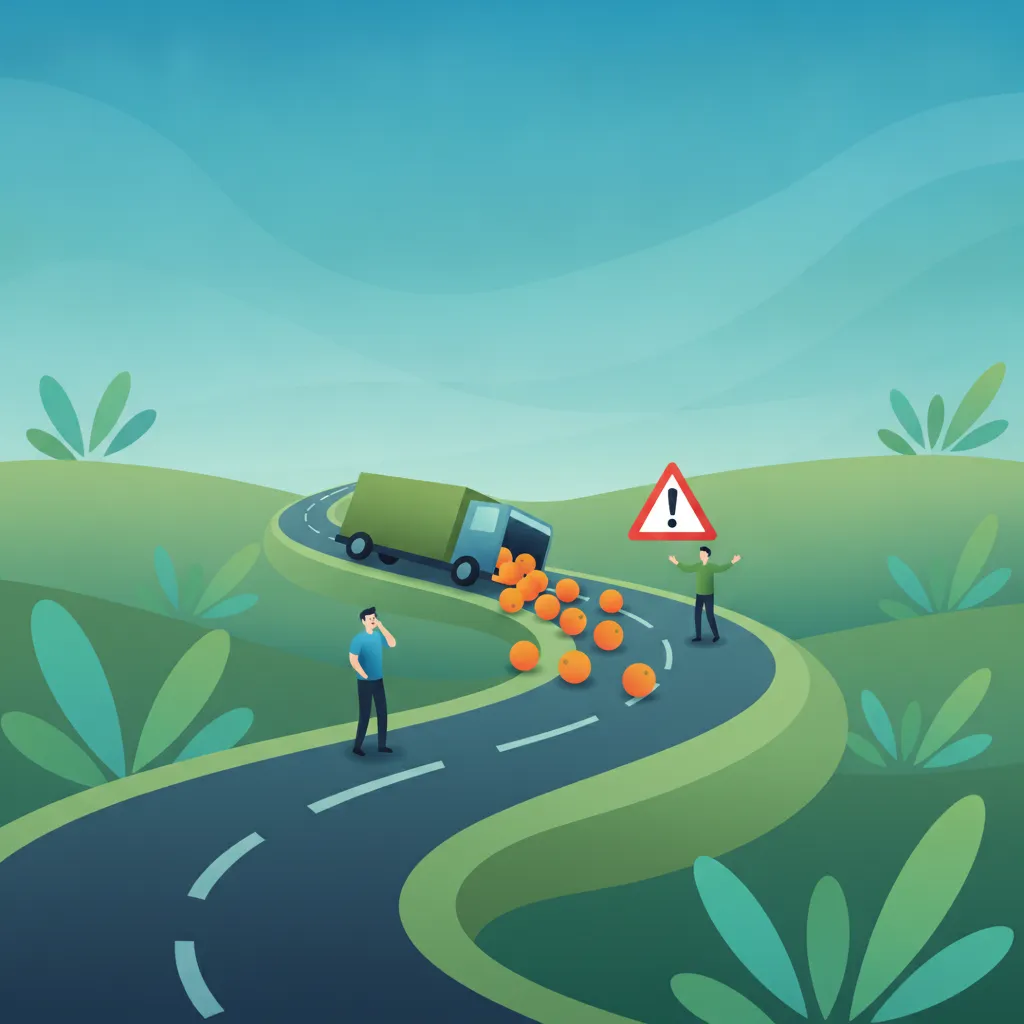
This lesson prepares drivers for incidents beyond a simple breakdown, such as losing part of the load onto the roadway or dealing with a spillage. It outlines the immediate priorities: ensuring personal safety, warning other traffic of the hazard, and notifying the authorities. The lesson also covers the fundamental principles of managing an accident scene, including protecting the area, assessing for casualties, and providing essential information to emergency services.

This lesson reinforces the correct procedures for interacting with emergency vehicles that are responding to a call with sirens and lights active. It explains the legal obligation to yield the right-of-way by safely moving to the side of the road and stopping if necessary. The content emphasizes making smooth, predictable movements to create a clear path, allowing emergency responders to proceed without delay.
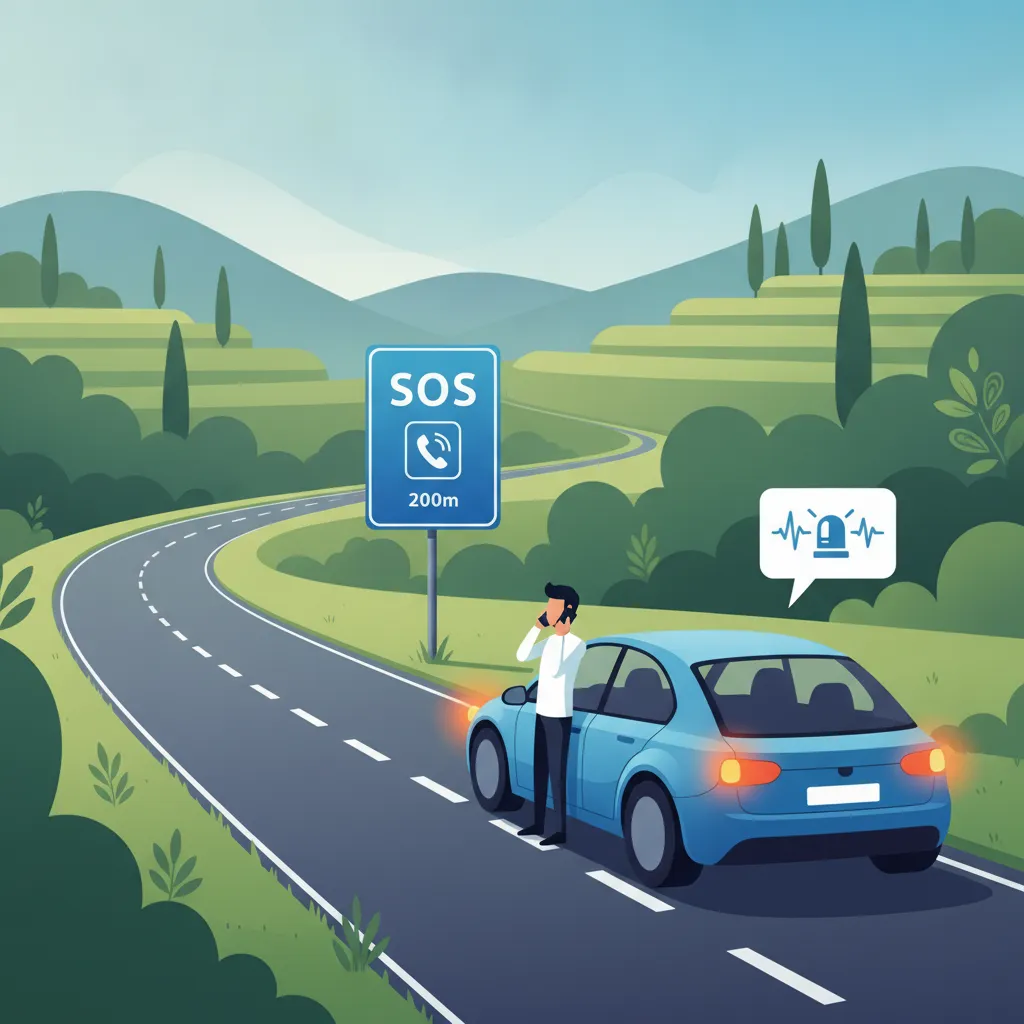
This lesson outlines the proper conduct when encountering emergency vehicles on the road or interacting with responders at an incident. It details the rules for yielding the right-of-way to ambulances, police, and fire services, ensuring they have a clear path. You will also learn how to provide clear and concise information to authorities to facilitate an effective emergency response.
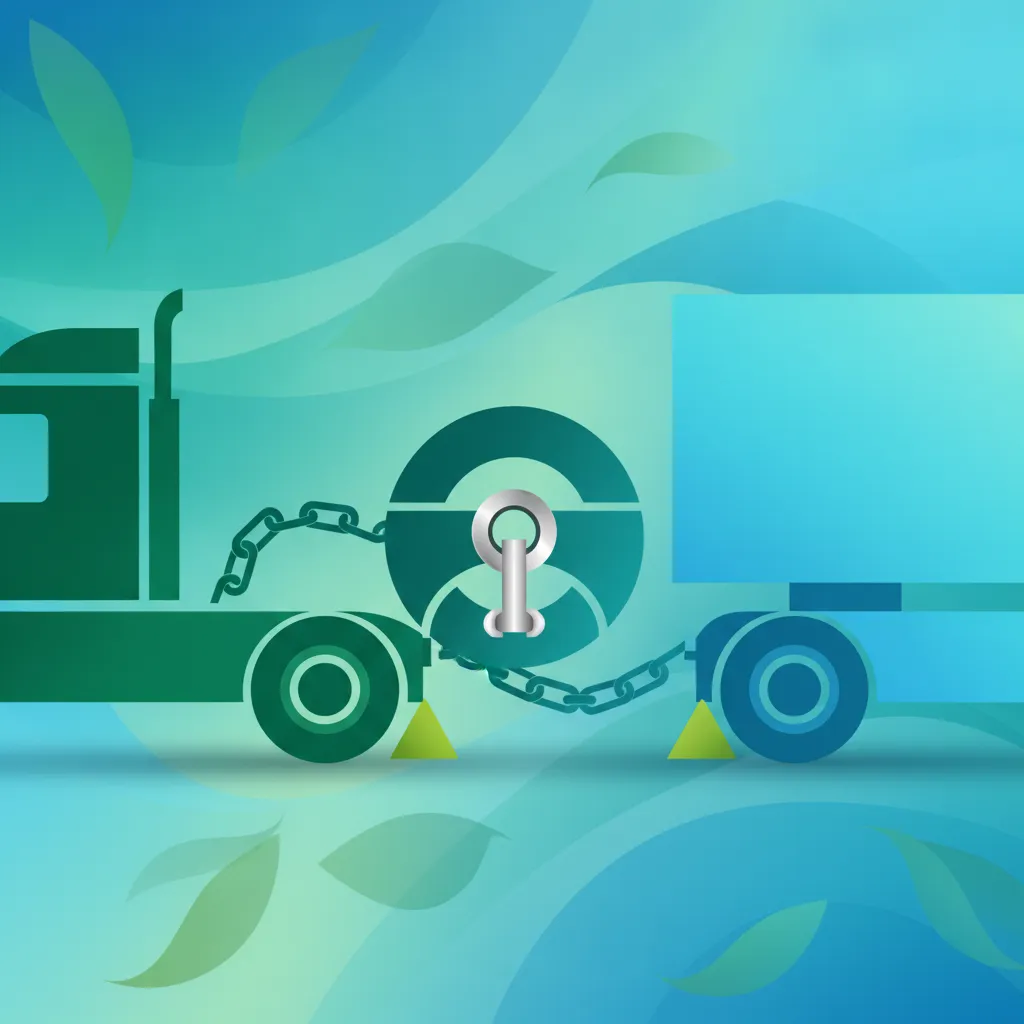
This lesson provides a detailed, safety-focused procedure for detaching a tractor from a semitrailer. It covers selecting a suitable, firm, and level location, correctly deploying the trailer's landing gear to support its weight, and disconnecting the air and electrical lines in the proper order. Following these systematic steps is essential to prevent the trailer from tipping over or rolling away, ensuring the safety of the driver and anyone nearby.
Explore the risks associated with heavy vehicle breakdowns on Italian roads, including adverse weather and load stability. Understand key principles for safe management and preventative measures for professional drivers.
This lesson prepares drivers for unexpected emergencies that may occur far from base. It provides a clear, step-by-step guide on what to do in the event of a breakdown on a motorway, including how to stop safely on the hard shoulder, make the vehicle visible, and call for assistance. Basic procedures for dealing with a vehicle fire or being the first at an accident scene are also covered, prioritizing personal safety at all times.
This lesson prepares drivers for incidents beyond a simple breakdown, such as losing part of the load onto the roadway or dealing with a spillage. It outlines the immediate priorities: ensuring personal safety, warning other traffic of the hazard, and notifying the authorities. The lesson also covers the fundamental principles of managing an accident scene, including protecting the area, assessing for casualties, and providing essential information to emergency services.

This lesson addresses how adverse weather can compromise load securing arrangements. It explains how rain and ice can reduce the friction between the load and the vehicle bed, and how some lashing materials like webbing straps can stretch when wet, losing tension. Learners will understand the need to check and re-tighten securing equipment during journeys in bad weather and to take extra precautions to account for reduced friction.

This lesson vividly illustrates the dangers of a load that moves during transit. It explains how a sudden load shift during braking can increase stopping distance or cause a jack-knife, while a shift during cornering can easily lead to a rollover. By understanding these dynamic forces, learners will appreciate the absolute necessity of ensuring every piece of cargo is properly and robustly secured before starting a journey.

This lesson covers three critical risks associated with heavy vehicle braking systems. It explains 'brake lag' in air brake systems, the delay between pedal application and brake activation, and 'brake fade', the loss of braking efficiency due to overheating. Learners will be taught to recognize the warning signs and, more importantly, to use correct driving techniques, such as utilizing endurance brakes, to prevent these potentially catastrophic failures.

This lesson provides essential guidance on how to adjust driving techniques for a range of hazardous weather conditions. It covers reducing speed and increasing following distances in rain to prevent aquaplaning, using lights correctly in fog, and understanding the vehicle's reduced traction on snow and ice. It also explains how to anticipate and counteract the effects of strong crosswinds on high-sided vehicles.
This lesson explains the difference between daily checks and long-term scheduled maintenance. It covers the legal requirement for periodic technical inspections ('revisione') to certify a vehicle's roadworthiness and the importance of adhering to manufacturer-recommended service intervals. Learners will understand their crucial role in reporting any mechanical defects promptly to ensure issues are rectified, maintaining the vehicle's safety and reliability over its service life.
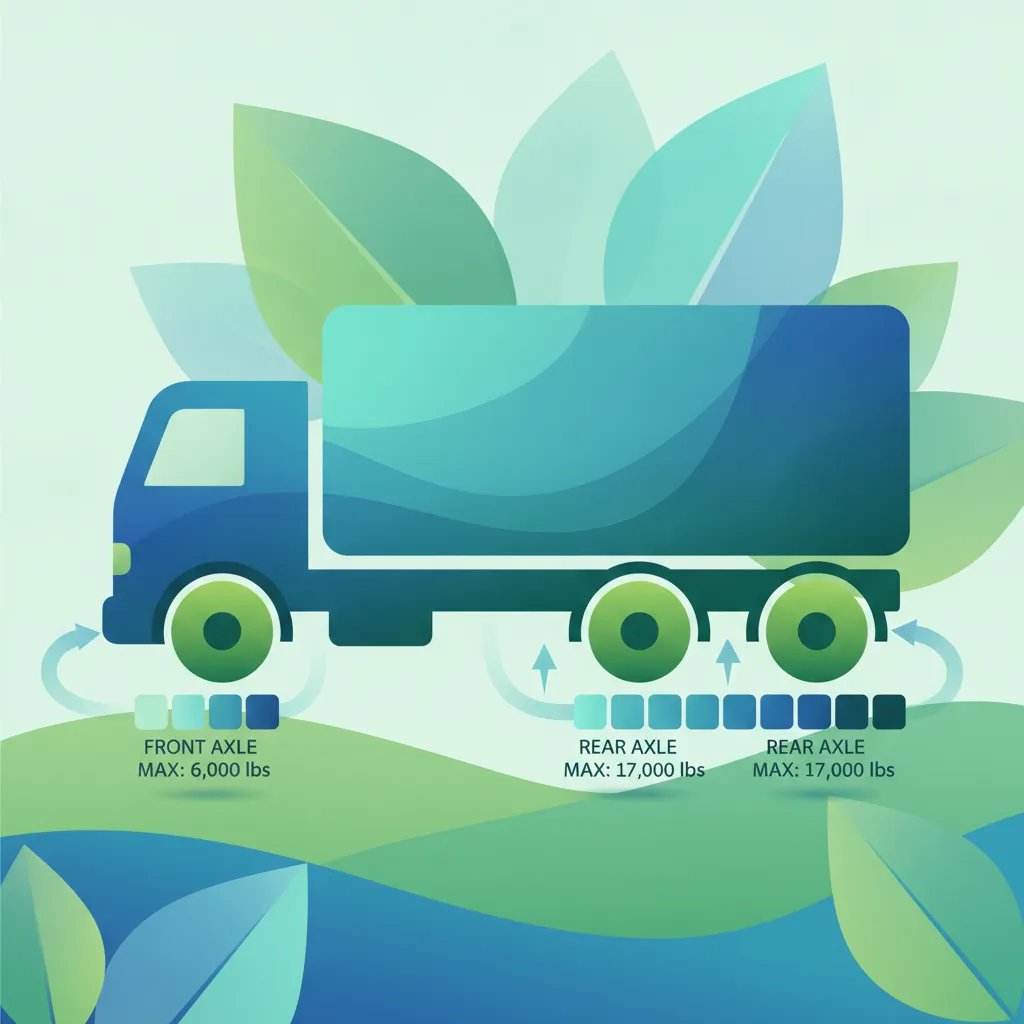
This lesson details the legal restrictions on the weight that can be supported by a single axle or a group of axles. It explains the importance of distributing the load correctly across the vehicle's length to prevent exceeding these limits, which can cause significant road damage and compromise vehicle safety. Learners will understand the relationship between load placement, axle pressure, and overall stability, particularly during braking and cornering.
This lesson covers the complete set of lighting, reflective equipment, and protective guards mandated for heavy vehicles. It explains the function of each light, from headlights to side markers, and the importance of keeping them clean and operational to ensure the vehicle is visible to others. The lesson also details the legal requirements and safety purpose of side guards and rear underrun protection, which are designed to protect vulnerable road users in a collision.

This lesson explains the principles of safe load management to maintain vehicle stability and comply with legal requirements. It covers how to properly distribute and secure cargo inside the vehicle, the rules for using roof racks, and the specific signaling required for loads that project beyond the vehicle's rear. The content also provides a basic introduction to the rules and safety considerations when towing a small trailer.
Find clear answers to common questions learners have about Breakdown Handling and Roadside Assistance. Learn how the lesson is structured, which driving theory objectives it supports, and how it fits into the overall learning path of units and curriculum progression in Italy. These explanations help you understand key concepts, lesson flow, and exam focused study goals.
On motorways, the warning triangle must be placed at a distance that allows approaching traffic to see it in sufficient time. In Italy, it is generally recommended to place it at least 50 meters behind the vehicle, though safety conditions may dictate further placement to ensure visibility.
Yes, for professional drivers, wearing a high-visibility, reflective vest is mandatory whenever you exit the vehicle on a public road, especially in emergency situations on motorways or busy urban roads, to ensure you are seen by other drivers.
Always exit from the side of the vehicle facing away from moving traffic. Never step directly into the flow of traffic; check mirrors and blind spots carefully before opening any door, and ensure you remain behind safety barriers if available.
You should generally remain with the vehicle or in a safe place nearby (such as behind a guardrail) to monitor the situation. However, if the vehicle poses a significant danger to others, prioritize moving yourself to safety and contacting authorities immediately.
Start searching now to pinpoint exactly which Italian driving theory topics, road signs, or traffic rules you need to master. Use our advanced filters to build a custom practice session and ensure you're fully prepared for every aspect of your official driving licence exam.