
This lesson provides critical instructions on how to handle breakdowns and accidents while riding a moped or light quadricycle. As part of your final unit, it ensures you understand the necessary legal and safety steps required to manage emergency situations effectively on Italian roads.
Lesson content overview
Operating a moped, scooter, or light motorized vehicle under a Patente AM license comes with the responsibility of knowing how to react safely and legally in unforeseen circumstances. This lesson provides essential guidance on managing vehicle breakdowns and traffic accidents in Italy. Understanding these procedures is crucial not only for your safety but also for the safety of other road users and for complying with Italian traffic law, the Codice della Strada.
Learning how to act promptly and correctly can prevent secondary accidents, ensure timely assistance, and facilitate the necessary legal and insurance processes. This includes understanding your legal obligations, knowing how to secure an accident scene, contacting emergency services, and properly reporting incidents.
A breakdown occurs when your vehicle ceases to function properly while in motion or when stationary, requiring assistance. Being prepared for a breakdown means knowing how to identify the situation, move your vehicle to a safe location if possible, and alert other drivers to your presence.
Breakdowns can range from minor issues, such as a flat tire or temporary engine stutter, which might allow you to move your vehicle safely off the road, to major failures like complete engine seizure or loss of steering, making the vehicle immobile. In all cases, immediate safety is the top priority.
When your Patente AM vehicle experiences a breakdown, your first concern should be to minimize danger to yourself and other road users. This principle guides all subsequent actions.
Safely Pull Over: If your vehicle can still be controlled, steer it immediately to the side of the road, into an emergency lane, or onto a shoulder. Try to move as far away from the flow of traffic as possible.
Activate Hazard Warning Lights: Turn on your vehicle's hazard warning lights (also known as hazard lamps or "quattro frecce"). These flashing amber lights signal to other drivers that your vehicle is stopped and may pose a hazard.
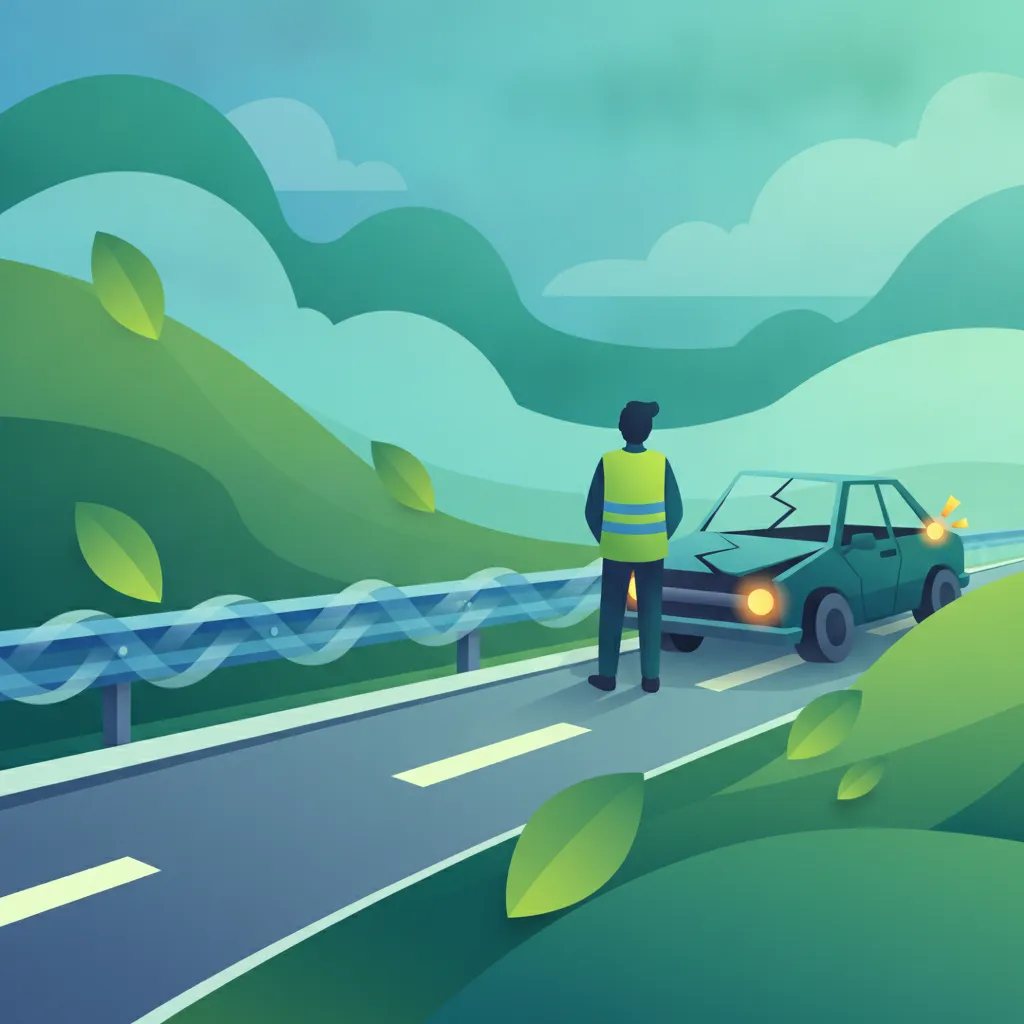
Ensure Personal Safety: If it's safe to do so, exit your vehicle from the side away from traffic. Stand in a protected area, such as behind a guardrail, or a safe distance from the road. Never attempt repairs in a dangerous location.
Place the Warning Triangle: Position the reflective warning triangle behind your vehicle to alert approaching traffic. The distance varies depending on the type of road:
Urban roads: At least 30 meters (approximately 100 feet) behind your vehicle.
Extra-urban roads (outside built-up areas): At least 50 meters (approximately 165 feet) behind your vehicle.
Motorways (Autostrade): At least 100 meters (approximately 330 feet) behind your vehicle.
The triangle should be clearly visible and placed so that other drivers have ample time to react.
Contact Assistance: Once the scene is secured, use your mobile phone to call for assistance. If you are on a motorway, use the nearest emergency roadside phone if available, as this helps pinpoint your location. For non-urgent breakdowns, you can call your roadside assistance provider. For emergencies, use 112.
Never stand or attempt repairs directly on the carriageway, especially on high-speed roads. Your safety is paramount. Always move to a safe location away from traffic if possible.
The effective use of hazard warning lights and the warning triangle significantly reduces the risk of secondary collisions. These devices make your stopped vehicle more visible and give other drivers more time to react and maneuver safely around your position.
A traffic accident is an incident involving one or more vehicles resulting in property damage, injury, or death. Whether you are directly involved or witness an accident, a clear protocol must be followed to manage the scene, provide assistance, and fulfill legal requirements.
The actions you take immediately after an accident can profoundly impact the outcome for those involved and the subsequent investigation.
Stop Your Vehicle Safely: If you are involved in an accident, you are legally obliged (Codice della Strada Art. 190) to stop without unreasonable delay. Secure your vehicle, if possible, away from the immediate danger zone, but close enough to the scene. Activate your hazard warning lights.
Assess for Injuries and Provide First Aid: Check yourself and others involved for any injuries. If someone is injured, provide basic first aid (primo soccorso) if you are trained and have a first-aid kit. Remember the legal duty to assist injured persons.
Call Emergency Services (112): Dial 112, the universal European emergency number, immediately if there are any injuries, significant vehicle damage, or if the accident is causing a major obstruction or danger to other traffic. Provide clear details about your location, the nature of the accident, and any injuries.
Secure the Scene: If the vehicles can be moved safely without risk of further injury or altering crucial evidence, move them to the side of the road. Otherwise, leave them in place. Use the warning triangle as described for breakdowns (30m urban, 50m extra-urban, 100m motorway) to alert approaching traffic.
Exchange Information: With all parties involved, exchange the following details:
If there are witnesses, ask for their contact details.
Document the Scene: Take photographs of the accident scene from various angles before vehicles are moved, if safe to do so. Capture vehicle positions, damage, road conditions, traffic signs, and any relevant details.
Always carry a first-aid kit in your vehicle, especially for longer journeys. Knowing basic first aid can be life-saving in an emergency.
When an accident results in injuries or death, the legal obligations become more stringent. The Codice della Strada mandates specific actions to ensure prompt medical assistance and proper legal documentation.
Never move a person with suspected spinal injuries unless absolutely necessary to remove them from immediate danger (e.g., vehicle on fire). Wait for trained medical personnel.
Even minor accidents without injuries require careful handling for insurance purposes and legal compliance. While police presence might not be immediately mandatory, it's often advisable if there's any dispute or significant damage.
The official police report detailing the circumstances, parties involved, and preliminary findings of a traffic accident. This document is crucial for insurance claims and legal proceedings.
Calling 112 for help is a critical step in serious situations. Knowing what to say can save precious time.
An insurance claim (denuncia di sinistro) is the formal notification to your insurance provider that an accident has occurred, initiating the process for compensation.
Notify Your Insurer: You must notify your insurance company as soon as possible after an accident, usually within a statutory timeframe (often 3 days from the incident date). Delays can jeopardize your claim.
Provide Documentation: Submit all gathered information to your insurer:
Vehicle Inspection: Your insurer will likely arrange for an inspection of your damaged vehicle to assess the extent of the damage and estimate repair costs.
Resolution: Based on the investigation, your insurer will determine liability and process the claim according to your policy terms. This may result in repairs, a payout for damages, or a total loss declaration if the repair cost exceeds the vehicle's value.
Before moving your vehicle or agreeing to repairs, always check with your insurance company. They may have specific procedures or preferred repair shops.
Even with good intentions, mistakes can occur during breakdowns and accidents. Being aware of these common pitfalls can help you navigate such situations more effectively.
The procedures for breakdowns and accidents must be adapted based on specific environmental and road conditions.
By understanding these variations and applying preventive measures, you can further mitigate risks and enhance safety during unexpected incidents on the road.
Responding effectively to a vehicle breakdown or a traffic accident as a Patente AM rider in Italy requires a clear understanding of safety protocols and legal obligations. Your immediate actions should always prioritize personal safety and the safety of others.
By mastering these procedures, you not only comply with Italian law but also contribute to safer roads for everyone.
This lesson covers the essential procedures Patente AM riders must follow during breakdowns and accidents on Italian roads, emphasizing immediate safety actions including activating hazard lights and deploying the warning triangle at legally mandated distances. Learners must understand their mandatory duty to stop and assist under Codice della Strada Art. 190, use the 112 emergency number for any injuries or significant incidents, and follow proper documentation procedures including a 24-hour police reporting window if officers don't attend. The content also addresses insurance claim processes and highlights common mistakes such as leaving the scene, improper warning device use, and failing to document the accident thoroughly.
A short set of high-value points that capture the most important learning from this lesson.
Safety always comes first: secure the scene, activate hazard lights, and move yourself away from traffic before taking any other action.
Warning triangle distances are legally specified: 30 meters in urban areas, 50 meters on extra-urban roads, and 100 meters on motorways.
The 112 emergency number connects you to police, fire, and medical services throughout Italy and Europe.
Stopping and rendering assistance is a legal obligation under Codice della Strada Art. 190; leaving the scene is a serious criminal offense.
All accidents involving injuries, death, or significant damage must be reported to police, even if they don't attend the scene.
Explore all units and lessons included in this driving theory course.
Hazard warning lights are for stationary vehicles only; never use them while moving.
Never move injured persons with suspected spinal injuries unless they face immediate danger like fire.
Police reporting (Denuncia) is required within 24 hours if officers don't attend the accident scene.
Your insurer must be notified promptly, typically within 3 days of the incident.
Always exchange full names, contact details, vehicle registration, and insurance information with all parties involved.
Placing the warning triangle too close to the vehicle, which reduces reaction time for approaching drivers.
Forgetting to activate hazard lights when stopped due to breakdown or accident.
Assuming the other party will handle all reporting and documentation.
Moving vehicles from the scene before documenting positions and taking photographs.
Delaying the call to emergency services even for seemingly minor injuries.
Lesson content overview
A short set of high-value points that capture the most important learning from this lesson.
Safety always comes first: secure the scene, activate hazard lights, and move yourself away from traffic before taking any other action.
Warning triangle distances are legally specified: 30 meters in urban areas, 50 meters on extra-urban roads, and 100 meters on motorways.
The 112 emergency number connects you to police, fire, and medical services throughout Italy and Europe.
Stopping and rendering assistance is a legal obligation under Codice della Strada Art. 190; leaving the scene is a serious criminal offense.
All accidents involving injuries, death, or significant damage must be reported to police, even if they don't attend the scene.
Explore all units and lessons included in this driving theory course.
Hazard warning lights are for stationary vehicles only; never use them while moving.
Never move injured persons with suspected spinal injuries unless they face immediate danger like fire.
Police reporting (Denuncia) is required within 24 hours if officers don't attend the accident scene.
Your insurer must be notified promptly, typically within 3 days of the incident.
Always exchange full names, contact details, vehicle registration, and insurance information with all parties involved.
Placing the warning triangle too close to the vehicle, which reduces reaction time for approaching drivers.
Forgetting to activate hazard lights when stopped due to breakdown or accident.
Assuming the other party will handle all reporting and documentation.
Moving vehicles from the scene before documenting positions and taking photographs.
Delaying the call to emergency services even for seemingly minor injuries.
Explore search topics learners often look for when studying Procedures in Case of Breakdown or Accident. These topics reflect common questions about road rules, driving situations, safety guidance, and lesson level theory preparation for learners in Italy.
Browse additional driving theory lessons that cover connected traffic rules, road signs, and common driving situations related to this topic. Improve your understanding of how different rules interact across everyday traffic scenarios.
Understand your mandatory legal obligations under the Italian Codice della Strada after a traffic accident or vehicle breakdown. This lesson covers reporting requirements, duty to assist, and essential legal steps.
This lesson outlines the mandatory legal procedures a rider must follow after being involved in a traffic accident. It covers the obligation to stop, render aid if necessary, and report the incident to the appropriate authorities. The content explains the process of exchanging information with other parties, documenting the scene for insurance purposes, and the potential legal and financial liabilities that may arise.
This final lesson focuses on the administrative and legal procedures following an accident or incident. It explains how to correctly complete an accident report form (Constatazione Amichevole di Incidente - CAI), the information that must be exchanged with other parties, and the importance of accurate reporting. The lesson also provides guidance on how to interact calmly and professionally with police or other officials, providing required documentation and a clear account of events.
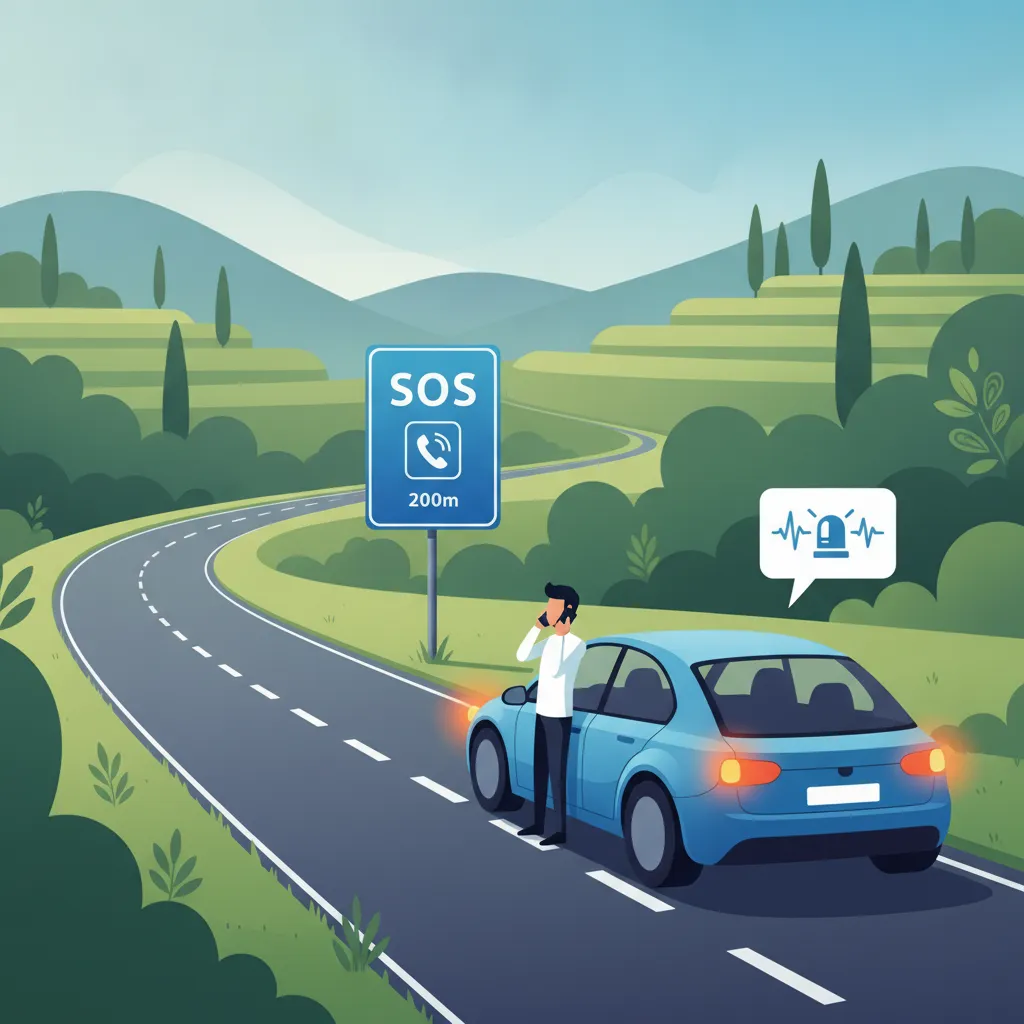
This lesson outlines the proper conduct when encountering emergency vehicles on the road or interacting with responders at an incident. It details the rules for yielding the right-of-way to ambulances, police, and fire services, ensuring they have a clear path. You will also learn how to provide clear and concise information to authorities to facilitate an effective emergency response.
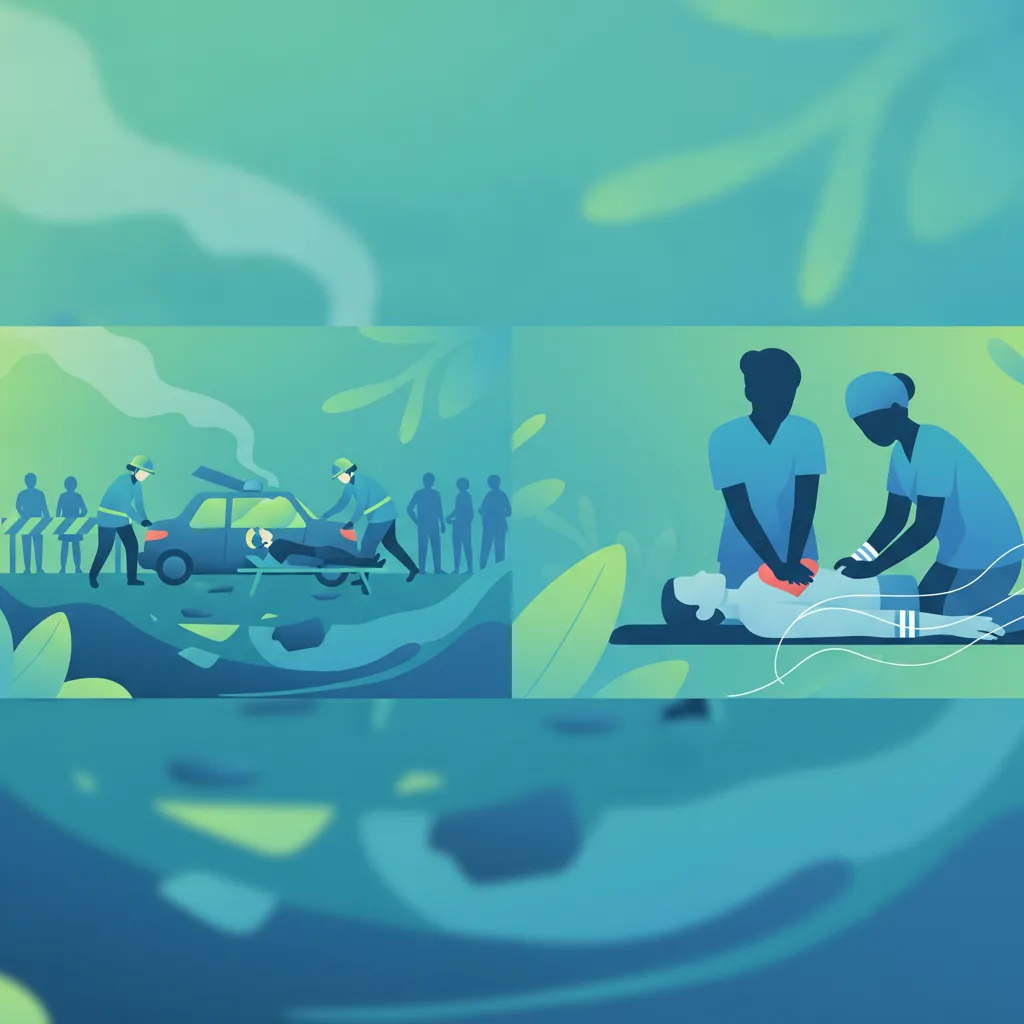
This lesson provides critical guidance on how to respond in the event of a traffic accident. It outlines the immediate steps to take, such as securing the scene with a warning triangle and hazard lights, and calling the emergency services. The content also covers the legal obligation to assist the injured and provides an introduction to basic first aid principles that can be applied until professional help arrives.
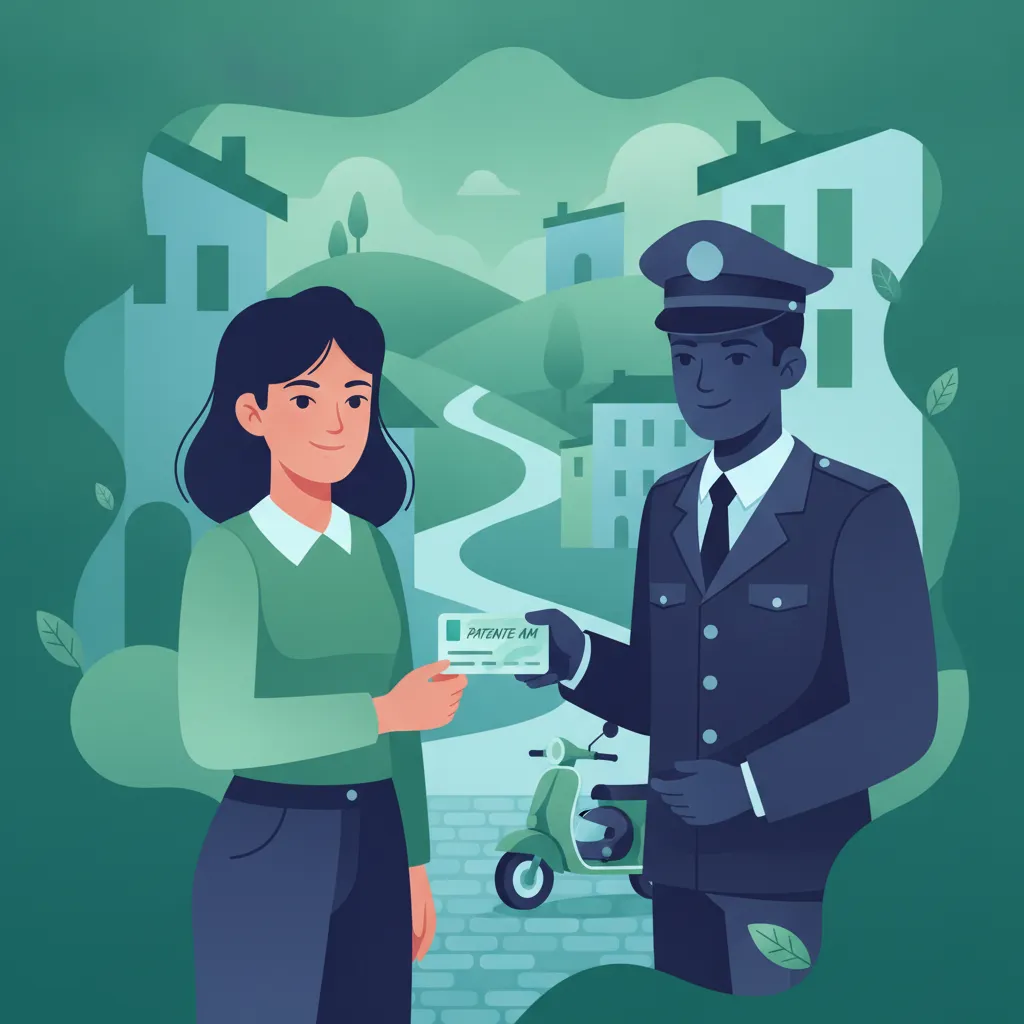
This lesson details the continuous duties of a Patente AM license holder beyond passing the exam. It covers the importance of regular vehicle maintenance, including checks on tires, brakes, and lights. The lesson also reinforces the legal obligation to maintain valid insurance and registration while adhering to all traffic laws for personal and public safety.
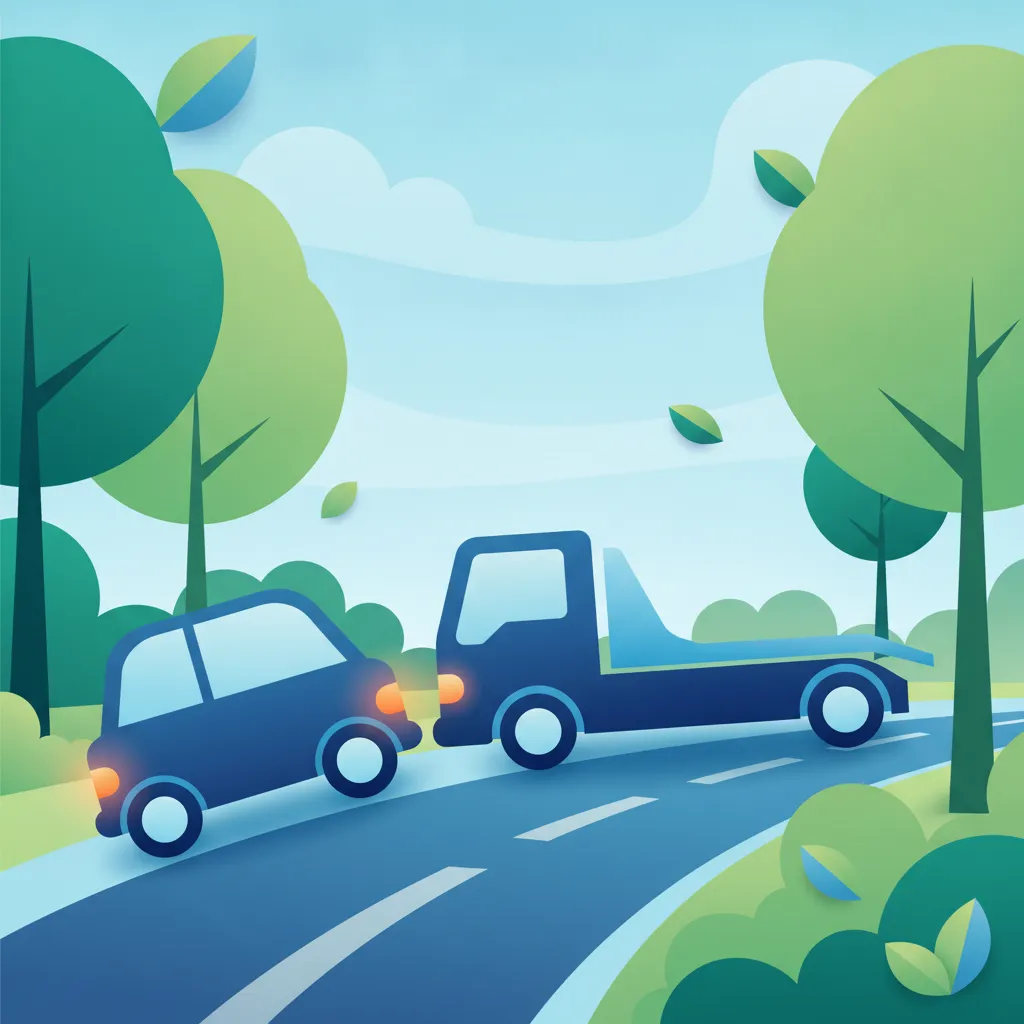
This lesson provides a step-by-step guide for managing a vehicle breakdown safely. It reinforces the procedure for stopping on the hard shoulder, activating hazard lights, and placing a warning triangle at the correct distance. The lesson emphasizes the importance of wearing high-visibility clothing, exiting the vehicle from the side away from traffic, and waiting in a safe location before contacting a roadside assistance service.

This lesson examines the set of legal obligations for all drivers holding a Patente B license under the Codice della Strada. It covers mandatory responsibilities such as maintaining valid vehicle insurance, ensuring proper registration, and adhering to periodic technical inspection (revisione) schedules. The content also emphasizes the legal requirement to carry necessary documents while driving and the penalties for non-compliance.
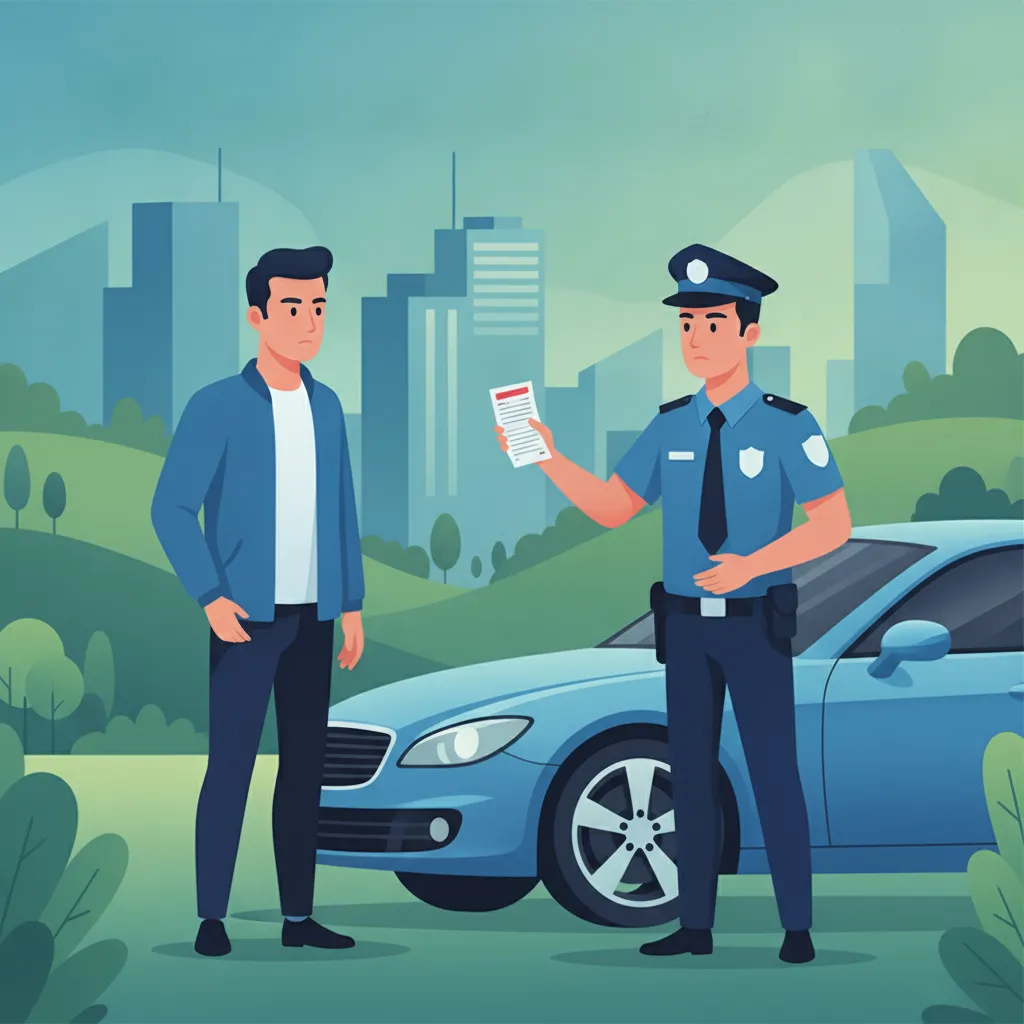
This lesson provides a clear overview of the legal penalties for traffic violations in Italy. It explains the structure of fines and the penalty point system that can lead to license suspension or revocation. The content also touches on more severe consequences, including criminal liability for incidents causing injury, to emphasize the importance of lawful riding.
Learn critical steps to ensure safety for yourself and others during vehicle breakdowns and accidents in Italy. Focuses on using hazard lights, warning triangles, and managing the scene effectively.
This lesson provides a step-by-step guide for managing a vehicle breakdown safely. It reinforces the procedure for stopping on the hard shoulder, activating hazard lights, and placing a warning triangle at the correct distance. The lesson emphasizes the importance of wearing high-visibility clothing, exiting the vehicle from the side away from traffic, and waiting in a safe location before contacting a roadside assistance service.
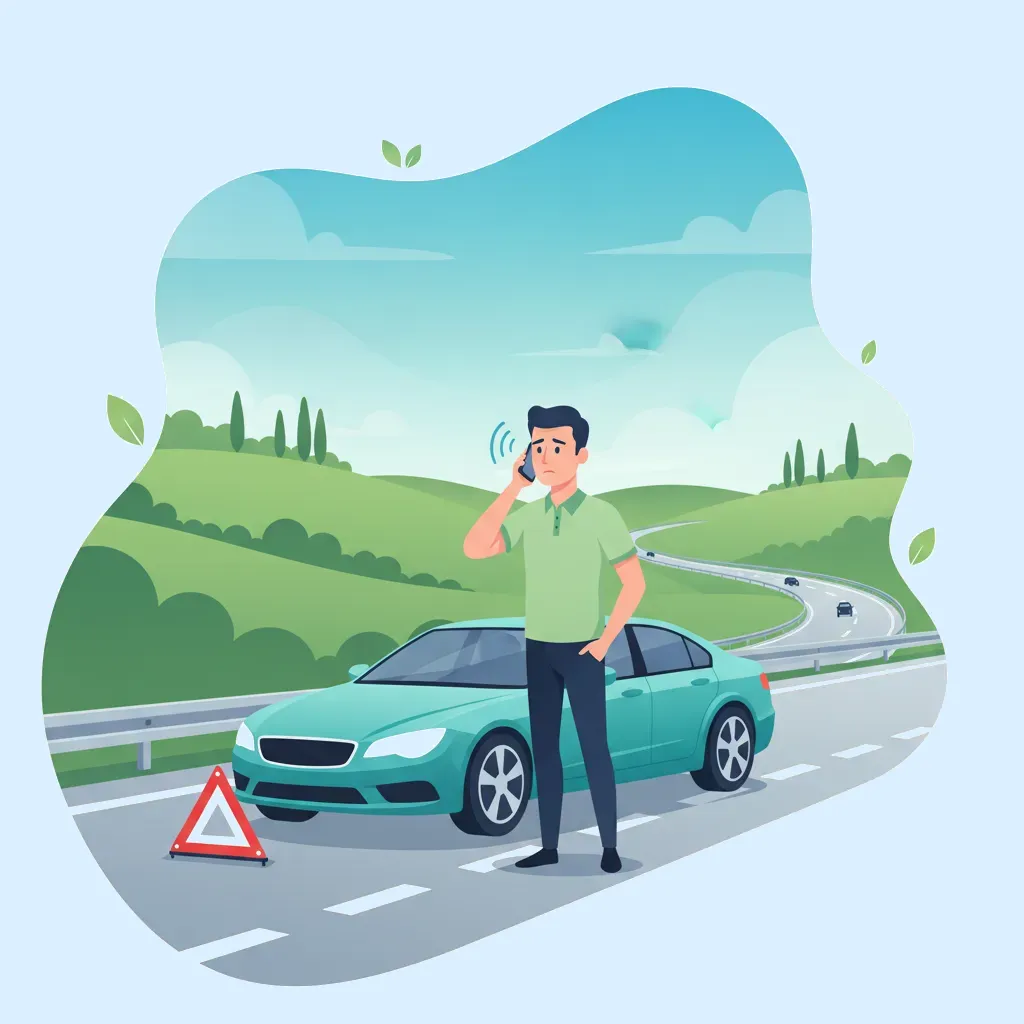
This lesson provides a clear, step-by-step guide for handling a mechanical breakdown on the road. It emphasizes the priority of moving the motorcycle to a safe location away from traffic flow and making oneself visible by using hazard lights and wearing a high-visibility vest. The content covers the correct procedure for contacting roadside assistance or emergency services and waiting for help in a secure position.
This lesson provides critical guidance on how to respond in the event of a traffic accident. It outlines the immediate steps to take, such as securing the scene with a warning triangle and hazard lights, and calling the emergency services. The content also covers the legal obligation to assist the injured and provides an introduction to basic first aid principles that can be applied until professional help arrives.
This lesson prepares drivers for unexpected emergencies that may occur far from base. It provides a clear, step-by-step guide on what to do in the event of a breakdown on a motorway, including how to stop safely on the hard shoulder, make the vehicle visible, and call for assistance. Basic procedures for dealing with a vehicle fire or being the first at an accident scene are also covered, prioritizing personal safety at all times.

This lesson reinforces the correct procedures for interacting with emergency vehicles that are responding to a call with sirens and lights active. It explains the legal obligation to yield the right-of-way by safely moving to the side of the road and stopping if necessary. The content emphasizes making smooth, predictable movements to create a clear path, allowing emergency responders to proceed without delay.
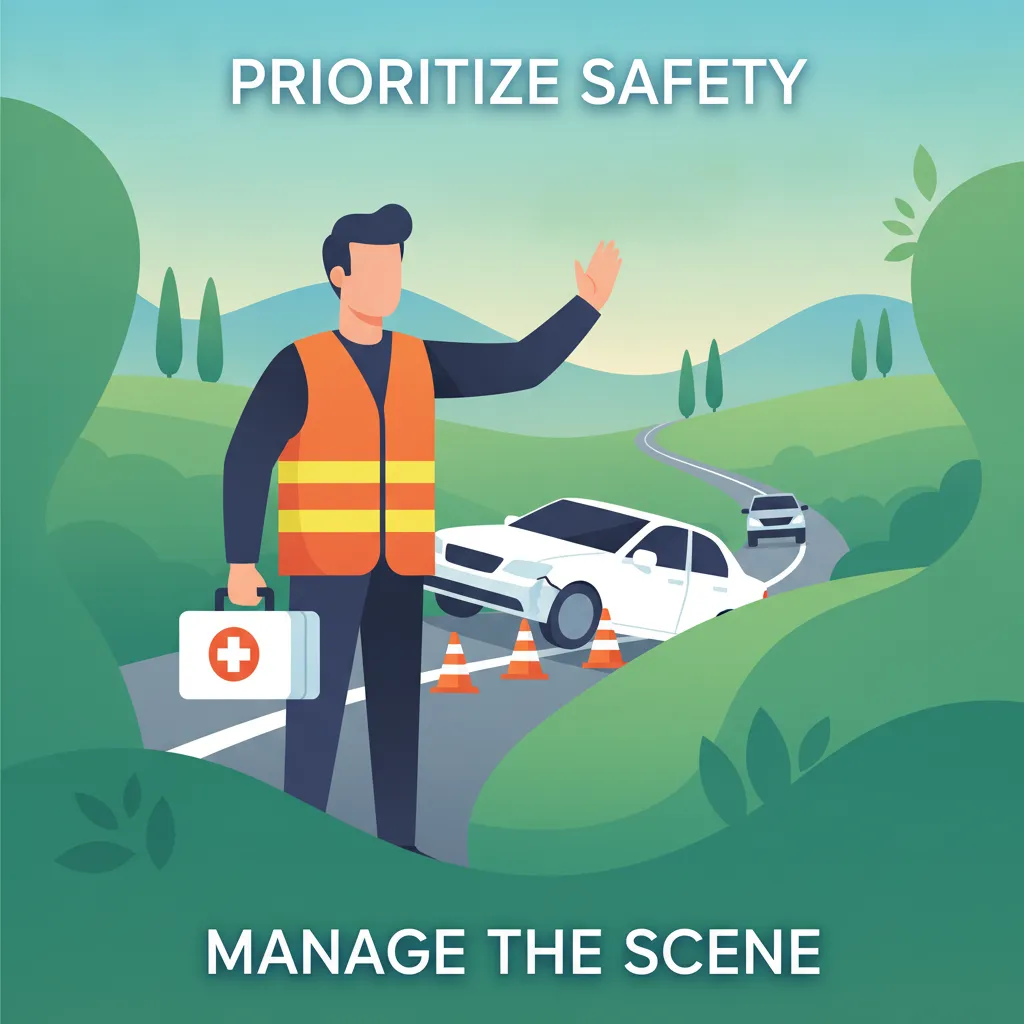
This lesson provides essential knowledge for managing the immediate aftermath of an accident before professional help arrives. It covers the critical first step of securing the scene to prevent further incidents. The content then introduces basic first aid principles, such as assessing a casualty's condition and controlling severe bleeding, while also explaining the critical considerations regarding when and when not to remove a rider's helmet.
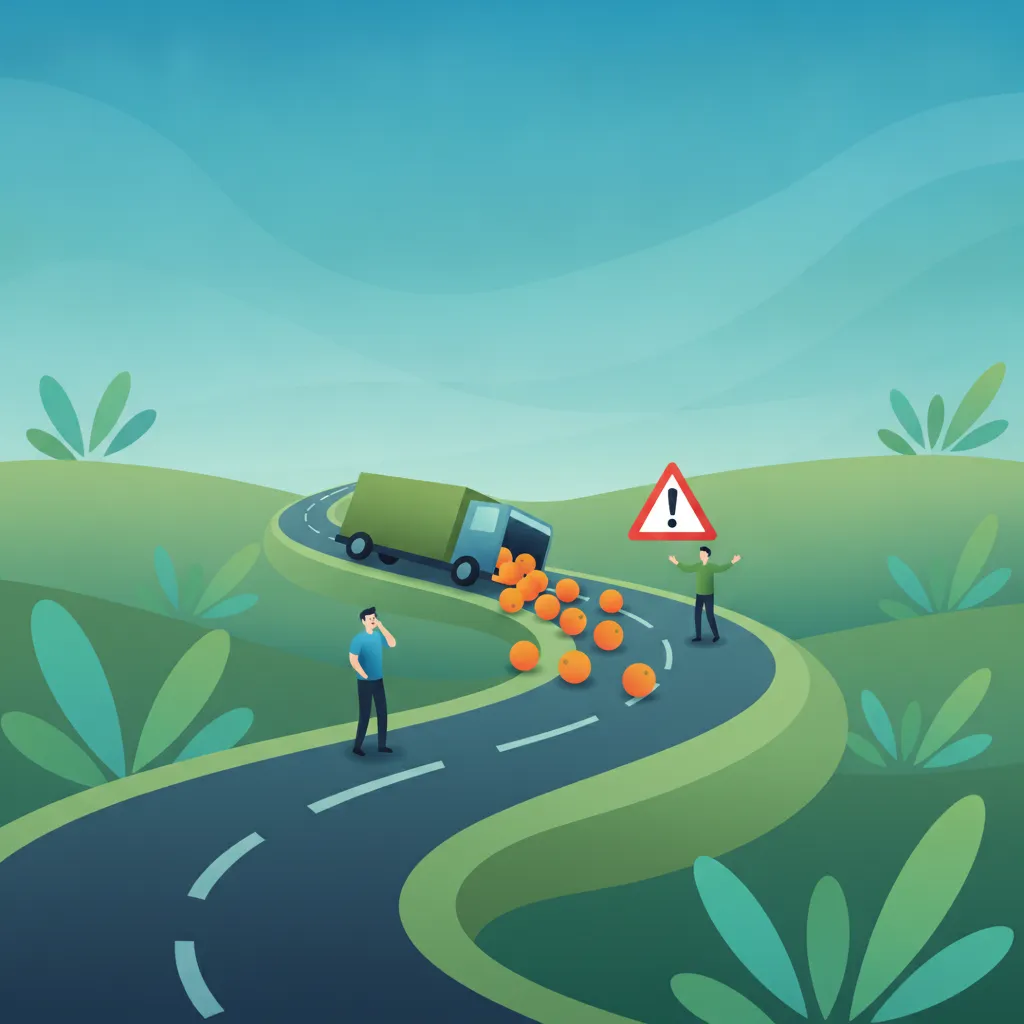
This lesson prepares drivers for incidents beyond a simple breakdown, such as losing part of the load onto the roadway or dealing with a spillage. It outlines the immediate priorities: ensuring personal safety, warning other traffic of the hazard, and notifying the authorities. The lesson also covers the fundamental principles of managing an accident scene, including protecting the area, assessing for casualties, and providing essential information to emergency services.
This lesson outlines the proper conduct when encountering emergency vehicles on the road or interacting with responders at an incident. It details the rules for yielding the right-of-way to ambulances, police, and fire services, ensuring they have a clear path. You will also learn how to provide clear and concise information to authorities to facilitate an effective emergency response.

This lesson details the proper and legal application of a vehicle's horn, lights, and signals as primary communication tools. It explains the specific circumstances for using high beams, low beams, and fog lights to maximize visibility without dazzling other drivers. The content also clarifies the rules for using the horn, turn indicators, and hazard lights to signal intentions, warn of danger, or indicate an emergency situation.
This lesson is dedicated to warning signs, which are designed to alert drivers to potential dangers or changes in road conditions ahead. It covers the interpretation of signs indicating sharp bends, steep inclines or declines, slippery surfaces, and the potential presence of animals or pedestrians. Understanding these signs allows drivers to anticipate hazards and adjust their speed and driving style accordingly for safety.
Find clear answers to common questions learners have about Procedures in Case of Breakdown or Accident. Learn how the lesson is structured, which driving theory objectives it supports, and how it fits into the overall learning path of units and curriculum progression in Italy. These explanations help you understand key concepts, lesson flow, and exam focused study goals.
You must immediately move the vehicle to the side of the road, ideally onto the shoulder or a safe area away from traffic, and ensure you remain in a position of safety yourself while keeping visibility high.
You should call 112 if there are injuries, if the road is blocked in a way that causes danger to others, or if you are involved in a collision where the other party refuses to exchange details.
Not necessarily, but you must always exchange insurance and contact information with the other party. If there is damage to public property or a dispute, it is safer to request the presence of the authorities.
The exam often includes 'True or False' questions regarding the correct order of operations, such as whether it is mandatory to place a warning triangle or the specific emergency services number to call.
Start searching now to pinpoint exactly which Italian driving theory topics, road signs, or traffic rules you need to master. Use our advanced filters to build a custom practice session and ensure you're fully prepared for every aspect of your official driving licence exam.