
This lesson details the critical safety procedures for preventing and responding to vehicle fires in heavy goods vehicles. It covers essential maintenance checks and the correct emergency actions required to protect yourself, your vehicle, and other road users.
Lesson content overview
Operating heavy goods vehicles on Italian roads demands a comprehensive understanding of safety protocols, not least of which is effective fire prevention and response. Vehicle fires, while infrequent, pose significant risks, potentially leading to severe injuries, loss of life, complete vehicle destruction, and widespread danger to other road users and the environment. For professional drivers in Italy aiming to obtain their C, C1, C1E, or CE license, mastering these principles is not just a matter of best practice, but a critical legal and ethical responsibility.
This lesson provides a thorough understanding of the common causes of vehicle fires in goods vehicles, outlines essential preventive measures that must be integrated into daily vehicle checks, and details the precise immediate actions required should a fire occur. By prioritizing personal safety, maintaining vehicle roadworthiness, and knowing how to respond under pressure, drivers can significantly mitigate the devastating impact of such incidents.
Vehicle fires are complex events, often resulting from a combination of mechanical, electrical, or chemical factors. For heavy goods vehicles, the risk can be exacerbated by long operating hours, heavy loads, and the presence of combustible materials (fuel, lubricants, cargo). Recognizing the potential sources and understanding the underlying mechanisms of ignition is the first step in effective prevention.
Fires typically initiate when a heat source ignites a flammable material in the presence of oxygen. In a vehicle, this "fire triangle" can be completed through various common failures. These factors can range from minor faults that smolder unnoticed to sudden, catastrophic failures.
Electrical systems are a leading cause of vehicle fires due to the vast network of wiring and components. A common culprit is a short circuit, where an unintended connection between wires bypasses the normal electrical path, leading to excessive current flow and intense heat. This heat can melt insulation and ignite surrounding flammable materials like plastics, upholstery, or even fuel vapors.
Damaged wiring, loose connections, overloaded circuits, or faulty fuses can all create hot spots capable of starting a fire. Even seemingly minor electrical issues should be investigated promptly.
Similarly, issues with the vehicle's battery, such as corroded terminals, overcharging, or physical damage, can generate sparks or heat sufficient to ignite hydrogen gas produced by the battery or other nearby flammables.
The presence of highly flammable fuels like diesel in heavy goods vehicles makes the integrity of the fuel system paramount. Fuel leaks are a critical fire hazard, whether from ruptured fuel lines, loose connections, damaged fuel filters, or compromised fuel tanks. Even a small drip of fuel, especially if it lands on a hot engine component or exhaust system, can instantly vaporize and ignite.
Incorrectly maintained fuel injectors, worn fuel pumps, or issues with fuel tank breathers can also lead to fuel spillage or the accumulation of flammable vapors, increasing the risk of ignition from any spark or hot surface.
Mechanical friction and excessive heat are frequent precursors to vehicle fires. Key areas of concern include:
Professional drivers must develop a keen eye for potential fire hazards during routine inspections. This includes components that are prone to generating heat, carrying flammable liquids, or conducting high electrical currents. Awareness of these specific areas allows for targeted prevention efforts.
Prevention is always superior to response. A structured approach to vehicle maintenance and inspection significantly reduces the likelihood of a fire. For drivers of heavy goods vehicles in Italy, this involves diligent daily checks and adherence to scheduled maintenance.
Before embarking on any journey, and especially for long-distance hauls, drivers must perform comprehensive visual and functional checks. These checks are not mere formalities; they are critical safeguards against potential breakdowns and fires.
Visual Inspection for Leaks: Check under the vehicle for any signs of fuel, oil, coolant, or hydraulic fluid leaks. Pay close attention to fuel lines, connections, and the fuel tank itself.
Electrical System Scan: Look for frayed, cracked, or exposed wiring, particularly around the engine, battery, and dashboard. Ensure battery terminals are clean, tight, and free of corrosion. Check for any unusual smells like burning plastic.
Hose and Belt Examination: Inspect all hoses for cracks, bulges, or leaks, and ensure connections are secure. Check belts for proper tension and signs of wear.
Brake System Check: Before driving, check brake fluid levels. During the journey, be alert for any unusual sounds, smells (e.g., burning rubber or plastic), or excessive heat coming from the wheels or brake assemblies.
Cargo Integrity: Ensure cargo is properly secured and not obstructing ventilation, pressing against hot engine parts, or interfering with electrical systems. Hazardous materials require additional specific checks.
Proactive maintenance of the electrical system is paramount. This includes regular checks of:
Maintaining the fuel system involves more than just refueling. Drivers should:
Minimizing overheating risks requires careful operation and vigilant monitoring:
Despite all preventive measures, fires can still occur. Knowing the correct, immediate response steps is crucial to safeguarding lives and minimizing damage. The overarching principle is always personal safety first.
Upon detecting any sign of a fire (smoke, flames, unusual smell, dashboard warning), the driver must react quickly and decisively:
Stop Safely: As soon as it is safe to do so, pull the vehicle over to the side of the road, preferably on a hard shoulder or in a clear, open area, away from buildings, trees, or other vehicles. Avoid stopping under bridges or in tunnels if possible, unless no other option exists.
Activate Hazard Lights: Immediately switch on your hazard warning lights to alert other road users to your emergency.
Turn Off Engine and Ignition: This cuts off the fuel supply and electrical power, potentially slowing the fire's progression.
Evacuate Occupants: Ensure all passengers, if any, safely exit the vehicle immediately. Guide them to a safe distance (at least 30-50 meters) away from the burning vehicle and potential explosion hazards, such as fuel tanks or tires.
Retrieve Fire Extinguisher (if safe): If the fire is small and contained (e.g., a small engine fire just starting), and you feel it is safe to do so without endangering yourself, retrieve the onboard fire extinguisher.
Do Not Re-Enter: Under no circumstances should you re-enter a burning vehicle or return to a vehicle where the fire has taken hold.
Using a fire extinguisher should only be attempted if the fire is very small, contained, and you are confident you can extinguish it safely without risking personal injury. Your priority is always to evacuate and call emergency services.
Heavy goods vehicles in Italy are typically required to carry a suitable fire extinguisher, most commonly an ABC dry powder extinguisher.
A portable fire suppression device containing a dry chemical powder that is effective against fires involving ordinary combustibles, flammable liquids, and electrical equipment.
If you decide to use an extinguisher, follow the PASS technique:
Never attempt to extinguish a fire that is rapidly spreading, involves the fuel tank, or is producing thick, black smoke. These situations are extremely dangerous and require professional fire services.
After ensuring personal safety and evacuating the vehicle, the next crucial step is to call for professional assistance. In Italy, the single European emergency number is 112.
When you call 112, be prepared to provide:
The universal emergency telephone number in Italy (and across the European Union) for contacting police, ambulance, and fire services.
Remain on the line until the operator tells you to hang up and stay a safe distance away from the vehicle, guiding emergency personnel upon their arrival.
Professional drivers in Italy are bound by specific laws and regulations designed to ensure road safety, including provisions related to fire prevention and emergency response. Adherence to these rules is mandatory and enforced by the Codice della Strada (Italian Road Code) and other specific decrees.
Article 141 of the Codice della Strada outlines the general obligation for drivers to stop their vehicle safely in the event of any malfunction that could endanger safety. This directly applies to vehicle fires.
| Rule | Statement | Applicability | Legal Status | Rationale | Example (Correct) | Example (Incorrect) |
|---|---|---|---|---|---|---|
| Art. 141 Codice della Strada | Drivers must stop the vehicle safely if a malfunction occurs that could endanger safety. | Any vehicle where a fire starts | Mandatory | Prevents accidents, allows safe evacuation, and minimizes risk to other road users. | Stopping on the hard shoulder, activating hazard lights, and evacuating immediately. | Continuing to drive despite visible smoke, hoping to reach the next service area. |
Italian regulations, aligned with European directives, mandate that heavy goods vehicles (those requiring C, C1, C1E, or CE licenses) must be equipped with a suitable fire extinguisher. The specific type and capacity often depend on the vehicle's maximum authorized mass (MAM) and whether it carries dangerous goods (ADR transport). Generally, an ABC dry powder extinguisher of sufficient capacity (e.g., 6 kg for larger vehicles) is required and must be easily accessible and regularly inspected to ensure it is fully charged and functional.
All commercial vehicles in Italy are subject to periodic mandatory inspections, often referred to as "revisione" (revision) or colloquially as "Decima revisione" for some heavy vehicles depending on their age and type. These inspections ensure the vehicle's ongoing roadworthiness and safety, including checks of electrical systems, fuel systems, and braking components, which are crucial for fire prevention.
Regular inspections help identify potential fire hazards like faulty wiring, leaky fuel lines, or excessively worn brakes before they escalate into an emergency. Neglecting these inspections or failing to address identified defects not only increases fire risk but also carries legal penalties.
Effective fire response extends beyond basic steps to include situational awareness and the ability to avoid common errors that can worsen an already critical situation.
The environment in which a fire occurs significantly impacts the appropriate response:
Under stress, it's easy to make mistakes. Professional drivers must train themselves to avoid common errors:
Regular practice of emergency procedures, even mentally, can significantly improve reaction time and decision-making under stress.
This lesson covers fire prevention and emergency response specifically for heavy goods vehicles in Italy, essential for C, C1, C1E, and CE license holders. It explains that fires typically start from electrical faults, fuel leaks, or overheating components, and emphasizes that prevention through daily vehicle checks is critical. The emergency response protocol prioritizes personal safety: stop safely, activate hazard lights, turn off the engine, evacuate occupants, and call 112. The lesson details the PASS technique for extinguisher use and explains that drivers must never attempt to extinguish large fires or re-enter a burning vehicle. Legal obligations under the Codice della Strada mandate proper extinguisher equipment and safe stopping practices.
A short set of high-value points that capture the most important learning from this lesson.
Vehicle fires result from the fire triangle combination of heat, fuel, and oxygen; prevention focuses on interrupting any of these elements
Daily pre-drive inspections must include checking for leaks under the vehicle, inspecting electrical wiring for damage, and monitoring brake system for excessive heat
In a fire emergency, the immediate priority is personal safety: stop safely, activate hazard lights, turn off the engine, and evacuate all occupants to 30-50 meters away
Only attempt to extinguish very small, contained fires using the PASS technique; never tackle spreading fires, fuel tank fires, or those producing thick black smoke
Always call 112 after any vehicle fire, even if successfully extinguished, and provide your exact location, vehicle type, and fire details
Explore all units and lessons included in this driving theory course.
Short circuits from damaged wiring, overloaded circuits, or faulty fuses are leading causes of vehicle fires
Brake overheating on long descents can ignite brake fluid or tires; use engine braking to prevent this
The ABC dry powder extinguisher is the standard required extinguisher type for heavy goods vehicles in Italy
Under Codice della Strada Art. 141, drivers must stop safely when a malfunction endangers safety, including fires
Re-entering a burning vehicle or remaining close to an out-of-control fire is strictly prohibited
Continuing to drive after noticing smoke or a fire, hoping to reach the next service area, which always worsens the situation
Using water on electrical or fuel fires, which can spread the fire, cause electrocution, or be ineffective
Attempting to extinguish large or rapidly spreading fires with a portable extinguisher, which is extremely dangerous and ineffective
Stopping in a live traffic lane, on a bend with poor visibility, or too close to flammable structures rather than using the hard shoulder
Not calling emergency services after successfully extinguishing a small fire, leaving potential hidden hot spots unaddressed
Lesson content overview
A short set of high-value points that capture the most important learning from this lesson.
Vehicle fires result from the fire triangle combination of heat, fuel, and oxygen; prevention focuses on interrupting any of these elements
Daily pre-drive inspections must include checking for leaks under the vehicle, inspecting electrical wiring for damage, and monitoring brake system for excessive heat
In a fire emergency, the immediate priority is personal safety: stop safely, activate hazard lights, turn off the engine, and evacuate all occupants to 30-50 meters away
Only attempt to extinguish very small, contained fires using the PASS technique; never tackle spreading fires, fuel tank fires, or those producing thick black smoke
Always call 112 after any vehicle fire, even if successfully extinguished, and provide your exact location, vehicle type, and fire details
Explore all units and lessons included in this driving theory course.
Short circuits from damaged wiring, overloaded circuits, or faulty fuses are leading causes of vehicle fires
Brake overheating on long descents can ignite brake fluid or tires; use engine braking to prevent this
The ABC dry powder extinguisher is the standard required extinguisher type for heavy goods vehicles in Italy
Under Codice della Strada Art. 141, drivers must stop safely when a malfunction endangers safety, including fires
Re-entering a burning vehicle or remaining close to an out-of-control fire is strictly prohibited
Continuing to drive after noticing smoke or a fire, hoping to reach the next service area, which always worsens the situation
Using water on electrical or fuel fires, which can spread the fire, cause electrocution, or be ineffective
Attempting to extinguish large or rapidly spreading fires with a portable extinguisher, which is extremely dangerous and ineffective
Stopping in a live traffic lane, on a bend with poor visibility, or too close to flammable structures rather than using the hard shoulder
Not calling emergency services after successfully extinguishing a small fire, leaving potential hidden hot spots unaddressed
Explore search topics learners often look for when studying Fire Prevention and Response. These topics reflect common questions about road rules, driving situations, safety guidance, and lesson level theory preparation for learners in Italy.
Browse additional driving theory lessons that cover connected traffic rules, road signs, and common driving situations related to this topic. Improve your understanding of how different rules interact across everyday traffic scenarios.
Learn the critical steps for responding to a vehicle fire: safe stopping, evacuation, using fire extinguishers with the PASS technique, and contacting emergency services (112). Focus on legal obligations and common mistakes.
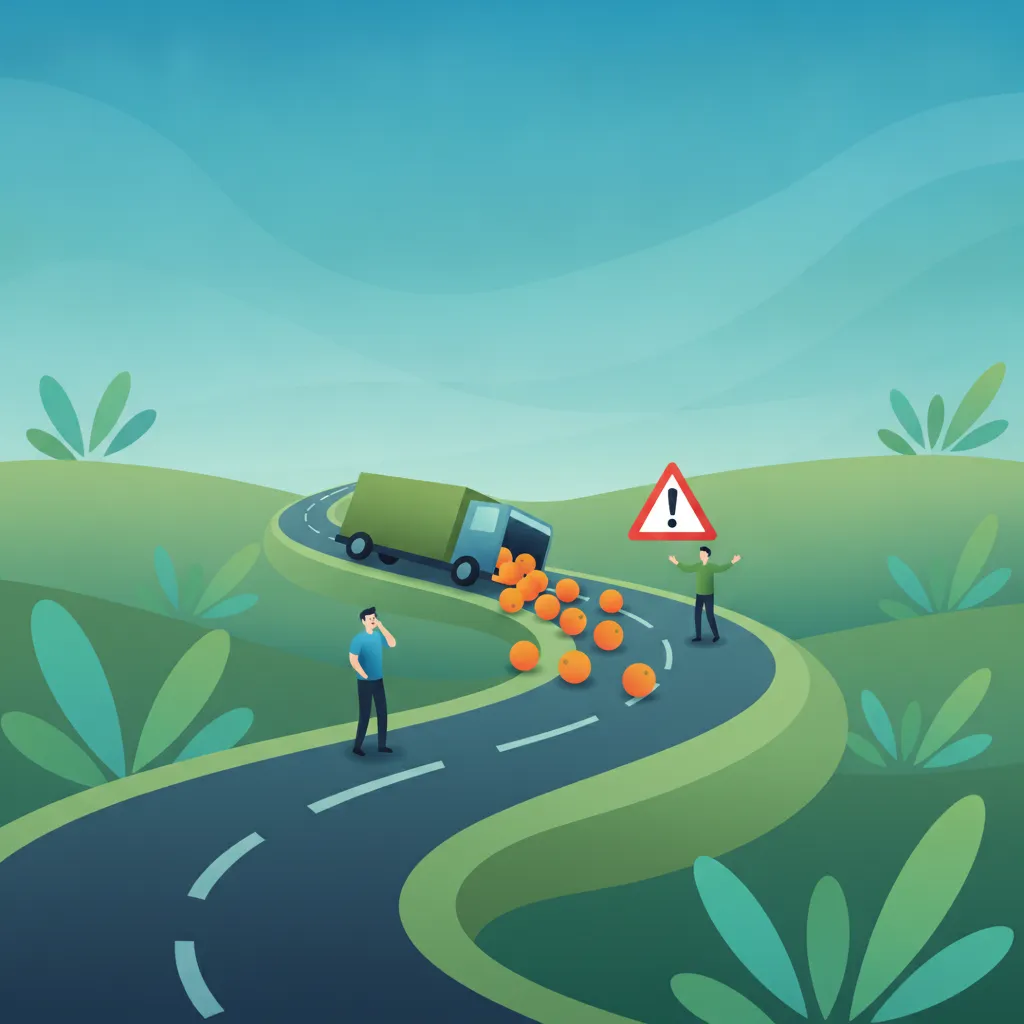
This lesson prepares drivers for incidents beyond a simple breakdown, such as losing part of the load onto the roadway or dealing with a spillage. It outlines the immediate priorities: ensuring personal safety, warning other traffic of the hazard, and notifying the authorities. The lesson also covers the fundamental principles of managing an accident scene, including protecting the area, assessing for casualties, and providing essential information to emergency services.
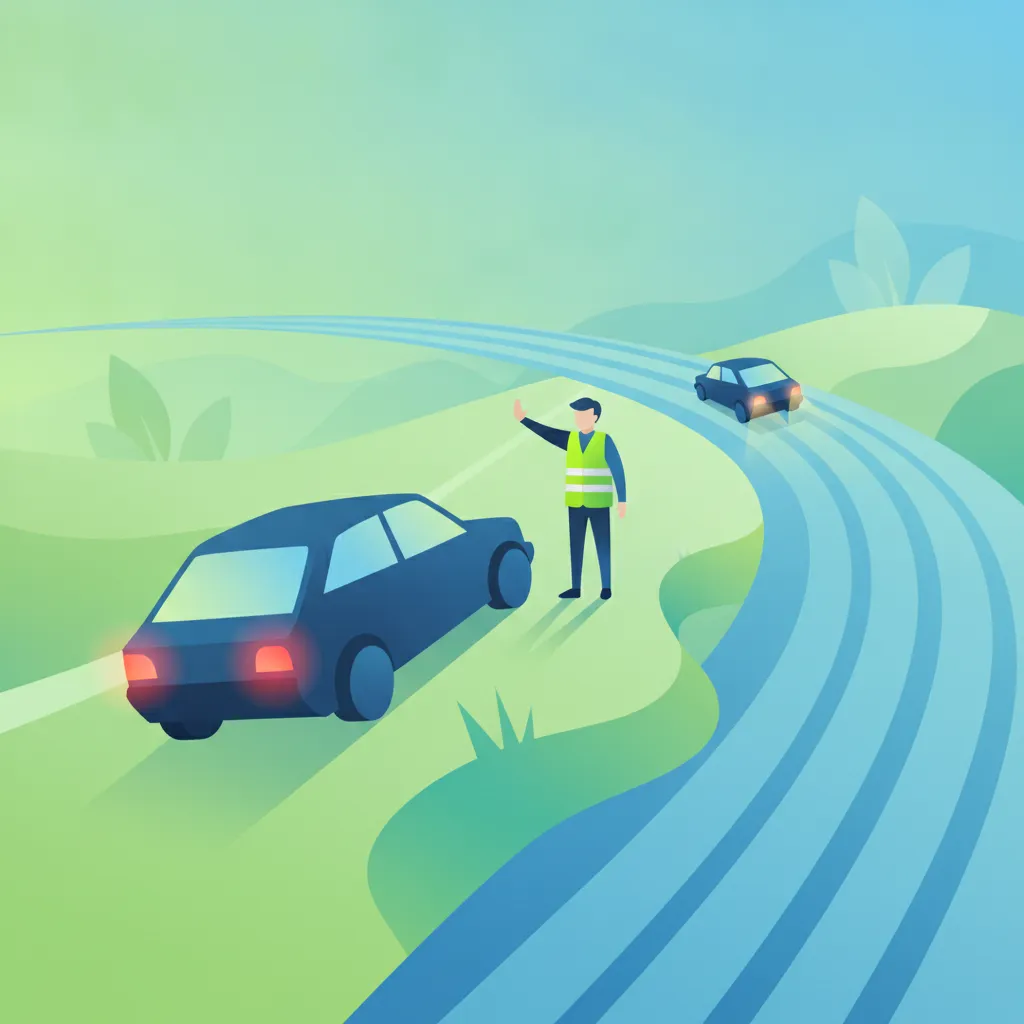
This lesson prepares drivers for unexpected emergencies that may occur far from base. It provides a clear, step-by-step guide on what to do in the event of a breakdown on a motorway, including how to stop safely on the hard shoulder, make the vehicle visible, and call for assistance. Basic procedures for dealing with a vehicle fire or being the first at an accident scene are also covered, prioritizing personal safety at all times.
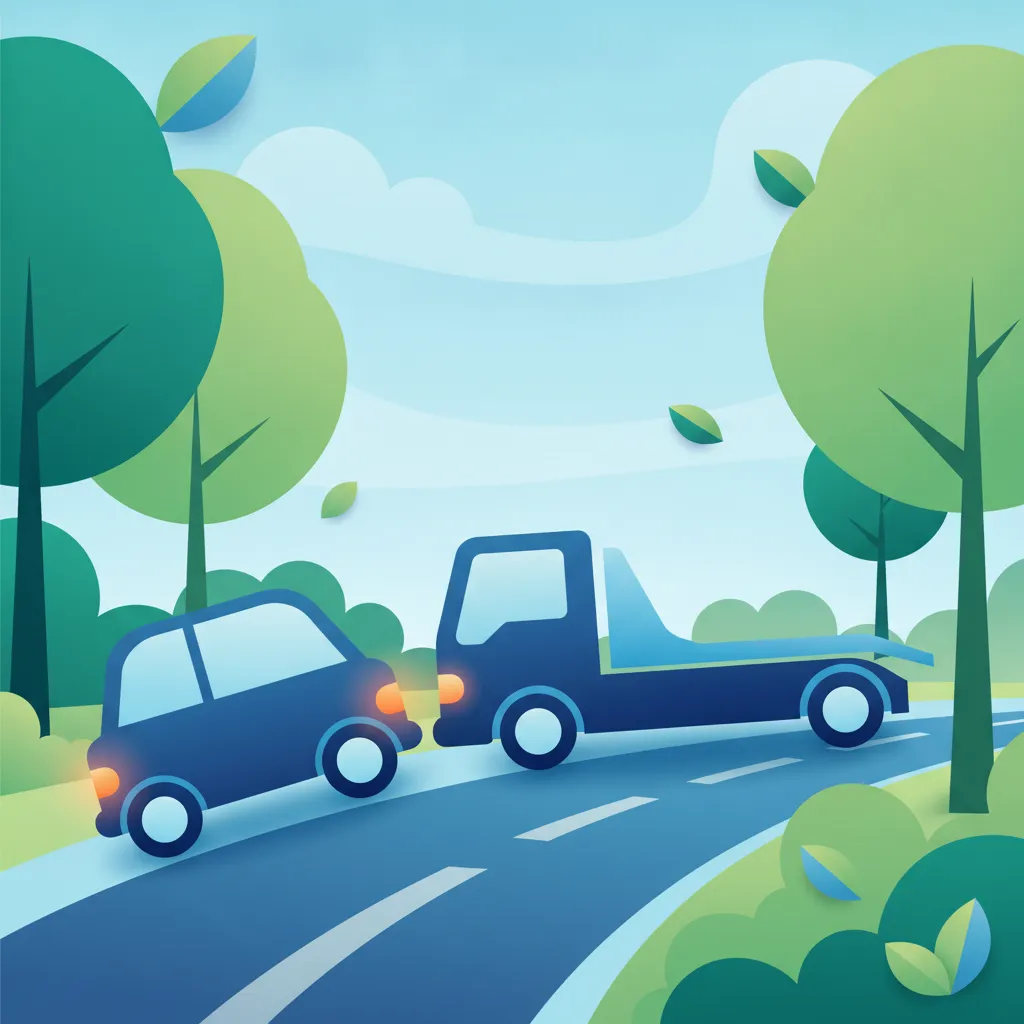
This lesson provides a step-by-step guide for managing a vehicle breakdown safely. It reinforces the procedure for stopping on the hard shoulder, activating hazard lights, and placing a warning triangle at the correct distance. The lesson emphasizes the importance of wearing high-visibility clothing, exiting the vehicle from the side away from traffic, and waiting in a safe location before contacting a roadside assistance service.

This lesson reinforces the correct procedures for interacting with emergency vehicles that are responding to a call with sirens and lights active. It explains the legal obligation to yield the right-of-way by safely moving to the side of the road and stopping if necessary. The content emphasizes making smooth, predictable movements to create a clear path, allowing emergency responders to proceed without delay.
This lesson provides essential guidance on how to adjust driving techniques for a range of hazardous weather conditions. It covers reducing speed and increasing following distances in rain to prevent aquaplaning, using lights correctly in fog, and understanding the vehicle's reduced traction on snow and ice. It also explains how to anticipate and counteract the effects of strong crosswinds on high-sided vehicles.
This lesson details the specific rules and safety considerations for driving through the extensive tunnels and high viaducts common in Italy. It covers pre-entry checks, maintaining a safe following distance, and the correct procedures to follow in case of a breakdown or fire inside a tunnel. The lesson also addresses the hazard of strong crosswinds on exposed viaducts and how to maintain vehicle control.
This lesson covers the complete set of lighting, reflective equipment, and protective guards mandated for heavy vehicles. It explains the function of each light, from headlights to side markers, and the importance of keeping them clean and operational to ensure the vehicle is visible to others. The lesson also details the legal requirements and safety purpose of side guards and rear underrun protection, which are designed to protect vulnerable road users in a collision.

This lesson outlines the correct protocols for stopping to make a delivery in a public area. It covers the legal use of designated loading bays, the importance of making the vehicle highly visible with hazard lights, and ensuring that the parking brake is securely applied. The lesson stresses the need to conduct loading and unloading activities efficiently and safely, without causing undue obstruction or danger to other road users and pedestrians.
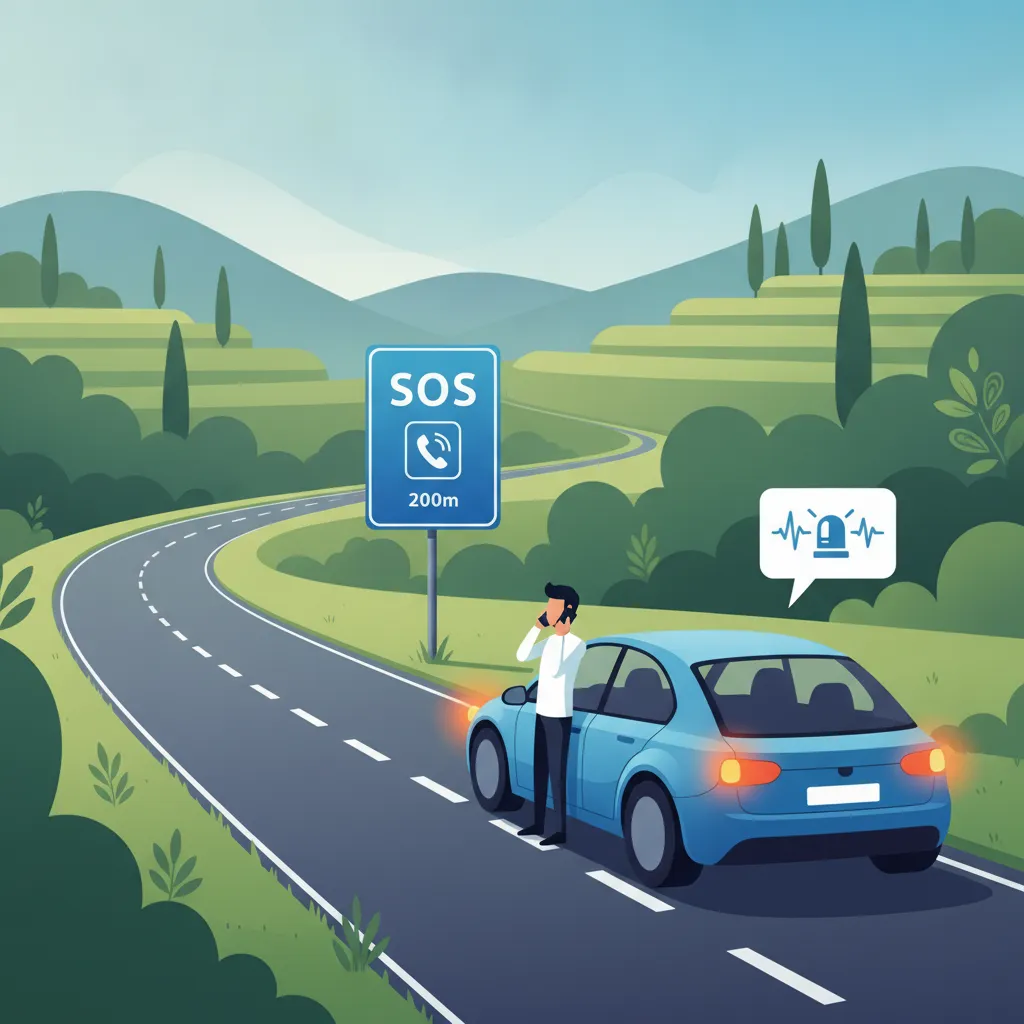
This lesson outlines the proper conduct when encountering emergency vehicles on the road or interacting with responders at an incident. It details the rules for yielding the right-of-way to ambulances, police, and fire services, ensuring they have a clear path. You will also learn how to provide clear and concise information to authorities to facilitate an effective emergency response.

This lesson delves into the specific articles of the Italian Codice della Strada that apply to heavy goods vehicles. It outlines the core legal and professional obligations of a driver, including the heightened duty of care owed to other road users and the responsibility for the vehicle's roadworthiness and load. Learners will understand the legal consequences of non-compliance, such as fines and sanctions, reinforcing the importance of adhering to all traffic regulations.
Understand the common causes of fires in heavy goods vehicles, including electrical faults and fuel leaks. Learn essential daily checks and proactive maintenance for fire prevention in Italy.
This lesson details the specific rules and safety considerations for driving through the extensive tunnels and high viaducts common in Italy. It covers pre-entry checks, maintaining a safe following distance, and the correct procedures to follow in case of a breakdown or fire inside a tunnel. The lesson also addresses the hazard of strong crosswinds on exposed viaducts and how to maintain vehicle control.

This lesson focuses on the specific regulations and techniques for operating a heavy vehicle on high-speed motorways. It covers mandatory lane discipline for trucks, the rules governing overtaking other heavy vehicles, and the specific speed limits that apply. Best practices for merging onto and exiting the motorway, maintaining safe following distances, and using the hard shoulder only in genuine emergencies are also detailed.

This lesson bridges the gap between general traffic laws and their specific application to heavy goods vehicles. It examines how rules regarding speed limits, lane discipline, overtaking, and priority are modified or have special considerations for trucks due to their size, weight, and reduced maneuverability. Drivers will learn to correctly interpret road signs and signals within the context of operating a large vehicle, ensuring safe and compliant integration with other traffic.

This lesson covers three critical risks associated with heavy vehicle braking systems. It explains 'brake lag' in air brake systems, the delay between pedal application and brake activation, and 'brake fade', the loss of braking efficiency due to overheating. Learners will be taught to recognize the warning signs and, more importantly, to use correct driving techniques, such as utilizing endurance brakes, to prevent these potentially catastrophic failures.
This lesson provides essential guidance on how to adjust driving techniques for a range of hazardous weather conditions. It covers reducing speed and increasing following distances in rain to prevent aquaplaning, using lights correctly in fog, and understanding the vehicle's reduced traction on snow and ice. It also explains how to anticipate and counteract the effects of strong crosswinds on high-sided vehicles.
This lesson prepares drivers for incidents beyond a simple breakdown, such as losing part of the load onto the roadway or dealing with a spillage. It outlines the immediate priorities: ensuring personal safety, warning other traffic of the hazard, and notifying the authorities. The lesson also covers the fundamental principles of managing an accident scene, including protecting the area, assessing for casualties, and providing essential information to emergency services.
This lesson delves into the specific articles of the Italian Codice della Strada that apply to heavy goods vehicles. It outlines the core legal and professional obligations of a driver, including the heightened duty of care owed to other road users and the responsibility for the vehicle's roadworthiness and load. Learners will understand the legal consequences of non-compliance, such as fines and sanctions, reinforcing the importance of adhering to all traffic regulations.
This lesson covers the complete set of lighting, reflective equipment, and protective guards mandated for heavy vehicles. It explains the function of each light, from headlights to side markers, and the importance of keeping them clean and operational to ensure the vehicle is visible to others. The lesson also details the legal requirements and safety purpose of side guards and rear underrun protection, which are designed to protect vulnerable road users in a collision.
This lesson provides a step-by-step guide for managing a vehicle breakdown safely. It reinforces the procedure for stopping on the hard shoulder, activating hazard lights, and placing a warning triangle at the correct distance. The lesson emphasizes the importance of wearing high-visibility clothing, exiting the vehicle from the side away from traffic, and waiting in a safe location before contacting a roadside assistance service.

This lesson provides a comprehensive overview of the essential documentation required for both the driver and the vehicle. It covers the driver's license (patente), CQC card, vehicle registration (carta di circolazione), insurance certificate, and transport-specific documents like the cargo manifest. Learners will understand the importance of ensuring all documents are valid and readily available for inspection by authorities to avoid legal penalties and operational delays.
Find clear answers to common questions learners have about Fire Prevention and Response. Learn how the lesson is structured, which driving theory objectives it supports, and how it fits into the overall learning path of units and curriculum progression in Italy. These explanations help you understand key concepts, lesson flow, and exam focused study goals.
You must immediately find a safe place to stop the vehicle, turn off the engine to cut the fuel and electrical supply, and ensure all occupants evacuate the vehicle to a safe distance before calling emergency services.
No. You should only attempt to tackle a fire if it is very small and can be safely managed with your onboard extinguisher. If the fire is large, involves fuel leaks, or is spreading rapidly, prioritize your safety and evacuate immediately.
Regularly inspect the electrical wiring and fuses for signs of wear, insulation damage, or loose connections. Never ignore warning lights on your dashboard, as these often indicate overheating or electrical system failures that could lead to a fire.
Yes. Keep your engine bay clean of oil and grease buildup, ensure coolant levels are monitored to prevent overheating, and always perform pre-drive checks on tires and wheel bearings to avoid friction-based fire hazards.
Start searching now to pinpoint exactly which Italian driving theory topics, road signs, or traffic rules you need to master. Use our advanced filters to build a custom practice session and ensure you're fully prepared for every aspect of your official driving licence exam.