
This lesson details the mandatory legal procedures for motorcycle riders in Italy following an accident. You will learn the critical steps required by the Codice della Strada to ensure safety, fulfill legal obligations, and correctly document incidents for the theory exam.

Lesson content overview
Being involved in a traffic accident, regardless of its severity, can be a stressful and disorienting experience. However, as a licensed motorcycle rider in Italy, it is crucial to understand your legal responsibilities. Adhering to these obligations is not only a matter of legal compliance but also vital for personal safety, protecting your insurance rights, and ensuring that any injured parties receive timely assistance. This lesson outlines the mandatory legal procedures you must follow after being involved in a traffic incident, as stipulated by the Codice della Strada (Italian Highway Code).
The legal framework governing accidents in Italy is designed to ensure public safety, accountability, and the accurate reporting of incidents. These duties stem from the fundamental principle that all road users must act responsibly to prevent further harm and facilitate a fair determination of fault. Familiarity with these procedures is an essential part of your preparation for the Italian motorcycle theory test for categories A1, A2, and A.
This topic connects directly with other critical areas of your curriculum, such as understanding human factors (how stress affects decision-making post-accident), breakdown and emergency procedures, basic first aid, and the broader legal consequences of traffic violations.
The first and most fundamental legal obligation after any accident is to stop your vehicle. This duty applies universally, regardless of the perceived severity of the collision, whether it involves only property damage or also results in injuries.
Article 149 of the Codice della Strada explicitly mandates that any driver involved in a traffic accident must stop their vehicle at or near the scene. This action serves several critical purposes: to prevent further collisions, protect potential victims, and allow for a proper assessment of the incident.
Ideally, you should move your motorcycle to the side of the road or a safe area if doing so does not create additional danger or obstruct traffic. On high-speed roads like motorways, the hard shoulder is the designated safe stopping area. If moving the vehicle would create new hazards or interfere with evidence gathering, it is sometimes safer to leave it in place, immediately activating hazard lights and placing a warning triangle.
After stopping, your immediate priority is to secure the scene to prevent secondary accidents.
Turn on your motorcycle's hazard lights (luci di emergenza).
If safe, move your motorcycle to the side of the road or hard shoulder.
Place the warning triangle (triangolo di emergenza) at an appropriate distance behind your vehicle to alert oncoming traffic. On urban roads, this is typically at least 50 metres, while on motorways, it should be further, ensuring visibility, especially around bends.
Ensure your own safety and the safety of any passengers before attempting to assist others or assess damage.
Failure to stop after an accident can lead to severe legal penalties, including significant fines, licence suspension, and in some cases, even criminal charges for hit-and-run, especially if injuries are involved.
Beyond merely stopping, Italian law places a strong emphasis on providing assistance to anyone injured or trapped in an accident. This is not just a moral imperative but a strict legal obligation under Article 189 of the Codice della Strada.
Your duty to render assistance means taking immediate action to help injured persons or those trapped in a vehicle, within the limits of your capabilities and without jeopardizing your own safety. This begins with quickly assessing the situation for injuries.
If there are any signs of injury, or if you suspect someone is trapped, you must immediately call for professional help.
118 (Emergency Medical Services): For any medical emergency or injury.
113 (National Police - Polizia di Stato) or 112 (Carabinieri/European Emergency Number): For reporting the accident, especially if there are injuries, significant damage, or if the road is obstructed.
When contacting emergency services, provide clear and concise information: your precise location, the nature of the accident, and the number and condition of any injured parties.
While professional medical help is paramount, your duty may extend to administering basic first aid if you are trained and it is safe to do so. This could include measures such as applying pressure to stop bleeding, maintaining an open airway, or providing comfort to an injured person. However, never attempt actions that could worsen an injury or put yourself in danger (e.g., moving an injured person unless absolutely necessary for their immediate safety, such as removing them from a burning vehicle).
Never move an injured person unless there is an immediate, life-threatening danger (e.g., fire, explosion, or risk of being hit by other traffic). Incorrect movement can cause further, more severe injuries.
Leaving the scene without checking for injured parties or failing to call for assistance when needed can lead to serious criminal charges for "omissione di soccorso" (failure to render aid), a severe offense in Italian law.
The requirement to report an accident varies depending on its nature and severity. However, in many cases, official notification to law enforcement and your insurance provider is mandatory.
Article 186 of the Codice della Strada, among others, outlines the consequences for failing to comply with accident procedures, implying when reporting to the police is necessary. A formal police report, known as a "Verbale," is generally mandatory in Italy under the following circumstances:
Even if you initially believe an accident is minor, if injuries become apparent later, you are still obliged to report it. Generally, if the police are not called to the scene, you should notify them as soon as safely possible, typically within 24-72 hours, depending on the specific circumstances and local police station requirements. It is always best to clarify this with the authorities directly if you are unsure.
In addition to reporting to the police, you have a crucial obligation to inform your insurance company. Most insurance policies require you to notify them of an accident within a specific timeframe, often within 3 working days of the incident. Delays in reporting to your insurer can jeopardise your claim or even lead to its denial, regardless of fault. Even if you plan to settle damages privately, informing your insurer is advisable, as the other party might still file a claim.
After ensuring safety and rendering aid, the next critical step is to exchange relevant information with all other parties involved in the accident. This facilitates the subsequent insurance claims and legal processes.
Article 191 of the Codice della Strada specifically obliges drivers to exchange identification details, vehicle registration, and insurance information with other parties. This includes:
It is advisable to write down or photograph these details from the other party's documents directly to ensure accuracy. Do not rely solely on verbal statements.
Always carry your driver's licence, vehicle registration (libretto di circolazione), and insurance certificate (certificato di assicurazione) when riding. These documents contain all the necessary information for exchange after an accident.
For minor accidents involving only property damage and no injuries, where all parties agree on the facts, you can use the "Modulo di constatazione amichevole" (Friendly Accident Report Form), often referred to as a "CID" form. This standardised European form simplifies the insurance claim process.
Complete all sections: Fill in details about the date, time, location, involved vehicles, drivers, and insurance companies.
Draw a sketch: A simple diagram showing the position of vehicles at the moment of impact is crucial.
Describe damages: Clearly note the visible damages on both vehicles.
Signatures: All involved drivers must sign the form. Each party should keep a copy.
Using this form correctly can expedite the insurance claim and avoid the need for police intervention, but it is only suitable if there's complete agreement among parties and no injuries. If there is any disagreement or uncertainty, or if injuries are present, you should always call the police.
Thorough documentation of the accident scene is a powerful tool to support your insurance claim and aid in fault determination, even if the police are present and create their own report.
Modern smartphones make it easy to document the scene comprehensively.
Photographs: Take numerous photos from various angles. Include:
Written Notes: Jot down important details immediately, as memory can fade under stress. Include:
If there are any bystanders who witnessed the accident, politely ask for their contact details and a brief statement of what they observed. Independent witness testimonies can be invaluable in reconstructing the accident and resolving disputes over fault, particularly if there are conflicting accounts or no police report.
Neglecting to document the scene adequately can weaken your insurance claim, make it harder to prove fault, and increase the risk of disputes with the other party or their insurance company.
Understanding the potential repercussions of an accident, especially if you fail to comply with your legal duties, is crucial. These consequences can range from administrative penalties to severe criminal charges and significant financial burdens.
Violations of the Codice della Strada related to accident procedures carry specific penalties:
Beyond administrative and criminal penalties, there are significant civil and financial liabilities:
All motor vehicles on Italian public roads must be covered by mandatory third-party liability insurance (RC Auto). This insurance is designed to cover damages you might cause to others. However, it does not cover damages to your own vehicle or injuries to yourself unless you have purchased additional comprehensive or personal accident coverage.
Your actions after an accident may need to adapt based on various environmental and situational factors. Being prepared for these variations can enhance safety and compliance.
Understanding the distinction between minor and major accidents is key to determining your reporting obligations:
Always err on the side of caution. If there is any doubt about the severity, potential for injury, or if any party is uncooperative, it is always best to call the police.
Failing to comply with the legal obligations after an accident can lead to significant repercussions, far beyond the immediate incident.
Leaving the Scene (Hit-and-Run / Omissione di Soccorso)
Failure to Render Aid
Not Exchanging Information
Moving Vehicles Improperly
Inadequate Scene Documentation
Late Reporting to Authorities or Insurer
Providing False Information
Being prepared for the aftermath of an accident is as crucial as practicing safe riding techniques. As an Italian motorcycle theory course student, mastering these legal responsibilities ensures you are not only a competent rider but also a responsible one. Remember the key principles:
By understanding and fulfilling these obligations, you protect yourself, other road users, and your legal standing, demonstrating the responsibility expected of every licensed rider on Italian roads.
This lesson covers the mandatory legal procedures for motorcycle riders in Italy after any traffic accident, based on the Codice della Strada. Key obligations include stopping safely (Art. 149), rendering aid and calling emergency services (Art. 189), and exchanging identification and insurance information with all parties (Art. 191). For minor property-damage-only accidents where all parties agree, the Modulo di constatazione amichevole (CID) form streamlines the insurance process, while injuries or disputes require a formal police report (Verbale). Non-compliance can result in criminal charges for omissione di soccorso, fines, licence points, suspension, and civil liability for damages.
A short set of high-value points that capture the most important learning from this lesson.
Always stop at the scene of any accident, regardless of perceived severity, as mandated by Article 149 of the Codice della Strada.
Calling emergency services (118 for medical, 113/112 for police) is mandatory when injuries are present or suspected.
Information exchange under Article 191 includes full name, address, vehicle registration, licence details, and insurance information with all parties.
The Modulo di constatazione amichevole (CID form) is only appropriate for minor accidents with no injuries and full agreement between parties.
Thorough scene documentation with photographs, notes, and witness statements is essential for insurance claims and fault determination.
Explore all units and lessons included in this driving theory course.
Art. 149 Codice della Strada: Obligation to stop applies universally to all accidents.
Art. 189 Codice della Strada: Duty to render aid includes calling emergency services when injuries exist.
Art. 191 Codice della Strada: All drivers must exchange personal, vehicle, and insurance details.
Warning triangle placement: at least 50 metres on urban roads, further on motorways.
Report injuries to police even if they seem minor initially; delayed reporting is still mandatory.
Assuming an accident is too minor to stop or report, which can constitute hit-and-run (omissione di soccorso) under Italian law.
Moving injured persons without immediate life-threatening danger, which can worsen their condition.
Using the friendly report form (CID) when injuries are present or parties disagree, which is inappropriate and potentially illegal.
Failing to notify the insurance company within the required timeframe, risking claim denial.
Relying solely on verbal information exchange without documenting details in writing or photographs.
Lesson content overview
A short set of high-value points that capture the most important learning from this lesson.
Always stop at the scene of any accident, regardless of perceived severity, as mandated by Article 149 of the Codice della Strada.
Calling emergency services (118 for medical, 113/112 for police) is mandatory when injuries are present or suspected.
Information exchange under Article 191 includes full name, address, vehicle registration, licence details, and insurance information with all parties.
The Modulo di constatazione amichevole (CID form) is only appropriate for minor accidents with no injuries and full agreement between parties.
Thorough scene documentation with photographs, notes, and witness statements is essential for insurance claims and fault determination.
Explore all units and lessons included in this driving theory course.
Art. 149 Codice della Strada: Obligation to stop applies universally to all accidents.
Art. 189 Codice della Strada: Duty to render aid includes calling emergency services when injuries exist.
Art. 191 Codice della Strada: All drivers must exchange personal, vehicle, and insurance details.
Warning triangle placement: at least 50 metres on urban roads, further on motorways.
Report injuries to police even if they seem minor initially; delayed reporting is still mandatory.
Assuming an accident is too minor to stop or report, which can constitute hit-and-run (omissione di soccorso) under Italian law.
Moving injured persons without immediate life-threatening danger, which can worsen their condition.
Using the friendly report form (CID) when injuries are present or parties disagree, which is inappropriate and potentially illegal.
Failing to notify the insurance company within the required timeframe, risking claim denial.
Relying solely on verbal information exchange without documenting details in writing or photographs.
Explore search topics learners often look for when studying Legal Responsibilities after Accidents and Penalties. These topics reflect common questions about road rules, driving situations, safety guidance, and lesson level theory preparation for learners in Italy.
Browse additional driving theory lessons that cover connected traffic rules, road signs, and common driving situations related to this topic. Improve your understanding of how different rules interact across everyday traffic scenarios.
Understand your mandatory legal obligations after a motorcycle accident in Italy. Covers stopping, rendering aid, reporting to authorities, and exchanging information as per the Codice della Strada.

This lesson equips riders with the correct procedures to follow in the event of a breakdown or accident. It covers how to move the vehicle to a safe location, alert other traffic, and contact emergency services using the universal 112 number. You will also learn the basics of accident scene management and the necessary steps for reporting the incident to police and insurance.

This final lesson focuses on the administrative and legal procedures following an accident or incident. It explains how to correctly complete an accident report form (Constatazione Amichevole di Incidente - CAI), the information that must be exchanged with other parties, and the importance of accurate reporting. The lesson also provides guidance on how to interact calmly and professionally with police or other officials, providing required documentation and a clear account of events.
This lesson focuses on the comprehensive duties of a motorcyclist, from ensuring vehicle and equipment legality to following traffic regulations. It covers key obligations mandated by the Codice della Strada, such as mandatory insurance coverage and adherence to environmental rules. The material reinforces the importance of responsible road conduct and the legal consequences of non-compliance.
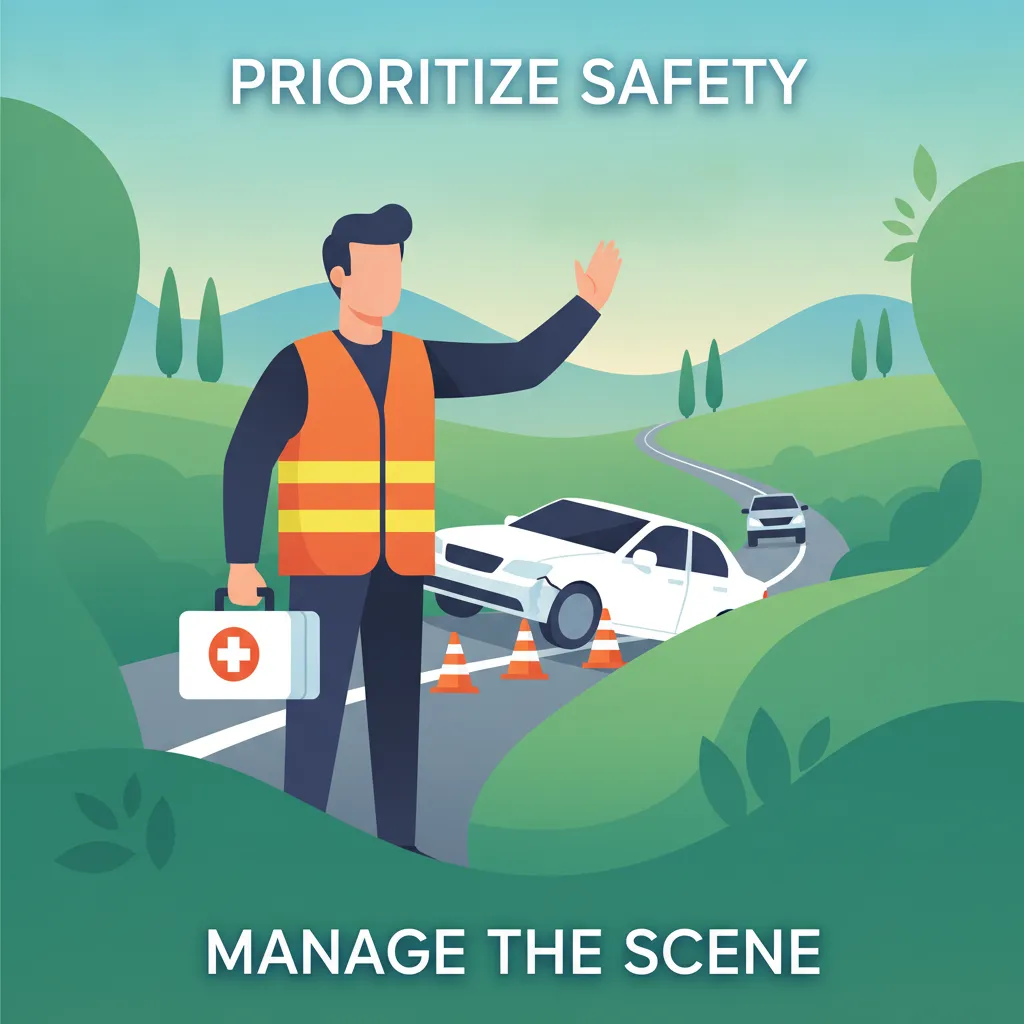
This lesson provides essential knowledge for managing the immediate aftermath of an accident before professional help arrives. It covers the critical first step of securing the scene to prevent further incidents. The content then introduces basic first aid principles, such as assessing a casualty's condition and controlling severe bleeding, while also explaining the critical considerations regarding when and when not to remove a rider's helmet.
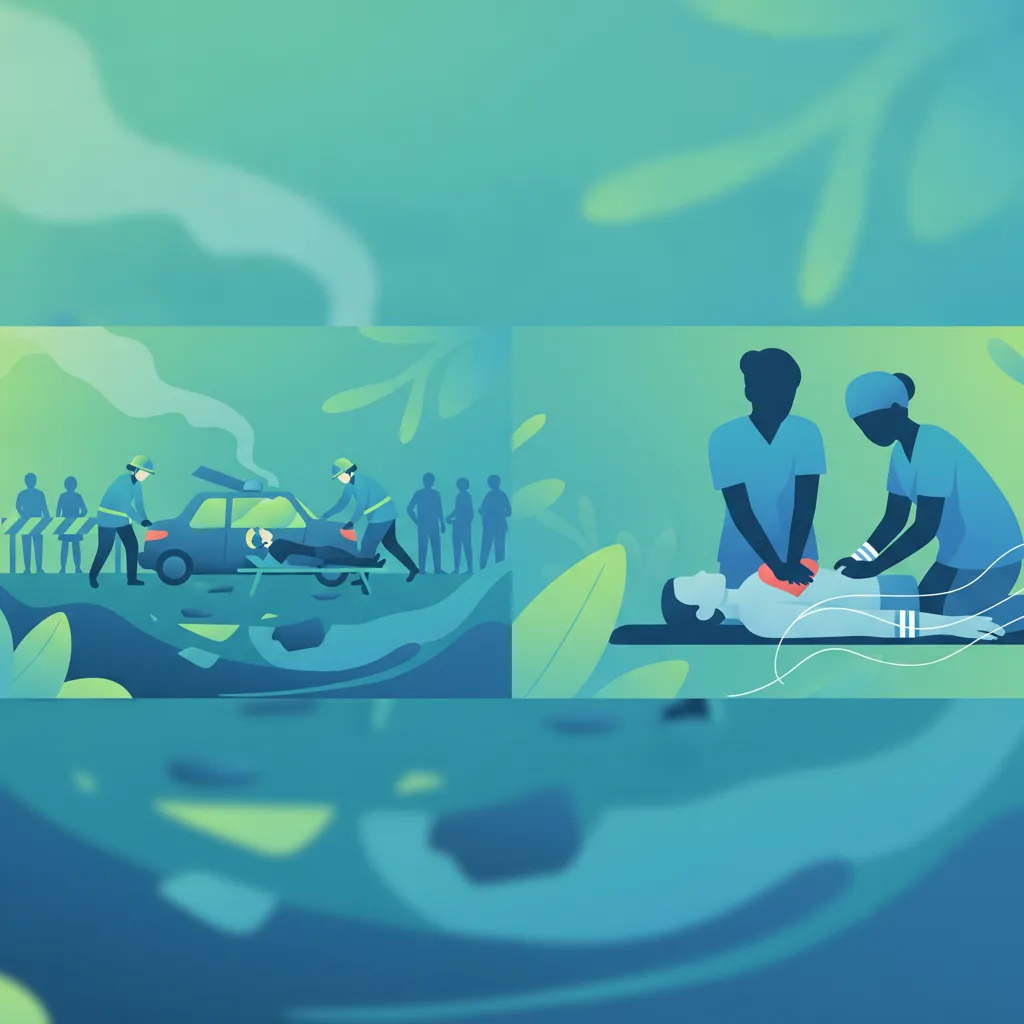
This lesson provides critical guidance on how to respond in the event of a traffic accident. It outlines the immediate steps to take, such as securing the scene with a warning triangle and hazard lights, and calling the emergency services. The content also covers the legal obligation to assist the injured and provides an introduction to basic first aid principles that can be applied until professional help arrives.

This lesson provides a clear, step-by-step guide for handling a mechanical breakdown on the road. It emphasizes the priority of moving the motorcycle to a safe location away from traffic flow and making oneself visible by using hazard lights and wearing a high-visibility vest. The content covers the correct procedure for contacting roadside assistance or emergency services and waiting for help in a secure position.

This lesson delivers a comprehensive explanation of right-of-way regulations at Italian intersections. It covers the interpretation of traffic light signals, the absolute requirement to stop at stop signs, and yielding at give-way signs. Furthermore, it details the default priority rules for unmarked intersections and the specific obligations a rider has towards pedestrians on crossings.
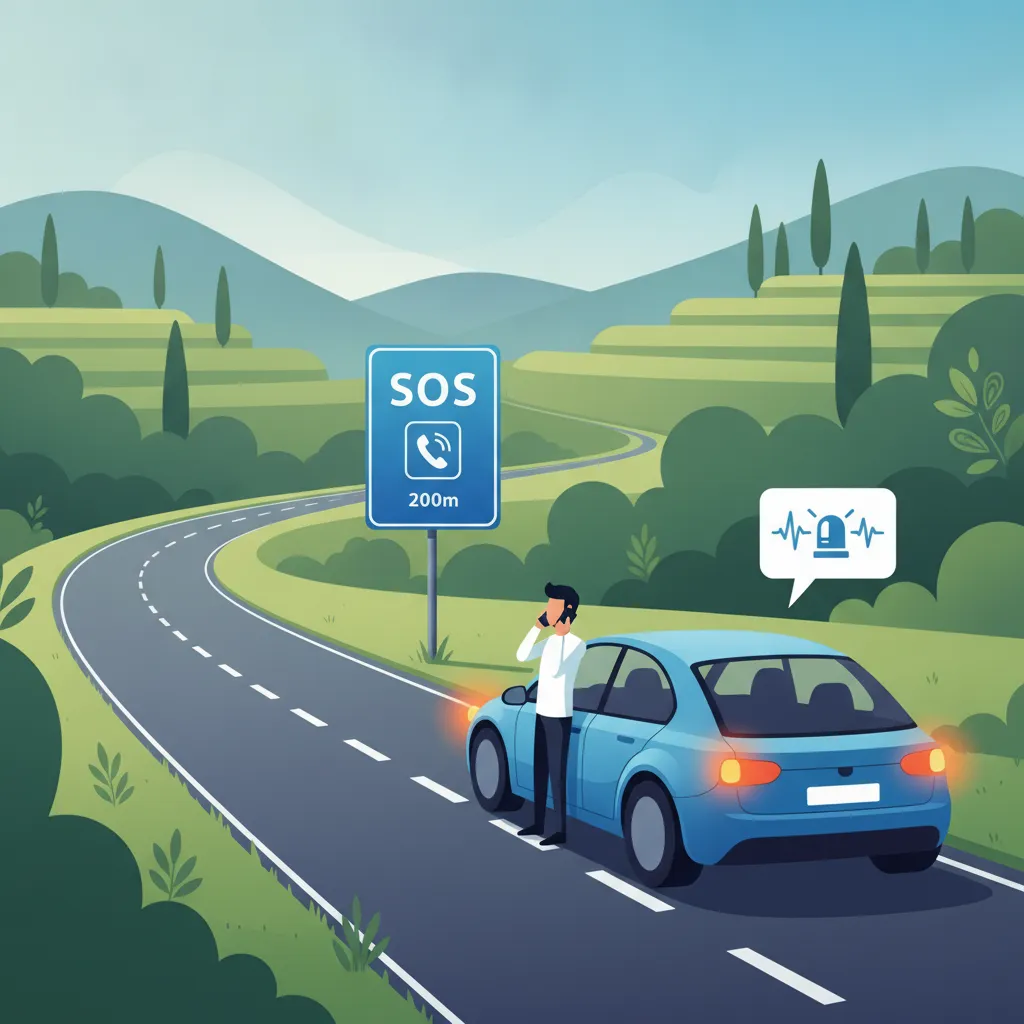
This lesson outlines the proper conduct when encountering emergency vehicles on the road or interacting with responders at an incident. It details the rules for yielding the right-of-way to ambulances, police, and fire services, ensuring they have a clear path. You will also learn how to provide clear and concise information to authorities to facilitate an effective emergency response.
Explore the serious legal and financial repercussions of traffic accidents and failing to meet your obligations in Italy. Includes information on fines, licence points, civil liability, and insurance implications.
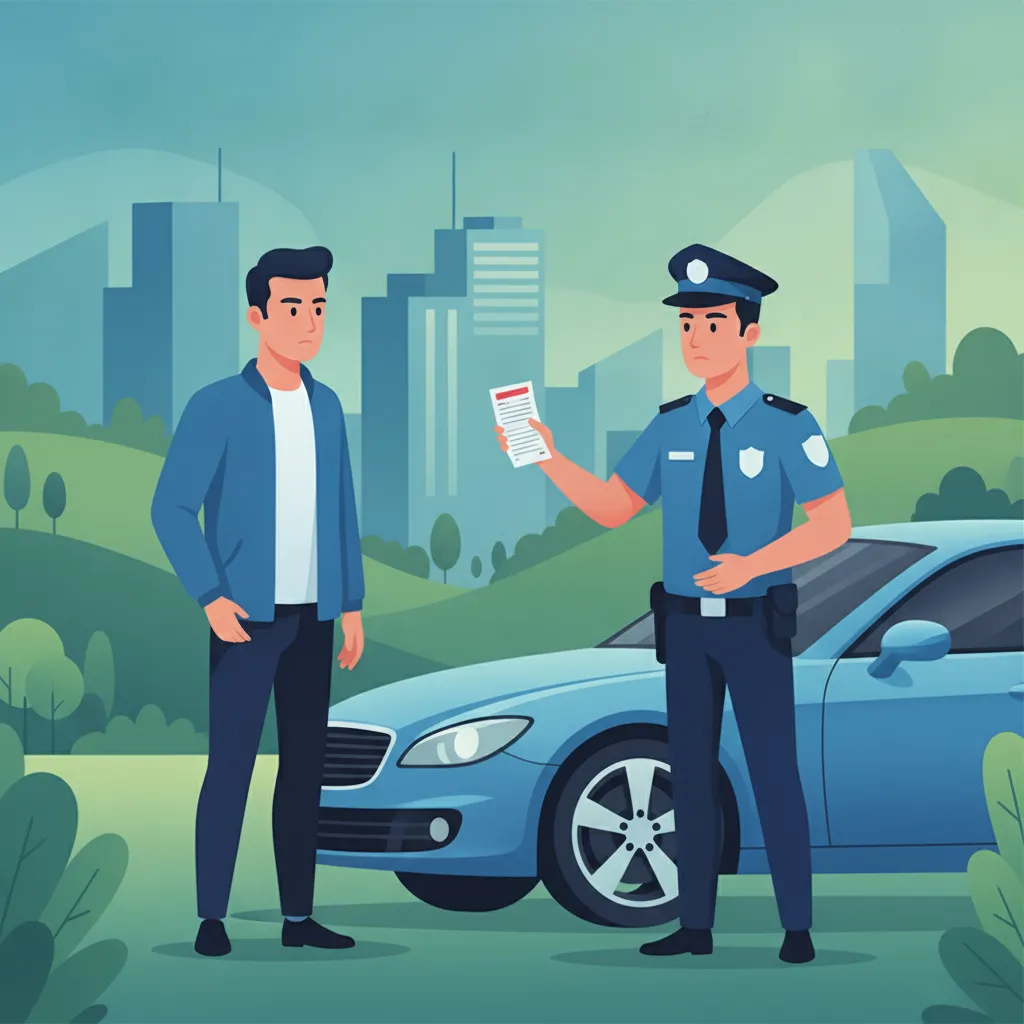
This lesson provides a clear overview of the legal penalties for traffic violations in Italy. It explains the structure of fines and the penalty point system that can lead to license suspension or revocation. The content also touches on more severe consequences, including criminal liability for incidents causing injury, to emphasize the importance of lawful riding.
This lesson focuses on the comprehensive duties of a motorcyclist, from ensuring vehicle and equipment legality to following traffic regulations. It covers key obligations mandated by the Codice della Strada, such as mandatory insurance coverage and adherence to environmental rules. The material reinforces the importance of responsible road conduct and the legal consequences of non-compliance.

This lesson provides a comprehensive review of the legal consequences for violating traffic laws in Italy. It reinforces the workings of the points system, explaining how different offenses lead to deductions and how a total loss of points results in license revocation. The content also covers the scale of monetary fines for various infractions and the conditions under which a driver's license may be temporarily suspended.
This lesson provides a clear overview of the legal consequences for failing to comply with road transport regulations in Italy. It covers the system of fines for common offenses like speeding, overloading, and violations of driving hours. The lesson also explains the penalty point system that can lead to license suspension and touches upon the responsibilities and potential liability of the transport company.
This lesson provides critical guidance on how to respond in the event of a traffic accident. It outlines the immediate steps to take, such as securing the scene with a warning triangle and hazard lights, and calling the emergency services. The content also covers the legal obligation to assist the injured and provides an introduction to basic first aid principles that can be applied until professional help arrives.
This lesson equips riders with the correct procedures to follow in the event of a breakdown or accident. It covers how to move the vehicle to a safe location, alert other traffic, and contact emergency services using the universal 112 number. You will also learn the basics of accident scene management and the necessary steps for reporting the incident to police and insurance.
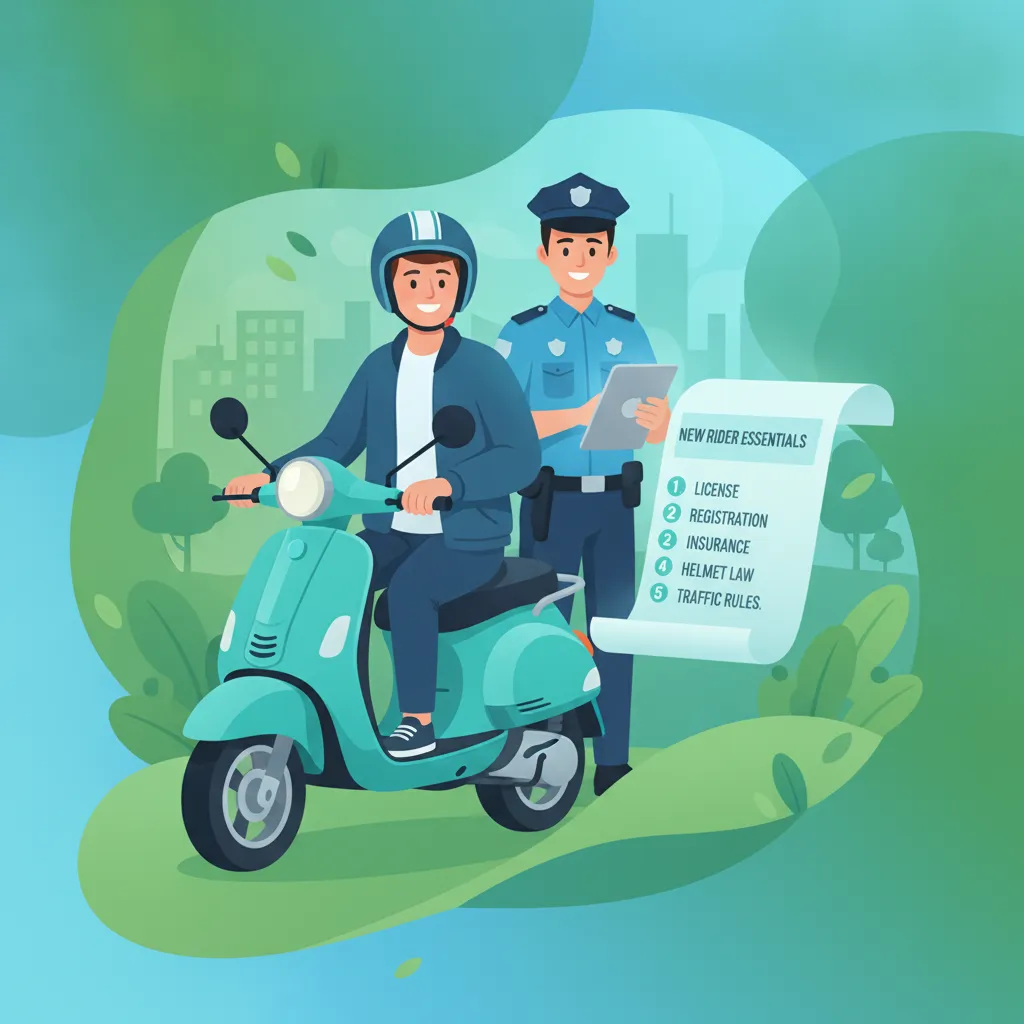
This lesson focuses on the legal obligations that first-time riders must meet to operate an AM vehicle safely and legally. It details the mandatory use of certified helmets and appropriate protective clothing. Furthermore, it outlines fundamental traffic laws new riders must know and the legal repercussions of non-compliance, such as fines and penalty points.
This lesson delivers a comprehensive explanation of right-of-way regulations at Italian intersections. It covers the interpretation of traffic light signals, the absolute requirement to stop at stop signs, and yielding at give-way signs. Furthermore, it details the default priority rules for unmarked intersections and the specific obligations a rider has towards pedestrians on crossings.
This lesson provides essential knowledge for managing the immediate aftermath of an accident before professional help arrives. It covers the critical first step of securing the scene to prevent further incidents. The content then introduces basic first aid principles, such as assessing a casualty's condition and controlling severe bleeding, while also explaining the critical considerations regarding when and when not to remove a rider's helmet.
This lesson provides a comprehensive guide to riding on high-speed motorways, or autostrade. It details the correct procedures for safely merging into traffic from an entry ramp and exiting via a deceleration lane. The content reinforces strict lane discipline, rules for overtaking, and the importance of maintaining a significantly larger following distance to compensate for higher speeds and potential wind gusts.
Find clear answers to common questions learners have about Legal Responsibilities after Accidents and Penalties. Learn how the lesson is structured, which driving theory objectives it supports, and how it fits into the overall learning path of units and curriculum progression in Italy. These explanations help you understand key concepts, lesson flow, and exam focused study goals.
Yes, under the Italian Codice della Strada, you are legally required to stop if you are involved in any accident, regardless of how minor it appears. Failure to stop can result in severe legal penalties.
The Constatazione Amichevole, or the friendly accident report form, is used to record the dynamics of an accident, vehicle details, and insurance information. It is crucial for settling insurance claims efficiently in Italy.
You should only move the vehicle if it presents an immediate danger to other traffic or yourself, and only if it does not compromise the evidence of the accident. Whenever possible, wait for the authorities to document the scene.
Leaving the scene of an accident without providing assistance or exchanging information is a criminal offense in Italy, leading to heavy fines, license suspension, and potential imprisonment, especially if injuries are involved.
Start searching now to pinpoint exactly which Italian driving theory topics, road signs, or traffic rules you need to master. Use our advanced filters to build a custom practice session and ensure you're fully prepared for every aspect of your official driving licence exam.