
Following a collision, knowing the correct actions is vital for safety and legal compliance. This lesson provides a clear, step-by-step guide on what to do immediately after an accident, building on your understanding of general road safety and preparing you for crucial exam questions on emergency situations.
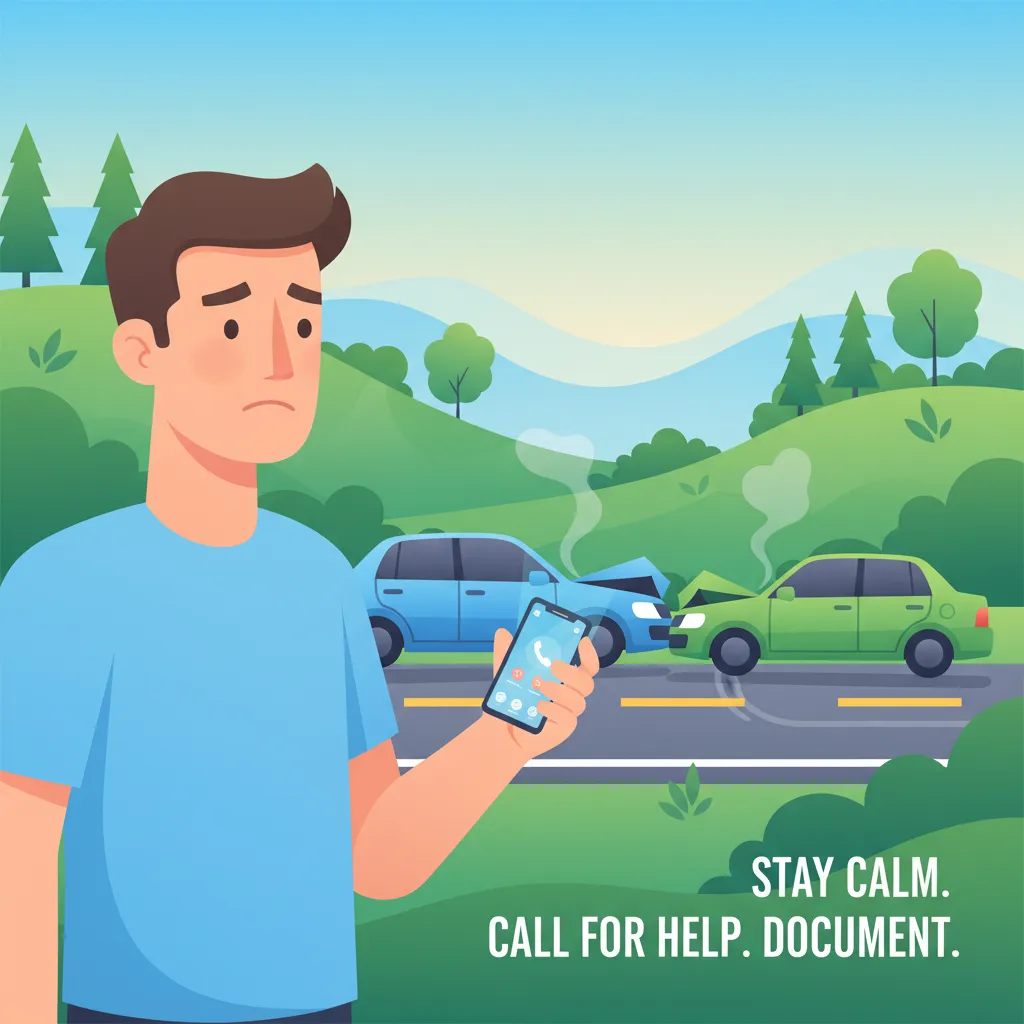
Lesson content overview
Navigating the moments immediately following a road collision can be stressful and confusing. However, as a driver in Poland, it is crucial to understand and apply specific, legally mandated procedures. This comprehensive lesson details the essential steps you must take to ensure safety, comply with Polish traffic law (Ustawa o ruchu drogowym), preserve evidence, and facilitate insurance processes. Adhering to these guidelines not only protects you and others but also minimizes potential legal and financial repercussions.
The very first priority after any road collision is to secure the scene. This critical step aims to prevent further accidents and protect all individuals involved. Prompt and correct actions, such as activating hazard lights and properly placing a warning triangle, are vital for alerting other road users to the danger ahead.
Upon involvement in a collision, your immediate action should be to activate your vehicle's hazard warning lights. These are the flashing amber lights on your vehicle, typically engaged by a button on the dashboard, often marked with a red triangle symbol.
Activating hazard lights signals to approaching traffic that your vehicle is stationary, is creating an obstruction, or poses a potential hazard. This is particularly crucial in conditions of poor visibility, such as fog, heavy rain, or darkness, where your stopped vehicle might not be easily seen. While Polish law does not explicitly mandate hazard light use after a collision, it is universally recommended as a fundamental safety practice to enhance visibility and warn others effectively.
After activating your hazard lights, you must place a warning triangle to further alert oncoming traffic. This is a mandatory legal requirement in Poland when your vehicle is stopped on the carriageway due to an accident or breakdown, and it cannot be safely moved.
The correct placement distance of the warning triangle is crucial for its effectiveness. The further away it is, the more time approaching drivers have to react and slow down.
For roads with a speed limit exceeding 50 km/h (e.g., rural roads, expressways, motorways), the warning triangle must be placed at a distance of at least 30 metres behind the vehicle.
For urban roads with a speed limit of 50 km/h or less, the warning triangle should be placed at a distance of at least 15 metres behind the vehicle. In built-up areas, if the vehicle is visible from a sufficient distance, the triangle may also be placed directly on or behind the vehicle.
Ensure the triangle is clearly visible to oncoming traffic. If the accident occurs on a bend or crest, place the triangle before the obstruction to give drivers maximum warning.
Incorrect placement of the warning triangle, particularly placing it too close to the vehicle on high-speed roads, significantly reduces its effectiveness and can result in fines. Always prioritize safety and consider prevailing conditions like weather and light when determining placement.
Once the scene is secured, your next critical responsibility is to assess the condition of all individuals involved. This includes yourself, your passengers, occupants of other vehicles, and any pedestrians or cyclists. Your assessment will determine whether emergency medical and police services need to be called.
A rapid and thorough injury assessment involves checking for obvious signs of physical harm. Begin by checking yourself for any injuries, as your ability to help others depends on your own condition. Then, proceed to check others involved:
Self-Assessment: Take a moment to check if you are injured or disoriented. If you feel unwell or cannot move, remain in your vehicle (if safe) and await help.
Visual Check: Look for visible injuries such as bleeding, broken bones, or signs of unconsciousness. Observe if anyone appears dazed, confused, or is holding a specific body part.
Verbal Verification: Ask all parties, "Are you injured? Do you feel any pain?" Even if there are no visible injuries, internal injuries like whiplash can occur. Pay close attention to their responses.
Always assume the possibility of hidden injuries. Even minor impacts can cause significant internal damage or delayed symptoms. Err on the side of caution when assessing health.
If any person involved in the collision exhibits signs of injury, appears dazed, reports pain, or is unconscious, you must immediately call the universal emergency number 112. This is a legal obligation under Polish law.
Poland's universal emergency telephone number for police, fire, and ambulance services. Call immediately for injuries, serious accidents, or any life-threatening situations.
When calling 112, be prepared to provide clear and concise information:
Failing to call emergency services when injuries are present can lead to severe legal consequences, including fines or criminal liability for neglect, especially if delayed medical aid worsens a victim's condition.
Beyond ensuring safety and immediate medical attention, Polish law mandates specific actions regarding information exchange and reporting. These steps are crucial for determining liability, processing insurance claims, and fulfilling your legal duties.
After securing the scene and addressing any injuries, you are legally obliged to exchange information with all other parties involved in the collision. This applies regardless of the severity of the damage or injuries.
Personal Data: Your full name, address, and driver's licence number. You may also be asked for your PESEL number if applicable.
Vehicle Data: The registration plate number, make, model, and potentially the Vehicle Identification Number (VIN).
Insurance Data: Your insurance policy number and the name of your insurance provider.
It is highly recommended to collect the same information from the other driver(s). If there are witnesses, try to obtain their names and contact details as well. Carrying a pre-printed "accident card" or having a dedicated note in your phone for this information can simplify this process.
Thorough documentation of the accident scene is invaluable for insurance claims and any potential legal proceedings. Even if the police are called, they may not capture every detail, and your own evidence can be critical.
Take Photographs: Use your phone to take numerous photos from various angles. Capture the final resting positions of all vehicles, damage to each vehicle, skid marks, debris on the road, road signs, traffic lights, and overall road conditions (e.g., wet surface). Take wide shots showing the general scene and close-ups of specific damage.
Create Sketches or Diagrams: Draw a simple diagram of the accident scene, showing the positions of vehicles, direction of travel, and relevant road features.
Note Witness Accounts: If there are witnesses, politely ask for their names and contact information. Briefly note down what they saw. Their unbiased accounts can be critical.
Record Date, Time, and Location: Be precise about when and where the accident occurred.
Do not move your vehicle or allow others to move theirs until after photographs have been taken, especially if serious injuries occurred or the police are on their way. Moving vehicles prematurely can destroy crucial evidence needed for reconstruction.
Under Polish law, specific conditions trigger a mandatory requirement to report a collision to the police. Failure to comply can result in administrative penalties, fines, or even issues with insurance claims.
The police must be notified in the following situations:
If the collision involves only minor material damage (below the specified threshold) and all parties agree on fault, and no one is injured, you may not be legally required to call the police immediately. In such cases, the involved parties can jointly complete an Oświadczenie o zdarzeniu drogowym (Road Incident Statement). This document, signed by all parties, serves as an official record for insurance purposes. However, even in these minor incidents, the police may still be notified within a defined timeframe (e.g., 24 hours) if requested by an insurer or if new information emerges.
A written statement describing the circumstances of a road incident, jointly completed and signed by all involved parties, used for police reporting and insurance claims in Poland.
Road accidents rarely happen under ideal conditions. Various external factors and common errors can complicate the post-collision procedures. Understanding how to adapt to these variables and what pitfalls to avoid is crucial for responsible driving.
Environmental factors can significantly impact the safety and logistics of an accident scene.
Drivers often make mistakes in the aftermath of a collision, either due to stress, lack of knowledge, or attempting to avoid responsibility. Being aware of these can help you avoid them.
Always act calmly and methodically. Stress can impair judgment. If unsure, prioritize safety and err on the side of caution by contacting emergency services or documenting everything meticulously.
Understanding the legal context and specific terminology is fundamental for any driver in Poland dealing with post-collision procedures. This section consolidates the most important terms and references.
The primary legal framework governing road traffic and accident procedures in Poland is the Ustawa o ruchu drogowym (Road Traffic Act). This act defines driver responsibilities, reporting requirements, and penalties for non-compliance. Specific articles within this act address duties after an accident, use of warning signals, and information exchange.
Successfully navigating the aftermath of a road collision hinges on a clear understanding and execution of a sequence of actions. By following these steps, you not only comply with Polish law but also protect yourself, other road users, and your financial interests.
Stop Safely: Immediately stop your vehicle at the scene of the collision, turn off the engine, and activate your hazard warning lights.
Secure the Scene: Place your warning triangle at the legally prescribed distance (at least 30 metres on high-speed roads, 15 metres on urban roads).
Assess for Injuries: Quickly check yourself, your passengers, and all other parties involved for any injuries.
Call 112: If anyone is injured, or if you suspect serious damage or danger, call the emergency services (112) immediately. Provide clear and precise information about the location and situation.
Exchange Information: Share your personal, vehicle, and insurance details with all other involved drivers, and collect the same information from them.
Document the Scene: Take photographs of the vehicles, damage, road conditions, and any relevant signs. Sketch a diagram and note down witness contact details if available.
Fulfill Reporting Obligations: If required by law (e.g., due to injuries, significant damage, or dispute), await police arrival or submit a joint Oświadczenie o zdarzeniu drogowym.
Stay Calm and Cooperative: Avoid arguments, remain at the scene until all necessary steps are completed, and cooperate fully with authorities.
By internalizing these procedures, you build a strong foundation for responsible driving and are prepared to handle emergency situations effectively and legally on Polish roads.
Explore all units and lessons included in this driving theory course.
Lesson content overview
Explore all units and lessons included in this driving theory course.
Explore search topics learners often look for when studying Immediate Actions After a Collision. These topics reflect common questions about road rules, driving situations, safety guidance, and lesson level theory preparation for learners in Poland.
Browse additional driving theory lessons that cover connected traffic rules, road signs, and common driving situations related to this topic. Improve your understanding of how different rules interact across everyday traffic scenarios.
Understand the legal requirements and driver obligations following a traffic accident in Poland. Learn about mandatory reporting, information exchange, and essential documentation for insurance and compliance. Essential theory for all drivers.
This lesson deals with the administrative aftermath of an accident. It explains the legal requirements for reporting a collision to the police and the process for notifying insurance companies. The content details what information must be exchanged between involved parties, including insurance details and contact information, to facilitate a smooth claims process.
This lesson outlines the legal responsibilities of tractor drivers as stipulated by Polish traffic law, emphasizing the duty to comply with all rules of the road. It discusses the liability framework for accidents involving agricultural vehicles, including the need for appropriate insurance and potential penalties. The lesson also explains the importance of maintaining accurate documentation, such as registration papers and a driver’s licence.
This lesson details the documentation required for a Category B licence application and vehicle operation. It explains the function of the vehicle registration certificate (dowód rejestracyjny), the mandatory civil liability insurance (OC), and the certificate of technical inspection. Learners will understand the verification process and the importance of keeping these documents current and accessible.
In this lesson, learners examine the core legal obligations that apply to motorcyclists operating on Polish roads, including the mandatory use of helmets, periodic vehicle inspections, and the necessity of valid insurance and registration. The content details the classification of traffic offences and explains the associated penalty system, including fines, demerit points, and potential licence suspension. Additionally, the lesson outlines procedural requirements for accident reporting and interaction with law enforcement, providing a comprehensive view of a rider’s legal responsibilities.
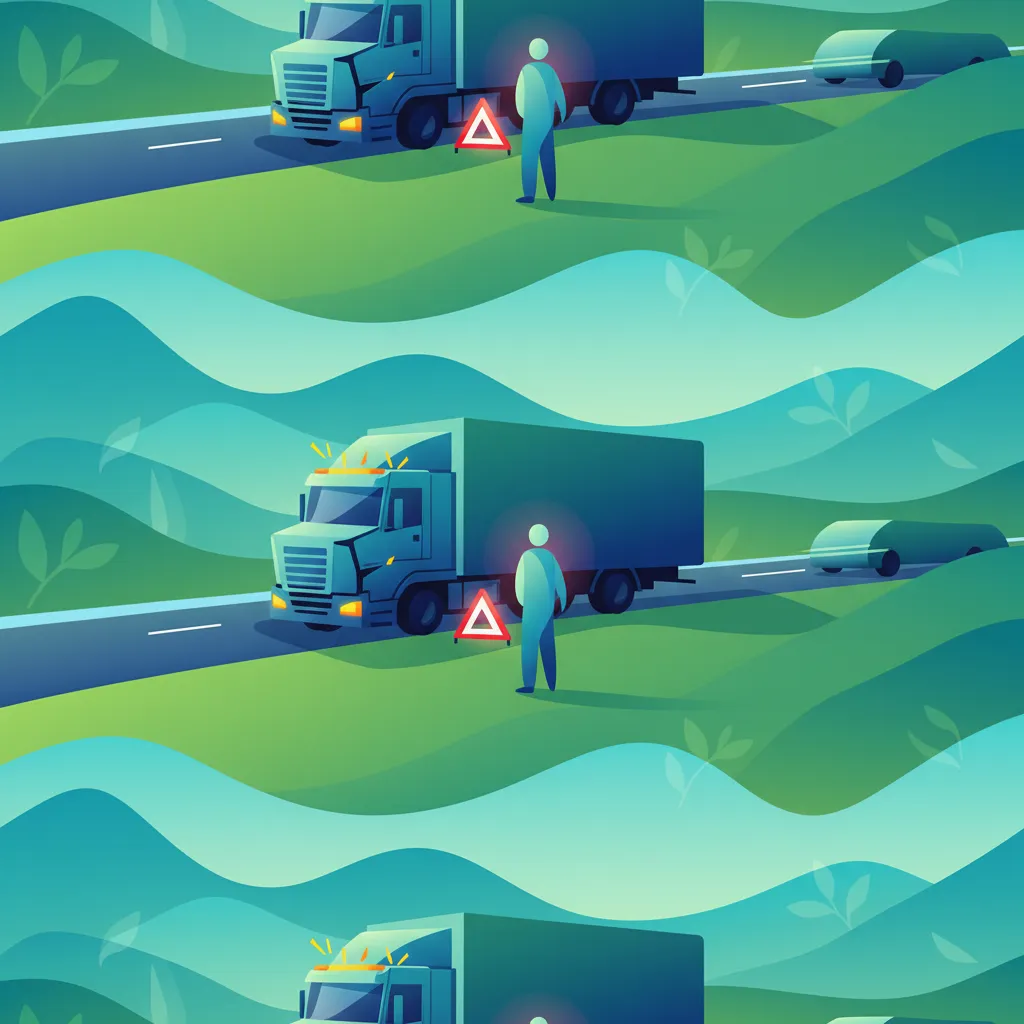
This lesson details the professional driver's responsibilities in the event of a collision. It covers the immediate actions required to secure the scene, such as activating hazard lights and placing warning triangles, to prevent further incidents. Learners will understand the correct procedure for contacting emergency services, providing assistance to injured parties if trained, and the legal requirements for documenting and reporting the accident to the authorities and their employer.

This lesson equips drivers with essential first-aid knowledge applicable to a road accident scenario. It covers how to assess a casualty, control severe bleeding, and place an unconscious person in the recovery position. The lesson also emphasizes Poland's legal requirement for individuals to provide assistance to the injured within their capabilities.
Learn to avoid frequent errors in the moments after a road collision in Poland. This lesson covers critical oversights in securing the scene, assessing injuries, and fulfilling legal duties to ensure safety and compliance.
This lesson deals with the administrative aftermath of an accident. It explains the legal requirements for reporting a collision to the police and the process for notifying insurance companies. The content details what information must be exchanged between involved parties, including insurance details and contact information, to facilitate a smooth claims process.
This lesson equips drivers with essential first-aid knowledge applicable to a road accident scenario. It covers how to assess a casualty, control severe bleeding, and place an unconscious person in the recovery position. The lesson also emphasizes Poland's legal requirement for individuals to provide assistance to the injured within their capabilities.
This lesson details the professional driver's responsibilities in the event of a collision. It covers the immediate actions required to secure the scene, such as activating hazard lights and placing warning triangles, to prevent further incidents. Learners will understand the correct procedure for contacting emergency services, providing assistance to injured parties if trained, and the legal requirements for documenting and reporting the accident to the authorities and their employer.
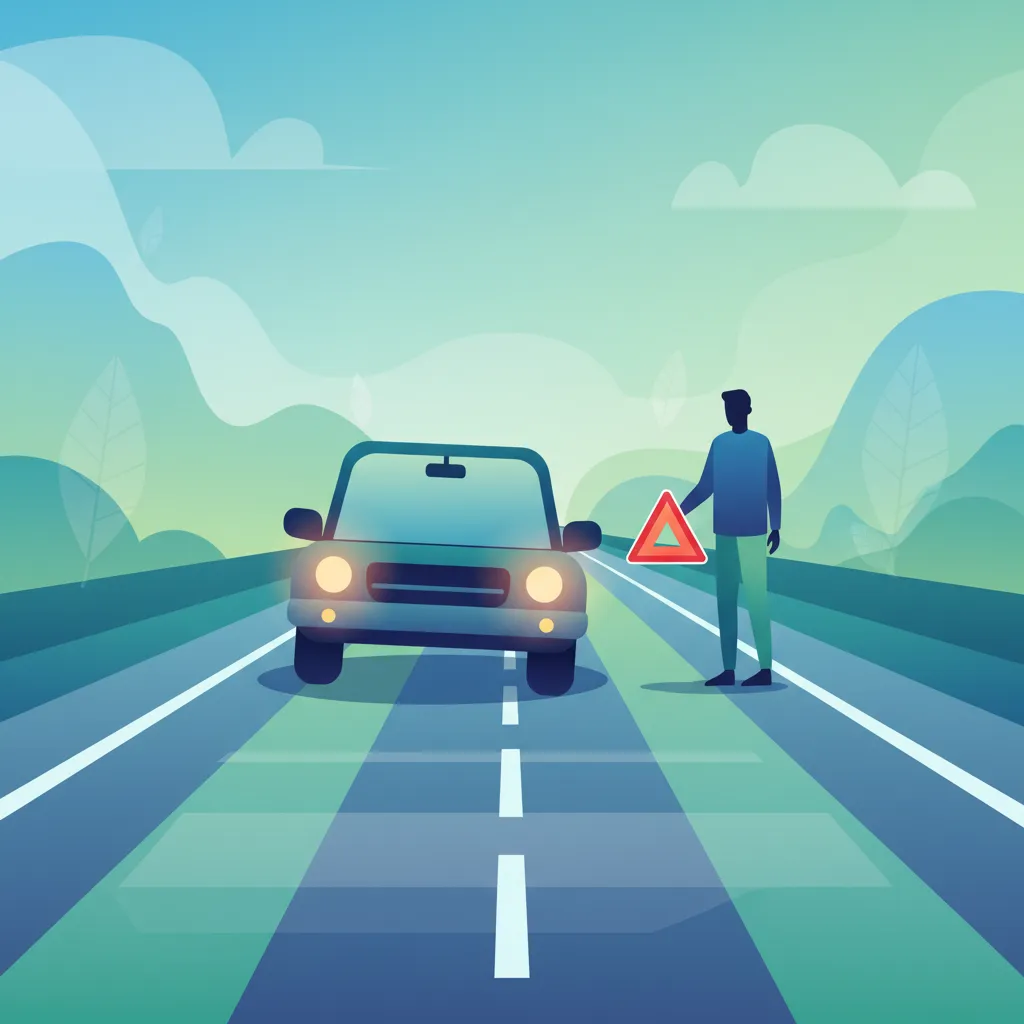
This lesson prepares drivers for the event of a vehicle breakdown on a motorway or expressway. It details the correct procedure: pulling over to the emergency lane, activating hazard lights, and placing the warning triangle at the legally required distance. The importance of wearing a reflective vest when outside the vehicle is also a key safety point.
Find clear answers to common questions learners have about Immediate Actions After a Collision. Learn how the lesson is structured, which driving theory objectives it supports, and how it fits into the overall learning path of units and curriculum progression in Poland. These explanations help you understand key concepts, lesson flow, and exam focused study goals.
The absolute first step is to ensure your own safety and then the safety of others involved. This includes moving to a safe location if possible (e.g., to the side of the road), switching on hazard warning lights immediately to alert other drivers, and assessing the immediate surroundings for any ongoing danger like fire or traffic.
You must place the warning triangle behind the vehicle at an appropriate distance to warn approaching traffic. For built-up areas, it's 30-50 meters; on rural roads or expressways, it's 100 meters. Always ensure it is safely placed without putting yourself in further danger.
When calling emergency services (112), provide your exact location, the nature of the incident, the number of people involved, and if there are any injuries. Be prepared to answer questions from the dispatcher calmly and clearly.
In Poland, you must call the police (Policja) if there are injuries or fatalities, if property damage exceeds a certain threshold (typically significant), or if there is a dispute about fault that cannot be resolved amicably. If it's a minor accident with no injuries and clear responsibility, you may exchange information with the other driver(s) and proceed with insurance claims without police involvement, but it's often safer to call if in doubt.
'Obowiązek udzielenia pomocy' means you must provide immediate assistance to injured persons if you can do so safely, which might include basic first aid. Reporting the accident to authorities or insurance is a separate legal obligation that follows, ensuring proper documentation and legal processing.
Build custom practice sessions tailored precisely to your needs. Focus on areas requiring improvement, review specific Polish road signs, or master complex traffic rules to ensure full preparation for your official driving license exam.