
This lesson outlines the specific legal responsibilities of Category T tractor drivers under Polish traffic law. You'll learn about your duty to comply with road rules, the liability framework for agricultural vehicle accidents, and potential penalties. Understanding these obligations is vital for the exam and ensures compliant operation of your vehicle on public roads and farm terrains.
Lesson content overview
Operating an agricultural vehicle in Poland, such as a tractor or specialized farm machinery, comes with significant legal responsibilities. These obligations are meticulously outlined in Polish traffic law, primarily the Road Traffic Act (Prawo o ruchu drogowym), and are designed to ensure safety for all road users while also regulating agricultural operations. For individuals pursuing the Polish Driving License Theory – Category T, understanding these duties is not merely a formality but a fundamental aspect of safe and legal driving.
This lesson delves into the crucial legal framework that governs agricultural vehicle drivers in Poland. It covers essential documentation, mandatory insurance requirements, the various types of liability a driver might face in the event of an accident, and the consequences of non-compliance. By adhering to these regulations, drivers protect themselves from financial loss and legal penalties, contributing to overall road safety.
Every driver on Polish roads is bound by a general legal duty of care, which mandates operating a vehicle with the caution expected of a reasonable driver under comparable circumstances. For agricultural vehicle operators, this principle is paramount due to the unique characteristics of their machinery, such as size, weight, and sometimes slower speeds. Fulfilling this duty is the bedrock of preventing accidents and ensuring smooth traffic flow.
Beyond this general duty, several core principles specifically apply to Category T drivers. These include mandatory documentation, compulsory third-party liability insurance, and regular technical inspections. Each principle serves a vital purpose, from verifying driver competence and vehicle legality to guaranteeing compensation for potential victims of an accident. Understanding these pillars is essential for any aspiring or current Category T licence holder.
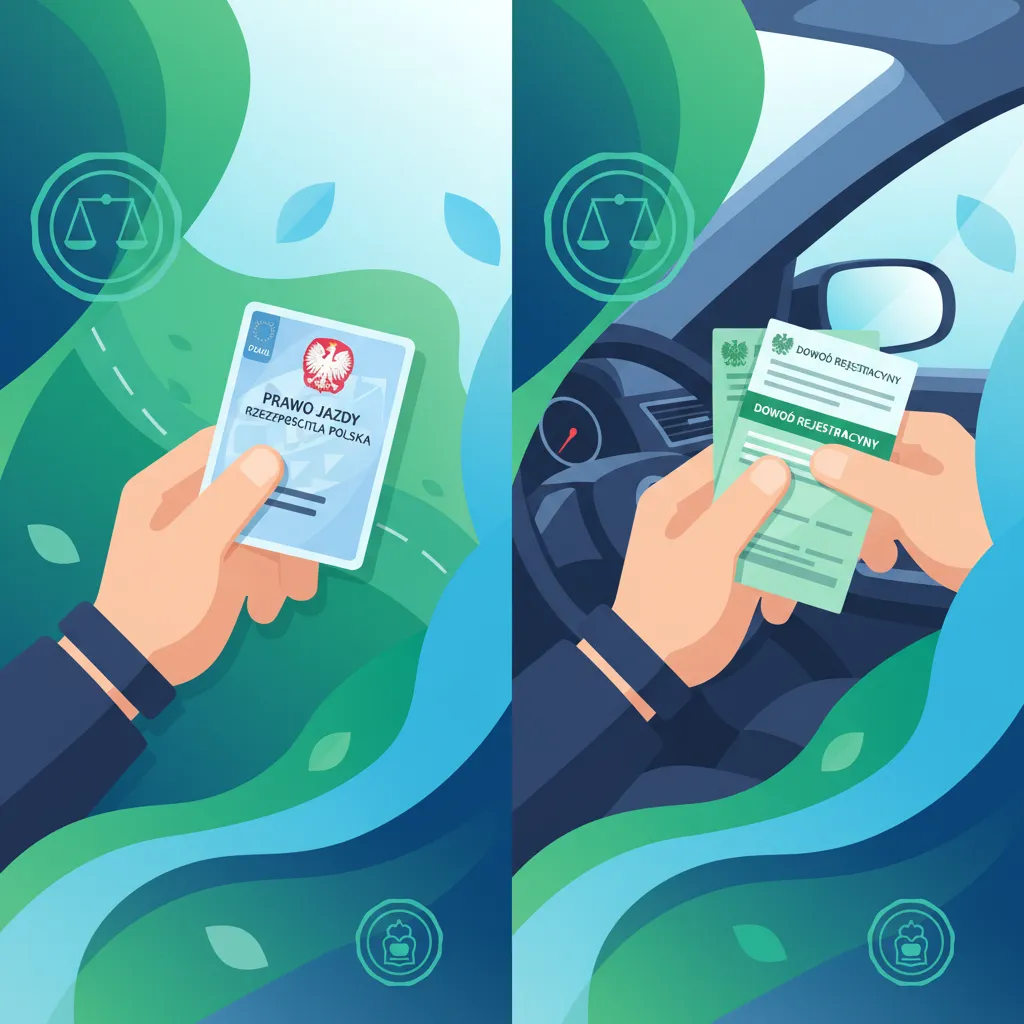
Operating an agricultural vehicle legally on Polish public roads requires carrying specific documents at all times. These documents serve to identify the driver, prove the vehicle's legal status, and confirm its roadworthiness and insurance coverage. Failure to present these documents upon request by law enforcement can lead to significant administrative penalties.
The Category T licence is the official authorization specifically designed for operating agricultural tractors, self-propelled agricultural machinery, and road-legal agricultural trailers in Poland. It is a distinct category, and a standard passenger car (Category B) licence is insufficient for operating heavier agricultural vehicles. To obtain this licence, individuals must be at least 18 years old and successfully pass a theory exam that covers specific regulations pertaining to agricultural vehicles, in addition to a practical driving test.
During any traffic stop or inspection, a valid Category T licence must be presented to the authorities. It is crucial to be aware of any restrictions or subcategories that might apply to your licence, as some may limit you to lighter tractors (e.g., under 3 tonnes Gross Vehicle Weight, GVW). Always ensure your licence is current and valid for the type of vehicle you are operating.
The Dowód Rejestracyjny is the official registration certificate for your agricultural vehicle. This vital document contains key identifying information, including the Vehicle Identification Number (VIN), detailed technical specifications of the vehicle, and the owner's details. It serves as proof that the vehicle is legally registered for road use in Poland.
This certificate must always be kept inside the vehicle when it is in operation and must be presented to law enforcement upon request. Remember that the Dowód Rejestracyjny needs to be updated following any change of ownership or if significant modifications are made to the vehicle that alter its technical specifications. Relying on temporary plates for long-term use is not permissible; temporary plates are strictly for transit purposes.
In Poland, Compulsory Third-Party Liability Insurance (Ubezpieczenie Odpowiedzialności Cywilnej, or OC) is legally mandated for every agricultural vehicle operating on public roads. This insurance is critical because it covers damages caused to third parties – including other persons, their vehicles, or property – by the insured agricultural vehicle in an accident. Its primary purpose is to guarantee that victims receive compensation for their losses, regardless of the at-fault driver's personal financial situation.
The karta OC, or insurance card, must be carried in the vehicle at all times and shown during any inspection or after an accident. It is imperative that your OC insurance remains active for the entire duration the vehicle is used on public roads; renewal before the expiry date is mandatory. Driving an agricultural vehicle without valid OC insurance is a serious offense in Poland, carrying severe fines and potential legal consequences, including criminal liability.
The Badanie Techniczne is a state-mandated periodic technical inspection designed to ensure that an agricultural vehicle complies with essential safety and environmental standards. These inspections verify the functionality of critical components such as brakes, lights, steering, tires, and emission systems, confirming the vehicle's overall roadworthiness.
Upon passing the inspection, a sticker (przegląd) is typically affixed to the windscreen, indicating the vehicle's validity and the date of the next required inspection. Generally, the first inspection for a newly registered agricultural vehicle is due after one year, and subsequent inspections are required every two years. However, for heavier agricultural vehicles (often those with a GVW exceeding 3.5 tonnes), annual inspections may be mandatory. Operating a vehicle without a valid technical inspection certificate is a punishable offense.
Agricultural vehicles, despite their distinct characteristics, are subject to the same fundamental road rules as other vehicles when operating on public roads. Special attention must be paid to specific regulations concerning speed, right-of-way, load management, and prohibited conduct to ensure safety and prevent accidents.
Tractors and other agricultural machinery typically have lower maximum speeds and maneuverability compared to other road vehicles. Recognizing this, Polish traffic law imposes specific speed limits for agricultural vehicles. On public roads outside built-up areas, the maximum speed for tractors is generally 40 km/h. Within built-up areas, this limit reduces to 20 km/h, unless specific road signs indicate otherwise. Exceeding these limits can result in fines and penalty points.
Furthermore, agricultural vehicle drivers must rigorously observe right-of-way rules at intersections. This means yielding to traffic on main roads and strictly obeying all stop signs and yield signs. The assumption that a slow vehicle is exempt from these rules is a common misunderstanding that can lead to dangerous situations and collisions.
The safe transport of goods and the proper use of trailers are critical aspects of a Category T driver's obligations. Load and trailer regulations define legal limits on the weight, dimensions, and securing methods for loads carried on tractors and their towed implements. Overloaded vehicles compromise stability, increase braking distances, and pose a severe hazard to other road users.
Drivers must ensure that the Gross Vehicle Weight (GVW) limits, typically stamped on the vehicle and trailer, are never exceeded. All loads must be securely fastened using appropriate restraints to prevent shifting, falling, or creating obstructions. For trailers, a functioning hitch and operational brakes are mandatory. Failure to comply with these rules can lead to fines, penalty points, and significant liability in the event of an accident.
Operating any vehicle under the influence of alcohol or drugs is a grave offense, and agricultural vehicle drivers are no exception. In Poland, the blood alcohol concentration (BAC) limit for drivers is 0.2‰ (per mille). Driving with a BAC above this threshold, or while under the influence of drugs, is strictly prohibited and constitutes a criminal offense.
The consequences for Driving Under the Influence (DUI) are severe, potentially including substantial fines, extensive driving bans, penalty points, and even imprisonment. The impairment of judgment, reaction time, and coordination caused by intoxicants drastically increases the risk of accidents, making this one of the most serious violations a driver can commit.
Drivers of agricultural vehicles, like all other road users, have a mandatory obligation to stop and comply with signals from police officers or other authorized traffic control personnel. This includes stopping when signaled by a police officer, obeying temporary traffic directions, and following instructions given by road construction workers or other authorized individuals.
Failure to obey such directives can lead to serious legal consequences, including fines, penalty points, and in some cases, criminal charges. These rules are in place to facilitate traffic flow, manage emergencies, and ensure law enforcement can carry out their duties effectively.
Understanding the different types of liability is crucial for any Category T driver. An accident or traffic violation can trigger simultaneous consequences across civil, criminal, and administrative legal frameworks, each with distinct implications.
Civil liability refers to the legal obligation of a driver to compensate victims for any material or non-material damages (e.g., medical expenses, vehicle repair costs, pain and suffering) caused by their fault. In Poland, this liability is primarily governed by the Civil Code (Kodeks cywilny). When an agricultural vehicle is involved in an accident, the at-fault driver is responsible for the victim's losses.
Compulsory Third-Party Liability (OC) insurance plays a crucial role here, as it is designed to cover these civil damages up to the policy limits. However, if the damages exceed the insurance coverage or if the driver was operating without valid OC insurance, they may be personally liable for the outstanding compensation. Victims can file claims through their insurance companies or directly through the courts.
Criminal liability arises when a driver's actions constitute a criminal act under the Penal Code (Kodeks karny). This typically involves serious offenses, such as reckless driving that results in injury or death, or driving under the influence of alcohol or drugs. For example, Article 177 § 1 of the Penal Code addresses causing an accident with injury or death.
Penalties for criminal liability are severe and can include substantial fines, a ban from driving for a specified period, or even imprisonment. These sanctions are intended to deter dangerous behavior and impose serious consequences for actions that pose a significant threat to public safety.
Administrative penalties are the most common consequences for traffic infractions and are imposed by authorities to enforce compliance with traffic regulations. These typically include:
Even minor violations can accumulate and lead to significant consequences. For instance, failing to present a registration certificate during a traffic stop can result in an administrative fine.
Agricultural vehicle drivers frequently encounter specific scenarios that can lead to violations if not handled correctly. Awareness of these common pitfalls and their associated penalties is vital for safe and legal operation.
Driver obligations extend beyond simply obeying static rules; they also involve adapting behavior to dynamic conditions. Agricultural vehicles often operate in diverse environments, from muddy farm tracks to busy highways, and drivers must adjust their driving style accordingly.
The legal obligations for Category T drivers are not arbitrary; they form a cohesive system designed to enhance safety and provide mechanisms for justice when accidents occur. There is a direct cause-and-effect relationship between compliance and outcomes. Following speed limits, adhering to load restrictions, and maintaining valid documentation directly reduce the probability of both legal sanctions and physical harm. Conversely, non-compliance inevitably leads to legal and financial consequences, ranging from fines and penalty points to criminal charges and personal liability for damages.
For instance, proper load securing is not just a rule; it directly contributes to vehicle stability, preventing dangerous shifts in the center of gravity that could lead to rollovers. Similarly, a valid technical inspection ensures fundamental components like brakes and lights are functional, directly linking to roadworthiness and preventing accidents caused by mechanical failure. Driving under the influence starkly illustrates this link, as impaired judgment directly correlates with increased crash severity. By understanding these interdependencies, agricultural vehicle drivers can appreciate the profound impact of their adherence to regulations on their own safety and that of others.
This lesson covers the essential legal obligations for Polish Category T tractor drivers, including mandatory documentation requirements, compulsory third-party liability insurance, and periodic technical inspections. Drivers must observe specific speed limits, maintain roadworthiness, and adapt to varied conditions including weather and road types. Accidents can trigger civil liability for compensation, criminal liability for serious offenses, and administrative penalties including fines and penalty points. Understanding and complying with these obligations is essential for passing the theory exam and ensuring safe, lawful agricultural vehicle operation on Polish roads.
A short set of high-value points that capture the most important learning from this lesson.
Category T drivers must carry their driving licence, Dowód Rejestracyjny (registration certificate), and OC insurance card at all times when operating on public roads
Compulsory Third-Party Liability (OC) insurance is mandatory for all agricultural vehicles; driving without valid OC insurance is a serious offense with severe penalties
Tractor speed limits are 40 km/h outside built-up areas and 20 km/h within built-up areas, unless road signs indicate otherwise
Drivers face three distinct types of liability: civil (compensation to victims), criminal (penalties for serious offenses like DUI), and administrative (fines and penalty points)
Technical inspections (Badanie Techniczne) must be kept current; first inspection is after one year, then every two years for standard vehicles
Explore all units and lessons included in this driving theory course.
The BAC limit for Category T drivers is 0.2‰; DUI is a criminal offense carrying fines, driving bans, and potential imprisonment
A loaded agricultural vehicle has significantly increased braking distance and altered center of gravity, requiring speed reduction and extra caution
Public traffic laws apply immediately once entering the public road domain, even when transitioning from private farm roads
Civil liability under OC insurance covers damages to third parties up to policy limits; without valid insurance, drivers face personal liability for all damages
Accumulating penalty points can lead to licence suspension or revocation regardless of whether individual fines are paid
Driving without valid OC insurance, exposing the driver to criminal charges and full personal liability for accident damages
Failing to renew the technical inspection before expiry, resulting in fines and potential vehicle seizure
Assuming slow agricultural vehicles are exempt from right-of-way rules at intersections, leading to dangerous situations
Operating with unsecured loads or faulty trailer brakes, causing liability for any accidents or damages resulting from load detachment
Using private farm roads to circumvent public road rules; traffic laws apply as soon as the public domain is entered
Lesson content overview
A short set of high-value points that capture the most important learning from this lesson.
Category T drivers must carry their driving licence, Dowód Rejestracyjny (registration certificate), and OC insurance card at all times when operating on public roads
Compulsory Third-Party Liability (OC) insurance is mandatory for all agricultural vehicles; driving without valid OC insurance is a serious offense with severe penalties
Tractor speed limits are 40 km/h outside built-up areas and 20 km/h within built-up areas, unless road signs indicate otherwise
Drivers face three distinct types of liability: civil (compensation to victims), criminal (penalties for serious offenses like DUI), and administrative (fines and penalty points)
Technical inspections (Badanie Techniczne) must be kept current; first inspection is after one year, then every two years for standard vehicles
Explore all units and lessons included in this driving theory course.
The BAC limit for Category T drivers is 0.2‰; DUI is a criminal offense carrying fines, driving bans, and potential imprisonment
A loaded agricultural vehicle has significantly increased braking distance and altered center of gravity, requiring speed reduction and extra caution
Public traffic laws apply immediately once entering the public road domain, even when transitioning from private farm roads
Civil liability under OC insurance covers damages to third parties up to policy limits; without valid insurance, drivers face personal liability for all damages
Accumulating penalty points can lead to licence suspension or revocation regardless of whether individual fines are paid
Driving without valid OC insurance, exposing the driver to criminal charges and full personal liability for accident damages
Failing to renew the technical inspection before expiry, resulting in fines and potential vehicle seizure
Assuming slow agricultural vehicles are exempt from right-of-way rules at intersections, leading to dangerous situations
Operating with unsecured loads or faulty trailer brakes, causing liability for any accidents or damages resulting from load detachment
Using private farm roads to circumvent public road rules; traffic laws apply as soon as the public domain is entered
Explore search topics learners often look for when studying Driver Obligations and Liability under Polish Law. These topics reflect common questions about road rules, driving situations, safety guidance, and lesson level theory preparation for learners in Poland.
Browse additional driving theory lessons that cover connected traffic rules, road signs, and common driving situations related to this topic. Improve your understanding of how different rules interact across everyday traffic scenarios.
Understand the legal responsibilities and potential consequences for tractor drivers in Poland. This lesson details civil, criminal, and administrative liability, covering accident scenarios, fines, and insurance obligations under Polish traffic law.
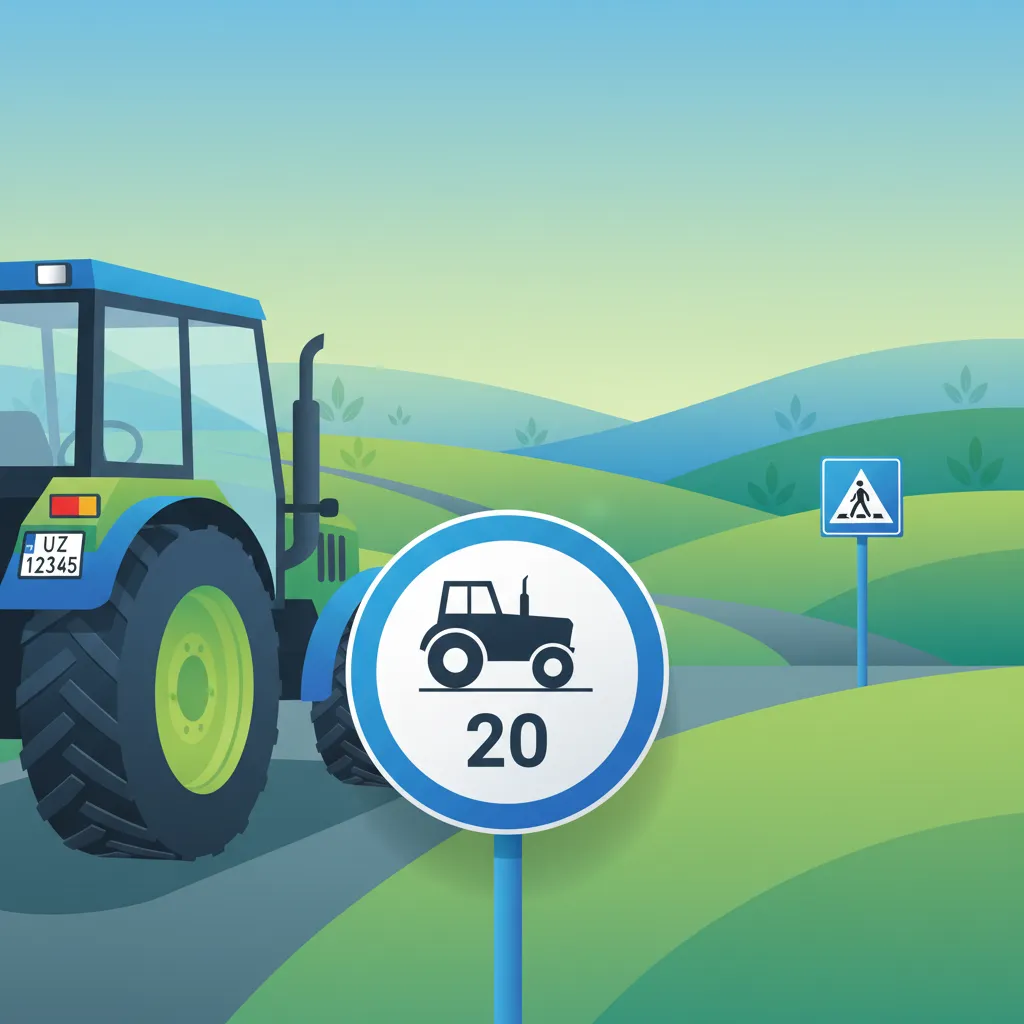
This lesson reviews the core set of regulatory and warning signs that all road users must obey, emphasizing those that affect agricultural tractors such as speed limits, stop, and give-way signs. It clarifies the colour and shape conventions used in Polish signage, enabling drivers to quickly recognize and react to sign information. The lesson also addresses the placement of signs in rural environments where visibility may be compromised.
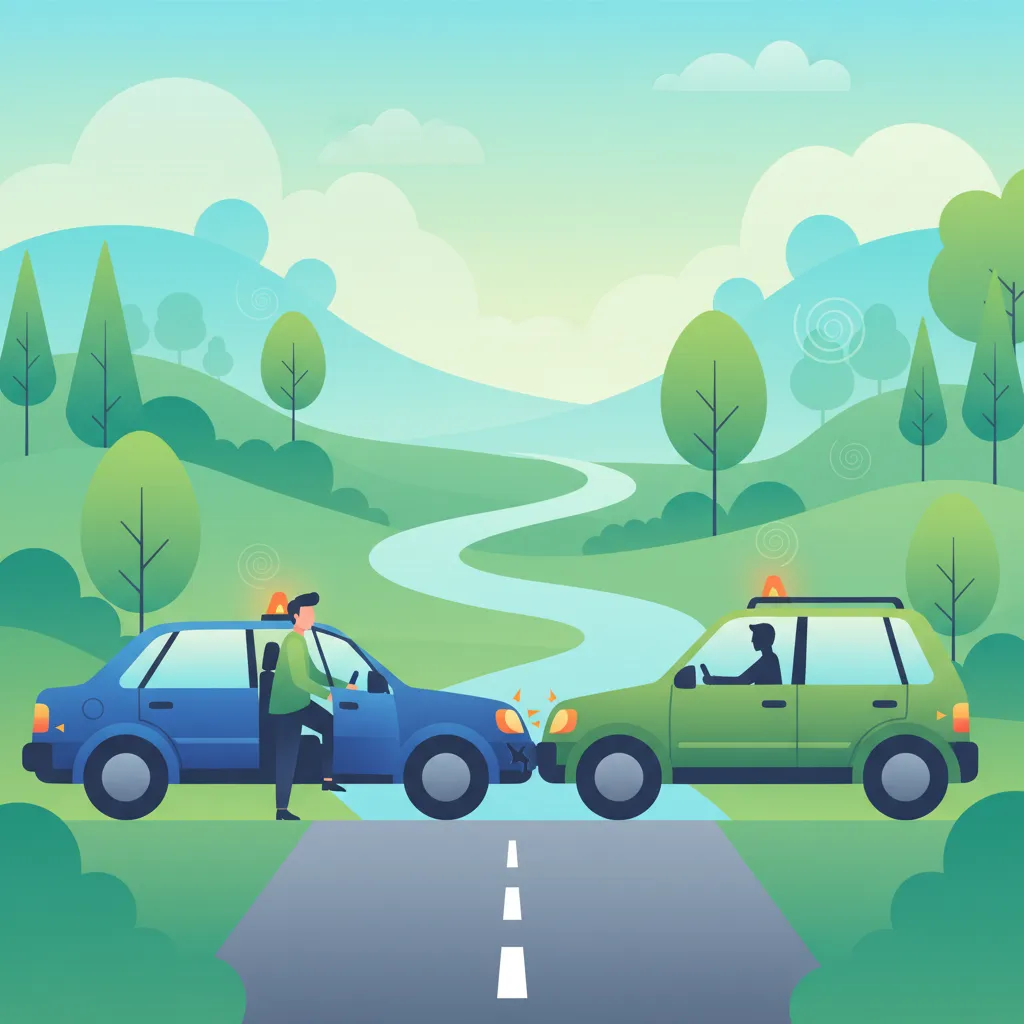
This lesson outlines the emergency procedures a tractor driver must follow in case of a breakdown, trailer detachment, or accident. It covers immediate actions such as pulling over safely, deploying warning triangles, and using hazard lights to alert other road users. The lesson details the steps for reporting the incident, providing first aid, and securing the scene to prevent further hazards.
This lesson examines the signs that convey dimensional and weight restrictions, which are vital for safe tractor and trailer operation. It outlines how to read width, height, and weight limit signs and the legal implications of exceeding these limits. The lesson provides guidance on planning loads to comply with bridge and road classification restrictions found across Polish rural networks.
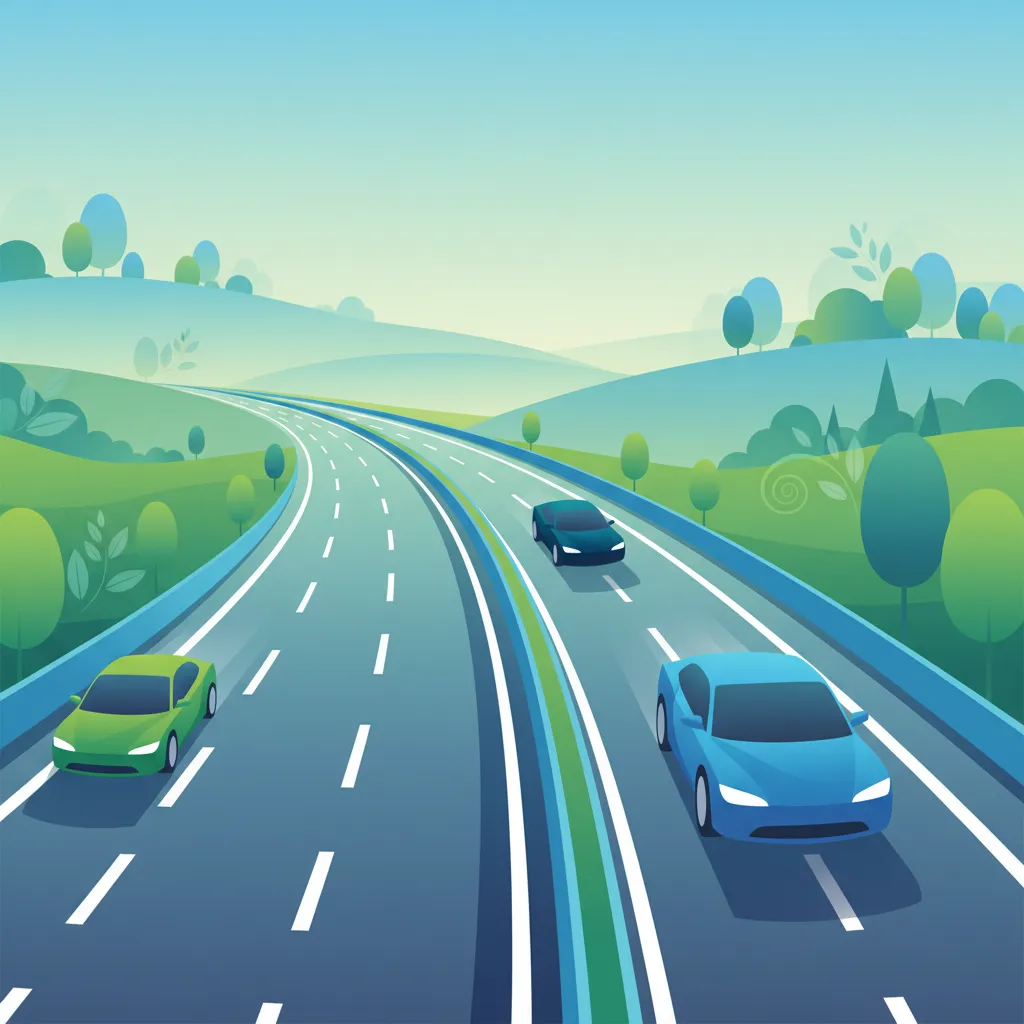
This lesson explores the correct lane and road positioning for tractors, emphasizing the use of the right-hand lane or shoulder where appropriate. It clarifies how speed limits differ between road types and provides guidelines for adjusting speed based on vehicle load, road condition, and traffic density. Proper positioning improves safety for both the tractor driver and other road users sharing the same space.
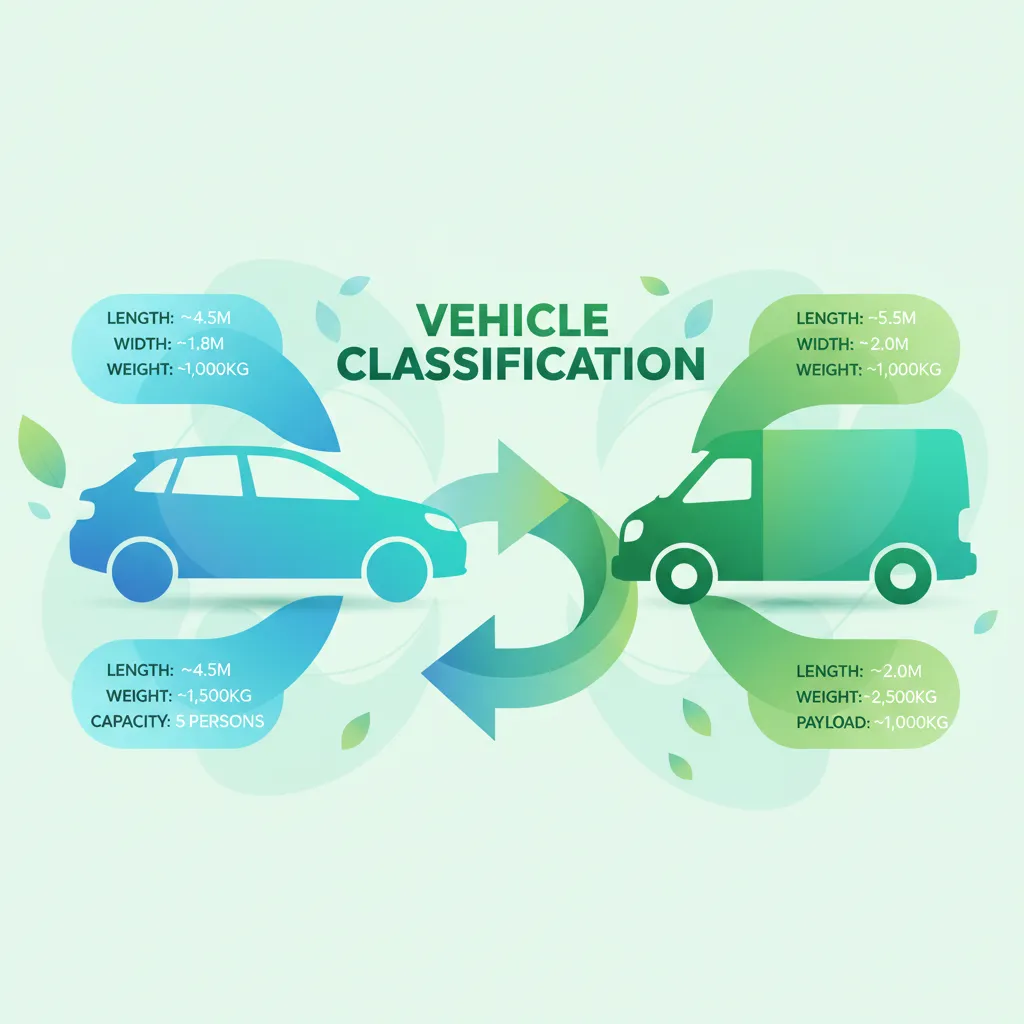
This lesson focuses on the precise classification of agricultural vehicles as defined by Polish law, differentiating between tractors, forestry machines, and trailers. It examines the legal parameters such as maximum permissible weight, width, height, and length that affect roadworthiness certifications. The lesson clarifies terminology used in official documents, ensuring learners can correctly identify the vehicles they are permitted to operate.

This lesson provides comprehensive guidelines for safely transporting agricultural equipment, focusing on proper load securing techniques and weight distribution calculations. It discusses route planning that accounts for road conditions, bridge weight capacities, and seasonal obstacles like mud or snow. The lesson also emphasizes the use of protective equipment and regular compliance verification for safe operations.

This lesson examines how a tractor driver should interact with a variety of road users, focusing on right-of-way rules at intersections and with cars, trucks, cyclists, and pedestrians. It discusses safe overtaking practices, appropriate signaling to communicate intentions, and the importance of checking blind spots. The lesson highlights the need for heightened caution near schools, villages, and areas with high pedestrian activity.
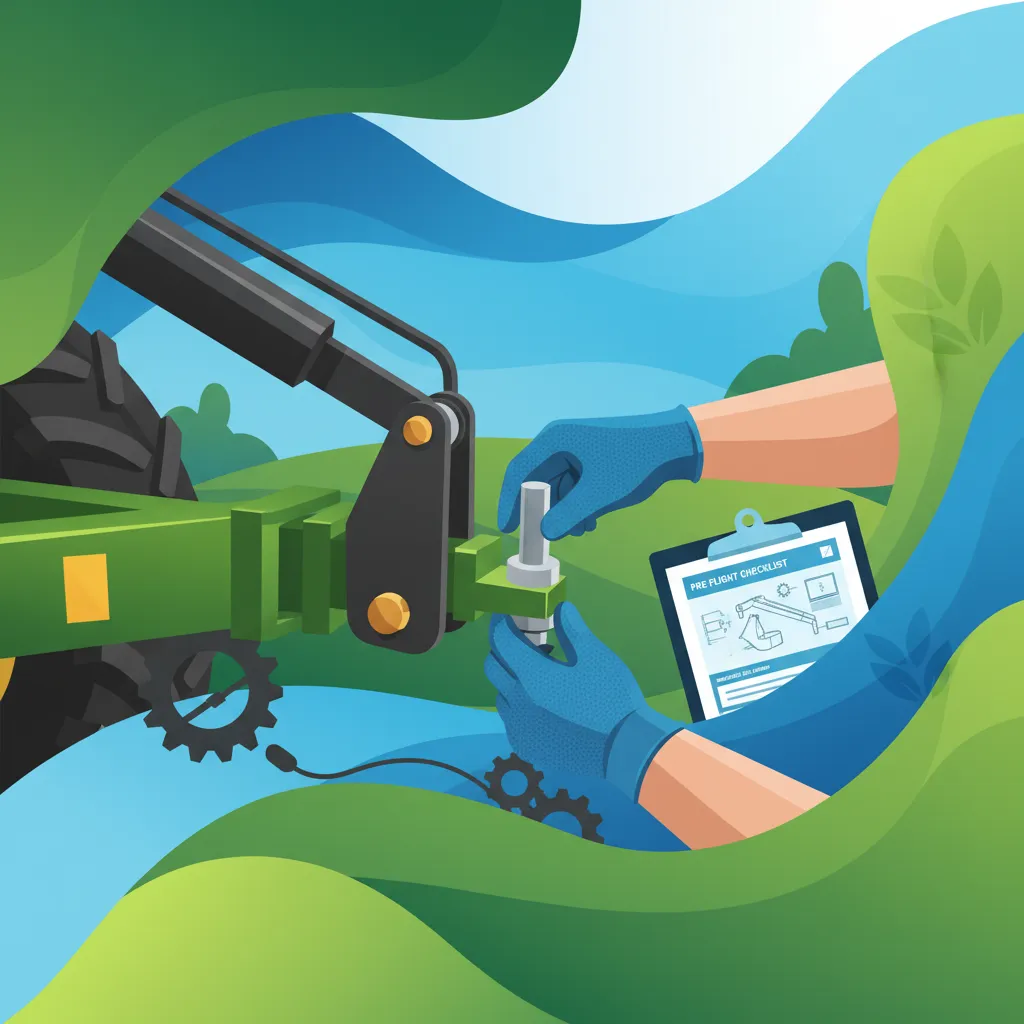
This lesson focuses on the maintenance of agricultural implements and attachments powered via the tractor’s PTO and hydraulic systems. It covers routine inspection of hydraulic lines, lubrication of moving parts, and verification of safety features before each use. Additionally, the lesson stresses the importance of keeping detailed maintenance logs and certification documents to satisfy legal standards.
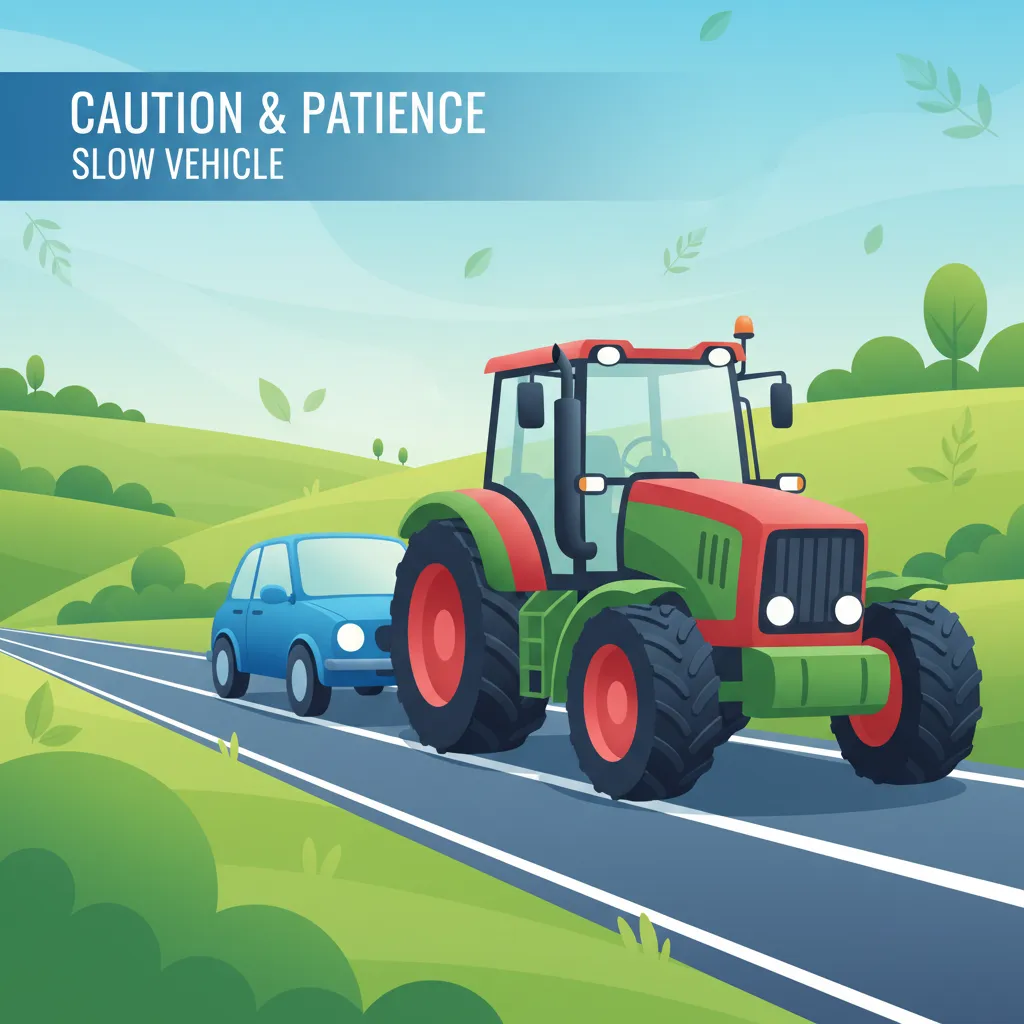
This lesson addresses encounters with slow-moving vehicles, such as tractors, which are common on rural roads. It teaches drivers to be patient, maintain a safe following distance, and only overtake when it is absolutely safe and legal to do so. Recognizing the large size and limited maneuverability of such vehicles is crucial for avoiding accidents.
Learn about the mandatory documents and core legal obligations for operating agricultural vehicles in Poland. Covers Category T licence, vehicle registration, compulsory insurance (OC), and technical inspection requirements.

This lesson details the documentation required for a Category B licence application and vehicle operation. It explains the function of the vehicle registration certificate (dowód rejestracyjny), the mandatory civil liability insurance (OC), and the certificate of technical inspection. Learners will understand the verification process and the importance of keeping these documents current and accessible.
This lesson focuses on the critical documentation every professional driver must carry and maintain. It covers the driver's licence, vehicle registration, and tachograph records, explaining their legal importance and proper management. Learners will also study the requirements for transport permits, cargo declarations, and safety inspection reports, ensuring full compliance with Polish and EU regulations to avoid penalties and operational delays during roadside checks.
This lesson focuses on the maintenance of agricultural implements and attachments powered via the tractor’s PTO and hydraulic systems. It covers routine inspection of hydraulic lines, lubrication of moving parts, and verification of safety features before each use. Additionally, the lesson stresses the importance of keeping detailed maintenance logs and certification documents to satisfy legal standards.

This lesson details the formal prerequisites for obtaining a Category T licence, focusing on the minimum age and mandatory health assessment. It outlines the specific medical certificates required, the process for submitting proof of identity and residency, and the role of the local road transport office. The content also clarifies the importance of maintaining up-to-date health documentation and the legal consequences of non-compliance.

This lesson outlines the essential legal paperwork associated with freight transport. It details the purpose and content of key documents like the load manifest, cargo declaration, and official weight certificates. Learners will understand their legal responsibility to verify that all documentation is accurate and complete before departure, and the importance of maintaining proper records for potential inspections by transport authorities or for cross-border customs procedures.
This lesson focuses on the precise classification of agricultural vehicles as defined by Polish law, differentiating between tractors, forestry machines, and trailers. It examines the legal parameters such as maximum permissible weight, width, height, and length that affect roadworthiness certifications. The lesson clarifies terminology used in official documents, ensuring learners can correctly identify the vehicles they are permitted to operate.
This lesson provides comprehensive guidelines for safely transporting agricultural equipment, focusing on proper load securing techniques and weight distribution calculations. It discusses route planning that accounts for road conditions, bridge weight capacities, and seasonal obstacles like mud or snow. The lesson also emphasizes the use of protective equipment and regular compliance verification for safe operations.
This lesson examines the signs that convey dimensional and weight restrictions, which are vital for safe tractor and trailer operation. It outlines how to read width, height, and weight limit signs and the legal implications of exceeding these limits. The lesson provides guidance on planning loads to comply with bridge and road classification restrictions found across Polish rural networks.
This lesson enumerates the mandatory safety equipment every vehicle must carry in Poland, such as a warning triangle and a fire extinguisher. It explains their proper use and storage, alongside routine pre-journey inspections that a driver should perform. These checks include verifying lights, tire pressure, and fluid levels to ensure the vehicle is roadworthy and compliant with safety regulations.
Find clear answers to common questions learners have about Driver Obligations and Liability under Polish Law. Learn how the lesson is structured, which driving theory objectives it supports, and how it fits into the overall learning path of units and curriculum progression in Poland. These explanations help you understand key concepts, lesson flow, and exam focused study goals.
As a Category T driver in Poland, your primary duties include strict adherence to all traffic laws, ensuring your vehicle (tractor and trailer) is roadworthy and properly documented, and driving responsibly to avoid hazards. This also involves having valid insurance and responding correctly in accident situations.
In Poland, it is mandatory to have civil liability insurance (OC) for your agricultural tractor, just like any other motor vehicle. This insurance covers damages you might cause to third parties in an accident. Operating without valid OC insurance can lead to significant penalties.
Yes, serious traffic violations, especially those leading to severe accidents or driving under the influence, can lead to criminal charges for a Category T driver in Poland, just as with any other vehicle category. Penalties can range from fines and points to licence suspension or even imprisonment, depending on the severity.
A Category T driver in Poland must always carry their valid driving licence, the vehicle's registration certificate (dowód rejestracyjny), and proof of mandatory civil liability insurance (OC). Failure to present these documents during a roadside check can result in fines.
While the general principles of liability apply, incidents on private farm roads may involve different legal considerations regarding property damage or private agreements. However, once an agricultural vehicle is on a public road, it is fully subject to the Polish Road Traffic Law, and liability rules for accidents are consistent with those for other vehicle types.
Build custom practice sessions tailored precisely to your needs. Focus on areas requiring improvement, review specific Polish road signs, or master complex traffic rules to ensure full preparation for your official driving license exam.