
This lesson covers essential procedures for safely approaching and departing bus stops, crucial for Category D bus drivers in Poland. You'll learn correct vehicle positioning, precise door operation, and how to manage passenger flow effectively. It builds on your understanding of urban maneuvering, ensuring passenger safety and efficient service in line with Polish traffic regulations. This knowledge is vital for your theory exam and daily public transport operations.

Lesson content overview
Operating a bus safely and efficiently at designated stops is a fundamental skill for every professional driver seeking a Polish Category D Driving Licence. This lesson provides a comprehensive guide to the precise procedures involved in approaching, stopping at, and departing from bus stops, with a particular focus on door operation and passenger management. Mastering these techniques is crucial not only for passenger safety but also for maintaining public transport schedules and complying with the Polish Road Traffic Act and broader EU regulations.
The act of stopping a bus is far more than simply pressing the brake pedal; it is a controlled maneuver that demands the integration of vehicle dynamics, awareness of surrounding traffic, and diligent passenger handling. Improper positioning or careless door operation can lead to severe consequences, including collisions with other road users, creation of dangerous blind-spot hazards, or passenger injuries. This topic bridges critical aspects of Safe Maneuvering & Urban Operations with Passenger Safety & Comfort, ensuring drivers are equipped to handle the unique challenges of urban public transport.
Successful bus stop management relies on adherence to several core principles. Each element contributes to a harmonious and safe interaction with passengers, other vehicles, and pedestrians, ensuring legal compliance and operational efficiency.
Definition: Controlled deceleration refers to the systematic reduction of the bus's speed in a predictable and progressive manner as it approaches a designated stop. This is achieved through gentle, consistent braking and appropriate gear modulation.
Purpose and Rationale: The primary goal of controlled deceleration is to allow passengers ample time to anticipate the stop, brace themselves, and move safely within the vehicle. It prevents sudden, jarring stops that could cause passengers to lose balance or lead to rear-end collisions with following traffic. This technique minimizes wear on the braking system and improves fuel efficiency.
Practical Application: Drivers must judge stopping distance based on factors such as vehicle load, road surface conditions (e.g., dry, wet, icy), and current traffic density. Anticipatory deceleration, where the driver begins slowing down well in advance using visual cues like bus stop signage or distance markers, is key to achieving a smooth stop. In contrast, emergency deceleration involves rapid braking when unexpected obstacles or hazards appear, which should be a rare occurrence if proper anticipation is practiced.
Associated Rules: Under the Polish Road Traffic Act, a bus must stop at a designated bus stop within a specified area. While specific distances can vary, the general principle is to stop at a distance no greater than approximately 5 metres from the curb, unless specific markings or signs indicate otherwise. This ensures passengers can board and alight safely without needing to navigate significant gaps.
Common Misunderstanding: A frequent misconception is that "coasting" or simply taking the foot off the accelerator is sufficient for deceleration. This often leads to abrupt, hard stops, overshooting the designated stop zone, or requiring last-minute heavy braking, all of which compromise safety and comfort.
Pro Tip: Begin applying light, progressive brake pressure earlier than you might think necessary. This allows the vehicle's momentum to gradually decrease, providing a smoother experience for passengers and reducing the risk of sudden stops.
Definition: Proper positioning involves aligning the bus precisely parallel to the curb, within the designated stopping zone, and occupying the appropriate lane. This ensures safe and accessible boarding and alighting for passengers.
Purpose and Rationale: Correct positioning is vital for passenger safety, especially for individuals with mobility challenges, as it minimises the gap between the bus entrance and the curb. It also maximises the driver's visibility of surrounding traffic and pedestrians, prevents obstruction of other traffic lanes, and protects the bus from potential sideswipes.
Practical Application: Achieving optimal positioning requires careful use of mirrors and selecting the correct lane well in advance. In most scenarios, centred positioning is ideal, where the bus is aligned centrally within its lane, maintaining sufficient clearance from adjacent vehicles. However, in narrow streets or at stops with specific layouts, offset positioning might be necessary, where the bus is positioned closer to one edge of the lane, ensuring the doors still face the curb safely.
Associated Rules: The Polish Road Traffic Act generally stipulates that vehicles should stop as close as practicable to the curb without obstructing traffic. This ensures public safety and maintains efficient traffic flow.
Common Misunderstanding: Stopping too far from the curb is a common error. This forces passengers to step onto the roadway, increasing their risk of being struck by passing vehicles or tripping. It can also make it difficult for passengers with prams or wheelchairs to board safely. Conversely, stopping too close can risk damaging the bus's tyres or bodywork on the curb.
Definition: The door operation protocol is a standardised sequence of actions for safely opening, monitoring, and closing bus doors. This includes pre-opening checks, activating the opening mechanism, observing passenger movement, and securing the doors before departure.
Purpose and Rationale: This protocol is designed to prevent doors from opening into the path of moving traffic (e.g., cyclists, pedestrians, other vehicles) and to significantly reduce the risk of passenger falls or injuries during boarding and alighting. It also fulfils the legal duty of a professional driver to maintain control over passenger safety.
Practical Application: Before opening doors, the driver must conduct pre-opening checks, using all mirrors (side, rear-view, and interior) to confirm that no traffic or pedestrians are within the door swing area or approaching the bus too closely. Once clear, the driver activates the opening mechanism (e.g., a button or lever) and monitors passengers during passenger monitoring to ensure they board or alight safely. Before closing, another check for obstructions is vital.
Associated Rules: The Polish Road Traffic Act explicitly states that a driver must not open doors when there is oncoming traffic within a safe distance. This rule prioritises the safety of external road users and internal passengers.
Common Misunderstanding: A dangerous misconception is that automatic doors inherently guarantee safety. While modern buses have safety features, these are supplementary; the ultimate responsibility lies with the driver to perform thorough visual checks and confirm the surroundings are clear before and during door operation.
Bring the bus to a complete, controlled stop within the designated stop zone.
Engage the parking brake and select neutral or park, if applicable.
Conduct a comprehensive check of all mirrors (side and interior) to ensure no vehicles, cyclists, or pedestrians are within the door swing area or immediately beside the bus.
If equipped, activate the external door-open indicator to signal intentions to other road users.
Once clear, carefully open the doors.
Monitor passengers as they board and alight, ensuring orderly movement and providing verbal cues if necessary.
Once all passengers have boarded or alighted, perform a final mirror check to confirm the area around the doors is still clear.
Securely close the doors.
Confirm all passengers are safely inside and ready for departure before preparing to move.
Definition: This principle involves adjusting the bus's stop and departure behaviour at a bus stop based on the phase of nearby traffic signals and prevailing right-of-way rules.
Purpose and Rationale: Correct interaction with traffic signals guarantees compliance with all traffic control devices, prevents the bus from blocking intersections, and maintains safe traffic flow for all road users. Ignoring signal phases can lead to fines, collisions, and severe traffic disruptions.
Practical Application: Drivers must practice signal compliance, meaning if a bus stop is located before a traffic light, the bus must stop at the red light before proceeding to the stop if required. Equally important is signal anticipation: using a green light phase to safely merge back into traffic after passengers have boarded or alighted, ensuring the bus does not get stuck in an intersection.
Associated Rules: All drivers, including bus drivers, must obey traffic signals without exception. Under the Polish Road Traffic Act, a bus cannot block an intersection while its doors are open or if its departure would cause an obstruction.
Common Misunderstanding: A dangerous misunderstanding is assuming that being in a "bus lane" or at a designated bus stop permits stopping regardless of the traffic signal. This can lead to illegal obstruction of intersections, causing significant traffic jams and increasing collision risk. The primary obligation is always to obey the traffic signal.
Definition: Passenger flow management refers to the coordination of passenger boarding and alighting sequences to ensure safe, efficient, and orderly movement within and around the bus.
Purpose and Rationale: Efficient passenger flow reduces dwell time (the time the bus spends stationary at a stop), which is critical for maintaining schedule adherence and service reliability. More importantly, it prevents overcrowding near doors, reduces the risk of passengers falling, and enhances overall comfort and safety.
Practical Application: This typically involves sequential boarding, allowing passengers to board in an orderly fashion, sometimes one at a time or in small, manageable groups, rather than a chaotic rush. Often, alighting priority is implemented, where passengers wishing to exit the bus are asked or encouraged to do so before new passengers attempt to board. This clears space and streamlines movement. Driver communication, through audio announcements or visual signals, is crucial for guiding passenger behaviour.
Associated Rules: The Polish Road Traffic Act requires drivers to ensure all passengers have safely alighted before the vehicle moves. While not always explicitly detailed, common practice dictates waiting until boarding passengers are clear of the doors and ideally seated or holding on before moving.
Common Misunderstanding: Overlooking the need for passengers to stand clear of the doors when the vehicle starts moving is a common oversight. Sudden acceleration or unexpected turns can cause standing passengers to lose balance and fall if they are too close to the doors or not holding on.
Operating a public transport vehicle in Poland comes with specific legal obligations, primarily governed by the Polish Road Traffic Act. These regulations are designed to ensure the highest standards of safety for passengers and other road users.
Important: Local municipal ordinances may impose additional requirements for bus stop positioning or operational procedures within specific urban areas. Always be aware of local regulations.
Even experienced drivers can encounter challenging situations or fall into common traps when operating at bus stops. Awareness of these can significantly enhance safety and efficiency.
Driving conditions are rarely constant, and bus drivers must adapt their procedures based on the environment:
Understanding the direct links between driver actions and outcomes is critical for developing safe driving habits:
An area around the bus that cannot be directly seen by the driver using mirrors alone. These areas are particularly hazardous near the doors and must be checked thoroughly before any door operation.
Understanding theory is best reinforced with practical examples. Here are a few common situations a bus driver might encounter:
Setting: A two-lane city road with a bus stop located on the right side, shortly before a traffic light that is currently green. Decision Point: How to approach the stop safely, manage passengers, and depart while the light remains green? Correct Behavior:
Incorrect Behavior: Braking abruptly at 30 metres, stopping 1.5 metres from the curb, opening doors while a cyclist is 8 metres away (causing them to swerve), and moving before all passengers are safely clear of the doors.
Setting: A narrow residential street with a bus stop near a school crossing. Heavy rain significantly reduces road friction and visibility. Decision Point: How to ensure passenger safety and control the bus under adverse conditions? Correct Behavior:
Incorrect Behavior: Maintaining usual speed, braking sharply (risking a skid), overshooting the stop line, and opening doors onto a slippery curb without warning, potentially causing passenger falls.
Professional bus driving goes beyond mere mechanical control; it encompasses a deep understanding of human factors, physics, and legal obligations.
Mastering bus stop procedures is a cornerstone of safe and efficient public transport operation in Poland. A professional Category D driver must consistently apply these principles:
By internalising and consistently applying these comprehensive guidelines, a Category D bus driver ensures safe, efficient, and legally compliant operation at every bus stop, contributing to a reliable and secure public transport system.
This lesson covers the complete procedure for safely managing bus stops in Poland, from approach to departure. Key elements include controlled deceleration techniques that account for vehicle mass and weather conditions, precise positioning within 0.5 metres of the curb, and mandatory pre-opening mirror checks before door operation. The door protocol requires activating the door-open indicator, allowing alighting passengers to exit first, and confirming all passengers are clear before departure. Drivers must comply with traffic signals and yield to pedestrians at crossings. Conditional variations such as heavy rain, reduced visibility, narrow streets, or full vehicle load require adjusted procedures. These procedures align with specific provisions of the Polish Road Traffic Act governing designated stops, door opening safety, and traffic obstruction prevention.
A short set of high-value points that capture the most important learning from this lesson.
Controlled deceleration must begin well in advance of the stop to allow passengers to prepare and prevent sudden braking that could cause passenger falls or rear-end collisions.
Buses must stop within the designated stop zone, ideally no more than 0.5 metres from the curb, to ensure safe passenger boarding and alighting.
Before opening doors, drivers must perform comprehensive mirror checks and activate the door-open indicator to prevent collisions with cyclists, pedestrians, and other road users.
Alighting passengers should be allowed to exit before boarding passengers enter to maintain orderly and safe passenger flow.
Drivers must always obey traffic signals; a bus cannot block an intersection or depart on a red light regardless of being at a designated stop.
Explore all units and lessons included in this driving theory course.
Anticipatory deceleration uses visual cues to begin slowing 120-150 metres ahead, accounting for reaction time (approximately 21 metres at 50 km/h) and vehicle load.
The door swing area creates a hazard zone of approximately 2 metres around the bus; blind spots must be checked thoroughly before any door operation.
A fully loaded bus requires up to 30% longer stopping distance than an empty one; adjust approach speed and braking accordingly.
At stops near pedestrian crossings, pedestrians always have right-of-way; yield completely before proceeding even if doors are already open.
In adverse weather (rain, ice, fog), begin deceleration much earlier and exercise extreme caution at curbs due to slippery surfaces.
Braking too late and overshooting the designated stop zone, forcing passengers to walk further and potentially blocking traffic.
Opening bus doors without first checking mirrors for approaching cyclists or pedestrians within the door swing area.
Stopping too far from the curb (exceeding 0.5 metres), which forces passengers to step onto the roadway and makes boarding difficult for those with prams or wheelchairs.
Departing before all passengers have alighted or before boarding passengers are clear of the doors and holding on, risking falls and injuries.
Attempting to leave a bus stop on a red traffic signal, which can obstruct the intersection and create immediate collision hazards.
Lesson content overview
A short set of high-value points that capture the most important learning from this lesson.
Controlled deceleration must begin well in advance of the stop to allow passengers to prepare and prevent sudden braking that could cause passenger falls or rear-end collisions.
Buses must stop within the designated stop zone, ideally no more than 0.5 metres from the curb, to ensure safe passenger boarding and alighting.
Before opening doors, drivers must perform comprehensive mirror checks and activate the door-open indicator to prevent collisions with cyclists, pedestrians, and other road users.
Alighting passengers should be allowed to exit before boarding passengers enter to maintain orderly and safe passenger flow.
Drivers must always obey traffic signals; a bus cannot block an intersection or depart on a red light regardless of being at a designated stop.
Explore all units and lessons included in this driving theory course.
Anticipatory deceleration uses visual cues to begin slowing 120-150 metres ahead, accounting for reaction time (approximately 21 metres at 50 km/h) and vehicle load.
The door swing area creates a hazard zone of approximately 2 metres around the bus; blind spots must be checked thoroughly before any door operation.
A fully loaded bus requires up to 30% longer stopping distance than an empty one; adjust approach speed and braking accordingly.
At stops near pedestrian crossings, pedestrians always have right-of-way; yield completely before proceeding even if doors are already open.
In adverse weather (rain, ice, fog), begin deceleration much earlier and exercise extreme caution at curbs due to slippery surfaces.
Braking too late and overshooting the designated stop zone, forcing passengers to walk further and potentially blocking traffic.
Opening bus doors without first checking mirrors for approaching cyclists or pedestrians within the door swing area.
Stopping too far from the curb (exceeding 0.5 metres), which forces passengers to step onto the roadway and makes boarding difficult for those with prams or wheelchairs.
Departing before all passengers have alighted or before boarding passengers are clear of the doors and holding on, risking falls and injuries.
Attempting to leave a bus stop on a red traffic signal, which can obstruct the intersection and create immediate collision hazards.
Explore search topics learners often look for when studying Approaching and Departing Bus Stops, Door Operation. These topics reflect common questions about road rules, driving situations, safety guidance, and lesson level theory preparation for learners in Poland.
Browse additional driving theory lessons that cover connected traffic rules, road signs, and common driving situations related to this topic. Improve your understanding of how different rules interact across everyday traffic scenarios.
Understand the precise steps for approaching, stopping, and departing bus stops safely. Learn about optimal bus positioning, safe door operation protocols, and efficient passenger flow to maintain schedules and ensure public safety according to Polish traffic law.
This lesson details the speed limits applicable to buses in Poland across urban, rural, and motorway settings. It emphasizes how vehicle size and passenger load influence safe operating speeds and required stopping distances. The content also covers speed-control device usage and practical techniques for maintaining consistent speed while ensuring passenger comfort.
This lesson provides a step-by-step process for safe passenger boarding and alighting, emphasizing clear communication and the correct use of wheelchair ramps. Learners will study the legal requirements for assisting passengers with reduced mobility, including securing wheelchairs. The content also covers time management at stops and safety checks before departure.
This lesson explores the priority hierarchy for buses at different intersections, roundabouts, and pedestrian crossings. Learners will understand how traffic signals and signs affect their approach and how to safely navigate roundabouts with correct lane discipline. Special attention is given to yielding to pedestrians, especially near bus stops.
This lesson introduces the various classes of passenger vehicles under Category D, detailing differences between standard, articulated, and minibuses. It covers key dimensional parameters like length, wheelbase, and turning circle that affect urban navigation. Learners will also understand passenger capacity calculations and weight distribution for safe, compliant operation.

This lesson teaches the fundamentals of safely reversing a bus using mirrors, cameras, and alarms. It covers low-speed control essential for depot navigation, where precise steering is required to avoid collisions. Specific techniques for handling articulated buses and coordinating with ground staff are also discussed to ensure safe maneuvers.
This lesson focuses on the key provisions of the Polish road traffic act relevant to public transport. It explains the legal classification of buses, mandatory safety equipment, and the hierarchy of road users. Learners will understand the specific obligations of bus drivers, potential penalties for non-compliance, and the required operational documentation.
This lesson covers the braking mechanisms specific to large passenger vehicles, focusing on air brake systems and retarders. Learners will understand the components and operation of service and parking brakes, as well as the function of ABS and ESC. It also addresses strategies for emergency braking and the importance of regular maintenance for optimal performance.
This lesson teaches learners to identify and understand road signs that govern bus movement, including dedicated bus lane (buspas) signs. It explains the visual characteristics, legal standing, and consequences of non-compliance. The content also covers how to adapt to temporary restrictions in construction zones while maintaining schedule and safety.

This lesson equips drivers with knowledge of emergency procedures, including how to conduct a rapid evacuation. Learners will identify the location and use of fire extinguishers and first-aid kits and learn to guide passengers to emergency exits. The content also covers legal reporting obligations and coordination with emergency services following an incident.

This lesson details the exact requirements to qualify for a Category D driving licence. It covers the minimum age, the mandatory medical examinations for health fitness, and the hierarchy of prerequisite licences like Category B and C. You will also learn about the accredited training process and the necessary documentation for certification.
Explore common errors and challenging scenarios in bus operations, including adverse weather, narrow streets, and busy intersections. Learn how to adapt procedures for optimal positioning, passenger safety, and legal compliance in various real-world Polish driving conditions.
This lesson teaches the fundamentals of safely reversing a bus using mirrors, cameras, and alarms. It covers low-speed control essential for depot navigation, where precise steering is required to avoid collisions. Specific techniques for handling articulated buses and coordinating with ground staff are also discussed to ensure safe maneuvers.

This lesson focuses on the practical considerations of cornering large buses, particularly articulated models. It examines turning radius, the effect of the articulation joint, and the importance of maintaining appropriate speed for passenger stability. The content also outlines lane positioning strategies for intersections to avoid over-steering or under-steering.
This lesson introduces the various classes of passenger vehicles under Category D, detailing differences between standard, articulated, and minibuses. It covers key dimensional parameters like length, wheelbase, and turning circle that affect urban navigation. Learners will also understand passenger capacity calculations and weight distribution for safe, compliant operation.
This lesson details the speed limits applicable to buses in Poland across urban, rural, and motorway settings. It emphasizes how vehicle size and passenger load influence safe operating speeds and required stopping distances. The content also covers speed-control device usage and practical techniques for maintaining consistent speed while ensuring passenger comfort.

This lesson introduces defensive driving strategies tailored for bus operation, emphasizing hazard perception and risk management. Learners will study techniques for continuous situational awareness and maintaining safe following distances for adequate reaction time. The content covers emergency maneuvers and interaction with vulnerable road users to reduce accident likelihood.
This lesson explores the priority hierarchy for buses at different intersections, roundabouts, and pedestrian crossings. Learners will understand how traffic signals and signs affect their approach and how to safely navigate roundabouts with correct lane discipline. Special attention is given to yielding to pedestrians, especially near bus stops.

This lesson teaches techniques for delivering a comfortable ride by managing acceleration and braking to minimize sudden movements. It emphasizes progressive braking and gentle throttle application, especially with standing passengers. The content also discusses how vehicle suspension and speed modulation contribute to overall passenger comfort and satisfaction.
This lesson covers the braking mechanisms specific to large passenger vehicles, focusing on air brake systems and retarders. Learners will understand the components and operation of service and parking brakes, as well as the function of ABS and ESC. It also addresses strategies for emergency braking and the importance of regular maintenance for optimal performance.
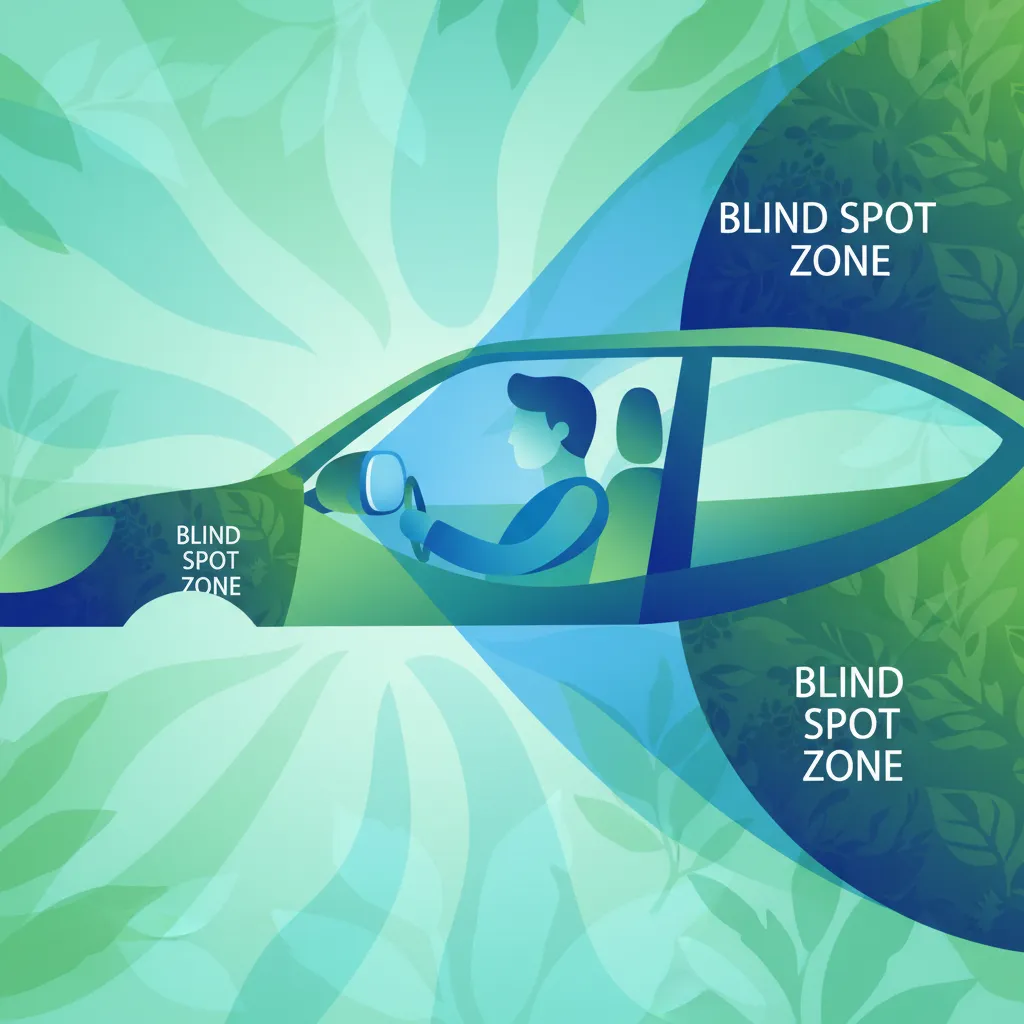
This lesson details the precise adjustment of interior and exterior mirrors to compensate for a bus's large blind spots. Learners will understand how to achieve maximum coverage of rear and side zones through proper mirror setup. It also addresses how passenger load and lighting conditions affect visibility and provides guidelines for maintaining clear sightlines.
This lesson provides a step-by-step process for safe passenger boarding and alighting, emphasizing clear communication and the correct use of wheelchair ramps. Learners will study the legal requirements for assisting passengers with reduced mobility, including securing wheelchairs. The content also covers time management at stops and safety checks before departure.
Find clear answers to common questions learners have about Approaching and Departing Bus Stops, Door Operation. Learn how the lesson is structured, which driving theory objectives it supports, and how it fits into the overall learning path of units and curriculum progression in Poland. These explanations help you understand key concepts, lesson flow, and exam focused study goals.
When approaching a bus stop, you should aim to stop as close to the curb as safely possible, typically within 15-30 cm, to allow easy boarding and alighting for all passengers, including those with reduced mobility. However, always prioritize safety and avoid hitting the curb.
Safety is paramount. You must never operate the doors or allow passengers to move while the bus is in motion. Always bring the bus to a complete stop, engage the parking brake, and then open the doors. Clearly communicate if necessary and ensure passengers wait until it's safe.
Yes, bus drivers must be highly vigilant for pedestrians, especially when approaching or departing stops. Always check mirrors and blind spots for pedestrians on the pavement, crossing in front of or behind the bus, or running to catch the bus. Give way to pedestrians on designated crossings.
If a bus stop is partially blocked, you must assess the situation carefully. If you cannot safely pull fully into the stop, stop where it is safe for passengers to board and alight, ensuring they do not step into the path of other traffic. Use hazard lights and signal your intentions clearly to other road users, and if necessary, wait for the obstruction to clear.
Traffic signals dictate when you can enter or leave a bus stop if it's located near an intersection. Always obey the signals. When departing a stop, especially within a bus lane or near a traffic light, you must ensure it is safe to re-enter the flow of traffic, yielding to others if required by the signal or priority rules.
Build custom practice sessions tailored precisely to your needs. Focus on areas requiring improvement, review specific Polish road signs, or master complex traffic rules to ensure full preparation for your official driving license exam.