
Welcome to the 'Vehicle Characteristics & Systems' unit for your Polish Category D licence! This lesson focuses on the critical braking systems specific to buses, including air brakes, retarders, and emergency procedures. Understanding these systems is vital for safe operation and passing the theory exam.
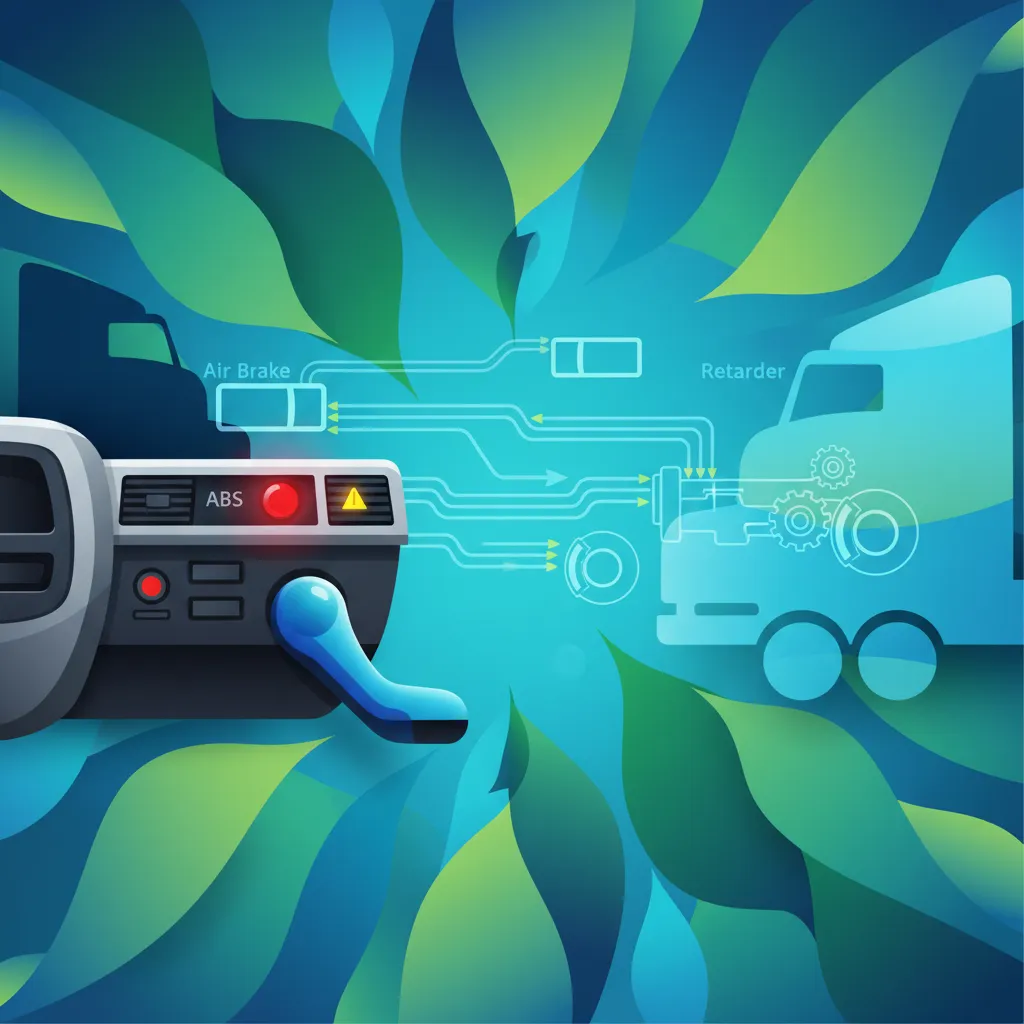
Lesson content overview
Operating a large passenger vehicle, such as a bus or coach, demands a thorough understanding of its complex braking systems. Unlike smaller vehicles, buses rely on sophisticated air-brake systems, complemented by powerful retarders and advanced electronic aids like Anti-lock Braking System (ABS) and Electronic Stability Control (ESC). Mastering these systems is not just about compliance with the Polish Road Traffic Act; it is fundamentally about ensuring the safety of passengers and other road users under all driving conditions.
This lesson, part of the Polish Category D Driving Licence Theory Course for Bus Drivers, provides a detailed examination of these critical components. You will learn how these systems generate, store, and apply braking force, and how electronic mechanisms modulate that force to maintain stability. By the end, you will understand the principles behind effective deceleration, emergency procedures, and the vital role of regular maintenance in preventing accidents.
The braking performance of a heavy vehicle directly influences control, passenger safety, and adherence to legal requirements. Due to their significant mass and kinetic energy, buses need robust and reliable braking solutions that go beyond conventional hydraulic systems. This section introduces the core concepts and underlying logic of these specialized braking technologies.
The primary goal of any braking system is to convert the vehicle's kinetic energy into thermal energy, safely slowing or stopping it. For buses, this process must be highly efficient and repeatable, even under heavy loads or during long descents. Safety is paramount, which is why bus braking systems incorporate redundancy and advanced electronic controls to prevent loss of control. The Polish Road Traffic Act, along with European Union regulations, mandates specific functionalities and regular inspections to uphold these safety standards for commercial passenger vehicles.
The air brake system is the backbone of a bus's deceleration capability. It uses compressed air to transmit force from the driver's foot pedal to the brake components at each wheel, providing the high-force, reliable braking necessary for heavy vehicles.
Understanding its architecture and operation is crucial for any professional bus driver. Failure to maintain proper air pressure or address system faults can lead to a significant reduction in braking effectiveness or even complete brake failure, posing extreme danger.
A typical air brake system is a complex network of interconnected components. It starts with an air compressor, which draws in atmospheric air, compresses it, and then sends it to air tanks (also known as reservoirs). These tanks store compressed air, typically at pressures ranging from 5 to 7 bar, for use by the braking system and other air-operated accessories.
From the reservoirs, air flows through various valves, including a foot valve (controlled by the brake pedal) and control valves, which regulate the air pressure sent to the brake chambers at each wheel. Inside these chambers, diaphragms or pistons convert air pressure into mechanical force. This force then actuates mechanical linkages that push brake shoes against brake drums or brake pads against brake discs, generating friction and slowing the vehicle. Most heavy vehicles, including buses, are equipped with dual-circuit air brakes. This design features two independent air brake circuits, providing a critical layer of redundancy. If one circuit fails, the other can still provide partial braking, ensuring the vehicle can be safely brought to a stop.
The Polish Regulation (Rozporządzenie Ministra Infrastruktury 2002) mandates dual-circuit air brakes on vehicles exceeding 3.5 tonnes, underscoring the importance of this safety feature.
The service brake is the primary system used for normal deceleration and stopping during driving. It is activated by the driver's foot pedal. When the driver presses the pedal, a valve opens, allowing compressed air to flow from the reservoirs to the brake chambers. The harder the pedal is pressed, the more air pressure is delivered, resulting in greater braking force.
Drivers must understand that effective service braking is not solely about applying maximum force. It involves modulating pedal pressure smoothly and progressively to achieve the desired deceleration without causing discomfort to passengers or losing traction. Proper modulation is essential for maintaining control, especially in varying road conditions. Regular checks of the air pressure gauge on the dashboard are vital. The system needs to maintain sufficient air pressure to ensure the service brakes can develop full force. A significant drop in pressure, typically below 4 bar, indicates a serious problem requiring immediate attention and potentially stopping the vehicle.
Never operate a bus if the air reservoir pressure falls below 4 bar. Insufficient air pressure compromises braking ability and can lead to dangerous situations.
The parking brake, often referred to as the holding brake, is a secondary system designed to keep the vehicle stationary when parked. Unlike the service brake, which relies on air pressure to apply the brakes, many modern bus parking brakes are spring-applied, air-released systems. This means that powerful springs mechanically apply the brakes by default. Compressed air is then used to release these springs when the vehicle is ready to move. This design is inherently fail-safe; if there is a loss of air pressure, the springs will automatically apply the parking brake, preventing the vehicle from rolling away.
The parking brake is typically engaged via a separate lever or button in the driver's cabin. It is crucial to engage the parking brake fully every time the bus is parked, especially on inclines. The Polish Regulation (§ 10.2) specifies that the parking brake must be capable of holding the vehicle on a 5-degree slope for at least 30 seconds. It is important never to use the parking brake as a substitute for the service brake during normal deceleration, as it is not designed for dynamic braking and can lead to severe wear or damage.
While air brakes provide the primary stopping power, they generate significant heat through friction. On long descents, such as mountain passes, continuous use of service brakes can lead to brake fade, a dangerous reduction in braking efficiency due to overheating. To mitigate this, buses are equipped with retarders, supplementary braking devices that dissipate kinetic energy without relying on the friction brakes.
Retarders significantly reduce wear on the service brakes, improve speed control, and enhance safety by providing smoother, sustained deceleration. They are particularly valuable for professional bus drivers who frequently navigate routes with demanding topography.
There are several types of retarders commonly found in heavy vehicles:
Hydraulic Retarders (Oil Retarders): These operate by using fluid resistance. A rotor attached to the drivetrain spins within a chamber filled with oil. When activated, oil is pumped into the chamber, creating resistance against the spinning rotor. This resistance converts kinetic energy into heat, which is then dissipated by the vehicle's cooling system. Hydraulic retarders are highly effective and provide smooth, continuous braking force.
Electromagnetic Retarders (Eddy-Current Retarders): These devices consist of a rotor connected to the driveline and an electromagnet stator. When activated, an electric current flows through the stator, generating a strong magnetic field. As the rotor passes through this field, eddy currents are induced, creating a drag force that slows the vehicle. Like hydraulic retarders, electromagnetic retarders dissipate heat into the atmosphere, bypassing the friction brakes entirely.
Engine Brakes (Compression Release Brakes / Jake Brakes): These are integrated into the engine itself. When activated, they alter the engine's valve timing to turn the engine into an air compressor. This generates significant resistance within the engine cylinders, using the engine's compression to slow the vehicle. While effective, engine brakes can be noisy and their use may be restricted in some urban or residential areas due to local regulations.
Retarders are typically controlled by a separate lever on the steering column or dashboard, allowing the driver to select different levels of retardation. For optimal use, drivers should engage the retarder before beginning a descent to control speed from the outset. This "preventative" use keeps the vehicle speed in check and conserves the service brakes for unexpected situations or for bringing the vehicle to a complete stop.
On grades greater than 6% or at speeds exceeding 50 km/h, the Polish Code of Conduct for Bus Drivers recommends the proactive use of retarders to manage speed and prevent brake fade.
It is crucial to remember that retarders complement, but do not replace, the service brakes. They are designed for speed management and continuous deceleration, not for emergency stops. Drivers must understand the retarder's activation limits; continuous high-level use without adequate cooling can lead to overheating and reduced effectiveness.
Modern buses are equipped with advanced electronic braking systems that significantly enhance safety by preventing wheel lock-up and maintaining vehicle stability, especially during emergency maneuvers or on slippery surfaces. The Anti-Lock Braking System (ABS) and Electronic Stability Control (ESC) are mandatory safety features that every professional bus driver must understand.
The Anti-Lock Braking System (ABS) is an electronic system designed to prevent the wheels from locking up during heavy braking. When a wheel locks, it stops rotating and skids, leading to a loss of steering control and an increased stopping distance, particularly on low-traction surfaces.
ABS works by constantly monitoring the rotational speed of each wheel via speed sensors. If a sensor detects that a wheel is about to lock, the ABS module rapidly modulates the brake pressure to that specific wheel. It quickly releases and reapplies the brake pressure in rapid pulses, preventing the wheel from locking while still providing maximum stopping force. This pulsating action allows the driver to maintain steering control, enabling them to maneuver around obstacles even during an emergency stop. For Category D vehicles, all buses are required to be equipped with ABS, a mandate derived from EU Directive 2001/116/EC, which has been transposed into Polish law.
When ABS activates, the driver may feel a pulsating sensation in the brake pedal and hear a grinding noise. It is crucial to maintain steady, firm pressure on the brake pedal; do not "pump the brakes" as this will counteract the ABS's effectiveness.
The Electronic Stability Control (ESC) system takes vehicle stability a step further. While ABS focuses on preventing wheel lock-up, ESC is designed to detect and prevent skidding or loss of control, especially during abrupt maneuvers, cornering at speed, or on slippery roads. Given the high center of gravity of buses, ESC is particularly vital in preventing rollovers.
ESC uses a network of sensors to monitor various parameters, including steering angle, wheel speed, yaw rate (the vehicle's rotation around its vertical axis), and lateral acceleration. If the system detects that the bus is deviating from the driver's intended path (e.g., experiencing oversteer or understeer), it automatically intervenes. This intervention involves selectively applying the brakes to individual wheels and/or reducing engine power to help steer the vehicle back onto its intended trajectory. For example, if a bus begins to understeer (plow straight ahead in a turn), ESC might brake the inside rear wheel to help pivot the vehicle into the turn. ESC became mandatory on new Category D buses manufactured after January 1, 2005, under EU Regulation 78/2009.
Proper load distribution in a bus significantly aids ESC performance. Uneven loads can shift the center of gravity, making it harder for ESC to maintain stability.
An emergency braking procedure is a coordinated, rapid deceleration using all available braking systems and electronic aids to stop the vehicle as quickly and safely as possible, typically to avoid a collision. The goal is to maximize deceleration while preserving vehicle stability and passenger safety. This requires practice and a clear understanding of the steps involved.
Performing an emergency stop effectively with a bus involves more than just slamming on the brakes. It requires a systematic approach:
Anticipate the Hazard: Always scan the road ahead for potential hazards. The earlier you identify a risk, the more time you have to react and begin braking.
Apply Service Brake Firmly: Press the service brake pedal firmly and decisively. Maintain steady pressure; do not pump the pedal if your bus is equipped with ABS.
Engage Retarders (If Available): Simultaneously or just before applying the service brake, engage any available retarders to their highest setting. This reduces the load on the friction brakes and enhances overall deceleration.
Allow ABS to Function: If ABS activates (you'll feel pulsations in the pedal and possibly hear a noise), continue to press the pedal firmly. The system is working to prevent wheel lock-up and maintain steering control.
Maintain Steering Control: Keep the steering wheel steady and aim to steer around the obstacle if possible and safe to do so. ABS will help you maintain this capability. If ESC activates, allow it to intervene; avoid abrupt corrective steering that might fight the system.
After Stopping: Once the vehicle is fully stationary, engage the parking brake to secure the bus. Assess the situation and ensure the safety of passengers before taking further action.
The Polish technical standards stipulate that a bus traveling at 50 km/h on dry pavement must be able to stop within 25 metres. Achieving this requires precise execution of the emergency braking procedure and well-maintained braking systems.
Several factors critically influence the stopping distance of a bus:
Compliance with national and European regulations is mandatory for all professional bus drivers in Poland. These regulations are designed to ensure the highest safety standards for commercial passenger transport.
Braking systems, due to their critical role, are subject to stringent inspection requirements:
Even with advanced systems, driver awareness and proper maintenance are paramount. Ignoring warning signs or misusing braking components can lead to dangerous situations.
Brake fade occurs when continuous heavy braking causes the brake components (pads, shoes, drums, discs) to overheat, significantly reducing their ability to generate friction. This results in a dangerous loss of braking power.
The air brake system relies entirely on adequate compressed air. A drop in air reservoir pressure can compromise braking effectiveness.
Braking techniques must be adjusted according to environmental factors:
Drivers often overestimate their braking ability on wet roads. Always assume reduced traction and adjust your driving style accordingly.
Mastering the braking systems of a large passenger vehicle is a cornerstone of professional bus driving. It encompasses a deep understanding of mechanical components, electronic aids, regulatory compliance, and adaptable driving techniques.
The air-brake system, with its dual-circuit design, provides the foundational stopping power through service and parking brakes, both reliant on compressed air. Retarders (hydraulic, electromagnetic, or engine brakes) are crucial supplemental systems that prevent brake fade during prolonged descents, significantly enhancing safety and prolonging the life of friction components. ABS maintains steering control during emergency braking by preventing wheel lock-up, while ESC actively stabilizes the vehicle, mitigating skids and rollovers.
Drivers must internalize the emergency braking procedure, combining firm pedal pressure with retarder engagement and allowing electronic systems to function. Continuous monitoring of air pressure, adherence to Polish legal requirements for dual-circuits, ABS/ESC, and parking brake capability, and diligent maintenance are non-negotiable. Finally, adapting braking strategies to weather, road type, and vehicle load is vital for safe operation in diverse scenarios.
This lesson covers the essential braking systems for Polish Category D buses, emphasizing air brake architecture with dual-circuit redundancy, the importance of retarders for preventing brake fade on descents, and the critical role of ABS in maintaining steering control during emergency stops. ESC provides stability by preventing skids and rollovers. The emergency braking procedure requires coordinated use of service brakes, retarders, and electronic aids while maintaining steady steering. Polish regulations mandate specific requirements for dual-circuit systems, parking brake holding capability on slopes, and mandatory ABS/ESC installation on buses. Drivers must monitor air pressure, adapt braking to weather and road conditions, and understand how vehicle load affects stopping distance.
A short set of high-value points that capture the most important learning from this lesson.
Buses require dual-circuit air brake systems for redundancy; if one circuit fails, the other provides partial braking to safely stop the vehicle.
Retarders (hydraulic, electromagnetic, or engine brakes) prevent brake fade on long descents by dissipating kinetic energy without using friction brakes.
ABS prevents wheel lock-up during emergency braking, allowing drivers to maintain steering control, but does not significantly shorten stopping distance.
ESC detects skids and automatically applies brakes to individual wheels to prevent rollovers, which is critical for high-center-of-gravity buses.
Emergency braking combines firm service brake application with maximum retarder use, while allowing ABS and ESC to function without driver interference.
Explore all units and lessons included in this driving theory course.
Minimum air reservoir pressure is 4 bar; below this, braking ability is compromised and the bus must not be operated.
Parking brakes are typically spring-applied and air-released, meaning they automatically engage if air pressure is lost.
Engage retarders before beginning a descent, not after speed has built up, to prevent brake fade proactively.
ABS modulates brake pressure rapidly to prevent lock-up; do not pump the brake pedal when ABS activates.
A fully loaded bus requires approximately 15% longer stopping distance than an empty one due to increased kinetic energy.
Pumping the brake pedal when ABS activates, which counteracts the system and increases stopping distance.
Using the parking brake for normal deceleration instead of service brakes, causing severe wear or damage.
Continuing to drive with low air pressure warning, risking insufficient brake force and extended stopping distances.
Relying solely on service brakes during long mountain descents, leading to dangerous brake fade from overheating.
Not adjusting braking technique for wet or icy conditions, overestimating traction and control.
Lesson content overview
A short set of high-value points that capture the most important learning from this lesson.
Buses require dual-circuit air brake systems for redundancy; if one circuit fails, the other provides partial braking to safely stop the vehicle.
Retarders (hydraulic, electromagnetic, or engine brakes) prevent brake fade on long descents by dissipating kinetic energy without using friction brakes.
ABS prevents wheel lock-up during emergency braking, allowing drivers to maintain steering control, but does not significantly shorten stopping distance.
ESC detects skids and automatically applies brakes to individual wheels to prevent rollovers, which is critical for high-center-of-gravity buses.
Emergency braking combines firm service brake application with maximum retarder use, while allowing ABS and ESC to function without driver interference.
Explore all units and lessons included in this driving theory course.
Minimum air reservoir pressure is 4 bar; below this, braking ability is compromised and the bus must not be operated.
Parking brakes are typically spring-applied and air-released, meaning they automatically engage if air pressure is lost.
Engage retarders before beginning a descent, not after speed has built up, to prevent brake fade proactively.
ABS modulates brake pressure rapidly to prevent lock-up; do not pump the brake pedal when ABS activates.
A fully loaded bus requires approximately 15% longer stopping distance than an empty one due to increased kinetic energy.
Pumping the brake pedal when ABS activates, which counteracts the system and increases stopping distance.
Using the parking brake for normal deceleration instead of service brakes, causing severe wear or damage.
Continuing to drive with low air pressure warning, risking insufficient brake force and extended stopping distances.
Relying solely on service brakes during long mountain descents, leading to dangerous brake fade from overheating.
Not adjusting braking technique for wet or icy conditions, overestimating traction and control.
Explore search topics learners often look for when studying Braking Systems: Air Brakes, Retarders, and Emergency Braking. These topics reflect common questions about road rules, driving situations, safety guidance, and lesson level theory preparation for learners in Poland.
Browse additional driving theory lessons that cover connected traffic rules, road signs, and common driving situations related to this topic. Improve your understanding of how different rules interact across everyday traffic scenarios.
Explore the technical intricacies of advanced bus braking technologies including ABS, ESC, and various retarder types. Understand how these systems ensure safety and compliance with Polish driving theory for Category D.

This lesson is dedicated to the critical braking systems of heavy goods vehicles. It provides a detailed explanation of the air brake system, including the compressor, air tanks, and brake chambers, and highlights the safety function of the dual-circuit design. Learners will also differentiate between various types of auxiliary braking systems, such as engine brakes and retarders, and understand their role in managing speed and preventing service brake overheating on steep gradients.

This lesson covers the principles of motorcycle braking, differentiating between the front and rear brake systems and their respective contributions to stopping power. It explains how anti-lock braking system (ABS) works to prevent wheel lock-up and improve control on slippery surfaces. Learners will explore the optimal brake balance, techniques for progressive deceleration, and the factors influencing stopping distances under various road conditions, ensuring riders can maintain reliable braking performance.

This lesson teaches techniques for delivering a comfortable ride by managing acceleration and braking to minimize sudden movements. It emphasizes progressive braking and gentle throttle application, especially with standing passengers. The content also discusses how vehicle suspension and speed modulation contribute to overall passenger comfort and satisfaction.

This lesson provides an overview of powertrain technologies in modern buses, including diesel, hybrid, and electric systems. It covers the function of engines and transmissions and their impact on acceleration and fuel economy. Emphasis is placed on understanding emissions standards like Euro 6 and the principles of efficient power management.

This lesson teaches the fundamentals of safely reversing a bus using mirrors, cameras, and alarms. It covers low-speed control essential for depot navigation, where precise steering is required to avoid collisions. Specific techniques for handling articulated buses and coordinating with ground staff are also discussed to ensure safe maneuvers.

This lesson introduces defensive driving strategies tailored for bus operation, emphasizing hazard perception and risk management. Learners will study techniques for continuous situational awareness and maintaining safe following distances for adequate reaction time. The content covers emergency maneuvers and interaction with vulnerable road users to reduce accident likelihood.

This lesson focuses on the critical procedures for executing an emergency stop with an air-braked vehicle. It explains how to apply firm, steady pressure to the brake pedal to achieve maximum braking force without locking the wheels, which could lead to a loss of control. The content also discusses the response time of air brake systems and how to manage the significant forces of deceleration when the vehicle is fully loaded, ensuring the quickest possible stop in a crisis situation.
This lesson explores how increasing speed amplifies kinetic energy, thereby affecting braking efficiency and required stopping distances. Learners will learn about brake fade due to heat, the differing contributions of front and rear brakes, and how ABS assists in maintaining stability on slippery surfaces. The lesson covers techniques for proper brake modulation, especially when decelerating from high speeds, to help riders apply appropriate braking techniques for safety.

This lesson outlines the precise steps for approaching a bus stop, ensuring correct positioning and safe deceleration. Learners will study the procedural aspects of door operation and managing passenger movement to prevent accidents. It also addresses coordination with traffic signals and pedestrians to maintain safety and schedule reliability.
Learn crucial emergency braking techniques for buses, including legal stopping distance requirements in Poland, understanding factors affecting performance, and adapting strategies for different road and weather conditions.

This lesson equips drivers with knowledge of emergency procedures, including how to conduct a rapid evacuation. Learners will identify the location and use of fire extinguishers and first-aid kits and learn to guide passengers to emergency exits. The content also covers legal reporting obligations and coordination with emergency services following an incident.
This lesson outlines the precise steps for approaching a bus stop, ensuring correct positioning and safe deceleration. Learners will study the procedural aspects of door operation and managing passenger movement to prevent accidents. It also addresses coordination with traffic signals and pedestrians to maintain safety and schedule reliability.
This lesson introduces defensive driving strategies tailored for bus operation, emphasizing hazard perception and risk management. Learners will study techniques for continuous situational awareness and maintaining safe following distances for adequate reaction time. The content covers emergency maneuvers and interaction with vulnerable road users to reduce accident likelihood.
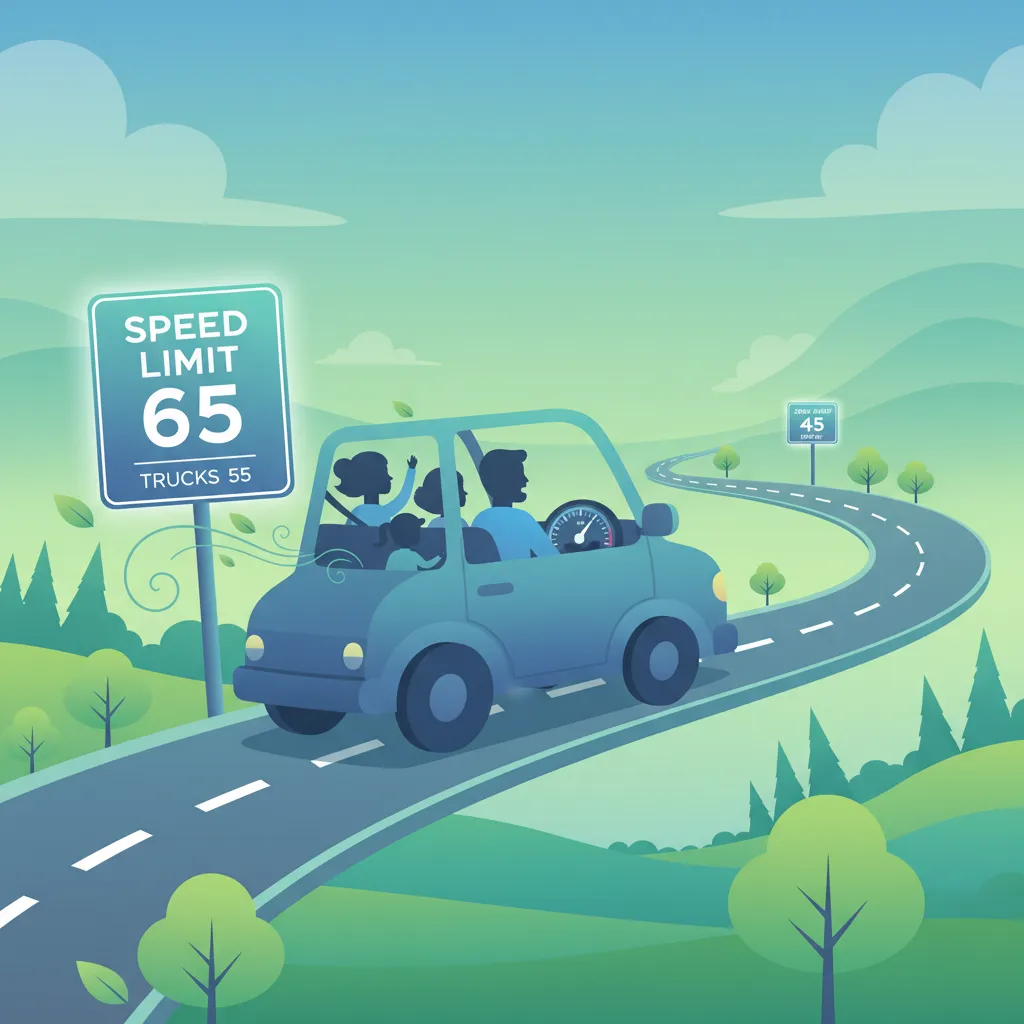
This lesson details the speed limits applicable to buses in Poland across urban, rural, and motorway settings. It emphasizes how vehicle size and passenger load influence safe operating speeds and required stopping distances. The content also covers speed-control device usage and practical techniques for maintaining consistent speed while ensuring passenger comfort.
This lesson teaches the fundamentals of safely reversing a bus using mirrors, cameras, and alarms. It covers low-speed control essential for depot navigation, where precise steering is required to avoid collisions. Specific techniques for handling articulated buses and coordinating with ground staff are also discussed to ensure safe maneuvers.
This lesson details the specific driving adjustments needed for adverse weather. It focuses on how rain, snow, and ice affect vehicle dynamics and driver perception. Learners will study techniques to prevent hydroplaning, use winter tires effectively, and increase following distances on slippery surfaces while using safety systems like fog lights.
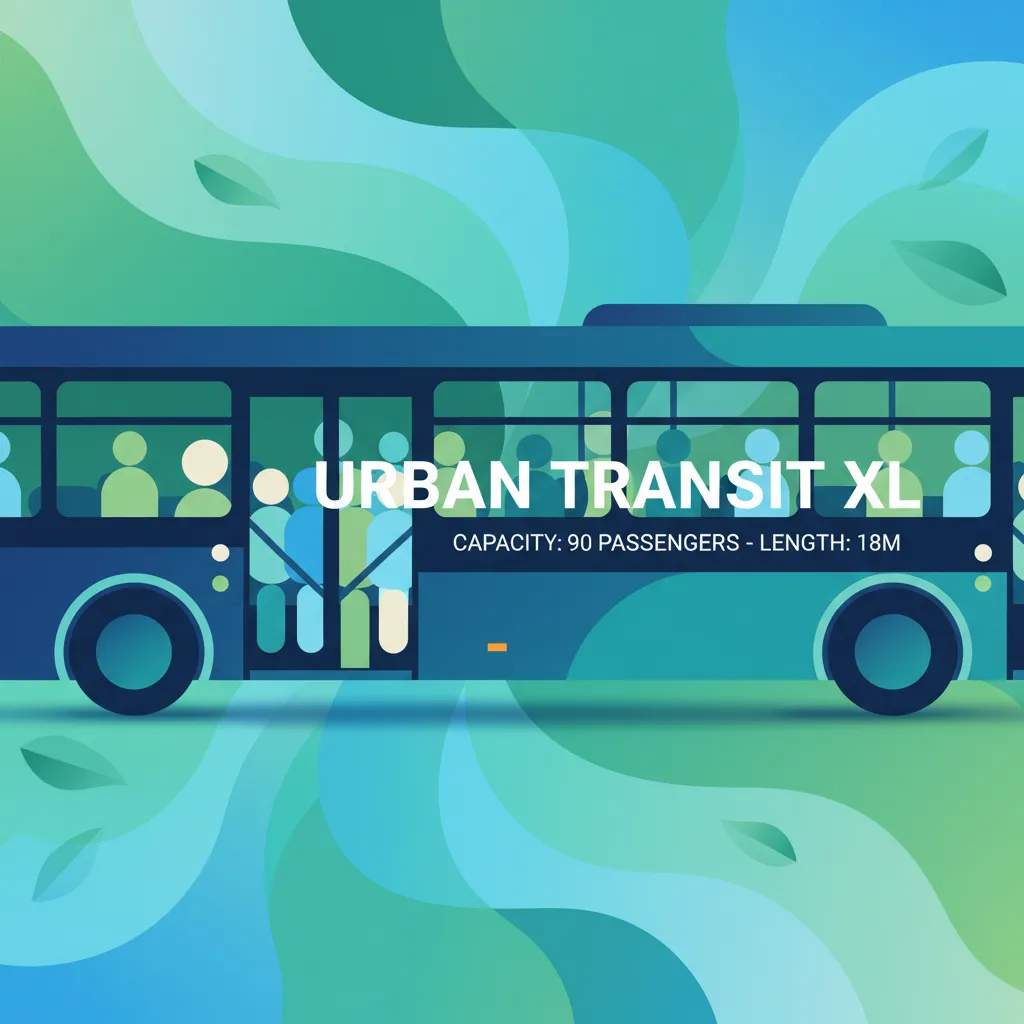
This lesson introduces the various classes of passenger vehicles under Category D, detailing differences between standard, articulated, and minibuses. It covers key dimensional parameters like length, wheelbase, and turning circle that affect urban navigation. Learners will also understand passenger capacity calculations and weight distribution for safe, compliant operation.

This lesson focuses on the key provisions of the Polish road traffic act relevant to public transport. It explains the legal classification of buses, mandatory safety equipment, and the hierarchy of road users. Learners will understand the specific obligations of bus drivers, potential penalties for non-compliance, and the required operational documentation.

This lesson explores the priority hierarchy for buses at different intersections, roundabouts, and pedestrian crossings. Learners will understand how traffic signals and signs affect their approach and how to safely navigate roundabouts with correct lane discipline. Special attention is given to yielding to pedestrians, especially near bus stops.
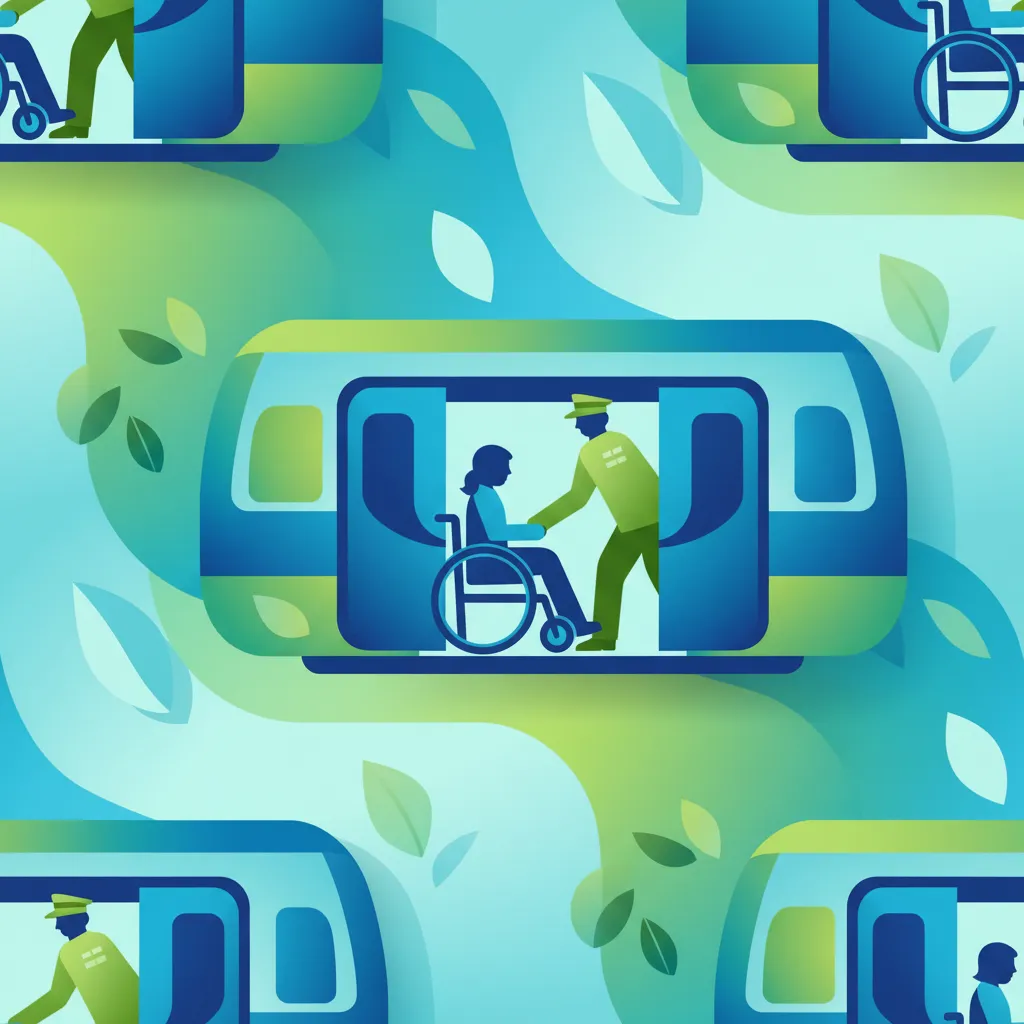
This lesson provides a step-by-step process for safe passenger boarding and alighting, emphasizing clear communication and the correct use of wheelchair ramps. Learners will study the legal requirements for assisting passengers with reduced mobility, including securing wheelchairs. The content also covers time management at stops and safety checks before departure.
Find clear answers to common questions learners have about Braking Systems: Air Brakes, Retarders, and Emergency Braking. Learn how the lesson is structured, which driving theory objectives it supports, and how it fits into the overall learning path of units and curriculum progression in Poland. These explanations help you understand key concepts, lesson flow, and exam focused study goals.
Service brakes are used for normal slowing and stopping during driving, typically activated by the brake pedal. Parking brakes, on the other hand, are primarily for holding the vehicle stationary when parked, often using spring pressure or a separate mechanism, and are usually engaged via a pull-handle or lever. Both systems are crucial for safe operation.
A retarder is an auxiliary braking system that helps slow the vehicle without relying solely on the main service brakes. It reduces wear on brake pads and discs, especially during long descents or when slowing down. This system helps maintain control and prevents brake overheating, making it a vital safety feature for heavy vehicles like buses.
ABS (Anti-lock Braking System) prevents the wheels from locking up during heavy braking. By rapidly pulsing the brakes, it allows the driver to maintain steering control, which is critical for avoiding obstacles and preventing skidding. For buses, ABS is a key safety system that enhances stability and stopping performance.
Emergency braking should only be used when a collision is imminent and unavoidable. The technique involves applying maximum brake pressure firmly and consistently, while maintaining steering control. ABS systems assist by preventing wheel lock-up, allowing you to steer around the hazard if possible.
The theory exam tests your understanding of safe vehicle operation, and well-maintained brakes are fundamental to safety. Knowing that regular checks and maintenance are crucial helps you understand system reliability, prevent failures, and answer questions related to vehicle condition and safety protocols correctly.
Build custom practice sessions tailored precisely to your needs. Focus on areas requiring improvement, review specific Polish road signs, or master complex traffic rules to ensure full preparation for your official driving license exam.