
Welcome to the 'Reversing, Low-Speed Control, and Depot Navigation' lesson, part of the Safe Maneuvering & Urban Operations unit for your Polish Category D licence. This crucial lesson builds on your foundational knowledge of vehicle dynamics, focusing on the specific challenges of maneuvering a large passenger vehicle in confined spaces. Mastering these skills is vital for safe urban operations and passing your theory exam.

Lesson content overview
Operating a bus, especially a large articulated vehicle, demands exceptional precision and awareness. Reversing, maintaining low-speed control, and navigating busy depot environments are some of the most challenging maneuvers a professional driver will face. This lesson, part of the Polish Category D Driving Licence Theory Course for Bus Drivers, provides a comprehensive guide to mastering these critical skills, ensuring both safety and efficiency.
Understanding the theory and best practices for these operations is paramount. Errors can lead to severe consequences, including collisions with pedestrians, other vehicles, or infrastructure, as well as passenger injuries. This chapter will delve into the visual aids, warning systems, steering techniques, and planning strategies essential for safe and compliant bus operations in confined spaces.
Safe reversing and low-speed control are built upon several core principles that enhance a driver's ability to operate a large vehicle with confidence. Adhering to these principles is crucial for minimizing risks and ensuring the well-being of everyone in and around the bus.
Maintaining a vehicle speed of 5 km/h or less, or as specified by local regulations, is the cornerstone of precise maneuvering. This reduced speed significantly lowers the vehicle's kinetic energy, providing the driver with more reaction time to anticipate and respond to unforeseen obstacles or changes in the environment. It also allows for finer adjustments in steering and braking, which are essential when navigating tight spaces or performing delicate maneuvers.
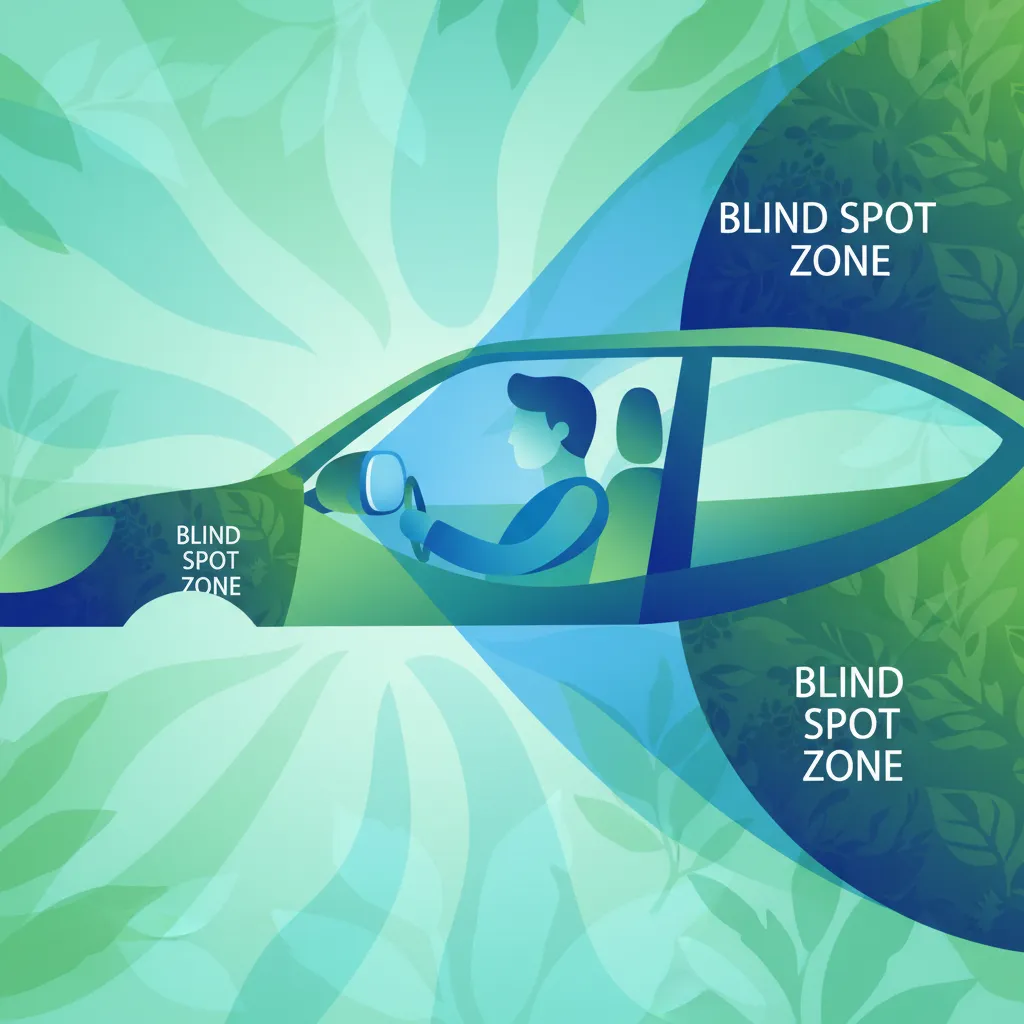
The substantial length and size of a bus inherently create large blind spots. Therefore, continuous and comprehensive monitoring of the rear environment is critical. This involves systematically checking all available visual aids, such as mirrors and cameras, to compensate for the limited direct visibility from the driver's seat. Rear-view awareness must be established before initiating any backward movement and diligently maintained throughout the maneuver.
When a bus is moving backward, it poses a significant hazard to pedestrians, ground staff, and other vehicles. The use of audible alarms, such as the distinct reversing beep, and visual signals, including hazard lights or directional indicators, is mandatory. These warnings serve to alert those in the vicinity to the vehicle's intended motion, providing them with time to react and move to a safe position. Failure to activate these warnings not only increases collision risk but also constitutes a legal violation in Poland.
For articulated (bendy) buses, an additional layer of complexity arises from the articulation joint, the hinge connecting the bus's sections. Effective management of this joint is vital to prevent jackknifing and ensure the smooth, predictable tracking of the rear section. The articulation introduces a non-linear dynamic to the vehicle's path, requiring coordinated steering inputs and an understanding of how the rear section will follow the front.
A methodical approach to navigating bus depots is essential for efficiency and safety. This involves pre-planning the optimal reversal or parking path, carefully considering the depot layout, potential obstacles, internal traffic flow, and designated lane markings. Proactive planning minimizes the need for unnecessary maneuvers, reduces the overall time spent in the depot, and significantly enhances safety for all personnel and vehicles present.
Given the substantial size of a bus, direct rearward visibility from the driver's seat is severely limited. Modern buses are equipped with a suite of visual aids designed to extend the driver's field of view and mitigate blind spots, making reversing maneuvers safer. Relying on a single aid is insufficient; a holistic approach to visual monitoring is required.
Both the driver's and co-driver's side mirrors provide crucial lateral views of the rear quarters of the bus. These mirrors are invaluable for judging distances to adjacent vehicles, obstacles, and curbs during a reverse maneuver. Drivers must be skilled in interpreting images from convex mirrors, which offer a wider field of view but can make objects appear farther away than they actually are. Continuous scanning between both mirrors is necessary to build a comprehensive mental picture of the bus's lateral path.
While less common or useful in some large bus designs, if present, an interior rear-view mirror typically shows the area directly behind the passenger compartment or cab. This can be particularly helpful for quickly checking the immediate rear, though its primary function is often passenger monitoring rather than external reversing.
Many modern buses feature sophisticated rear-view camera systems that display a live video feed on a monitor in the instrument panel. These systems offer an unparalleled view of the area directly behind the bus, often with guidelines superimposed to indicate the predicted path of the vehicle.
While extremely helpful, drivers must not solely rely on the camera feed. Cameras can sometimes distort depth perception, and their field of view may not cover all critical blind spots that mirrors can reveal. They are best used in conjunction with, not as a replacement for, mirror checks.
Advanced buses may incorporate blind-spot sensors that use radar or ultrasonic technology to detect objects or individuals in areas not easily visible through mirrors or cameras. These systems typically provide audible or visual alerts (e.g., lights on side mirrors) to warn the driver of potential hazards. These technologies are crucial for compensating for the inherent limitations of human vision and passive mirror systems, especially in busy depot environments.
Continuous Scanning: Before and during any backward movement, the driver must continuously scan all available visual aids – side mirrors, interior mirrors (if applicable), and the rear-view camera display. This coordinated checking ensures a complete understanding of the rear environment.
The Polish Road Traffic Act (Art. 71) explicitly mandates that before moving backward, the driver must ensure the rear area is clear, either through direct observation or by using mirrors and cameras. This legal requirement underscores the critical importance of a thorough visual check every time a reverse maneuver is initiated.
In addition to visual aids, audible warning devices play a vital role in alerting others to a bus's backward movement, especially in environments where visual cues might be obscured or attention is diverted.
Most buses are equipped with a standard reversing alarm, which emits a distinct, often pulsed, beeping sound when reverse gear is engaged. This alarm should activate automatically and be clearly audible to pedestrians, ground staff, and other road users within a significant radius, typically at least 30 metres. This consistent warning sound is crucial for preventing accidents by giving ample notice of the vehicle's motion direction.
In particularly noisy environments, such as large industrial depots or construction sites, where ambient noise levels are high, standard reversing alarms might be less effective. In such situations, supplementary horns or specialized warning systems may be used to ensure the warning signal penetrates the background noise and is heard by all relevant personnel.
Never Disable the Alarm: Turning off or disabling the reversing alarm, even to avoid noise complaints in residential areas, is a serious safety violation and, in many cases, illegal. The alarm is a critical safety feature designed to protect vulnerable road users.
According to the Polish Road Traffic Act – Art. 70 § 2, a driver is legally obligated to sound an audible warning signal when reversing in conditions of reduced visibility or in areas frequented by pedestrians. This includes virtually all depot environments and many public streets. Furthermore, Polish Vehicle Technical Regulations – § 32 (Alarm Systems) typically mandate that all buses must be equipped with a rear-facing audible alarm that activates automatically with reverse gear.
Precise control at low speeds (≤ 5 km/h) is fundamental for safe and accurate bus maneuvering, particularly during reversing and depot navigation. It requires specific steering and throttle modulation techniques that differ from higher-speed driving.
This technique involves using both hands to apply opposing forces to the steering wheel, rather than crossing arms or using only one hand. For example, one hand pushes the wheel up, while the other pulls it down. This method allows for smooth, continuous, and controlled steering input, making fine adjustments without sudden, jerky movements. It reduces driver fatigue and keeps the vehicle's trajectory predictable, which is vital in confined spaces.
While not a literal "dead-man's switch" in the traditional sense, this concept refers to maintaining a constant, very low throttle input to prevent sudden acceleration. Instead of pressing and releasing the accelerator frequently, the driver aims for a gentle, consistent pressure. This ensures that the bus moves smoothly and predictably, preventing unexpected surges of power that can make precise control difficult. The clutch (for manual transmissions) or brake pedal (for automatics) is then used for fine speed adjustments, allowing the bus to creep forward or backward with utmost control.
A common error at low speeds is over-steering, where the driver applies too much steering lock too quickly. This can cause the rear wheels of a long vehicle to swing out unexpectedly and widely, potentially colliding with obstacles. Drivers should aim for small, incremental steering adjustments, observing the effect before applying more.
Articulated buses, with their unique hinge joint, present specific challenges during low-speed maneuvers. The driver must account for the distinct way the rear section tracks the front, especially when reversing or turning sharply.
In an articulated bus, the rear section follows the trajectory set by the front axle. However, there is a "lag angle" and a slight delay in its response, which is proportional to the speed. At low speeds, this lag can be more noticeable, meaning the rear section will not immediately mirror the front's movements. The driver must anticipate this delay and adjust steering inputs slightly earlier to ensure the rear section follows the intended path.
This strategy involves mentally identifying the articulation joint as a virtual pivot point. When turning or reversing, the driver focuses on guiding this pivot point rather than just the front or rear of the vehicle. By understanding how steering inputs affect the position of this pivot, the driver can better plan the turning radius and ensure both sections of the bus clear obstacles.
Before entering or maneuvering within a depot, especially when reversing, it's often an operational guideline (though not always statutory) for the articulation joint to be in a "neutral" or stable position. This prevents unintended movement or excessive swing of the rear section during low-speed operations. Drivers must always monitor the articulation swing carefully, as mismanagement can cause the rear section to encroach on adjacent lanes or obstacles, potentially leading to jackknifing.
Navigating a bus depot is a complex task that requires careful planning, constant awareness, and often, coordination with ground staff. A systematic approach minimizes risk and enhances operational efficiency.
Before entering a depot or commencing a maneuver, drivers should familiarize themselves with the depot layout, often by consulting a depot layout map. This map details entry and exit points, traffic flow directions, designated parking bays, and potential hazards such as support pillars, low-clearance zones, fuel pumps, wash bays, and maintenance areas. Identifying these obstacles beforehand allows the driver to plan the safest and most efficient route.
In busy depots, ground staff often assist drivers with complex maneuvers, particularly reversing into tight bays. Establishing clear communication protocols is paramount. This may involve standardized hand signals, two-way radio communication, or a combination of both.
The Polish regulations (Art. 6 § 1) require that any ground staff assisting must wear high-visibility clothing to ensure they are clearly visible to the driver. Drivers must obtain visual clearance from ground staff before initiating a reverse and maintain communication throughout the maneuver.
Consult the depot layout map and visually assess the intended path for obstacles and clearances.
Verify the availability and positioning of ground staff, ensuring they are wearing high-visibility clothing.
Engage reverse gear and confirm the automatic reversing alarm is activated and audible.
Conduct a comprehensive visual sweep using all mirrors and the rear-view camera system.
Signal intent clearly to ground staff (e.g., hand signals) and wait for their clearance signal.
Initiate the reverse maneuver slowly, maintaining constant low-speed control and continuous environmental monitoring.
Compliance with legal requirements is non-negotiable for professional bus drivers. Several articles within the Polish Road Traffic Act and related regulations directly govern reversing and low-speed operations.
The Polish Road Traffic Act – Art. 70 § 2 states that the driver must sound an audible warning signal when reversing in situations where visibility is limited or in areas with pedestrians. This rule is mandatory and directly applies to almost all reversing operations within depots or on public roads where other users might be present. Its rationale is to alert vulnerable road users to the potential danger of a large vehicle moving backward. Failing to activate the reversing alarm, even if no incident occurs, is a violation.
Article 71 of the Polish Road Traffic Act stipulates that before moving backward, the driver must ensure the rear area is clear. This can be achieved through direct observation, or by utilizing mirrors and cameras. This regulation is mandatory for all reverse movements, whether on public roads or within private depot premises. Its purpose is to prevent collisions with unseen obstacles, other vehicles, or individuals. A driver must systematically check all visual aids before and during the entire reverse maneuver.
While primarily focused on working hours, Annex II of the EU Working-Time Regulations includes safety provisions that are relevant to depot operations. It mandates that when performing low-speed maneuvers, especially in controlled areas, the driver must coordinate with ground staff and use visual signals. This acts as an operational guideline that reinforces the importance of human coordination for safety, particularly when navigating confined spaces with multiple moving vehicles and personnel.
This regulation addresses vehicle equipment conformity. It generally states that all buses must be equipped with a rear-facing audible alarm that activates automatically when reverse gear is engaged. This ensures a consistent warning mechanism is present on all vehicles in service, providing a predictable safety feature for everyone interacting with buses. A bus with a disabled or malfunctioning reversing alarm would fail a technical inspection.
Even experienced drivers can make mistakes, but awareness of common pitfalls can significantly reduce risks.
Safe bus operation demands adaptability. Environmental factors, vehicle state, and the presence of vulnerable road users all require adjustments to standard reversing and low-speed control procedures.
The emphasis on stringent procedures for reversing and low-speed control is rooted in fundamental principles of human perception, physics, and legal precedent. Understanding these underlying reasons reinforces the importance of diligent practice.
The average human reaction time is approximately 1.5 seconds. At a low speed of 5 km/h (approximately 1.4 metres per second), a bus travels roughly 2.1 metres during this reaction window. This relatively short distance allows a driver sufficient time to perceive a hazard and initiate a stop before a collision occurs. In contrast, at higher speeds, the distance covered during reaction time would be dangerously long, making evasive action nearly impossible.
Kinetic energy (KE) is directly proportional to the square of the vehicle's velocity (KE = ½ mv²). A 12-tonne bus moving at 5 km/h possesses significantly less kinetic energy (approximately 46 kJ) than the same bus at, for instance, 50 km/h (approximately 4,500 kJ). This exponential relationship means that even a minor increase in speed dramatically raises the potential for damage and injury in the event of an impact. Low-speed control is thus a direct measure to minimize impact severity.
Studies show that relying solely on mirrors can leave up to 30% of the area behind a long vehicle unseen. Supplementing mirrors with rear-view camera systems and blind-spot sensors can improve detection rates to over 95%. This comprehensive approach to vision is vital for eliminating hazards in areas a driver cannot directly see.
For articulated buses, the rear section tracks the front axle with an offset that varies with speed and turning angle. At low speeds (typically ≤ 5 km/h), this offset remains manageable, generally under 0.5 metres per second of turn. This predictability allows drivers to anticipate the rear section's path and make precise steering corrections, preventing uncontrolled swings or jackknifing.
Auditory alarms are proven to increase the detection distance of a reversing vehicle by up to 20 metres for pedestrians and other road users. In busy and noisy depot environments, where visual line-of-sight can be obstructed by other vehicles or structures, these alarms are often the primary warning mechanism, buying critical seconds for others to react.
Understanding these concepts is best solidified through practical application. These scenarios illustrate correct and incorrect behaviors in common reversing and low-speed situations.
Setting: A bus finishes its route and the driver needs to reverse out of a narrow, marked lane in the depot onto the main internal road. The weather is clear and the surface is dry.
Setting: Early morning in winter, light snow covers the depot surface, reducing traction and visibility. An articulated bus needs to reverse into a parking bay.
Setting: The bus is approaching a busy urban bus stop with a challenging, steep curb. The driver must position the bus precisely for safe passenger boarding and alighting.
Setting: It's late evening, and the bus needs to be parked in a dimly lit section of the depot.
Mastering reversing, low-speed control, and depot navigation is a cornerstone of professional bus driving. This lesson highlights the essential skills and knowledge required:
By integrating these principles and practices, aspiring and experienced bus drivers will be well-equipped to execute challenging low-speed and reversing maneuvers safely and effectively within the dynamic environment of bus depots and public spaces.
This lesson covers the essential skills for safely reversing buses and navigating low-speed environments like depots, with specific focus on Polish Category D requirements. Key techniques include maintaining speeds at or below 5 km/h, using push-pull steering and dead-man pedal control, and comprehensively scanning all visual aids—mirrors, cameras, and blind-spot sensors—before and during reverse maneuvers. The lesson emphasizes that articulated buses require drivers to anticipate the rear section's delayed path tracking, while Polish law mandates audible warnings and clear rear checks. Ground staff coordination with high-visibility clothing is essential, and drivers must adapt techniques to weather, lighting, and vehicle load conditions.
A short set of high-value points that capture the most important learning from this lesson.
Maintain vehicle speed at 5 km/h or below during all reversing and depot maneuvers to ensure adequate reaction time and precise control
Use a comprehensive approach to rear-view awareness by systematically checking mirrors, cameras, and blind-spot sensors together
Always activate the reversing alarm when moving backward in areas with pedestrians or limited visibility—this is a legal requirement under Polish law
For articulated buses, anticipate the rear section's delayed tracking response using the lead-follow model and pivot-point strategy
Ground staff assistance is essential for complex maneuvers, and they must wear high-visvisibility clothing as required by Polish regulations
Explore all units and lessons included in this driving theory course.
Polish Road Traffic Act Art. 70 § 2 mandates an audible warning signal when reversing in reduced visibility or pedestrian areas
Polish Road Traffic Act Art. 71 requires drivers to ensure the rear area is clear before moving backward, using mirrors or cameras
Push-pull steering uses opposing hand forces for smooth, continuous adjustments; dead-man pedal technique maintains constant low throttle for predictable movement
Articulated bus rear sections follow the front with a lag angle—steer earlier to compensate and prevent jackknifing
Reduce speed below 5 km/h under adverse conditions such as wet surfaces, poor lighting, or full passenger load
Failing to activate the reversing alarm, making the bus invisible to pedestrians and ground staff in its path
Relying on only one visual aid (single mirror or camera only), leaving significant blind spots unchecked
Exceeding the low-speed threshold during maneuvers, which reduces reaction time and makes articulation swing unpredictable
Initiating a reverse without confirming clearance from ground staff who may be positioned behind the vehicle
Improper articulation joint management during reversing, causing the rear section to swing unexpectedly or jackknife
Lesson content overview
A short set of high-value points that capture the most important learning from this lesson.
Maintain vehicle speed at 5 km/h or below during all reversing and depot maneuvers to ensure adequate reaction time and precise control
Use a comprehensive approach to rear-view awareness by systematically checking mirrors, cameras, and blind-spot sensors together
Always activate the reversing alarm when moving backward in areas with pedestrians or limited visibility—this is a legal requirement under Polish law
For articulated buses, anticipate the rear section's delayed tracking response using the lead-follow model and pivot-point strategy
Ground staff assistance is essential for complex maneuvers, and they must wear high-visvisibility clothing as required by Polish regulations
Explore all units and lessons included in this driving theory course.
Polish Road Traffic Act Art. 70 § 2 mandates an audible warning signal when reversing in reduced visibility or pedestrian areas
Polish Road Traffic Act Art. 71 requires drivers to ensure the rear area is clear before moving backward, using mirrors or cameras
Push-pull steering uses opposing hand forces for smooth, continuous adjustments; dead-man pedal technique maintains constant low throttle for predictable movement
Articulated bus rear sections follow the front with a lag angle—steer earlier to compensate and prevent jackknifing
Reduce speed below 5 km/h under adverse conditions such as wet surfaces, poor lighting, or full passenger load
Failing to activate the reversing alarm, making the bus invisible to pedestrians and ground staff in its path
Relying on only one visual aid (single mirror or camera only), leaving significant blind spots unchecked
Exceeding the low-speed threshold during maneuvers, which reduces reaction time and makes articulation swing unpredictable
Initiating a reverse without confirming clearance from ground staff who may be positioned behind the vehicle
Improper articulation joint management during reversing, causing the rear section to swing unexpectedly or jackknife
Explore search topics learners often look for when studying Reversing, Low-Speed Control, and Depot Navigation. These topics reflect common questions about road rules, driving situations, safety guidance, and lesson level theory preparation for learners in Poland.
Browse additional driving theory lessons that cover connected traffic rules, road signs, and common driving situations related to this topic. Improve your understanding of how different rules interact across everyday traffic scenarios.
Understand the fundamental principles of safe bus reversing and precise low-speed control. This lesson covers essential techniques for depot navigation, utilizing mirrors, cameras, and warning systems according to Polish traffic laws.
This lesson details the precise adjustment of interior and exterior mirrors to compensate for a bus's large blind spots. Learners will understand how to achieve maximum coverage of rear and side zones through proper mirror setup. It also addresses how passenger load and lighting conditions affect visibility and provides guidelines for maintaining clear sightlines.

This lesson introduces defensive driving strategies tailored for bus operation, emphasizing hazard perception and risk management. Learners will study techniques for continuous situational awareness and maintaining safe following distances for adequate reaction time. The content covers emergency maneuvers and interaction with vulnerable road users to reduce accident likelihood.

This lesson outlines the precise steps for approaching a bus stop, ensuring correct positioning and safe deceleration. Learners will study the procedural aspects of door operation and managing passenger movement to prevent accidents. It also addresses coordination with traffic signals and pedestrians to maintain safety and schedule reliability.

This lesson addresses the high-risk maneuver of reversing a large truck. It provides systematic techniques for using mirrors and, if available, cameras to monitor the vehicle's path, while strongly emphasizing the importance of managing extensive blind spots. Learners will study procedures for maneuvering within tight spaces like loading docks and yards, including the proper use of a spotter (banksman) to ensure the area is clear and to provide guidance, minimizing the risk of collisions.

This lesson details the speed limits applicable to buses in Poland across urban, rural, and motorway settings. It emphasizes how vehicle size and passenger load influence safe operating speeds and required stopping distances. The content also covers speed-control device usage and practical techniques for maintaining consistent speed while ensuring passenger comfort.

This lesson covers the braking mechanisms specific to large passenger vehicles, focusing on air brake systems and retarders. Learners will understand the components and operation of service and parking brakes, as well as the function of ABS and ESC. It also addresses strategies for emergency braking and the importance of regular maintenance for optimal performance.

This lesson introduces the various classes of passenger vehicles under Category D, detailing differences between standard, articulated, and minibuses. It covers key dimensional parameters like length, wheelbase, and turning circle that affect urban navigation. Learners will also understand passenger capacity calculations and weight distribution for safe, compliant operation.

This lesson details the specific driving adjustments needed for adverse weather. It focuses on how rain, snow, and ice affect vehicle dynamics and driver perception. Learners will study techniques to prevent hydroplaning, use winter tires effectively, and increase following distances on slippery surfaces while using safety systems like fog lights.

This lesson explores the priority hierarchy for buses at different intersections, roundabouts, and pedestrian crossings. Learners will understand how traffic signals and signs affect their approach and how to safely navigate roundabouts with correct lane discipline. Special attention is given to yielding to pedestrians, especially near bus stops.

This lesson teaches fundamental maneuvering skills essential for everyday driving. It provides a step-by-step guide to reversing in a straight line and around a corner, emphasizing constant observation. The lesson also details the procedure for a three-point turn, a necessary skill for changing direction on a narrow road safely and efficiently.
Learn to identify and manage specific risks associated with articulated buses, such as articulation point dynamics and maneuvering in confined spaces. This driving theory lesson focuses on hazard perception and safe operational techniques.
This lesson introduces defensive driving strategies tailored for bus operation, emphasizing hazard perception and risk management. Learners will study techniques for continuous situational awareness and maintaining safe following distances for adequate reaction time. The content covers emergency maneuvers and interaction with vulnerable road users to reduce accident likelihood.

This lesson focuses on the practical considerations of cornering large buses, particularly articulated models. It examines turning radius, the effect of the articulation joint, and the importance of maintaining appropriate speed for passenger stability. The content also outlines lane positioning strategies for intersections to avoid over-steering or under-steering.
This lesson details the specific driving adjustments needed for adverse weather. It focuses on how rain, snow, and ice affect vehicle dynamics and driver perception. Learners will study techniques to prevent hydroplaning, use winter tires effectively, and increase following distances on slippery surfaces while using safety systems like fog lights.
This lesson outlines the precise steps for approaching a bus stop, ensuring correct positioning and safe deceleration. Learners will study the procedural aspects of door operation and managing passenger movement to prevent accidents. It also addresses coordination with traffic signals and pedestrians to maintain safety and schedule reliability.
This lesson covers the braking mechanisms specific to large passenger vehicles, focusing on air brake systems and retarders. Learners will understand the components and operation of service and parking brakes, as well as the function of ABS and ESC. It also addresses strategies for emergency braking and the importance of regular maintenance for optimal performance.
This lesson details the precise adjustment of interior and exterior mirrors to compensate for a bus's large blind spots. Learners will understand how to achieve maximum coverage of rear and side zones through proper mirror setup. It also addresses how passenger load and lighting conditions affect visibility and provides guidelines for maintaining clear sightlines.
This lesson introduces the various classes of passenger vehicles under Category D, detailing differences between standard, articulated, and minibuses. It covers key dimensional parameters like length, wheelbase, and turning circle that affect urban navigation. Learners will also understand passenger capacity calculations and weight distribution for safe, compliant operation.
This lesson explores the priority hierarchy for buses at different intersections, roundabouts, and pedestrian crossings. Learners will understand how traffic signals and signs affect their approach and how to safely navigate roundabouts with correct lane discipline. Special attention is given to yielding to pedestrians, especially near bus stops.

This lesson teaches techniques for delivering a comfortable ride by managing acceleration and braking to minimize sudden movements. It emphasizes progressive braking and gentle throttle application, especially with standing passengers. The content also discusses how vehicle suspension and speed modulation contribute to overall passenger comfort and satisfaction.

This lesson teaches drivers how to adapt their speed, following distance, and control inputs to safely navigate adverse conditions. It covers the challenges posed by rain, snow, and ice, explaining the loss of traction and the increased risk of skidding or aquaplaning. The content provides specific strategies for driving in fog, which reduces visibility, and strong crosswinds, which can affect the stability of a high-sided vehicle, promoting a proactive and defensive driving mindset.
Find clear answers to common questions learners have about Reversing, Low-Speed Control, and Depot Navigation. Learn how the lesson is structured, which driving theory objectives it supports, and how it fits into the overall learning path of units and curriculum progression in Poland. These explanations help you understand key concepts, lesson flow, and exam focused study goals.
Reversing an articulated bus requires understanding its pivot point, which is located at the coupling between the two sections. Unlike a rigid bus, the trailer can swing independently. This means you often need to steer in the opposite direction initially to guide the trailer, and precise control is essential to avoid jackknifing or hitting obstacles with either section. Theory questions often focus on this unique handling characteristic.
Ground staff are critical for safe depot navigation, especially during complex manoeuvres like reversing into tight bays or around obstacles. Their role is to provide clear visual guidance and warnings that the driver might miss due to blind spots or limited visibility. Theory exam questions may assess your understanding of how to communicate and cooperate effectively with them.
Reversing alarms provide an auditory warning to people and vehicles around the bus that it is moving in reverse, increasing safety. Cameras offer a visual aid, extending the driver's field of view and helping to identify obstacles or personnel close to the vehicle. Both are essential safety features covered in theory, aiding in preventing accidents during low-speed manoeuvres.
When reversing onto a public road from a private area, you must yield to all other traffic, including pedestrians and cyclists. Ensure you have a clear view and that it is safe to proceed. Polish theory exams will test your understanding of priority and safe execution in such scenarios, often featuring questions about ensuring the path is clear before commencing the manoeuvre.
A fully loaded bus has a longer braking distance and may behave differently during low-speed manoeuvres due to weight distribution. While this lesson focuses on the *mechanics* of reversing and control, it's important to remember that passenger comfort and safety must always be considered. Theory questions might touch upon how to maintain a smooth ride even at low speeds.
Build custom practice sessions tailored precisely to your needs. Focus on areas requiring improvement, review specific Polish road signs, or master complex traffic rules to ensure full preparation for your official driving license exam.