
Obtaining an A2 motorcycle license requires a strategic approach that combines regulatory compliance with dedicated theory preparation. This article explains the mandatory milestones, including the Swedish Transport Agency permit application and the two-part risk education program, to ensure you are fully prepared for your Trafikverket examinations.
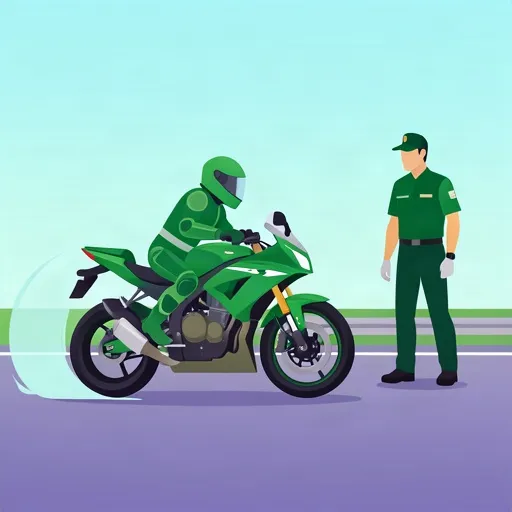
Article content overview
The journey toward earning an A2 motorcycle license in Sweden is a structured process designed to transform you into a skilled, safe, and environmentally conscious rider. By obtaining an A2 license, you gain the legal authority to operate medium-sized motorcycles, making it a perfect milestone for enthusiasts who are not yet eligible for, or ready for, a full category A license. This guide will walk you through the legislative requirements, the mandatory training phases, and how to conquer the Trafikverket theory exam.
To qualify for an A2 license in Sweden, you must meet specific legal criteria set by the Swedish Transport Agency (Transportstyrelsen). You must be at least 18 years old and hold a valid learner's permit. The permit application requires you to submit a health declaration and undergo an eye examination, the results of which are submitted digitally to the authorities.
The A2 license allows you to drive medium-sized motorcycles with a maximum power output of 35 kW and a power-to-weight ratio not exceeding 0.2 kW/kg. It is crucial to remember that the motorcycle must not be derived from a vehicle of more than double its original power, meaning the bike’s unthrottled version cannot exceed 70 kW.
The A2 category covers two-wheeled motorcycles with a maximum power of 35 kW and a power/weight ratio of 0.2 kW/kg. Additionally, three-wheeled motorcycles with a power output not exceeding 15 kW are permitted.
Before you can book your theory exam, you must complete the mandatory risk education program. This program is divided into two parts, collectively known as "Riskettan" and "Risktvåan." These sessions are not just administrative hurdles; they are designed to provide you with a deep understanding of the inherent dangers of riding.
The theory exam at Trafikverket consists of 70 questions, but only 65 of these count toward your final score, as 5 are experimental test questions. To pass, you must correctly answer at least 52 questions within the 50-minute time limit. Unlike a car theory test, the motorcycle theory exam places heavy emphasis on motorcycle-specific physics, such as counter-steering, the impact of road surface texture on grip, and the critical importance of positioning for visibility.
One of the most frequent mistakes in the motorcycle theory exam is underestimating stopping distances on wet or loose surfaces. Always remember that your motorcycle's stability is heavily dependent on the available grip, which changes drastically with weather conditions and road maintenance quality.
Success in the theory exam requires more than just memorizing road signs. You must understand how your physical and mental state, such as fatigue or stress, impacts your reaction time. Furthermore, you should have a firm grasp of how to handle a motorcycle in diverse environments, from congested urban streets to high-speed motorway driving.
Sweden places a high priority on eco-friendly driving. Your training will cover techniques to reduce fuel consumption and emissions, such as maintaining steady speeds and avoiding unnecessary gear changes. When riding, remember that being a safe rider is synonymous with being a predictable one. Always signal your intentions early and ensure you are positioned to see and be seen by other motorists.
If you later decide to upgrade to a full A license, note that you will need to take a new driving test. However, if your theory results are still valid, you may not need to retake the theory exam, depending on the current regulations at the time of your upgrade. Always stay updated with the latest requirements from the Swedish Transport Agency to ensure your progression is smooth and compliant.
The A2 motorcycle license in Sweden requires candidates to be at least 18 years old with a valid learner's permit, and involves completing mandatory two-part risk education (Riskettan and Risktvåan) before taking the Trafikverket theory exam. The exam consists of 70 questions with 52 needed to pass in 50 minutes, with heavy emphasis on motorcycle-specific physics rather than general road signs. A2 vehicles are limited to 35 kW maximum power with a power-to-weight ratio of 0.2 kW/kg, and riders must understand how surface grip and road conditions affect braking and stability. The training also covers eco-friendly riding techniques and the importance of being a predictable, visible rider for road safety.
A short set of high-value points that capture the most important ideas from this article.
You must be at least 18 years old and hold a valid learner's permit before beginning A2 training, which requires a health declaration and eye examination.
The A2 license permits motorcycles up to 35 kW with a power-to-weight ratio not exceeding 0.2 kW/kg, and the bike's unthrottled version cannot exceed 70 kW.
The mandatory risk education program consists of two parts: Riskettan (theoretical training on impairment and fatigue) and Risktvåan (practical braking and maneuvering).
The Trafikverket theory exam contains 70 questions with 5 experimental questions that do not count; you must answer at least 52 correctly within 50 minutes.
The motorcycle theory exam emphasizes motorcycle-specific physics including counter-steering, surface grip, and how road conditions affect braking and stability.
Riskettan covers theoretical risks like alcohol, drugs, fatigue, and distraction; Risktvåan demonstrates practical limits of braking, high-speed maneuvers, and surface grip.
Counter-steering is the technique of pushing the handlebar in the direction you want to turn when riding at speed.
Surface grip—the friction between tires and road—is significantly more critical for motorcycles than for cars and changes drastically with weather and road conditions.
Three-wheeled motorcycles are permitted under A2 if their power output does not exceed 15 kW.
When upgrading to a full A license, you may not need to retake the theory exam if your results are still valid at the time of upgrade.
Underestimating stopping distances on wet or loose surfaces, forgetting that motorcycle stability depends heavily on available grip.
Confusing A2 power limits with other categories; A2 allows 35 kW maximum, not unlimited power.
Focusing only on memorizing road signs instead of understanding motorcycle-specific physics like counter-steering and grip dynamics.
Arriving to the risk education sessions without understanding that these are not administrative formalities but essential safety training.
Neglecting to check current Transportstyrelsen regulations before planning your license upgrade, as requirements can change over time.
Article content overview
A short set of high-value points that capture the most important ideas from this article.
You must be at least 18 years old and hold a valid learner's permit before beginning A2 training, which requires a health declaration and eye examination.
The A2 license permits motorcycles up to 35 kW with a power-to-weight ratio not exceeding 0.2 kW/kg, and the bike's unthrottled version cannot exceed 70 kW.
The mandatory risk education program consists of two parts: Riskettan (theoretical training on impairment and fatigue) and Risktvåan (practical braking and maneuvering).
The Trafikverket theory exam contains 70 questions with 5 experimental questions that do not count; you must answer at least 52 correctly within 50 minutes.
The motorcycle theory exam emphasizes motorcycle-specific physics including counter-steering, surface grip, and how road conditions affect braking and stability.
Riskettan covers theoretical risks like alcohol, drugs, fatigue, and distraction; Risktvåan demonstrates practical limits of braking, high-speed maneuvers, and surface grip.
Counter-steering is the technique of pushing the handlebar in the direction you want to turn when riding at speed.
Surface grip—the friction between tires and road—is significantly more critical for motorcycles than for cars and changes drastically with weather and road conditions.
Three-wheeled motorcycles are permitted under A2 if their power output does not exceed 15 kW.
When upgrading to a full A license, you may not need to retake the theory exam if your results are still valid at the time of upgrade.
Underestimating stopping distances on wet or loose surfaces, forgetting that motorcycle stability depends heavily on available grip.
Confusing A2 power limits with other categories; A2 allows 35 kW maximum, not unlimited power.
Focusing only on memorizing road signs instead of understanding motorcycle-specific physics like counter-steering and grip dynamics.
Arriving to the risk education sessions without understanding that these are not administrative formalities but essential safety training.
Neglecting to check current Transportstyrelsen regulations before planning your license upgrade, as requirements can change over time.
Explore related topics, search based questions, and concepts that learners often look up when studying Swedish A2 Motorcycle License Guide. These themes reflect real search intent and help you understand how this topic connects to wider driving theory knowledge in Sweden.
Find clear and practical answers to common questions learners often have about Swedish A2 Motorcycle License Guide. This section helps explain difficult points, remove confusion, and reinforce the key driving theory concepts that matter for learners in Sweden.
You must be at least 18 years old. The A2 license allows you to drive medium-sized motorcycles with a maximum power of 35 kW and a power-to-weight ratio not exceeding 0.2 kW/kg.
The theory exam consists of 70 questions, 65 of which count toward your score. You need at least 52 correct answers to pass within the 50-minute time limit.
No. You must complete and have valid results for both Riskettan and Risktvåan (the two-part mandatory risk education) before you are permitted to book the theory or practical driving test.
If you have held an A2 license for at least two years and meet the age requirement for the A license, you only need to pass a new practical driving test; you are exempt from retaking the theory test.
Continue your learning journey by exploring more detailed articles and guides. Clarify specific traffic rules, understand complex road signs, or review safe driving practices. Our extensive content library supports your Swedish driving license theory preparation.