
Learning for the Swedish theory exam, or kunskapsprov, requires more than just repeating mock tests. This guide explains how to categorize your errors into specific knowledge areas, such as vehicle safety or traffic regulations, to identify and bridge your personal learning gaps. By implementing a consistent review loop, you will develop the analytical skills needed to handle real-world traffic situations and confidently navigate the official exam at Trafikverket.
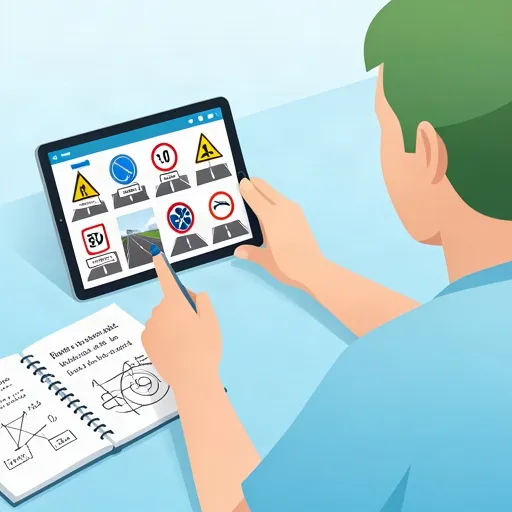
Article content overview
Preparing for the Swedish kunskapsprov at Trafikverket is a significant milestone for any aspiring driver. Many students fall into the trap of passive memorization, where they repeatedly take mock exams, hoping to recall specific answers by heart. However, the official theory test is designed to assess your fundamental understanding of road safety, traffic regulations, and risk assessment rather than your ability to memorize patterns. By shifting your focus from rote memorization to active analysis, you can build the durable knowledge required to pass on your first attempt.
To maximize your study time, you should implement a repeatable practice loop. Start by completing a timed practice test under conditions that mimic the real exam environment at Trafikverket. The real test consists of 60 questions, including 5 test questions, to be completed within 40 minutes. By practicing with this strict time limit, you train your brain to make quick, accurate decisions, which is vital for real-world driving.
After finishing a set, the most critical step is the review phase. Do not just look at your score; instead, categorize every incorrect answer. Did you miss the question because you misread it, because you were confused by a specific road sign, or because you failed to grasp the underlying traffic rule?
A common hurdle for learners is assuming that a question bank is an exhaustive list of what will appear on the exam. In reality, the kunskapsprov tests your ability to apply traffic principles to varied scenarios. A question might change slightly—such as shifting the weather conditions or the vehicle type—which renders memorized answers useless.
When reviewing your results, always explain the reasoning out loud. If you cannot explain why a particular sign or rule applies in a specific situation, you haven't mastered the concept yet.
Instead of memorizing the correct option, analyze why the other alternatives are incorrect. This analytical approach helps you identify the nuances of Swedish traffic law, such as the difference between a "prohibitory" sign and a "mandatory" sign, or how load-securing requirements vary based on the vehicle category.
Visualizing the road is a core component of your preparation. Traffic signs are not just images to identify; they are instructions that define your behavior at any given moment. For example, understanding the hierarchy of signs versus general road rules is essential for navigating priority situations at intersections.
To ensure the information stays with you, use spaced repetition. This means reviewing the concepts you found difficult today again in two days, then again in a week. Your brain is much better at retaining information when you revisit it at increasing intervals rather than cramming for hours in a single session. If you consistently struggle with topics like "Eco-driving" or "Vehicle Safety," prioritize these in your daily study sessions until they become second nature.
Do not rely solely on free online quizzes. Ensure your study material is aligned with the latest guidelines from Transportstyrelsen to avoid learning outdated rules or incorrect interpretations of traffic legislation.
By combining a disciplined practice schedule with a focus on understanding the legislative intent behind traffic rules, you will arrive at the Trafikverket examination center with genuine confidence. Your goal is to develop the intuition required to handle real-world traffic situations safely, which is ultimately what the kunskapsprov aims to measure.
Passing the Swedish kunskapsprov requires shifting from passive memorization to active analysis of traffic principles. The exam has 60 questions to complete in 40 minutes, and effective preparation involves a systematic loop: take timed practice tests, categorize every error by topic, research the official regulation behind each mistake, track recurring weaknesses, and retest specifically on problem areas. Road signs and traffic rules must be understood as actionable instructions rather than facts to memorize, and spaced repetition at increasing intervals ensures better long-term retention than cramming. Always verify that study materials follow current Transportstyrelsen guidelines to avoid learning outdated interpretations of Swedish traffic law.
A short set of high-value points that capture the most important ideas from this article.
The kunskapsprov at Trafikverket tests fundamental understanding of road safety and risk assessment, not pattern memorization
A systematic study loop—taking timed tests, categorizing errors, and revisiting weak topics—builds durable knowledge
Understanding why an answer is wrong is more valuable than knowing the correct answer itself
Road signs define your behavior and must be understood as instructions, not just images to identify
Spaced repetition improves long-term retention better than cramming multiple practice tests in one session
The official theory test consists of 60 questions (including 5 test questions) to be completed within 40 minutes
Categorize each mistake by topic such as vehicle knowledge, environment, or traffic rules before moving on
Questions may vary slightly (weather conditions or vehicle type), so apply principles rather than memorize answers
Study materials must align with Transportstyrelsen guidelines to avoid learning outdated rules
Recurring mistakes should be tracked in a personal log to identify and address systematic weak areas
Relying on passive memorization of mock test answers instead of understanding the underlying principles
Assuming question banks contain every possible exam question rather than applying traffic principles to varied scenarios
Skipping the review phase and only checking scores without analyzing why each answer was incorrect
Using free online quizzes without verifying they reflect current Transportstyrelsen guidelines
Failing to explain reasoning aloud—if you cannot articulate why a rule applies, you have not mastered it
Article content overview
A short set of high-value points that capture the most important ideas from this article.
The kunskapsprov at Trafikverket tests fundamental understanding of road safety and risk assessment, not pattern memorization
A systematic study loop—taking timed tests, categorizing errors, and revisiting weak topics—builds durable knowledge
Understanding why an answer is wrong is more valuable than knowing the correct answer itself
Road signs define your behavior and must be understood as instructions, not just images to identify
Spaced repetition improves long-term retention better than cramming multiple practice tests in one session
The official theory test consists of 60 questions (including 5 test questions) to be completed within 40 minutes
Categorize each mistake by topic such as vehicle knowledge, environment, or traffic rules before moving on
Questions may vary slightly (weather conditions or vehicle type), so apply principles rather than memorize answers
Study materials must align with Transportstyrelsen guidelines to avoid learning outdated rules
Recurring mistakes should be tracked in a personal log to identify and address systematic weak areas
Relying on passive memorization of mock test answers instead of understanding the underlying principles
Assuming question banks contain every possible exam question rather than applying traffic principles to varied scenarios
Skipping the review phase and only checking scores without analyzing why each answer was incorrect
Using free online quizzes without verifying they reflect current Transportstyrelsen guidelines
Failing to explain reasoning aloud—if you cannot articulate why a rule applies, you have not mastered it
Explore related topics, search based questions, and concepts that learners often look up when studying Swedish Theory Exam Study Guide. These themes reflect real search intent and help you understand how this topic connects to wider driving theory knowledge in Sweden.
Find clear and practical answers to common questions learners often have about Swedish Theory Exam Study Guide. This section helps explain difficult points, remove confusion, and reinforce the key driving theory concepts that matter for learners in Sweden.
No. Memorizing answers is ineffective because the exam questions at Trafikverket are designed to test your understanding of traffic rules and risk assessment, not your memory.
After every practice test, categorize each wrong answer into specific topics such as priority rules, road sign recognition, or environmental driving. Review the relevant sections in your theory material to understand the underlying logic.
Aim for shorter, focused sessions of 30 to 45 minutes. This is more effective for long-term retention than long, infrequent study blocks.
Once you have gained a solid grasp of the traffic rules and road signs, introduce time pressure to simulate the 40-minute limit of the actual Trafikverket knowledge test.
Continue your learning journey by exploring more detailed articles and guides. Clarify specific traffic rules, understand complex road signs, or review safe driving practices. Our extensive content library supports your Swedish driving license theory preparation.