
This lesson explores the fundamental mechanical structure of your motorcycle, focusing on the chassis, engine, and braking systems. Understanding these core components is essential for both your theory exam and for performing effective pre-ride safety checks. By mastering this technical foundation, you will be better prepared for more advanced riding dynamics in subsequent units.
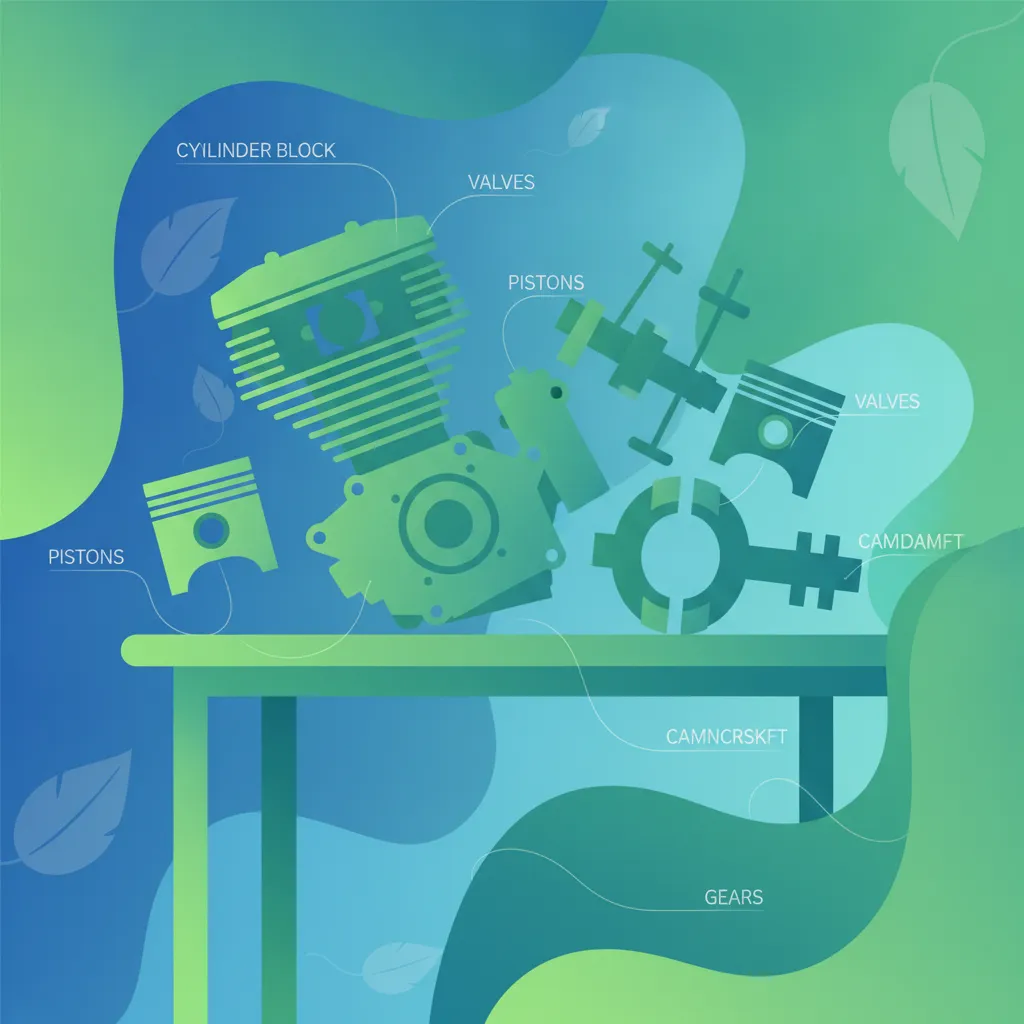
Lesson content overview
Understanding the fundamental components of a motorcycle is essential for safe operation, effective handling, and responsible maintenance. This lesson provides a foundational overview of how a motorcycle is constructed, from its structural backbone to the systems that generate power, manage speed, and ensure stability. Gaining this knowledge is not just about passing an exam for your Swiss Motorcycle Licence Theory Course for Categories A, A1; it's about making informed decisions as a rider, recognizing potential issues, and performing essential safety checks.
We will explore the structural integrity provided by the chassis and frame, delve into various engine types and their characteristics, understand how power is transmitted through different systems, and examine the critical role of braking components. This comprehensive understanding forms the basis for further lessons on control systems, pre-ride inspections, and advanced riding techniques.
The chassis and frame form the foundational structure of any motorcycle, acting as its skeleton. This critical assembly provides the necessary rigidity and mounting points for all other components, including the engine, suspension, wheels, and the rider's seat. The design and material of the frame directly influence a motorcycle's handling characteristics, stability, and overall safety.
The primary function of the frame is to resist twisting and bending forces during riding, ensuring predictable handling and control. It must be robust enough to withstand the stresses of acceleration, braking, cornering, and absorbing road imperfections, while also protecting the vital internal components.
Motorcycle frames come in various designs, each offering distinct advantages in terms of weight, rigidity, manufacturing complexity, and aesthetic appeal.
The integrity of the frame is paramount for rider safety. Any cracks, corrosion, or deformation can compromise the motorcycle's structural stability, leading to unpredictable handling, loss of control, and increased accident risk. Under Swiss motorcycle roadworthiness regulations, the frame must be free from such defects and is subject to periodic inspection during the Mandatory Vehicle Inspection (MFK). Riders must be vigilant, as even micro-cracks can propagate over time, potentially leading to catastrophic failure. A pristine visible appearance does not always guarantee safety; a thorough inspection is crucial.
The engine is the heart of a motorcycle, responsible for converting fuel into mechanical energy that propels the vehicle forward. The type of engine greatly influences a motorcycle's power characteristics, sound, fuel consumption, and overall riding experience. From small, nimble urban bikes to powerful long-distance tourers, the engine choice is fundamental to the bike's purpose.
Understanding an engine's characteristics, such as its displacement (total volume displaced by pistons, measured in cubic centimeters or 'cc'), torque (rotational force), and power output (rate of work, in kW or hp), helps riders choose a motorcycle suited to their needs and licence category. For example, a 125 cc single-cylinder engine is typical for an A1 category licence, while a 600 cc inline-four might be for a full A category.
All motorcycles operating on Swiss roads must comply with strict emission standards, such as Euro 5. This regulation ensures that engines are designed and maintained to minimize their environmental impact. Proper engine maintenance is crucial not only for longevity and fuel efficiency but also for meeting these legal requirements and avoiding potential failures that could impair safety.
The transmission system is the crucial link between the engine and the rear wheel, allowing the rider to control the motorcycle's speed and power delivery. It enables the engine's power to be delivered effectively across a range of speeds and loads by varying the gear ratios. Without a transmission, a motorcycle could only operate efficiently at a single speed.
In motorcycles with manual transmissions, the clutch is a vital component. It allows the rider to temporarily disconnect the engine's power from the transmission, which is necessary for changing gears smoothly and for coming to a complete stop without stalling the engine. Correct clutch operation—a smooth release in conjunction with throttle input—is a fundamental skill for any rider.
Proper gear selection is critical for safe and efficient riding. Choosing a gear too high for the current speed (lugging the engine) or too low (over-revving) can strain the engine, reduce acceleration, or even lead to stalling. Downshifting correctly, especially before cornering or descending hills, also allows for effective engine braking, which helps control speed and reduces reliance on the mechanical brakes.
The braking system is arguably the most critical safety feature on a motorcycle, allowing riders to control speed, decelerate, and stop safely to avoid hazards. Motorcycles are equipped with independent front and rear braking systems, typically operated by a hand lever for the front brake and a foot pedal for the rear brake. Mastering the combined use of both brakes is fundamental for effective and stable stopping.
Swiss vehicle inspection standards mandate that both front and rear braking systems must be fully operational and free from excessive wear. Brake pads and shoes have a minimum thickness requirement, and worn components must be replaced promptly. Ignoring brake maintenance can lead to significantly increased stopping distances and a heightened risk of collisions. It's a common misunderstanding to assume the rear brake alone is sufficient; the front brake provides the majority of stopping power due to weight transfer during deceleration. Regular checks of brake fluid levels for hydraulic systems and proper lever/pedal free play are crucial safety measures.
Once the engine generates power and the transmission selects an appropriate gear, a final drive system is needed to transmit that power directly to the rear wheel. This component is essential for propelling the motorcycle forward and its choice impacts maintenance, noise, and riding feel.
Regardless of the type, proper maintenance of the drive system is critical for safety. An improperly tensioned chain can derail, causing a sudden loss of drive and potentially locking the rear wheel. A worn belt can snap, leading to similar consequences. Shaft drives, while robust, can develop leaks or require internal component inspection during routine servicing. Adhering to manufacturer maintenance schedules and performing pre-ride checks are non-negotiable for ensuring the reliable and safe operation of your motorcycle.
Maintaining your motorcycle's core components is not just good practice; it's a legal requirement in Switzerland. Regular inspections and adherence to manufacturer guidelines ensure your bike remains roadworthy and safe for both you and other road users.
All motorcycles on public roads in Switzerland are subject to periodic technical inspections (Motorfahrzeugkontrolle or MFK) to verify compliance with safety and environmental standards. This includes a thorough check of structural components like the frame and chassis for any damage, corrosion, or deformation. The engine, transmission, braking systems, and drive systems must all be fully functional and meet prescribed limits for wear and performance.
New motorcycles registered in Switzerland must comply with the latest Euro emission standards (currently Euro 5). These regulations are in place to reduce environmental impact and align with European legislation. Riders must ensure their motorcycles are properly maintained to ensure continuous compliance, as engine malfunctions can lead to increased emissions. Using unapproved modifications that alter emission performance is illegal.
Both the front and rear braking systems are under continuous scrutiny. They must be fully functional, and brake pads/shoes must not be worn beyond their prescribed minimum thickness. The braking efficiency must meet specific stopping distance requirements, verified during the MFK. Timely replacement of worn braking components and maintaining correct fluid levels in hydraulic systems are non-negotiable for safe operation.
For chain-driven motorcycles, regular cleaning, lubrication, and adjustment of tension are mandatory. An overly loose or tight chain can lead to premature wear, reduced efficiency, or even catastrophic failure. Belt drives require inspection for cracks, frays, and proper tension. Shaft drives need periodic fluid checks and inspection for leaks. These checks are crucial not just for passing inspections but for preventing dangerous breakdowns while riding.
A deep understanding of your motorcycle's core components translates directly into safer riding practices and quicker, more informed decision-making in various situations.
In city traffic, frequent stops and starts are common. Your knowledge of the manual transmission and clutch becomes critical. Smoothly engaging and disengaging the clutch while downshifting to the correct gear allows for controlled stops and prevents the engine from stalling. The front disc brake is your primary tool for controlled deceleration, requiring precise application to avoid abrupt stops or loss of balance.
Descending steep mountain roads demands careful speed management. Relying solely on your mechanical brakes can lead to brake fade (reduced braking efficiency due to overheating). Instead, utilize engine braking by downshifting to a lower gear. This reduces the load on your brakes and helps maintain control. Gentle, progressive application of both the front and rear brakes, especially the rear to stabilize the motorcycle, complements engine braking.
Before embarking on an extended journey, a thorough pre-ride inspection is paramount. Check the chain tension and lubrication, inspect brake pad thickness, and ensure brake levers and pedals operate freely. Visually inspect the frame for any signs of damage or corrosion. Verify tyre pressure and condition. These checks, informed by your understanding of each component's function, significantly reduce the risk of unexpected failures far from home.
Wet or icy conditions demand increased braking distances and even more precise brake application. While modern disc brakes perform well in the wet, water can temporarily reduce their initial bite. Applying both front and rear brakes progressively helps maintain traction and prevent wheel lock. Your understanding of how these systems work allows you to adapt your braking technique to the reduced grip available.
Adding a passenger or heavy luggage changes the motorcycle's weight distribution, affecting handling and braking. A heavier load requires greater braking force and can alter the bike's balance. Your knowledge of the frame's structural integrity reassures you of its capacity, while adjusting tyre pressure according to the load (as specified by the manufacturer) maintains optimal grip and stability.
This lesson has provided a comprehensive overview of the core components that constitute a motorcycle, laying the groundwork for safe and confident riding. We've explored:
This lesson covers the essential mechanical architecture of motorcycles including frame types (trellis, monocoque, perimeter), engine configurations (single-cylinder through inline-four), transmission systems, and braking mechanisms. Understanding these core components is fundamental for passing the Swiss Category A and A1 theory exams and performing effective pre-ride safety inspections. The content emphasizes Swiss regulatory compliance, particularly MFK inspection requirements, Euro 5 emissions standards, and proper maintenance of braking and drive systems. Practical applications demonstrate how component knowledge translates into safer riding practices across diverse conditions from urban traffic to mountain descents.
A short set of high-value points that capture the most important learning from this lesson.
The chassis and frame (trellis, monocoque, or perimeter designs) form the structural backbone that determines handling, stability, and safety characteristics
Engine configurations range from simple single-cylinder (typical for A1) to complex inline-four engines, each with distinct power, torque, and vibration characteristics
Manual transmissions remain standard; proper clutch operation and gear selection are fundamental skills for smooth and safe riding
Disc brakes offer superior stopping power and heat dissipation compared to drum brakes, with the front brake providing 70-80% of total stopping force
Chain, belt, and shaft drive systems each have specific maintenance requirements essential for roadworthiness under Swiss MFK inspection
Explore all units and lessons included in this driving theory course.
Frame integrity is critical: any cracks, corrosion, or deformation compromises safety and will result in MFK failure
Euro 5 emission standards apply to all motorcycles registered in Switzerland, requiring proper maintenance for compliance
Brake pads and shoes have minimum thickness requirements enforced during mandatory vehicle inspections (MFK)
Chain drive requires regular lubrication and tension adjustment; belt drives need inspection for cracks and fraying; shaft drives need periodic fluid checks
Engine braking by downshifting reduces brake fade on long descents and is safer than relying solely on mechanical brakes
Assuming rear brake alone is sufficient for stopping; front brake provides majority of stopping power due to weight transfer during deceleration
Selecting too high a gear for current speed (lugging the engine) or too low a gear (over-revving), causing strain and reduced acceleration
Neglecting chain tension and lubrication, leading to premature wear or potential derailment while riding
Ignoring micro-cracks or corrosion on the frame, which can propagate and cause catastrophic failure over time
Using unapproved engine modifications that alter emission performance, which violates Swiss road regulations
Lesson content overview
A short set of high-value points that capture the most important learning from this lesson.
The chassis and frame (trellis, monocoque, or perimeter designs) form the structural backbone that determines handling, stability, and safety characteristics
Engine configurations range from simple single-cylinder (typical for A1) to complex inline-four engines, each with distinct power, torque, and vibration characteristics
Manual transmissions remain standard; proper clutch operation and gear selection are fundamental skills for smooth and safe riding
Disc brakes offer superior stopping power and heat dissipation compared to drum brakes, with the front brake providing 70-80% of total stopping force
Chain, belt, and shaft drive systems each have specific maintenance requirements essential for roadworthiness under Swiss MFK inspection
Explore all units and lessons included in this driving theory course.
Frame integrity is critical: any cracks, corrosion, or deformation compromises safety and will result in MFK failure
Euro 5 emission standards apply to all motorcycles registered in Switzerland, requiring proper maintenance for compliance
Brake pads and shoes have minimum thickness requirements enforced during mandatory vehicle inspections (MFK)
Chain drive requires regular lubrication and tension adjustment; belt drives need inspection for cracks and fraying; shaft drives need periodic fluid checks
Engine braking by downshifting reduces brake fade on long descents and is safer than relying solely on mechanical brakes
Assuming rear brake alone is sufficient for stopping; front brake provides majority of stopping power due to weight transfer during deceleration
Selecting too high a gear for current speed (lugging the engine) or too low a gear (over-revving), causing strain and reduced acceleration
Neglecting chain tension and lubrication, leading to premature wear or potential derailment while riding
Ignoring micro-cracks or corrosion on the frame, which can propagate and cause catastrophic failure over time
Using unapproved engine modifications that alter emission performance, which violates Swiss road regulations
Explore search topics learners often look for when studying Core Components of a Motorcycle. These topics reflect common questions about road rules, driving situations, safety guidance, and lesson level theory preparation for learners in Switzerland.
Browse additional driving theory lessons that cover connected traffic rules, road signs, and common driving situations related to this topic. Improve your understanding of how different rules interact across everyday traffic scenarios.
Understand the fundamental parts of a motorcycle, including the chassis, engine, transmission, and braking systems. Learn how these vital components ensure stability, performance, and safe operation according to Swiss theory requirements.

This lesson focuses on the control systems that translate rider inputs into action, covering throttle management, brake lever application, and clutch control. It details the process of shifting gears, explaining the typical patterns for upshifting and downshifting. Proper coordination of these controls is emphasized as essential for safe and efficient maneuvering in traffic.
This lesson provides instruction on how to perform an emergency stop safely and effectively. It covers techniques for applying maximum braking force without losing control, both in a straight line and while in a lean. Understanding how to manage traction and stability during a sudden stop is a vital skill for avoiding hazards.

Driving in the Alps requires a high level of skill and vehicle sympathy. This lesson covers techniques for climbing steep gradients by selecting the correct gear to maintain momentum without straining the engine. It reiterates the critical importance of using low gears and auxiliary brakes for descending, to ensure the service brakes remain cool and effective for the entire descent.

This lesson covers the routine maintenance of essential safety components, including lights, mirrors, and the drive chain. Learners will understand how to check light functionality, ensure mirrors are correctly aligned for maximum visibility, and properly inspect, clean, and lubricate the chain. Regular maintenance of these parts is crucial for safe and reliable motorcycle operation.

This lesson explains the distinct roles of the front and rear brakes, focusing on how weight transfer during braking affects their efficiency. It clarifies why the front brake provides the majority of stopping power and teaches how to modulate both brakes smoothly to achieve controlled deceleration. Understanding these principles is fundamental to safe and effective braking.
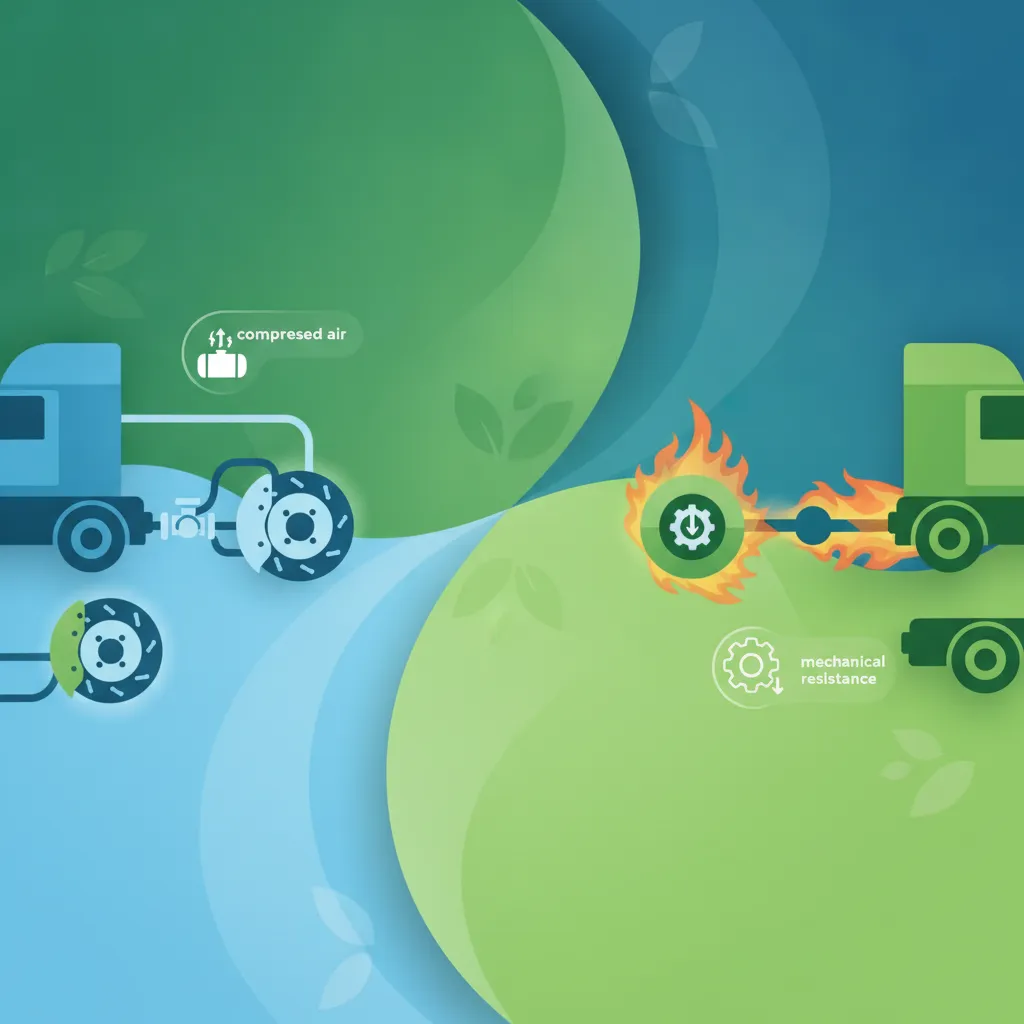
Large passenger vehicles rely on powerful air brake systems. This lesson explains how these systems work, including the importance of monitoring air pressure. It also details the function and proper use of auxiliary braking systems (retarders) to control speed on long descents and reduce wear on the service brakes.
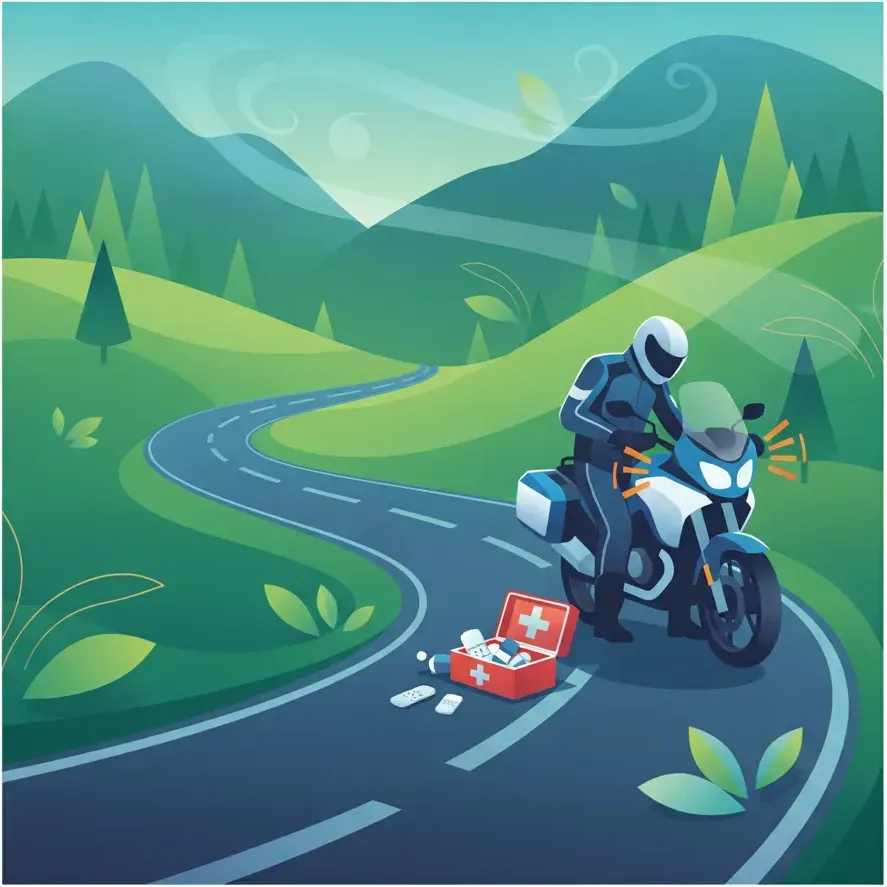
This lesson provides clear, actionable steps for managing a motorcycle breakdown safely. It covers moving the vehicle to a safe location, making yourself visible to other traffic with hazard lights and reflective gear, and contacting breakdown services. Following a proper protocol minimizes risk in a vulnerable situation.
This lesson details the Swiss motorcycle licence categories, explaining the technical criteria that define A1 and A licences, such as engine capacity and power output. It outlines the statutory age thresholds and the progressive training path required for riders. Understanding this regulatory framework provides a clear foundation for what is legally permitted for each licence type.
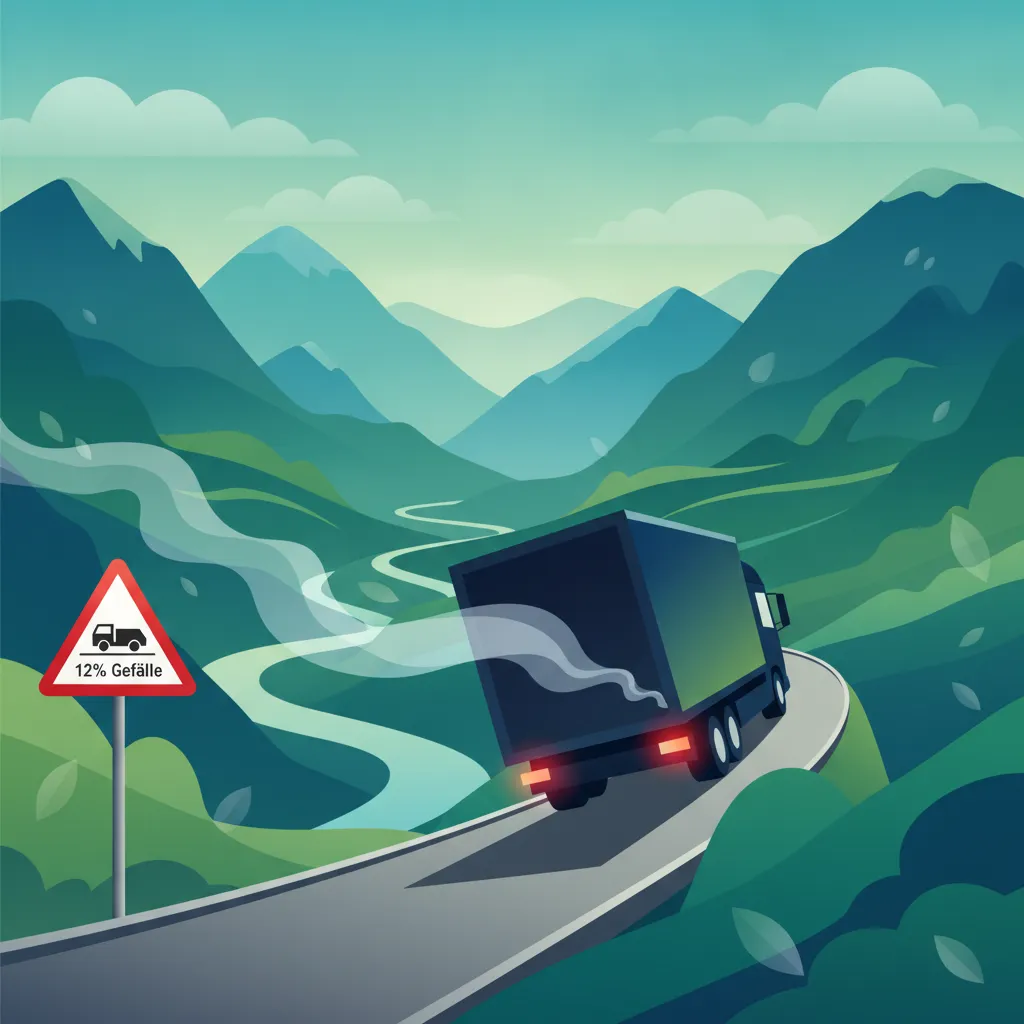
To prevent the service brakes from overheating and failing on long downhill gradients, heavy vehicles are equipped with endurance (or auxiliary) braking systems. This lesson explains the function of engine brakes (which alter valve timing) and retarders (which use hydrodynamic or electromagnetic force). These systems allow the driver to maintain a safe, controlled speed without relying solely on the service brakes.

This lesson introduces a methodical pre-ride inspection routine to verify that a motorcycle is in safe working order. It outlines a step-by-step process for checking tyres, brakes, lights, controls, and fluid levels. Following this comprehensive safety protocol helps identify potential issues before they become hazards on the road.
Explore motorcycle drive systems (chain, belt, shaft) and their maintenance. Understand critical Swiss regulations for components, brakes, and emissions (Euro 5) relevant to categories A and A1.
This lesson details the Swiss motorcycle licence categories, explaining the technical criteria that define A1 and A licences, such as engine capacity and power output. It outlines the statutory age thresholds and the progressive training path required for riders. Understanding this regulatory framework provides a clear foundation for what is legally permitted for each licence type.

This lesson provides a detailed comparison of the technical specifications and legal restrictions associated with each Swiss motorcycle licence category. It explains the differences in engine capacity, power-to-weight ratios, and permitted vehicle performance. This comparison clarifies how each licence tier corresponds to increasing levels of rider experience and skill.
This lesson focuses on the control systems that translate rider inputs into action, covering throttle management, brake lever application, and clutch control. It details the process of shifting gears, explaining the typical patterns for upshifting and downshifting. Proper coordination of these controls is emphasized as essential for safe and efficient maneuvering in traffic.
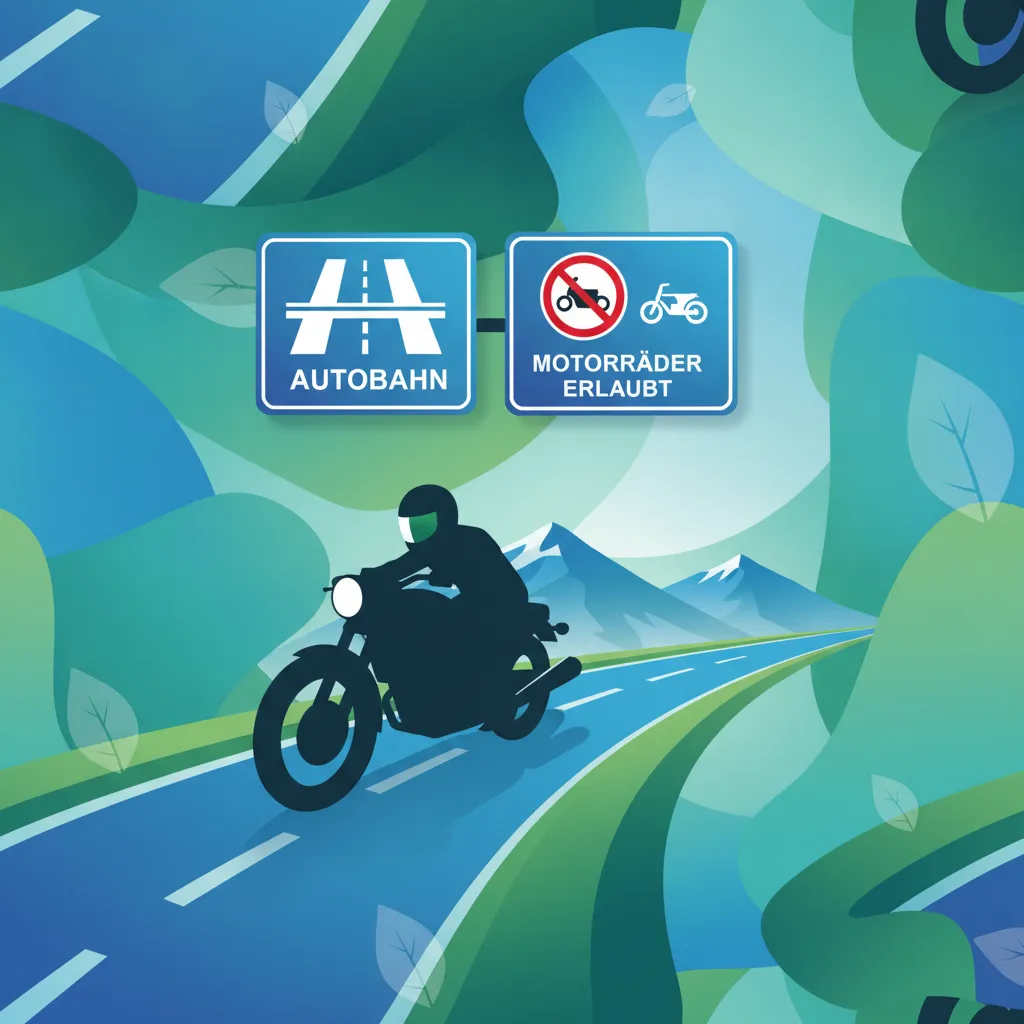
This lesson outlines the specific rules and skills required for riding on high-speed Swiss motorways. It covers the correct procedures for entering and exiting, merging with traffic, maintaining appropriate speed, and conducting safe overtaking maneuvers. Emphasis is placed on using mirrors and signals effectively to integrate safely into the flow of traffic.

This lesson explains the legal age minimums for each motorcycle licence category and details the mandatory health assessments. It covers the required vision and hearing standards, along with the general medical fitness criteria stipulated by Swiss authorities. Learners will understand the process of obtaining a health certificate and the importance of meeting these prerequisites for safe and legal riding.

This lesson explains the direct link between a rider's licence category and their on-road behaviour. It covers how factors like speed selection, lane positioning, and hazard anticipation must be adapted to a motorcycle's specific power and handling characteristics. The content stresses that all riders must make safe decisions appropriate for their vehicle and the Swiss traffic environment.
This lesson covers the routine maintenance of essential safety components, including lights, mirrors, and the drive chain. Learners will understand how to check light functionality, ensure mirrors are correctly aligned for maximum visibility, and properly inspect, clean, and lubricate the chain. Regular maintenance of these parts is crucial for safe and reliable motorcycle operation.

This lesson explores the requirements for maintaining vehicle roadworthiness, including regular technical inspections (MFK) and compliance with emission standards. It outlines the inspection criteria, such as brake performance, steering condition, and lighting system functionality. Understanding these inspections helps ensure safety and compliance with Swiss regulations.
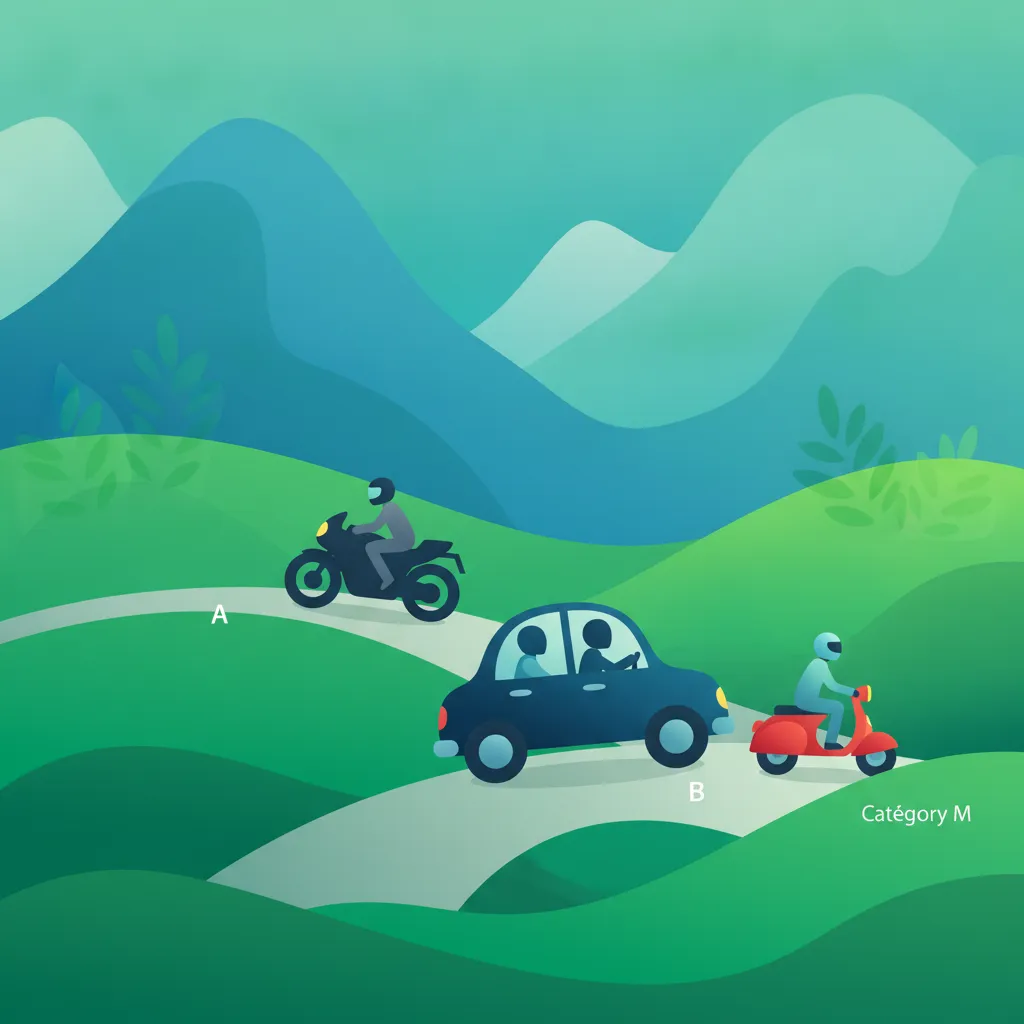
This lesson defines the scope of Switzerland's Category M license by comparing it to other vehicle categories. It details the specific criteria for vehicles, such as maximum speed and engine power, that fall under this classification. Understanding these distinctions is crucial for knowing your legal entitlements and limitations as a Category M license holder.

This lesson emphasizes the rider's responsibility for ensuring their vehicle is in safe, roadworthy condition. It outlines a simple pre-ride inspection routine covering key safety components like tyres, brakes, lights, and controls. Regular maintenance is presented as a critical component of overall rider safety.
Find clear answers to common questions learners have about Core Components of a Motorcycle. Learn how the lesson is structured, which driving theory objectives it supports, and how it fits into the overall learning path of units and curriculum progression in Switzerland. These explanations help you understand key concepts, lesson flow, and exam focused study goals.
The official exam requires riders to understand how vehicle components influence safety and performance. Knowing the mechanics helps you identify potential hazards during a pre-ride check and answers specific technical questions about braking and transmission correctly.
No, you do not need to be a mechanic. You only need a foundational understanding of the primary systems—chassis, engine, and brakes—and how they impact safe riding, maintenance, and adherence to Swiss safety regulations.
In theory tests, disc brakes are often highlighted for their superior cooling and stopping power compared to drum brakes. Understanding this difference helps you answer questions regarding performance and braking distance.
This lesson focuses on stock components and their intended functions for safe riding. Regulatory requirements for modifications are typically covered in units related to legal responsibilities and vehicle approval standards.
Pinpoint specific Swiss traffic rules, road signs, or driving situations you need to master. Use the practice search to start a focused revision session now and build confidence for your official driving theory exam.