
This lesson focuses on the critical pre-ride maintenance of your motorcycle, covering the mechanical systems you must inspect before every journey. As part of our comprehensive A and A1 motorcycle course, you will learn how to verify your lights, adjust your mirrors for optimal visibility, and inspect your drive chain for safety. These routines are vital for your practical safety and represent key topics found in the Swiss motorcycle theory exam.

Lesson content overview
Ensuring the optimal functionality of your motorcycle's lights, mirrors, and drive chain is not merely a matter of routine maintenance; it is a critical component of rider safety and legal compliance. This lesson provides a comprehensive guide to inspecting, adjusting, and maintaining these vital systems, which collectively enhance your visibility, awareness, and the reliable operation of your motorcycle within the framework of the Swiss Motorcycle Licence Theory Course for Categories A and A1.
Regular upkeep of these components directly impacts your ability to navigate traffic safely, communicate your intentions to other road users, and maintain precise control over your vehicle. Neglecting these areas can lead to reduced conspicuity, impaired situational awareness, and potential mechanical failure, all of which significantly increase the risk of accidents.
The lighting system on your motorcycle plays a dual role: it illuminates your path, allowing you to see hazards, and, crucially, it ensures that other road users can see you. Proper functionality and correct usage of all lights are paramount, especially given that motorcycles have a smaller frontal area and can be less conspicuous than larger vehicles.
Before every ride, and especially before night journeys or in adverse weather, a thorough check of all lighting components is essential. This ensures that your motorcycle meets safety standards and legal requirements, enhancing your conspicuity on the road.
Headlamp: The headlamp is your primary source of forward illumination. Motorcycles are generally required to have their dipped beam (low beam) on at all times in Switzerland, even during daylight hours, to enhance visibility. You must check both the dipped beam and the main beam (high beam) for proper operation. Ensure the light cast by the headlamp is clear and unobstructed by dirt or damage to the lens.
Taillight: The taillight provides rear illumination, making your motorcycle visible from behind. Its constant operation is vital, particularly at dusk, dawn, night, or in poor weather. A non-functional taillight significantly increases the risk of a rear-end collision.
Brake Light: The brake light illuminates when you apply the brakes, signaling your deceleration to following traffic. It is activated by both the front and rear brake levers. Test both activations to ensure both switches are working correctly.
Turn Signals (Indicators): Turn signals communicate your intention to turn or change lanes. Check that all four signals flash at a consistent rate and that their lenses are clean and undamaged. Delayed or absent signaling can lead to confusion and dangerous situations for other road users.
Hazard Warning Lights: These lights flash simultaneously to warn other drivers that your vehicle is stationary and potentially posing a hazard, or during an emergency. Ensure they activate and flash correctly.
When checking lights, it's often easiest to do so with the engine running to ensure proper power supply. Stand at a distance around your motorcycle to observe all lights from various angles.
The appropriate selection between dipped and main beam is crucial for both your visibility and the safety of other road users. Misuse of these beams can lead to dangerous glare, impairing other drivers' vision.
The low-intensity headlamp setting that provides a wide-spread illumination for normal night riding. It is designed not to dazzle oncoming traffic and is generally mandatory for continuous use during the day in Switzerland.
The high-intensity headlamp setting that offers longer-range illumination for increased visibility on unlit roads. Its powerful light beam can temporarily blind other drivers if used incorrectly.
When to Use Dipped Beam:
When to Use Main Beam:
Failing to switch from main beam to dipped beam when approaching or following other vehicles is not only dangerous but also a legal offence in Switzerland, potentially resulting in fines.
Mirrors are fundamental for maintaining awareness of your surroundings, enabling safe lane changes, overtaking maneuvers, and general traffic monitoring. Correct adjustment and cleanliness are just as important as their presence.
The effective use of rearview mirrors hinges on their correct positioning. An improperly adjusted mirror can create dangerously large blind spots.
Adjusting Your Mirrors:
Swiss road traffic regulations mandate that motorcycles must be equipped with at least one functional rearview mirror.
While a right (near-side) mirror is generally mandatory, an additional left (off-side) mirror is highly recommended for all riders and is often a requirement for specific training categories (A and A1) to ensure comprehensive rearward visibility. Both mirrors must be clean, undamaged, and securely fixed, providing a clear, undistorted view.
Even with perfectly adjusted mirrors, blind spots will always exist. Always perform a quick head check (a brief glance over your shoulder) before changing lanes or making significant lateral movements to confirm the path is clear.
The drive chain is a vital component responsible for transmitting power from the engine to the rear wheel. Its condition directly affects your motorcycle's performance, fuel efficiency, and, most importantly, safety. Neglecting chain maintenance can lead to accelerated wear, poor power delivery, and even catastrophic chain failure, resulting in a sudden loss of drive.
Correct chain tension is paramount. A chain that is too loose can whip, jump off the sprockets, or damage other components. A chain that is too tight increases wear on the chain, sprockets, and gearbox bearings, and can restrict the rear suspension's movement.
Position the Motorcycle: Place your motorcycle on its side stand or a paddock stand so the rear wheel is off the ground or the suspension is fully extended, depending on manufacturer recommendations.
Locate Midpoint: Find the midpoint between the front (countershaft) and rear (sprocket) sprockets.
Measure Slack: Gently push the chain upwards with one finger until it resists, then pull it downwards until it resists. Measure the total vertical movement (slack) between these two points.
Compare to Specifications: Consult your motorcycle's owner's manual for the manufacturer-specified chain slack, typically expressed in millimeters (e.g., 20-30 mm).
Adjust if Necessary: If the tension is outside the specified range, it must be adjusted. This usually involves loosening the rear axle nut, adjusting the chain adjusters on both sides of the swingarm equally, and then re-tightening the axle nut to the correct torque.
Regular cleaning and lubrication are essential for extending chain life and maintaining smooth power transmission. Dirt, grit, and old lubricant combine to form an abrasive paste that rapidly wears down the chain and sprockets.
Prepare the Area: Place cardboard or a drip tray under the chain to catch excess cleaner and lubricant.
Clean the Chain: Use a dedicated chain cleaner (or kerosene/paraffin, never gasoline) and a soft brush (a toothbrush or specific chain brush) to remove dirt, grime, and old grease. Work in sections, rotating the wheel carefully.
Rinse and Dry: Allow the chain cleaner to evaporate or wipe the chain dry with a clean rag. Ensure it is completely dry before lubricating.
Lubricate: Apply a specialized motorcycle chain lubricant evenly to the inside of the chain (where it meets the sprockets) while rotating the rear wheel. Aim for the O-rings or X-rings to ensure proper penetration.
Allow to Set: Let the lubricant penetrate and set for at least 15-20 minutes, or as recommended by the lubricant manufacturer, before riding. This prevents excess lube from flinging off.
Lubricate your chain approximately every 500-1000 km, or more frequently if riding in wet, dusty, or dirty conditions. Always clean and lubricate after riding in rain to prevent rust.
Chains are wear items and will eventually need replacement. Recognizing the signs of wear can prevent unexpected failure and further damage to your motorcycle.
Signs of Chain Wear:
Adhering to vehicle maintenance standards is a legal obligation for all riders in Switzerland. These regulations are designed to ensure road safety for everyone.
While specific chain tension or lubrication intervals may not be explicitly legislated in numerical values, the overall requirement for a "roadworthy" vehicle includes the functional integrity of all essential components. A poorly maintained chain that poses a risk of failure would render the vehicle non-roadworthy, potentially leading to fines or consequences in the event of an accident. Regular inspection and maintenance, as per manufacturer guidelines, are therefore implicitly mandatory.
Neglecting routine checks and maintenance can lead to dangerous situations and legal penalties. Understanding common mistakes can help you avoid them.
The environment and conditions in which you ride influence how frequently and thoroughly you need to perform maintenance and how you use your motorcycle's features.
The principles underlying effective maintenance of lights, mirrors, and chain are deeply rooted in road safety and vehicle dynamics:
Data-driven insights reinforce these points: studies consistently show that motorcycles with non-functional or improperly used lighting systems have a significantly higher crash involvement rate, especially at night or in poor visibility. Similarly, issues with the drivetrain can lead to unexpected loss of control or propulsion, which can be catastrophic.
This lesson covers the essential pre-ride maintenance checks required for motorcycle lights, mirrors, and drive chain in Switzerland. Learners must understand that dipped beam is legally mandatory during daylight hours and that all lighting components must be fully functional for road legality and conspicuity. Proper mirror adjustment while seated in riding gear minimizes blind spots, but a head check is always necessary before lateral movements. Chain maintenance involves checking tension against manufacturer specifications, cleaning with appropriate solvents, and lubricating every 500-1000 km to prevent wear and catastrophic failure. Swiss regulations under Art. 46-48 mandate proper light usage, and neglecting these maintenance routines not only creates safety hazards but can result in fines and liability in accidents.
A short set of high-value points that capture the most important learning from this lesson.
In Switzerland, motorcycles must have dipped beam headlights on at all times during daylight hours, even when the sun is shining.
Mirrors should be adjusted while seated in your normal riding position, with only a small portion of your shoulder visible at the innermost edge.
Chain slack must be measured at the midpoint between front and rear sprockets, and the total vertical movement should match manufacturer specifications.
All lights must be checked before every ride as non-functional lighting significantly increases crash risk and violates roadworthiness requirements.
A chain that requires frequent tension adjustment or shows kinks, rust, or worn sprocket teeth has likely exceeded its service life and needs replacement.
Explore all units and lessons included in this driving theory course.
Use dipped beam when approaching oncoming traffic, following other vehicles, in urban areas, and in fog or heavy rain; reserve main beam for unlit roads with no traffic within approximately 150 meters.
Clean and lubricate your chain every 500-1000 km, or more often in wet, dusty conditions, and always after riding in rain to prevent rust.
Swiss law requires motorcycles to have at least one functional rearview mirror, but for training categories A and A1, both left and right mirrors are effectively mandatory.
When checking chain wear, if you can see more than half a tooth of the rear sprocket when the chain is lifted at the 3 o'clock position, the chain is likely worn beyond safe limits.
Always perform a head check over your shoulder before changing lanes, even if your mirrors appear perfectly adjusted, to compensate for inherent blind spots.
Riding with main beam activated in traffic, urban areas, or when following another vehicle, which can blind other road users and is a legal offence in Switzerland.
Adjusting mirrors while standing beside the bike rather than seated in the riding position, leading to incorrect field of view once actually riding.
Using gasoline to clean the chain, which damages O-rings and X-rings; only use dedicated chain cleaners or kerosene/paraffin.
Failing to lubricate the chain after cleaning before it is completely dry, preventing proper lubricant penetration and reducing effectiveness.
Installing a new chain on worn sprockets, which causes the new chain to wear unevenly and fail prematurely; always replace both sprockets with a new chain.
Lesson content overview
A short set of high-value points that capture the most important learning from this lesson.
In Switzerland, motorcycles must have dipped beam headlights on at all times during daylight hours, even when the sun is shining.
Mirrors should be adjusted while seated in your normal riding position, with only a small portion of your shoulder visible at the innermost edge.
Chain slack must be measured at the midpoint between front and rear sprockets, and the total vertical movement should match manufacturer specifications.
All lights must be checked before every ride as non-functional lighting significantly increases crash risk and violates roadworthiness requirements.
A chain that requires frequent tension adjustment or shows kinks, rust, or worn sprocket teeth has likely exceeded its service life and needs replacement.
Explore all units and lessons included in this driving theory course.
Use dipped beam when approaching oncoming traffic, following other vehicles, in urban areas, and in fog or heavy rain; reserve main beam for unlit roads with no traffic within approximately 150 meters.
Clean and lubricate your chain every 500-1000 km, or more often in wet, dusty conditions, and always after riding in rain to prevent rust.
Swiss law requires motorcycles to have at least one functional rearview mirror, but for training categories A and A1, both left and right mirrors are effectively mandatory.
When checking chain wear, if you can see more than half a tooth of the rear sprocket when the chain is lifted at the 3 o'clock position, the chain is likely worn beyond safe limits.
Always perform a head check over your shoulder before changing lanes, even if your mirrors appear perfectly adjusted, to compensate for inherent blind spots.
Riding with main beam activated in traffic, urban areas, or when following another vehicle, which can blind other road users and is a legal offence in Switzerland.
Adjusting mirrors while standing beside the bike rather than seated in the riding position, leading to incorrect field of view once actually riding.
Using gasoline to clean the chain, which damages O-rings and X-rings; only use dedicated chain cleaners or kerosene/paraffin.
Failing to lubricate the chain after cleaning before it is completely dry, preventing proper lubricant penetration and reducing effectiveness.
Installing a new chain on worn sprockets, which causes the new chain to wear unevenly and fail prematurely; always replace both sprockets with a new chain.
Explore search topics learners often look for when studying Maintenance of Lights, Mirrors, and Chain. These topics reflect common questions about road rules, driving situations, safety guidance, and lesson level theory preparation for learners in Switzerland.
Browse additional driving theory lessons that cover connected traffic rules, road signs, and common driving situations related to this topic. Improve your understanding of how different rules interact across everyday traffic scenarios.
Understand official Swiss regulations regarding motorcycle lights, mirrors, and chain maintenance. Learn how to ensure your vehicle is roadworthy and safe for compliance with A and A1 license requirements.
This lesson focuses on techniques and equipment designed to increase a motorcyclist's visibility to others. It explains the strategic use of reflective materials, high-visibility clothing, and the mandatory use of daytime running lights. Understanding how to enhance conspicuity is a critical component of proactive self-protection on the road.

This lesson examines the different lighting systems on a vehicle, including headlamps, fog lights, and turn signals. It explains the appropriate use of low-beam and high-beam headlights and the conditions for activating fog lights. Understanding proper lighting usage improves visibility and safety, especially in low-light or adverse weather conditions.

This lesson emphasizes the rider's responsibility for ensuring their vehicle is in safe, roadworthy condition. It outlines a simple pre-ride inspection routine covering key safety components like tyres, brakes, lights, and controls. Regular maintenance is presented as a critical component of overall rider safety.

Proper visibility is paramount for the safety of large vehicles, especially at night or in poor weather. This lesson covers the full range of required lights, including headlights, indicators, brake lights, and side and rear marker lights. It also explains the function of reflectors and the mandatory high-visibility conspicuity markings that outline the vehicle's shape to other drivers.
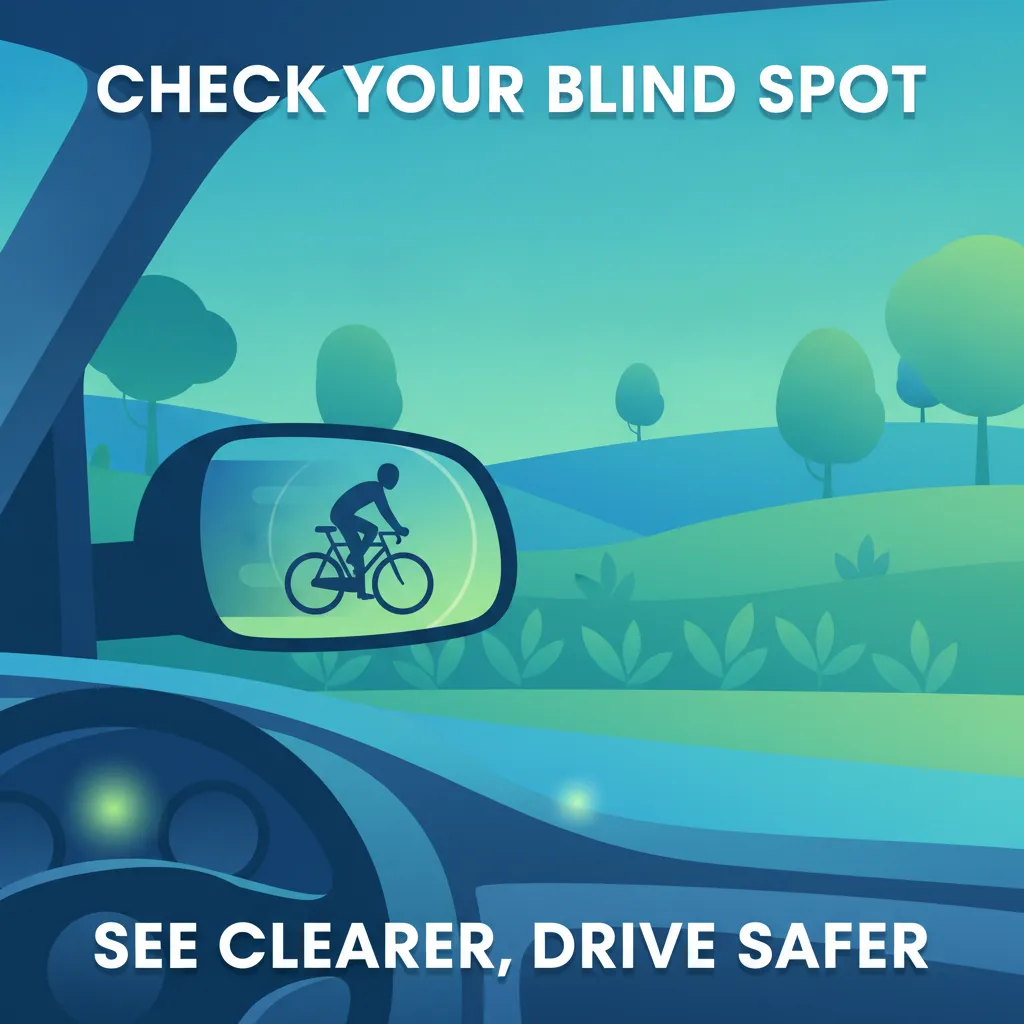
This lesson teaches the correct techniques for positioning and using mirrors to maintain situational awareness. It emphasizes that mirrors alone are insufficient and must be supplemented with physical shoulder and head checks to cover blind spots. Combining these observation methods is essential for making safe lane changes and maneuvers in traffic.

This lesson focuses on the concept of conspicuity, or how easily a rider can be seen by others. It explains the legal requirements for vehicle lights and reflectors in Switzerland and the benefits of wearing bright or reflective clothing. Learners will understand how to maximize their visibility during the day, at night, and in poor weather conditions.
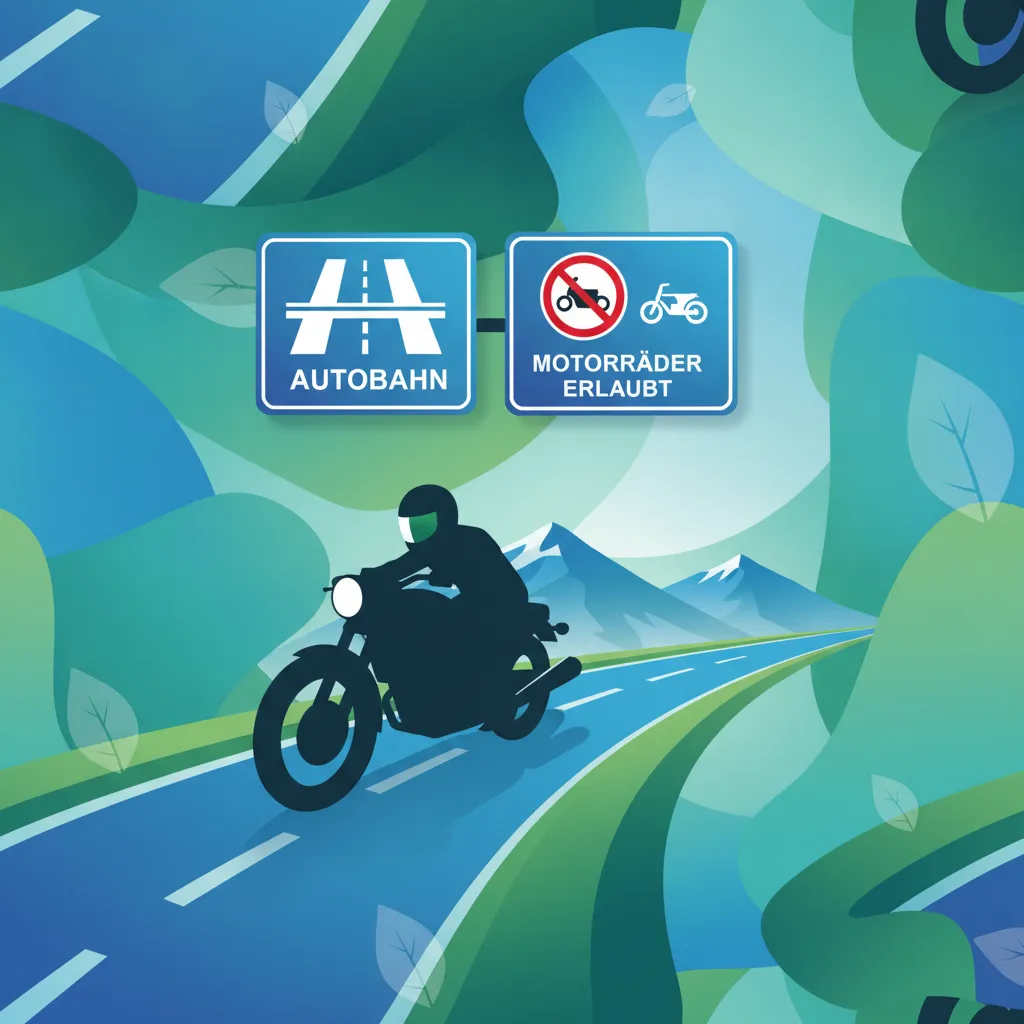
This lesson outlines the specific rules and skills required for riding on high-speed Swiss motorways. It covers the correct procedures for entering and exiting, merging with traffic, maintaining appropriate speed, and conducting safe overtaking maneuvers. Emphasis is placed on using mirrors and signals effectively to integrate safely into the flow of traffic.

Being seen and being able to see are critical for safety. This lesson covers the systematic check of all exterior lights, including headlights, brake lights, and indicators. It also emphasizes the importance of ensuring all mirrors and camera lenses are clean, undamaged, and properly adjusted for maximum visibility.

This lesson explores the requirements for maintaining vehicle roadworthiness, including regular technical inspections (MFK) and compliance with emission standards. It outlines the inspection criteria, such as brake performance, steering condition, and lighting system functionality. Understanding these inspections helps ensure safety and compliance with Swiss regulations.
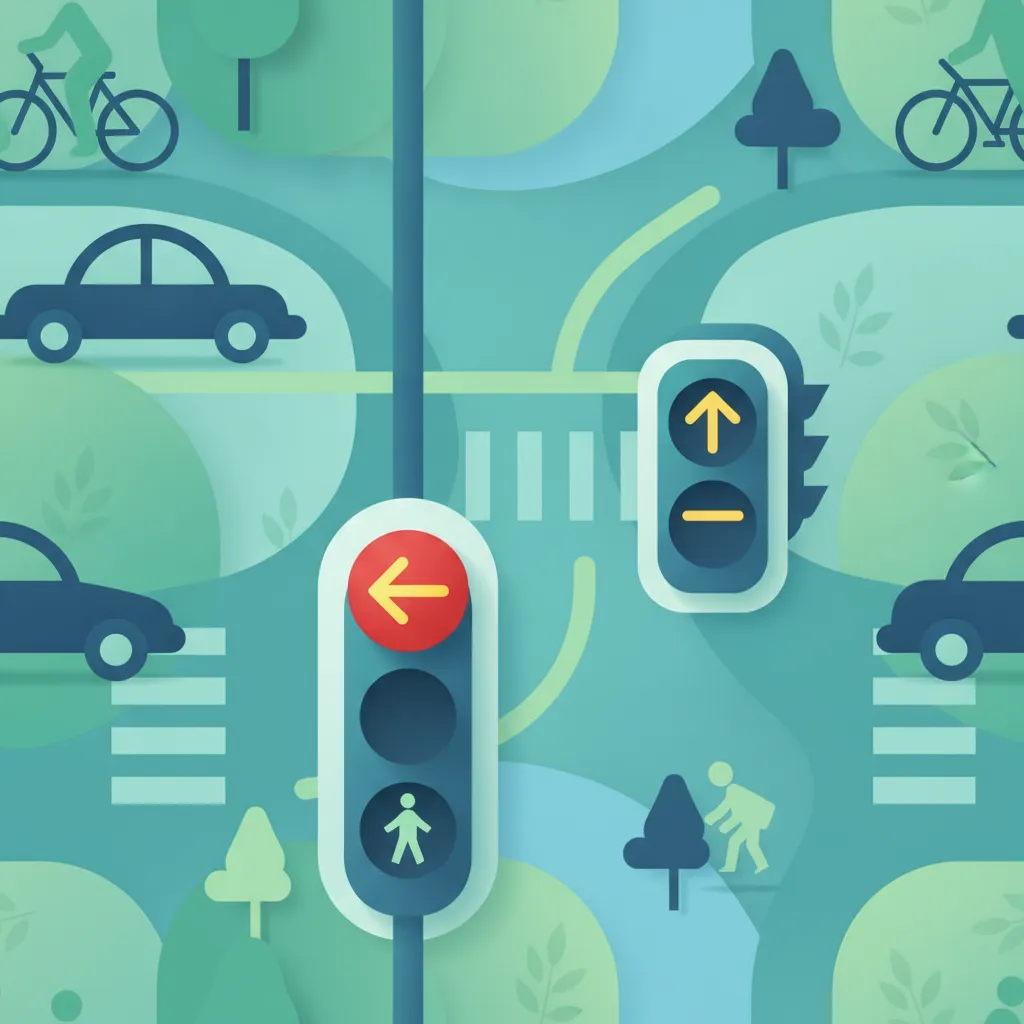
This lesson details the operation of traffic light systems in Switzerland. It explains the sequence and meaning of red, amber, and green lights, including flashing amber signals. The content also covers specific signals for pedestrians and the priority rules associated with tram signals to ensure safe interaction at controlled intersections.
Master essential pre-ride checks for motorcycle lights, mirrors, and drive chain crucial for safe operation in Switzerland. Learn what to inspect before every ride according to driving theory principles.

This lesson introduces a methodical pre-ride inspection routine to verify that a motorcycle is in safe working order. It outlines a step-by-step process for checking tyres, brakes, lights, controls, and fluid levels. Following this comprehensive safety protocol helps identify potential issues before they become hazards on the road.
This lesson emphasizes the rider's responsibility for ensuring their vehicle is in safe, roadworthy condition. It outlines a simple pre-ride inspection routine covering key safety components like tyres, brakes, lights, and controls. Regular maintenance is presented as a critical component of overall rider safety.
This lesson provides clear, actionable steps for managing a motorcycle breakdown safely. It covers moving the vehicle to a safe location, making yourself visible to other traffic with hazard lights and reflective gear, and contacting breakdown services. Following a proper protocol minimizes risk in a vulnerable situation.
This lesson outlines the specific rules and skills required for riding on high-speed Swiss motorways. It covers the correct procedures for entering and exiting, merging with traffic, maintaining appropriate speed, and conducting safe overtaking maneuvers. Emphasis is placed on using mirrors and signals effectively to integrate safely into the flow of traffic.

This lesson explores the typical features of rural and alpine roads, such as narrow lanes, sharp bends, and significant elevation changes. It discusses the need for heightened awareness due to limited sight distances and the potential for unexpected hazards like wildlife or agricultural vehicles. Riders will learn to adapt their speed and positioning for these challenging conditions.

This lesson outlines the principles of safe overtaking, emphasizing the importance of accurate judgment of speed and distance. It covers the necessary steps: checking mirrors, signaling, checking blind spots, executing the maneuver smoothly, and returning to the lane safely. The content is tailored to different road environments, from urban streets to rural roads.
This lesson provides guidance on safely negotiating intersections and roundabouts on a motorcycle. It details the correct procedures for approach, lane selection, and yielding according to Swiss traffic regulations. Emphasis is placed on heightened awareness of other vehicles, cyclists, and pedestrians in these complex traffic environments.

This lesson introduces the principles of safe and coordinated group riding. It covers standard practices such as staggered formations to maximize visibility and reaction space. The roles of the lead and sweep riders are explained, along with the essential hand signals used for communication within the group.
This lesson explores the ethical duties inherent in motorcycle riding, focusing on a rider's responsibility to ensure personal safety while respecting all other road users. It covers the Swiss code of conduct, which includes courteous behaviour, adherence to traffic rules, and responsible decision-making. The content reinforces that an ethical mindset is fundamental to contributing to overall road safety.

This lesson teaches the importance of maintaining a safe following distance to allow adequate time to react and stop. It explains methods like the 'two-second rule' for gauging a safe gap in ideal conditions. The content emphasizes increasing this distance in adverse weather or poor visibility to ensure a sufficient safety margin.
Find clear answers to common questions learners have about Maintenance of Lights, Mirrors, and Chain. Learn how the lesson is structured, which driving theory objectives it supports, and how it fits into the overall learning path of units and curriculum progression in Switzerland. These explanations help you understand key concepts, lesson flow, and exam focused study goals.
Yes, mirrors must be positioned to provide an unobstructed view of the road behind and to the sides. For your theory exam, remember that you must check these for vibration, security, and clear vision before every ride.
The theory exam tests your knowledge of vehicle safety. A loose or dry chain can lead to mechanical failure or loss of control, which is why understanding the importance of regular inspection and lubrication is a standard safety requirement.
You should verify that your headlights, indicators, and brake lights are functioning correctly before every ride. This ensures visibility to other traffic, a core requirement for road safety in Swiss traffic conditions.
Beyond the safety risks, you risk failing a police inspection if critical lights are faulty or if your chain is dangerously loose. Proper maintenance is a legal responsibility for every Category A and A1 rider.
Pinpoint specific Swiss traffic rules, road signs, or driving situations you need to master. Use the practice search to start a focused revision session now and build confidence for your official driving theory exam.