
This supplementary panel, code 5.13, is always found with another main traffic sign and warns of potential black ice or slippery snow conditions. It doesn't stand alone; it modifies the main sign's instruction by specifying distance, direction, a particular vehicle category, an exception, or the weather condition. Always interpret it in conjunction with the primary sign to understand the complete message for safe driving, especially during winter.
This supplementary panel, catalogue code 5.13, warns of hazardous road conditions like black ice or slippery snow, crucially impacting how you interpret the primary sign it accompanies. Mastering this sign's meaning is vital for your theory test revision, especially on Swiss mountain roads.
This supplementary panel modifies the main sign it accompanies. It can define distance, length, direction, vehicle category, exception, weather condition, time, or the start and end of a rule. Ignoring the panel can make the main sign too broad or too narrow, so theory explanations should describe the complete sign assembly rather than the panel alone. Official catalogue code: 5.13.
The "Black ice on road (or slippery snow on road)" panel adds official scope information to the main sign, such as distance, direction, category, exception, or condition. It is not read alone. Catalogue code 5.13.
Get clear, practical answers to the most common questions about the 5.13 - Black ice on road (or slippery snow on road) road sign. Learn how the sign works, what rules it represents, and how it affects real driving situations. This FAQ strengthens your understanding and supports accurate decision making for the Swiss driving theory exam in Switzerland.
The 5.13 panel indicates that the main traffic sign it's attached to applies specifically under conditions of black ice or slippery snow. It's crucial to remember that this panel modifies the primary sign and doesn't impose a rule on its own. It helps drivers anticipate hazardous road conditions indicated by the main sign.
When you see the 5.13 panel, you must adjust your driving according to the main sign it accompanies, while being extra cautious due to the potential for black ice or slippery snow. This might mean reducing your speed, increasing your following distance, or preparing for specific actions like stopping or yielding, depending on the main sign's instruction and the current road conditions.
No, you must never ignore the 5.13 supplementary panel. Its purpose is to define the exact scope or applicability of the main sign. Ignoring it could lead you to misunderstand or misapply the main sign's rule, potentially causing a hazard. For example, if a speed limit sign is accompanied by the 5.13 panel, the speed limit might only apply when ice or slippery snow is present.
A common mistake is treating the supplementary panel as a standalone sign or neglecting its importance in defining the main sign's context. Learners might also fail to consider how the mentioned conditions (black ice/slippery snow) impact the primary sign's instruction. Always look at the whole sign assembly, including panels, before deciding on your action.
Sign 5.13 indicates a warning about potential black ice or slippery snow. It means that conditions that cause such slipperiness might be present or are expected, and the main sign's instruction is particularly relevant under these specific circumstances. It's a warning to be prepared for reduced grip.
A clear reference image of the 5.13 - Black ice on road (or slippery snow on road) road sign used in Switzerland.

The 5.13 - Black ice on road (or slippery snow on road) road sign may also be known by these alternative names or terms.
The 5.13 - Black ice on road (or slippery snow on road) road sign is part of the Swiss Supplementary Panels category, which groups together signs with similar rules and functions.
Comparing related road signs, like different warning panels, helps cement your understanding for the Swiss theory test. Effective traffic sign comparison and focused sign recognition practice reduce confusion and prevent mistakes during your exam preparation.
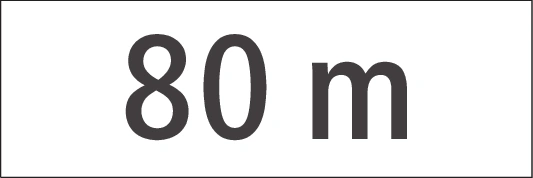
The 5.01 'Distance' Panel: Modifying Main Signs for Clarity
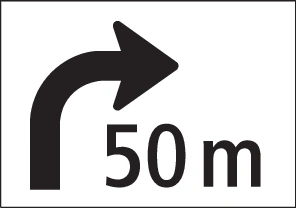
Decipher supplementary panels like the 'Distance and Direction' sign (5.02) with clarity
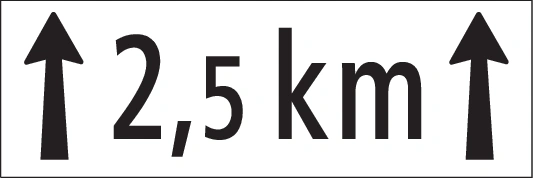
The 5.03 'Range of Validity' Supplementary Panel: Understanding Its Scope

The 5.04 Repetition Panel: Confirming and Extending Traffic Rules
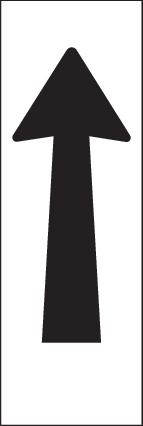
Understand the Swiss 5.05 Start Panel: Signalling the Beginning of a Traffic Regulation
The 5.06 End Panel: Signalling the End of a Static Traffic Regulation

The 5.07 Direction Indicator Panel: Adding Context to Road Signs

Understand Sign 5.09: The Routing of a Principal Road
Mastering the meaning of specific road signs is essential for navigating Switzerland's complex infrastructure safely. These resources link visual markers to the official traffic rules and priority procedures required for your driving theory test.
Understanding Switzerland's strict parking regulations is critical for both the theoretical exam and everyday driving. This article breaks down how to navigate blue and white zones, explains when and how to display a parking disc, and clarifies the legal significance of yellow road markings. Following these rules will help you avoid common pitfalls, such as improper disc settings or unauthorized parking in restricted areas.
Master urban public transport zones for a safer drive and exam success.
Master the Complexities of Towing and Ensure Road Safety Under Pressure.
While driving in Switzerland, maintaining undivided attention is paramount, as stipulated by Art. 31 SVG. This article explains how this law applies to CB radio usage, differentiating between illegal hand-held operation and legal use with a mounted microphone. Understanding this distinction is key for safe driving and passing your theory exam.
This supplementary panel modifies the main sign it accompanies. It can define distance, length, direction, vehicle category, exception, weather condition, time, or the start and end of a rule. Ignoring the panel can make the main sign too broad or too narrow, so theory explanations should describe the complete sign assembly rather than the panel alone. Official catalogue code: 5.09.
This supplementary panel modifies the main sign it accompanies. It can define distance, length, direction, vehicle category, exception, weather condition, time, or the start and end of a rule. Ignoring the panel can make the main sign too broad or too narrow, so theory explanations should describe the complete sign assembly rather than the panel alone. Official catalogue code: 5.01.
After reviewing the full list of Swiss road signs, delve deeper into specific categories, practice recognition with quizzes, or explore detailed explanations for each sign. Continue your comprehensive preparation for the official theory driving test.
View All Swiss Road Signs