
Learning the nuances of local fuel types and station procedures is essential for every driver in Switzerland. This article covers the standard 95 RON fuel, premium options, and the practical steps to using both attended and automated refuelling facilities across the country. Whether you are navigating regional fuel networks or using common payment methods like Reka-Rail, these insights will prepare you for real-world driving scenarios.
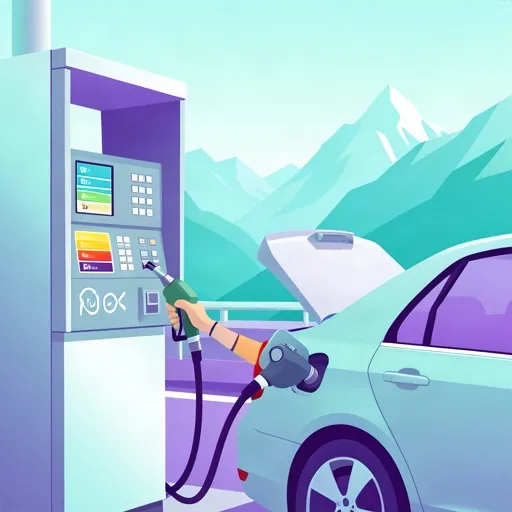
Article content overview
Driving in Switzerland offers a unique blend of scenic alpine routes and efficient motorway transit. Whether you are navigating your daily commute or embarking on a long-distance road trip, understanding the local refuelling landscape is an essential skill for every motorist. From selecting the correct fuel grade to mastering the automated payment systems at Swiss petrol stations, being well-prepared ensures your journey remains smooth and stress-free.
When you pull into a Swiss petrol station, you will encounter terms that differ slightly from those in other European countries. The most common grade of petrol you will find is "Bleifrei 95," which translates to "Unleaded 95 RON." This is the standard fuel grade recommended for the vast majority of petrol-powered passenger vehicles.
While some European countries have shifted heavily toward E10 petrol—which contains up to 10% ethanol—Switzerland has adopted a more cautious approach. "Bleifrei 95" remains the default standard at most filling stations, typically adhering to the E5 specification. While E10 is available at certain major operators, it is vital to check your vehicle's manual or the label on your fuel cap before selecting a pump to ensure compatibility with your engine.
The standard unleaded petrol in Switzerland, equivalent to 95 RON. It is the most widely available fuel grade and is suitable for most petrol engines currently on the road.
For drivers of high-performance or specialized vehicles, you may see "Super Plus" or premium equivalents like "Topaz" or "V-Power." These are 98 RON fuels designed for engines requiring higher anti-knock ratings. Unless your vehicle manufacturer explicitly states that a higher octane rating is required, standard 95 RON fuel is sufficient and recommended.
Switzerland boasts a dense network of service stations operated by well-known brands such as AGROLA, Migrol, Eni, Shell, Avia, and BP. Most stations are self-service facilities, and many located on motorways operate 24/7 with fully automated payment terminals.
If you are driving a diesel vehicle, keep in mind that many modern Euro 6 engines require "AdBlue," a diesel exhaust fluid. You will find AdBlue pumps specifically designed for passenger cars at many major Swiss stations. For drivers who are not familiar with their vehicle's specific needs, look for clear signage near the pump island, which will indicate the availability of AdBlue.
One of the most practical aspects of driving in Switzerland is the flexibility of payment. Most stations accept all major international credit and debit cards. A uniquely Swiss payment instrument is the "Reka-Rail" cheque, which is widely accepted at many fuel stations and can be used to cover refuelling costs.
When using automated pumps, always ensure you follow the terminal instructions carefully, as some machines require you to insert your card and authorize a maximum amount before you begin dispensing.
While you might observe "fuel tourism" from neighbouring countries like France, Germany, or Italy, it is worth noting that Swiss fuel prices are generally competitive due to the national mineral oil tax structure. However, remember that Switzerland is not in the EU, and border crossing regulations regarding fuel transport exist. You are generally permitted to bring the fuel contained in your vehicle's tank plus a maximum of 10 litres in a portable, approved container across the border.
As the Swiss road network moves toward greater sustainability, you will increasingly encounter hydrogen refuelling stations and rapid electric charging hubs along primary motorway corridors. The H2 Mobility Switzerland initiative is actively expanding the hydrogen network, while the Swiss motorway system, managed by the Federal Roads Office (ASTRA), continues to integrate high-speed charging infrastructure at most major service areas. Always check your navigation system for the latest station locations, as the density of these facilities is growing rapidly.
Article content overview
Explore related topics, search based questions, and concepts that learners often look up when studying Swiss Refuelling Guide. These themes reflect real search intent and help you understand how this topic connects to wider driving theory knowledge in Switzerland.
Find clear and practical answers to common questions learners often have about Swiss Refuelling Guide. This section helps explain difficult points, remove confusion, and reinforce the key driving theory concepts that matter for learners in Switzerland.
The standard fuel grade in Switzerland is 95 RON, often labelled as Bleifrei 95 or Super.
Switzerland has been cautious regarding E10 adoption; while it is increasingly available at select major operators, 95 RON E5 remains the primary standard. Always check your vehicle manual to confirm compatibility before using E10.
Most stations accept major credit and debit cards. Many sites also accept Swiss Reka-Rail cheques, and cash is typically accepted at staffed stations.
Many motorway service areas in Switzerland feature fully automated pumps that operate 24/7, even if the attached shop or restaurant is closed.
Continue your learning journey by searching our extensive library of Swiss driving theory articles. Explore additional topics, review specific road rules, or deepen your understanding of official traffic procedures to excel in your exam and drive safely in Switzerland.