
The Kilometer Sign (4.72) is a crucial direction sign in Switzerland designed to help you navigate and choose your route well in advance. It guides you towards destinations, route numbers, or detours, allowing ample time to select the correct lane or exit without sudden maneuvers. Understanding its placement relative to decision points is key for safe and efficient driving, especially on complex road layouts or during busy traffic conditions.
This kilometer sign (4.72) is crucial for Swiss route planning, helping you select the correct lane or destination. Master its meaning for effective theory test revision and confident driving.
This direction sign is part of Swiss route guidance. It is meant to be read before the decision point so drivers can select a lane, exit, route number, destination, detour, or road category without sudden steering or braking. The safe response is to plan the manoeuvre calmly, confirm that the lane and vehicle category match the sign, and avoid crossing lanes late. Official catalogue code: 4.72.
The "Kilometer sign" sign guides drivers toward kilometer sign or explains the route arrangement ahead. Use it to choose the correct lane, destination, route number, or detour in good time. Catalogue code 4.72.
Get clear, practical answers to the most common questions about the 4.72 - Kilometer sign road sign. Learn how the sign works, what rules it represents, and how it affects real driving situations. This FAQ strengthens your understanding and supports accurate decision making for the Swiss driving theory exam in Switzerland.
The Kilometer Sign (4.72) aims to inform you about upcoming route options, such as destinations, route numbers, or detours. Its primary purpose is to give you sufficient warning to plan and select the appropriate lane or exit smoothly and safely before you reach a decision point.
Upon seeing the Kilometer Sign (4.72), you should read the information carefully and plan your route. Confirm that the indicated lane, destination, or route number matches your intended path and vehicle category. Then, signal and position your vehicle smoothly into the correct lane well in advance.
A common mistake is not reading the sign early enough, leading to abrupt lane changes or missing the correct exit. Another error is following an arrow or destination that doesn't align with your lane, route, or vehicle type, which can cause confusion and traffic disruptions.
Yes, always interpret the Kilometer Sign (4.72) in conjunction with its placement, road markings, lane guidance, any supplementary panels, and traffic lights. The specific road layout and surrounding traffic conditions can significantly influence how you should react to the sign.
If you miss the direction information on the Kilometer Sign (4.72), do not cross lanes abruptly to try and catch up. Instead, proceed safely in your current lane and look for alternative signage or plan to reroute at the next available opportunity. Avoid sudden braking or steering.
A clear reference image of the 4.72 - Kilometer sign road sign used in Switzerland.

The 4.72 - Kilometer sign road sign may also be known by these alternative names or terms.
The 4.72 - Kilometer sign road sign is part of the Swiss Direction Signs category, which groups together signs with similar rules and functions.
Master Swiss road signs by comparing similar designs. Understanding distinctions between related traffic signs aids memory and prevents errors during your theory test revision.
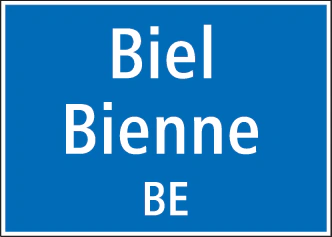
Prepare for Town Entry with the 4.27 Direction Sign
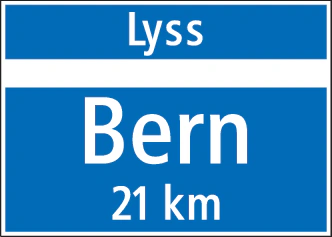
Prepare to exit town limits with the 'End of town/village on main road' sign (4.28).
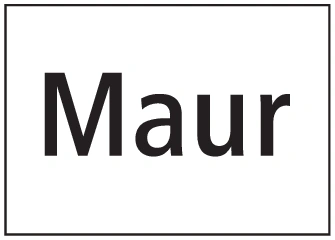
Entry of Town/Village on Minor Road Sign (4.29): Navigate Your Route Ahead
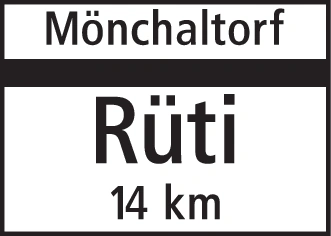
Sign 4.30: Navigating the End of a Town or Village on a Minor Road
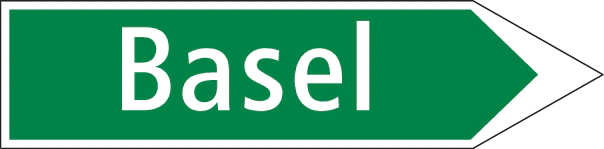
Navigating with the Expressway Route Signpost (4.31)
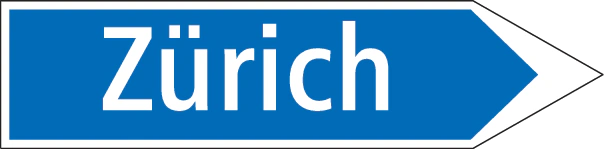
Prepare to choose your lane with the Signpost to Destination via Main Route (4.32).

Navigate your route with the Signpost to destination via minor route sign (4.33).

Follow This Sign: Detour to Your Destination Ahead
Mastering the meaning of specific road signs is essential for navigating Switzerland's complex infrastructure safely. These resources link visual markers to the official traffic rules and priority procedures required for your driving theory test.
Navigating Switzerland's frequent fog, snow, and heavy rain requires a clear understanding of its specific fog light rules. This article details when front fog lights can be used and the strict 50-meter visibility requirement for rear fog lights, directly referencing Swiss traffic legislation. Mastering these rules is essential for safe driving and passing your theory test, ensuring you handle adverse weather conditions correctly.
Elevate Your Riding: Conquer Advanced Hazards and Secure Your Swiss Category A License.
Overtaking is a complex aspect of Swiss traffic law that demands precision and strict adherence to specific articles in the VRV and SVG. By learning exactly when and where overtaking is permitted, you will improve your situational awareness and avoid common exam traps that lead to errors. This overview clarifies the legal boundaries of passing, ensuring you are prepared for both the theoretical test and real-world Swiss driving conditions.
Master the Complexities of Towing and Ensure Road Safety Under Pressure.
This direction sign is part of Swiss route guidance. It is meant to be read before the decision point so drivers can select a lane, exit, route number, destination, detour, or road category without sudden steering or braking. The safe response is to plan the manoeuvre calmly, confirm that the lane and vehicle category match the sign, and avoid crossing lanes late. Official catalogue code: 4.55.
This direction sign is part of Swiss route guidance. It is meant to be read before the decision point so drivers can select a lane, exit, route number, destination, detour, or road category without sudden steering or braking. The safe response is to plan the manoeuvre calmly, confirm that the lane and vehicle category match the sign, and avoid crossing lanes late. Official catalogue code: 4.49.
After reviewing the full list of Swiss road signs, delve deeper into specific categories, practice recognition with quizzes, or explore detailed explanations for each sign. Continue your comprehensive preparation for the official theory driving test.
View All Swiss Road Signs