Driving Theory
Turkish Driving Theory Courses

Lesson 2 of the Lane Use, Turning, Blind Spots, Reversing and Manoeuvring unit

Turkish D Licence Theory: Executing Safe Turns and Managing Blind Spots

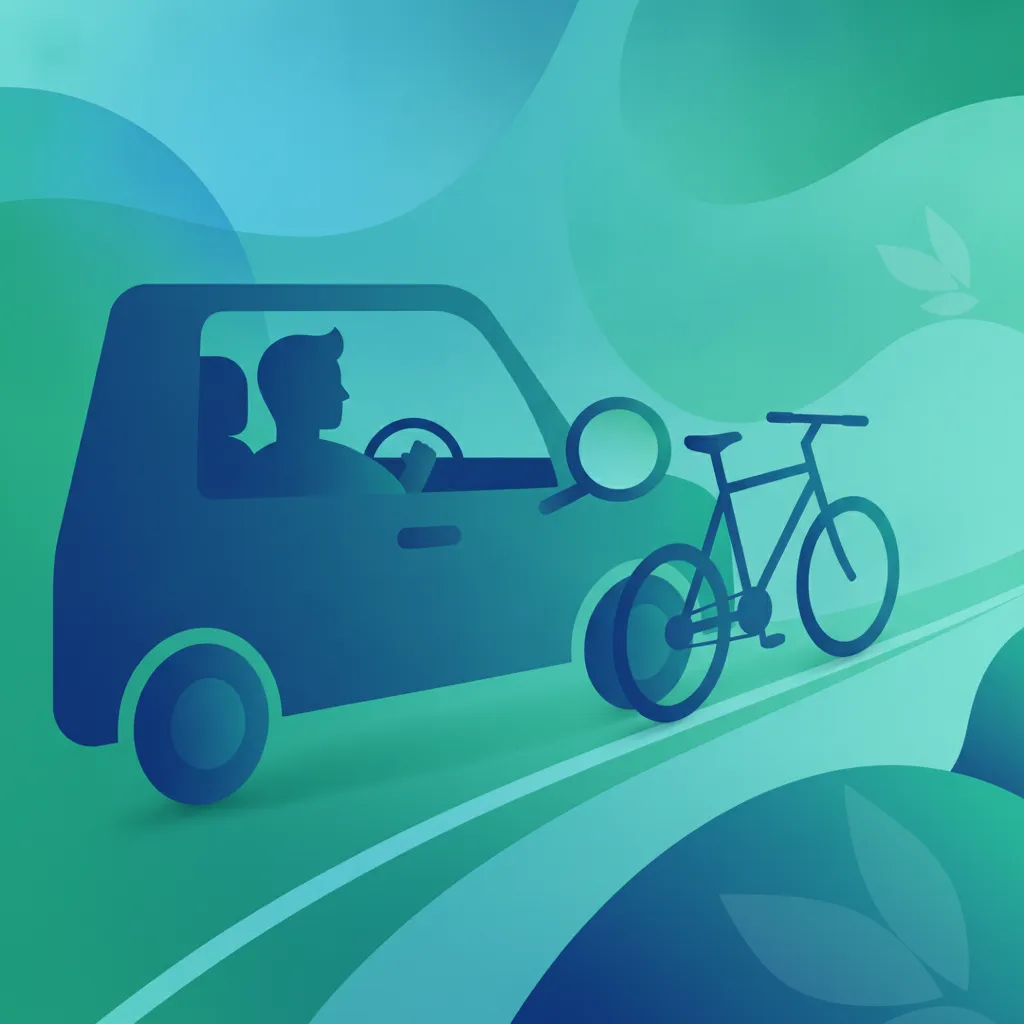
This lesson focuses on the critical skills required to maneuver large passenger vehicles safely during right and left turns. You will learn to manage blind spots, use turn signals correctly, and position your vehicle to ensure the safety of passengers and vulnerable road users in accordance with Turkish traffic law.
Class Dturning rulesblind spotsdefensive drivingMTSK exam
Turkish D Licence Theory: Executing Safe Turns and Managing Blind Spots

Lesson content overview

Turkish D Licence Theory

Master Turning Maneuvers and Blind Spots for Turkish Class D Passenger Vehicles

Operating a large passenger vehicle under a Class D licence in Turkey (Sürücü Belgesi - D Sınıfı) demands a heightened level of spatial awareness, precise speed management, and strict lane discipline. Buses and large passenger coaches carry the most valuable cargo on our roads: human lives. Because of their massive physical dimensions, long wheelbases, and elevated seating positions, these vehicles behave very differently from standard passenger cars.

Every turn executed at an intersection represents a complex interaction between vehicle physics, local traffic regulations, and the visibility limitations of the driver. Understanding how to manage these challenges safely is essential for passing your official driving theory exam and operating professionally on Turkish highways and urban streets.


The Physics and Dynamics of Turning Large Passenger Vehicles

When driving a vehicle that can exceed 12 metres in length, standard turning techniques are no longer sufficient. The physical size of a Class D vehicle introduces unique dynamic forces and spatial requirements that you must actively manage before, during, and after every turn.

Understanding Off-Tracking (Rear-Wheel Cheat)

The most critical physical concept in large vehicle turning is off-tracking (often referred to in driving school as rear-wheel cheat). When a long vehicle turns, the rear wheels do not follow the exact same path as the front wheels. Instead, they cut a shorter path toward the inside of the turn.

  • The Pivot Point: The turning path of the vehicle is anchored by its rear axle. The greater the distance between the front steering axle and the rear drive axle (the wheelbase), the more severe the off-tracking will be.
  • The Hazard: If a driver does not account for off-tracking during a right turn, the rear dual-tires of the bus can easily mount the curb, strike pedestrians waiting at the corner, or collide with street furniture (such as traffic signs and light poles). On left turns, excessive off-tracking can cause the side of the bus to scrape against vehicles stopped in adjacent lanes.

Tail Swing (Rear Overhang)

In addition to off-tracking, Class D drivers must manage tail swing. Many modern passenger coaches feature a significant body overhang behind the rear axle. When you steer sharply to the right, the rear bumper and body of the bus swing out in the opposite direction (to the left). This tail swing can easily strike vehicles in the lane next to you, hit pedestrians on the sidewalk, or scrape against walls in tight spaces.

Definition

Off-Tracking

The phenomenon where the rear wheels of a long vehicle follow a shorter, tighter path than the front wheels during a turn, requiring the driver to steer wider to clear obstacles.


Comprehensive Blind Spot Identification (Kör Nokta) for Buses

Every vehicle has blind spots—areas around the exterior that cannot be directly seen by the driver in their normal seated position or through standard mirrors. In a large passenger vehicle, these blind spots (kör noktalar) are exceptionally large and can easily hide entire cars, motorcycles, cyclists, and pedestrians.

The Four Critical Blind Spot Zones

  1. The Front Blind Spot: Because of the high driving position, a blind spot extends directly in front of the bus bumper for about 1 to 2 metres. Small children, low obstacles, or pedestrians crossing immediately in front of the vehicle can be completely invisible to the driver.
  2. The Right-Side Blind Spot (Near Side): This is the most dangerous zone. It extends from the passenger side mirror backward along the entire length of the vehicle and can spread outwards across multiple lanes of traffic. It is particularly hazardous because the primary passenger entry doors and heavy structural pillars can further obstruct the driver's line of sight.
  3. The Left-Side Blind Spot (Off Side): While smaller than the right side due to the driver's proximity to the left window, this zone still covers a substantial area diagonally backward from the driver’s shoulder.
  4. The Rear Blind Spot: Unlike a passenger car, a bus does not have a central rearview mirror that looks through a rear window. The area directly behind the bus is a complete black zone. This blind spot can extend for tens of metres, making reversing or identifying tailgating vehicles extremely challenging.

Systematic Blind Spot Management

To safely operate a Class D vehicle, you must use a structured observation routine to mitigate these blind spots before making any lateral maneuver:

  • Mirror Adjustments: Before starting your shift, ensure both flat and convex mirrors are perfectly adjusted. Flat mirrors show an accurate representation of distance but have a narrower field of view; convex mirrors offer a wider field of view but distort distance, making objects appear smaller and further away than they actually are.
  • Physical Shoulder Checks (Omuz Üstü Bakış): Do not rely solely on mirrors. A rapid, targeted head turn toward the side windows is required to verify that a lane or turning path is clear before proceeding.
  • Technological Integration: Utilize any equipped reversing cameras, side-view camera systems, or ultrasonic blind-spot sensors. However, treat these as auxiliary aids—they must never replace physical mirror sweeps and head checks.

Step-by-Step Execution of Safe Turns

Turning a massive passenger coach requires deliberate, step-by-step preparation. A rushed turn can easily destabilize the vehicle or trap it in a position where it cannot clear obstacles.

1. Turning Right: Managing the Tight Radius

Right turns are highly demanding because the turning radius is much tighter than left turns, and you must stay close to the curb to prevent other vehicles from squeezing past on your right side.

  • The Setup: Approach the intersection in the rightmost lane. Position the bus in the center of the lane or slightly to the right to block cyclists or motorcyclists from trying to pass you on the inside of the turn.
  • The Maneuver: Do not swing out to the left before starting the turn (this is a dangerous practice known as "jug-handling" because it invites other vehicles to slide into the open space on your right). Instead, drive straight into the intersection until your front bumper is aligned with the center of the cross street, then steer sharply to the right. This "buttonhook" path allows the front of your vehicle to swing wide while the rear wheels clear the curb safely.
  • The Recovery: As the turn is completed, check your right mirror to ensure the rear dual-tires have cleared the curb, and smoothly straighten the steering wheel to align the bus with the center of the new lane.

2. Turning Left: Managing Oncoming Traffic and Wide Radii

Left turns provide more physical space, but they carry a high risk of collisions with oncoming traffic and vehicles waiting at the stop line of the intersecting road.

  • The Setup: Position the vehicle in the leftmost lane designated for left turns. Keep your wheels pointed straight ahead while waiting for a gap in oncoming traffic. If your wheels are turned prematurely and your vehicle is rear-ended, you will be pushed directly into oncoming traffic.
  • The Maneuver: When a safe gap is established, move forward into the intersection. Do not "cut the corner" (köşeyi kestirmemek). If you turn too early, the side of your bus will sweep across the oncoming lanes of the street you are entering. Drive straight until you reach the center of the intersection, then initiate a wide, sweeping turn into the appropriate lane.
  • The Recovery: Monitor your left-side mirror to ensure your tail swing did not jeopardize any vehicles in adjacent lanes, and accelerate smoothly out of the turn.

Standard Operating Procedure for Intersections

  1. Assess and Plan: Scan the intersection at least 15 seconds ahead. Identify lane configurations, traffic signs, and pedestrian activity.

  2. Signal Early: Activate your turn signal at least 3 seconds before initiating any lane change or braking, giving clear notice to following drivers.

  3. Decelerate Gradually: Smoothly apply the brakes to reduce speed before entering the turn. Do not brake abruptly while turning, as this can destabilize passengers and reduce tire traction.

  4. Verify Blind Spots: Perform a complete mirror sweep and a physical shoulder check on the side of the turn.

  5. Execute and Monitor: Guide the vehicle through its planned arc at a slow, controlled speed, continuously monitoring the mirrors for off-tracking and tail swing.


Turn Signal Rules and Lane Discipline under Turkish Law

The Turkish Highway Traffic Law (Karayolları Trafik Kanunu) mandates strict legal requirements for turn signal usage and lane positioning. Adhering to these is not only a matter of defensive driving but also a legal necessity to pass the Class D practical and theoretical exams.

Turn Signal Duration and Distance Rules

In Turkey, turn signals must be used well in advance of any maneuver. Under official guidelines, drivers must activate their turn indicators:

  • Within Urban Areas (Meskun Mahal): At least 30 metres before reaching the intersection or turning point.
  • On Rural Highways (Yerleşim Yerleri Dışı): At least 150 metres before the turn, due to the higher approach speeds of surrounding traffic.
  • The 3-Second Rule: At a minimum, turn signals must blink for at least 3 seconds before the vehicle changes its lateral position. Late signaling—activating the blinker mid-turn or immediately as you begin to brake—is a severe traffic violation and a frequent cause of rear-end collisions.

Lane Discipline During Turns

You must complete turns from the correct lane as indicated by road markings and traffic signs. Changing lanes in the middle of an intersection is highly illegal and dangerous.

  • Entering the Turn: You must align your vehicle with the correct turning lane well before the intersection.
  • Maintaining the Path: Once the turn begins, you must maintain your lane discipline. Swerving across lane lines mid-turn without warning can result in side-swipe collisions with smaller vehicles that may be traveling alongside you in your blind spots.

Interacting with Vulnerable Road Users (VRUs)

As a professional Class D driver, you share the road with highly vulnerable users: pedestrians (yayalar), cyclists (bisikletliler), and motorcyclists (motosikletliler). Because of your vehicle's immense weight and size, any collision with a vulnerable road user is likely to have catastrophic consequences.

Pedestrian Right-of-Way at Crosswalks

Under Turkish traffic regulations, pedestrians always have absolute priority at marked crosswalks (yaya geçitleri) and intersections without traffic lights.

  • Active Scanning: When preparing to turn, look through the passenger side windows and doors to scan the sidewalks. Pedestrians often step off the curb expecting turning vehicles to stop.
  • The Turning Trap: When a bus turns right, the A-pillar (the structural frame on either side of the windshield) can completely block a pedestrian from the driver's view for several seconds. Always lean forward and backward in your seat to "peer around" the windshield pillars before completing a turn.

Protecting Cyclists and Motorcyclists

Two-wheeled vehicles are highly maneuverable and frequently travel in the margins of the road, placing them directly inside your most dangerous blind spots.

  • Avoid Squeezing: When executing a right turn, never assume a cyclist is not there. Always check the rear right blind spot immediately before turning. A cyclist traveling straight can easily be crushed if the bus turns across their path.
  • Wind Turbulence: Be aware that a large bus passing close to a cyclist or motorcyclist creates a pocket of low-pressure air that can pull them toward your vehicle or cause them to lose balance. Always allow a minimum lateral clearance of 1.5 metres when passing.

Critical Errors and Common Violations to Avoid

To ensure safety and avoid costly fines or license suspension points, you must steer clear of several common driving errors during turns:

  • Late Turn Signal Activation: Activating the signal too late provides no warning to following vehicles, leading to sudden braking and rear-end impacts.
  • Cutting the Corner on Left Turns: Turning too early and clipping the oncoming lane's stop line. This places the side of your bus directly in the path of waiting traffic.
  • Over-reliance on Mirrors: Forgetting to conduct a physical head/shoulder check, which can lead to turning directly into a vehicle driving parallel in your blind spot.
  • Sudden Braking Mid-Turn: Reducing speed abruptly during the turn. This shifts the vehicle's center of gravity, risking passenger falls inside the bus and reducing tire traction on the road surface.
  • Encroaching on Oncoming Lanes During Wide Right Turns: Swinging the front of the bus so far to the left that it crosses into oncoming traffic lanes without ensuring those lanes are clear.

Contextual Variables: Weather, Load, and Urban vs. Rural Settings

A professional driver must constantly adapt their turning and blind spot management techniques to match changing environmental conditions.

Weather Conditions and Road Grip

Rain, snow, and ice drastically reduce tire traction, making turns highly hazardous.

  • Deceleration: In wet or icy conditions, you must decelerate much earlier. A sudden steering input on a slippery road can cause the front wheels to slide straight (understeer) or cause the rear wheels to swing out (oversteer).
  • Increased Visibility Challenges: Rain on the side windows and mirrors distort reflections, making it even harder to spot vehicles in your blind spots. Keep windows clear of condensation and utilize heated mirror functions if equipped.

The Impact of Passenger Load

The weight and distribution of your passenger load heavily influence how your vehicle handles turns.

  • High Center of Gravity: A fully loaded double-decker bus or a high-deck coach has a high center of gravity. Turning at excessive speeds can cause significant body roll, making passengers uncomfortable and increasing the risk of a rollover.
  • Longer Braking Distances: A heavy load increases the momentum of your vehicle. You must start your deceleration sequence much earlier before the turn to ensure you enter the corner at a safe, controlled speed.

Urban vs. Rural Turning Challenges

The turning environment dictates the hazards you are most likely to encounter:

  • Urban Settings: Characterized by tight intersections, heavy pedestrian traffic, delivery vehicles parked near corners, and high densities of cyclists and public transit. Focus intensely on scanning crosswalks, managing tail swing around streetlights, and blocking motorcycles on the right.
  • Rural Settings: Feature higher speeds, narrower shoulders, and unexpected obstacles like agricultural machinery or wildlife. When turning onto rural roads, signal early (at least 150 metres) to give fast-moving highway traffic ample time to slow down behind you.


Summary of Safe Turning Practices

  • Signal your intentions early: At least 3 seconds before moving, 30 metres in advance in urban areas, and 150 metres on rural roads.
  • Select the correct lane and maintain strict lane discipline; never change lanes while in the middle of an intersection.
  • Always perform systematic visual checks: scan your mirrors and execute physical shoulder checks (omuz üstü bakış) to verify all blind spots are clear.
  • Manage your vehicle's path deliberately: use a buttonhook path on right turns to prevent off-tracking onto the curb, and execute wide, sweeping left turns to avoid cutting corners.
  • Control your speed: decelerate gradually before the turn, keeping the vehicle stable for passenger comfort and safety.
  • Yield to vulnerable road users: prioritize pedestrians at crosswalks and actively scan for two-wheeled vehicles in your blind spots.

Learn more with these articles

Check out these practice sets


Search topics related to Executing Safe Turns and Managing Blind Spots

Explore search topics learners often look for when studying Executing Safe Turns and Managing Blind Spots. These topics reflect common questions about road rules, driving situations, safety guidance, and lesson level theory preparation for learners in Turkey.

Class D license turning rules Turkeymanaging blind spots large vehicle theory testhow to execute safe turns bus drivingMTSK e-sınav turning questionscorrect mirror usage for large vehiclesTurkish traffic rules for passenger vehicle turnsavoiding accidents while turning bus

Related driving theory lessons for Executing Safe Turns and Managing Blind Spots

Browse additional driving theory lessons that cover connected traffic rules, road signs, and common driving situations related to this topic. Improve your understanding of how different rules interact across everyday traffic scenarios.

Navigating Urban Traffic with Large Passenger Vehicles

Learn how to manage heavy city traffic, coordinate with pedestrian movements at bus stops, and apply lane discipline rules for large vehicles. This guide explains the complexities of driving passenger transport through dense urban areas in accordance with Turkish traffic legislation and professional driving standards.
urban drivingpassenger transporttraffic ruleslane discipline
Urban Traffic Management for Large Passenger Vehicles lesson image

Urban Traffic Management for Large Passenger Vehicles

Learners will explore strategies for navigating congested urban traffic environments while operating large passenger vehicles. The lesson covers lane selection, adherence to traffic signals, and the use of bus lanes where applicable. Understanding how to maintain smooth traffic flow while ensuring passenger safety is crucial for efficient urban transportation.
Turkish D Licence TheoryBoarding, Alighting, Bus Stops, Terminals and Urban Traffic
View lesson
Manoeuvring Strategies in Urban and Rural Settings lesson image

Manoeuvring Strategies in Urban and Rural Settings

This lesson delves into specific manoeuvring strategies required when navigating both tight urban environments and open rural roads with large passenger vehicles. Learners will explore techniques for handling narrow streets, tight turns, and intersections, while maintaining safety and efficiency. The content emphasizes planning and execution of manoeuvres based on road conditions and vehicle dimensions.

Turkish D Licence TheoryLane Use, Turning, Blind Spots, Reversing and Manoeuvring
View lesson
Interaction with Other Traffic at Stops and Intersections lesson image

Interaction with Other Traffic at Stops and Intersections

This lesson focuses on the safe interaction with other traffic participants at bus stops and traffic intersections. Learners will explore right-of-way rules, signal compliance, and techniques for maintaining safe distances while stopping and departing. Understanding these interactions is vital for preventing accidents in complex traffic environments.
Turkish D Licence TheorySigns, Bus Rules, Restrictions, Stops and Route Awareness
View lesson
Urban Delivery Challenges and Solutions lesson image

Urban Delivery Challenges and Solutions

This lesson explores the unique challenges faced during urban deliveries, such as navigating restricted loading zones, traffic congestion, and narrow streets. Learners will learn strategies for safe maneuvering, efficient loading and unloading, and maintaining situational awareness in high-pedestrian traffic areas. Emphasis is placed on complying with local regulations and optimizing time management.

Goods Vehicle TheoryBlind Spots, Vulnerable Road Users and Urban Delivery Risks
View lesson
Maneuvering in Confined Spaces lesson image

Maneuvering in Confined Spaces

This lesson focuses on the challenges and techniques required when maneuvering goods vehicles in confined spaces such as loading docks, narrow streets, and urban environments. It addresses the importance of spatial awareness, precision driving, and understanding vehicle dimensions to avoid collisions. Learners will explore strategies for effective parking, reversing, and handling blind spots safely.
Goods Vehicle TheoryVehicle Size, Weight, Dimensions and Road Space
View lesson
Lane Discipline and Occupancy for Large Vehicles lesson image

Lane Discipline and Occupancy for Large Vehicles

This lesson focuses on the critical importance of lane discipline and proper lane usage for large goods vehicles. Learners will understand the challenges posed by wider vehicle dimensions, the necessity of maintaining adequate lane occupancy, and the need for precise lane keeping. Emphasis is placed on selecting appropriate lanes, adhering to traffic flow, and ensuring general highway safety.

Goods Vehicle TheoryLane Use, Turning, Reversing, Manoeuvring and Trailer Awareness
View lesson
Proper Lane Discipline for Large Passenger Vehicles lesson image

Proper Lane Discipline for Large Passenger Vehicles

Learners will explore the fundamentals of maintaining correct lane discipline, focusing on appropriate lane positioning, understanding lane markings, and executing lane changes safely. Emphasis is placed on the unique considerations for large passenger vehicles within the lane, such as width and maneuverability. The lesson also addresses the impact of proper lane discipline on overall traffic flow and safety.
Turkish D Licence TheoryLane Use, Turning, Blind Spots, Reversing and Manoeuvring
View lesson
Navigating Intersections Safely lesson image

Navigating Intersections Safely

In this lesson, learners will master the skills required to safely navigate various types of intersections encountered in Turkish urban settings. The content covers interpreting traffic signals, understanding right-of-way rules, and executing proper lane positioning. Practical strategies for managing blind spots and ensuring visibility to other road users are emphasized. By the end of this session, participants will be equipped with safe crossing techniques.
Motorcycle TheoryIntersections, Roundabouts, Crossings and Urban Riding
View lesson
Mitigating Risks in Mixed Traffic Environments lesson image

Mitigating Risks in Mixed Traffic Environments

Learners will examine the complexities of operating in environments where various road users, including pedestrians, cyclists, and motorcyclists, coexist. The lesson emphasizes the need for heightened situational awareness, defensive driving techniques, and proactive hazard anticipation. Strategies for navigating mixed traffic safely, especially in congested urban areas, are highlighted.
Turkish D Licence TheoryVulnerable Road Users, Pedestrians, Motorcycles and School Areas
View lesson
Managing Bus Stops and Terminal Approaches in City Traffic lesson image

Managing Bus Stops and Terminal Approaches in City Traffic

This lesson focuses on the proper approach to bus stops and terminals within city traffic, emphasizing safe positioning, adherence to traffic signals, and maintaining smooth traffic flow. Learners will understand the importance of signaling intentions, checking blind spots, and ensuring the safety of boarding and alighting passengers. Effective stop management reduces the risk of accidents and traffic disruption.

Turkish D Licence TheoryBoarding, Alighting, Bus Stops, Terminals and Urban Traffic
View lesson

Protecting Vulnerable Road Users in Traffic

Understand the critical interaction between large passenger vehicles and vulnerable road users like cyclists, motorcyclists, and pedestrians. This lesson covers defensive driving strategies, blind spot awareness, and legal requirements for yielding at crosswalks to ensure road safety and compliance with Turkish traffic regulations.
vulnerable road usersdefensive drivingroad safetyblind spots
Protecting Vulnerable Road Users in Mixed Traffic lesson image

Protecting Vulnerable Road Users in Mixed Traffic

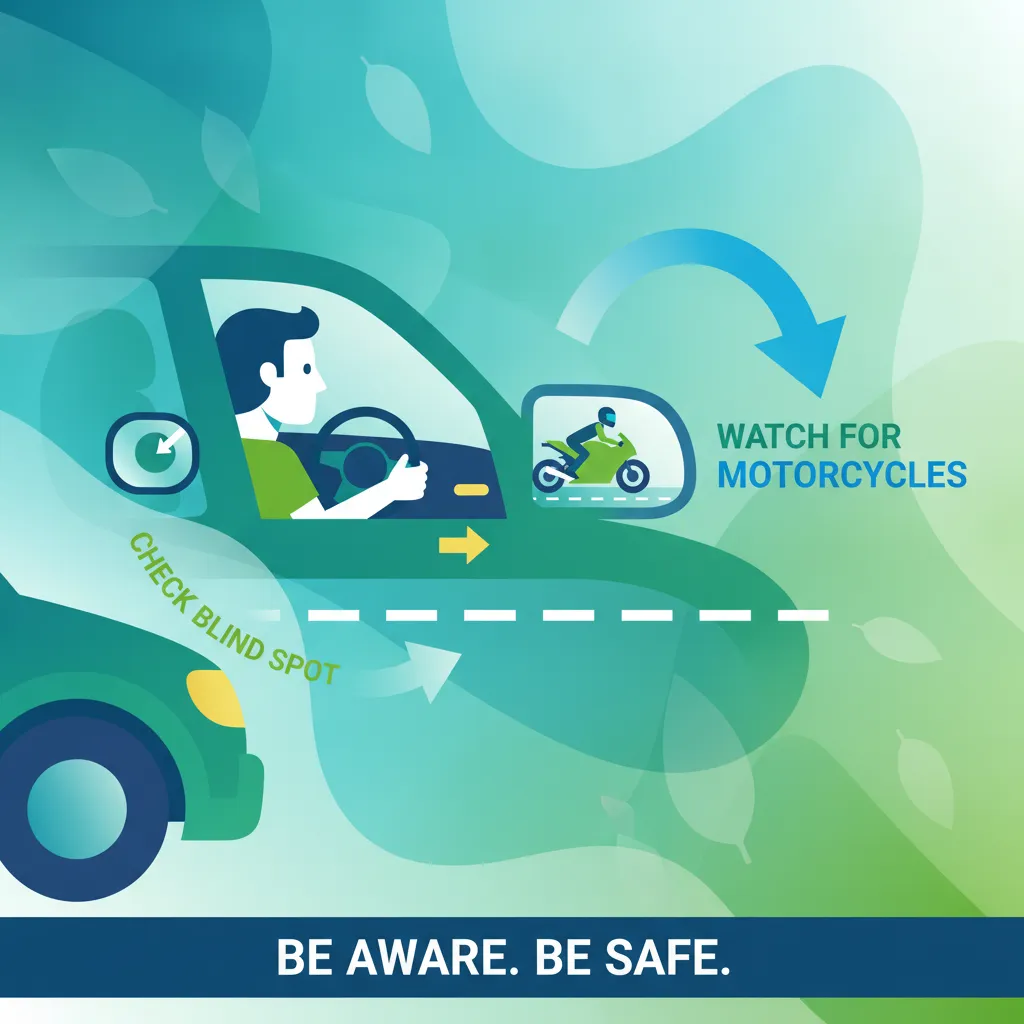
This lesson focuses on protecting vulnerable road users, such as pedestrians, cyclists, and motorcyclists, in mixed traffic environments. Learners will examine specific strategies for increased vigilance, anticipatory driving, and properly yielding to these users. The lesson also covers high-risk zones, such as school areas and public transport stops, emphasizing the need for heightened safety.
Goods Vehicle TheoryBlind Spots, Vulnerable Road Users and Urban Delivery Risks
View lesson
Strategies for Safe Coexistence with Motorcycles and Scooters lesson image

Strategies for Safe Coexistence with Motorcycles and Scooters

Learners will gain insight into the unique challenges posed by motorcycles and scooters sharing the road with passenger vehicles. The lesson highlights the importance of checking blind spots, maintaining safe following distances, and being aware of the faster acceleration and maneuverability of two-wheeled vehicles. Strategies for anticipating their movements and preventing collisions are discussed.
Turkish D Licence TheoryVulnerable Road Users, Pedestrians, Motorcycles and School Areas
View lesson
Interaction with Cyclists lesson image

Interaction with Cyclists

This lesson examines the interaction between drivers and cyclists, focusing on the safe sharing of road space. Topics include the proper use of bicycle lanes, yielding to cyclists at intersections, and safe passing distances. The lesson also addresses cyclist vulnerabilities and ways to minimize risks. Real-world examples illustrate common hazards when sharing the road.

Turkish B Licence TheoryPedestrians, Motorcycles, Scooters and Vulnerable Road Users
View lesson
Interactions with Pedestrians, Cyclists, and Motorcyclists lesson image

Interactions with Pedestrians, Cyclists, and Motorcyclists

This lesson examines the critical interactions between goods vehicles and vulnerable road users such as pedestrians, cyclists, and motorcyclists, particularly in urban environments. Learners will explore right-of-way rules, maintaining safe distances, and strategies for anticipating the actions of these road users. The lesson emphasizes the importance of clear communication and protective driving.

Goods Vehicle TheoryBlind Spots, Vulnerable Road Users and Urban Delivery Risks
View lesson
Mitigating Risks in Mixed Traffic Environments lesson image

Mitigating Risks in Mixed Traffic Environments

Learners will examine the complexities of operating in environments where various road users, including pedestrians, cyclists, and motorcyclists, coexist. The lesson emphasizes the need for heightened situational awareness, defensive driving techniques, and proactive hazard anticipation. Strategies for navigating mixed traffic safely, especially in congested urban areas, are highlighted.

Turkish D Licence TheoryVulnerable Road Users, Pedestrians, Motorcycles and School Areas
View lesson
Maintaining Safe Road Position Around Other Vehicles lesson image

Maintaining Safe Road Position Around Other Vehicles

Proper road positioning is your primary shield against being squeezed, sideswiped, or overlooked by larger motor vehicles in daily traffic. This lesson explains how to ride in the center or slightly off-center of your lane to prevent unsafe overtaking within the same lane. You will study how to identify the massive blind spots of buses and trucks, maintain appropriate following distances, and execute overtaking maneuvers with maximum safety margin and clear signal warning.
AM Moped TheoryIntersections, Roundabouts, Crossings and Road Positioning
View lesson
Yielding to Pedestrians and Cyclists lesson image

Yielding to Pedestrians and Cyclists

This lesson emphasizes the importance of yielding to pedestrians and cyclists at intersections, crosswalks, and designated lanes. Learners will understand the legal obligations to provide safe passage to vulnerable road users and the correct procedures for stopping and allowing them to cross. Real-world examples illustrate scenarios where failing to yield can lead to accidents.

Turkish B Licence TheoryPriority Rules, Intersections and Roundabouts
View lesson
Recognizing and Protecting Vulnerable Road Users lesson image

Recognizing and Protecting Vulnerable Road Users

Learners will identify the different categories of vulnerable road users and understand the heightened risks they face. The lesson emphasizes the importance of recognizing these users, anticipating their actions, and taking proactive measures to ensure their safety while operating passenger vehicles. Strategies for mitigating danger and fostering a protective driving environment are explored.

Turkish D Licence TheoryVulnerable Road Users, Pedestrians, Motorcycles and School Areas
View lesson
Defensive Riding Strategies lesson image

Defensive Riding Strategies

In this lesson, learners will discover the principles of defensive riding, focusing on hazard anticipation, maintaining safe distances, and practicing proactive avoidance techniques. It emphasizes developing a vigilant riding posture, constantly scanning the environment, and preparing to react to potential dangers from other road users, road conditions, or unexpected traffic events.
Motorcycle TheoryRisk Behaviour, Emergencies, Penalties and Defensive Riding
View lesson
Defensive Riding Techniques for Small Vehicles lesson image

Defensive Riding Techniques for Small Vehicles

Defensive riding is the practice of anticipating potential road conflicts and acting early to prevent accidents before they occur. This lesson teaches you how to systematically scan the road ahead for changing conditions, keep an adequate safety cushion around your moped, and pre-plan exit routes in tight spots. You will learn to assume you are invisible to other drivers and adapt your speed and road position proactively to protect yourself against sudden maneuvers.

AM Moped TheoryHelmet, Visibility and Protective Behaviour
View lesson

Frequently asked questions about Executing Safe Turns and Managing Blind Spots

Find clear answers to common questions learners have about Executing Safe Turns and Managing Blind Spots. Learn how the lesson is structured, which driving theory objectives it supports, and how it fits into the overall learning path of units and curriculum progression in Turkey. These explanations help you understand key concepts, lesson flow, and exam focused study goals.

Why is mirror adjustment critical for Class D drivers?

Large passenger vehicles have significant blind spots that standard mirrors cannot cover. Proper adjustment is legally and practically required to ensure you can see vulnerable road users, such as cyclists, who may be positioned alongside the vehicle before you initiate a turn.

What is the biggest risk when turning a large passenger vehicle?

The biggest risk is the 'rear-wheel cut-in' and the blind spot created on the inside of the turn. If you do not monitor these areas effectively, you risk colliding with pedestrians or motorcyclists who may attempt to pass on the side where you are turning.

How far in advance should I signal before a turn?

In Turkish traffic regulations, you must signal your intent well in advance to alert other road users. For larger vehicles, this is even more critical to allow other drivers to adjust their speed or distance, ensuring they do not occupy the space you need to complete the turn.

Does the theory exam test specific mirror check sequences?

Yes, the MTSK e-sınav often presents scenarios testing whether you understand the correct order of mirror checks (inside and outside) combined with head checks before committing to a turn. You must show you are aware of your entire surroundings.

Start Your Targeted Turkish Theory Practice Now

Use our comprehensive practice search to find exactly the Turkish driving theory questions you need to master. Whether reviewing specific road signs, traffic rules, or first aid scenarios, select your perfect practice set and boost your confidence for the official ehliyet sınavı.

Search Practice Questions by Topic

Continue your Turkish driving theory learning journey

Turkish road signsAM Moped Theory courseTurkish article topicsMotorcycle Theory courseSearch Turkish road signsGoods Vehicle Theory courseTurkish driving theory homeTurkish road sign categoriesTurkish driving theory topicsSearch Turkish theory articlesTurkish driving theory coursesTurkish B Licence Theory courseTurkish D Licence Theory courseTurkish driving theory articlesTurkish driving theory practiceTurkish practice set categoriesTurkish driving licence proceduresSearch Turkish driving theory practiceTurkish driving theory terminology A–ZTurkish driving theory terms and glossaryHelmet, Visibility and Protective Behaviour unit in AM Moped TheoryLicence Basics and Small Vehicle Responsibility unit in AM Moped TheoryProfessional Licence Scope and Responsibility unit in Goods Vehicle TheoryTurkish Traffic Signs and Traffic Signals unit in Turkish B Licence TheoryMotorcycle Licence Basics and Rider Responsibility unit in Motorcycle TheoryVehicle Size, Weight, Dimensions and Road Space unit in Goods Vehicle TheoryProtective Equipment, Visibility and Rider Condition unit in Motorcycle TheoryCategory B Licence Basics and Driver Responsibility unit in Turkish B Licence TheoryPassenger Safety, Comfort, Accessibility and Driver Conduct unit in Turkish D Licence TheoryPassenger Vehicle Licence Scope and Professional Responsibility unit in Turkish D Licence TheoryExecuting Safe Turns and Managing Blind Spots lesson in Lane Use, Turning, Blind Spots, Reversing and ManoeuvringManoeuvring Strategies in Urban and Rural Settings lesson in Lane Use, Turning, Blind Spots, Reversing and ManoeuvringProper Lane Discipline for Large Passenger Vehicles lesson in Lane Use, Turning, Blind Spots, Reversing and ManoeuvringTechniques for Reversing Large Vehicles in Confined Spaces lesson in Lane Use, Turning, Blind Spots, Reversing and ManoeuvringUse of Mirrors, Cameras, and Sensors to Enhance Visibility lesson in Lane Use, Turning, Blind Spots, Reversing and Manoeuvring