This lesson details the mandatory legal documentation required to ride a motorcycle legally in France. By mastering the registration and insurance process, you ensure compliance with the Code de la route and avoid severe penalties while preparing for your motorcycle theory exam.
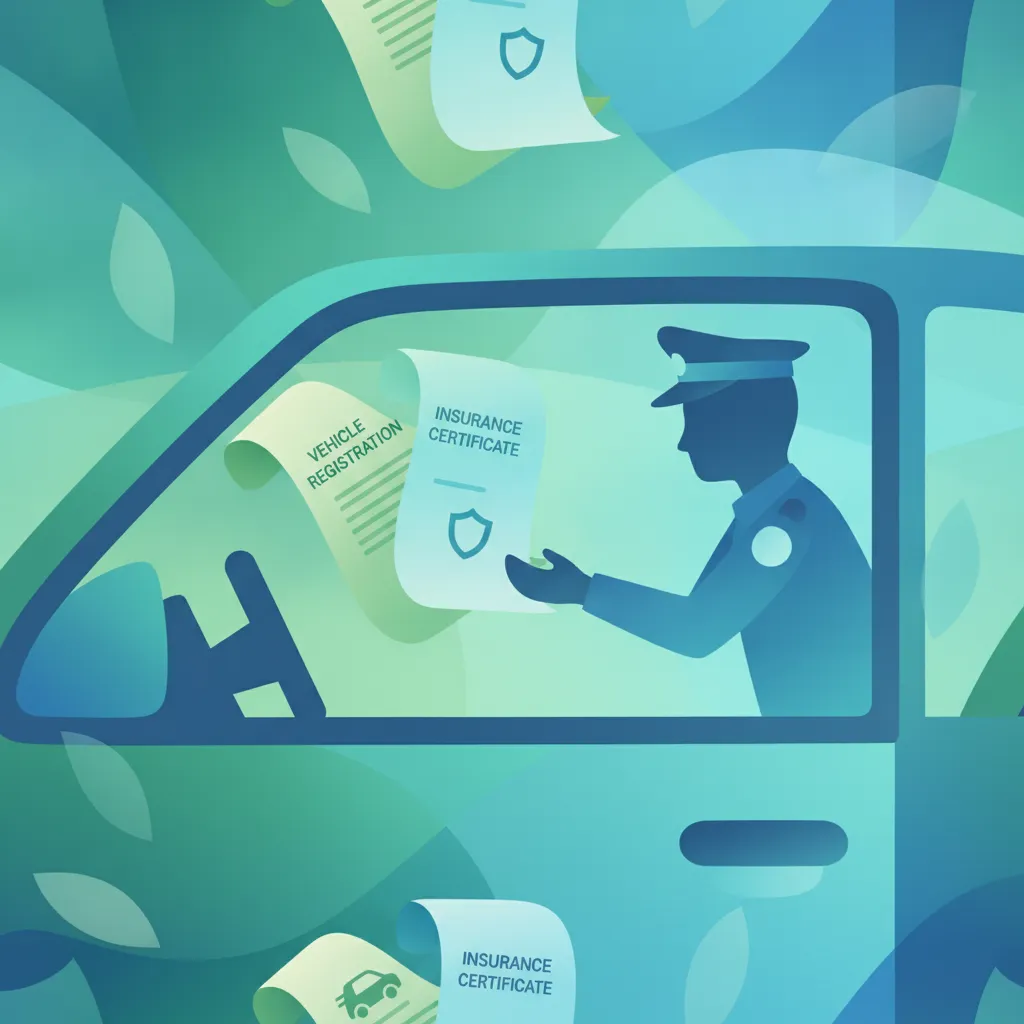
Lesson content overview
Operating a motorcycle, scooter, or moped on French public roads comes with strict administrative responsibilities. Under the French Highway Code (Code de la route), every rider preparing for the Category A, A1, or A2 motorcycle licence must understand the mandatory paperwork required to ride legally.
Proper documentation is not merely a bureaucratic requirement; it ensures vehicle traceability, establishes clear civil accountability, and guarantees financial protection for all road users in the event of an accident.
The vehicle registration document, officially known as the Certificat d'Immatriculation (and commonly referred to as the Carte Grise or "grey card"), is the identity card of your motorcycle. It serves as official proof that the vehicle is registered in the national registry managed by the ANTS (Agence Nationale des Titres Sécurisés).
The Carte Grise is designed to ensure the absolute traceability of the vehicle. It links a specific license plate and vehicle identification number (VIN) to an authorized holder or owner. This registration allows law enforcement to quickly verify ownership, check technical specifications, and enforce tax and environmental compliance, such as emissions standards.
The document contains crucial technical data about your motorcycle, including:
Crucial Rule: You must always carry the original physical Carte Grise (or a valid temporary extract) when operating your motorcycle. Digital copies, photographs on your smartphone, or simple photocopies are not recognized as legal proof during a roadside inspection.
When you purchase a new or used motorcycle, you cannot always obtain the final, physical Carte Grise immediately. In this transitional period, you will be issued a temporary registration document:
An Extrait de Carte Grise (also known as the Certificat Provisoire d'Immatriculation or CPI) is an official temporary document issued while your permanent registration certificate is being printed and mailed. It is valid for 15 days (or up to one month depending on the specific transaction type) and permits you to ride legally within French national territory.
If you buy a secondhand motorcycle, French law requires you to transfer the Carte Grise into your name within one month of the purchase date. Similarly, if you move to a new residential address, you must update your registration details with the ANTS within one month. Failure to update this information prevents authorities from sending important administrative and legal notices to the correct address, leading to severe penal consequences.
In France, insurance is not optional. Every motorized land vehicle must be covered by a valid insurance policy, even if it is parked permanently in a private garage and rarely ridden. This rule is grounded in the principle of public safety: a stationary vehicle can still cause damage (e.g., catching fire or rolling backward due to a brake failure).
The minimum legal coverage required by French law is Civil Liability Insurance (Assurance Responsabilité Civile), often referred to as "third-party insurance" (assurance au tiers).
To make it easy for police forces to verify that your motorcycle is insured, French law mandates the use of two specific physical proofs: the Attestation d'Assurance and the Certificat d'Assurance (traditionally printed on green paper).
The insurance documents are divided into two distinct components:
For motorcycles, scooters, and mopeds, the small green sticker (papillon vert) must be permanently affixed to the vehicle in a highly visible position.
Locate a flat, rigid, and prominent surface on the front half of your motorcycle. Approved locations include the front forks, the mudguard (fender), or the windshield/fairing.
Place the sticker inside a transparent, waterproof adhesive sleeve or a dedicated bolt-on cylindrical holder.
Ensure that the printed front side of the sticker (showing the dates of validity and registration) faces outward and is completely legible to passing law enforcement officers without them needing to touch the vehicle.
Legibility is Mandatory: If your sticker becomes torn, water-damaged, faded by sunlight, or dirty to the point of being unreadable, you are legally non-compliant. You must immediately contact your insurance provider to request a free replacement sticker.
To register a vehicle or secure a motorcycle insurance policy in your name, you must be legally permitted to ride. This connects directly to your driver training record in France.
The Examen National Unique is the unified national examination framework through which you obtain your driving licence. It comprises:
When you first register to take your motorcycle exam, the French government issues you a unique 12-digit number known as the NEPH.
The French state takes documentation and insurance compliance extremely seriously. During routine roadside checks, or in the aftermath of an accident, failing to produce valid paperwork carries severe penalties.
| Infraction | Legal Penalty | Practical Consequences / Measures |
|---|---|---|
| Riding without insurance (Défaut d'assurance) | Fine up to €3,750 | License suspension (up to 3 years), confiscation of the motorcycle, community service, and personal liability for all damages. |
| Failure to produce the Carte Grise | Fine up to €750 | Class 4 fine (typically €135 if paid quickly), potential provisional seizure/impoundment of the vehicle if ownership cannot be verified. |
| Failure to display the green sticker | Fine up to €750 | Class 2 or Class 4 fine. Police can issue a ticket simply by observing your parked motorcycle without a visible sticker. |
| Failure to update address on Carte Grise | Fine up to €750 | Administrative fine; difficulty receiving critical traffic violation notices, which can compound into larger fines. |
The financial penalty of €3,750 is only the beginning. If you cause an accident while riding without insurance:
Understanding how these legal rules translate to real-world situations will help you avoid costly mistakes on the road.
You want to borrow an A2-compliant motorcycle from a friend for a weekend trip.
You decide to store your motorcycle in a private garage from November to March and cancel your insurance to save money.
You move to a new apartment across town and forget to change the address on your registration.
Adhering to these registration and insurance guidelines is a fundamental aspect of rider responsibility. By keeping your documents clean, valid, and easily accessible, you:
Always make a quick pre-ride mental check: Do I have my original registration document, is my green sticker visible, and is my insurance policy active today?
Explore all units and lessons included in this driving theory course.
Lesson content overview
Explore all units and lessons included in this driving theory course.
Explore search topics learners often look for when studying Registration, Insurance, and Documentation. These topics reflect common questions about road rules, driving situations, safety guidance, and lesson level theory preparation for learners in France.
Browse additional driving theory lessons that cover connected traffic rules, road signs, and common driving situations related to this topic. Improve your understanding of how different rules interact across everyday traffic scenarios.
Learn about the different motorcycle licence categories in France and the legal framework governing rider rights and obligations. This overview explains how your licence type relates to vehicle power restrictions and the official documentation required to ride legally on French public roads according to the Code de la route.
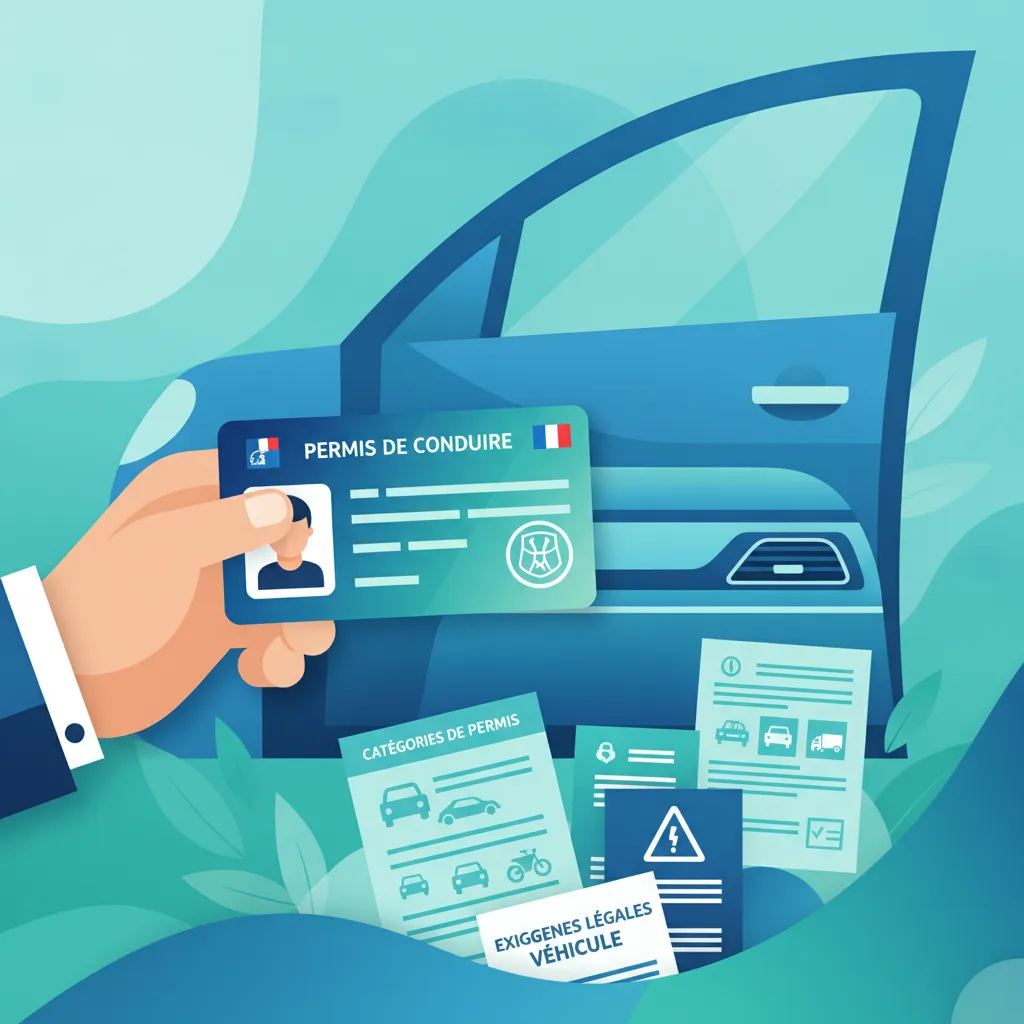
This lesson explores the legal framework defining motorcycle licensing in France under the official Code de la route rules. It explains the specific criteria, power-to-weight ratios, and age thresholds required for the A1, A2, and full Category A permits. You will also learn about the progression path from A2 to A and how both the theoretical and practical examinations are structured.

This lesson details the structure of the French points-based licensing system, explaining how points are deducted for specific traffic violations. You will learn about the special probation rules for novice licenses and the process of recovering lost points through safety courses. It also covers the fine structures, warning that ignoring basic safety laws like speed limits can lead to immediate vehicle impoundment and license suspension.

This lesson focuses on identifying regulatory signs, which are circular signs with red borders for prohibitions or blue backgrounds for obligations. You will learn about specific restrictions that impact motorcycle paths, including narrow lane access bans, motorcycle-specific speed limits, and overtaking prohibitions. Mastering these symbols is vital to ensuring compliance with French road law and avoiding immediate traffic penalty points.

This lesson emphasizes that driving a motorcycle in France involves unique moral and social responsibilities towards vulnerable road users like cyclists and pedestrians. You will examine the importance of defensive riding habits, civil road etiquette, and the prioritizing of shared road safety. Understanding these principles helps to prevent dangerous situations, respect local communities, and lower overall accident statistics.
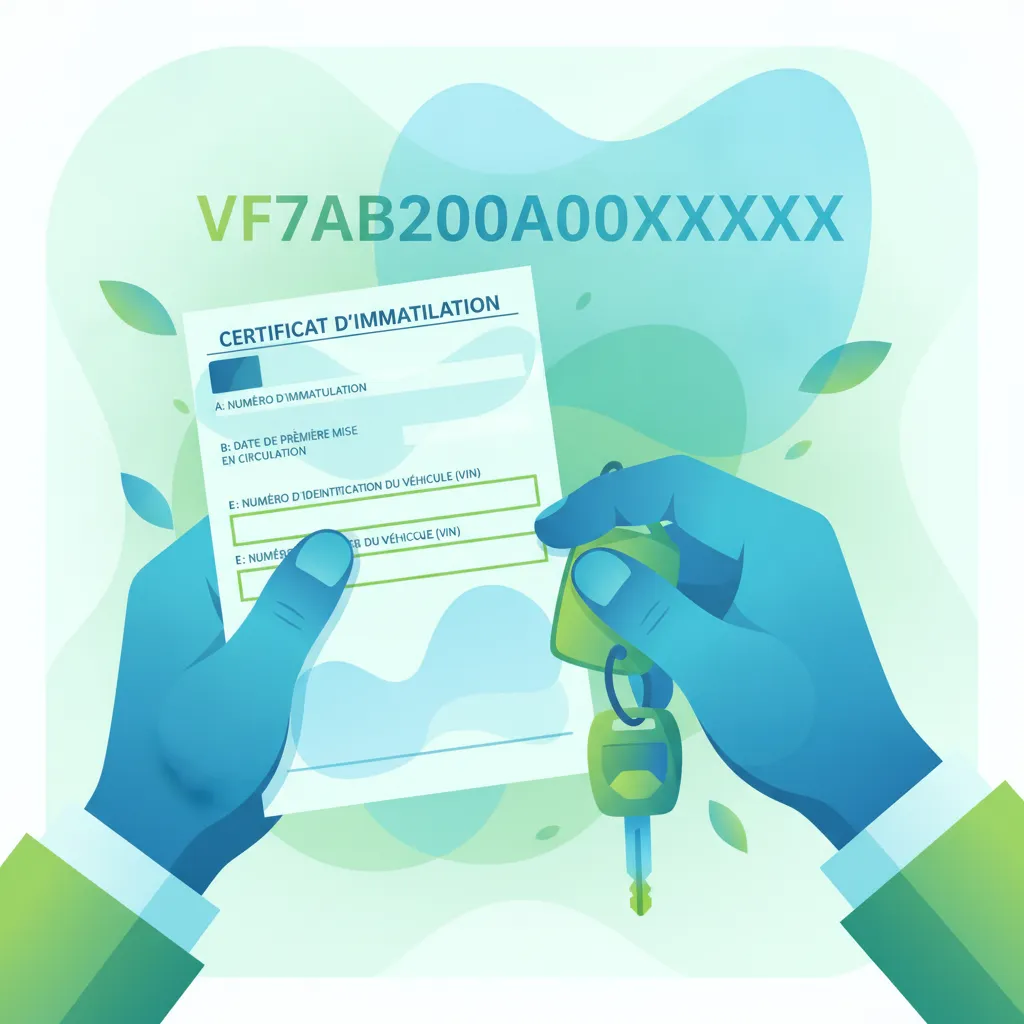
Every driver in France must be able to present official, up-to-date documentation during routine roadside police checks. This lesson details the certificat d'immatriculation (commonly known as the carte grise), valid insurance documents, and the Crit'Air environmental vignette required in low-emission zones. It explains how to complete transfers of ownership and update addresses using the official ANTS digital portal.

This lesson clarifies the legal boundaries of urban infrastructure, highlighting the strict ban on riding motorcycles within bus lanes or cycle paths. You will study French regulations concerning traffic flow, including where and when experimental lane filtering is permitted between lines of stationary cars. Understanding these boundaries ensures you can keep moving through congested areas without risking heavy fines or dangerous collisions.

Operating a passenger vehicle in France requires strict compliance with dynamic safety laws and maintenance rules. This lesson explains your duty of care toward other road users, mandatory child restraint and seatbelt laws, and strict prohibitions on phone use while driving. You will also learn about the required periodic technical vehicle inspections (controle technique) and third-party insurance mandates.

This lesson breaks down the exact steps required to obtain your Category B licence in France, including registering for your unique NEPH identification number. It explains the differences between traditional driving school enrollment and registering as a free candidate (candidat libre) for the ETG theory test. Learners will understand the physical, age, and administrative prerequisites necessary to progress from learning to your final practical exam.

Learners are introduced to the specific vehicle categories encompassed by the AM licence, focusing on cyclomoteurs, scooters, and light quadricycles, and their defining technical specifications. The lesson details the criteria such as engine displacement, maximum speed, and weight restrictions that determine vehicle eligibility for this licence category in France. By understanding these classifications, learners can accurately identify vehicles they are permitted to operate, ensuring compliance with French traffic regulations.

This lesson outlines the rules and practical safety limits of lane filtering, known as 'inter-files' riding, under French road guidelines. You will study the specific speed limits allowed during filtering, the conditions of high congestion where it is permitted, and where it remains completely banned. The lesson also highlights the critical need to anticipate sudden lane changes from frustrated car drivers stuck in stationary traffic queues.
Understand the core responsibilities of motorcyclists regarding vehicle maintenance, environmental impact, and ethical conduct. This lesson focuses on the broader context of riding in France, including the importance of insurance compliance, vehicle traceability, and safe road behaviour as part of your overall duty as a licensed motorcycle operator.
This lesson emphasizes that driving a motorcycle in France involves unique moral and social responsibilities towards vulnerable road users like cyclists and pedestrians. You will examine the importance of defensive riding habits, civil road etiquette, and the prioritizing of shared road safety. Understanding these principles helps to prevent dangerous situations, respect local communities, and lower overall accident statistics.
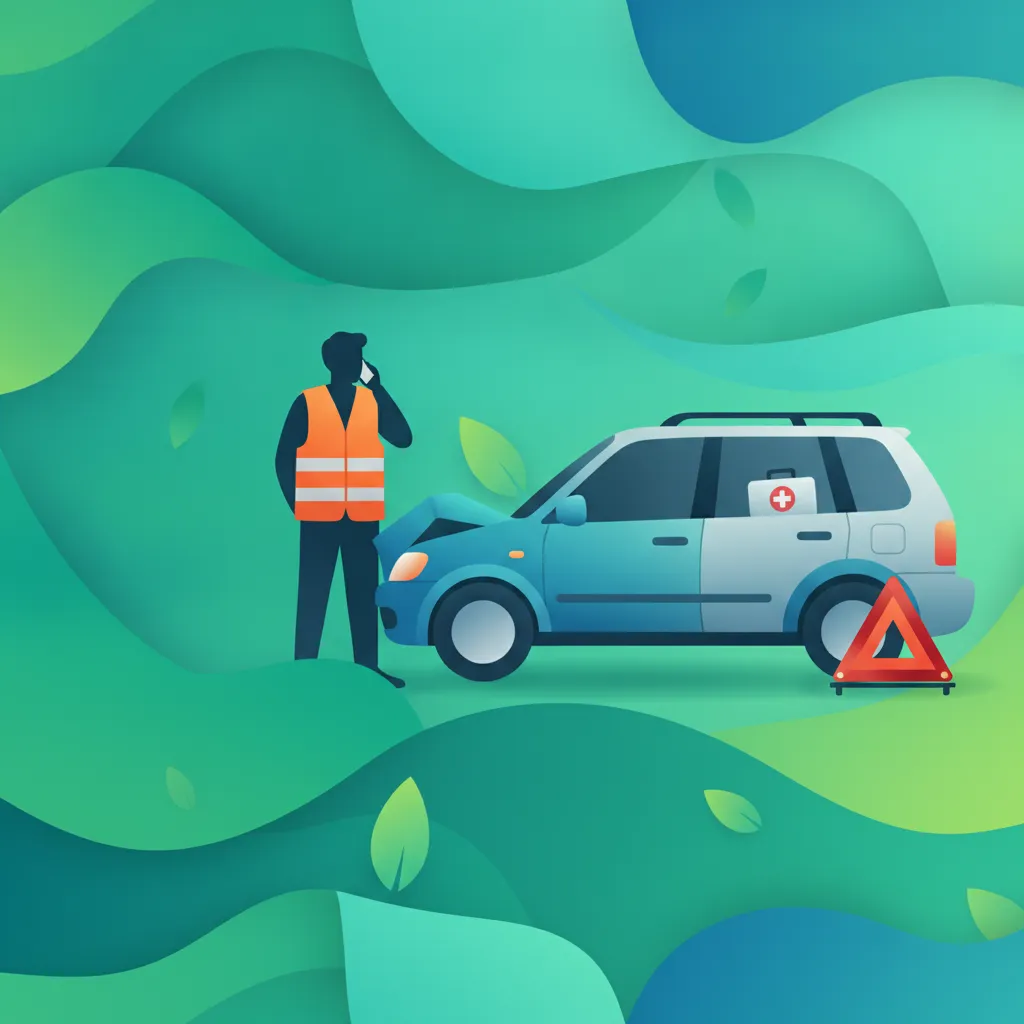
This lesson provides a clear, step-by-step procedure to follow if you witness or are involved in a traffic accident in France. You will learn how to secure the scene using your mandatory hazard triangle and yellow vest to prevent secondary collisions. Crucially, it explains how to contact emergency services via 112 and covers basic first-aid rules, including the absolute ban on removing an injured rider's helmet unless necessary.

Learners explore the specific responsibilities that accompany operating a small, exposed vehicle, emphasizing the need for heightened defensive driving techniques under French law. The lesson stresses the importance of maintaining visibility and predictability, adhering strictly to the Code de la route, and understanding the dynamics of sharing the road safely. By internalizing these responsibilities, riders can significantly reduce risks and contribute to a safer traffic environment for all users.

This lesson focuses on the importance of wearing appropriate protective clothing and gear, such as jackets, CE-certified gloves, and durable boots, that meet safety standards for impact and abrasion resistance. Learners will examine the material properties that provide optimal protection while ensuring comfort and adaptability to various weather conditions. Selecting correct gear helps mitigate injury severity and promotes long-term safety habits among AM riders.

This lesson explores practical methods to make yourself visible to other road users, preventing the classic 'sorry mate, I didn't see you' hazard. You will analyze the use of high-visibility yellow or orange retro-reflective waistcoats, which are legally required to be carried on board in France. Additionally, you will study optimal headlight utilization and correct placement of auxiliary indicators to capture driver attention.

This lesson covers the environmental legalities that motorcyclists must follow in French urban areas, including low-emission zones designated as ZFE. You will understand how Euro emissions classifications affect your motorcycle and learn the process for acquiring and placing a Crit'Air vignette. The lesson also explores eco-driving techniques that help reduce fuel consumption, greenhouse gas emissions, and exhaust noise levels.
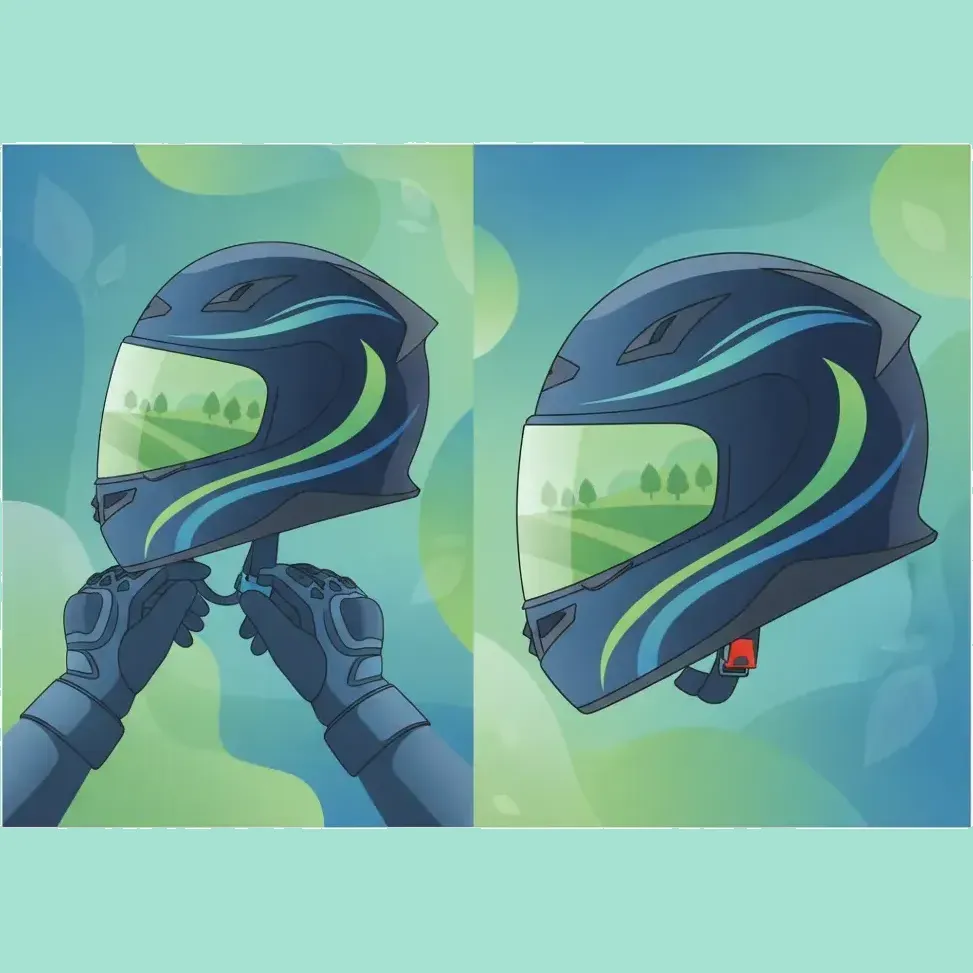
Learners will explore the legal mandate for wearing a helmet while operating an AM vehicle, focusing on the specific protective standards that helmets must meet in France. The lesson details how to correctly fit a helmet, secure straps, and verify certification markings such as the CE label. Understanding these requirements is essential for compliance with French law and for maximizing head injury protection in the event of an accident.

This lesson focuses on the defensive value of CE-certified motorcycle apparel, including jackets, trousers, gloves, and boots. You will learn about the technical properties of abrasion-resistant materials like Cordura or leather, and the integration of armor inserts. Crucially, the lesson covers the French legal mandate requiring riders and passengers to wear certified protective gloves, detailing the legal fines for non-compliance.

This lesson teaches the fundamental differences between helmet types, highlighting full-face, modular, and jet configurations. You will learn about the strict European ECE certification standards and how to secure a perfect anatomical fit to maximize deceleration protection. It also addresses the specific French legal requirement of applying retro-reflective stickers to the helmet for enhanced visibility.

This lesson covers the operational logic of traffic light signals in France, emphasizing the legal implications of the red, amber, and green cycles. You will study how to safely manage the amber phase to avoid rear-end collisions from vehicles behind while maintaining control. Additionally, you will discover the unique challenge of electromagnetic induction loops, which sometimes fail to detect lightweight motorcycles at quiet intersections.
Find clear answers to common questions learners have about Registration, Insurance, and Documentation. Learn how the lesson is structured, which driving theory objectives it supports, and how it fits into the overall learning path of units and curriculum progression in France. These explanations help you understand key concepts, lesson flow, and exam focused study goals.
Yes, you must be able to present your vehicle registration certificate (carte grise) upon request by authorities. Failure to provide it can result in immediate fines and potential vehicle impoundment.
The insurance certificate, often called the 'green disc', must be displayed on a flat, non-removable part of the motorcycle, such as the fork or a dedicated support near the handlebars, making it clearly visible to authorities.
Driving without insurance is a serious offence in France. It can lead to heavy fines, suspension or cancellation of your licence, and full personal liability for any damages or injuries caused in the event of an accident.
While the insurance itself is a requirement for the vehicle regardless of the licence category, it is vital to ensure your insurance policy covers the specific power output of your motorcycle as dictated by your specific licence level (A1, A2, or A).
Ready to focus your study? Use the practice search to find exactly the French driving theory questions you need for the Code de la route and permis de conduire ETG. Refine your knowledge on specific topics or challenging rules to boost your confidence and exam readiness.